



How to Choose Large-Scale Farm Equipment for High-Acreage Operations
Selecting large-scale farm equipment for high-acreage operations is no longer just a horsepower decision—it is a strategic investment in productivity, uptime, fuel efficiency, and long-term operating cost control.
For procurement teams, the challenge is to match machinery capacity, smart technology, service support, and sustainability requirements with real field conditions and business goals.
This guide outlines the key evaluation factors that help buyers make confident, data-driven equipment choices for modern large-scale farming.
Start With the Business Case, Not the Machine Specification
For high-acreage farms, the best equipment choice begins with operational economics, not brochure specifications or maximum rated horsepower.
Procurement teams should first define what the equipment must improve: field capacity, labor efficiency, fuel cost, harvest loss, soil protection, or water productivity.
A 600-horsepower tractor may look attractive, but its value depends on whether it reduces passes, supports wider implements, and stays productive during critical windows.
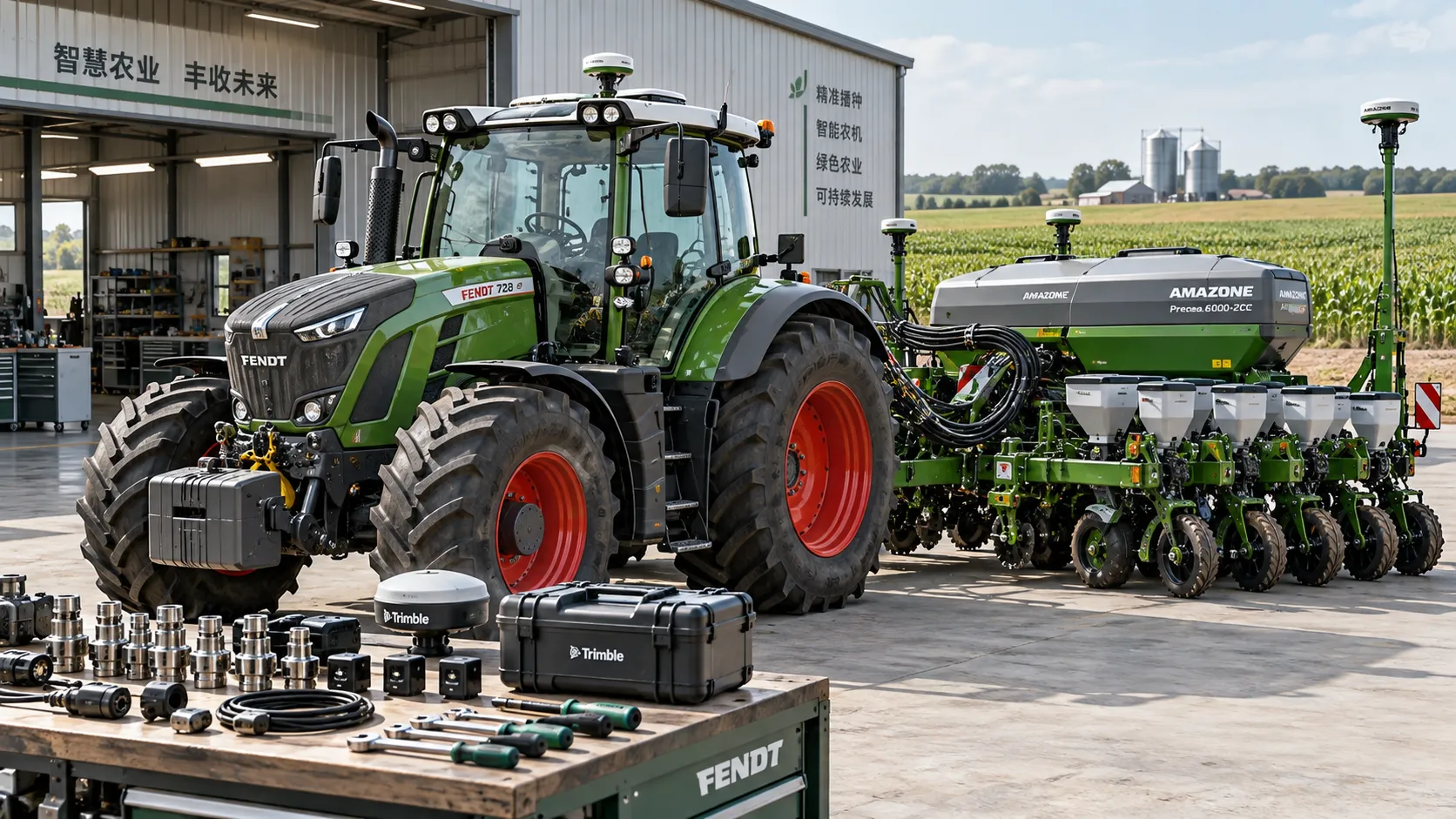
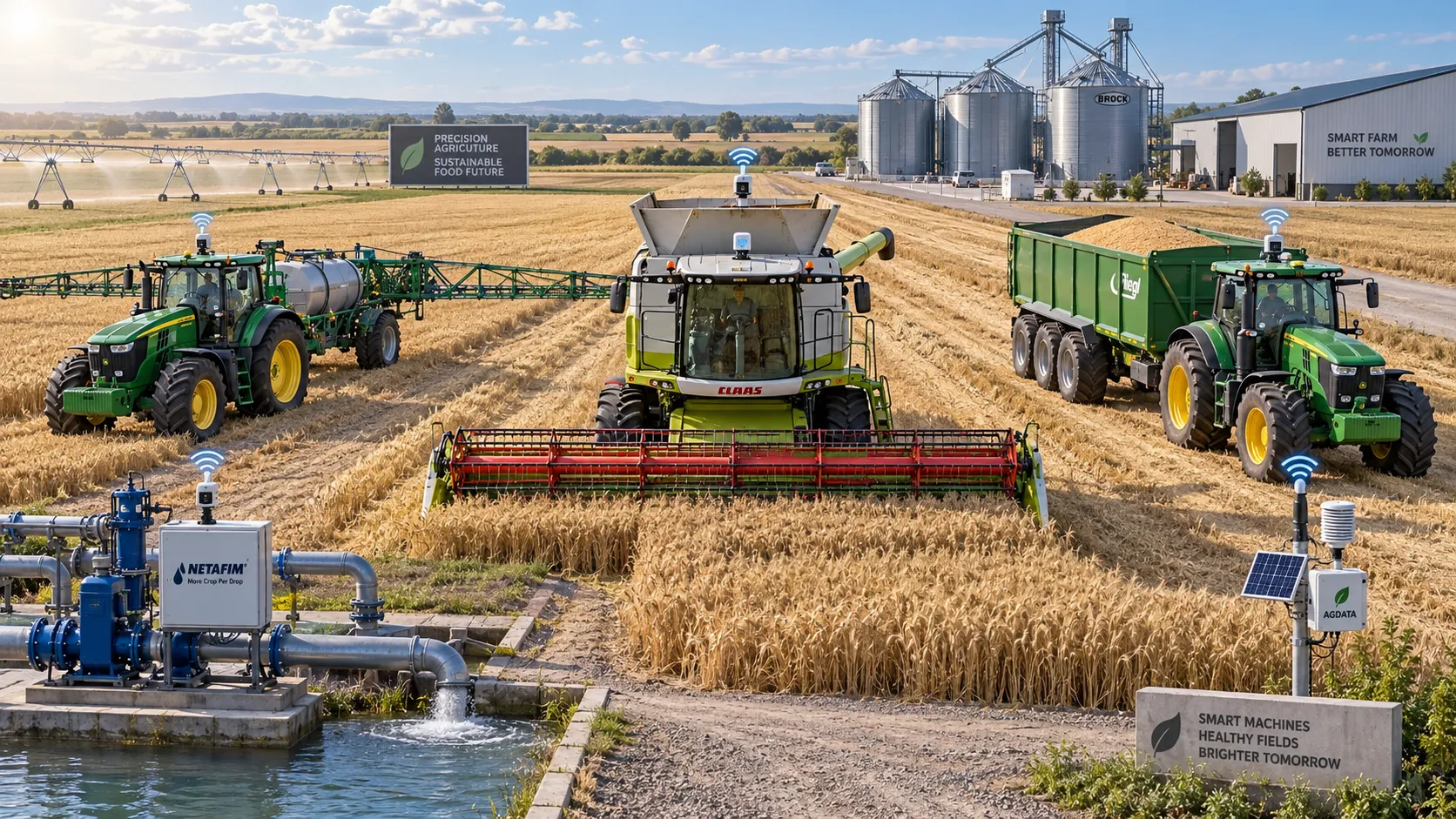
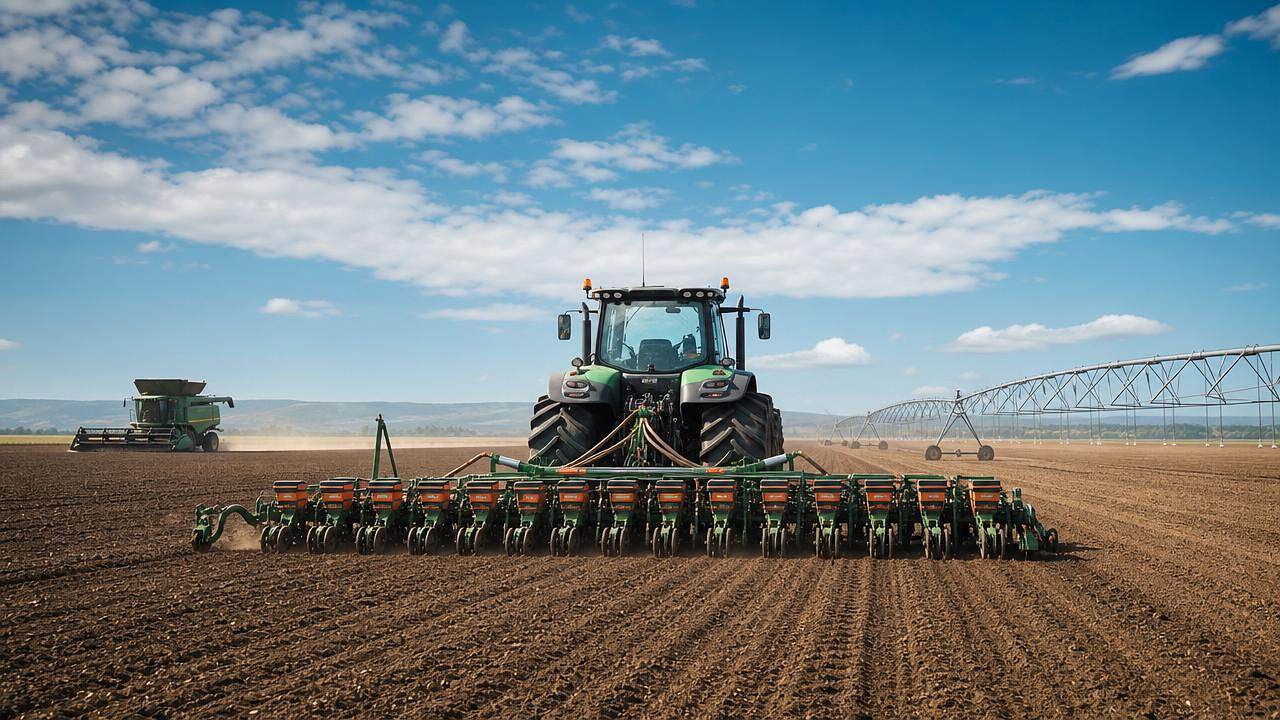
Large-scale farm equipment should be evaluated as part of an operating system, including tractors, combines, planters, sprayers, irrigation assets, digital platforms, and maintenance resources.
The right question is not “Which model is strongest?” but “Which equipment package delivers the lowest cost per acre at acceptable risk?”
This business-first view helps buyers avoid overspending on unused capacity or underinvesting in machines that create bottlenecks during planting, spraying, or harvesting.
Match Equipment Capacity to Acreage, Crop Mix, and Field Windows
High-acreage operations are often constrained by time-sensitive field windows, especially when weather, labor, and crop maturity converge within short periods.
Procurement teams should calculate required acres per day for each operation, then compare that target with realistic field capacity under local conditions.
Theoretical capacity is rarely enough because turning time, refilling, transport distance, breakdowns, and operator fatigue all reduce daily output.
For combines, buyers should compare header width, grain tank capacity, unloading speed, fuel consumption, and loss control across the expected crop environment.
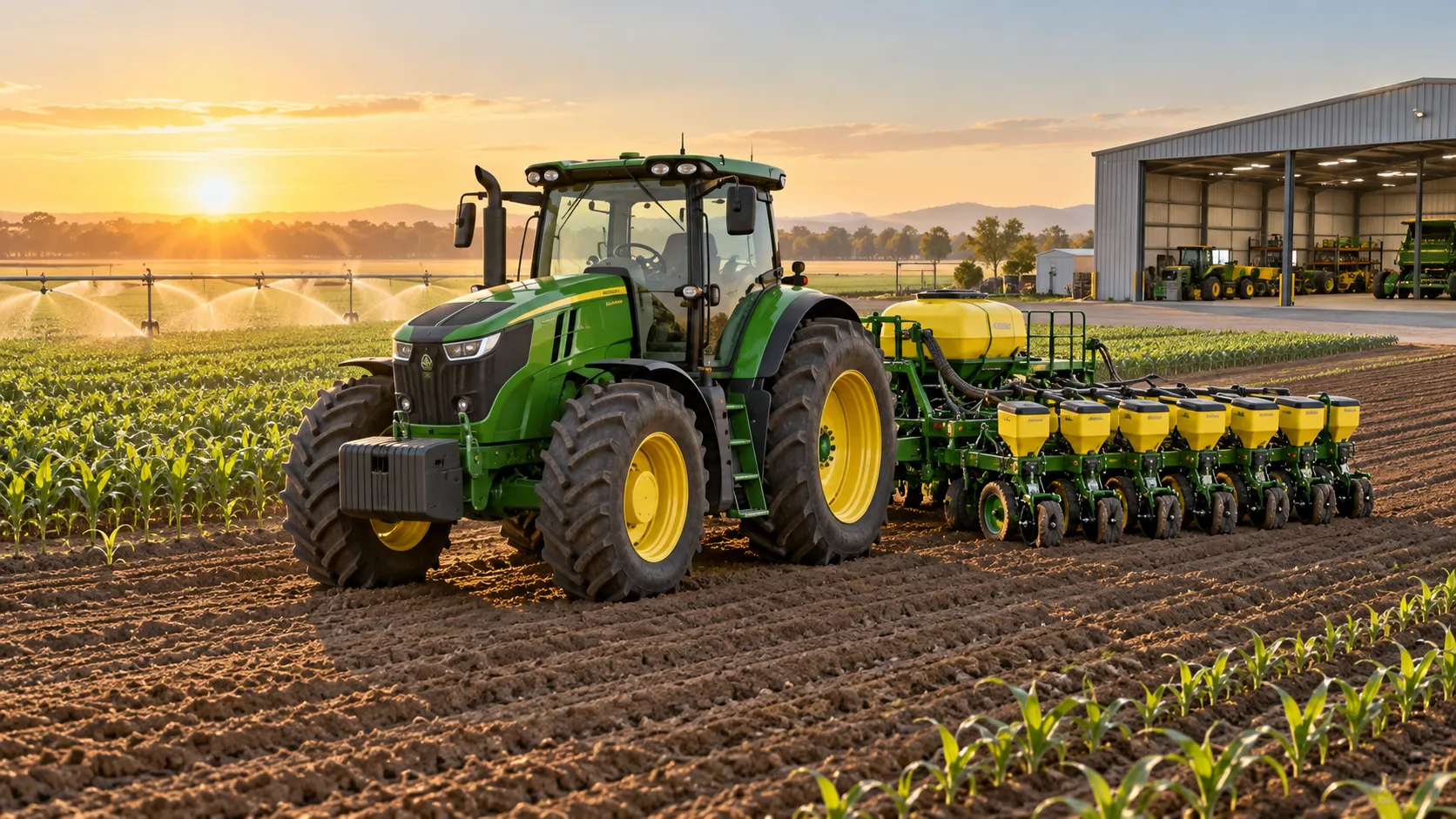
For tractors, the evaluation should include drawbar power, hydraulic flow, transmission efficiency, ballast flexibility, and compatibility with heavy tillage or planting tools.
For sprayers and fertilizer applicators, tank size, boom width, application accuracy, and refill logistics determine whether the machine can protect yield at scale.
Capacity should also be balanced across the fleet because one oversized machine cannot compensate for a weak support chain or slow transport system.
Evaluate Total Cost of Ownership, Not Purchase Price Alone
Large-scale farm equipment carries high capital cost, but purchase price is only one part of the procurement decision.
Total cost of ownership includes depreciation, financing, fuel, maintenance, repairs, consumables, downtime, operator training, insurance, and eventual resale value.
A lower purchase price can become expensive if the machine consumes more fuel, breaks down frequently, or has weak dealer support.
Procurement teams should request lifecycle cost estimates, service interval data, warranty terms, parts pricing, and expected residual values from multiple suppliers.
Fuel efficiency deserves special attention because high-acreage operations may run equipment for long hours across compressed seasonal windows.
Even small reductions in fuel use per acre can become meaningful when multiplied across thousands of acres and several operating seasons.
Buyers should compare cost per acre, cost per hour, and cost per ton harvested, depending on the equipment category and business objective.
Prioritize Uptime, Service Coverage, and Parts Availability
In high-acreage farming, downtime during planting or harvest can cost more than many procurement teams initially estimate.
A machine that fails during a narrow weather window can affect yield, grain quality, labor scheduling, and downstream logistics.
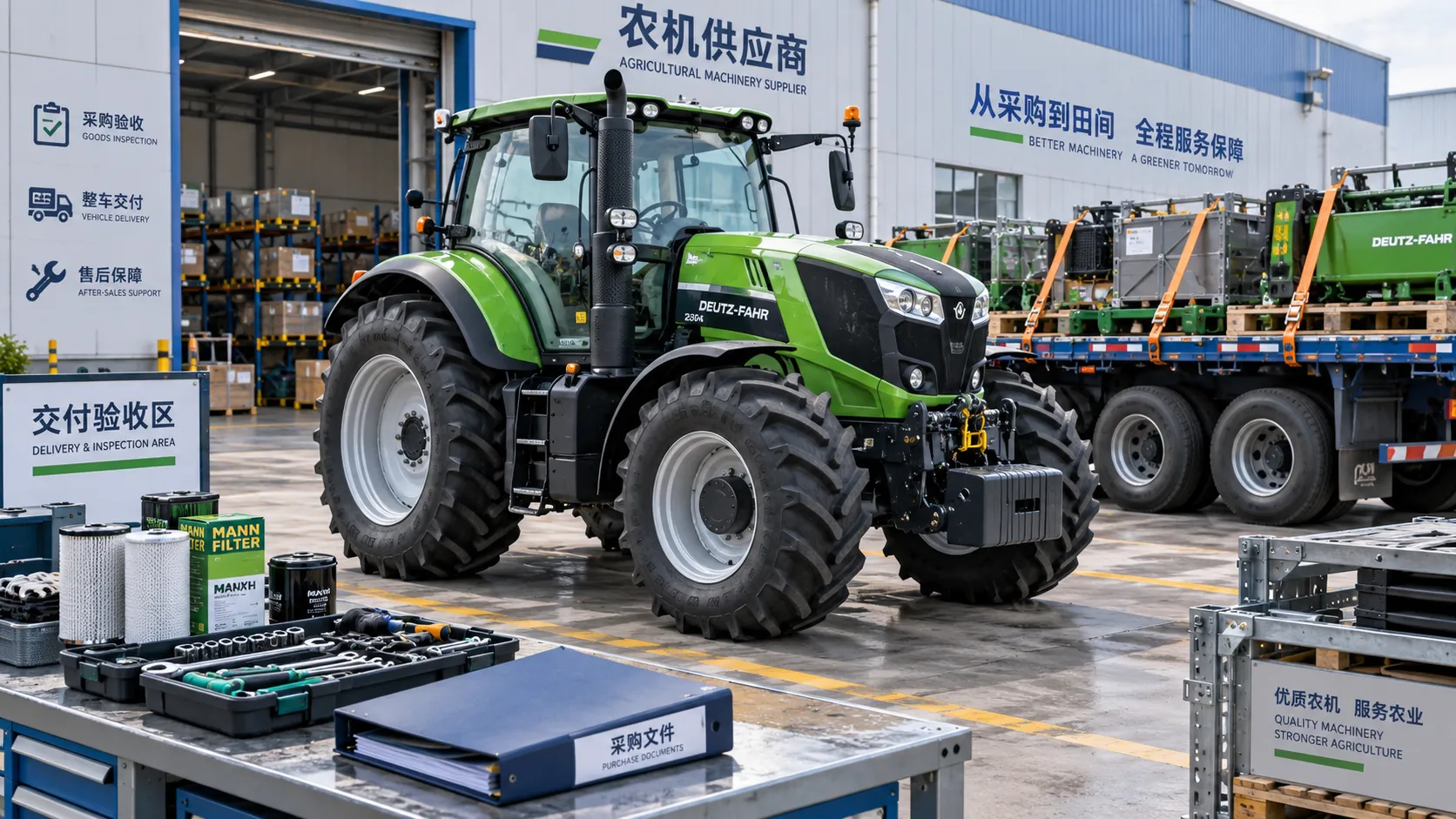
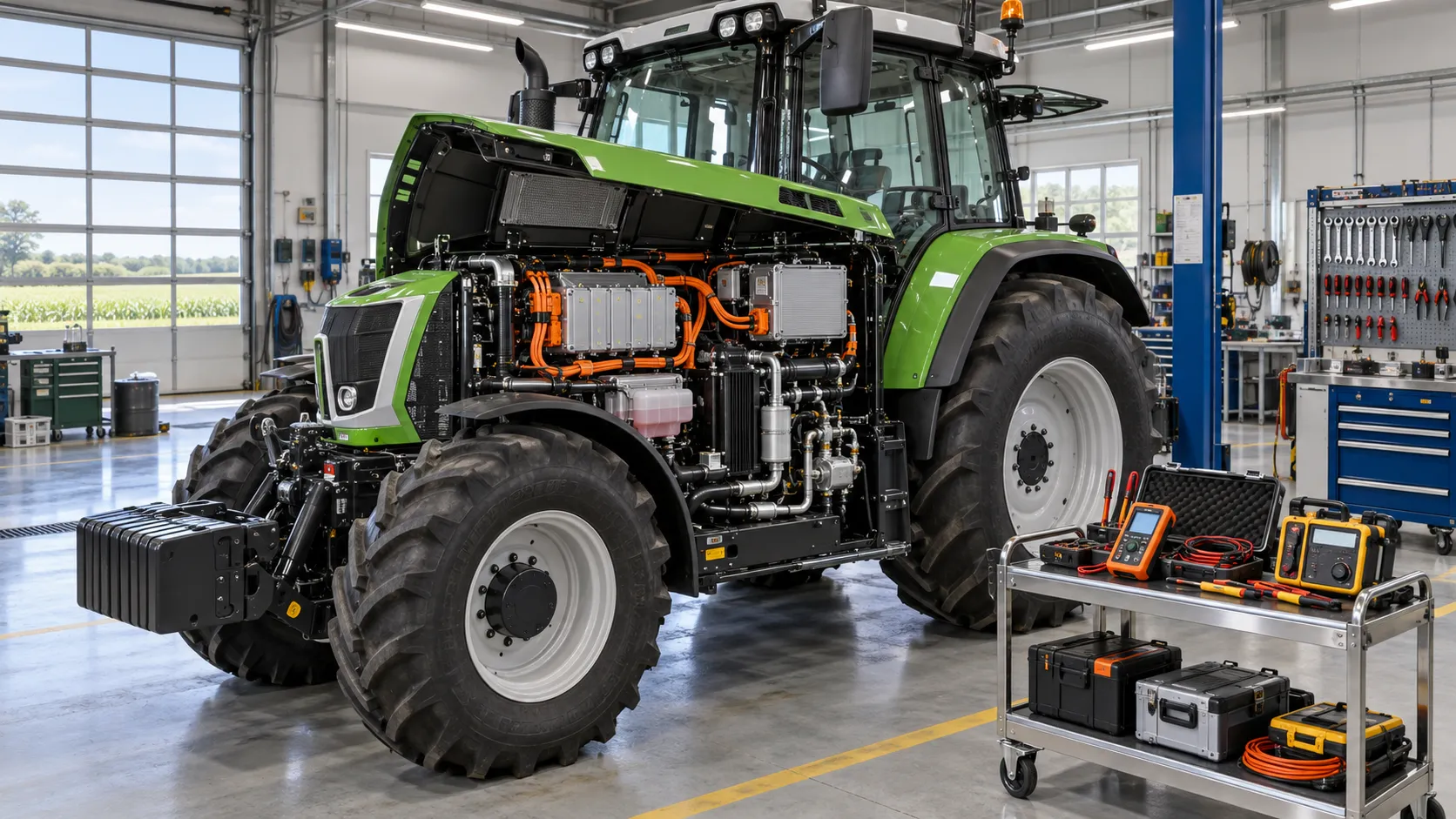
Before selecting large-scale farm equipment, buyers should assess dealer network strength, mobile service availability, technician skill, and emergency parts inventory.
Service-level commitments should be discussed before purchase, including response time, seasonal support coverage, remote diagnostics, and replacement equipment options.
Procurement teams should ask whether critical components are stocked locally or must be shipped from regional or international distribution centers.
Digital diagnostics can reduce downtime, but only if the supplier can interpret alerts quickly and dispatch the right support resources.
For multinational or multi-site farming groups, standardized platforms may simplify technician training, spare parts planning, and fleet maintenance management.
Check Compatibility With Existing Implements and Digital Systems
Equipment selection should account for the farm’s current fleet, implement inventory, guidance systems, data platforms, and maintenance capabilities.
A tractor with impressive engine power may still be unsuitable if hydraulic capacity, hitch category, PTO configuration, or tire setup limits implement use.
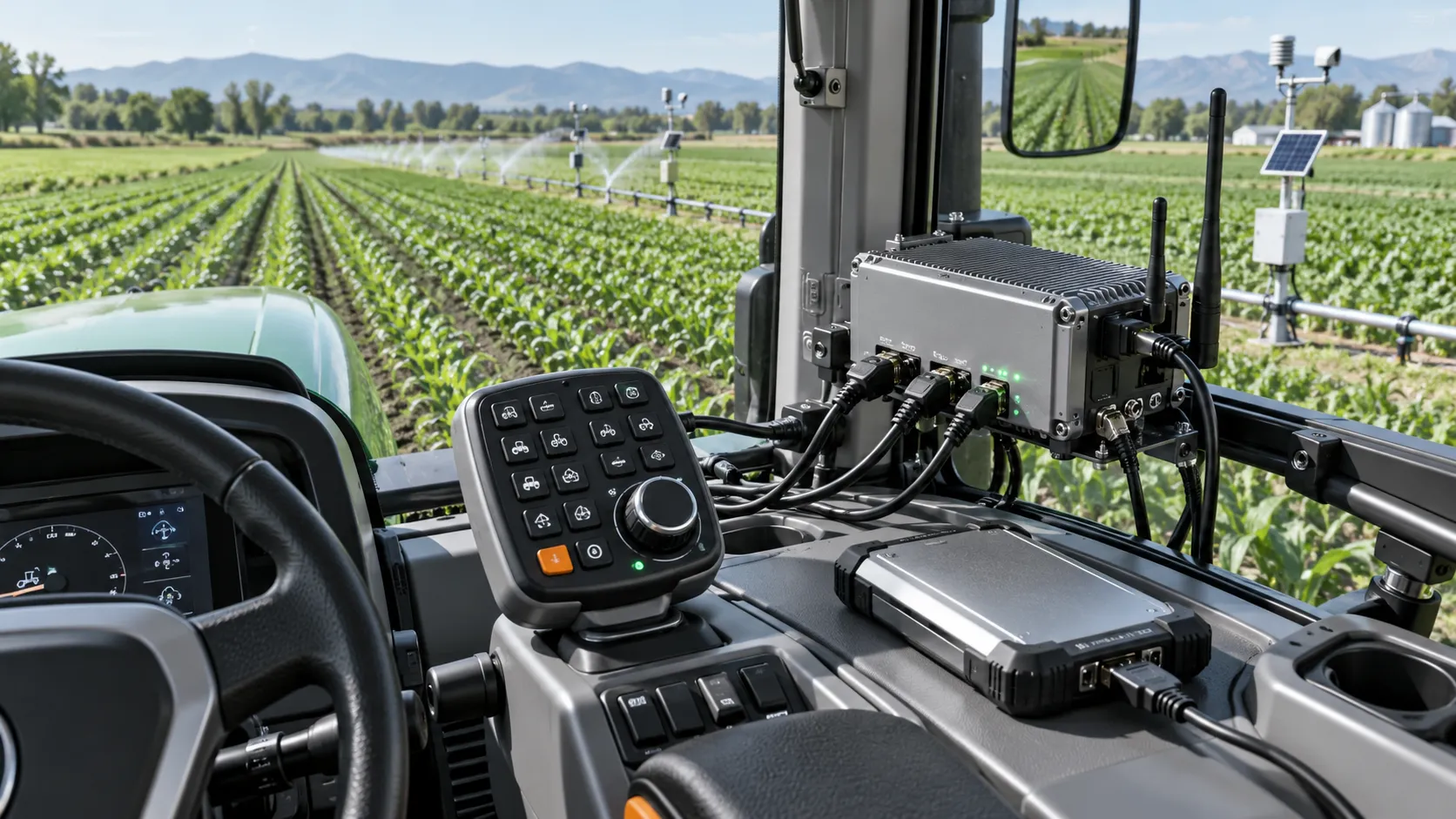
For intelligent farm tools, procurement teams should verify ISOBUS compatibility, variable-rate control, section control, auto-steering integration, and data export formats.
Interoperability matters because high-acreage operations often depend on coordinated decisions across planting maps, fertilizer prescriptions, yield data, and irrigation scheduling.
Closed systems may offer smoother internal performance but can create supplier lock-in, higher switching costs, or limited integration with existing platforms.
Open compatibility, reliable data transfer, and clear ownership of field data should be part of every modern equipment procurement discussion.
Before committing, buyers should test whether machines can exchange usable information with farm management software and agronomic decision tools.
Assess Precision Technology by Measurable Field Value
Smart technology is now central to large-scale farm equipment, but not every digital feature delivers equal commercial value.
Procurement teams should separate useful precision functions from attractive options that do not solve a specific operational problem.
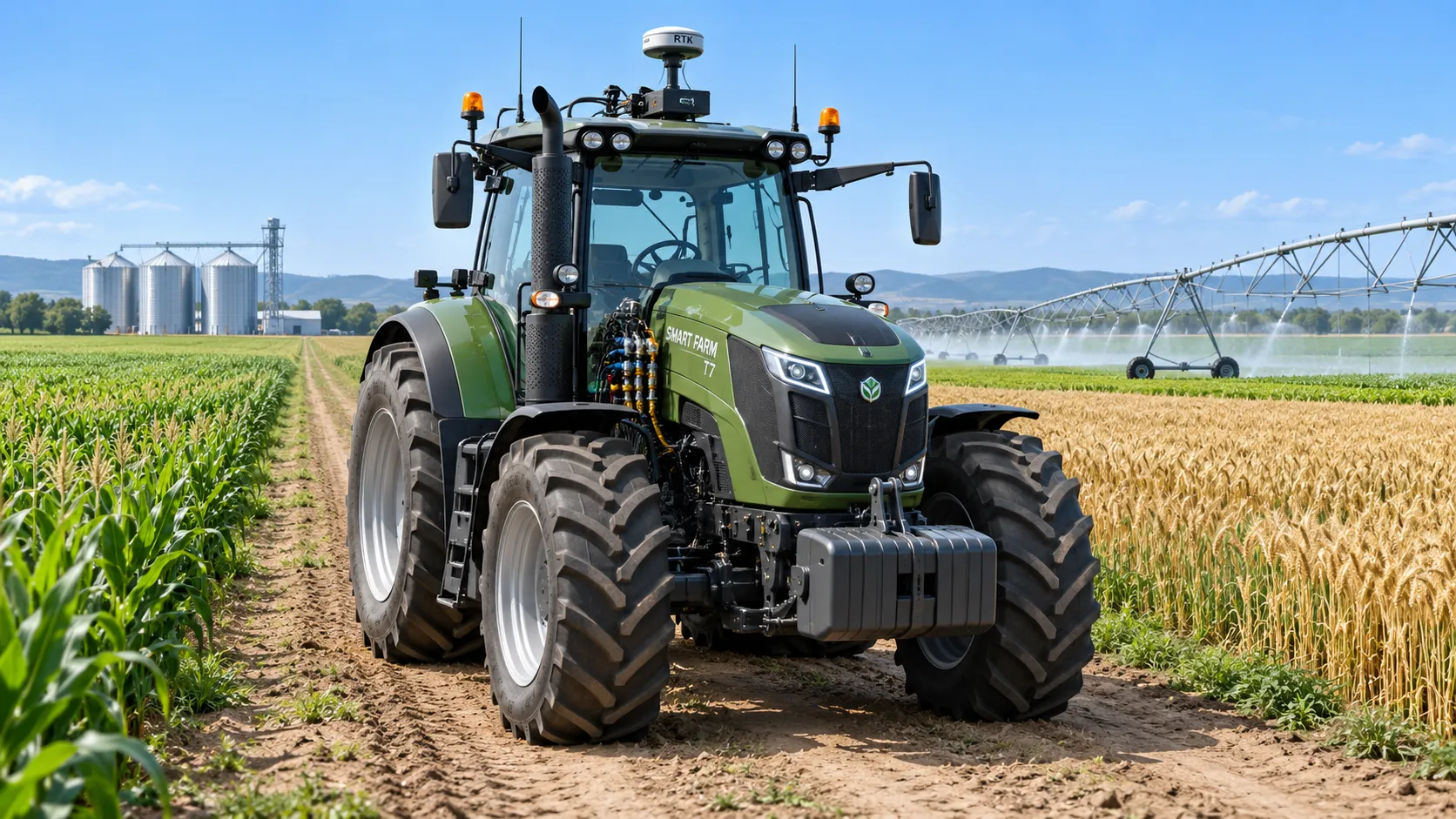
Auto-steering can reduce overlap, operator fatigue, and input waste, especially across large fields with repetitive passes.
Variable-rate application can improve seed, fertilizer, chemical, and water efficiency when supported by reliable prescriptions and field variability data.
Yield monitoring and machine telematics help identify bottlenecks, compare operator performance, and support better maintenance planning across large fleets.
For combine harvesters, advanced loss sensors, cleaning system automation, and crop-flow monitoring can directly protect revenue during high-volume harvesting.
The strongest precision technologies are those linked to measurable outcomes, such as fewer passes, lower inputs, reduced losses, or improved timeliness.
Consider Soil, Terrain, Climate, and Water Constraints
High-acreage operations often span different soil types, slopes, drainage conditions, and microclimates, making field adaptability essential.
Heavy equipment can improve productivity, but it can also increase compaction risk if tires, tracks, axle loads, and ballast are poorly matched.
In wet regions, track systems, flotation tires, and controlled traffic strategies may protect soil structure and keep machines moving.
In dry regions, equipment decisions should also connect with water-saving irrigation systems, residue management, and soil moisture conservation practices.
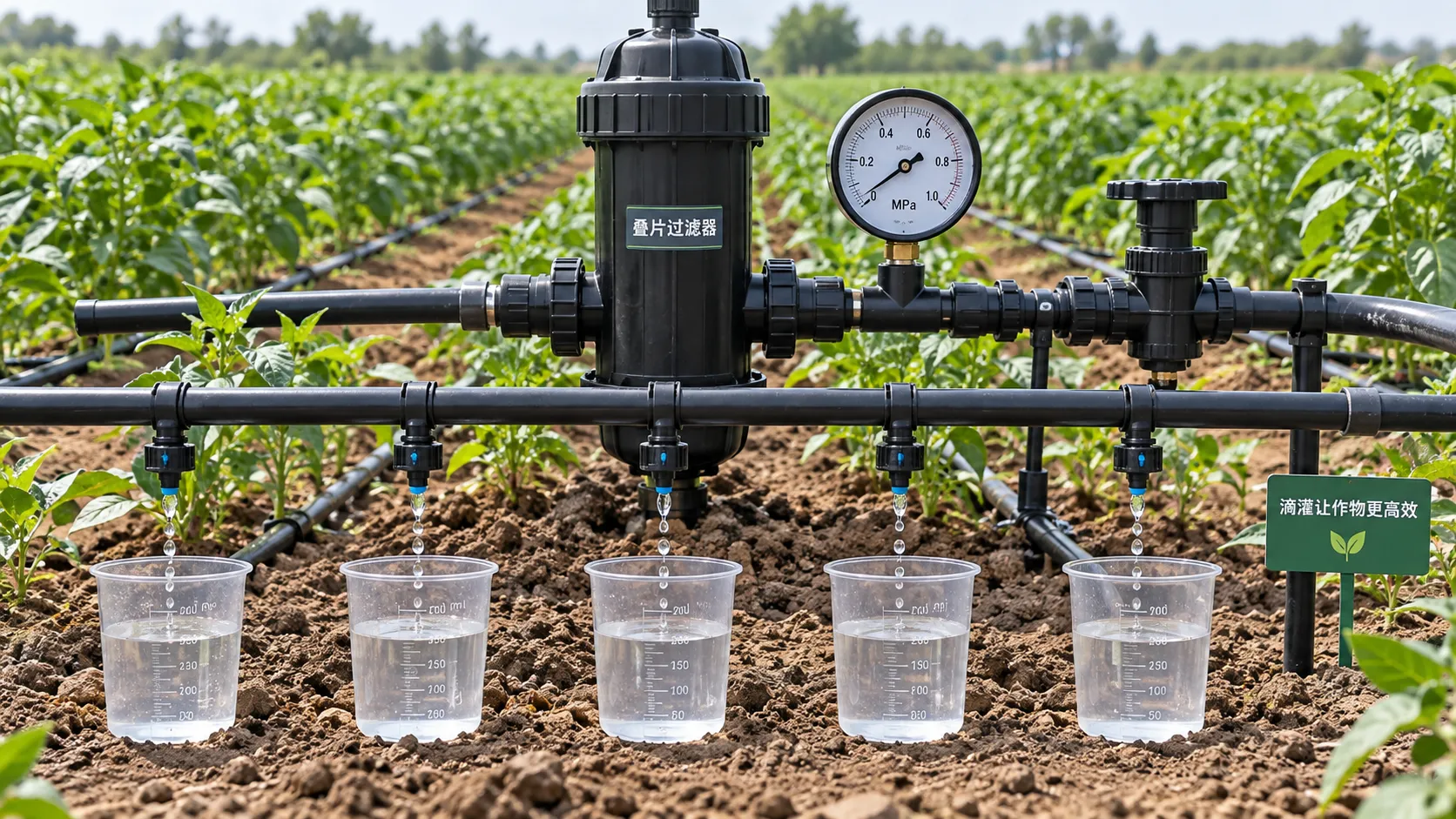
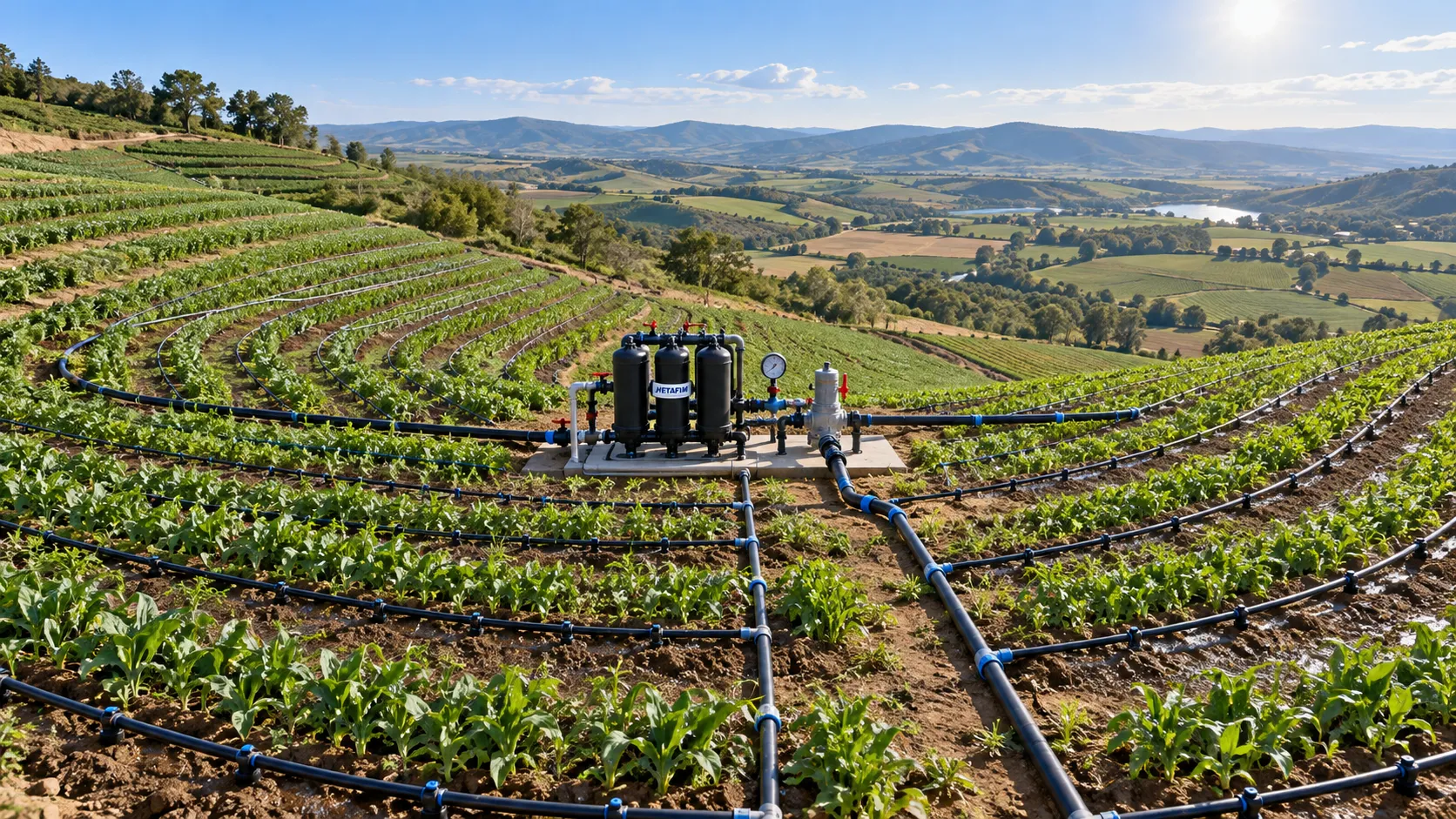
For intelligent irrigation, buyers should evaluate pump efficiency, filtration, emitter reliability, sensor integration, and scheduling tools based on evapotranspiration data.
Climate volatility also increases the value of machines that can complete work quickly when conditions become favorable.
Equipment that performs well in ideal demonstrations may disappoint if it lacks durability, traction, cooling capacity, or dust protection in real environments.
Build a Procurement Scorecard for Objective Comparison
A structured scorecard helps procurement teams compare models objectively and avoid decisions based on familiarity, discounts, or sales pressure.
The scorecard should weight the factors that matter most to the operation, rather than treating every specification equally.
Core categories may include field capacity, fuel efficiency, uptime support, technology compatibility, operator usability, parts availability, financing, and resale value.
For each category, buyers should define evidence requirements, such as field trials, service records, third-party data, or verified customer references.
Weighted scoring is especially useful when comparing premium machines with lower-cost alternatives that may differ in lifecycle risk.
Procurement teams should include farm managers, operators, maintenance staff, finance teams, and agronomic advisors in the evaluation process.
This cross-functional review reduces blind spots and ensures the final equipment choice supports both field execution and financial performance.
Use Field Trials and Reference Checks Before Final Commitment
Catalog data cannot fully predict how large-scale farm equipment will perform under local soil, crop, weather, and operator conditions.
Whenever possible, procurement teams should arrange field demonstrations using realistic implements, working speeds, terrain, and daily operating targets.
During trials, buyers should observe fuel consumption, turning efficiency, cab comfort, visibility, control layout, soil impact, and ease of adjustment.
For combines, trial evaluation should include grain loss, sample cleanliness, throughput stability, unloading logistics, and performance under varying moisture levels.
Reference checks are equally important because experienced users can reveal maintenance patterns, software issues, dealer responsiveness, and hidden operating costs.
Procurement teams should speak with farms of similar acreage, crop mix, and operating intensity, not only with showcase customers.
A short field trial can prevent long-term dissatisfaction if the equipment is poorly matched to the farm’s practical demands.
Review Financing, Fleet Strategy, and Replacement Timing
Large equipment procurement is often connected to broader fleet strategy, cash flow planning, and asset replacement cycles.
Buyers should compare outright purchase, leasing, rental, seasonal hire, and cooperative ownership models based on utilization and capital availability.
Machines with high annual utilization may justify ownership, while specialized equipment used briefly may be better suited to rental or contracting.
Procurement teams should also consider whether standardizing brands or platforms reduces training, parts inventory, and diagnostic complexity.
Replacement timing matters because keeping aging machines too long can increase downtime risk during the most valuable operating periods.
However, replacing too early can reduce return on capital if the machine still has useful life and acceptable service reliability.
A disciplined fleet plan links equipment age, hours, repair cost, residual value, and operational risk into a clear replacement schedule.
Include Sustainability and Compliance in the Buying Decision
Sustainability requirements are increasingly influencing equipment procurement, especially for producers serving regulated, export-oriented, or environmentally audited markets.
Fuel-efficient engines, low-emission systems, precision input application, and water-saving irrigation technologies can help farms reduce environmental impact.
For procurement teams, sustainability should be assessed through practical metrics, not only corporate messaging or supplier claims.
Useful indicators include fuel use per acre, chemical overlap reduction, water-use efficiency, soil compaction risk, and nutrient application accuracy.
Autonomous and electric technologies may offer future advantages, but buyers should evaluate infrastructure readiness, service maturity, and operational fit.
Regulatory trends also matter because emissions standards, data reporting, water restrictions, and chemical application rules can affect equipment value.
Choosing adaptable equipment helps protect the farm from future compliance costs and supports stronger long-term business resilience.
Common Procurement Mistakes to Avoid
One common mistake is buying oversized equipment without confirming whether field layout, transport routes, and support logistics can handle it.
Another mistake is underestimating operator training, especially when advanced guidance, automation, and digital controls are part of the value proposition.
Procurement teams may also focus too heavily on engine horsepower while ignoring hydraulics, transmission performance, traction, and implement compatibility.
Some buyers accept attractive upfront discounts without examining warranty exclusions, software subscriptions, parts costs, and long-term service limitations.
It is also risky to buy technology without a plan for data management, agronomic interpretation, and staff adoption.
The best procurement decisions combine technical comparison with field validation, financial analysis, and honest assessment of organizational readiness.
Conclusion: Choose Equipment That Strengthens the Whole Operation
Choosing large-scale farm equipment for high-acreage operations requires more than comparing power ratings, machine size, or brand reputation.
The strongest purchasing decisions start with the farm’s business goals, acreage demands, seasonal risks, labor capacity, and long-term cost structure.
Procurement teams should evaluate total ownership cost, uptime support, digital compatibility, field adaptability, sustainability, and measurable productivity gains.
When equipment selection is treated as a strategic system decision, machinery becomes a lever for better timing, lower waste, and stronger margins.
For modern high-acreage farming, the right equipment is not simply the biggest machine available; it is the machine that reliably improves performance per acre.