
Can climate-smart farming cut risk without raising costs?
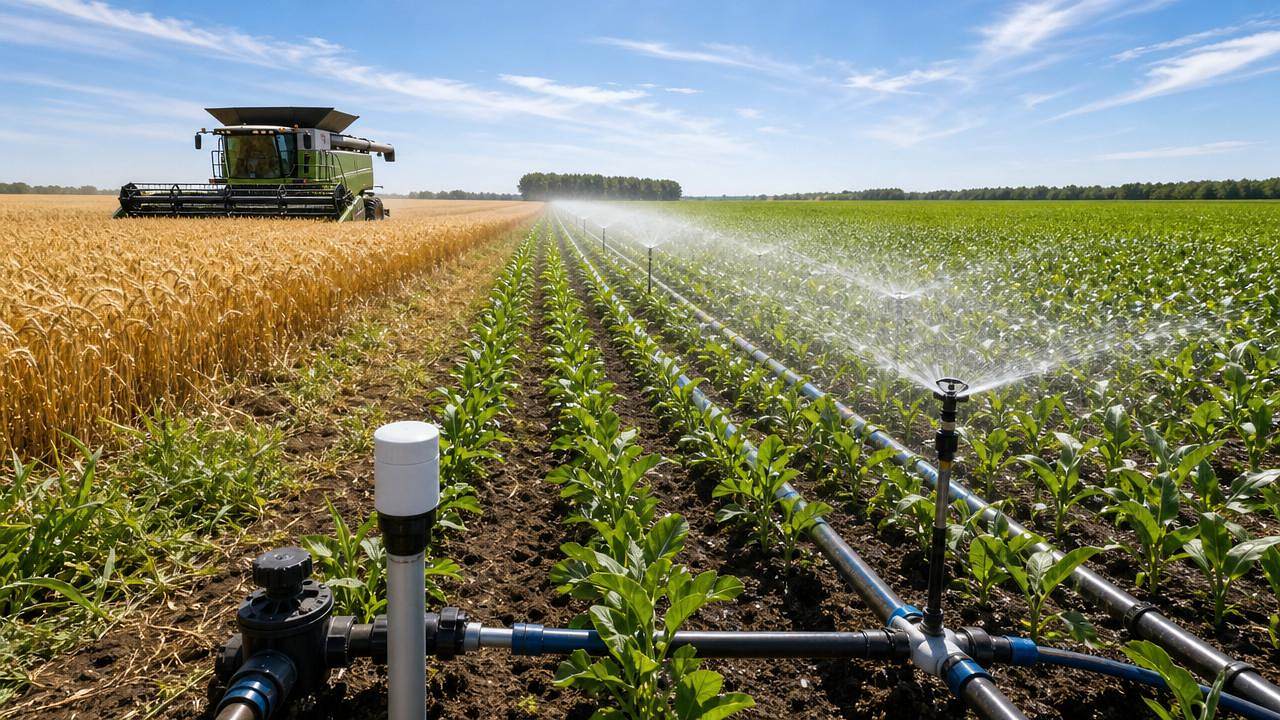




Can Climate-Smart Farming Cut Risk Without Raising Costs?
Investment approval now depends on whether sustainability protects margins, not whether it sounds responsible.
Climate-smart farming is being judged by measurable resilience, lower volatility, and disciplined payback across machinery, irrigation, and field data systems.
Extreme weather, input inflation, and compliance pressure are changing how farms evaluate technology. The stronger case links risk reduction with cost control.
Scenario Background: Why Risk Control Now Defines Farm Investment
Different farm scenarios carry different exposure. Drought, delayed harvest, fuel volatility, labor shortages, and water restrictions rarely affect operations equally.
Climate-smart farming matters because it translates climate uncertainty into practical decisions about timing, equipment settings, irrigation scheduling, and input use.
The central question is not whether every farm needs advanced technology. It is where climate-smart farming removes the most avoidable loss.
Large-scale farms often focus on machinery utilization and harvest windows. Irrigated farms may prioritize water productivity and pump energy efficiency.
Rainfed grain systems may need better soil moisture decisions, hybrid selection, and residue management. Specialty crops require tighter quality and timing control.
In each case, climate-smart farming should reduce uncertainty before it adds complexity. That principle keeps the business case grounded.
Scenario One: Irrigated Fields Under Water and Energy Pressure
Irrigated operations face a direct link between climate exposure and operating cost. Water scarcity can quickly become an energy and yield problem.
Here, climate-smart farming starts with scheduling. Soil sensors, evapotranspiration models, and weather forecasts help irrigation match crop demand more closely.
The cost case improves when systems prevent overwatering, reduce pumping hours, and protect yield during heat stress. Savings are both agronomic and mechanical.
Smart irrigation does not always require replacing full networks. Retrofits, zone controls, pressure monitoring, and leak detection can deliver staged gains.
The strongest fit appears where water rules are tightening, electricity tariffs fluctuate, or wells show declining reliability.
Core judgment point
If water cost, pumping time, or crop stress events are rising, climate-smart farming can reduce risk without expanding total operating cost.
Scenario Two: Harvest Operations Facing Narrower Weather Windows
Harvest risk is often hidden until weather closes the window. Delays can increase shattering, lodging, moisture penalties, and grain quality losses.
Climate-smart farming in this scenario focuses on machine readiness, combine calibration, route planning, and real-time loss monitoring.
A combine harvester with better cleaning feedback, header control, and throughput stability can reduce losses during variable field conditions.
The investment case strengthens when machinery data prevents downtime and improves capacity during high-value harvest days.
Climate-smart farming does not mean buying the largest machine. It means matching capacity, service support, and crop conditions.
Where weather windows are shrinking, predictive maintenance and fleet coordination may produce stronger returns than simple horsepower expansion.
Core judgment point
If harvest losses are linked to late entry, breakdowns, or poor calibration, climate-smart farming supports margin protection through operational discipline.
Scenario Three: Broadacre Grain Systems With Input Inflation
Broadacre grain systems are highly exposed to fertilizer, fuel, seed, and chemical price swings. Small efficiency gains can scale quickly.
In this context, climate-smart farming uses variable-rate application, guidance systems, soil maps, and yield history to reduce blanket input decisions.
The goal is not minimal input use. The goal is placing inputs where response probability justifies cost.
Precision fertilization, controlled traffic, and residue retention can stabilize soil function while reducing unnecessary passes and fuel demand.
Climate-smart farming works best when agronomic zones are reliable. Weak data quality can turn prescription maps into expensive guesswork.
For large operations, the practical return often comes from fewer overlaps, better timing, and reduced rework after weather disruption.
Core judgment point
If input costs are rising faster than yield gains, climate-smart farming should first target variable-rate decisions and field traffic efficiency.
Scenario Four: Mixed Farms Balancing Labor, Machinery, and Compliance
Mixed farms often combine livestock, forage, grains, and irrigation. Their risk profile is broader but less visible in single-field metrics.
Climate-smart farming helps connect machinery scheduling, nutrient plans, manure management, water use, and feed production.
The best entry point is usually not a standalone technology. It is the process causing repeated delays, waste, or compliance exposure.
Telematics, digital work orders, and field records can improve visibility without replacing every machine.
For these operations, climate-smart farming reduces risk by making hidden bottlenecks measurable before they become costly.
Core judgment point
If labor gaps, reporting pressure, and machinery conflicts overlap, climate-smart farming should start with workflow visibility and asset coordination.
Different Scenario Needs: Where the Business Case Changes
The table shows why climate-smart farming should be scenario-led. A universal package can miss the real source of financial exposure.
Scenario Adaptation Advice: Build Resilience Without Cost Creep
A disciplined plan starts with risk mapping. The best first investment is usually where annual losses are already visible.
- Measure the loss before selecting technology.
- Prioritize retrofits when existing equipment remains reliable.
- Use field data only when it changes decisions.
- Match automation level with service capability.
- Set payback targets for each scenario.
Climate-smart farming becomes costly when technology is added without changing operations. It becomes efficient when it removes repeated uncertainty.
For machinery, focus on uptime, fuel efficiency, hydraulic performance, and service availability. Advanced features only matter if operators use them consistently.
For irrigation, focus on water productivity per unit of energy. A sensor network should support decisions, not create unused dashboards.
For precision application, validate maps with field observations. Climate-smart farming needs agronomic truth, not only digital precision.
Common Misjudgments That Weaken the Payback
One frequent mistake is treating climate-smart farming as a premium equipment category. The better view is a risk management system.
Another mistake is overlooking maintenance. Sensors, pumps, control valves, transmissions, and harvest components must remain dependable during stress periods.
Data fragmentation is also common. Yield maps, irrigation records, fuel logs, and weather data lose value when they remain disconnected.
Over-automation can create risk when local service, operator training, or spare parts are insufficient. Resilience requires support capacity.
Some operations also ignore opportunity cost. A delayed harvest or failed irrigation event may cost more than the visible equipment expense.
Climate-smart farming should therefore be evaluated with avoided loss, not only direct savings. That creates a fairer payback calculation.
How AP-Strategy Frames the Decision
The Global Agri-Pulse Hub connects machinery intelligence, precision algorithms, and sustainability requirements into practical decision insight.
Its focus areas reflect where climate-smart farming becomes operational: large-scale machinery, combine harvesters, tractor chassis, intelligent tools, and water-saving irrigation.
A tractor chassis decision may involve fuel use, hydraulic control, and transmission reliability. A harvester decision may involve loss feedback and throughput stability.
An irrigation decision may involve transpiration prediction, pressure control, and water recycling. Each case links technology with scenario risk.
This integrated view helps climate-smart farming move beyond slogans. It supports capital discipline, asset allocation, and measurable resilience.
Action Guide: Next Steps for Practical Implementation
- List the top three weather-related losses from recent seasons.
- Attach each loss to a field process, machine, or water decision.
- Compare retrofit, software, and replacement options.
- Define payback using avoided loss and operating savings.
- Pilot the chosen measure before scaling across acreage.
Climate-smart farming can cut risk without raising costs when it starts from the right scenario and targets measurable exposure.
The strongest projects do not chase every innovation. They protect yield, reduce waste, and improve machinery utilization under climate pressure.
For farms evaluating the next investment cycle, the practical path is clear: identify the risk, quantify the loss, and choose technology accordingly.
With that discipline, climate-smart farming becomes a margin protection strategy, not an added cost burden.
Related News
Choosing Crop Protection Equipment for Hot, Windy Middle Eastern Farms
Compare crop protection equipment Middle East farms need for hot, windy conditions. Discover key nozzle, drift-control, and durability checks to choose the right sprayer.
Choosing an Agriculture 4.0 Supplier: Compatibility, Support, and Total Cost
Choose an Agriculture 4.0 supplier with confidence. Learn how to verify compatibility, assess support, and compare total ownership costs to avoid hidden fees and costly downtime.
Low-Pressure Drip Irrigation: How to Fix Uneven Watering Without Raising Pressure
Optimize low pressure water-saving irrigation systems: discover how to fix uneven watering, clear blockages, and reduce hydraulic losses without raising supply pressure.
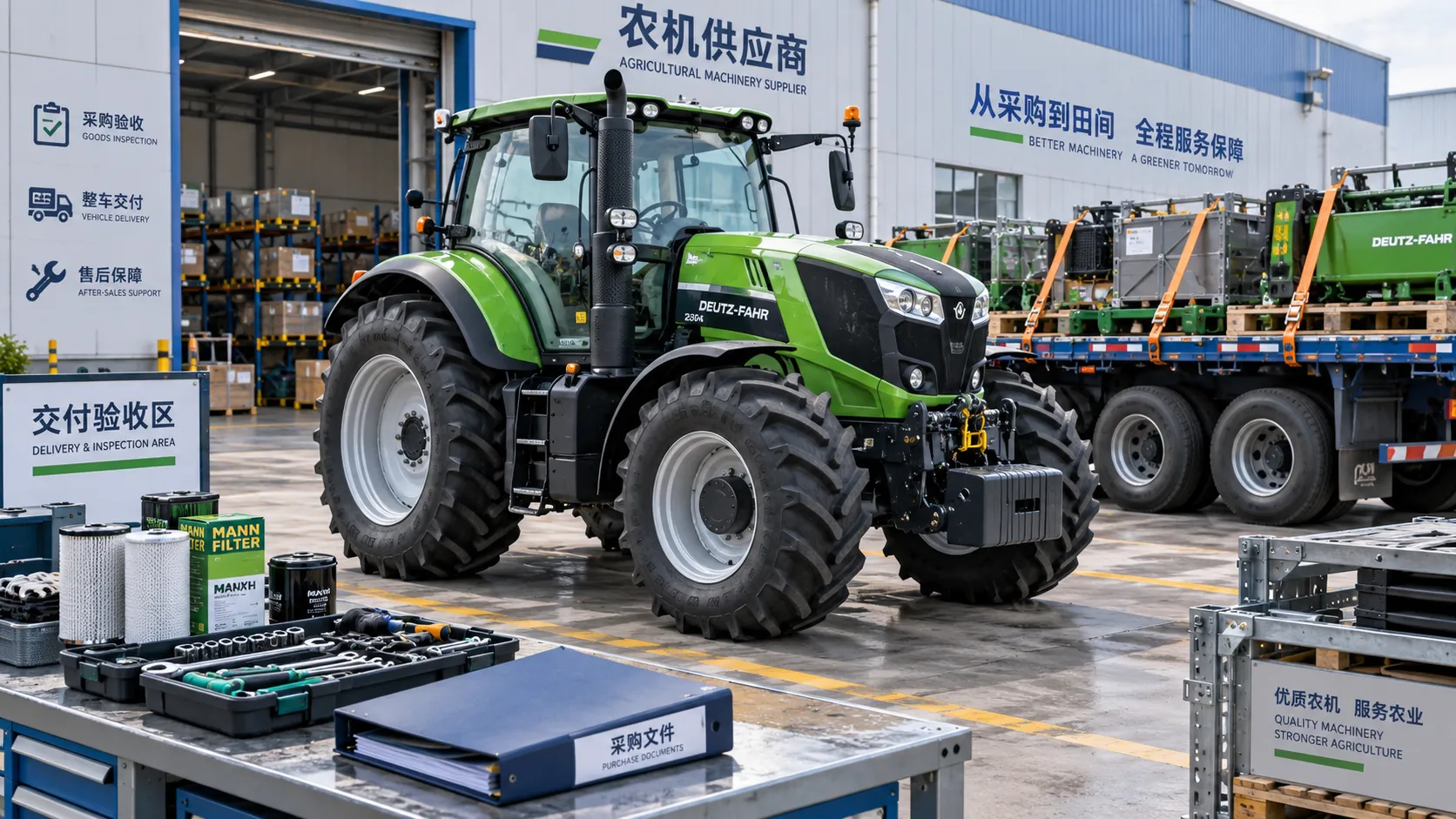
Comparing Farm Equipment Supplier Quotes: Price, Freight, and Warranty
Simplify supplier comparison for farm equipment price: assess freight, field-ready costs, and warranty coverage. Learn how to avoid hidden charges and choose a reliable supplier.
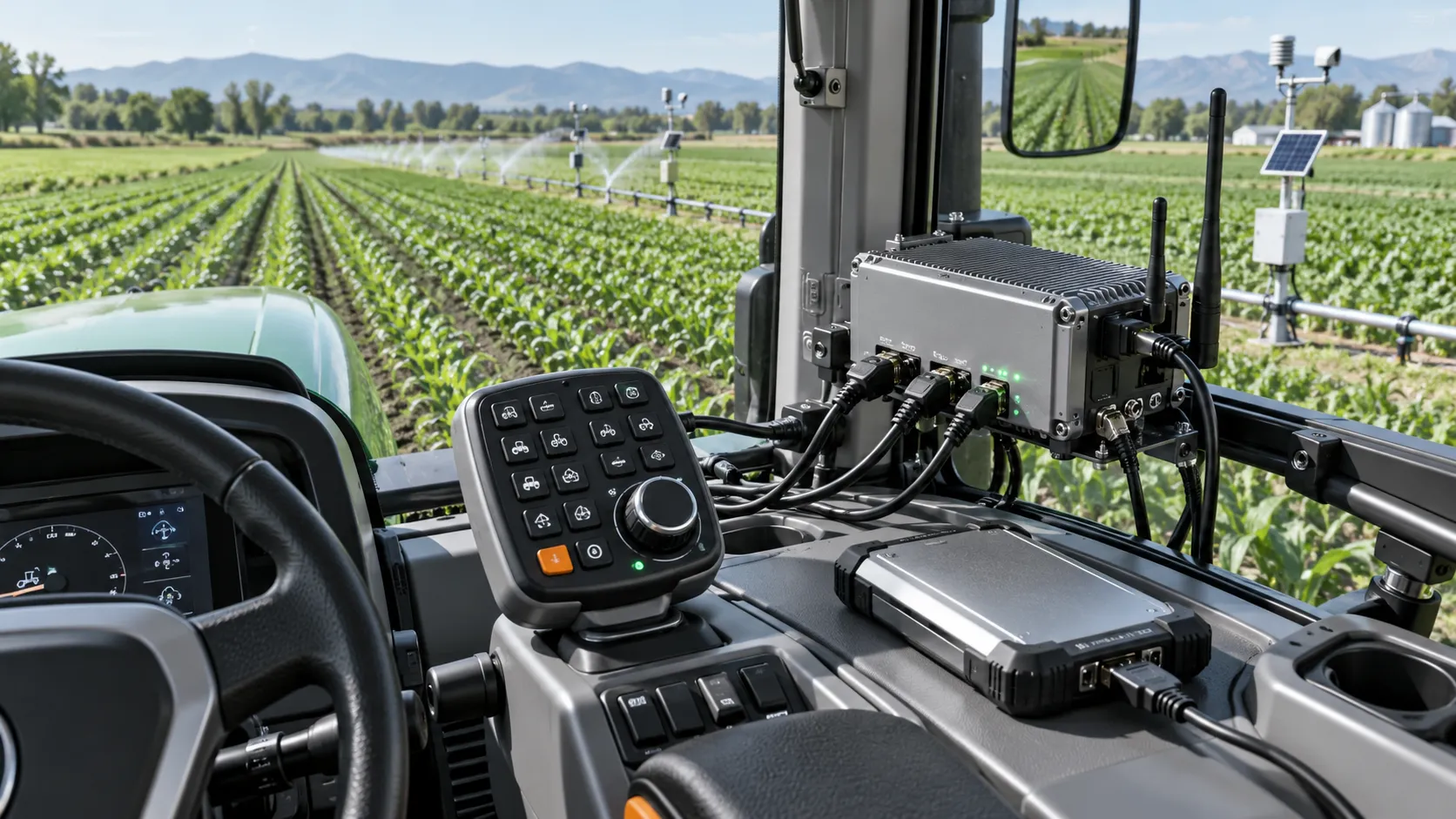
Choosing a Digital Farming Platform Provider: Compatibility and Data Ownership
Compare digital farming platforms providers on equipment compatibility, data ownership, and export rights. Discover practical checks to avoid lock-in and choose with confidence.
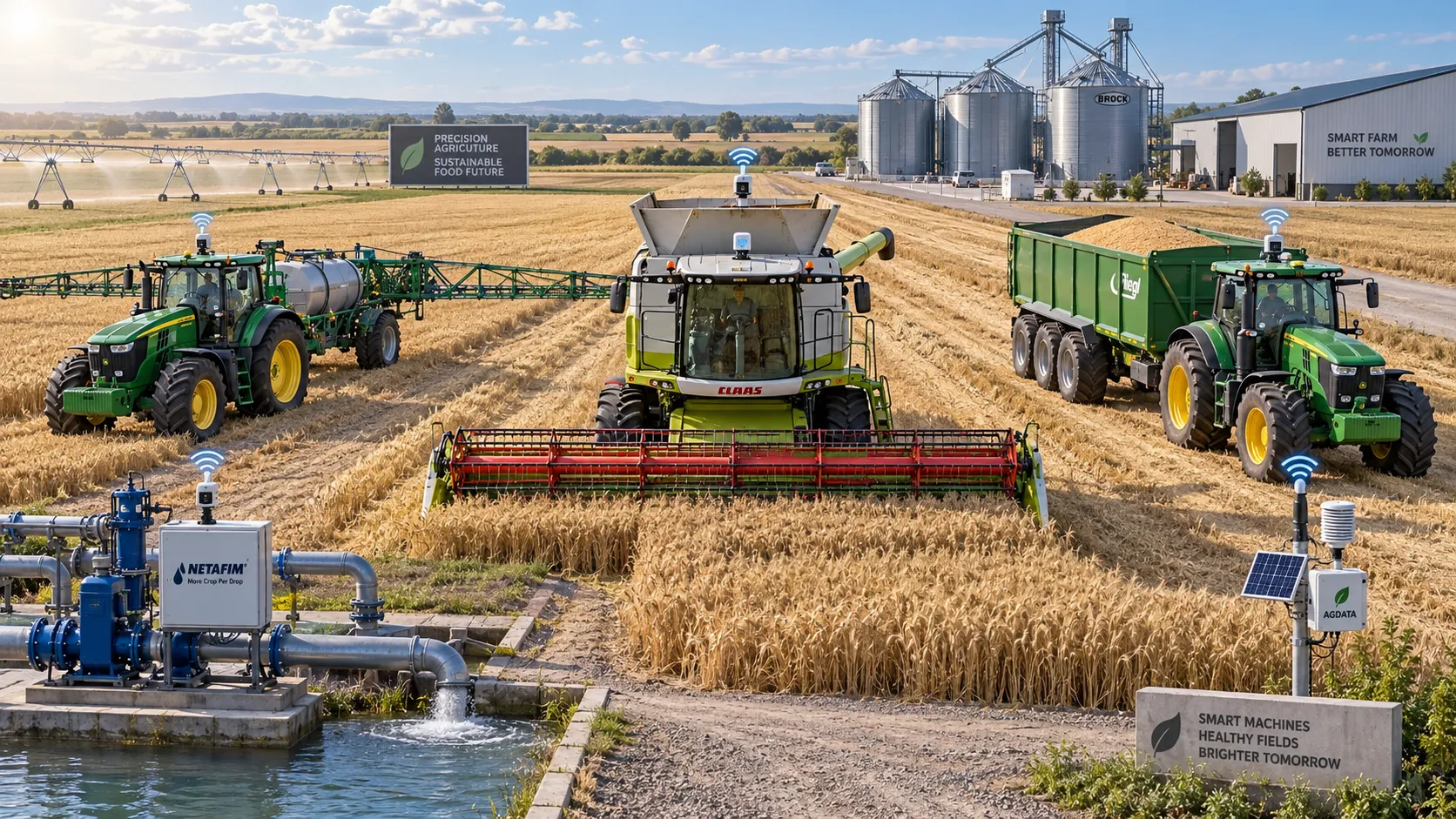
How Large-Scale Farm Telematics Cuts Downtime Across Mixed Fleets
Large-scale farm equipment telematics cuts mixed-fleet downtime with real-time alerts, smarter maintenance, and stronger operational control. Learn how to protect critical farm workflows.
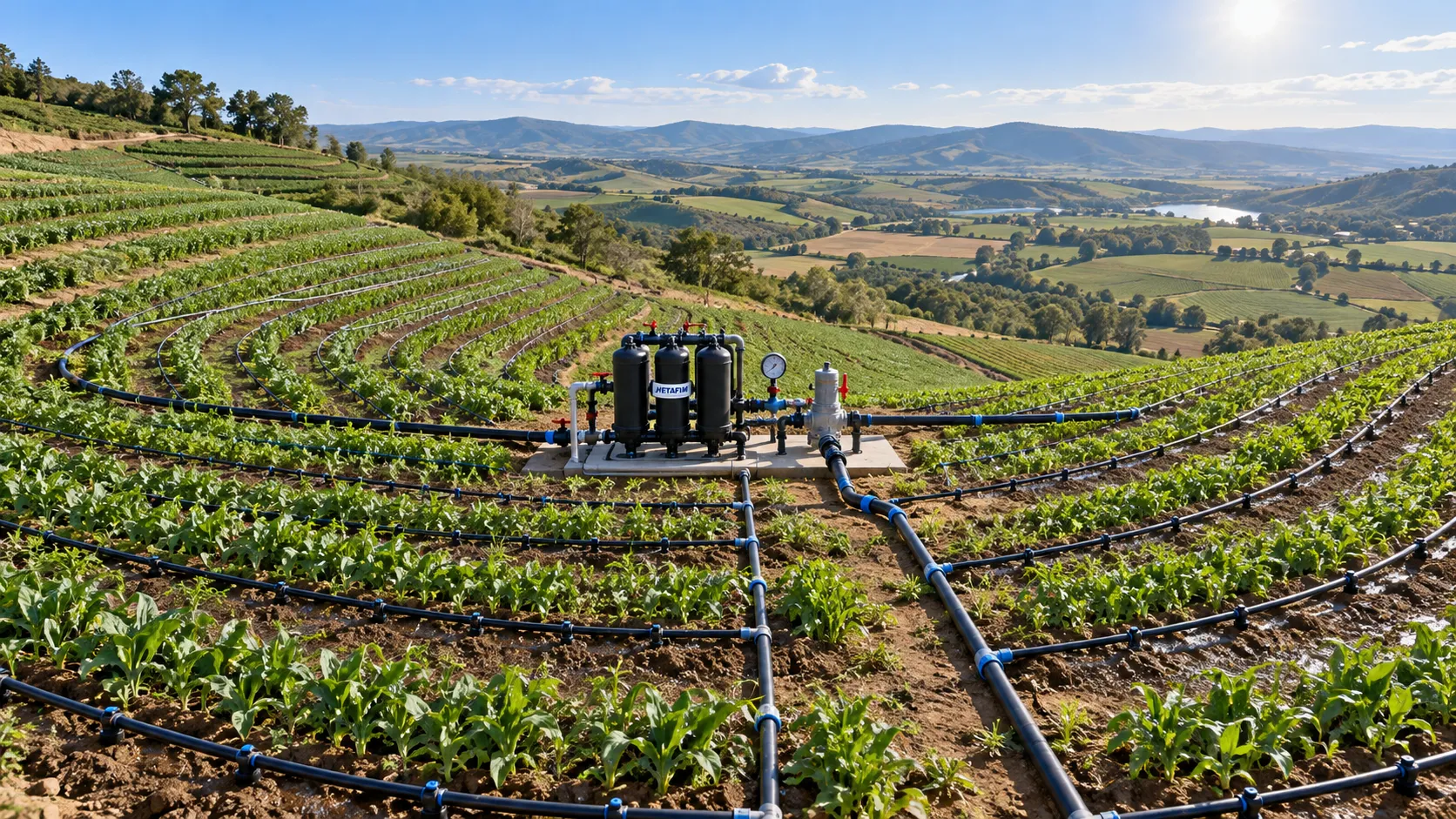
How to Size Low-Pressure Water-Saving Irrigation Systems for Uneven Fields
Low pressure water-saving irrigation systems for uneven fields: learn zoning, pressure mapping, pipe sizing, and pump selection to improve uniformity and reduce water waste.
Farm Machinery Sourcing: How to Vet Suppliers, Specs, and Lifecycle Costs
Farm machinery information for sourcing: learn to vet suppliers, compare specifications, control lifecycle costs, and secure reliable uptime for smarter equipment purchases.
How telemetry for agriculture helps identify equipment downtime
Telemetry for agriculture helps detect early warning signs, prioritize maintenance, and reduce costly equipment downtime before field operations are disrupted.
Related News
- 00
0000-00
Choosing Crop Protection Equipment for Hot, Windy Middle Eastern Farms - 00
0000-00
Choosing an Agriculture 4.0 Supplier: Compatibility, Support, and Total Cost - 00
0000-00
Comparing Farm Equipment Supplier Quotes: Price, Freight, and Warranty - 00
0000-00
Choosing a Digital Farming Platform Provider: Compatibility and Data Ownership - 00
0000-00
How Large-Scale Farm Telematics Cuts Downtime Across Mixed Fleets
Popular Tags
Ms. Elena Rodriguez
Weekly Insights
Stay ahead with our curated technology reports delivered every Monday.