
What problems does smart farming technology solve first?
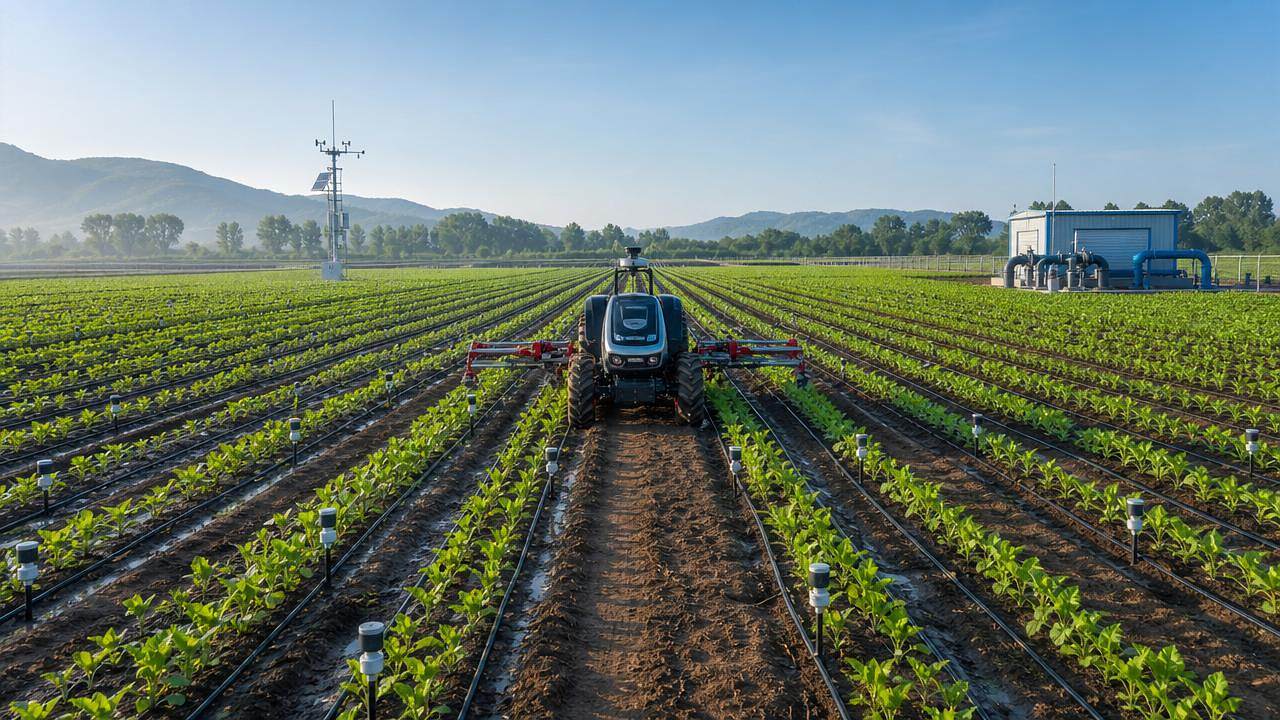




What Problems Does Smart Farming Technology Solve First?
Smart farming technology is often promoted as a complete solution for modern agriculture, but its first value lies in solving urgent field-level problems.
These problems include labor shortages, water waste, yield uncertainty, machinery inefficiency, and delayed decision-making across large-scale farming operations.
For Agriculture 4.0 research, the priority is not novelty. The priority is measurable operational impact from sensors, machines, irrigation systems, and algorithms.
Why Smart Farming Technology Needs a Priority Checklist
Farm digitalization can fail when tools are selected before problems are ranked. A checklist keeps smart farming technology tied to field economics.
A combine sensor, autonomous tractor, or irrigation controller should first answer one question: which bottleneck is limiting productivity today?
The best deployments begin with operational pain points, then connect data streams, machinery settings, and decision rules into repeatable workflows.
This approach prevents disconnected purchases and helps smart farming technology become a working system instead of a collection of devices.
Core Checklist: Problems Smart Farming Technology Should Solve First
- Identify labor-intensive tasks first, including spraying, irrigation inspection, seeding guidance, harvest monitoring, and repetitive tractor operations across wide field blocks.
- Measure water loss by zone, then compare soil moisture, crop stage, evapotranspiration, pump pressure, and irrigation timing before automation begins.
- Track yield variability with satellite maps, harvester data, and soil records to expose zones needing different seed, fertilizer, or water plans.
- Audit machinery idle time, fuel burn, overlap, route duplication, and implement mismatch before investing in autonomous or semi-autonomous equipment.
- Connect field sensors to actionable alerts, not passive dashboards, so smart farming technology changes irrigation, spraying, or harvest decisions quickly.
- Validate machine calibration, including header height, cleaning fan speed, hydraulic response, section control, and GPS accuracy under working conditions.
- Compare input application rates with actual crop response, then refine prescription maps using season records instead of fixed annual assumptions.
- Protect data quality by standardizing sensor placement, update frequency, machine identifiers, and field boundaries before advanced analytics are trusted.
- Prioritize decisions with short feedback loops, because smart farming technology proves value fastest when results appear within one operation cycle.
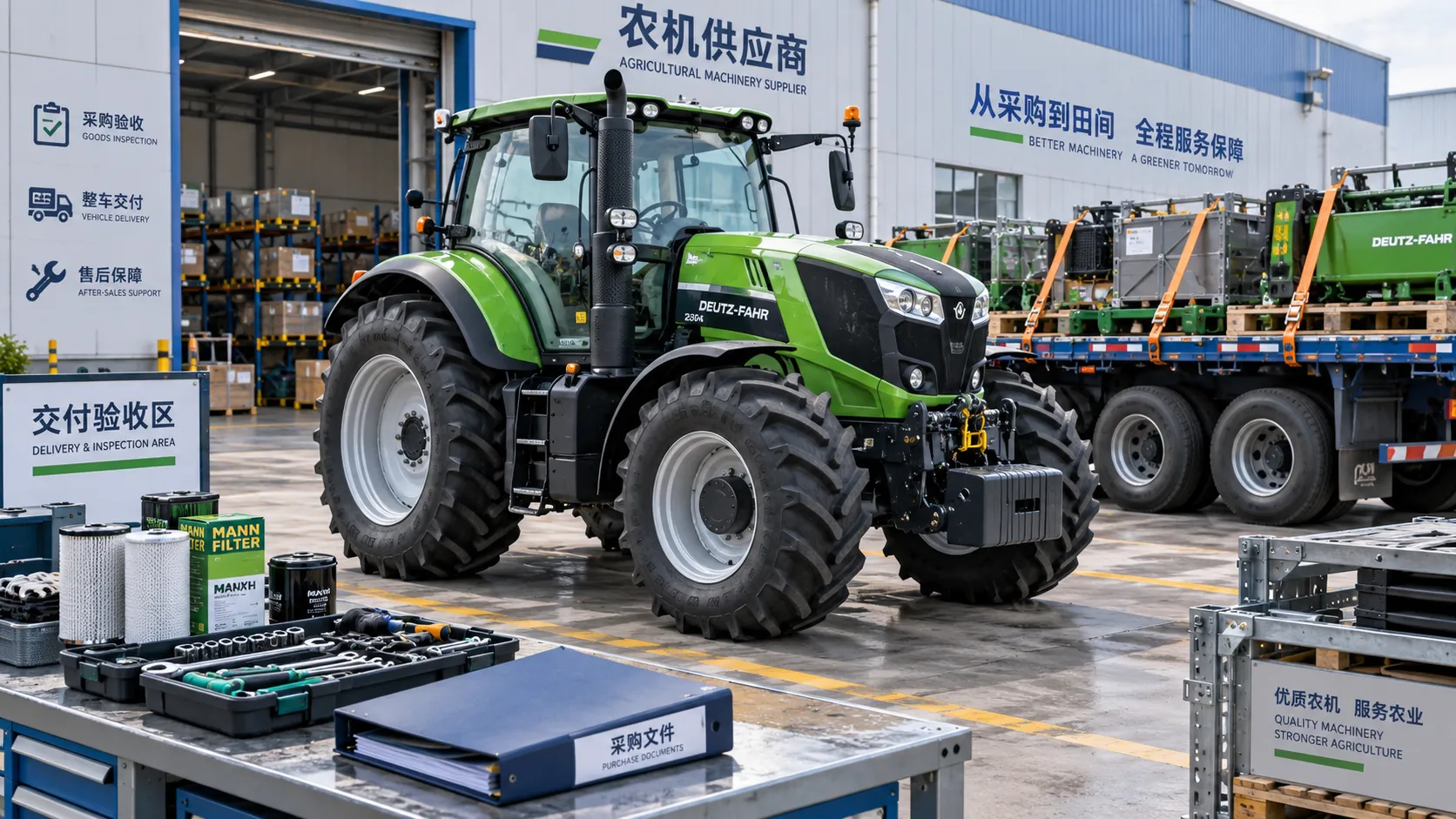
- Review serviceability, spare parts, firmware support, and operator training before selecting complex systems for remote or high-pressure field operations.
1. Labor Shortages and Repetitive Field Work
The first visible problem is labor availability. Large farms often face narrow operating windows and limited skilled machine operators.
Smart farming technology addresses this through guidance systems, assisted steering, autonomous implements, remote monitoring, and task scheduling.
The goal is not to remove human judgment. The goal is to reduce fatigue, overlap, missed passes, and late operations.
Start with jobs that are repetitive, measurable, and safety-sensitive. Spraying, tillage, irrigation checks, and transport routing are strong candidates.
2. Water Waste and Irrigation Uncertainty
Water-saving irrigation is often the fastest return area for smart farming technology, especially in drought-prone regions.
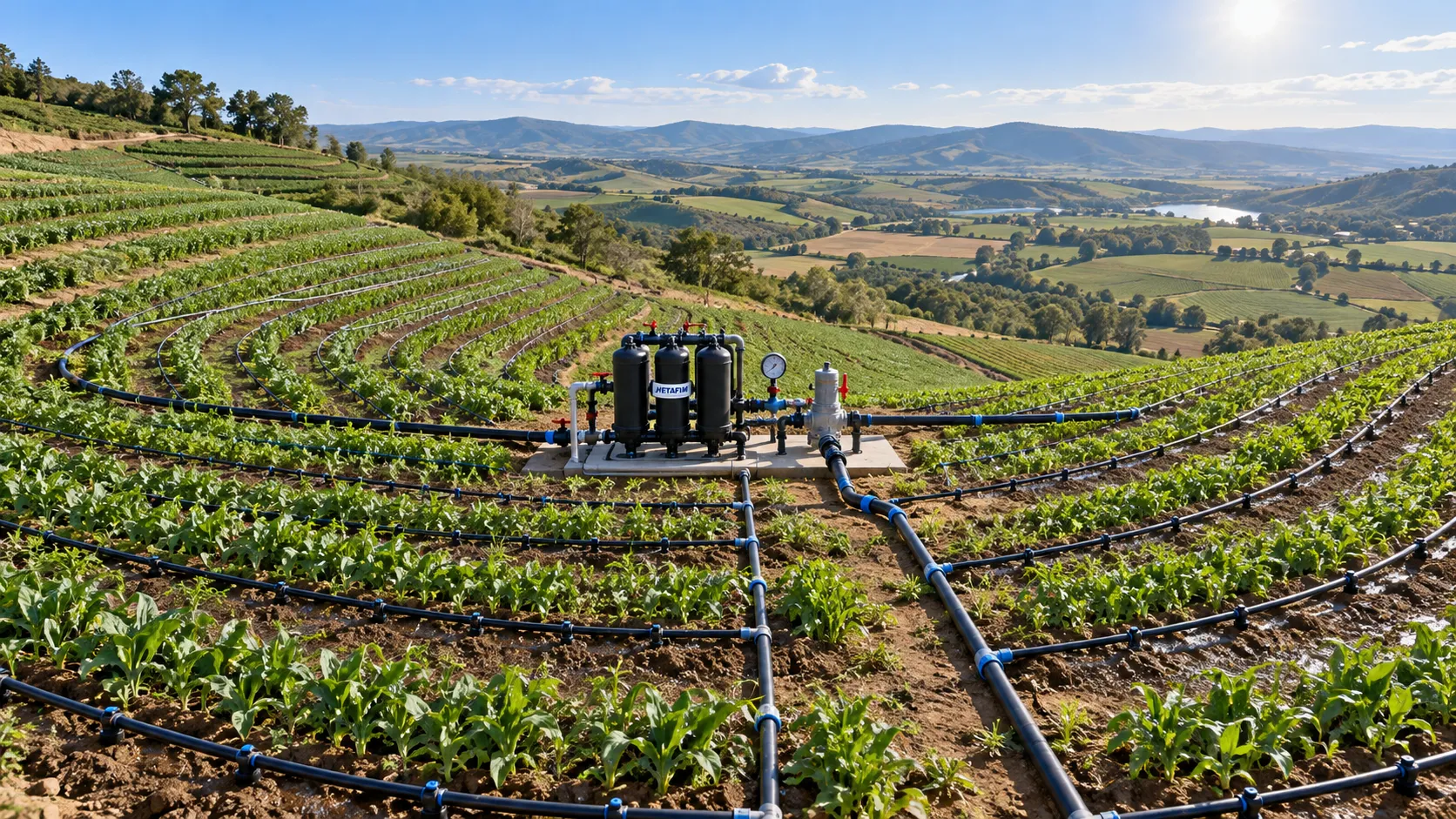
Soil probes, weather stations, pressure sensors, flow meters, and crop models help replace fixed schedules with demand-based irrigation.
A smart irrigation system should detect under-irrigation, over-irrigation, leakage, pump inefficiency, and blocked emitters before crop stress becomes visible.
The practical target is simple: apply the right water volume, at the right time, to the right management zone.
3. Yield Variability and Poor Zone Management
Yield uncertainty rarely comes from one cause. Soil texture, compaction, drainage, nutrition, seed choice, and pest pressure interact constantly.
Smart farming technology helps separate these factors by linking maps, machine records, crop scouting, and harvest data.
Once zones are identified, variable-rate seeding, fertilization, irrigation, and crop protection become more defensible.
The first win is not perfect prediction. The first win is stopping uniform treatment where field conditions are clearly unequal.
4. Machinery Inefficiency and Hidden Operating Losses
Heavy equipment can lose value through fuel waste, overlap, poor calibration, excessive turning, and delayed maintenance.
Smart farming technology improves machinery performance by combining telematics, GPS guidance, implement control, and maintenance diagnostics.
For combine harvesters, the priority is reducing grain loss while maintaining throughput across changing crop density and moisture.
For tractors, the priority is matching power, ballast, transmission behavior, and hydraulic control to field load conditions.
5. Delayed Decisions During Critical Windows
Many losses happen because decisions arrive late. Pest outbreaks, moisture stress, machine faults, and harvest timing all demand speed.
Smart farming technology shortens the distance between field signals and operational response.
Alerts should trigger defined actions, such as inspecting a zone, changing irrigation duration, adjusting combine settings, or rescheduling machinery.
A useful platform does not only visualize risk. It recommends what to check, when to act, and which asset should respond.
Application Notes for Different Farming Scenarios
Large Grain Operations
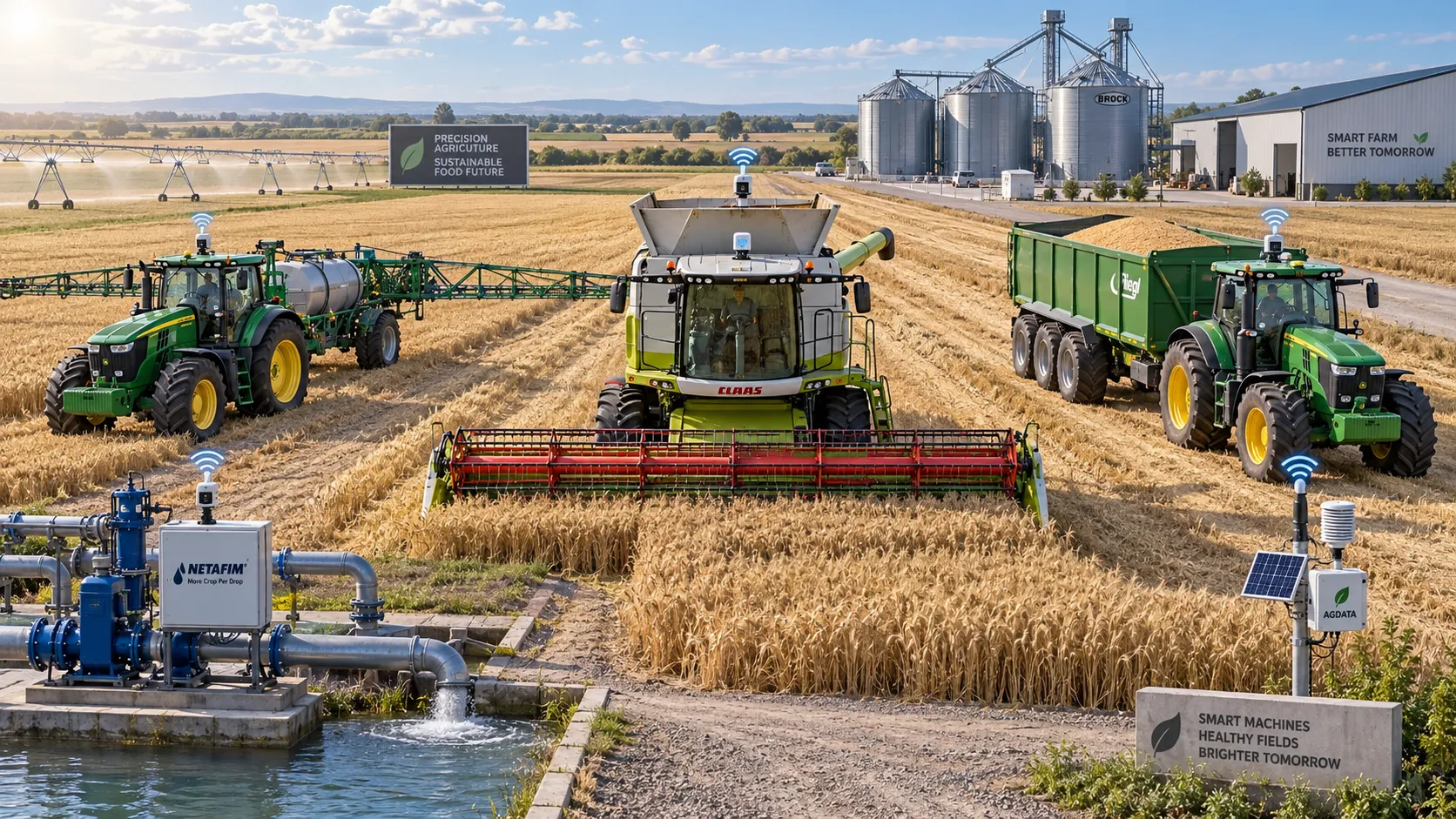
Large grain farms usually benefit first from guidance, yield mapping, combine monitoring, and fleet coordination.
Smart farming technology should focus on reducing pass overlap, improving harvest logistics, and converting yield maps into next-season prescriptions.
Water-Stressed Production Areas
In water-stressed regions, intelligent irrigation often outranks other digital tools because water availability limits every later decision.
Smart farming technology should integrate soil moisture, weather forecasts, pump status, and crop transpiration models into irrigation rules.
Mechanized Mixed-Crop Farms
Mixed-crop systems require flexible machinery settings and careful scheduling because crop stages and equipment needs change quickly.
Here, smart farming technology adds value through fleet planning, implement compatibility records, and field-specific machine setup recommendations.
Commonly Ignored Risks
Weak data foundations. Smart farming technology cannot compensate for inaccurate field boundaries, missing machine records, or poorly placed sensors.
Unclear operating rules. Alerts lose value when no one defines who checks the issue, which machine responds, and what threshold matters.
Over-automation too early. Advanced algorithms should follow stable calibration, reliable connectivity, and proven manual decision logic.
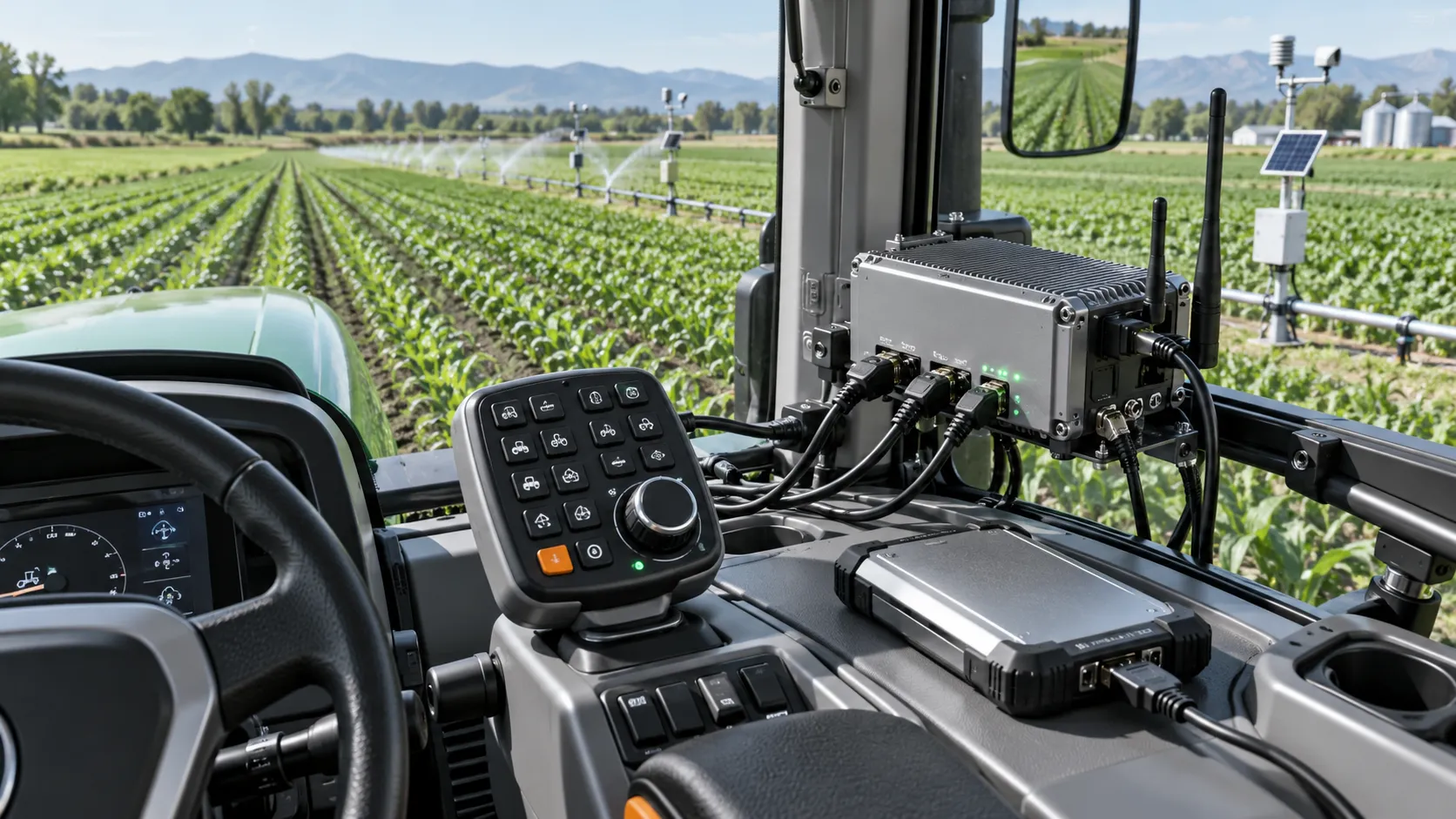
Ignoring machine integration. Sensors and software must communicate with tractors, harvesters, pumps, controllers, and implements under field conditions.
Underestimating maintenance. Dust, vibration, water exposure, firmware issues, and connector damage can weaken smart farming technology during peak seasons.
Practical Execution Steps
- Rank field problems by cost, frequency, urgency, and ease of measurement before selecting any smart farming technology platform.
- Choose one operation cycle, such as irrigation scheduling or harvest monitoring, and define measurable success indicators.
- Install sensors and machine data points only where they support a decision, adjustment, or verified efficiency target.
- Test recommendations against field observation, operator feedback, yield response, water use, fuel use, and downtime records.
- Scale the system after repeatable gains appear, then connect additional tools without disrupting proven workflows.
Summary and Next Action
Smart farming technology solves the most valuable problems first when it targets labor pressure, water waste, yield variability, machinery losses, and slow decisions.
The strongest Agriculture 4.0 systems link equipment performance, precision algorithms, and resource sustainability into daily field execution.
Begin with a short operational audit. Map the losses, define the decision points, and match smart farming technology to measurable outcomes.
From there, expand into intelligent irrigation, autonomous machinery, combine optimization, and prescription-based field management with confidence.
Related News
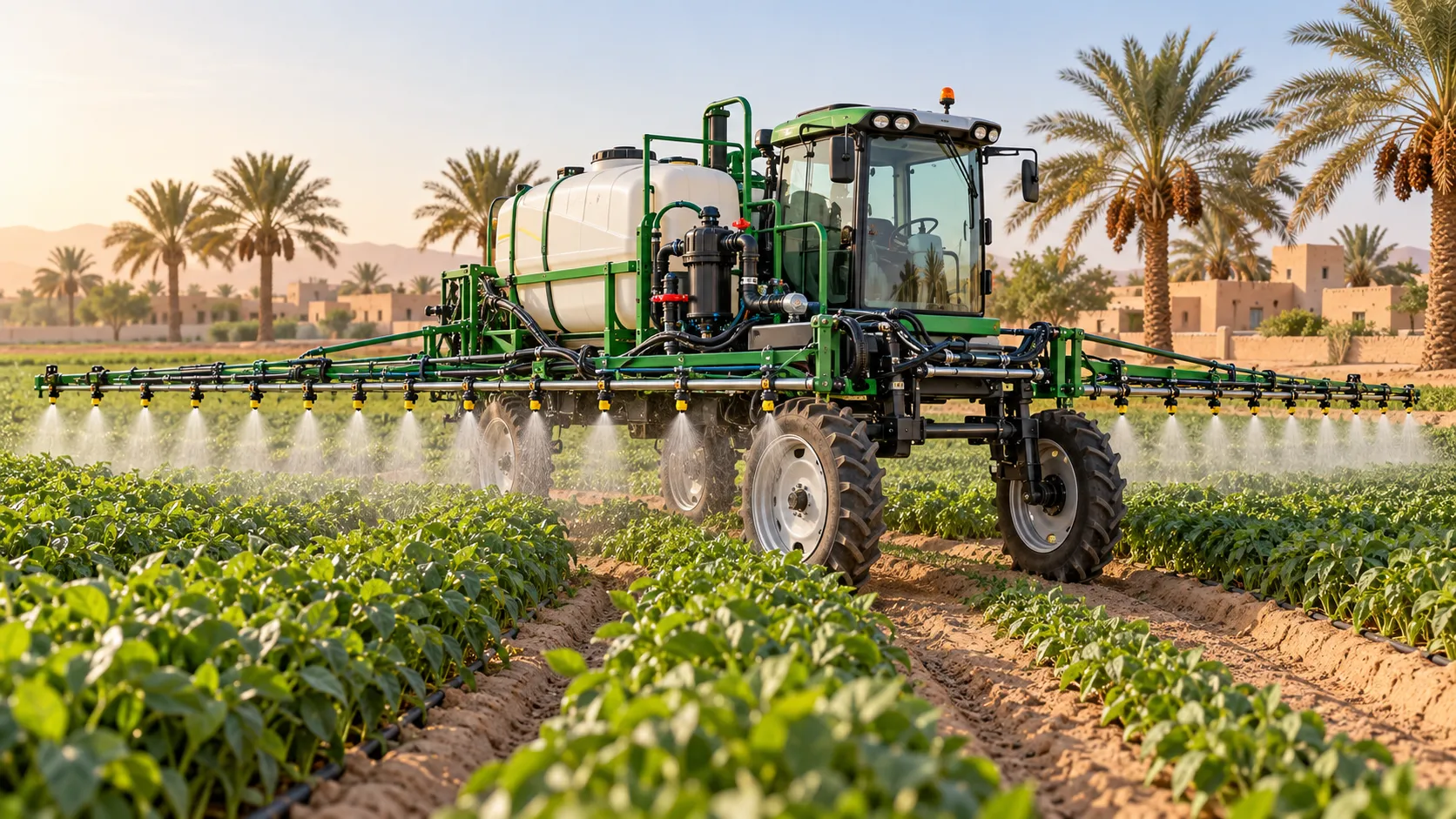
Choosing Crop Protection Equipment for Hot, Windy Middle Eastern Farms
Compare crop protection equipment Middle East farms need for hot, windy conditions. Discover key nozzle, drift-control, and durability checks to choose the right sprayer.
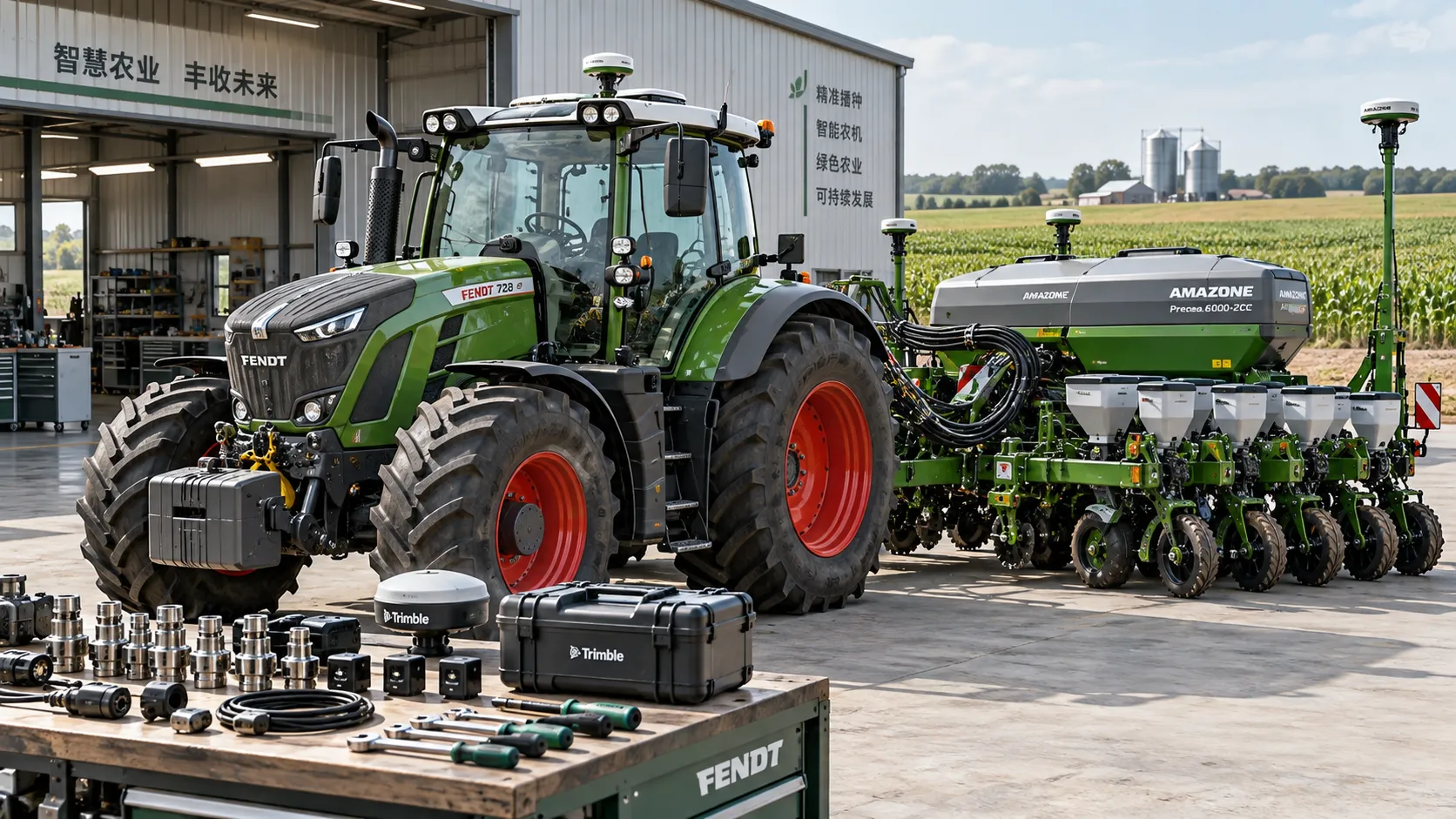
Choosing an Agriculture 4.0 Supplier: Compatibility, Support, and Total Cost
Choose an Agriculture 4.0 supplier with confidence. Learn how to verify compatibility, assess support, and compare total ownership costs to avoid hidden fees and costly downtime.
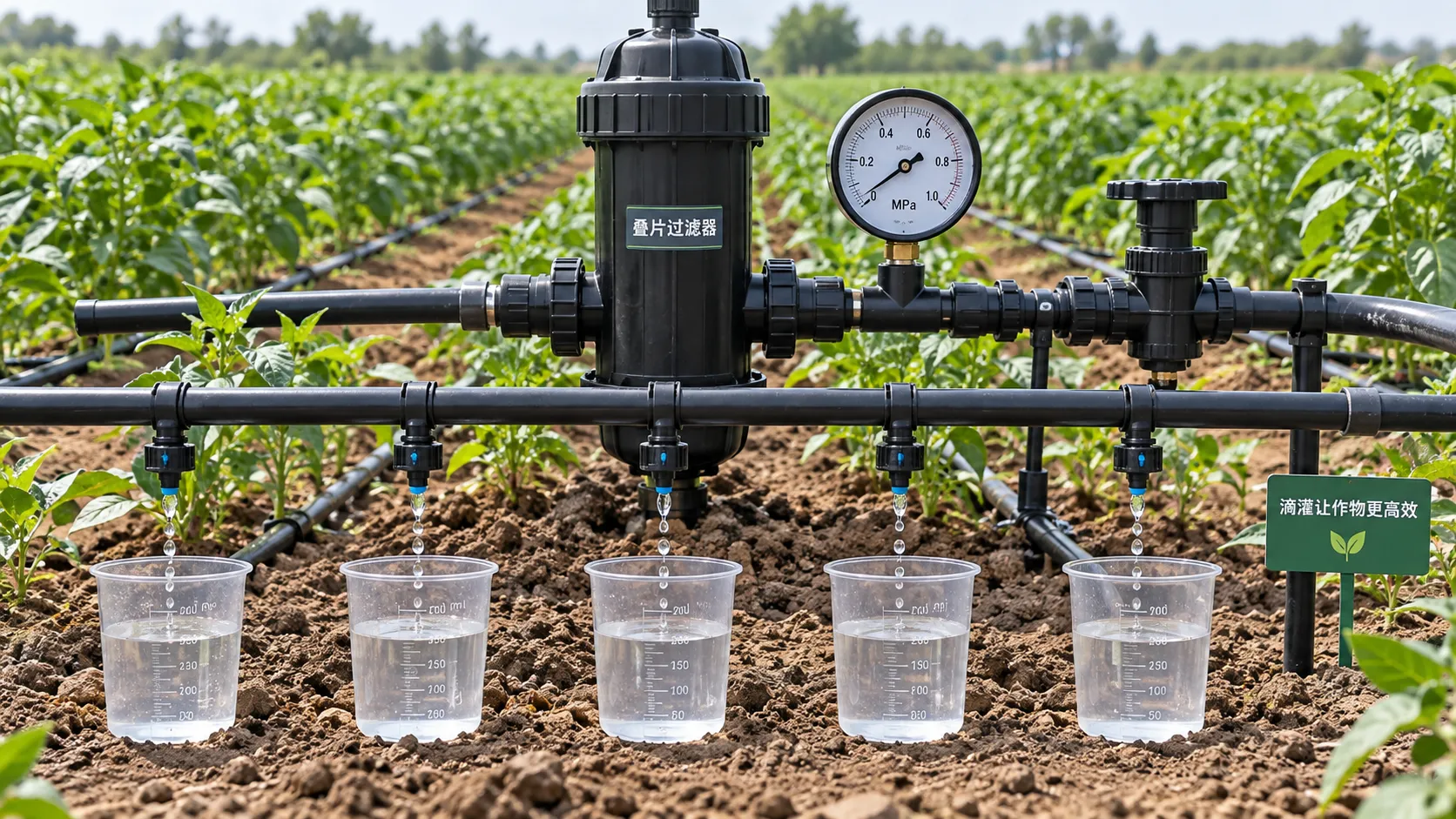
Low-Pressure Drip Irrigation: How to Fix Uneven Watering Without Raising Pressure
Optimize low pressure water-saving irrigation systems: discover how to fix uneven watering, clear blockages, and reduce hydraulic losses without raising supply pressure.
Comparing Farm Equipment Supplier Quotes: Price, Freight, and Warranty
Simplify supplier comparison for farm equipment price: assess freight, field-ready costs, and warranty coverage. Learn how to avoid hidden charges and choose a reliable supplier.
Choosing a Digital Farming Platform Provider: Compatibility and Data Ownership
Compare digital farming platforms providers on equipment compatibility, data ownership, and export rights. Discover practical checks to avoid lock-in and choose with confidence.
How Large-Scale Farm Telematics Cuts Downtime Across Mixed Fleets
Large-scale farm equipment telematics cuts mixed-fleet downtime with real-time alerts, smarter maintenance, and stronger operational control. Learn how to protect critical farm workflows.
How to Size Low-Pressure Water-Saving Irrigation Systems for Uneven Fields
Low pressure water-saving irrigation systems for uneven fields: learn zoning, pressure mapping, pipe sizing, and pump selection to improve uniformity and reduce water waste.
Farm Machinery Sourcing: How to Vet Suppliers, Specs, and Lifecycle Costs
Farm machinery information for sourcing: learn to vet suppliers, compare specifications, control lifecycle costs, and secure reliable uptime for smarter equipment purchases.
How telemetry for agriculture helps identify equipment downtime
Telemetry for agriculture helps detect early warning signs, prioritize maintenance, and reduce costly equipment downtime before field operations are disrupted.
Related News
- 00
0000-00
Choosing Crop Protection Equipment for Hot, Windy Middle Eastern Farms - 00
0000-00
Choosing an Agriculture 4.0 Supplier: Compatibility, Support, and Total Cost - 00
0000-00
Comparing Farm Equipment Supplier Quotes: Price, Freight, and Warranty - 00
0000-00
Choosing a Digital Farming Platform Provider: Compatibility and Data Ownership - 00
0000-00
How Large-Scale Farm Telematics Cuts Downtime Across Mixed Fleets
Popular Tags
Ms. Elena Rodriguez
Weekly Insights
Stay ahead with our curated technology reports delivered every Monday.