



How Can Farms Choose Large-Scale Farm Equipment Wisely?
Choosing large-scale farm equipment is no longer just a question of horsepower or price; it is a strategic procurement decision.
For procurement teams, the real goal is matching machinery performance with productivity targets, operating costs, sustainability demands, and future food security needs.
Buyers evaluating tractors, combine harvesters, intelligent tools, and irrigation systems must compare field conditions, crop plans, service support, and smart-farming readiness.
This guide explains how farms can make wiser, data-driven choices in the Agriculture 4.0 era without overbuying or under-specifying equipment.
Start with the business problem, not the machine catalog
The wisest procurement process begins by defining the operational bottleneck, not by asking which machine has the highest power rating.
A farm may need faster planting windows, lower harvest losses, fewer operators, reduced fuel use, or better water efficiency.
Each objective leads to different equipment priorities, and those priorities should shape the entire evaluation process.
For procurement buyers, large-scale farm equipment should be assessed as a production asset, not simply a mechanical purchase.
The right machine increases throughput, stabilizes quality, reduces downtime, and protects margins during volatile crop and input cycles.
Translate field conditions into technical requirements
Before comparing brands or suppliers, buyers should convert farm conditions into measurable technical requirements for every major equipment category.
Soil type, slope, field size, turning radius, drainage conditions, crop density, and road transport distance all influence suitable specifications.
A high-horsepower tractor may perform poorly if its weight distribution, tire configuration, or hydraulic capacity does not fit the field.
Similarly, a combine harvester must match crop type, residue volume, moisture level, and cleaning requirements to prevent avoidable grain losses.
This technical mapping prevents procurement teams from choosing impressive machines that are misaligned with actual field realities.
Evaluate total cost of ownership, not purchase price alone
Purchase price is visible, but ownership cost determines whether large-scale farm equipment creates long-term value for the operation.
Procurement teams should calculate fuel consumption, maintenance intervals, spare parts pricing, operator training, insurance, financing, and resale value.
Downtime cost is especially important because a delayed harvest or planting window can erase the savings from a cheaper machine.
A more expensive machine may be financially wiser if it offers better reliability, lower losses, and stronger after-sales service.
Decision makers should request lifecycle cost estimates from suppliers and compare them using realistic operating hours and local service conditions.
Match capacity with seasonal timing and labor availability
Large farms often operate under narrow seasonal windows, where equipment capacity directly affects crop quality and revenue protection.
The key question is not only how much a machine can do, but whether it can finish work on time.
Procurement teams should calculate required daily capacity based on acreage, crop calendar, weather risk, and expected machine availability.
If skilled labor is limited, automation level, cab comfort, guidance systems, and operator assistance features become stronger purchasing factors.
A machine that reduces fatigue and simplifies operation can deliver more consistent output than a powerful unit requiring rare expertise.
Choose tractor chassis and power systems for real workloads
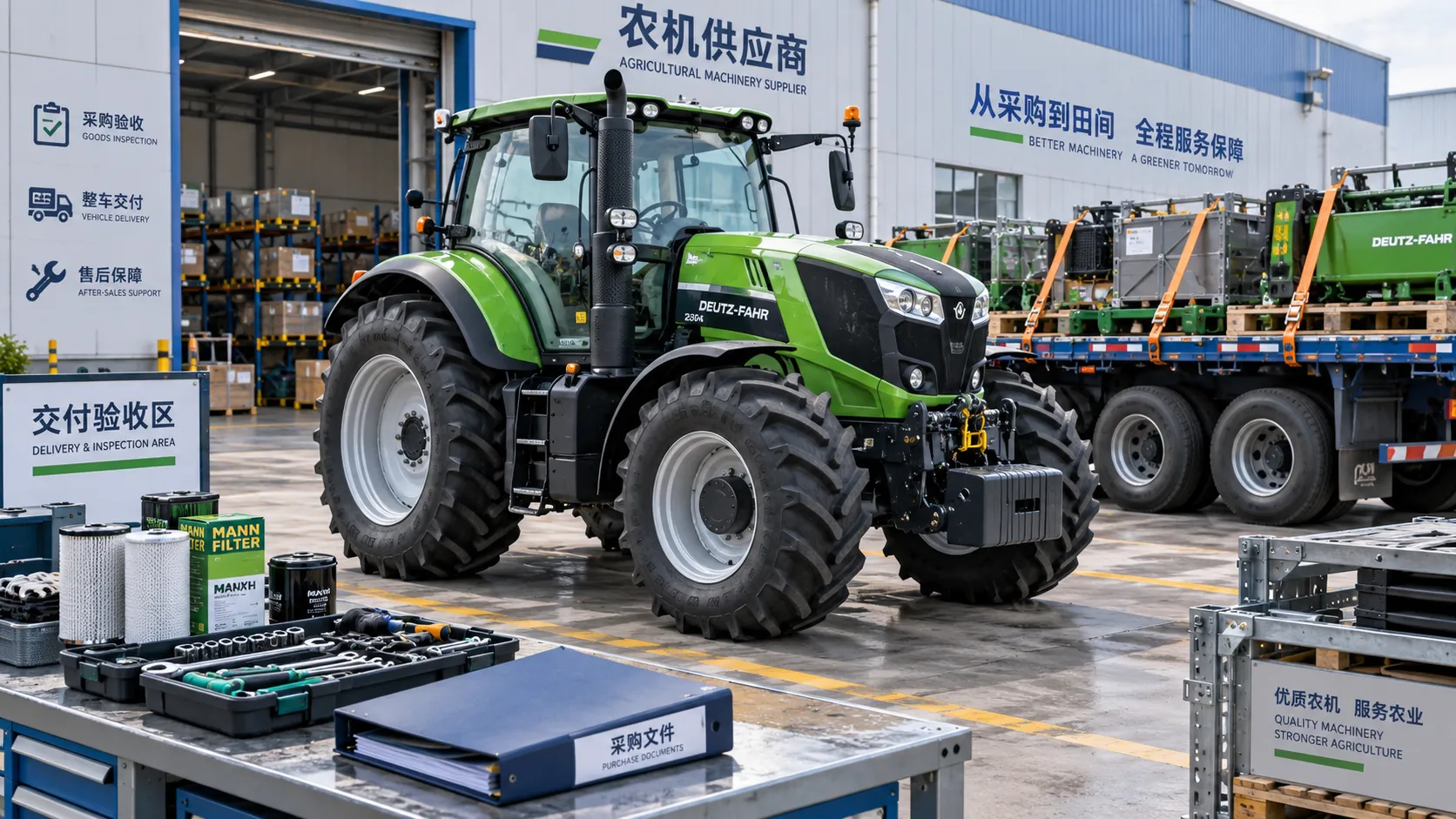
The tractor chassis is the power foundation for tillage, seeding, spraying, hauling, and many heavy-duty farm operations.
Buyers should evaluate engine performance together with transmission efficiency, hydraulic flow, axle strength, braking systems, and implement compatibility.
For heavy tillage, traction and torque delivery may matter more than peak horsepower figures shown in promotional materials.
For precision seeding or spraying, stable speed control and electronic implement communication can be more valuable than raw pulling force.
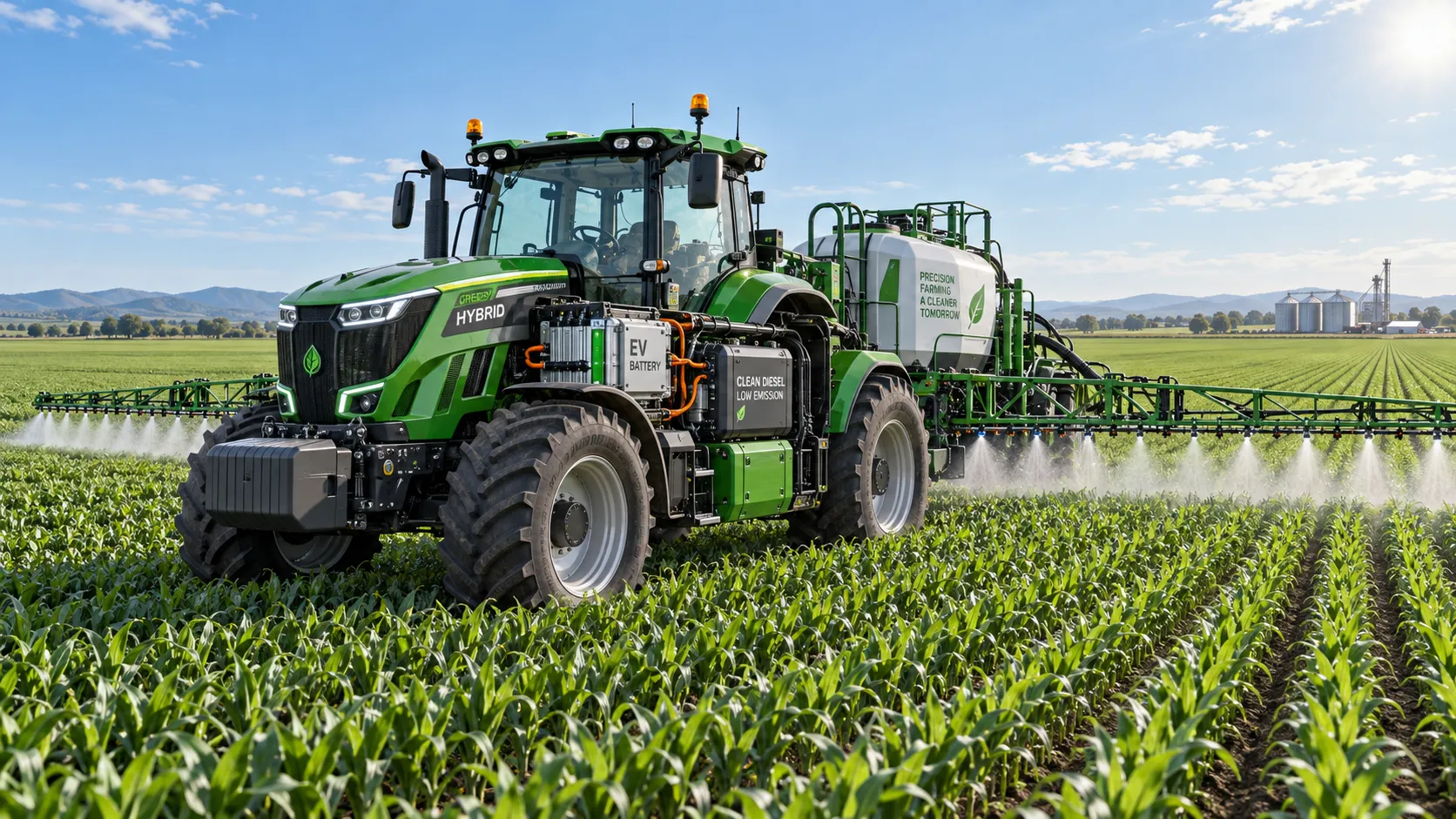
Hybrid, electric-assist, and intelligent power management technologies should be judged by uptime, serviceability, and real fuel savings.
Assess combine harvesters by losses, cleanliness, and adaptability
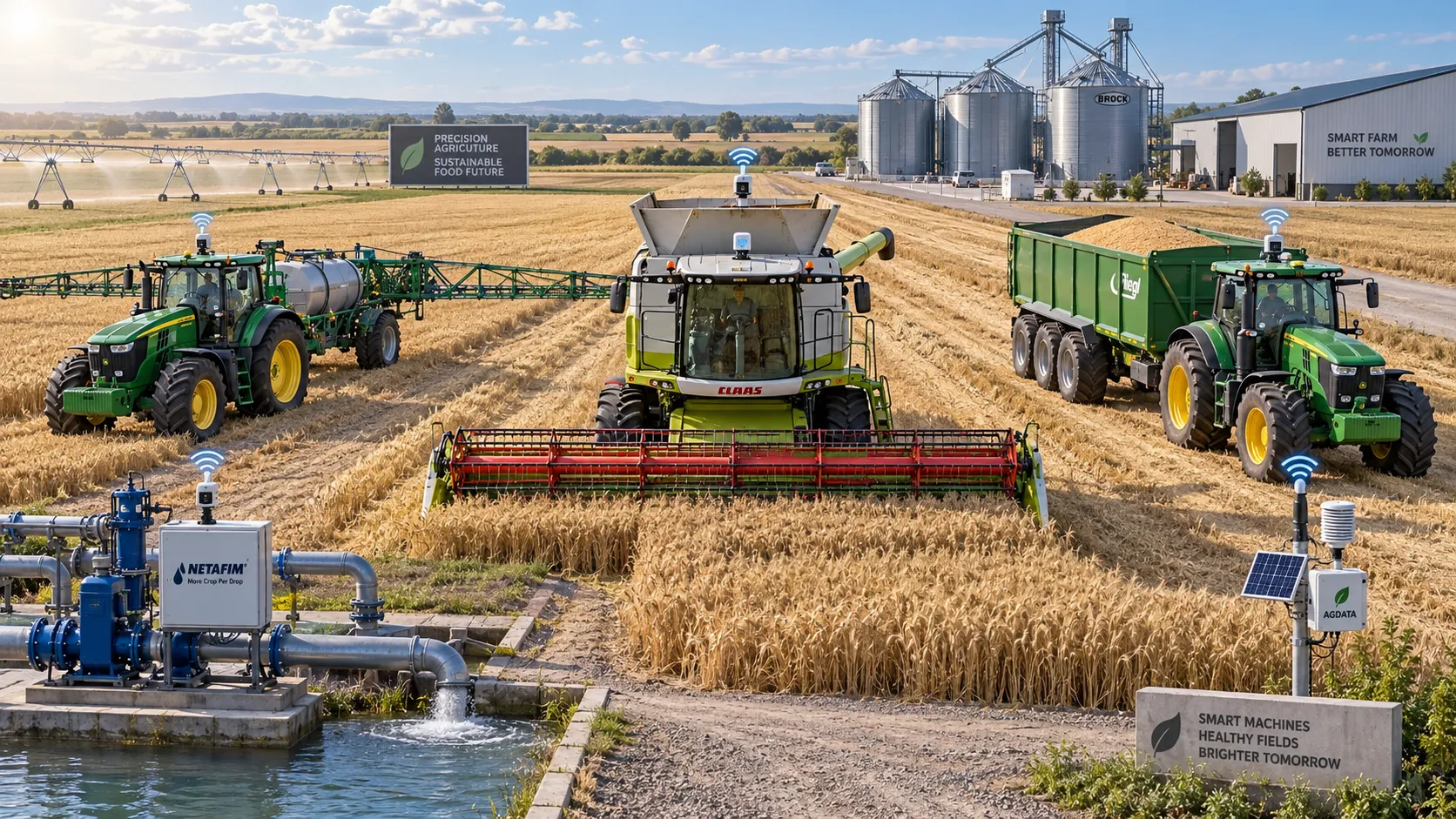
Combine harvesters should be evaluated by harvested quality, field efficiency, crop adaptability, and grain loss control.
Procurement teams should request performance data for threshing, separation, cleaning, unloading speed, and residue management under comparable crop conditions.
Low loss rates are critical because small percentage differences become significant financial outcomes across large acreages.
Buyers should also examine sensor accuracy, automatic adjustment functions, header options, and cleaning system responsiveness in changing field conditions.
A good harvester is not merely fast; it protects marketable yield while staying stable across moisture, slope, and crop variability.
Do not treat intelligent farm tools as optional accessories
In modern procurement, intelligent tools are becoming central to productivity, input efficiency, and operational transparency.
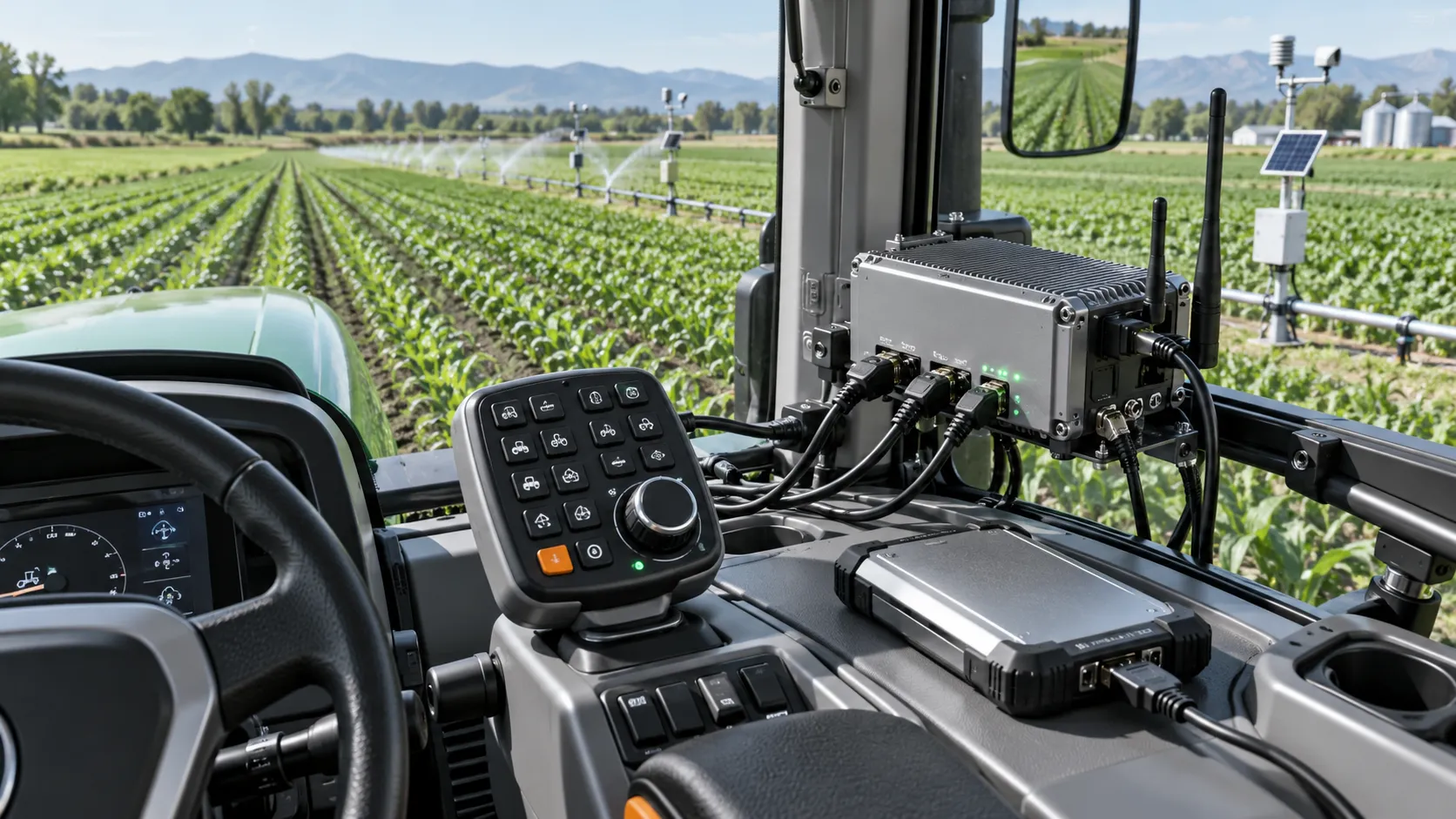
Satellite guidance, variable-rate control, yield mapping, telematics, and sensor feedback help farms move from average application to prescription farming.
These technologies reduce overlap, improve fertilizer accuracy, support traceability, and generate data for better seasonal planning.
Buyers should confirm whether machines support open data standards, compatible terminals, remote diagnostics, and future software upgrades.
Closed systems can create vendor lock-in, while poor integration can prevent expensive equipment from delivering its intended intelligence value.
Review irrigation equipment as part of the machinery strategy
Water-saving irrigation systems should be evaluated together with tractors, implements, and harvesting plans because water determines crop potential.
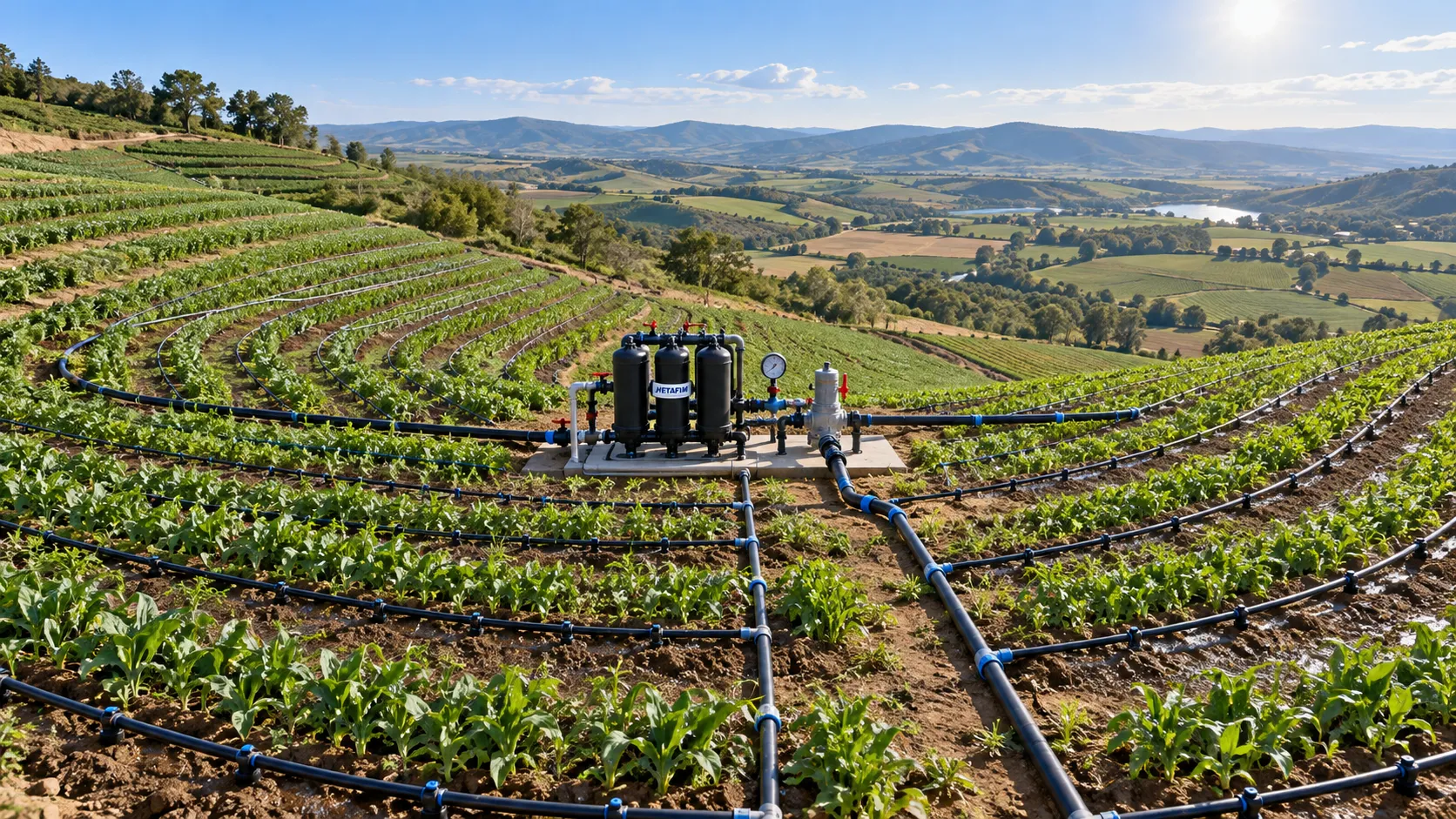
Smart pumps, drip systems, sprinklers, valves, filtration units, and soil moisture sensors influence both yield and resource efficiency.
Procurement teams should consider water source reliability, energy cost, maintenance workload, local regulations, and automation capability.
In water-stressed regions, intelligent irrigation may produce a stronger return than upgrading already adequate field machinery.
The best equipment strategy balances mechanical capacity with agronomic constraints, especially where climate variability affects planting and harvest decisions.
Prioritize supplier service strength and parts availability
For large-scale farm equipment, the supplier relationship often matters as much as the technical specification sheet.
Procurement teams should investigate dealer coverage, spare parts inventory, technician response time, warranty terms, and seasonal service capacity.
A machine with excellent specifications can become costly if parts are imported slowly or technicians lack training.
Buyers should ask for service-level commitments, preventive maintenance programs, emergency harvest support, and references from similar farming operations.
Reliable after-sales support reduces downtime risk and provides confidence when equipment is deployed during critical production windows.
Use field trials and data verification before final approval
Brochures and presentations cannot replace field verification, especially when procurement decisions involve high capital expenditure.
Farms should test shortlisted machines under representative conditions, using defined metrics for fuel use, speed, quality, losses, and operator feedback.
Trials should include real implements, typical operators, and realistic working days rather than controlled demonstrations alone.
Procurement teams can compare data against supplier claims and identify hidden issues before signing a purchase agreement.
Documented field trials also help internal stakeholders understand why one machine offers better value than another.
Build a scoring model for transparent procurement decisions
A structured scoring model helps buyers avoid decisions based only on brand familiarity, sales pressure, or short-term discounts.
Useful criteria include productivity, total cost, reliability, service support, compatibility, operator acceptance, automation readiness, and sustainability performance.
Each criterion should be weighted according to farm priorities, such as harvest speed, fuel reduction, labor shortage, or water efficiency.
This method makes procurement more transparent and easier to defend to finance teams, farm managers, and ownership groups.
It also reveals trade-offs clearly, showing when a lower-cost option carries unacceptable operational or service risks.
Consider financing, replacement cycles, and resale strategy
Large-scale machinery procurement should fit the farm’s capital plan, cash flow cycle, and replacement strategy.
Financing terms, leasing models, seasonal payment schedules, and manufacturer incentives can significantly affect the real economic outcome.
Buyers should avoid extending machine life beyond efficient service limits if maintenance costs and downtime begin rising sharply.
Resale value depends on brand reputation, service history, machine hours, technology relevance, and local secondary-market demand.
A disciplined replacement plan prevents sudden emergency purchases and helps farms negotiate from a stronger position.
Balance productivity gains with sustainability requirements
Sustainability is becoming a procurement factor because regulators, buyers, lenders, and food companies increasingly monitor agricultural resource use.
Fuel efficiency, emissions performance, soil compaction reduction, water conservation, and precision input application all influence equipment selection.
These factors are not merely environmental; they often reduce operating cost and improve resilience during resource constraints.
Procurement teams should ask suppliers for evidence on fuel savings, application accuracy, water efficiency, and environmental compliance readiness.
The best equipment choices support both farm profitability and long-term access to sustainable supply chains.
Plan for Agriculture 4.0 integration from the beginning
Future-ready farms should evaluate whether new equipment can connect with digital platforms, sensors, farm management software, and remote support tools.
Machines that generate useful data can improve planning, maintenance, input management, and performance benchmarking across seasons.
However, technology should serve operational goals rather than becoming an expensive feature set with limited practical use.
Buyers should confirm data ownership, cybersecurity measures, subscription costs, software update policies, and compatibility with existing systems.
A wise Agriculture 4.0 strategy combines mechanical reliability with practical digital intelligence that farm teams can actually use.
Key questions procurement teams should ask suppliers
Procurement teams should ask how the machine performs under similar soil, crop, climate, and acreage conditions.
They should request verified data on fuel use, working capacity, loss rates, maintenance frequency, and common failure points.
Buyers also need clarity on warranty exclusions, parts lead times, technician availability, operator training, and software subscription costs.
For intelligent systems, suppliers should explain data compatibility, upgrade paths, sensor calibration, and support for precision farming workflows.
Strong suppliers answer these questions with evidence, not only with marketing claims or generalized performance promises.
Conclusion: wise equipment choice is a strategic system decision
Farms choose large-scale farm equipment wisely when they connect machinery specifications with business goals, field realities, and lifecycle economics.
The strongest procurement decisions consider productivity, ownership cost, service reliability, smart-farming compatibility, irrigation needs, and sustainability requirements together.
Instead of buying the most powerful or cheapest machine, buyers should select the asset that delivers dependable value in their conditions.
With structured evaluation, field testing, and supplier verification, procurement teams can reduce risk and improve long-term farm performance.
In the Agriculture 4.0 era, intelligent equipment purchasing is not a single transaction; it is a foundation for resilient cultivation.