
Are digital farming solutions worth the investment?
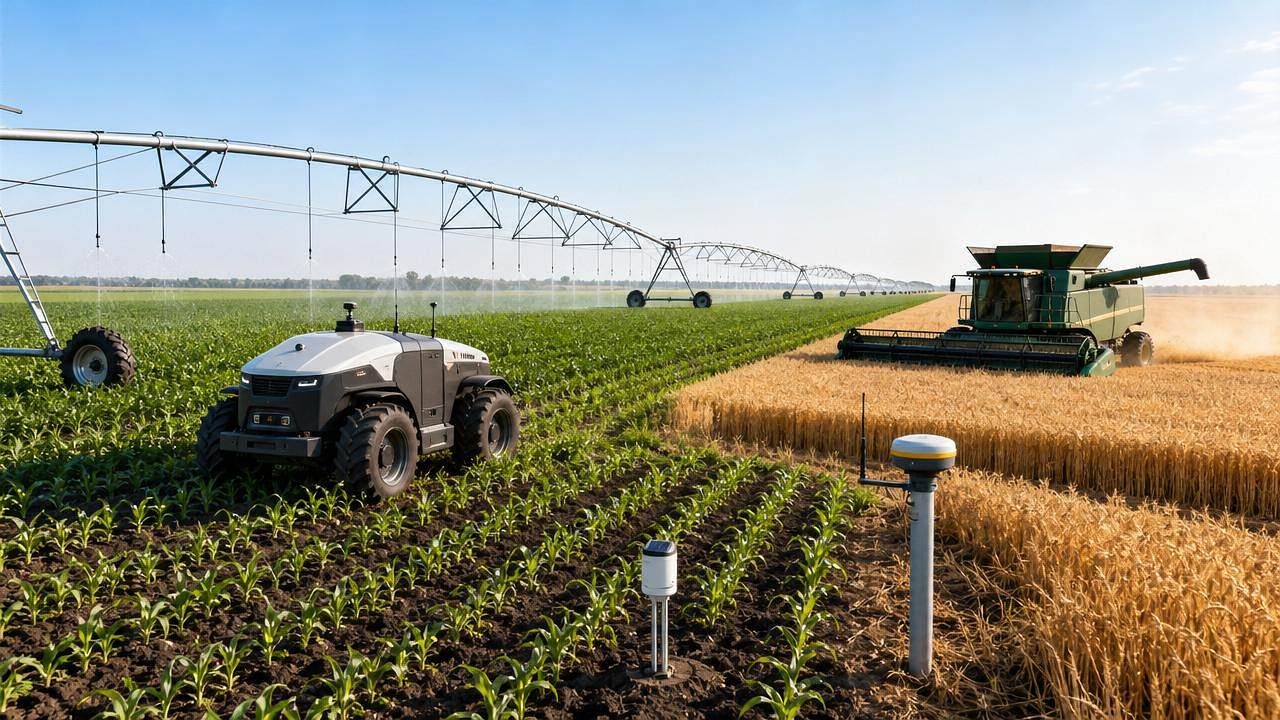




For enterprise decision makers, the question is no longer whether agriculture will become data-driven, but whether the returns justify the timing and scale of investment. Digital farming solutions are reshaping how large-scale farms manage machinery, irrigation, harvesting efficiency, and resource risk. Yet value depends on more than adopting sensors or software—it requires aligning technology with operational goals, equipment strategy, and long-term sustainability demands. This article examines where digital farming investments create measurable impact and where caution is still needed.
For boards, farm operators, distributors, and equipment investors, the investment case must connect field performance with asset utilization, input control, labor planning, and resilience against climate volatility.
Where digital farming solutions create measurable business value
Digital farming solutions are not a single product category. They combine machine telemetry, satellite positioning, field sensors, farm management software, irrigation automation, and decision analytics.
In large-scale operations, value usually appears across 4 areas: machinery uptime, input efficiency, harvest loss reduction, and better planning across seasonal work windows.
Machinery utilization and fleet visibility
Large tractors, combines, sprayers, and irrigation pumps are capital-intensive assets. A utilization improvement of even 5%–10% can influence replacement timing and contractor demand.
Telematics platforms can track engine hours, fuel burn, idle time, route overlap, and maintenance alerts. For fleets above 20 machines, this visibility becomes operationally significant.
Harvesting efficiency and loss control
For combine harvesters, digital monitoring can support header control, grain loss mapping, moisture readings, cleaning system adjustment, and operator benchmarking during peak harvesting days.
The investment is most compelling when loss reduction, fuel optimization, and shorter harvest windows are evaluated together, not as separate technical improvements.
Typical value levers for enterprise farms
- Reduce duplicated passes through GNSS guidance and route planning, especially in broadacre operations above 500 hectares.
- Detect maintenance issues earlier by reviewing vibration, temperature, hydraulic pressure, and fuel consumption trends.
- Improve irrigation timing with soil moisture sensors, evapotranspiration models, and pump automation schedules.
- Support managers with dashboards that compare operators, fields, machines, crop blocks, and seasonal input plans.
The strongest business cases emerge when digital farming solutions are tied to measurable baselines before deployment, such as fuel liters per hectare or downtime hours per month.
What decision makers should evaluate before investing
A useful procurement process starts with operational friction, not technology excitement. Enterprises should identify 3–5 measurable problems before selecting platforms or hardware.
Common priorities include irrigation water use, machinery availability, operator skill variation, fertilizer accuracy, field traceability, and harvest losses under changing crop conditions.
The table below outlines practical evaluation factors for digital farming solutions in machinery-heavy and irrigation-intensive agricultural businesses.
The key conclusion is simple: digital farming solutions should be assessed like production infrastructure, not office software. Field reliability matters as much as analytics quality.
Capital cost versus total operating impact
Initial costs may include sensors, controllers, displays, subscriptions, connectivity, training, and integration. A pilot may take 8–12 weeks before stable reporting appears.
Enterprise buyers should compare upfront expenditure with a 3-year operating model covering fuel, labor, water, chemical inputs, maintenance, data services, and equipment resale positioning.
Questions to ask during vendor review
- Which 2–3 operational metrics will improve first, and how will baseline data be recorded?
- Can the system integrate with existing tractors, harvesters, pumps, and farm management records?
- What happens when connectivity fails during a critical field operation?
- How are software updates, sensor calibration, and data exports handled over 36 months?
These questions help procurement teams avoid a common mistake: buying a dashboard without ensuring data quality, operator adoption, and machine-level execution.
Best-fit use cases across machinery, harvesting, and irrigation
Not every farm gains equal value at the same pace. Digital farming solutions perform best where variability, scale, and asset intensity are high.
For smaller operations, basic guidance or irrigation scheduling may be enough. For large enterprises, integrated machine and agronomic intelligence becomes more compelling.
Large-scale agri-machinery
Digital guidance, fleet dispatch, and task records help coordinate soil preparation, seeding, spraying, fertilization, and transport across multiple fields and work teams.
Where work windows are narrow, real-time dispatch can reduce waiting time between tractors, implements, grain carts, and service vehicles by several hours per day.
Combine harvester operations
Yield maps, grain moisture readings, loss sensors, and cleaning system feedback help managers compare fields and identify whether losses are caused by crop, machine, or operator factors.
The return is strongest where crops vary significantly across soil zones, slopes, moisture levels, and harvesting dates within a 2–4 week season.
Water-saving irrigation systems
Intelligent irrigation connects soil moisture, pump control, weather forecasts, filtration status, and drip or pivot schedules into one decision workflow.
For water-stressed regions, automation can support zone-level scheduling, leak alerts, pressure monitoring, and recycling strategies across 5–20 irrigation blocks.
The following comparison shows where different digital farming solutions are most likely to produce visible value during the first deployment cycle.
The table highlights a practical truth: return periods vary by application. Irrigation benefits may appear faster, while fertilization decisions often require multi-season validation.
Implementation strategy: from pilot to enterprise deployment
The safest path is rarely a farm-wide launch on day one. Digital farming solutions should be implemented through controlled stages with clear thresholds.
A disciplined rollout limits disruption during seasonal operations and gives managers time to test data accuracy, operator workflows, and maintenance responsibilities.
A 5-step deployment roadmap
- Define baseline metrics for 30–60 days, including fuel, downtime, input use, water volumes, and harvest loss indicators.
- Select one priority use case, such as irrigation scheduling or combine loss monitoring, before expanding into multiple modules.
- Install hardware on a limited set of machines, fields, or irrigation zones where performance can be compared.
- Train operators and supervisors using daily routines, not only classroom sessions or vendor demonstrations.
- Review results after one operating cycle and decide whether to scale, modify, or pause the investment.
This approach allows enterprises to treat adoption as a business transformation program, rather than a one-time technology procurement exercise.
Integration with existing equipment strategy
Digital farming solutions should support the machinery roadmap. Buyers should check whether planned tractors, combines, and irrigation controllers can share common data structures.
If a fleet renewal cycle is within 12–24 months, it may be smarter to align purchases with factory-ready connectivity instead of heavy retrofits.
Operational governance requirements
- Assign data ownership to operations leadership, not only the IT department or equipment dealer.
- Set calibration routines for sensors at defined intervals, such as weekly checks during intensive irrigation periods.
- Create response rules for alerts, including who acts within 2 hours, 24 hours, or after seasonal review.
- Document how machine data influences procurement, maintenance budgets, and operator performance discussions.
Without governance, dashboards become passive reports. With governance, data becomes a management tool for field execution and capital allocation.
Risks, limitations, and when caution is justified
Digital farming solutions can fail when expectations are too broad, field data is inconsistent, or vendors understate the complexity of machinery environments.
Decision makers should be cautious when a project lacks baseline metrics, internal ownership, integration planning, or service support during critical seasonal windows.
Common reasons for underperformance
One common issue is poor sensor maintenance. Soil probes, flow meters, pressure sensors, and grain loss sensors need calibration to avoid misleading decisions.
Another risk is fragmented software. If machinery, irrigation, finance, and agronomy systems cannot exchange data, managers may still rely on manual reconciliation.
- Weak connectivity in remote fields can delay data uploads or reduce the usefulness of real-time alerts.
- Untrained operators may bypass guidance systems or enter inaccurate task records during busy periods.
- Subscription costs can grow when modules expand across farms, machines, users, and historical data storage.
- Over-customized deployments can become difficult to support after staff turnover or equipment replacement.
When the investment may not be urgent
If a farm has stable yields, low machinery intensity, limited irrigation exposure, and simple field logistics, a phased approach may be preferable.
In such cases, starting with 1–2 basic modules, such as machine tracking or irrigation monitoring, can build capability before advanced automation.
A balanced risk-control checklist
- Set payback expectations by use case, not by a generic farm-wide promise.
- Confirm service coverage during peak work windows before signing a multi-year contract.
- Require data export capability in practical formats for finance, maintenance, and agronomy teams.
- Avoid expanding beyond trained users, available technicians, and realistic management bandwidth.
Caution does not mean avoiding digital transformation. It means sequencing investments so that operational capacity grows alongside system complexity.
How AP-Strategy supports smarter investment decisions
AP-Strategy views digital farming solutions through the combined lens of machinery performance, precision algorithms, irrigation intelligence, and sustainability pressure.
For enterprise decision makers, this perspective is important because technology value depends on how it changes equipment strategy and field economics.
Strategic intelligence for Agriculture 4.0
The Strategic Intelligence Center tracks developments across large-scale agri-machinery, combine harvesting technology, tractor chassis, intelligent farm tools, and water-saving irrigation systems.
Instead of treating digital adoption as a software trend, AP-Strategy connects it to equipment cycles, crop risk, grain market pressure, and resource constraints.
Decision support areas
- Evolutionary trend analysis for autonomous machinery, hybrid tractor chassis, and sensor-driven field tools.
- Commercial insight into demand for precision fertilization, intelligent irrigation, and data-enabled combine optimization.
- Operational interpretation of how digital farming solutions influence dealers, distributors, and long-cycle agri-equipment trade.
This intelligence helps organizations compare investment timing, avoid isolated purchases, and build a more coherent roadmap for smart cultivation.
Final investment view: are they worth it?
Digital farming solutions are worth the investment when they solve defined operational problems, integrate with machinery assets, and create measurable improvements within realistic cycles.
They are less convincing when adopted as disconnected tools without baseline metrics, service planning, operator training, or alignment with equipment renewal strategy.
For enterprises managing large fleets, complex harvest windows, or water-sensitive production, the strategic value can extend beyond cost savings into resilience and competitiveness.
AP-Strategy helps decision makers evaluate where data, machinery, and sustainability priorities intersect. To explore suitable deployment pathways, consult product details or learn more solutions with AP-Strategy.
Related News
Comparing Farm Equipment Supplier Quotes: Price, Freight, and Warranty
Simplify supplier comparison for farm equipment price: assess freight, field-ready costs, and warranty coverage. Learn how to avoid hidden charges and choose a reliable supplier.
Choosing a Digital Farming Platform Provider: Compatibility and Data Ownership
Compare digital farming platforms providers on equipment compatibility, data ownership, and export rights. Discover practical checks to avoid lock-in and choose with confidence.
How Large-Scale Farm Telematics Cuts Downtime Across Mixed Fleets
Large-scale farm equipment telematics cuts mixed-fleet downtime with real-time alerts, smarter maintenance, and stronger operational control. Learn how to protect critical farm workflows.
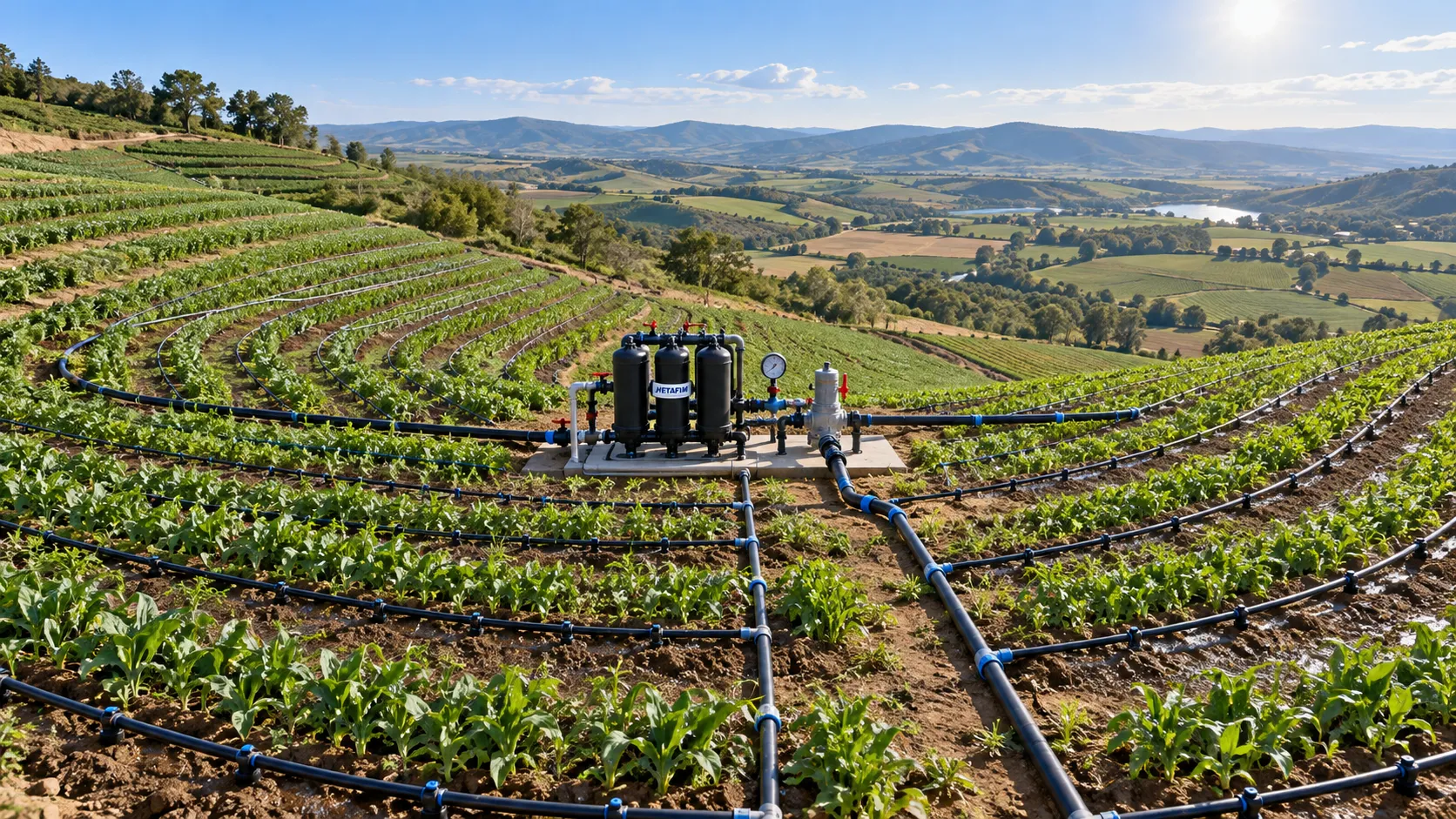
How to Size Low-Pressure Water-Saving Irrigation Systems for Uneven Fields
Low pressure water-saving irrigation systems for uneven fields: learn zoning, pressure mapping, pipe sizing, and pump selection to improve uniformity and reduce water waste.
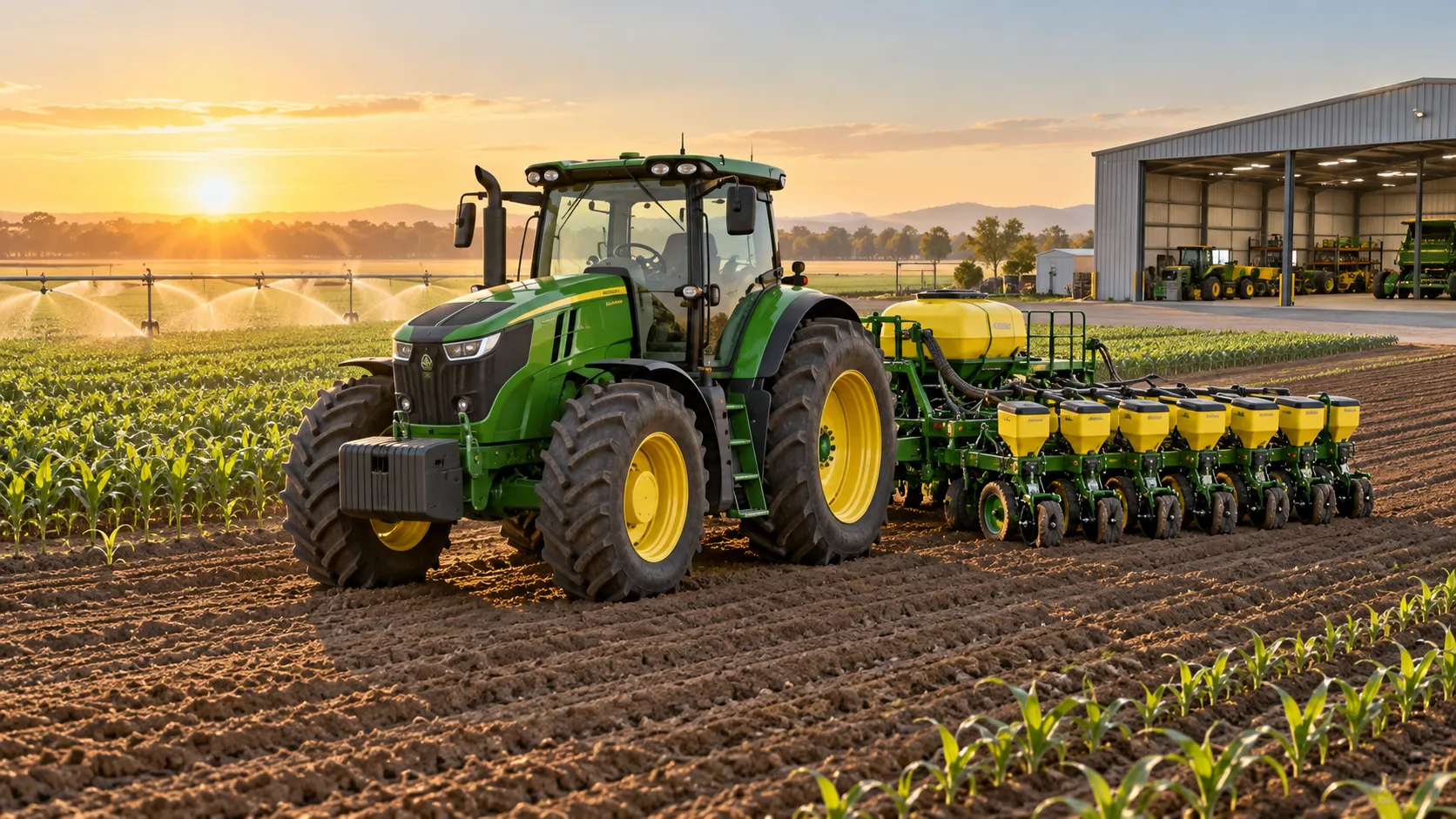
Farm Machinery Sourcing: How to Vet Suppliers, Specs, and Lifecycle Costs
Farm machinery information for sourcing: learn to vet suppliers, compare specifications, control lifecycle costs, and secure reliable uptime for smarter equipment purchases.
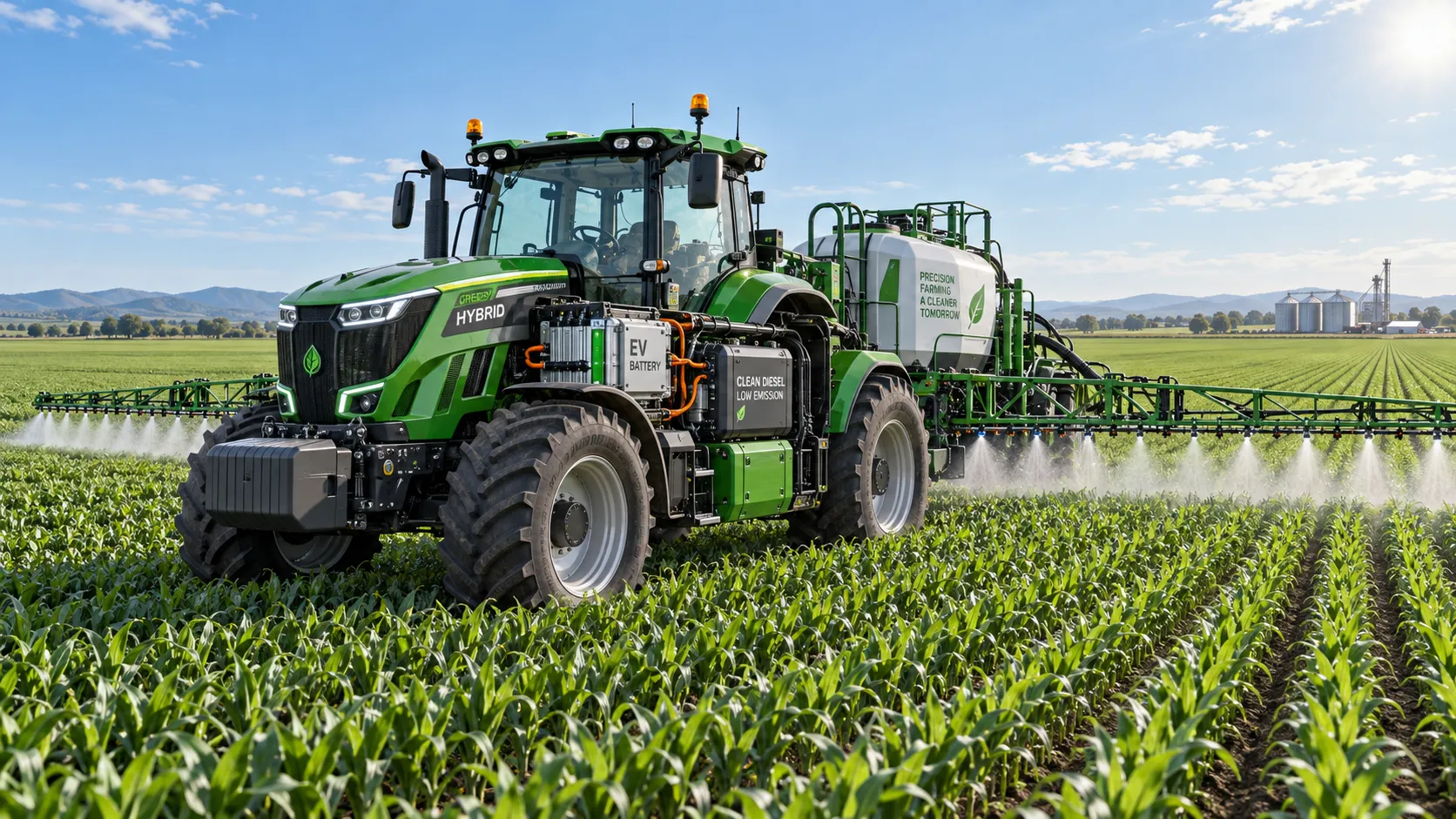
Can hybrid propulsion systems reduce fuel use in farm machinery?
Hybrid propulsion systems for agricultural machinery can cut fuel use and boost productivity. Explore savings potential, key trade-offs, and smart investment factors.
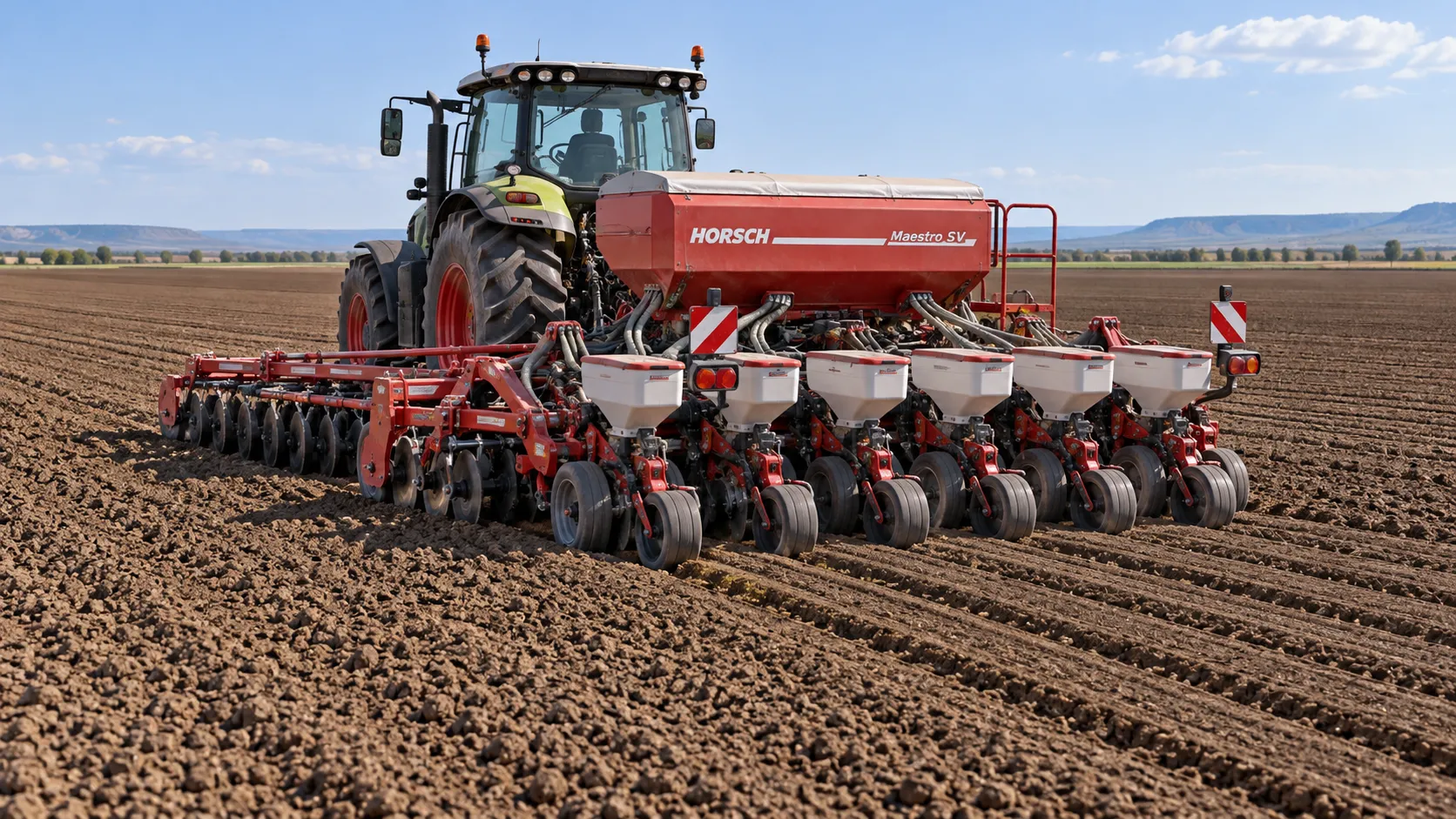
What to compare in integrated seeding combinations for heavy soils
Compare integrated seeding combinations for heavy soils: depth control, residue flow, consolidation, traction, and field capacity for more uniform crop establishment.
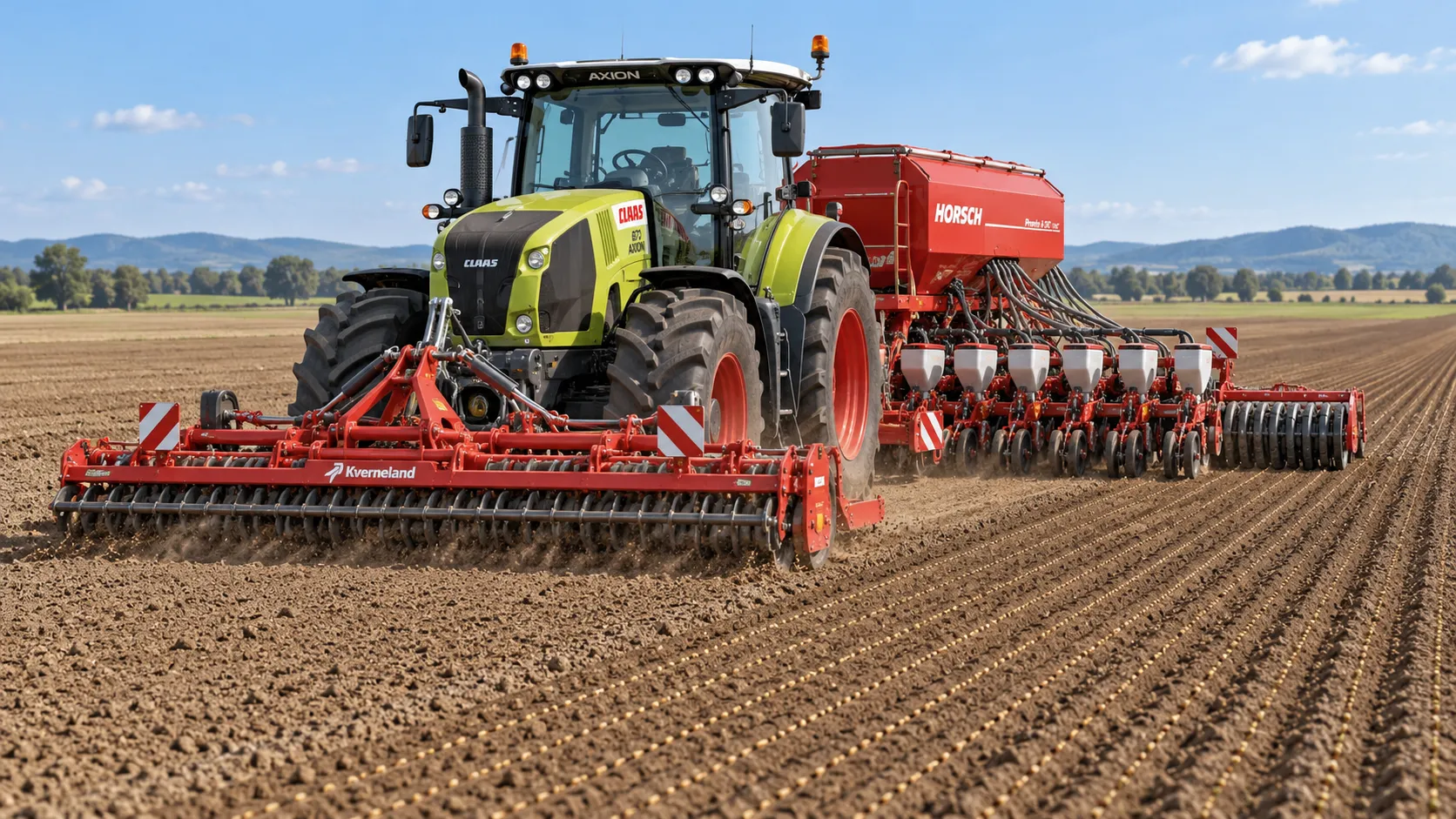
When an integrated seeding combination improves field efficiency
Integrated seeding combination improves field efficiency, protects planting windows, and balances speed with seedbed quality, tractor capacity, and reliable establishment.
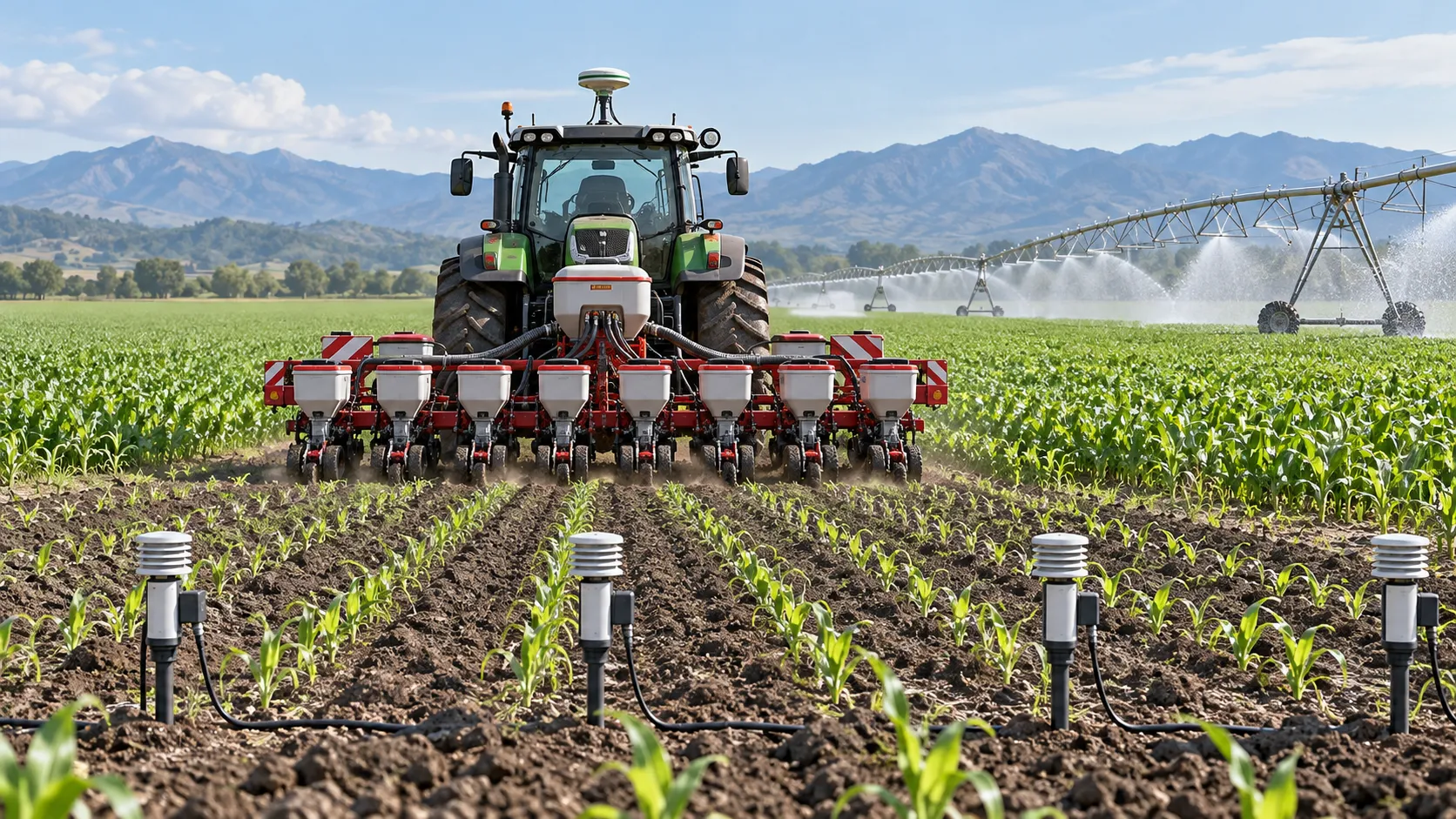
Which costs matter most when calculating precision agriculture ROI?
Calculating ROI on precision agriculture equipment? Discover the costs that shape returns, from installation and subscriptions to downtime, labor, and data integration.
Related News
- 00
0000-00
Comparing Farm Equipment Supplier Quotes: Price, Freight, and Warranty - 00
0000-00
Choosing a Digital Farming Platform Provider: Compatibility and Data Ownership - 00
0000-00
How Large-Scale Farm Telematics Cuts Downtime Across Mixed Fleets - 00
0000-00
Farm Machinery Sourcing: How to Vet Suppliers, Specs, and Lifecycle Costs - 00
0000-00
Which costs matter most when calculating precision agriculture ROI?
Popular Tags
Ms. Elena Rodriguez
Weekly Insights
Stay ahead with our curated technology reports delivered every Monday.