



Are Sustainable Farming Practices Still Cost-Effective?
Are sustainable farming practices still cost-effective when capital budgets are tight and equipment payback periods are under scrutiny?
For financial approvers, the answer depends on measurable gains: lower fuel and water use, reduced input waste, higher machinery utilization, and stronger compliance resilience.
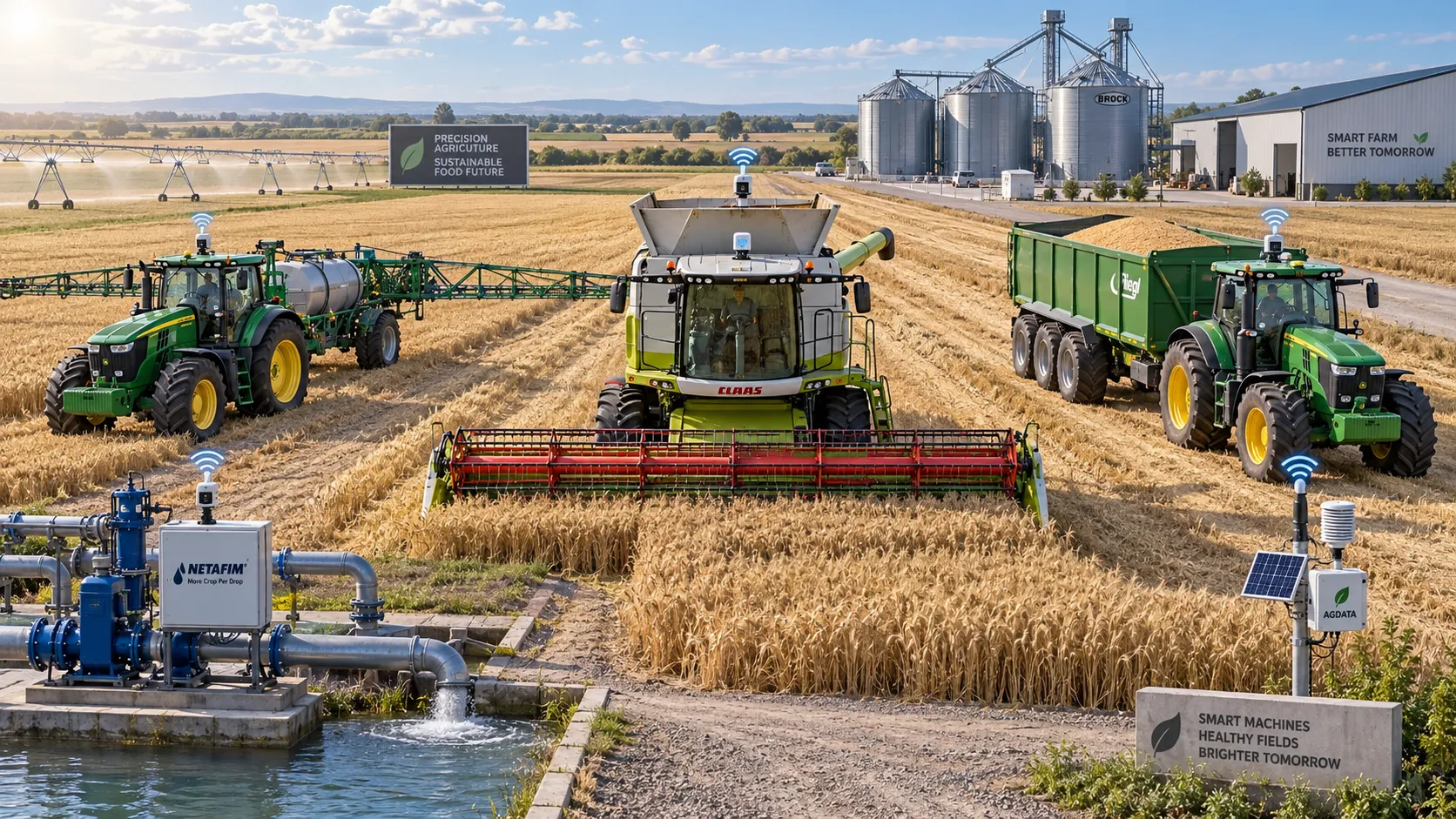
As Agriculture 4.0 connects large-scale equipment, precision algorithms, and smart irrigation, sustainability is no longer only an environmental commitment.
It has become a financial strategy for protecting margins, managing risk, and improving long-term asset performance across modern farming operations.
Search Intent: The Real Question Behind Cost-Effectiveness
When decision-makers search this topic, they are rarely looking for a philosophical argument about sustainability or climate responsibility.
They want to know whether sustainable farming practices can survive the discipline of budgets, cash flow, and board-level approval.
The core intent is financial validation: what improves profitability, what delays payback, and what creates hidden operational risk?
Financial approvers also need practical boundaries, because not every sustainability investment produces equal returns in every crop or region.
The strongest article therefore must focus on ROI logic, cost drivers, equipment utilization, regulatory exposure, and implementation sequencing.
It should weaken generic claims about being “green” unless those claims connect directly to measurable operating or capital outcomes.
The Short Answer: Yes, But Only When Measured Correctly
Sustainable farming practices can be cost-effective, but the business case must be calculated across the full production system.
A narrow comparison of purchase price often makes sustainable options appear expensive, especially when equipment and sensors require upfront capital.
A better comparison includes fuel savings, water efficiency, fertilizer reduction, soil productivity, labor optimization, and avoided compliance costs.
Financial teams should evaluate sustainability as an operational efficiency program, not as a separate environmental expense category.
When treated this way, many sustainable practices resemble lean manufacturing: fewer wasted inputs, fewer corrective actions, and better asset discipline.
The key is selecting practices that match the farm’s bottlenecks, rather than adopting technology for branding or trend alignment alone.
Where the Financial Value Usually Comes From
The most immediate savings often come from reducing variable inputs, especially diesel, irrigation water, fertilizer, chemicals, and unnecessary field passes.
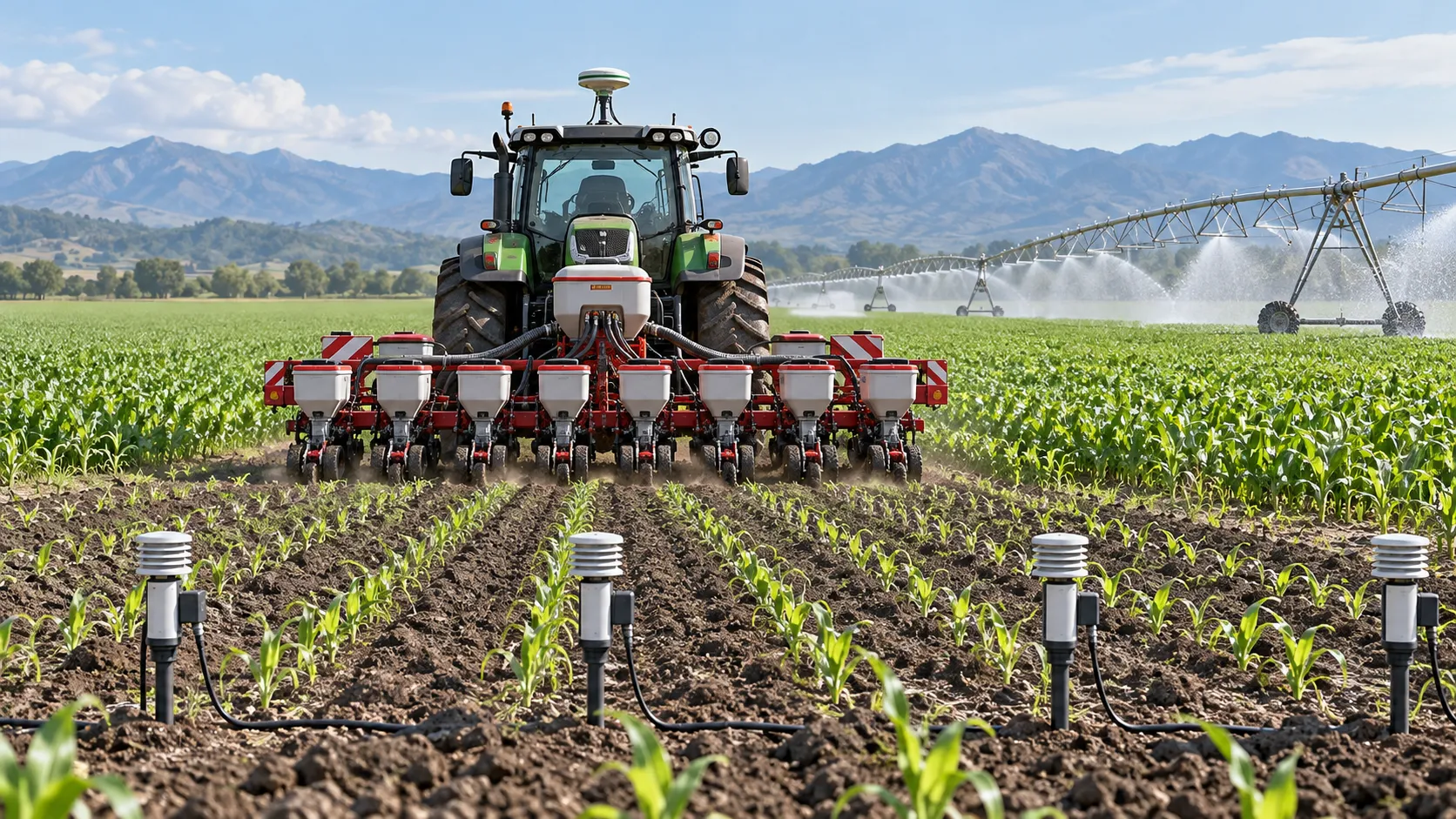
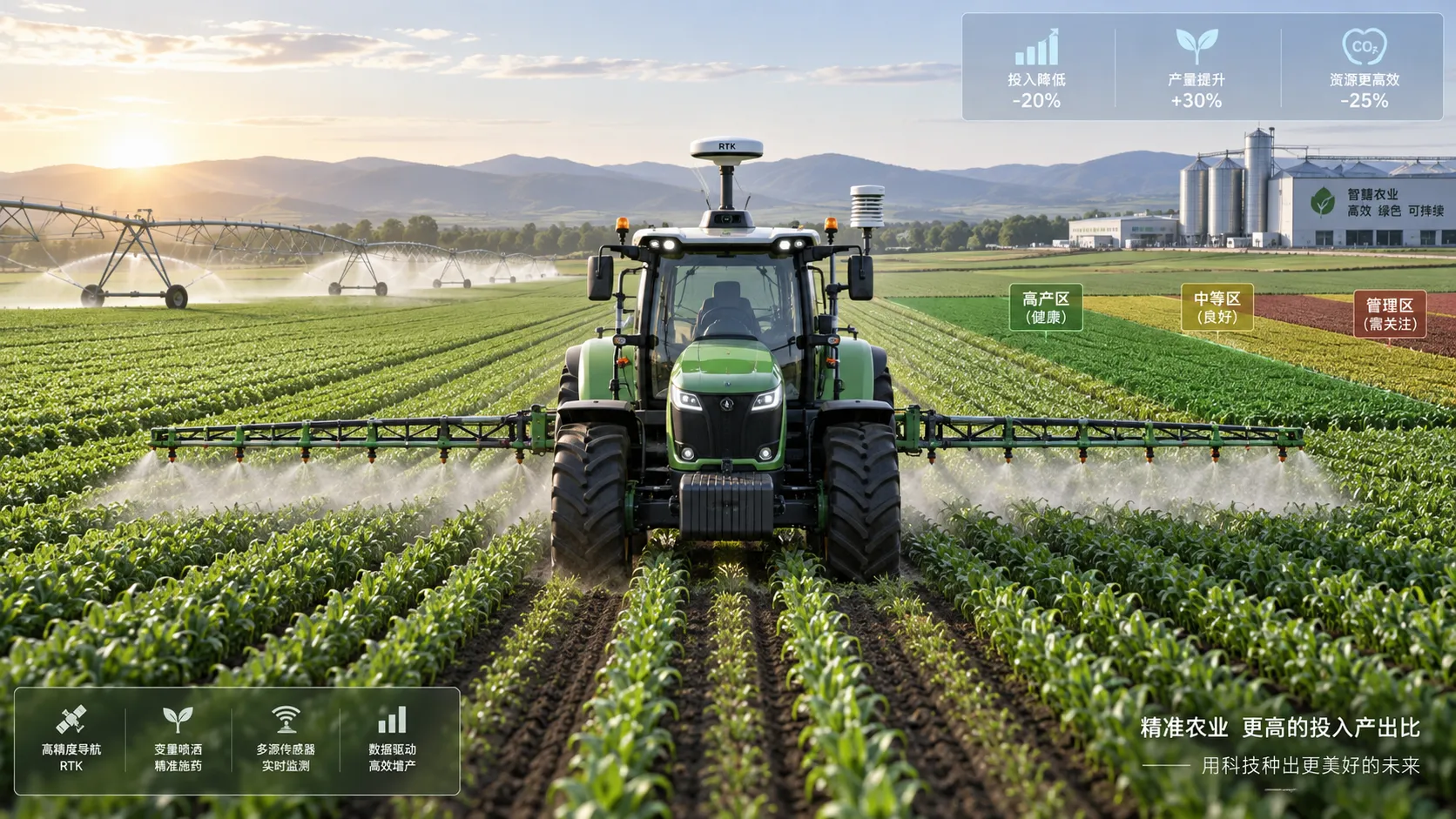
Precision guidance and controlled traffic can reduce overlap, helping large machinery cover more hectares with less fuel and operator fatigue.
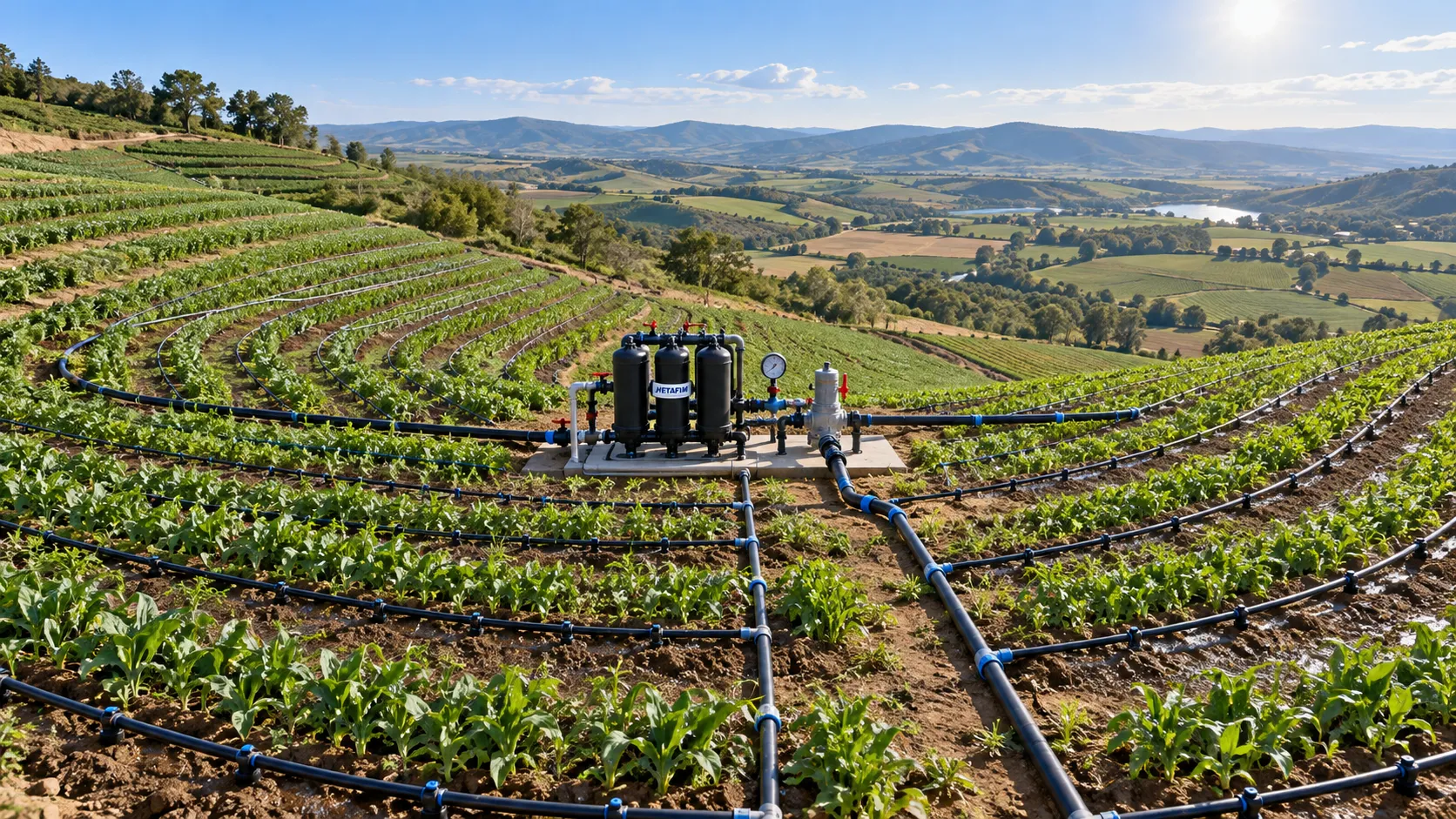
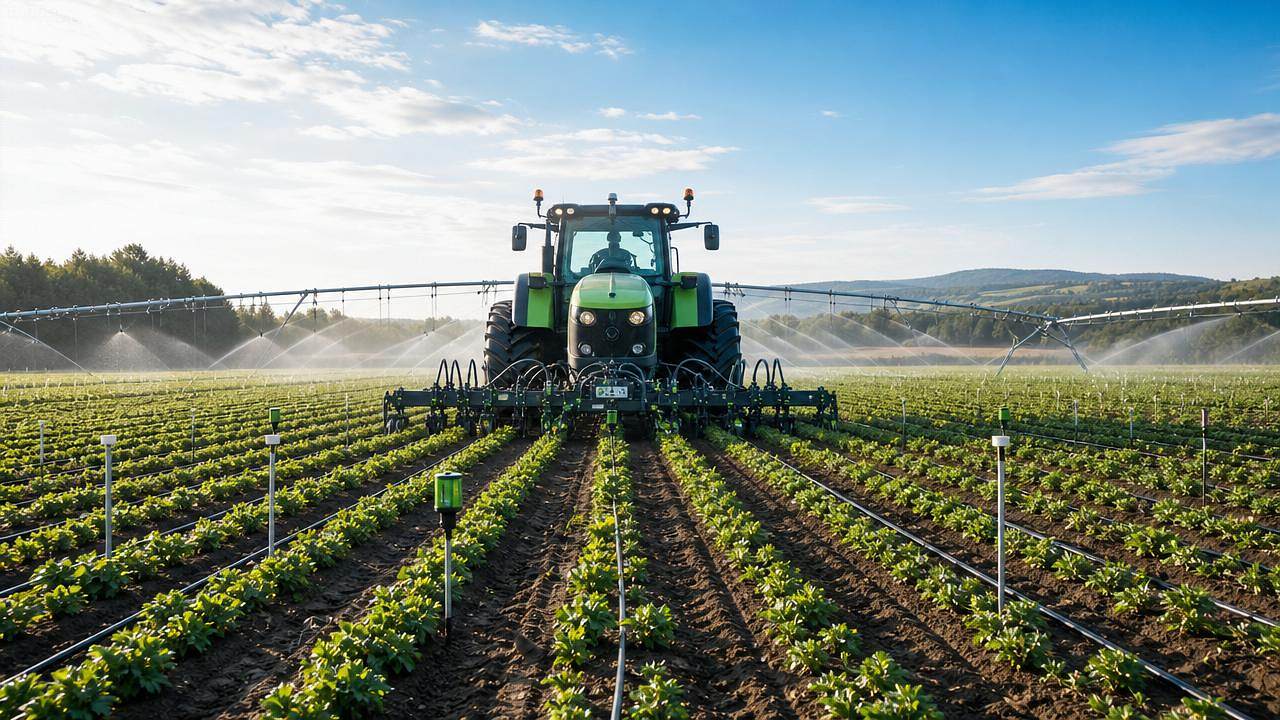
Smart irrigation systems improve water allocation by applying the right volume at the right timing across variable field conditions.
Variable-rate application reduces wasted fertilizer and crop protection products, especially where soil quality and yield potential differ across zones.
Combine optimization also matters, because lower harvest loss directly protects revenue already invested through the entire growing cycle.
For financial approvers, these benefits are attractive because they affect recurring costs, not only distant sustainability targets.
Capital Expenditure: When Higher Upfront Cost Is Justified
The largest concern is usually capital expenditure, because sustainable equipment often includes sensors, controllers, software, and advanced hydraulics.
A high purchase price is not automatically a weak investment if it increases utilization or reduces lifetime operating costs.
Financial evaluation should compare total cost of ownership over the machine’s expected service life, not only year-one cash impact.
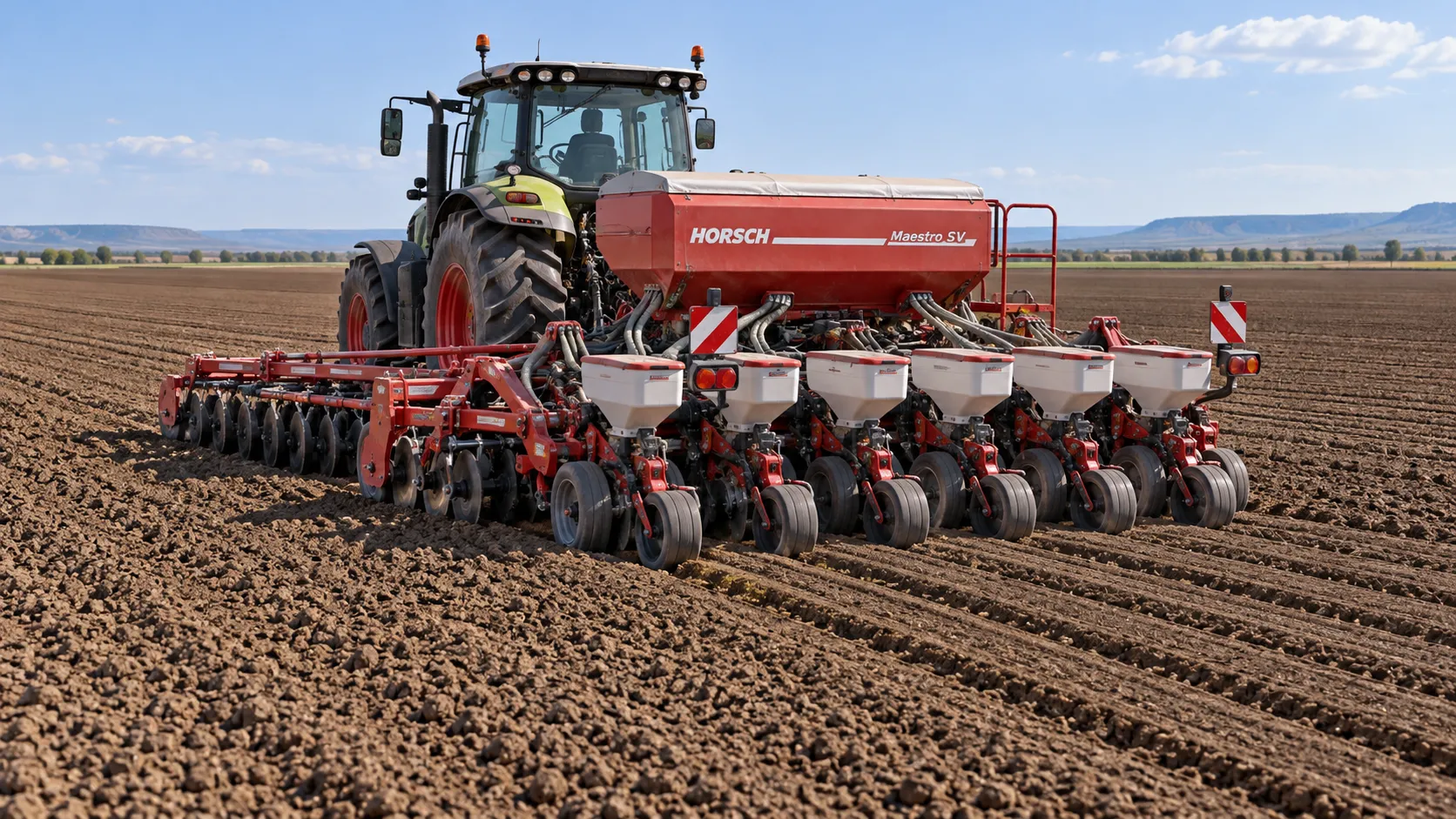
For example, a precision planter or intelligent sprayer may justify its premium through lower input waste over multiple seasons.
A water-saving irrigation network may require significant infrastructure, yet protect production in drought-sensitive regions where yield loss is costly.
The best approvals use scenario analysis, showing conservative, expected, and high-performance outcomes under realistic field conditions.
Payback Periods: What Financial Approvers Should Calculate
A practical payback model should begin with baseline operating data, including fuel consumption, input volumes, water use, labor hours, and losses.
Without a reliable baseline, sustainability claims become difficult to approve, because savings cannot be separated from seasonal variation.
The model should estimate annual savings from reduced inputs, fewer passes, lower repairs, better yields, and improved harvest recovery.
It should also include financing cost, depreciation, software subscriptions, training, maintenance, and possible downtime during transition.
For most farms, the strongest business cases appear where high input costs meet repeatable field operations across large acreage.
Approvers should be cautious when promised payback relies entirely on yield increases, because weather and market prices can distort results.
Fuel, Labor, and Machinery Utilization Are Often Underestimated
Fuel savings are highly visible, but the financial impact becomes stronger when combined with better scheduling and fewer duplicated operations.
Large-scale tractors, combines, and sprayers create value when they operate at high productivity during narrow seasonal windows.
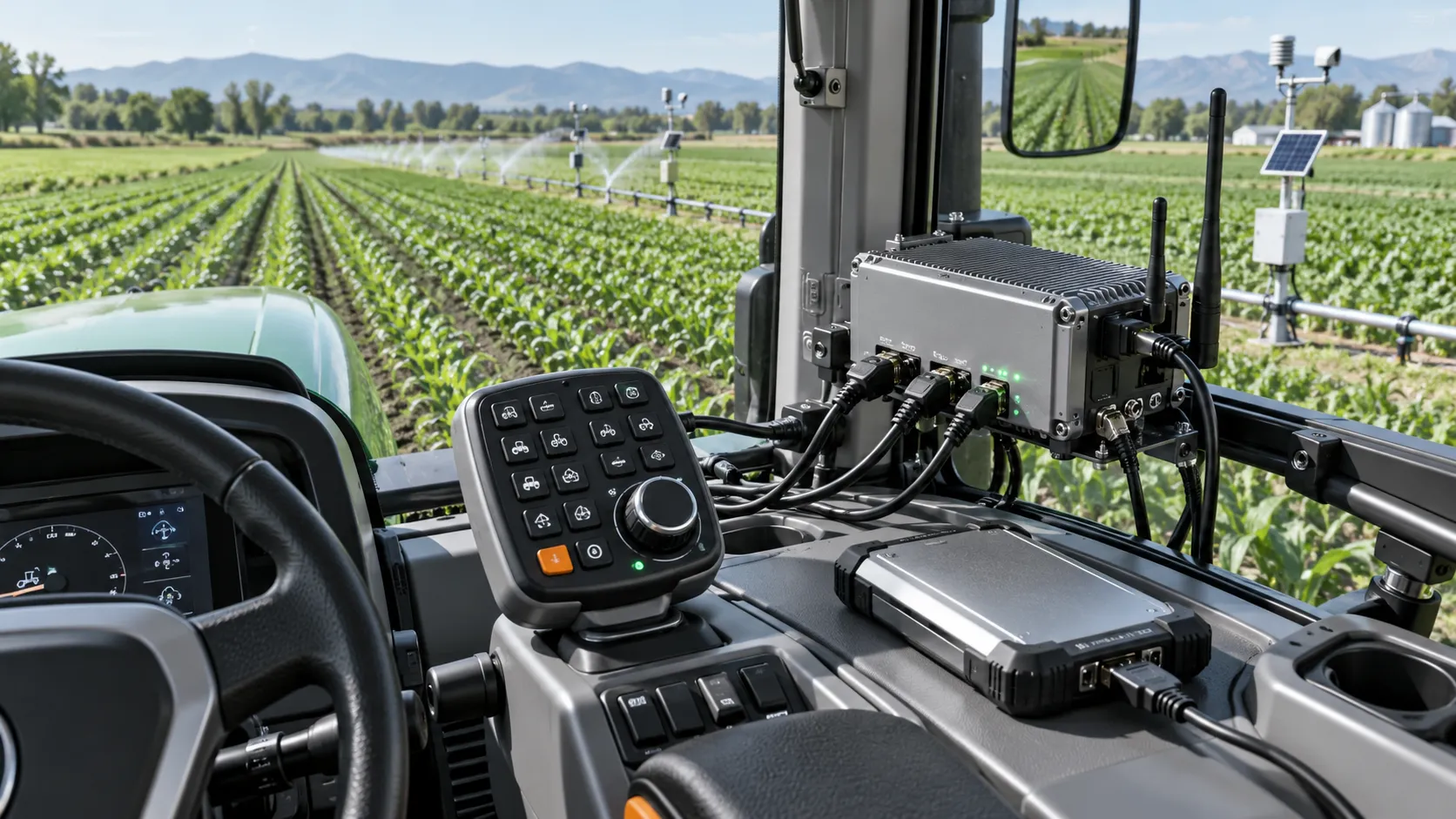
Autosteer, route planning, and telematics improve field efficiency by reducing idle time, overlap, operator error, and unnecessary turning.
Labor efficiency is equally important, especially in regions where skilled operators are expensive, scarce, or difficult to retain.
Machines equipped with intelligent control systems can reduce dependence on highly experienced operators for every complex adjustment.
For finance teams, sustainability becomes more persuasive when it improves equipment utilization rather than only reducing environmental footprint.
Water-Saving Irrigation: A Clear Case in Risk Management
Water-saving irrigation is one of the most financially defensible sustainable farming practices in water-constrained production regions.
Its value is not limited to lower water bills, because reliable moisture control also protects yield stability and crop quality.
Sensor-based irrigation can reduce overwatering, nutrient leaching, pumping energy, and disease pressure related to excessive field moisture.
In regions facing water quotas, drought risk, or rising energy prices, irrigation efficiency becomes a strategic resilience investment.
Financial approvers should model water systems against avoided yield loss, not only direct utility savings or maintenance expenses.
This approach reflects reality: the most expensive water problem is often production disruption, not the water invoice itself.
Soil Health Practices Need a Longer Evaluation Window
Practices such as cover cropping, reduced tillage, residue management, and crop rotation can be cost-effective, but returns accumulate gradually.
These methods may reduce erosion, improve water retention, support nutrient cycling, and lower long-term dependence on external inputs.
However, they can also introduce transition costs, equipment changes, learning curves, and temporary yield variability during adaptation.
Financial approvers should evaluate soil-focused practices over multiple seasons, because a single-year payback test may be misleading.
The business case is strongest where soil degradation already threatens productivity, irrigation demand, or machinery access after rainfall.
In these situations, sustainable farming practices protect the productive base that supports every future capital investment.
Compliance, Market Access, and Reputation Have Financial Weight
Regulatory pressure is increasing around water use, emissions, nutrient runoff, chemical application, and traceability in many agricultural markets.
Sustainable practices can reduce the probability of penalties, restrictions, rejected contracts, or sudden retrofitting requirements.
They may also support access to buyers requiring sustainability documentation, especially in food, biofuel, fiber, and export supply chains.
For financial approvers, these benefits should be treated as risk-adjusted value rather than soft public relations advantages.
Even when premiums are uncertain, maintaining eligibility for high-value contracts can justify targeted investment in data-enabled practices.
Operations that can document input efficiency and responsible resource use may negotiate from a stronger commercial position.
When Sustainable Practices Are Not Cost-Effective
Sustainable farming practices are not automatically cost-effective, and responsible approval requires recognizing situations where returns are weak.
Projects may fail financially when technology is oversized, poorly integrated, underused, or purchased without operator training.
They may also disappoint when farms lack the data infrastructure needed to turn sensor information into operational decisions.
Another common problem is adopting a premium solution for a low-frequency task where utilization cannot support the investment.
In some cases, leasing, custom service providers, or phased deployment may create better economics than immediate ownership.
The right question is not whether sustainability pays, but which practice pays under the farm’s scale, constraints, and strategy.
A Practical Approval Framework for Finance Teams
Financial approvers should begin by identifying the farm’s largest controllable cost centers and the operations causing the most waste.
Next, they should connect each proposed practice to a measurable financial lever, such as input reduction or machinery productivity.
The third step is building a baseline from actual operating records, rather than relying only on vendor averages or demonstration results.
Approvers should then calculate total cost of ownership, including hardware, software, installation, training, maintenance, upgrades, and financing.
Finally, they should require performance milestones, so continued investment depends on verified outcomes over one or more seasons.
This framework turns sustainability from an abstract budget request into a disciplined capital allocation decision.
What Agriculture 4.0 Changes in the Cost Equation
Agriculture 4.0 improves the economics of sustainability by connecting machines, sensors, algorithms, and field-level execution.
In older models, sustainable decisions often depended on broad recommendations and manual observation across highly variable fields.
Today, intelligent farm tools can translate satellite data, soil readings, and equipment feedback into precise operational instructions.
For combines, dynamic adjustment can reduce grain loss and quality damage during changing crop conditions and harvesting speeds.
For tractor chassis and implements, advanced control systems can improve traction, reduce compaction, and lower fuel consumption.
This integration makes sustainable farming practices more financeable because results become measurable, repeatable, and easier to audit.
How to Prioritize Investments When Budgets Are Tight
When budgets are constrained, finance teams should prioritize projects with short feedback loops and clear operational savings.
Fuel monitoring, guidance systems, irrigation scheduling, and variable-rate input control often provide measurable results relatively quickly.
Larger infrastructure projects should be phased, beginning with the fields, crops, or equipment fleets where utilization is highest.
Approvers should avoid spreading limited capital across too many initiatives, because weak implementation can erase expected savings.
A focused pilot can produce better evidence than a broad rollout based mostly on assumptions and supplier projections.
Once performance is verified, expansion can be tied to budget cycles, replacement schedules, and financing availability.
The Role of Strategic Intelligence in Better Decisions
Financial approval improves when decision-makers combine internal farm data with market, equipment, and policy intelligence.
Equipment costs, grain prices, water rules, emissions expectations, and labor availability all affect the return profile.
Strategic intelligence helps buyers understand whether autonomous machinery, precision fertilization, or irrigation upgrades match structural demand.
It also helps distributors and fleet owners allocate assets toward technologies likely to remain relevant over long equipment cycles.
For platforms such as AP-Strategy, the value lies in connecting mechanical performance with agronomic outcomes and financial decision-making.
This intelligence reduces the risk of approving equipment that looks advanced but fails to solve the farm’s economic problem.
Conclusion: Sustainability Is Cost-Effective When It Is Operationally Specific
Sustainable farming practices are still cost-effective when selected, measured, and implemented through a financial discipline.
The strongest cases reduce recurring input waste, improve equipment utilization, protect water availability, and lower exposure to compliance risk.
The weakest cases rely on vague environmental benefits, unrealistic yield promises, or technology purchases without integration and training.
For financial approvers, the right approach is to ask what cost, risk, or productivity constraint the practice directly addresses.
If the answer is measurable and the payback model is conservative, sustainability can support both margin protection and long-term resilience.
In Agriculture 4.0, sustainability is not separate from performance; it is increasingly how performance is achieved and defended.