
Why long-cycle agri-trade needs stronger risk planning
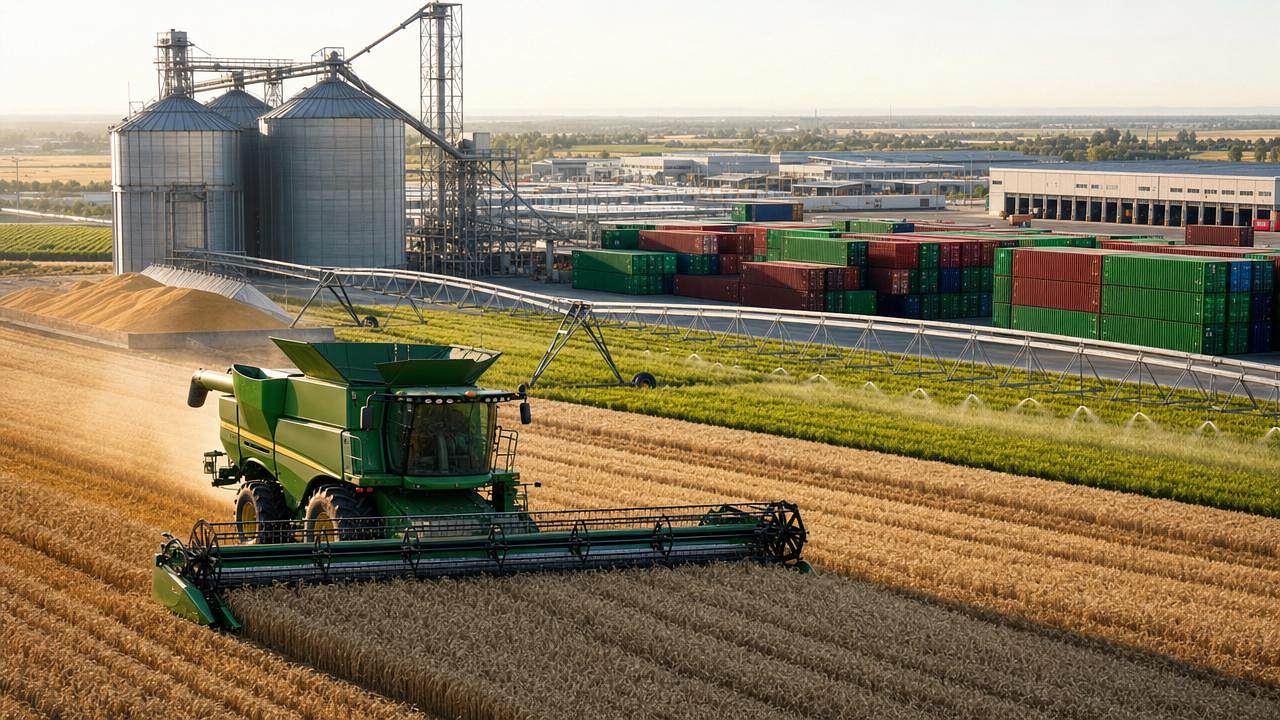




Why long-cycle agri-trade needs stronger risk planning
In long-cycle agri-trade, business evaluators face decisions shaped by delayed returns, volatile grain markets, equipment financing exposure, policy shifts, and climate-driven operational risk.
Stronger risk planning is no longer a defensive function. It is a strategic requirement for machinery investment, supplier resilience, irrigation infrastructure, and cross-border demand.
By connecting market intelligence with Agriculture 4.0 technologies, stakeholders can anticipate disruption, protect capital allocation, and build reliable trade strategies across agri-equipment value chains.
Why checklist-based risk planning matters in long-cycle agri-trade
Long-cycle agri-trade moves slower than spot commodity trading. Equipment orders, delivery slots, financing terms, installation schedules, and service commitments often span several seasons.
A combine harvester contract may depend on harvest timing, freight windows, local credit availability, and expected grain prices twelve months ahead.
Irrigation systems create another challenge. Payback depends on water rights, energy costs, crop rotation, subsidy access, and long-term climate stress.
Without a structured checklist, long-cycle agri-trade decisions become fragmented. Technical confidence may hide liquidity pressure, regulatory exposure, or after-sales capacity gaps.
A checklist converts uncertainty into trackable signals. It links mechanical performance, market timing, financial durability, and policy visibility before capital is committed.
Core checklist for stronger long-cycle agri-trade decisions
The following checklist supports practical evaluation across machinery, irrigation, precision tools, and cross-border agri-equipment transactions.
- Map the full trade cycle from quotation to harvest revenue, including production slots, shipping buffers, customs clearance, commissioning, training, and warranty response.
- Stress-test demand assumptions against grain price volatility, planting intentions, regional credit conditions, and seasonal cash flow across long-cycle agri-trade exposure.
- Verify supplier resilience through parts availability, service network density, engineering support, inventory visibility, and continuity plans for critical components.
- Review equipment financing terms under delayed delivery, currency movement, interest-rate changes, collateral valuation, and possible harvest income postponement.
- Compare technical specifications with field reality, including soil condition, crop density, slope, dust load, water quality, and operator skill level.
- Track policy signals covering import duties, emission rules, subsidy programs, water allocation, data regulation, and agricultural environmental compliance.
- Build climate scenarios using drought frequency, flood probability, heat stress, irrigation demand, and likely changes in crop calendar timing.
- Measure digital readiness for satellite guidance, sensor calibration, fleet telematics, prescription maps, remote diagnostics, and software update governance.
- Set exit triggers for delayed shipment, supplier default, failed certification, extreme currency movement, or demand collapse in long-cycle agri-trade contracts.
- Document decision ownership, escalation rules, data sources, review dates, and scenario thresholds before approving large agri-equipment commitments.
Machinery investment scenarios in long-cycle agri-trade
Large-scale agri-machinery and tractor chassis
Heavy machinery decisions carry long asset lives. Tractor chassis, transmissions, hydraulics, and powertrains must match multi-season operating intensity.
In long-cycle agri-trade, a low purchase price can become expensive if parts logistics, fuel consumption, or hydraulic compatibility are underestimated.
Risk planning should compare machine utilization with financing cost. Idle capacity during weak planting seasons can damage margins faster than expected.
Combine harvesters and seasonal revenue protection
Combine harvesters concentrate risk into short operating windows. Delayed delivery or poor loss-control performance can affect revenue in days.
A stronger plan reviews cleaning losses, crop adaptability, sensor feedback, and local service response before the harvest window arrives.
For long-cycle agri-trade, harvest equipment evaluation should include resale value, parts turnaround, operator training, and emergency repair agreements.
Intelligent irrigation and water-saving infrastructure
Irrigation projects expose capital to climate, energy, water policy, and installation risk. Returns usually depend on several crop cycles.
Smart valves, drip emitters, pump controls, and transpiration models should be assessed against water quality and maintenance capability.
In long-cycle agri-trade, irrigation risk planning must link agronomic yield potential with electricity pricing, drought probability, and policy incentives.
Market, finance, and policy signals to monitor
Risk planning improves when market intelligence is translated into practical decision signals. The goal is not prediction perfection.
The goal is earlier recognition of pressure. Long-cycle agri-trade needs rolling review because risk rarely arrives from one source.
Commonly ignored risks in long-cycle agri-trade
Assuming equipment demand follows grain prices immediately
Machinery demand often lags grain markets. Income confidence, credit renewal, and replacement urgency can delay orders even after prices improve.
Long-cycle agri-trade planning should separate short-term sentiment from confirmed financing, service readiness, and delivery capacity.
Treating after-sales service as a secondary issue
A high-performance machine loses value quickly when diagnostic tools, filters, electronics, and trained technicians are unavailable during peak season.
Service resilience is a core risk factor in long-cycle agri-trade, especially for autonomous systems and precision farming tools.
Underestimating software and data governance
Agriculture 4.0 equipment depends on maps, algorithms, sensors, connectivity, and updates. Technical risk now extends beyond mechanical reliability.
Contracts should define data ownership, update support, cybersecurity duties, and fallback operation if digital systems fail.
Ignoring water and energy interdependence
Irrigation infrastructure may appear stable on paper. Yet energy cost spikes can weaken return assumptions and change operational behavior.
Long-cycle agri-trade evaluation should test water-saving claims under realistic pumping hours, pressure loss, maintenance intervals, and drought stress.
Practical execution framework for stronger planning
A useful framework should be simple enough to repeat and detailed enough to expose hidden exposure before contracts mature.
- Define the trade horizon, including quotation validity, production lead time, delivery route, seasonal use date, payment milestones, and expected revenue timing.
- Create three scenarios for base, stress, and severe conditions covering grain prices, currency shifts, climate events, and financing availability.
- Score each supplier against delivery reliability, parts depth, field support, software capability, technical documentation, and warranty settlement history.
- Link every major assumption to a data source, such as market reports, policy notices, weather models, service records, or telematics evidence.
- Set review points before deposit, before shipment, before commissioning, and before seasonal deployment to update long-cycle agri-trade exposure.
- Prepare contingency options, including alternative models, spare-parts buffers, financing renegotiation, delivery rerouting, and phased irrigation installation.
This framework turns risk planning into an operating rhythm. It supports better timing, clearer accountability, and more disciplined capital deployment.
How intelligence improves long-cycle agri-trade resilience
Intelligence is valuable when it connects engineering detail with commercial reality. AP-Strategy focuses on that connection across agri-equipment markets.
Large-scale machinery analysis helps identify whether horsepower, transmission control, and hydraulic capacity match future operating conditions.
Combine harvester intelligence can compare cleaning loss algorithms, crop-flow stability, and service requirements under varied crop environments.
Irrigation insight can evaluate water recycling, drip efficiency, pump control, and transpiration prediction under climate-driven scarcity.
For long-cycle agri-trade, these intelligence layers reduce blind spots. They also support stronger negotiations, phased commitments, and better timing.
Summary and action guide
Long-cycle agri-trade rewards patience, but it punishes weak preparation. Delayed returns, climate pressure, policy movement, and equipment complexity increase exposure.
Stronger risk planning starts with a checklist. It should cover market demand, supplier resilience, financing, technical fit, service readiness, and regulatory signals.
The next step is practical. Build a rolling risk file for every major agri-equipment or irrigation commitment.
Update it at each contract milestone. Use verified intelligence, scenario triggers, and field data to guide decisions.
In long-cycle agri-trade, resilience is built before disruption appears. Better planning protects capital and strengthens the path from cultivation to harvest.
Related News
Choosing a Digital Farming Platform Provider: Compatibility and Data Ownership
Compare digital farming platforms providers on equipment compatibility, data ownership, and export rights. Discover practical checks to avoid lock-in and choose with confidence.
How Large-Scale Farm Telematics Cuts Downtime Across Mixed Fleets
Large-scale farm equipment telematics cuts mixed-fleet downtime with real-time alerts, smarter maintenance, and stronger operational control. Learn how to protect critical farm workflows.
How to Size Low-Pressure Water-Saving Irrigation Systems for Uneven Fields
Low pressure water-saving irrigation systems for uneven fields: learn zoning, pressure mapping, pipe sizing, and pump selection to improve uniformity and reduce water waste.
Farm Machinery Sourcing: How to Vet Suppliers, Specs, and Lifecycle Costs
Farm machinery information for sourcing: learn to vet suppliers, compare specifications, control lifecycle costs, and secure reliable uptime for smarter equipment purchases.
What to compare in integrated seeding combinations for heavy soils
Compare integrated seeding combinations for heavy soils: depth control, residue flow, consolidation, traction, and field capacity for more uniform crop establishment.
When an integrated seeding combination improves field efficiency
Integrated seeding combination improves field efficiency, protects planting windows, and balances speed with seedbed quality, tractor capacity, and reliable establishment.
Which costs matter most when calculating precision agriculture ROI?
Calculating ROI on precision agriculture equipment? Discover the costs that shape returns, from installation and subscriptions to downtime, labor, and data integration.
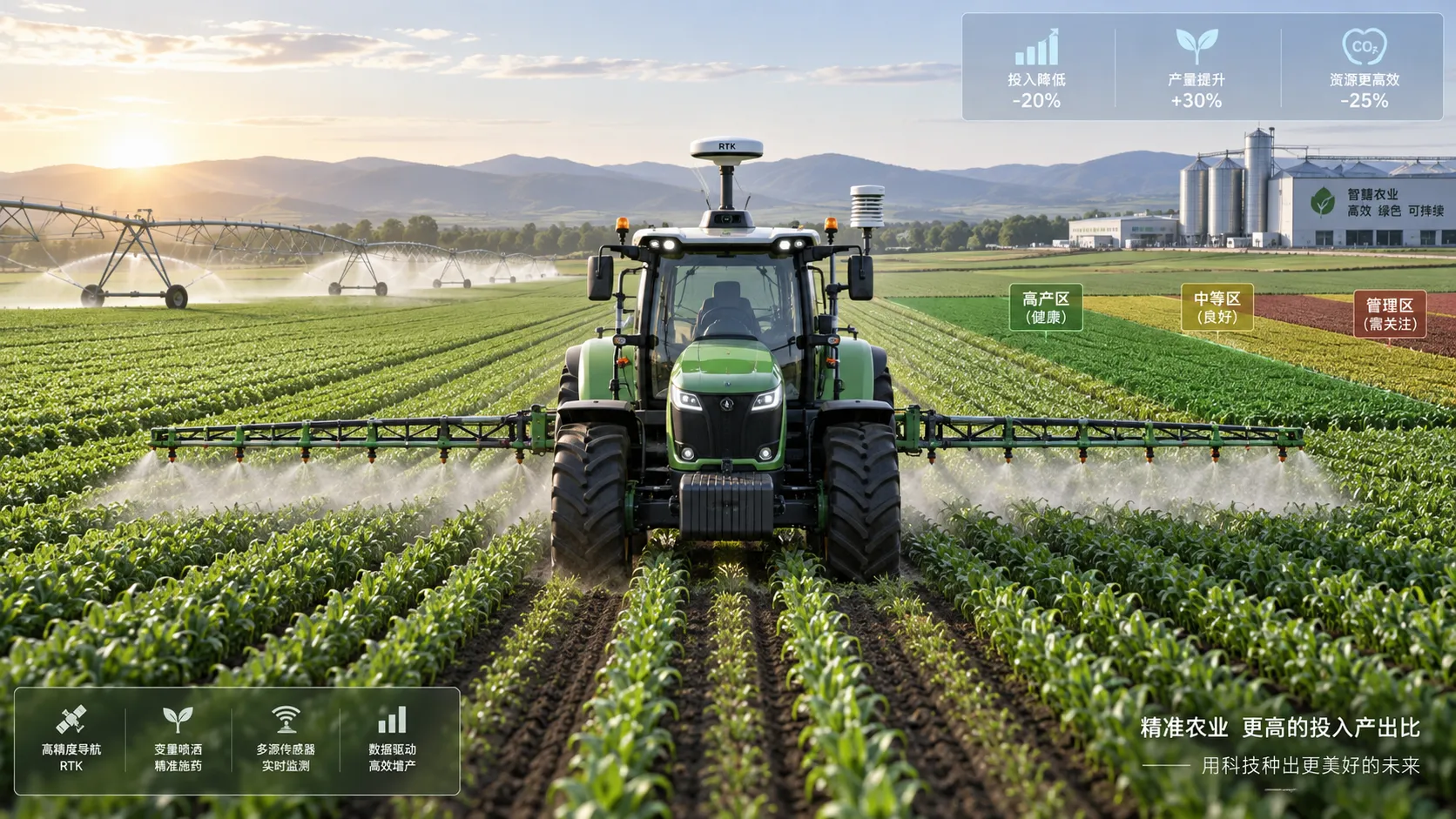
How to calculate ROI on precision agriculture equipment before buying
Calculating ROI on precision agriculture equipment: learn to assess total ownership costs, savings, payback, NPV, risks, and farm-scale value before you buy.
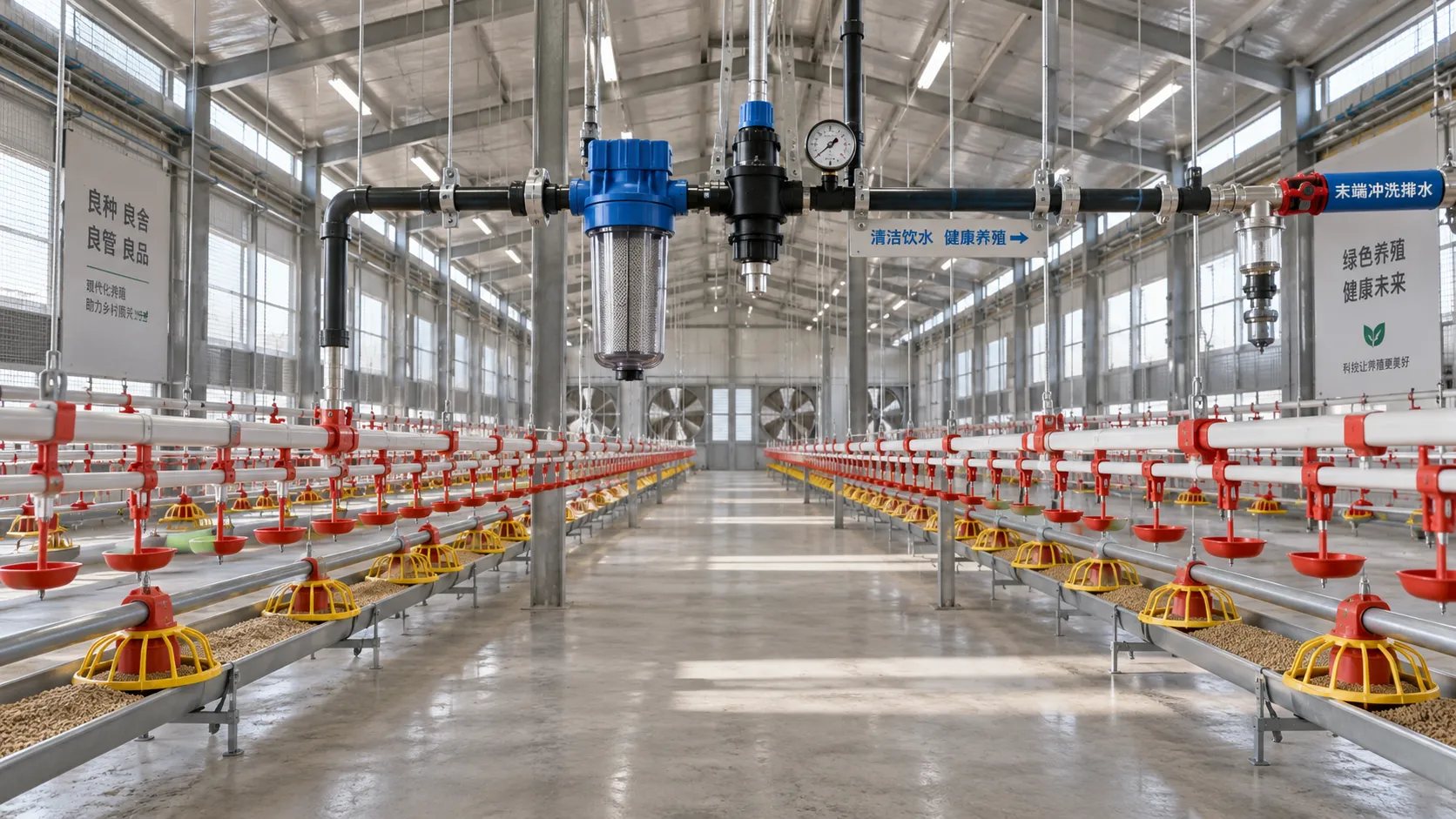
Planning Nipple Drinker Installation for Different Chicken House Layouts
How to install nipple drinker for chicken houses: plan line layouts, pressure control, flushing access, and maintenance for reliable water delivery.
Related News
- 00
0000-00
Choosing a Digital Farming Platform Provider: Compatibility and Data Ownership - 00
0000-00
How Large-Scale Farm Telematics Cuts Downtime Across Mixed Fleets - 00
0000-00
Farm Machinery Sourcing: How to Vet Suppliers, Specs, and Lifecycle Costs - 00
0000-00
Which costs matter most when calculating precision agriculture ROI? - 00
0000-00
How to calculate ROI on precision agriculture equipment before buying
Popular Tags
Ms. Elena Rodriguez
Weekly Insights
Stay ahead with our curated technology reports delivered every Monday.