
Is sustainable farming equipment worth the higher cost?
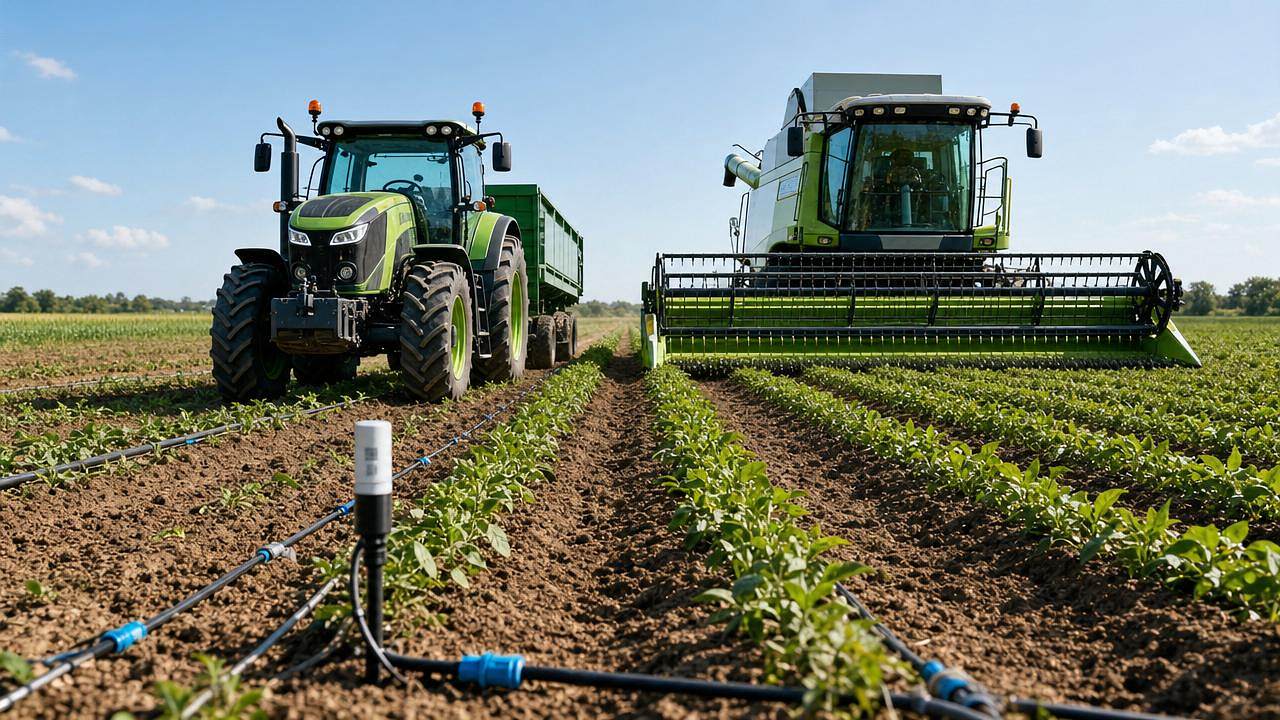




Is Sustainable Farming Equipment Worth the Higher Cost?
The question is not simply whether sustainable farming equipment costs more upfront.
The real issue is whether it improves lifetime value, risk control, and operational resilience.
As fuel, water, labor, and compliance pressures rise, low-emission tractors, precision irrigation, and efficient harvesters change the investment case.
For many farms, sustainable farming equipment is no longer a green accessory. It is becoming a strategic production asset.
The Cost Question Changes by Farming Scenario
Sustainable farming equipment does not deliver the same return in every field, crop, or operating model.
A rain-fed grain operation faces different economics from a water-stressed orchard or a high-labor vegetable farm.
The premium becomes easier to justify when one or more cost pressures are already visible.
- Fuel consumption is volatile or structurally high.
- Water access is restricted, metered, or politically sensitive.
- Labor availability limits field timing and productivity.
- Crop loss during harvesting affects annual margins.
- Environmental compliance creates reporting or penalty exposure.
In these cases, sustainable farming equipment should be evaluated against avoided costs, not only purchase price.
Scenario One: Large Grain Farms With High Fuel Exposure
Large grain farms often operate tractors, sprayers, and combine harvesters across long working windows.
Here, sustainable farming equipment can pay back through fuel efficiency, route optimization, and reduced idle time.
Hybrid tractor chassis, efficient transmissions, and automated guidance reduce wasted passes across large acreage.
Even small fuel savings per hectare can become material when operations scale across thousands of hectares.
Core Judgment Point
The higher cost is easier to defend when annual machine hours are high and diesel exposure is significant.
If machines are underused, the payback period may stretch beyond acceptable equipment replacement cycles.
Scenario Two: Irrigated Farms Facing Water Scarcity
Water-saving irrigation is often the clearest case for sustainable farming equipment.
Smart drip systems, soil sensors, and transpiration-based scheduling can reduce waste without reducing crop potential.
The return is strongest where water is priced, restricted, or linked to environmental permits.
Precision irrigation also protects yield stability during dry seasons and heat stress events.
Core Judgment Point
Sustainable farming equipment is worth more when water risk directly threatens production continuity.
The business case should include water savings, yield protection, energy costs, and compliance security.
Scenario Three: Harvesting Operations Where Losses Are Expensive
Combine harvesters are central to the economics of sustainable farming equipment.
Advanced cleaning systems, loss sensors, and dynamic adjustment algorithms reduce grain loss in changing crop conditions.
The value is not only environmental. It is immediate recovered revenue from the field.
Lower losses also reduce the hidden cost of harvesting too fast, too late, or with poor calibration.
Core Judgment Point
The premium makes sense when crop value is high and harvest windows are narrow.
Sustainable farming equipment should be compared with the value of grain saved over multiple seasons.
Scenario Four: Labor-Constrained Farms Needing Automation
Labor scarcity changes how sustainable farming equipment is valued.
Autonomous steering, variable-rate tools, and connected implement control reduce dependence on manual decision-making.
This does not eliminate people. It improves field consistency when experienced operators are difficult to retain.
Automation also supports night operations, tighter application windows, and repeatable agronomic execution.
Core Judgment Point
Sustainable farming equipment is more attractive when labor bottlenecks already reduce timeliness or crop quality.
The evaluation should include avoided delays, fewer rework passes, and improved operational predictability.
Scenario Five: Farms Exposed to Environmental Reporting
Some operations face increasing pressure to document emissions, input use, and water efficiency.
In these cases, sustainable farming equipment supports measurable reporting, not only cleaner field performance.
Connected tractors, smart irrigation networks, and precision applicators create operational data trails.
Those records can support certification, financing, insurance, buyer requirements, and public policy alignment.
Core Judgment Point
The equipment premium is easier to justify when verified sustainability data has commercial value.
Without reporting demand, advanced monitoring features may be useful but less urgent.
How Needs Differ Across Field Scenarios
This comparison shows why sustainable farming equipment should be matched to the dominant operational constraint.
A premium feature is valuable only when it solves a high-cost field problem.
A Practical ROI Framework for Sustainable Farming Equipment
A strong evaluation should combine direct savings, indirect gains, and risk reduction.
Purchase price matters, but it is only one part of ownership economics.
- Estimate annual machine hours or irrigated hectares.
- Calculate fuel, water, labor, and input savings.
- Include maintenance, software, training, and connectivity costs.
- Estimate yield protection or crop loss reduction.
- Review incentives, tax credits, grants, or green financing.
- Model resale value and depreciation over the replacement cycle.
Sustainable farming equipment often performs best when evaluated over five to ten years.
Short payback models may undervalue resilience, compliance readiness, and future fuel or water inflation.
Where the Higher Cost May Not Pay Back
Sustainable farming equipment is not automatically the best answer in every situation.
Low utilization is the most common barrier to acceptable payback.
If a machine works only a few days each season, premium efficiency features may remain underused.
Poor dealer support can also weaken the case, especially for advanced electronics and connected systems.
Another caution is technology mismatch. A precision tool needs compatible maps, sensors, and workflow discipline.
Without data quality, sustainable farming equipment may deliver less value than expected.
Common Misjudgments in Equipment Decisions
- Comparing only purchase prices instead of total lifecycle cost.
- Ignoring water restrictions, emission rules, or buyer sustainability requirements.
- Assuming automation creates value without operator training.
- Underestimating software subscriptions and connectivity needs.
- Overlooking resale advantages for efficient, low-emission equipment.
- Buying advanced systems before the farm has reliable agronomic data.
These errors can make sustainable farming equipment look either too expensive or unrealistically profitable.
A disciplined scenario review prevents both extremes.
Scenario-Based Adaptation Recommendations
This approach turns sustainable farming equipment selection into a practical adaptation plan.
The goal is not to buy the most advanced machine. The goal is to buy the right capability.
Final Verdict: When Is Sustainable Farming Equipment Worth It?
Sustainable farming equipment is worth the higher cost when it addresses a measurable production constraint.
The strongest cases involve high utilization, resource scarcity, harvest loss, labor pressure, or compliance exposure.
The weakest cases involve low machine hours, weak service support, or unclear data readiness.
A smart decision starts with field scenarios, not technology labels.
Map the cost pressure, estimate lifecycle value, and compare sustainable farming equipment against realistic operating conditions.
For operations navigating Agriculture 4.0, the premium can become a hedge against volatility.
The next step is to build a scenario-based investment model for tractors, harvesters, irrigation, and intelligent tools.
With the right data, sustainable farming equipment moves from a higher-cost option to a more resilient operating strategy.
Related News
Choosing a Digital Farming Platform Provider: Compatibility and Data Ownership
Compare digital farming platforms providers on equipment compatibility, data ownership, and export rights. Discover practical checks to avoid lock-in and choose with confidence.
How Large-Scale Farm Telematics Cuts Downtime Across Mixed Fleets
Large-scale farm equipment telematics cuts mixed-fleet downtime with real-time alerts, smarter maintenance, and stronger operational control. Learn how to protect critical farm workflows.
How to Size Low-Pressure Water-Saving Irrigation Systems for Uneven Fields
Low pressure water-saving irrigation systems for uneven fields: learn zoning, pressure mapping, pipe sizing, and pump selection to improve uniformity and reduce water waste.
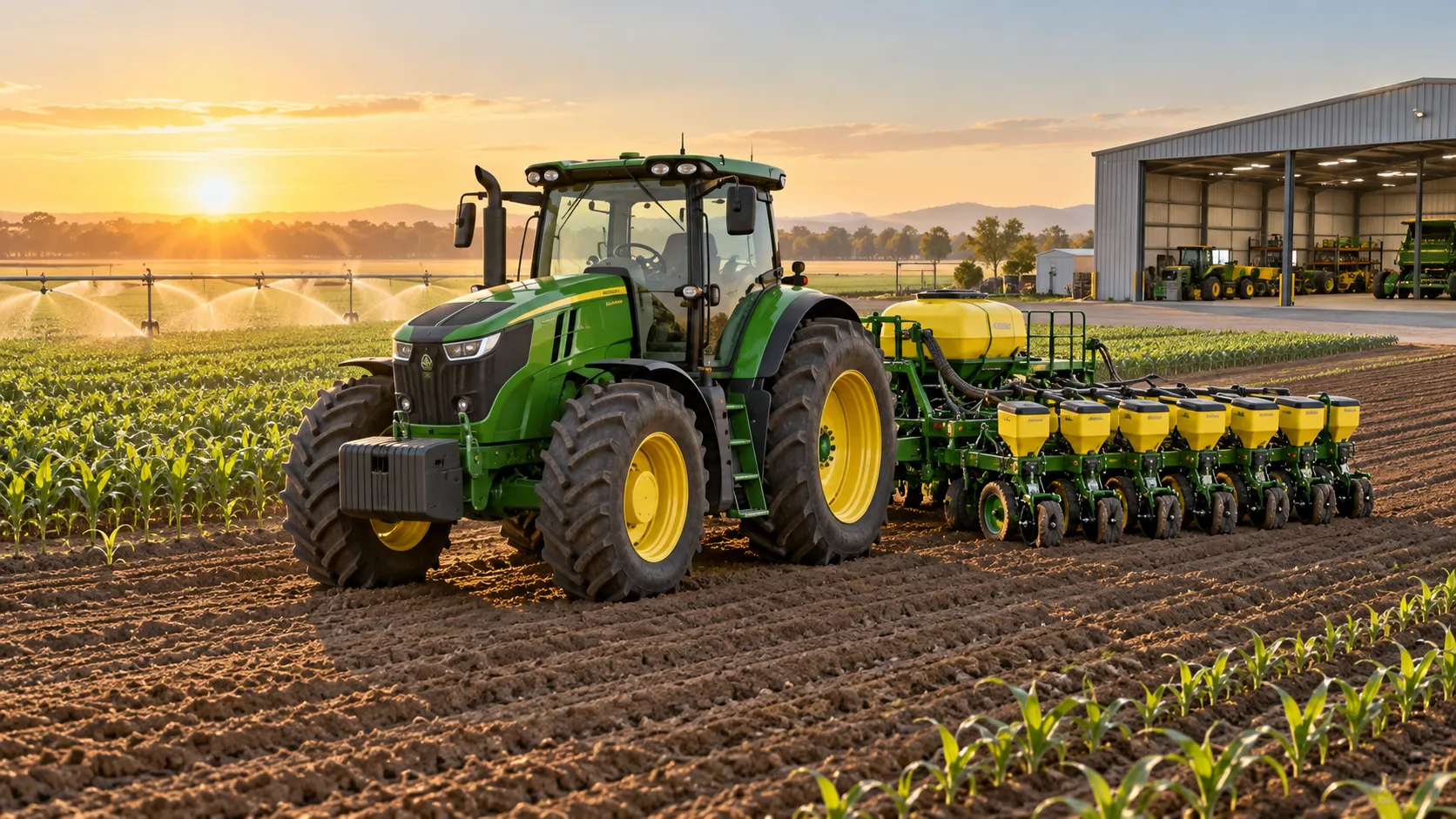
Farm Machinery Sourcing: How to Vet Suppliers, Specs, and Lifecycle Costs
Farm machinery information for sourcing: learn to vet suppliers, compare specifications, control lifecycle costs, and secure reliable uptime for smarter equipment purchases.
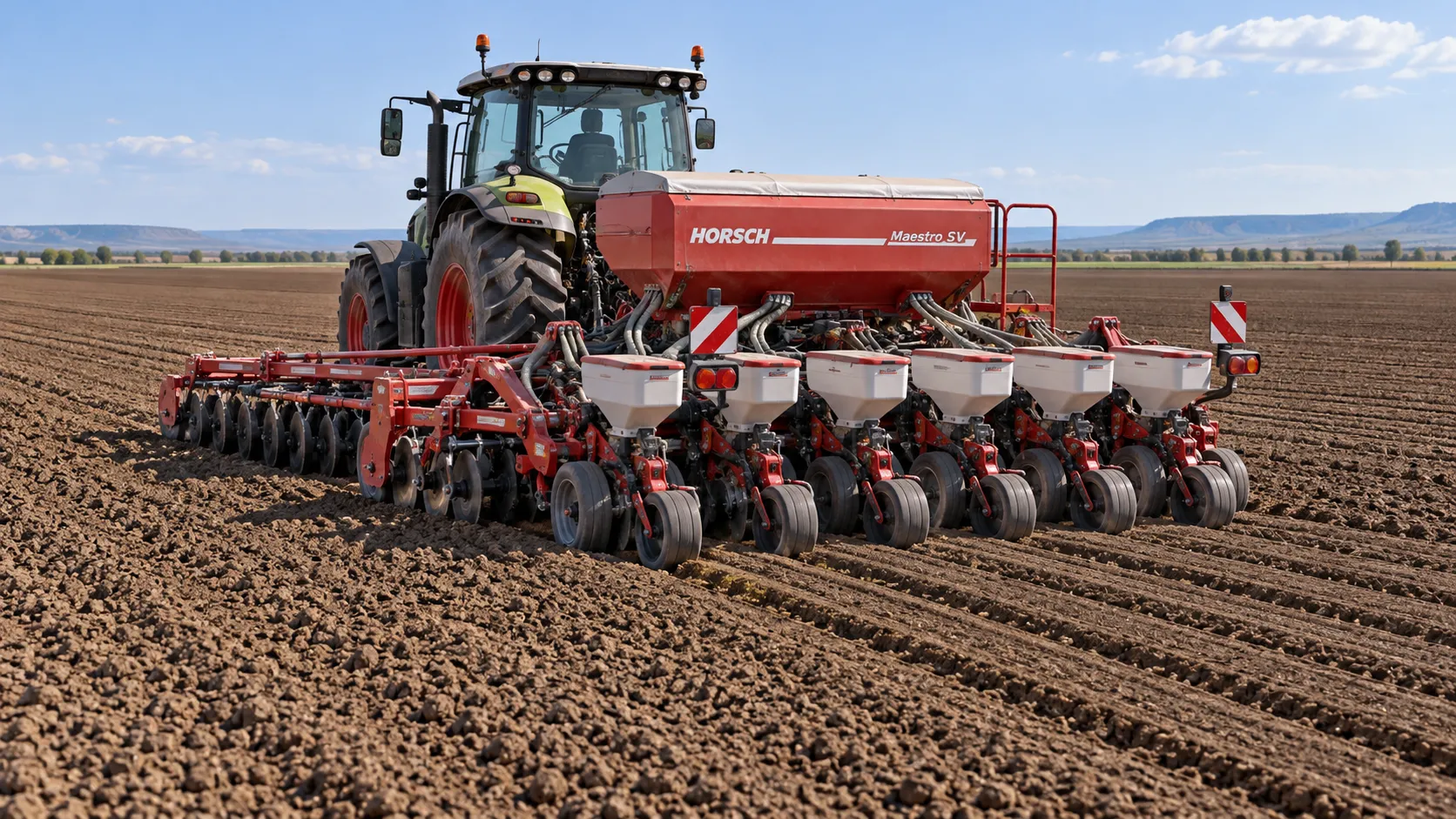
What to compare in integrated seeding combinations for heavy soils
Compare integrated seeding combinations for heavy soils: depth control, residue flow, consolidation, traction, and field capacity for more uniform crop establishment.
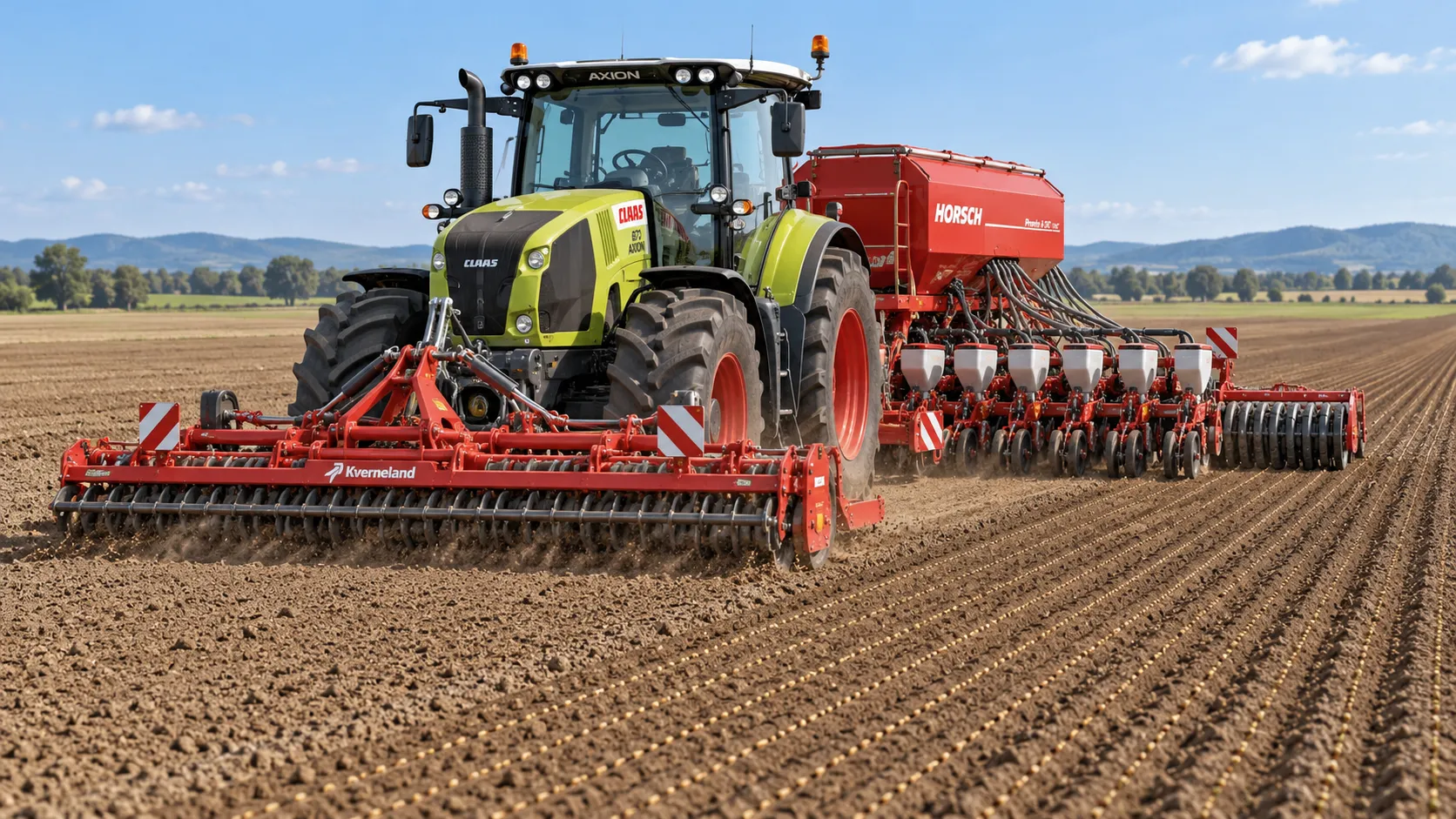
When an integrated seeding combination improves field efficiency
Integrated seeding combination improves field efficiency, protects planting windows, and balances speed with seedbed quality, tractor capacity, and reliable establishment.
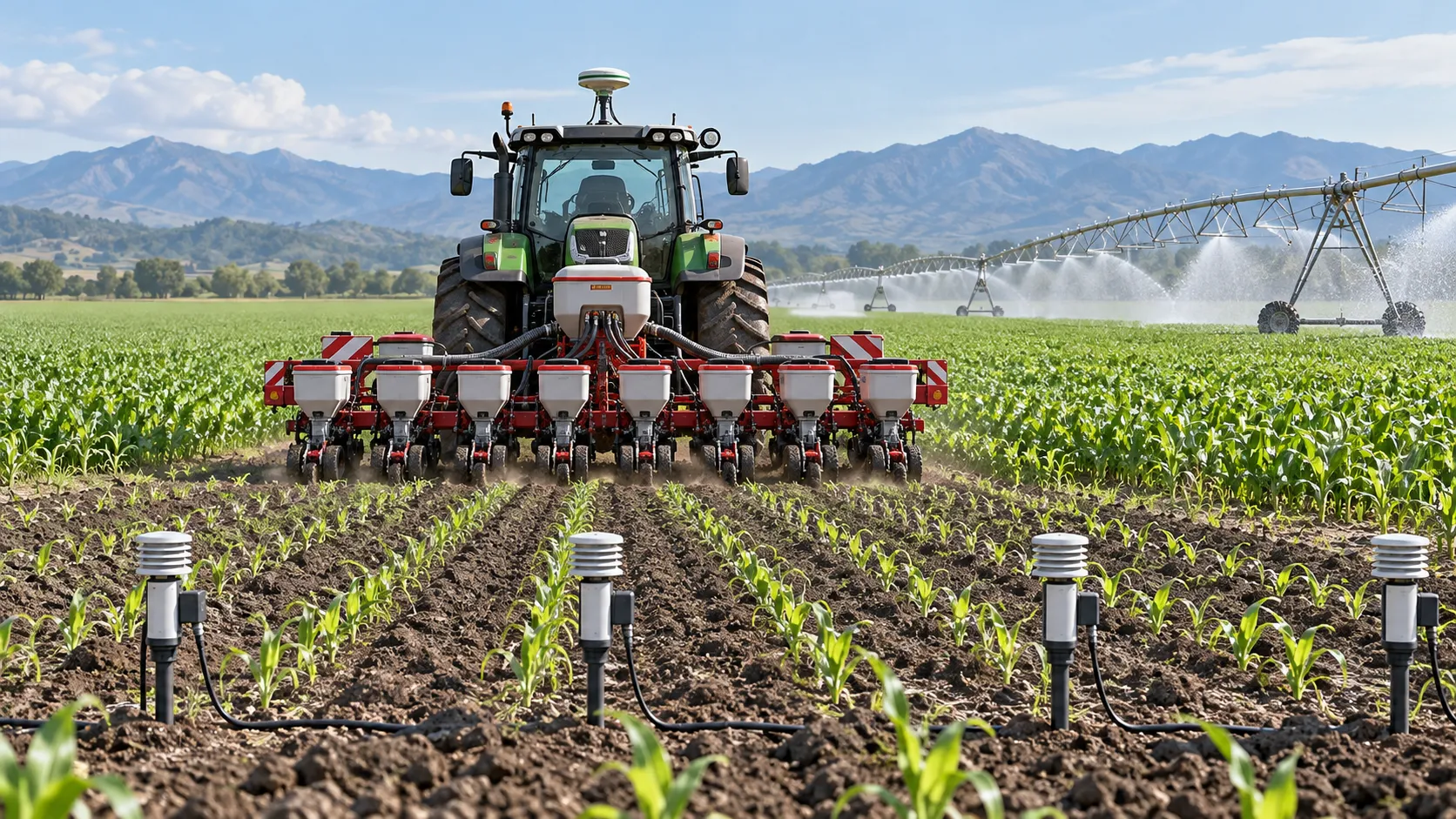
Which costs matter most when calculating precision agriculture ROI?
Calculating ROI on precision agriculture equipment? Discover the costs that shape returns, from installation and subscriptions to downtime, labor, and data integration.
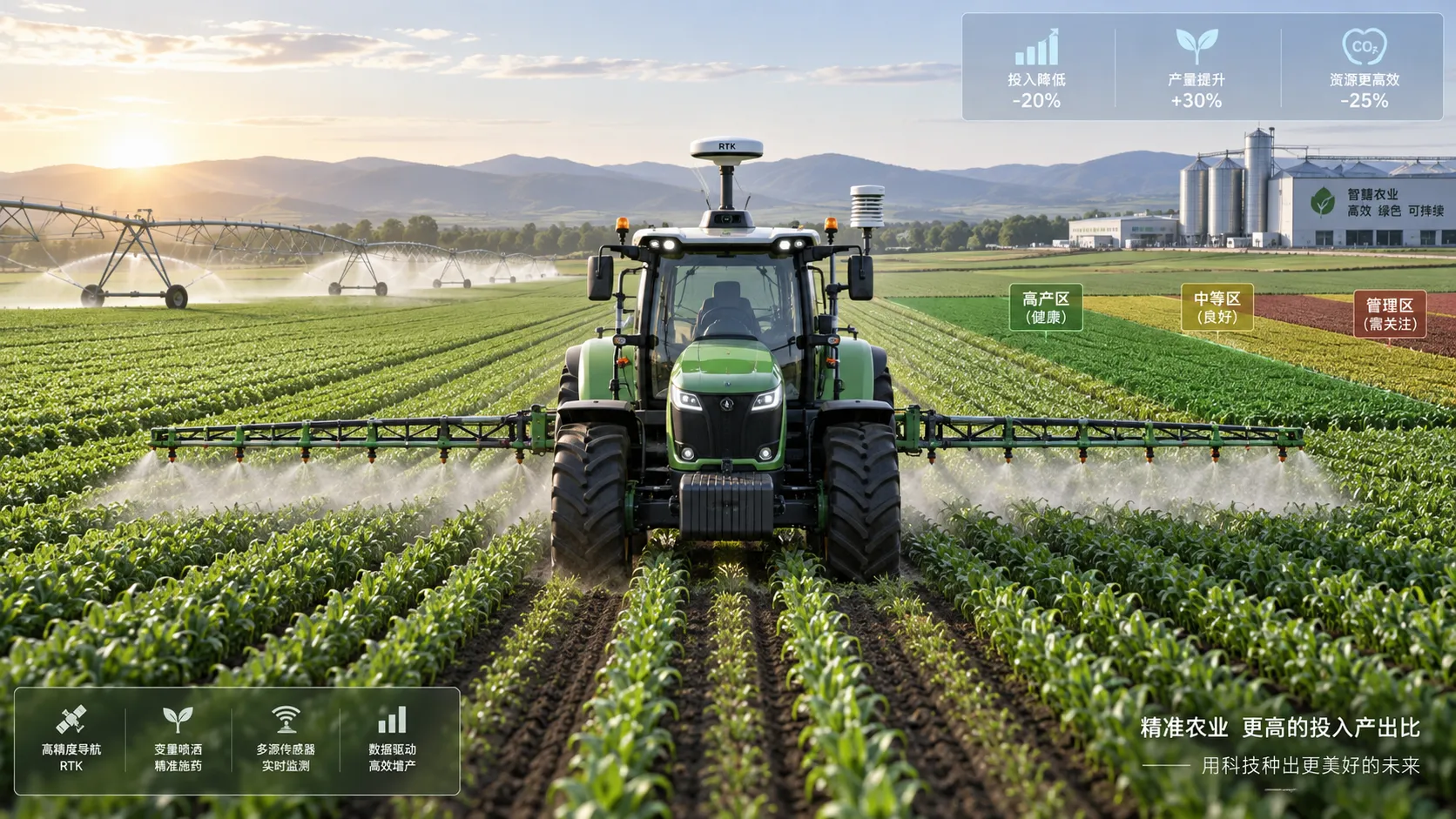
How to calculate ROI on precision agriculture equipment before buying
Calculating ROI on precision agriculture equipment: learn to assess total ownership costs, savings, payback, NPV, risks, and farm-scale value before you buy.
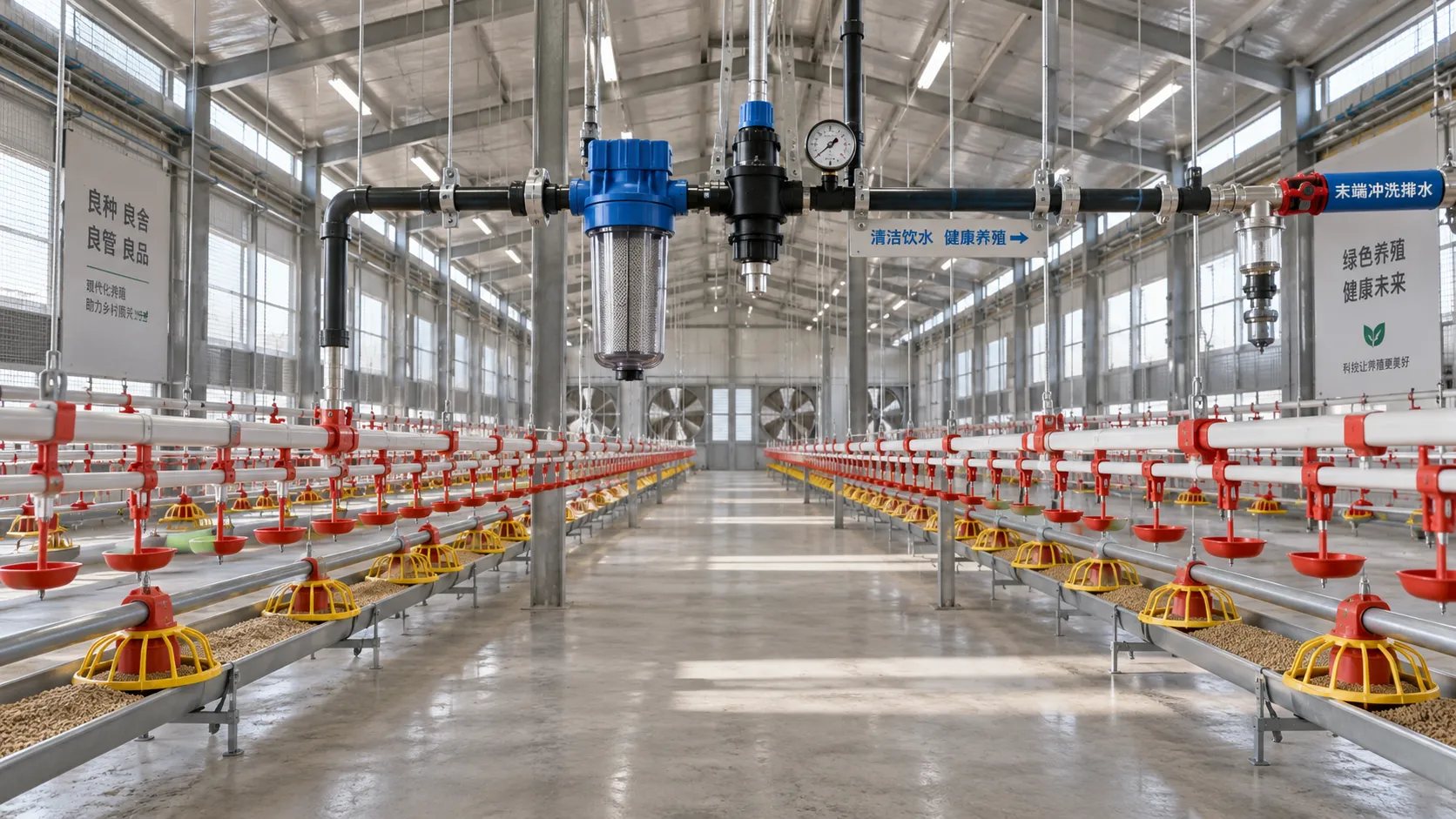
Planning Nipple Drinker Installation for Different Chicken House Layouts
How to install nipple drinker for chicken houses: plan line layouts, pressure control, flushing access, and maintenance for reliable water delivery.
Related News
- 00
0000-00
Choosing a Digital Farming Platform Provider: Compatibility and Data Ownership - 00
0000-00
How Large-Scale Farm Telematics Cuts Downtime Across Mixed Fleets - 00
0000-00
Farm Machinery Sourcing: How to Vet Suppliers, Specs, and Lifecycle Costs - 00
0000-00
Which costs matter most when calculating precision agriculture ROI? - 00
0000-00
How to calculate ROI on precision agriculture equipment before buying
Popular Tags
Ms. Elena Rodriguez
Weekly Insights
Stay ahead with our curated technology reports delivered every Monday.