
Sustainable farming practices that reduce plant loss
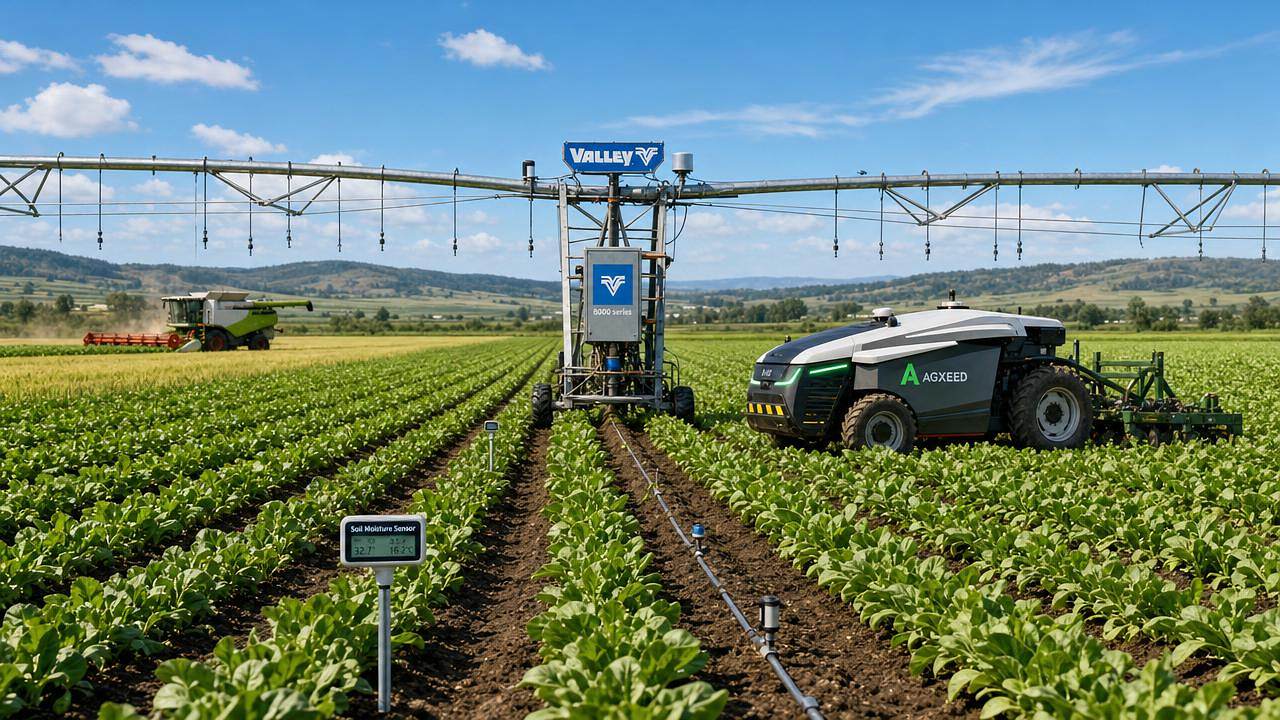




For growers and equipment operators facing rising climate pressure, input costs, and crop vulnerability, sustainable farming practices for plant protection are no longer optional—they are essential to reducing plant loss and securing yield. From precision irrigation and timely harvesting to sensor-guided field operations, the right strategies can protect crops while improving efficiency, resilience, and long-term farm performance across modern agricultural systems.
Why sustainable farming practices for plant protection are moving to the center of field strategy
Across global agriculture, plant loss is no longer driven by one factor alone.
Heat stress, erratic rainfall, pest migration, soil fatigue, and operational delays now interact in the same season.
This shift is reshaping how farms evaluate risk, machinery timing, and crop protection priorities.
Sustainable farming practices for plant protection are gaining attention because they reduce avoidable losses before visible damage spreads.
Instead of relying only on reactive spraying, farms are combining data, equipment accuracy, and ecological balance.
That approach fits the Agriculture 4.0 direction highlighted by AP-Strategy.
Large-scale machinery, combine harvesting technology, and intelligent irrigation are now part of one plant protection system.
The strongest trend signals behind lower plant loss and smarter protection
Several trend signals show why sustainable farming practices for plant protection are expanding rapidly.
These signals come from climate volatility, regulation, equipment innovation, and field-level economics.
- Weather windows are shorter, making timely seeding, spraying, and harvesting more critical.
- Water scarcity is pushing demand for precise irrigation and transpiration-based scheduling.
- Input costs are rising, so overapplication of chemicals and water causes direct profit loss.
- Sensors, satellite positioning, and machine guidance now make field protection more measurable.
- Sustainability targets are influencing crop management, equipment selection, and reporting expectations.
- Harvest loss analysis is becoming linked with upstream plant health decisions.
These signals show that plant protection now depends on system coordination, not isolated treatments.
What is pushing this shift most strongly
Where sustainable farming practices for plant protection reduce losses most effectively
The biggest improvements often come from combining agronomy with machine performance.
This is especially true in broadacre systems where timing and scale amplify every small mistake.
1. Precision irrigation protects plants before stress becomes visible
Water stress can reduce plant vigor days before leaves show obvious symptoms.
Smart irrigation networks use soil moisture, weather forecasts, and evapotranspiration data to respond earlier.
This makes sustainable farming practices for plant protection more preventive than reactive.
It also limits root disease pressure caused by overwatering and standing moisture.
2. Better soil management improves natural plant defense
Healthy soil supports stronger roots, steadier nutrient uptake, and better microbial balance.
Cover crops, residue retention, and reduced compaction help crops tolerate pests and dry periods more effectively.
For heavy equipment systems, chassis design and traffic control also matter.
Repeated compaction zones can silently increase plant loss across entire field sections.
3. Timely harvesting prevents field loss after crops reach maturity
Plant protection does not stop before harvest.
Delayed harvesting raises lodging, shattering, disease exposure, and weather damage risks.
Advanced combines reduce these losses through better threshing control, cleaning balance, and lower grain damage.
AP-Strategy closely tracks these low-loss harvesting benchmarks because they connect protection with final yield capture.
4. Sensor-guided operations reduce unnecessary plant injury
Poorly timed field passes can break stems, spread disease, and waste inputs.
Sensor-guided tools and GPS-based section control reduce overlap and improve application accuracy.
That makes sustainable farming practices for plant protection more precise at scale.
How this trend is changing equipment decisions and operational priorities
The shift toward sustainable farming practices for plant protection is influencing several business and field decisions at once.
It affects machinery investment, agronomic planning, irrigation design, and harvest scheduling.
- Machinery must deliver accuracy, not only horsepower or operating width.
- Irrigation systems are increasingly evaluated by data integration, not only water output.
- Harvest equipment is judged by loss reduction under variable crop conditions.
- Tractor chassis performance matters because traction and compaction affect plant health indirectly.
- Field intelligence platforms are becoming central to plant loss diagnosis and planning.
This is why integrated intelligence matters.
Data from irrigation, field sensors, harvester feedback, and weather models should inform one protection strategy.
What deserves close attention now in sustainable farming practices for plant protection
Several priorities deserve immediate focus when aiming to reduce plant loss sustainably.
- Track plant stress earlier using moisture sensors, canopy observation, and weather-linked alerts.
- Review whether field traffic patterns are increasing compaction or stand damage.
- Measure harvest losses carefully instead of assuming they are unavoidable.
- Align irrigation timing with crop stage rather than calendar habits.
- Use integrated pest management to lower chemical pressure while protecting yield.
- Compare equipment choices by protection outcome, not only fuel or capacity figures.
A practical decision framework
The next step is integration, not isolated fixes
The future of sustainable farming practices for plant protection lies in integrated decision-making.
Single interventions help, but coordinated systems deliver larger and more repeatable results.
A farm that links irrigation intelligence, equipment accuracy, crop stage monitoring, and harvest loss feedback will outperform disconnected management.
This is also where AP-Strategy adds value through strategic intelligence across machinery, combine performance, and smart water management.
When sustainable farming practices for plant protection are supported by reliable field data, plant loss becomes more predictable and more preventable.
Review current field vulnerabilities, compare them against equipment and irrigation capabilities, and prioritize the loss points that can be reduced this season.
The most effective action is to start measuring where protection fails, then upgrade the system around those gaps.
Related News
Choosing a Digital Farming Platform Provider: Compatibility and Data Ownership
Compare digital farming platforms providers on equipment compatibility, data ownership, and export rights. Discover practical checks to avoid lock-in and choose with confidence.
How Large-Scale Farm Telematics Cuts Downtime Across Mixed Fleets
Large-scale farm equipment telematics cuts mixed-fleet downtime with real-time alerts, smarter maintenance, and stronger operational control. Learn how to protect critical farm workflows.
How to Size Low-Pressure Water-Saving Irrigation Systems for Uneven Fields
Low pressure water-saving irrigation systems for uneven fields: learn zoning, pressure mapping, pipe sizing, and pump selection to improve uniformity and reduce water waste.
Farm Machinery Sourcing: How to Vet Suppliers, Specs, and Lifecycle Costs
Farm machinery information for sourcing: learn to vet suppliers, compare specifications, control lifecycle costs, and secure reliable uptime for smarter equipment purchases.
What to compare in integrated seeding combinations for heavy soils
Compare integrated seeding combinations for heavy soils: depth control, residue flow, consolidation, traction, and field capacity for more uniform crop establishment.
When an integrated seeding combination improves field efficiency
Integrated seeding combination improves field efficiency, protects planting windows, and balances speed with seedbed quality, tractor capacity, and reliable establishment.
Which costs matter most when calculating precision agriculture ROI?
Calculating ROI on precision agriculture equipment? Discover the costs that shape returns, from installation and subscriptions to downtime, labor, and data integration.
How to calculate ROI on precision agriculture equipment before buying
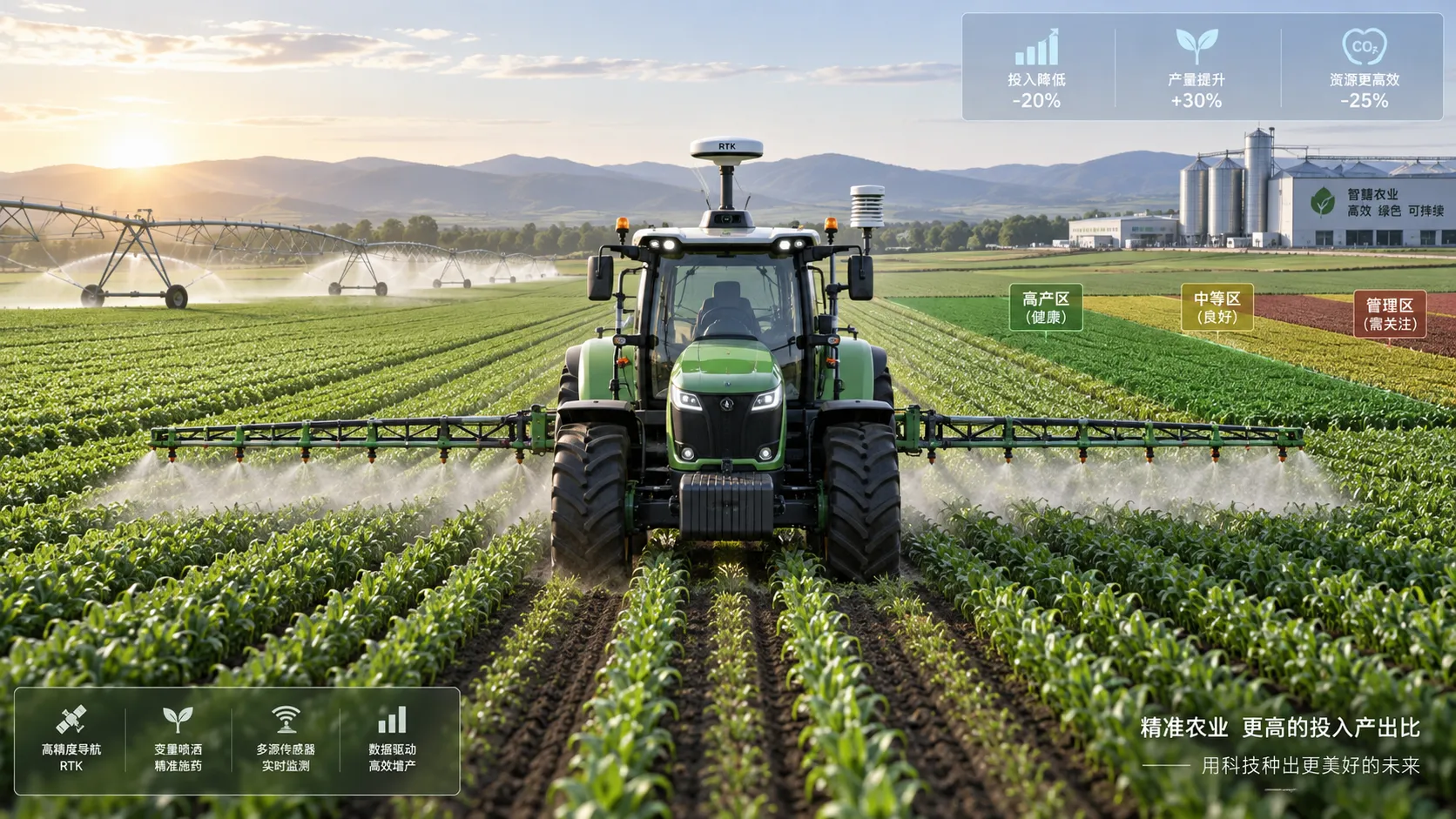
Calculating ROI on precision agriculture equipment: learn to assess total ownership costs, savings, payback, NPV, risks, and farm-scale value before you buy.
Planning Nipple Drinker Installation for Different Chicken House Layouts
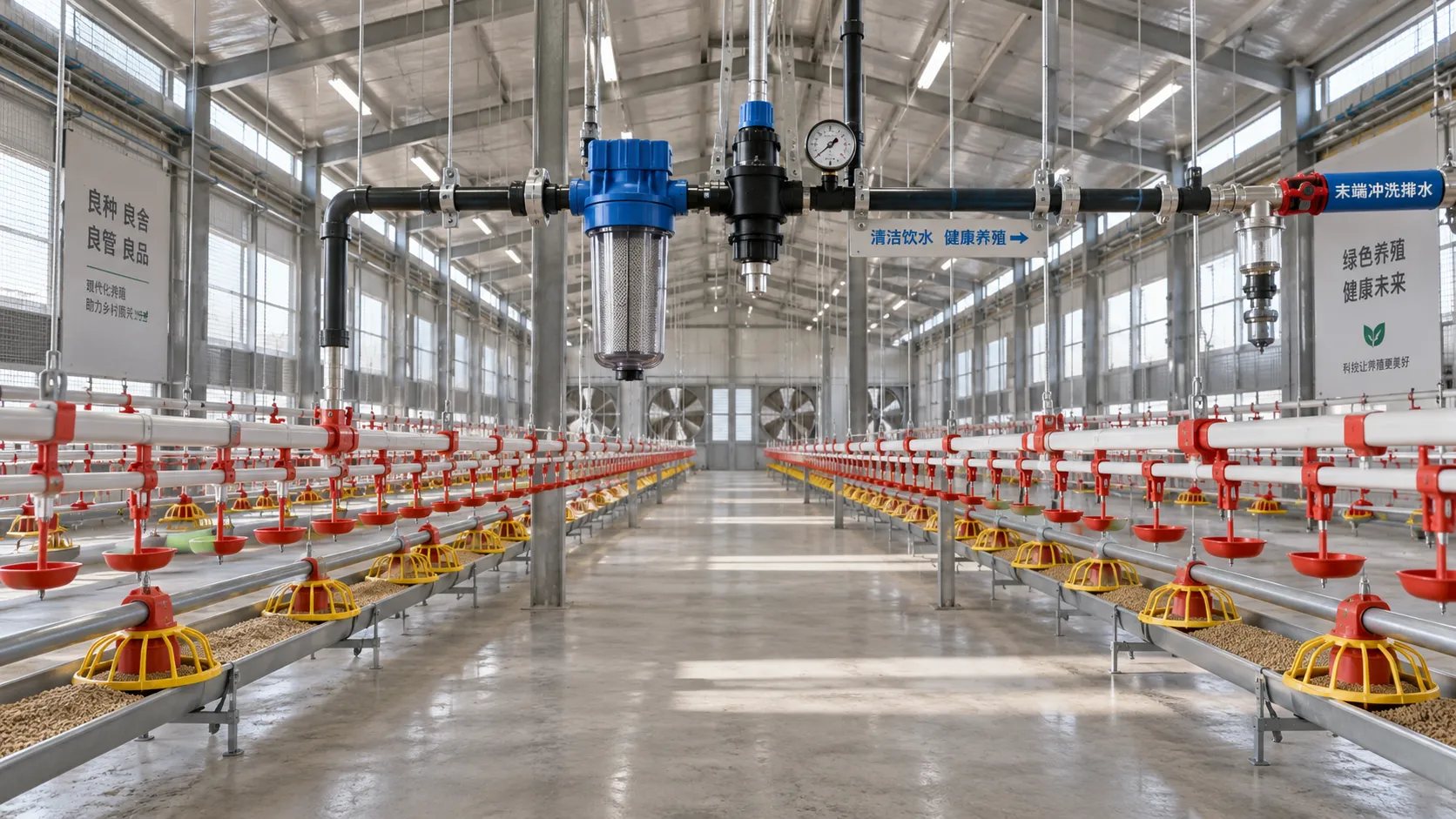
How to install nipple drinker for chicken houses: plan line layouts, pressure control, flushing access, and maintenance for reliable water delivery.
Related News
- 00
0000-00
Choosing a Digital Farming Platform Provider: Compatibility and Data Ownership - 00
0000-00
How Large-Scale Farm Telematics Cuts Downtime Across Mixed Fleets - 00
0000-00
Farm Machinery Sourcing: How to Vet Suppliers, Specs, and Lifecycle Costs - 00
0000-00
Which costs matter most when calculating precision agriculture ROI? - 00
0000-00
How to calculate ROI on precision agriculture equipment before buying
Popular Tags
Ms. Elena Rodriguez
Weekly Insights
Stay ahead with our curated technology reports delivered every Monday.