
How plant protection technology supports sustainable yields
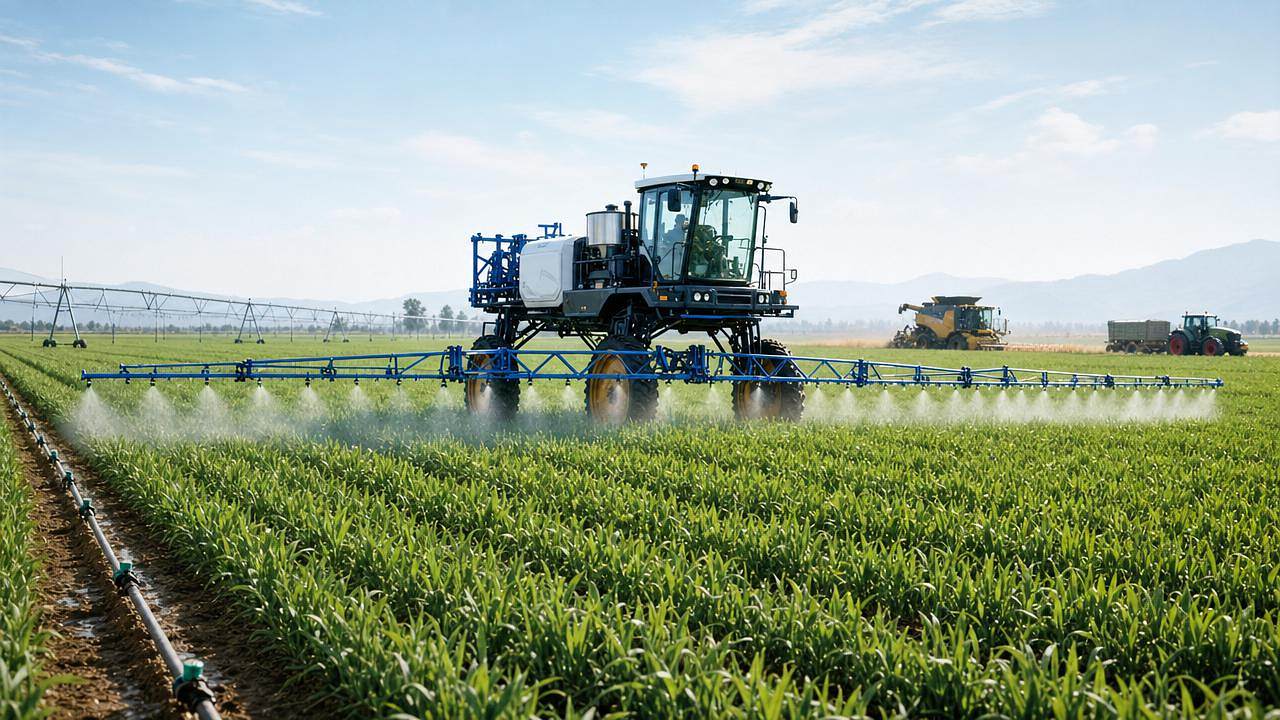




As global farming faces tighter resource limits and rising productivity demands, plant protection technology for sustainable agriculture has become a critical link between crop health and long-term yield stability.
From precision spraying and sensor-based monitoring to data-driven field decisions, these tools reduce losses, optimize inputs, and support resilient production across diverse production environments.
For AP-Strategy, this topic also connects directly with modern farm equipment, combine harvesting efficiency, tractor platform integration, and intelligent irrigation planning.
Why field context determines the value of plant protection technology for sustainable agriculture
Not every field faces the same disease pressure, weed spectrum, weather risk, or labor constraint.
That is why plant protection technology for sustainable agriculture must be judged by scenario, not by a single equipment specification or software feature.
In high-acreage grain systems, the priority is coverage speed, drift control, and timing during short application windows.
In irrigated zones, growers often need closer coordination between moisture status, disease forecasting, and spray timing.
In mixed environments with variable topography, the challenge shifts toward nozzle control, terrain adaptation, and accurate dose management.
A sustainable result depends on matching crop risk, machine capacity, sensing accuracy, and agronomic timing within one operating system.
Scenario 1: Large-scale cereal fields under tight spray windows
Broadacre wheat, maize, and rice operations often face narrow timing windows caused by rainfall, pest outbreaks, and labor scheduling.
Here, plant protection technology for sustainable agriculture creates value by improving speed without sacrificing dose accuracy.
Core judgment points in broadacre operations
- Can the sprayer maintain stable droplet distribution at higher travel speeds?
- Does the system reduce overlap on headlands and irregular field edges?
- Can weather-linked guidance minimize drift and evaporation losses?
- Is the platform compatible with tractors, mapping tools, and field records?
Section control, GPS guidance, and flow-rate automation are especially useful in these scenarios.
They cut chemical waste, improve field consistency, and support yield stability across large areas.
When integrated with combine yield maps, application data also reveals where crop stress began and how future programs should change.
Scenario 2: Irrigated production where moisture drives disease pressure
In irrigated fields, water is both a productivity enabler and a disease risk amplifier.
Humidity, leaf wetness, and canopy density often influence fungal development more than calendar-based assumptions.
In this setting, plant protection technology for sustainable agriculture works best when linked with irrigation intelligence.
What matters most in irrigated scenarios
Sensor networks can track moisture patterns and identify disease-favorable zones before visible symptoms expand.
Decision models can then recommend precise spray timing, reducing unnecessary passes and preserving active ingredient effectiveness.
This matters for sustainable yields because over-application raises cost, resistance risk, and environmental pressure.
Meanwhile, delayed intervention can allow infection to spread beyond economical control thresholds.
A coordinated irrigation and protection plan improves canopy health, supports root performance, and protects harvest quality.
Scenario 3: Variable fields that require zone-based protection decisions
Many farms manage fields with uneven soil texture, slope, drainage, and crop vigor.
Uniform treatment across such variability often leads to under-protection in some zones and waste in others.
This is where plant protection technology for sustainable agriculture becomes a precision management tool rather than a simple application system.
How variable-rate protection supports resilient output
- Satellite imagery can reveal early biomass differences.
- Field sensors can confirm whether stress comes from pests, disease, or water imbalance.
- Prescription maps can adjust rates by zone rather than by whole-field averages.
- Targeted application reduces input load while preserving high-potential crop areas.
This approach is increasingly valuable where sustainability standards require measurable reductions in waste and emissions.
It also improves operational clarity for equipment fleets that already use precision steering and digital work records.
How scenario requirements differ across production environments
Practical adaptation advice for selecting the right protection approach
Choosing plant protection technology for sustainable agriculture should begin with field conditions, not with brand claims alone.
- Map disease, weed, and insect pressure by field zone and season.
- Match machine size to workable hours, crop stage, and road logistics.
- Check compatibility with tractor hydraulics, guidance systems, and data platforms.
- Use weather, irrigation, and scouting data in one decision workflow.
- Measure success through reduced overlap, stable efficacy, and lower total input use.
Where digital maturity is lower, start with section control and accurate recordkeeping.
Where digital systems are already established, move toward predictive alerts and site-specific application strategies.
Common misjudgments that weaken sustainable yield outcomes
A frequent error is treating plant protection technology for sustainable agriculture as only a chemical delivery upgrade.
In reality, its value comes from timing, diagnosis, dose control, and system integration.
- Ignoring drift conditions while focusing only on field speed.
- Using calendar schedules without disease or pest threshold checks.
- Collecting sensor data but not linking it to field action.
- Investing in advanced sprayers without operator workflow discipline.
- Separating protection decisions from irrigation and harvest analysis.
These gaps reduce return on technology and can undermine both sustainability targets and final output quality.
The next actionable step for stronger, more sustainable yields
The most effective path is to evaluate plant protection technology for sustainable agriculture through a complete field-operation lens.
Review spray timing, machinery capacity, disease forecasting, irrigation interaction, and harvest results together.
That integrated view reveals where losses begin, which technologies truly fit, and how sustainable yield improvements can be repeated season after season.
At AP-Strategy, this is the wider Agriculture 4.0 logic: connect machinery performance, precision data, and sustainability demands into one practical decision framework.
When plant protection is aligned with intelligent equipment and field intelligence, farms gain healthier crops, cleaner input use, and more dependable production outcomes.
Related News
Choosing a Digital Farming Platform Provider: Compatibility and Data Ownership
Compare digital farming platforms providers on equipment compatibility, data ownership, and export rights. Discover practical checks to avoid lock-in and choose with confidence.
How Large-Scale Farm Telematics Cuts Downtime Across Mixed Fleets
Large-scale farm equipment telematics cuts mixed-fleet downtime with real-time alerts, smarter maintenance, and stronger operational control. Learn how to protect critical farm workflows.
How to Size Low-Pressure Water-Saving Irrigation Systems for Uneven Fields
Low pressure water-saving irrigation systems for uneven fields: learn zoning, pressure mapping, pipe sizing, and pump selection to improve uniformity and reduce water waste.
Farm Machinery Sourcing: How to Vet Suppliers, Specs, and Lifecycle Costs
Farm machinery information for sourcing: learn to vet suppliers, compare specifications, control lifecycle costs, and secure reliable uptime for smarter equipment purchases.
What to compare in integrated seeding combinations for heavy soils
Compare integrated seeding combinations for heavy soils: depth control, residue flow, consolidation, traction, and field capacity for more uniform crop establishment.
When an integrated seeding combination improves field efficiency
Integrated seeding combination improves field efficiency, protects planting windows, and balances speed with seedbed quality, tractor capacity, and reliable establishment.
Which costs matter most when calculating precision agriculture ROI?
Calculating ROI on precision agriculture equipment? Discover the costs that shape returns, from installation and subscriptions to downtime, labor, and data integration.
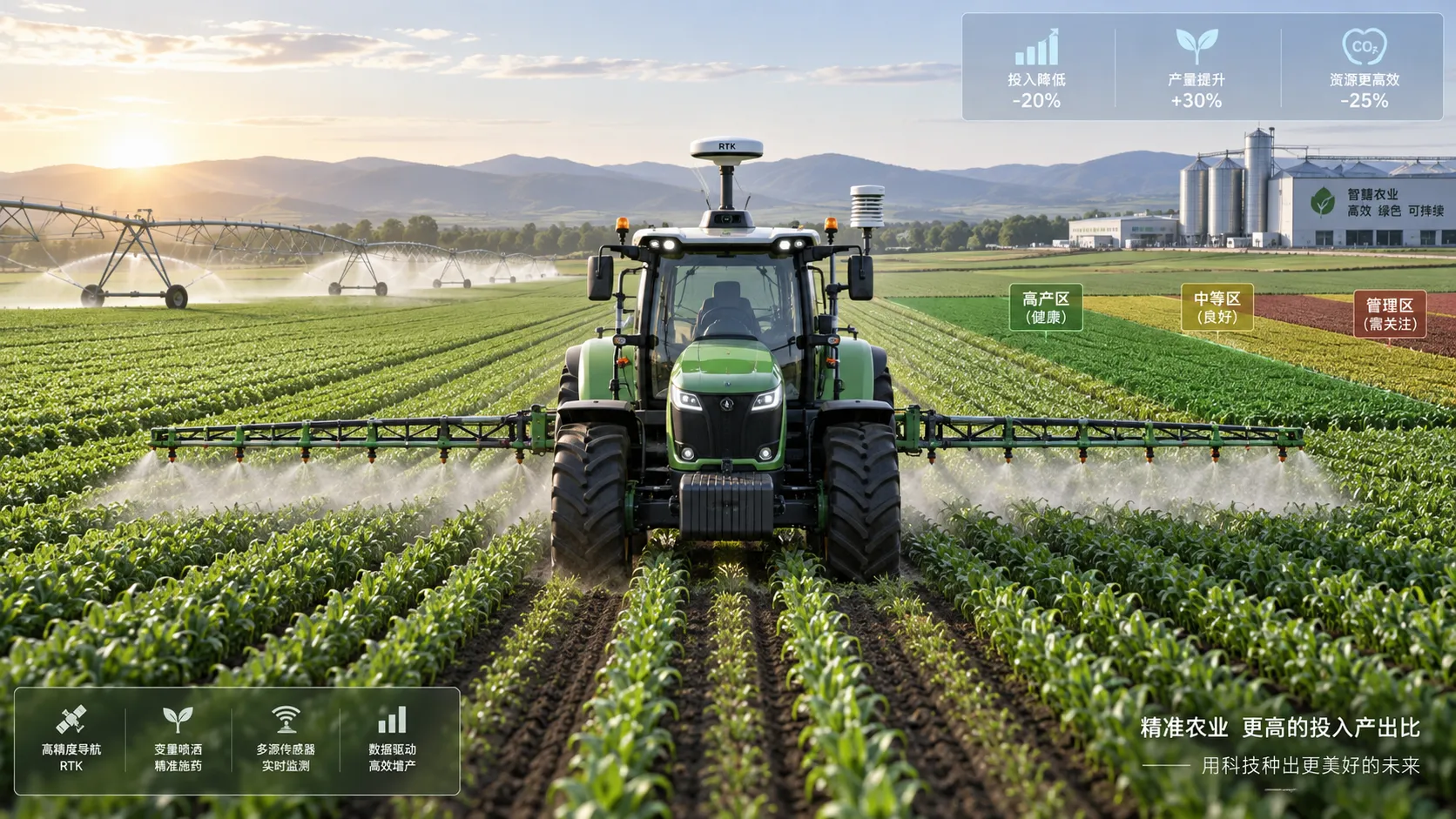
How to calculate ROI on precision agriculture equipment before buying
Calculating ROI on precision agriculture equipment: learn to assess total ownership costs, savings, payback, NPV, risks, and farm-scale value before you buy.
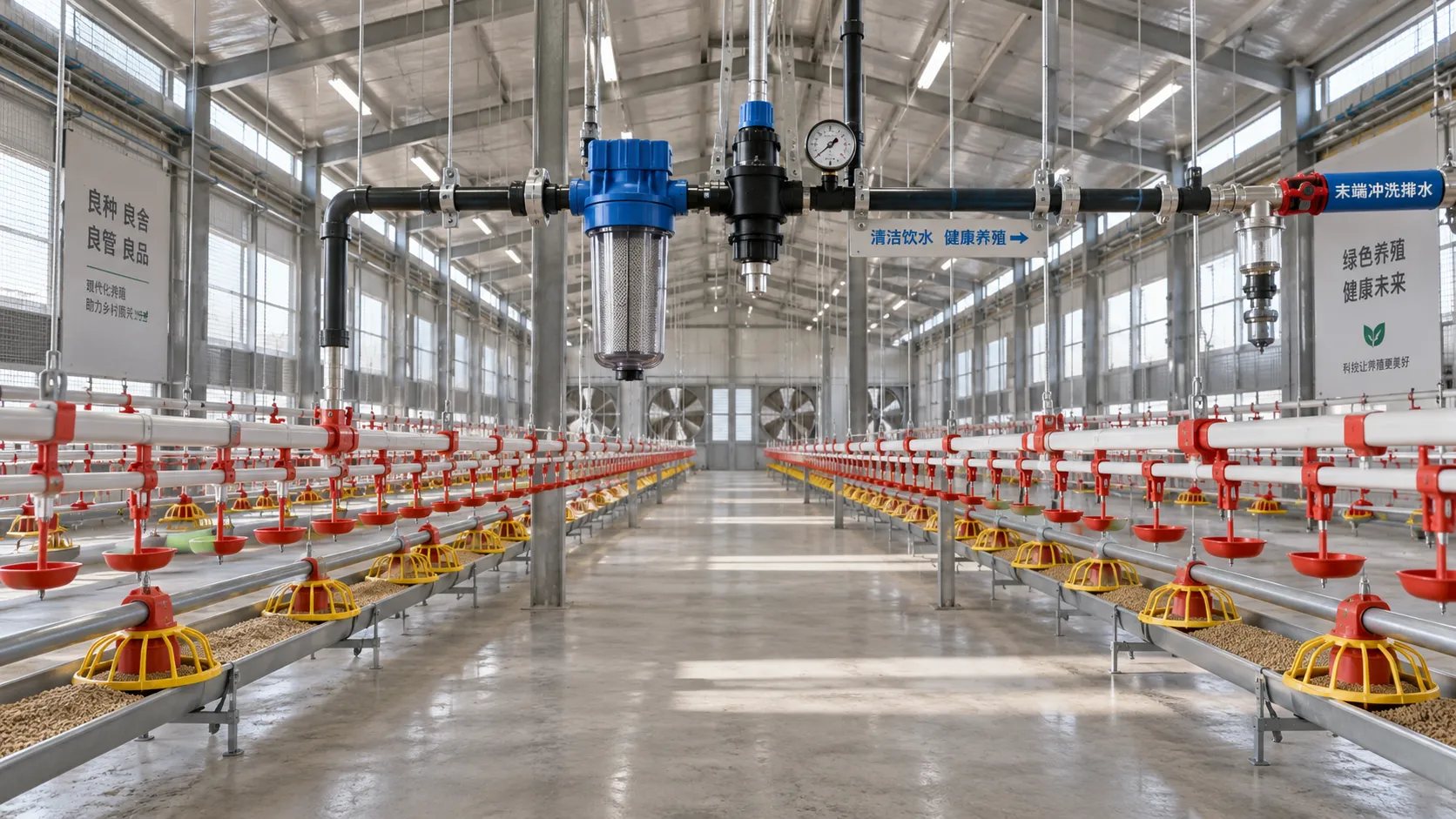
Planning Nipple Drinker Installation for Different Chicken House Layouts
How to install nipple drinker for chicken houses: plan line layouts, pressure control, flushing access, and maintenance for reliable water delivery.
Related News
- 00
0000-00
Choosing a Digital Farming Platform Provider: Compatibility and Data Ownership - 00
0000-00
How Large-Scale Farm Telematics Cuts Downtime Across Mixed Fleets - 00
0000-00
Farm Machinery Sourcing: How to Vet Suppliers, Specs, and Lifecycle Costs - 00
0000-00
Which costs matter most when calculating precision agriculture ROI? - 00
0000-00
How to calculate ROI on precision agriculture equipment before buying
Popular Tags
Ms. Elena Rodriguez
Weekly Insights
Stay ahead with our curated technology reports delivered every Monday.