
How to compare climate-smart farming equipment suppliers
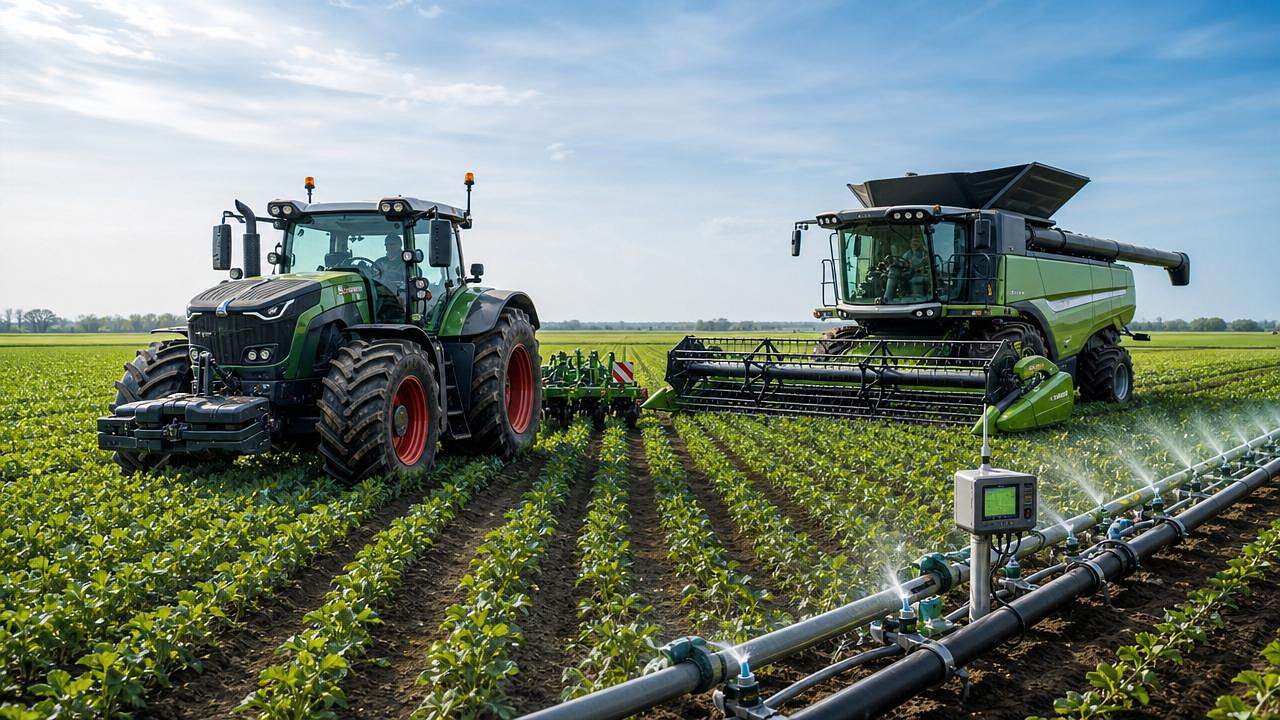




Choosing among climate-smart farming equipment suppliers requires more than checking price sheets. A strong comparison should connect equipment performance with sustainability targets, field conditions, digital compatibility, and lifecycle economics.
As Agriculture 4.0 expands, suppliers are judged by how well they support resilient production. That includes efficient tractors, low-loss harvesters, precise implements, and intelligent irrigation systems built for changing climate pressures.
For AP-Strategy, this evaluation is strategic. Every machine decision affects productivity, water use, energy demand, maintenance risk, and long-term competitiveness across global agricultural operations.
Understanding what climate-smart farming equipment suppliers provide
The term climate-smart farming equipment suppliers covers more than equipment vendors. It includes partners delivering machinery, sensor systems, data interfaces, agronomic precision functions, training, and service continuity.
Climate-smart equipment supports three linked goals. It improves farm productivity, strengthens resilience under weather volatility, and reduces unnecessary use of fuel, water, fertilizer, and labor.
In practical terms, suppliers may offer solutions such as:
- high-efficiency tractors with optimized transmission and hydraulic control
- combine harvesters designed for lower grain loss in variable crop conditions
- precision seeders, sprayers, and fertilization tools using satellite guidance
- smart irrigation systems with moisture sensing and water-saving automation
- telematics platforms supporting diagnostics, field mapping, and maintenance alerts
Not every supplier is equally capable across all categories. Some specialize in heavy machinery. Others lead in irrigation control, digital agronomy, or integrated farm intelligence.
Current market signals shaping supplier comparison
The market for climate-smart farming equipment suppliers is changing quickly. Buyers increasingly compare suppliers through operational intelligence, not only unit pricing or brand familiarity.
These signals explain why basic catalog comparison is no longer enough. Strong supplier evaluation now combines engineering assessment, field performance evidence, and long-term support capability.
Core criteria for comparing climate-smart farming equipment suppliers
A structured framework helps compare climate-smart farming equipment suppliers fairly. It also reduces the risk of selecting equipment that performs well in theory but underdelivers in actual operating conditions.
1. Mechanical reliability and field durability
Start with build quality. Review frame strength, drive components, hydraulic stability, cooling performance, and wear resistance under dust, mud, heat, and long working hours.
Ask for uptime records, test conditions, maintenance intervals, and spare parts lead times. Climate-smart performance means little if repeated downtime disrupts planting, irrigation, or harvest windows.
2. Precision technology and data compatibility
Leading climate-smart farming equipment suppliers support precision workflows. That may include GNSS guidance, variable-rate control, yield mapping, machine vision, and remote diagnostics.
Check whether data can integrate with existing platforms. Open architecture, standard communication protocols, and exportable reports are often more valuable than isolated proprietary dashboards.
3. Water, energy, and input efficiency
Efficiency is central when comparing climate-smart farming equipment suppliers. Review fuel consumption, pump efficiency, irrigation uniformity, chemical application accuracy, and field overlap reduction.
Suppliers should show how equipment reduces waste without sacrificing output. Verified field data is stronger than general sustainability claims.
4. Service network and technical support
After-sales support often separates average suppliers from dependable ones. Compare technician availability, remote service functions, training programs, software update policies, and emergency response speed.
If a supplier serves multiple regions, confirm local spare parts access and language-ready documentation. Global reach matters only when support remains practical at field level.
5. Lifecycle value and upgrade potential
The lowest purchase price may carry the highest total ownership cost. Compare maintenance, downtime risk, software subscriptions, retrofit options, and resale strength.
The best climate-smart farming equipment suppliers support phased modernization. That allows farms to add sensors, automation, or irrigation intelligence without replacing entire fleets too early.
Business value of selecting the right supplier
A careful comparison process delivers value far beyond equipment delivery. It improves operating consistency and supports strategic adaptation to climate, labor, and resource constraints.
- More stable yields through precise and timely field operations
- Lower resource waste through smarter irrigation and application control
- Better maintenance planning using diagnostics and predictive service data
- Higher asset productivity across planting, crop care, and harvesting cycles
- Stronger sustainability reporting for partners, investors, and regulatory environments
This is why AP-Strategy emphasizes intelligence-led selection. Machinery choices shape both immediate field output and the longer transition toward efficient, data-connected agriculture.
Typical supplier categories and comparison focus
Different equipment groups require different comparison priorities. The table below helps narrow the evaluation path for major categories.
Practical steps for supplier assessment
A disciplined process makes it easier to compare climate-smart farming equipment suppliers across regions and technologies.
- Define operational goals, including acreage, crop system, climate risk, and sustainability targets.
- List required functions, not just preferred brands or familiar machine types.
- Request performance evidence from comparable field conditions and workload profiles.
- Score suppliers on reliability, precision, efficiency, support, and total ownership cost.
- Check interoperability with current software, sensors, and machine fleets.
- Run field demonstrations or pilot deployments before final commitment.
This method keeps decisions evidence-based. It also reveals whether supplier claims hold up under real agronomic and logistical pressure.
Common evaluation mistakes to avoid
Several mistakes weaken comparisons of climate-smart farming equipment suppliers. Avoiding them can prevent expensive mismatches.
- Choosing by upfront price without calculating maintenance and efficiency impacts
- Ignoring software lock-in and limited data portability
- Assuming global brand strength guarantees local service quality
- Overlooking training needs for advanced precision features
- Accepting sustainability claims without field-verified metrics
Reliable comparison balances engineering substance, digital readiness, and practical support. That balance is the foundation of successful climate-smart equipment investment.
Next-step framework for informed selection
The most effective way to compare climate-smart farming equipment suppliers is to treat the decision as a long-term capability investment. Shortlists should reflect field realities, not only marketing visibility.
Build a comparison matrix around mechanical performance, precision integration, water and energy efficiency, service depth, and upgrade flexibility. Then validate claims with demonstrations, references, and lifecycle cost modeling.
AP-Strategy supports this intelligence-led approach by tracking mechanization trends, combine harvesting benchmarks, tractor chassis evolution, precision tool development, and smart irrigation performance across the global agriculture landscape.
When supplier selection aligns with productivity and sustainability goals, every equipment decision becomes more resilient, more measurable, and more valuable over time.
Related News
Farm Machinery Sourcing: How to Vet Suppliers, Specs, and Lifecycle Costs
Farm machinery information for sourcing: learn to vet suppliers, compare specifications, control lifecycle costs, and secure reliable uptime for smarter equipment purchases.
How to calculate ROI on precision agriculture equipment before buying
Calculating ROI on precision agriculture equipment: learn to assess total ownership costs, savings, payback, NPV, risks, and farm-scale value before you buy.
Tractor Specification Sheets: Matching PTO, Hydraulics, and Weight to Farm Tasks
Specification-oriented articles for tractors: match PTO, hydraulics, lift capacity, ballast, and weight to real farm tasks for safer, more efficient equipment choices.
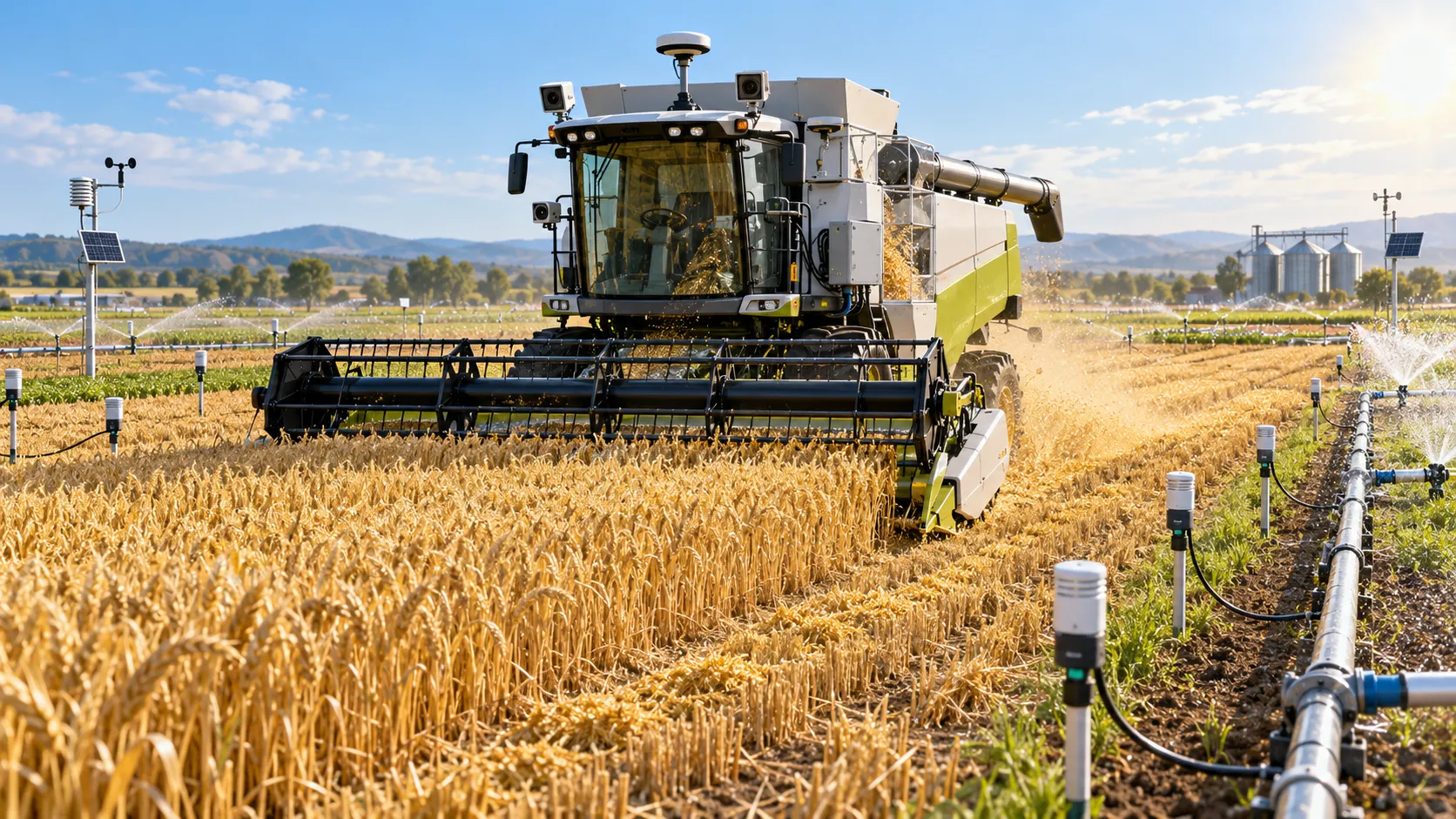
How to Evaluate Dynamic Feedback Algorithm Suppliers for Precision Farming Systems
Dynamic feedback algorithms supplier evaluation guide for precision farming—compare validation, integration, safety, and pilots to choose with confidence.
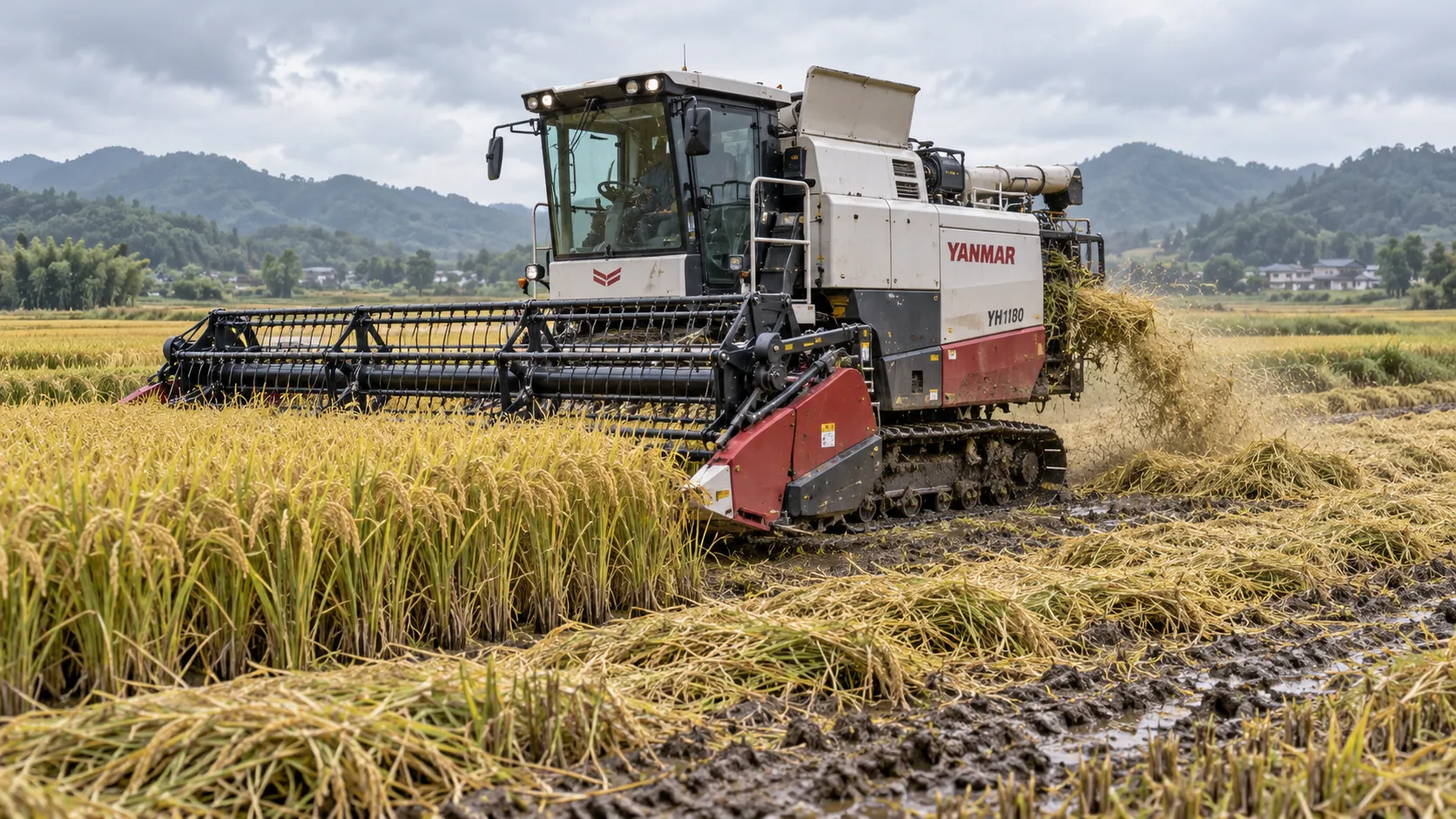
How to Specify Combine Harvester Systems for High-Moisture Grain and Variable Field Conditions
Combine harvester systems for high-moisture grain: learn how to specify threshing, cleaning, headers, traction, and automation for reliable harvests in variable fields.
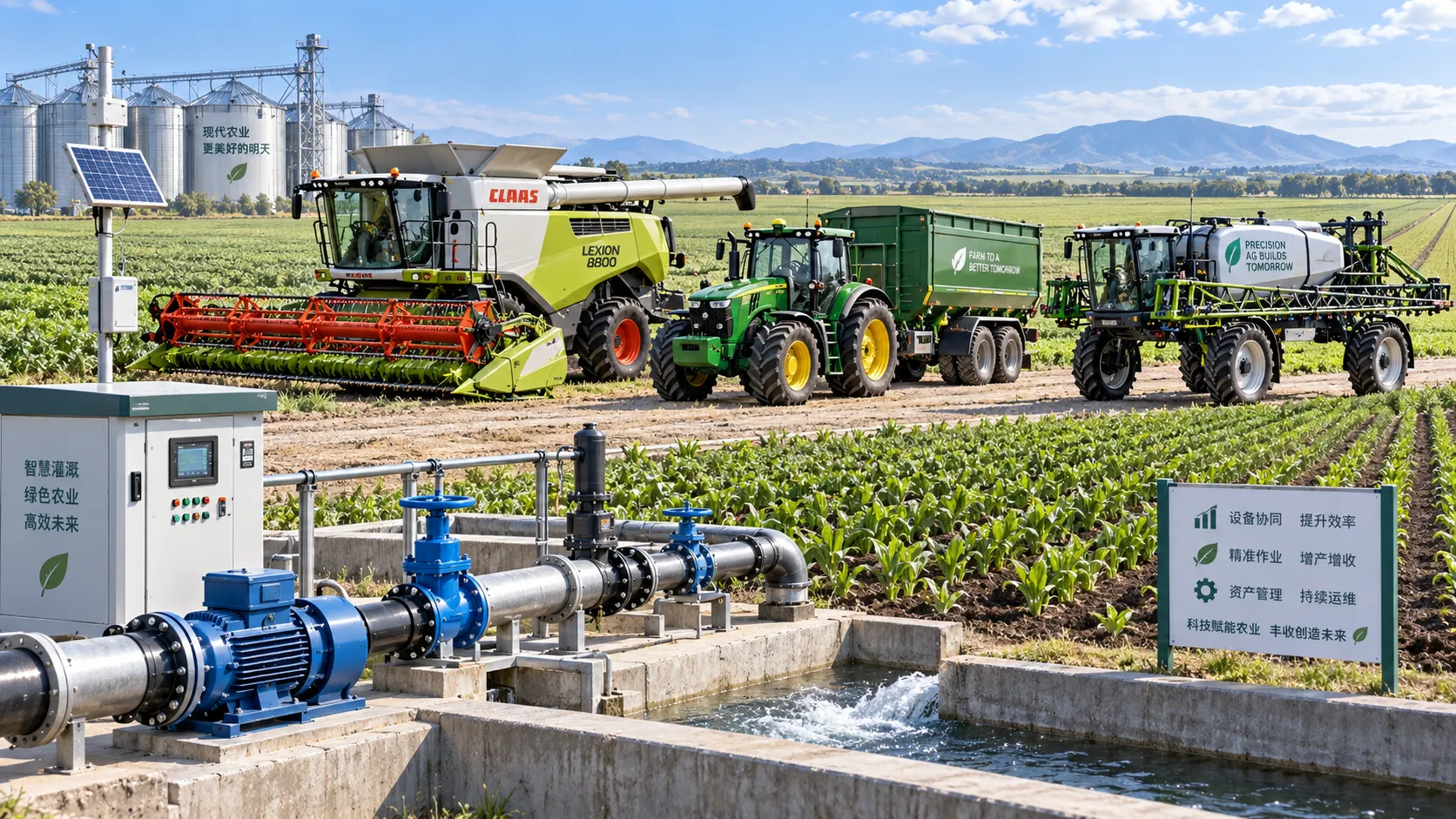
How to Compare Agricultural Equipment Platforms for Fleet Management and ROI
Agricultural equipment platform comparison: evaluate fleet data, maintenance, precision workflows, and ROI to choose a system that delivers measurable results.
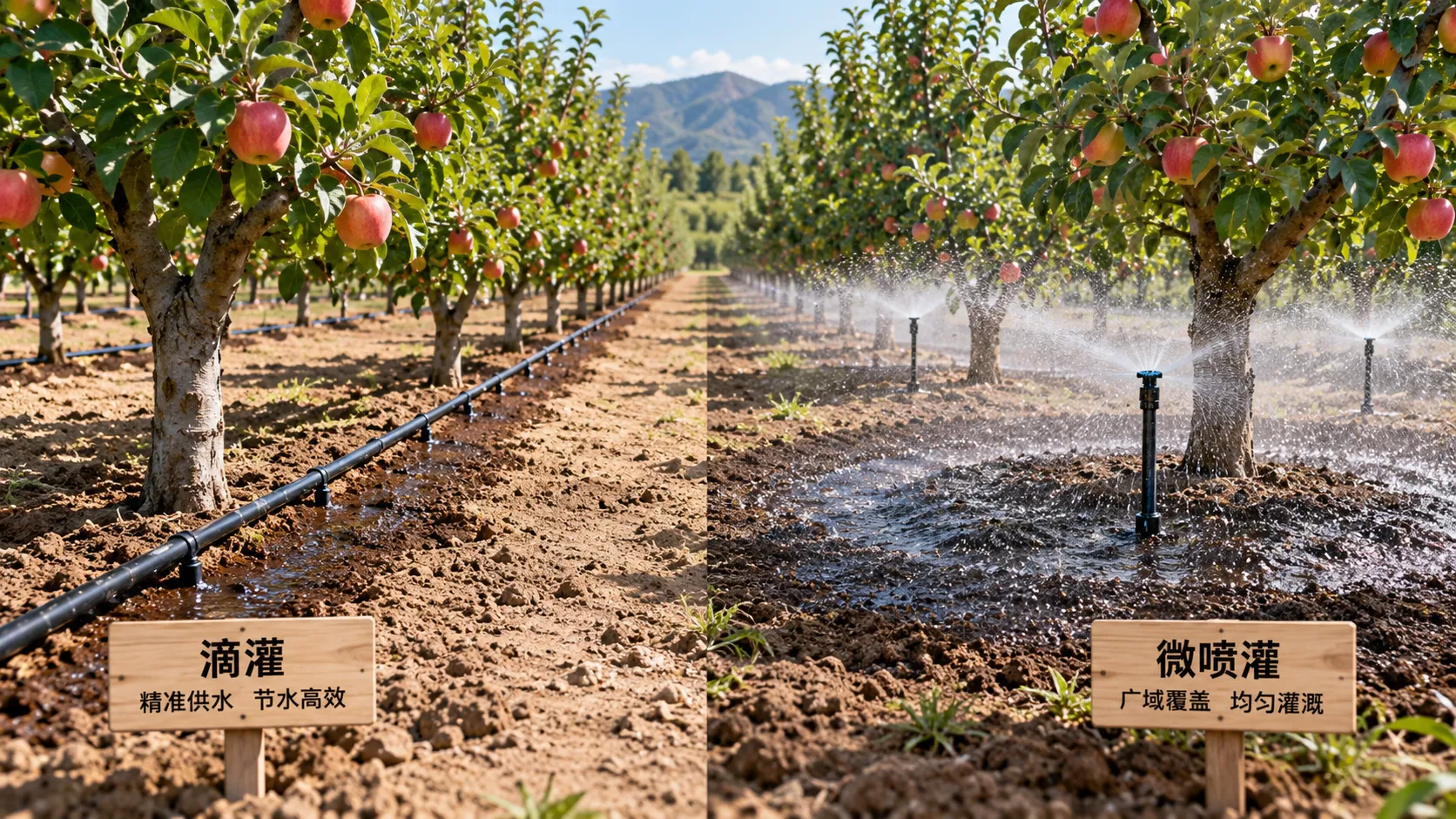
Drip vs. Micro-Sprinkler Irrigation: Which System Fits Your Orchard?
Irrigation solution comparison for orchards: discover whether drip or micro-sprinklers best match your water, soil, roots, fertigation, and frost needs.
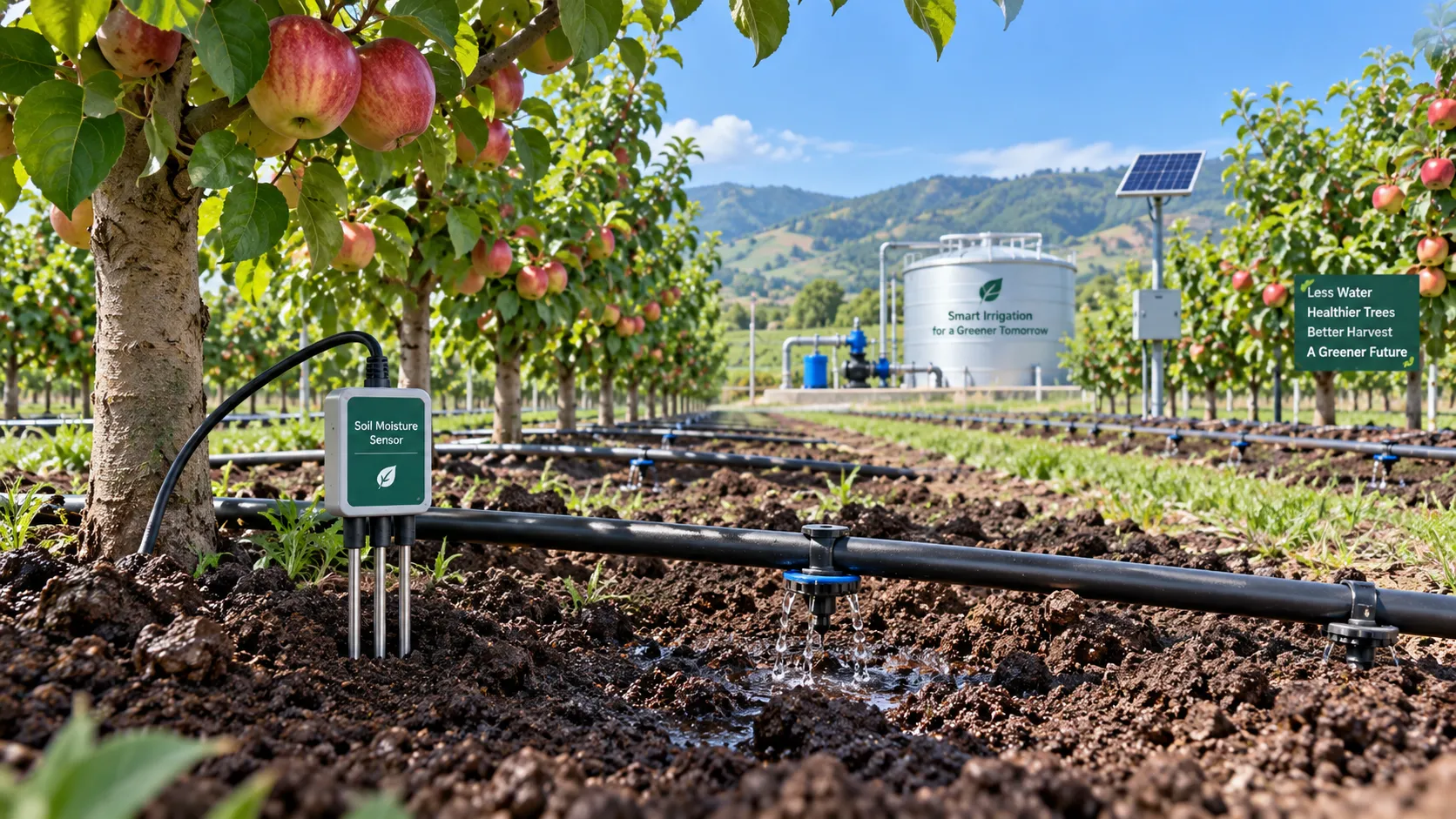
Orchard Water Management: Using Soil Moisture Data to Schedule Irrigation
Agricultural water management for orchards made practical: use soil moisture data to optimize irrigation timing, protect yield, reduce costs, and improve resilience.
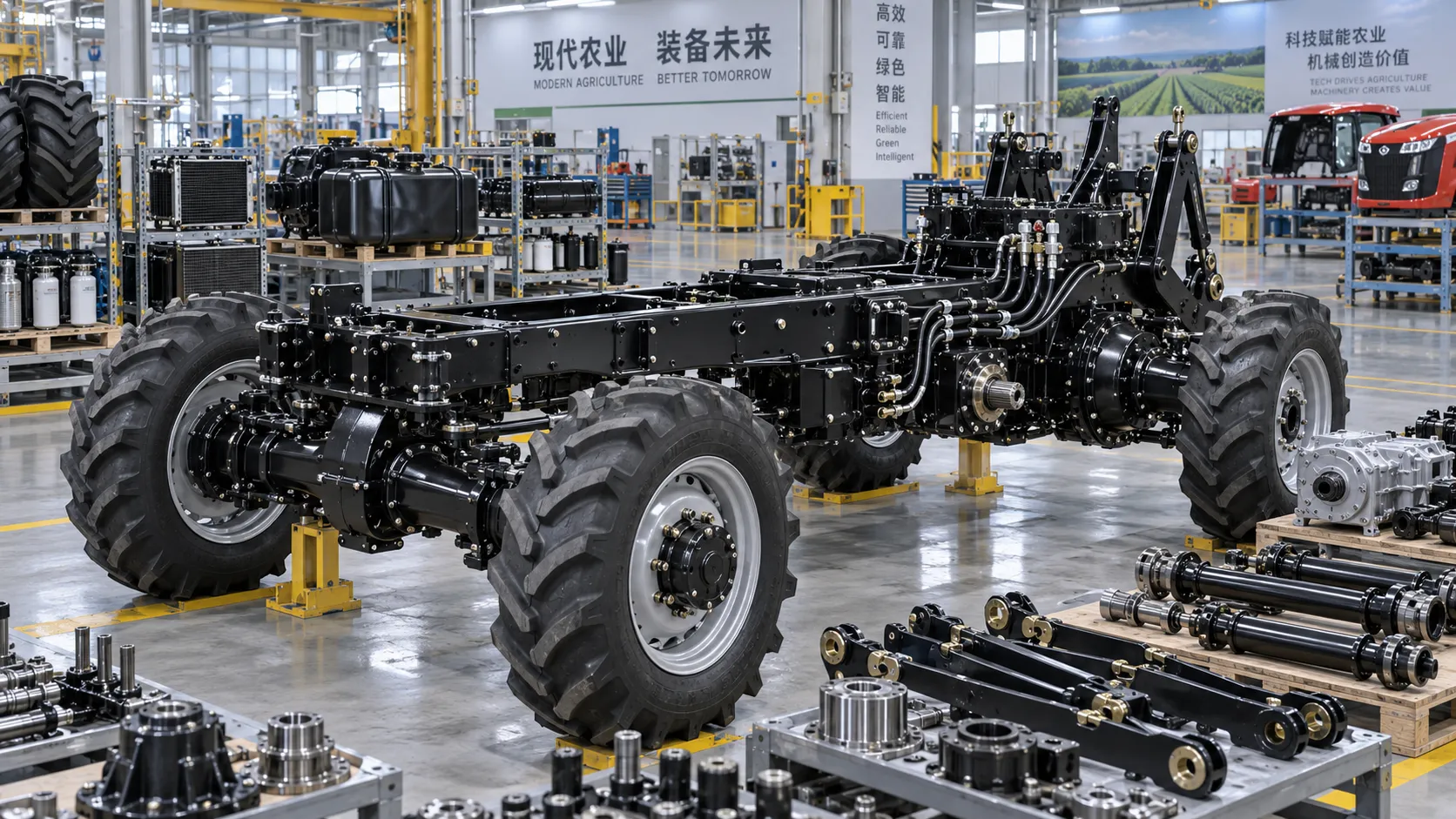
Tractor Chassis Price: What Buyers Should Compare Beyond the Initial Quote
Tractor chassis price is only the start. Compare load capacity, compatibility, durability, and lifecycle costs to choose a reliable, high-value chassis.
Related News
- 00
0000-00
Farm Machinery Sourcing: How to Vet Suppliers, Specs, and Lifecycle Costs - 00
0000-00
How to calculate ROI on precision agriculture equipment before buying - 00
0000-00
Tractor Specification Sheets: Matching PTO, Hydraulics, and Weight to Farm Tasks - 00
0000-00
How to Compare Agricultural Equipment Platforms for Fleet Management and ROI - 00
0000-00
Tractor Chassis Price: What Buyers Should Compare Beyond the Initial Quote
Popular Tags
Ms. Elena Rodriguez
Weekly Insights
Stay ahead with our curated technology reports delivered every Monday.