
Which farming practices build real climate resilience?
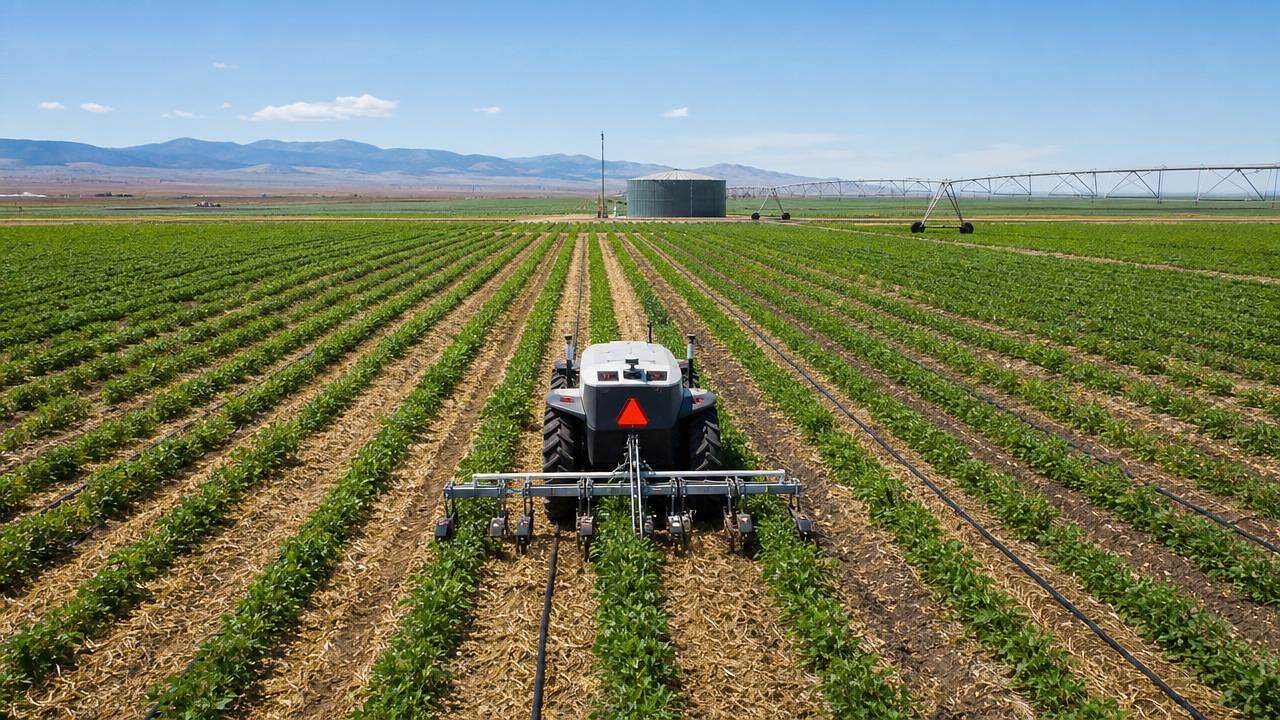




As climate volatility reshapes global agriculture, identifying sustainable farming practices for climate resilience has become essential for researchers, growers, and equipment decision-makers alike. From precision irrigation and soil-preserving field operations to data-driven mechanization, the most resilient systems combine agronomic logic with intelligent technology. This article examines which practices deliver measurable resilience and how they align with the future of Agriculture 4.0.
For information-led buyers and analysts, the key question is not whether resilience matters, but which interventions produce durable results under heat stress, water scarcity, input volatility, and tighter environmental regulation. In large-scale farming, resilience is built through systems thinking: field operations, machinery setup, irrigation control, crop rotation, and data feedback must work as one operating model.
Within this context, sustainable farming practices for climate resilience are no longer limited to agronomic theory. They influence equipment specification, capital planning cycles of 3–7 years, fuel and water efficiency targets, and the choice between conventional mechanization and precision-enabled platforms. For stakeholders tracking Agriculture 4.0, resilience is increasingly measurable in yield stability, soil function, operational flexibility, and recovery time after weather shocks.
What real climate resilience looks like in modern farming systems
Climate resilience in agriculture means more than surviving one drought or one flood season. A resilient farm system maintains acceptable productivity across 2–4 consecutive stress cycles, protects its soil and water base, and adapts operations without excessive input escalation. In practical terms, that means lower yield loss during weather extremes and faster return to normal field capacity after disruption.
For broadacre and commercial farms, four operating indicators are especially useful: soil moisture retention, field traffic impact, irrigation efficiency, and harvest loss control. When these indicators improve together, sustainable farming practices for climate resilience begin to deliver operational value rather than remain a policy slogan.
Core performance markers decision-makers should monitor
- Yield variability across 3 seasons rather than single-season peak output
- Water use efficiency per hectare, especially under 15%–30% rainfall deviation
- Soil organic matter trend over 2–5 years
- Compaction depth after repeated machinery passes
- Harvest loss percentage in wet, lodged, or uneven crop conditions
- Recovery time from planting delays, heat waves, or irrigation interruptions
Why resilience now depends on integrated agronomy and machinery
Historically, resilience was discussed through crop genetics and rainfall alone. Today, large-scale farm performance also depends on axle load, tire inflation strategy, seeding depth consistency, real-time irrigation scheduling, and sensor-guided application accuracy. A soil-conserving practice can fail if field traffic is unmanaged, just as an efficient irrigation network can underperform if crop stages are not monitored in time.
This is why AP-Strategy’s intelligence perspective matters: the strongest sustainable farming practices for climate resilience are not isolated techniques. They are interoperable decisions that connect tractor chassis behavior, intelligent farm tools, combine performance, and water-saving infrastructure.
The farming practices that consistently build resilience
Not every “green” practice creates meaningful resilience. The most reliable approaches are those that improve water balance, reduce soil disturbance, preserve timeliness, and sharpen decision accuracy. In large-scale production, five practices repeatedly stand out.
1. Reduced tillage and controlled traffic farming
Reduced tillage helps retain surface residue, slow evaporation, and improve infiltration over time. In many row-crop systems, lowering full-width soil disturbance can reduce erosion risk and maintain planting windows after irregular rainfall. Controlled traffic farming strengthens this effect by keeping wheel tracks in permanent lanes, often limiting compaction to 15%–25% of field area rather than random whole-field traffic.
The machinery implication is significant. Tractor chassis setup, tire selection, ballast control, and implement matching must be adjusted to protect soil structure. Heavy-duty operations can remain productive, but only if field passes, axle loads, and moisture conditions are planned with discipline.
Typical fit
This approach is especially suitable for large grain operations, dryland regions, and farms facing increasing rainfall intensity or frequent planting delays. It is less effective when residue handling, seeding precision, and weed strategy are poorly coordinated.
2. Diverse crop rotations and cover cropping
Monoculture systems tend to amplify pest pressure, nutrient imbalance, and weather exposure. Rotating crops over 2–4 years and inserting cover crops between cash seasons can improve rooting diversity, reduce bare-soil periods, and stabilize nutrient cycling. A cover period of even 45–90 days can help protect soil from intense sun, runoff, and wind erosion.
For climate resilience, the gain is not only ecological. Better structure and ground cover improve machine access after rain, support more even germination, and reduce dependence on emergency corrective inputs. These benefits become more visible when combined with precision fertilizer placement and moisture monitoring.
3. Precision irrigation and water recycling networks
Among all sustainable farming practices for climate resilience, smart irrigation often provides the fastest measurable return in water-stressed zones. Instead of fixed calendar irrigation, resilient systems use soil moisture data, evapotranspiration estimates, and crop growth stages to trigger variable applications. In practical terms, this may mean shifting from uniform blocks to zone-based irrigation decisions every 24–72 hours during peak stress periods.
Water-saving systems matter even more where pumping cost, water regulation, or allocation limits are tightening. Drip, low-pressure sprinklers, filtration units, and return-flow capture can improve the useful share of applied water and reduce both runoff and energy waste. The exact gain varies by climate and crop, but the strategic advantage is flexibility under uncertainty.
The table below compares major resilience-oriented practices through an operational lens relevant to growers, distributors, and farm equipment planners.
The main takeaway is that the strongest practices protect both natural resources and operating windows. Resilience improves when farms can irrigate more accurately, harvest on time, and limit soil damage across repeated weather disruptions.
4. Precision nutrient and input management
Climate volatility increases the cost of misapplied inputs. Heavy rain can leach nutrients, while heat and drought can suppress crop uptake. Variable-rate application, prescription mapping, and sensor-based adjustment help align fertilizer, crop protection, and soil amendments with actual field variability instead of average assumptions.
In resilient systems, the goal is not simply to reduce input volume. It is to reduce waste per hectare, improve timing within narrow 3–7 day agronomic windows, and maintain crop condition under uneven field stress. Intelligent farm tools become valuable here because they convert data into field execution rather than dashboard noise.
5. Harvest optimization and loss control under unstable weather
Resilience is often discussed around planting and irrigation, but harvest is where climate risk becomes immediate financial loss. Unstable weather, high-moisture crops, and lodging can sharply increase shatter, separation loss, and grain quality issues. Advanced combine harvesting strategies therefore belong on any serious resilience agenda.
Key priorities include cleaning system adjustment, rotor or drum tuning, real-time loss monitoring, and capacity balancing between cutting width and crop condition. During compressed harvest windows of 5–12 days, preserving throughput without escalating loss is a major resilience advantage.
How to match resilient practices with equipment and field conditions
A practice is only as effective as its field fit. Decision-makers should avoid generic checklists and instead evaluate resilience investments through local constraints: rainfall variability, irrigation access, soil texture, labor availability, machine fleet age, and crop mix. The same practice can perform very differently in a humid grain zone and a semi-arid irrigated district.
A practical 4-step selection framework
- Define the main climate stress: drought, heat, excess rain, flood risk, or multi-risk exposure.
- Identify the operational bottleneck: water delivery, compaction, timing, harvest loss, or input inefficiency.
- Check equipment compatibility: guidance, hydraulic capacity, implement width, telemetry, and sensor support.
- Measure expected value over 2–5 seasons, not one season only.
Common selection mistakes
- Buying irrigation hardware without scheduling logic or maintenance discipline
- Adopting reduced tillage without residue-capable seeding tools
- Installing precision tools but not calibrating them across crop stages
- Evaluating tractors only by horsepower instead of traction efficiency and field impact
The following table helps convert resilience goals into equipment and management choices that are easier to assess during procurement or system redesign.
For procurement teams, the message is clear: resilience should be translated into measurable equipment functions. Farms do not buy “sustainability” as an abstract concept; they buy traction management, application accuracy, water control, and harvest adaptability.
Implementation priorities for Agriculture 4.0 operations
The transition from concept to field impact usually succeeds when operations are phased. Trying to change tillage, irrigation, telemetry, and nutrient management all at once often creates execution risk. A staged rollout over 12–36 months is more realistic for large operations and distributor-led modernization programs.
Phase 1: Build a baseline
Start with field mapping, traffic pattern review, water delivery audit, and loss analysis at harvest. Even 6–10 representative zones can reveal whether resilience problems come mainly from soil structure, timing gaps, irrigation uniformity, or machinery mismatch.
Phase 2: Upgrade the highest-leverage constraint
If water is the limiting factor, prioritize intelligent irrigation. If compaction and timeliness are the main risks, focus on chassis strategy, guidance, and pass reduction. If weather-driven harvest losses are rising, combine optimization should move ahead of lower-priority upgrades.
Phase 3: Connect data to decisions
The final stage is interoperability. Sensor readings, field operations, and machine adjustments must inform one another. A moisture alert that does not change irrigation timing has little value. A loss monitor that does not trigger combine adjustment also falls short. Climate resilience improves when data shortens decision cycles from weeks to hours.
FAQ for information researchers and farm planners
Which practice delivers the fastest result? In many systems, precision irrigation and harvest loss control show visible impact within 1 season, while soil-structure gains from reduced tillage or cover cropping usually require 2–4 seasons.
Are sustainable farming practices for climate resilience only for high-tech farms? No. Digital tools increase precision, but many benefits start with better traffic control, improved residue management, and tighter operational timing.
How should distributors or investors assess resilience-focused equipment? Use a 5-point screen: field fit, compatibility, data usability, maintenance burden, and seasonal ROI visibility.
Why resilient agriculture increasingly favors intelligent, resource-saving systems
The future of sustainable farming practices for climate resilience will be shaped by systems that reduce waste while improving control. That includes autonomous or semi-autonomous field operations, sensor-based irrigation logic, lower-loss combine technologies, and tractor platforms designed for efficient power transfer rather than brute-force field traffic.
For B2B stakeholders, this trend changes how value should be defined. The strongest solutions are not always the largest machines or the most complex software stacks. They are the combinations that improve resilience per hectare, shorten response time under stress, and fit the farm’s real operating model.
AP-Strategy’s sector lens is built around that exact question: how to connect large-scale agri-machinery, combine harvesting technology, intelligent farm tools, and water-saving irrigation into a coherent resilience strategy. For researchers, distributors, and farm decision-makers, the most credible path forward is evidence-led adoption, not trend chasing.
If you are evaluating resilient farm systems, planning equipment upgrades, or comparing intelligent irrigation and mechanization pathways, now is the time to structure decisions around measurable field outcomes. Contact AP-Strategy to explore tailored intelligence, review solution pathways, and learn more about practical Agriculture 4.0 strategies for climate-resilient farming.
Related News
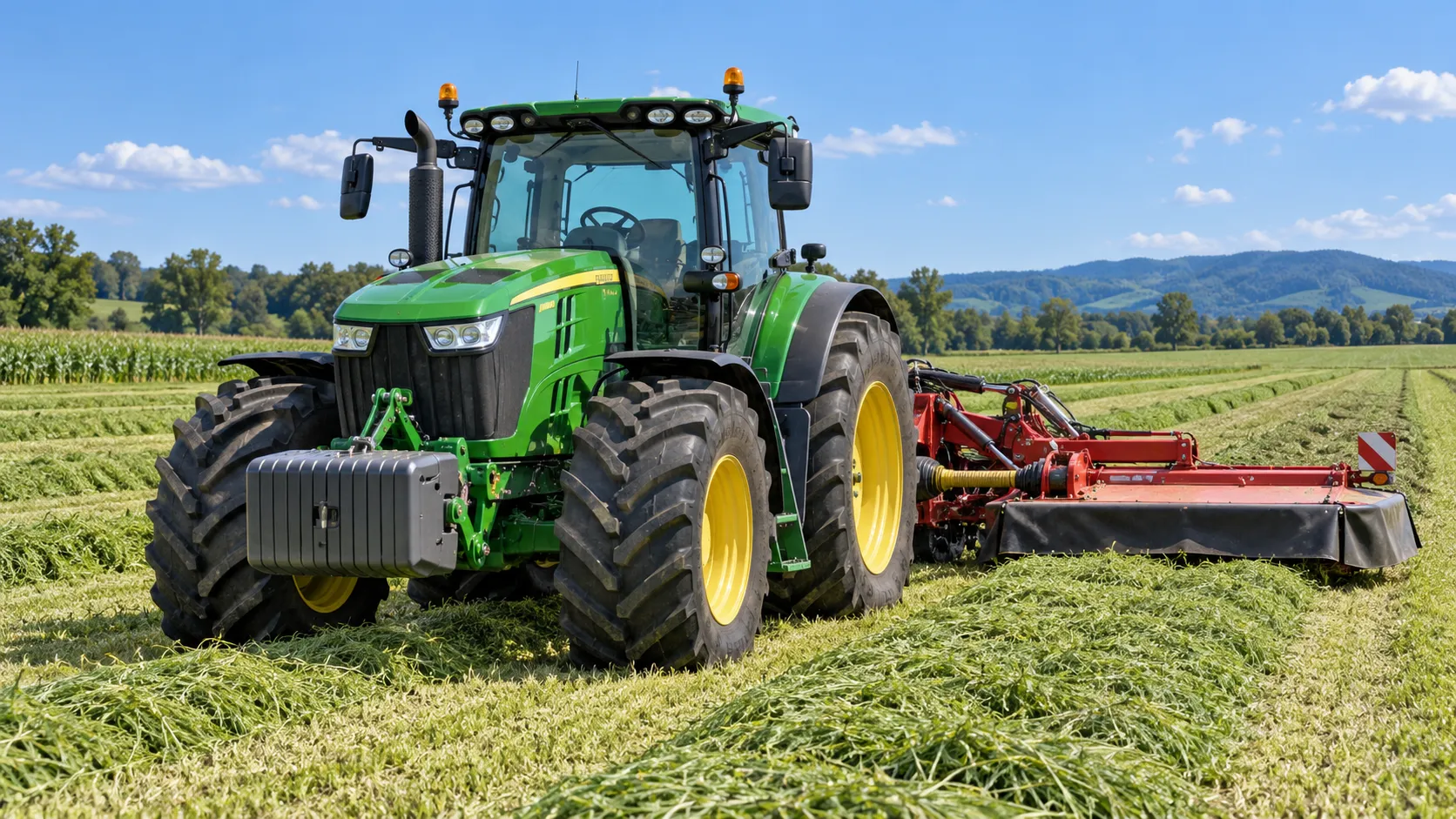
Tractor Specification Sheets: Matching PTO, Hydraulics, and Weight to Farm Tasks
Specification-oriented articles for tractors: match PTO, hydraulics, lift capacity, ballast, and weight to real farm tasks for safer, more efficient equipment choices.
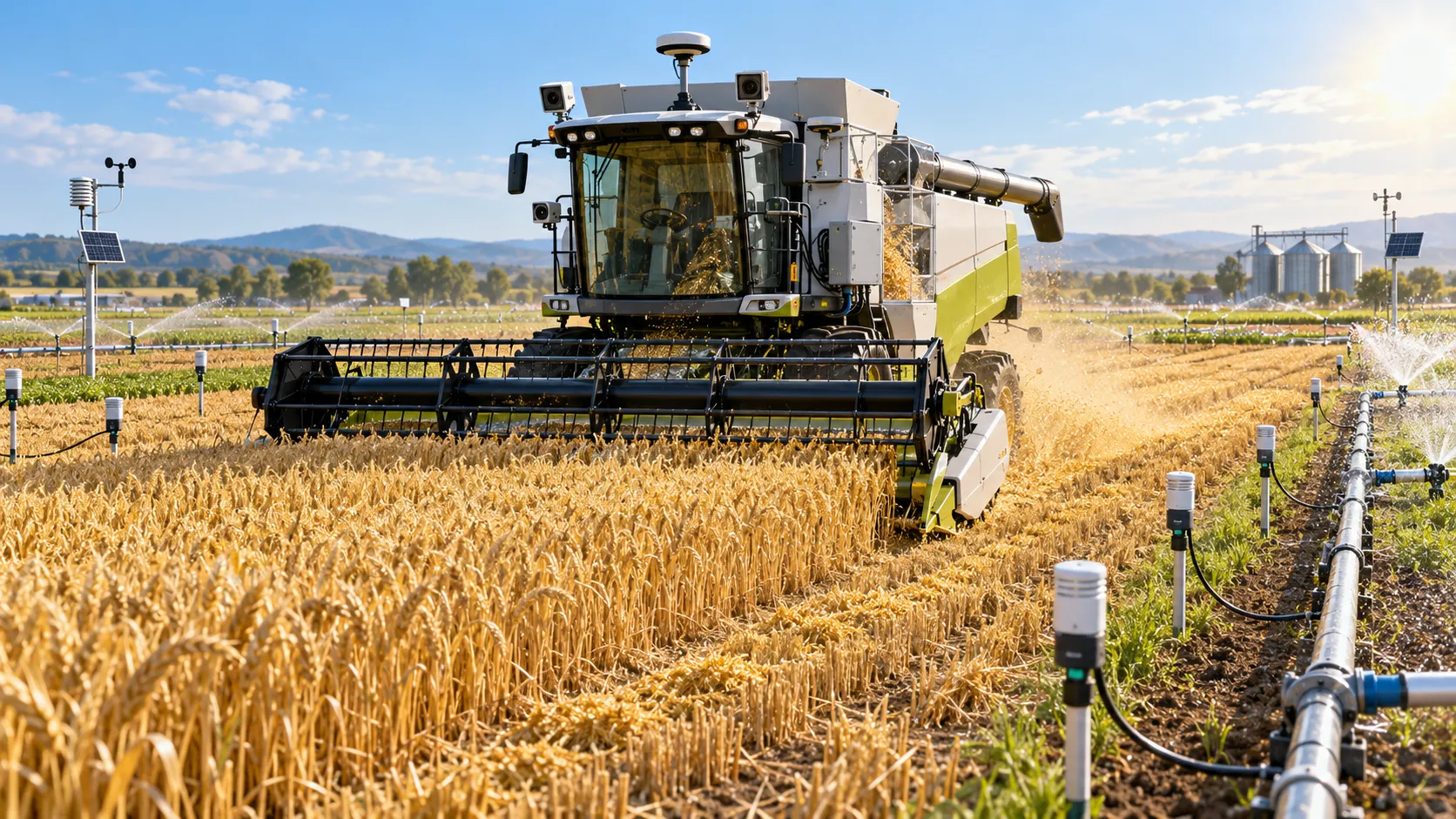
How to Evaluate Dynamic Feedback Algorithm Suppliers for Precision Farming Systems
Dynamic feedback algorithms supplier evaluation guide for precision farming—compare validation, integration, safety, and pilots to choose with confidence.
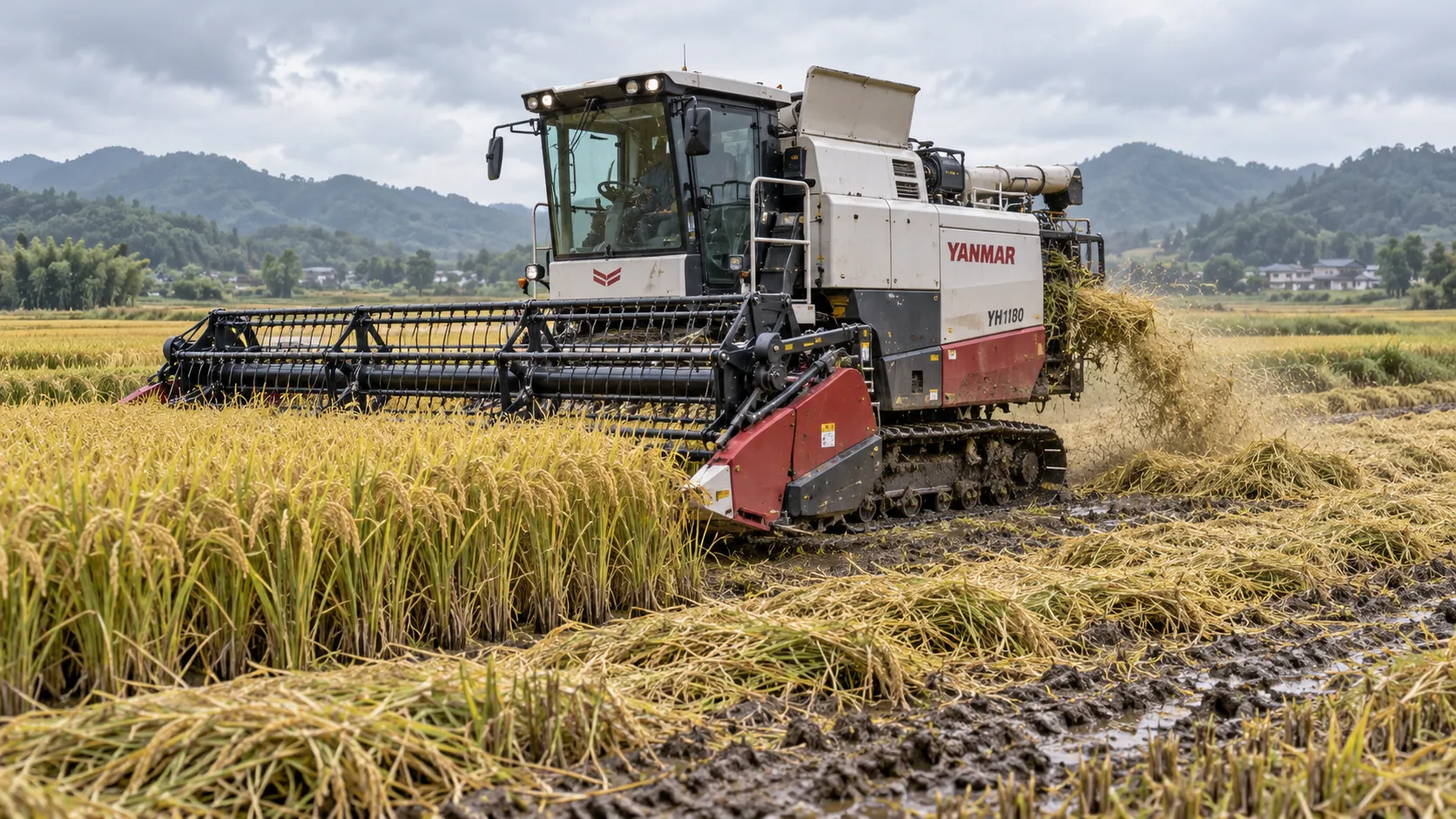
How to Specify Combine Harvester Systems for High-Moisture Grain and Variable Field Conditions
Combine harvester systems for high-moisture grain: learn how to specify threshing, cleaning, headers, traction, and automation for reliable harvests in variable fields.
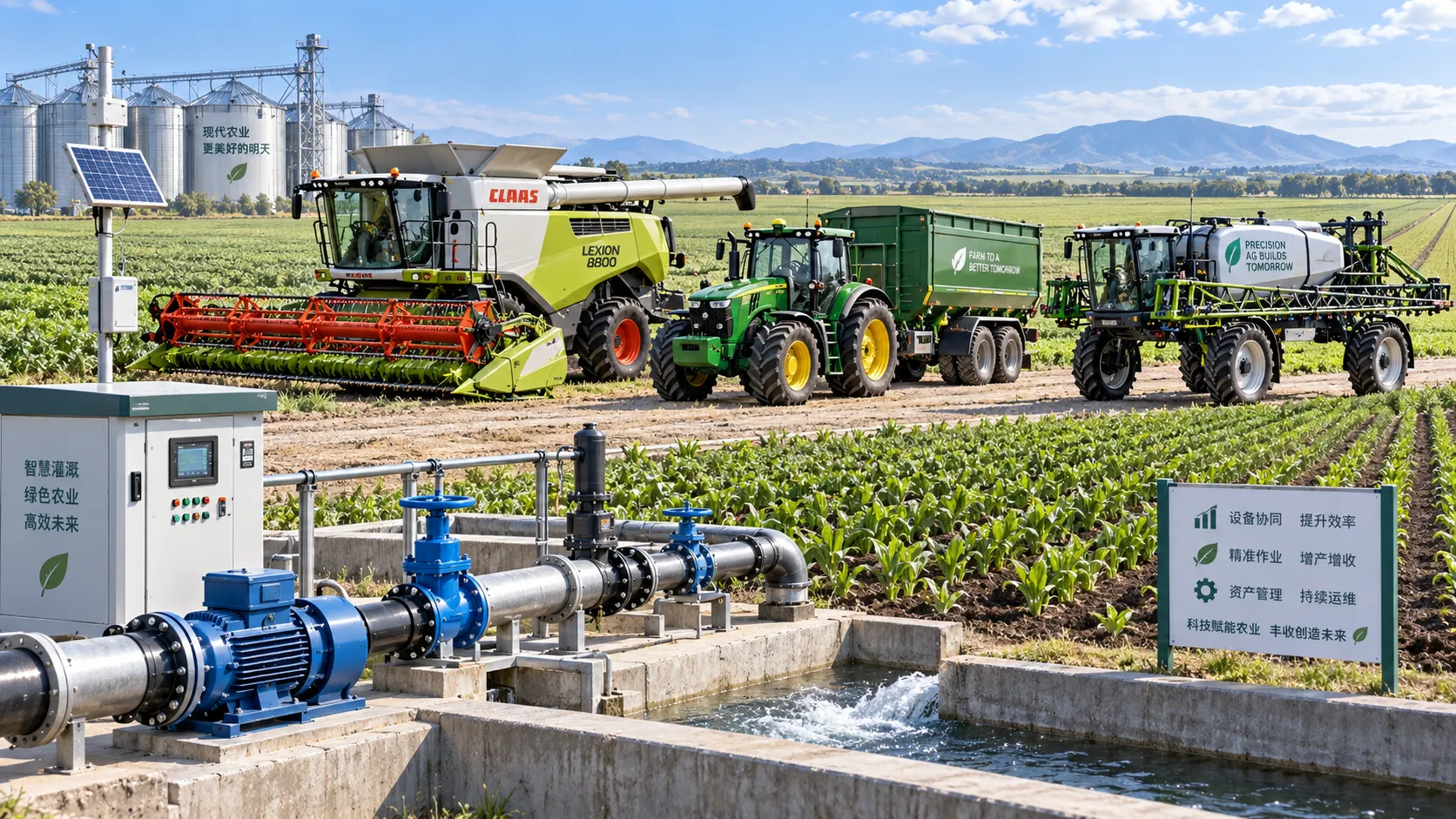
How to Compare Agricultural Equipment Platforms for Fleet Management and ROI
Agricultural equipment platform comparison: evaluate fleet data, maintenance, precision workflows, and ROI to choose a system that delivers measurable results.
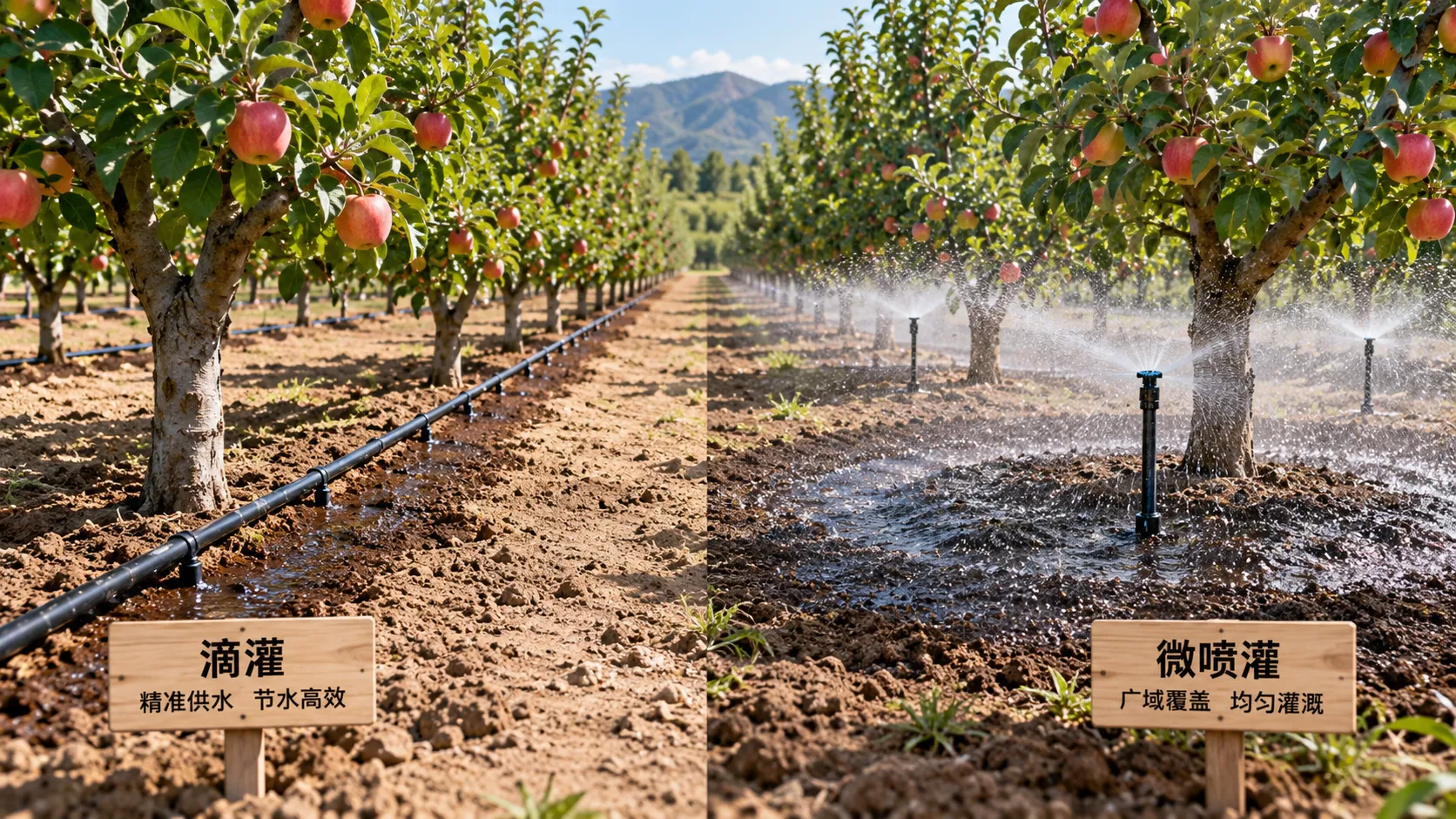
Drip vs. Micro-Sprinkler Irrigation: Which System Fits Your Orchard?
Irrigation solution comparison for orchards: discover whether drip or micro-sprinklers best match your water, soil, roots, fertigation, and frost needs.
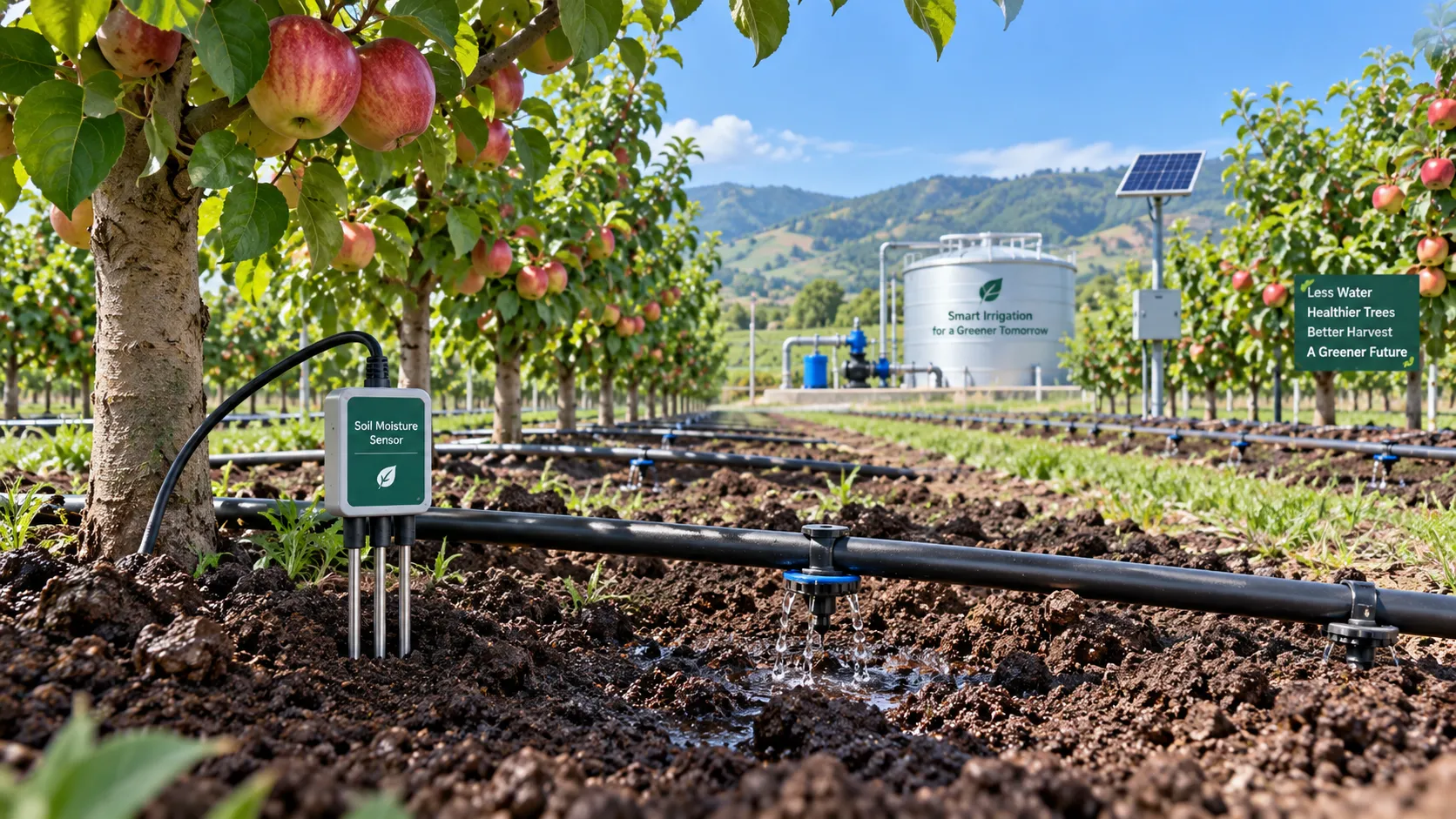
Orchard Water Management: Using Soil Moisture Data to Schedule Irrigation
Agricultural water management for orchards made practical: use soil moisture data to optimize irrigation timing, protect yield, reduce costs, and improve resilience.
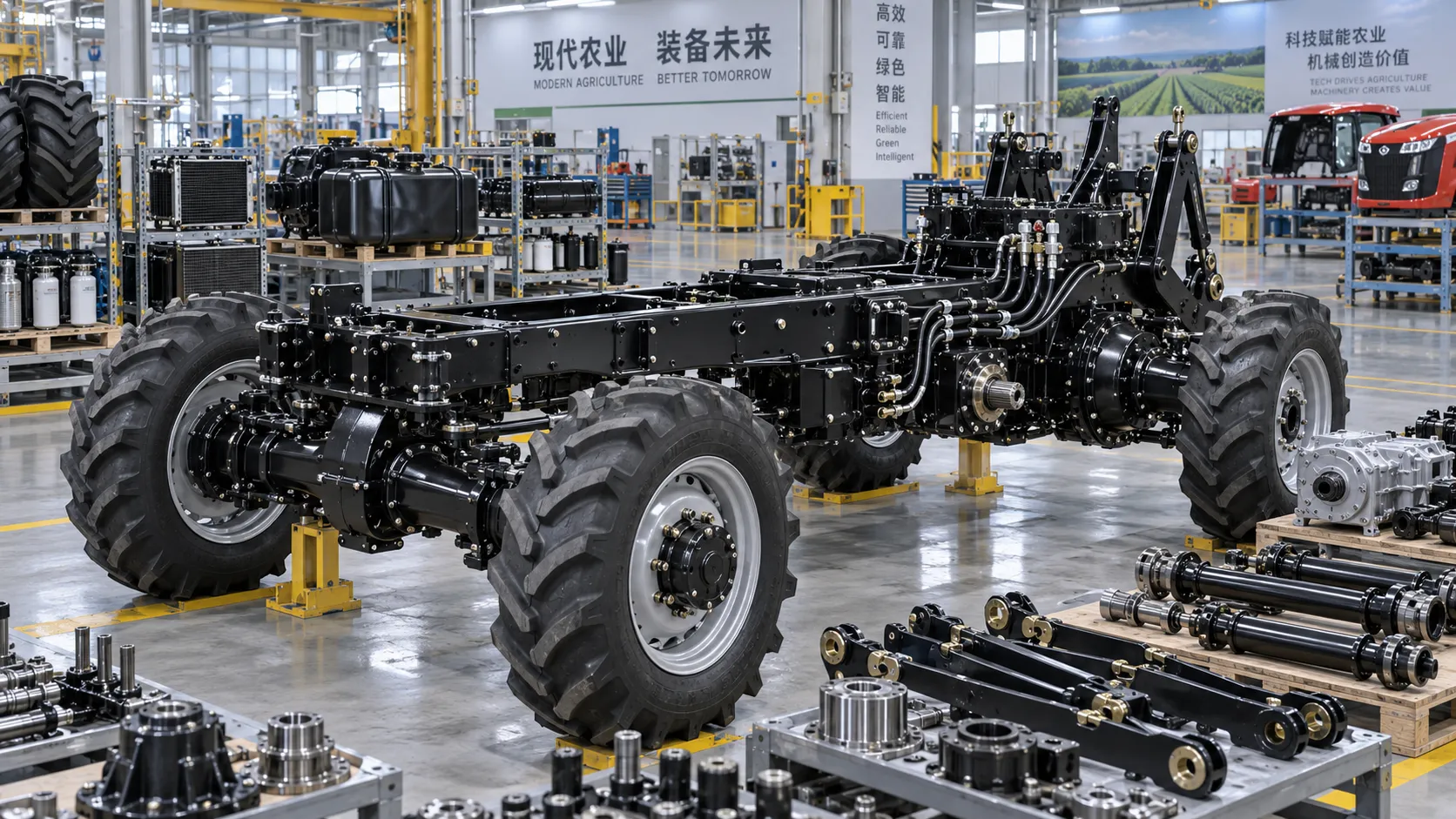
Tractor Chassis Price: What Buyers Should Compare Beyond the Initial Quote
Tractor chassis price is only the start. Compare load capacity, compatibility, durability, and lifecycle costs to choose a reliable, high-value chassis.
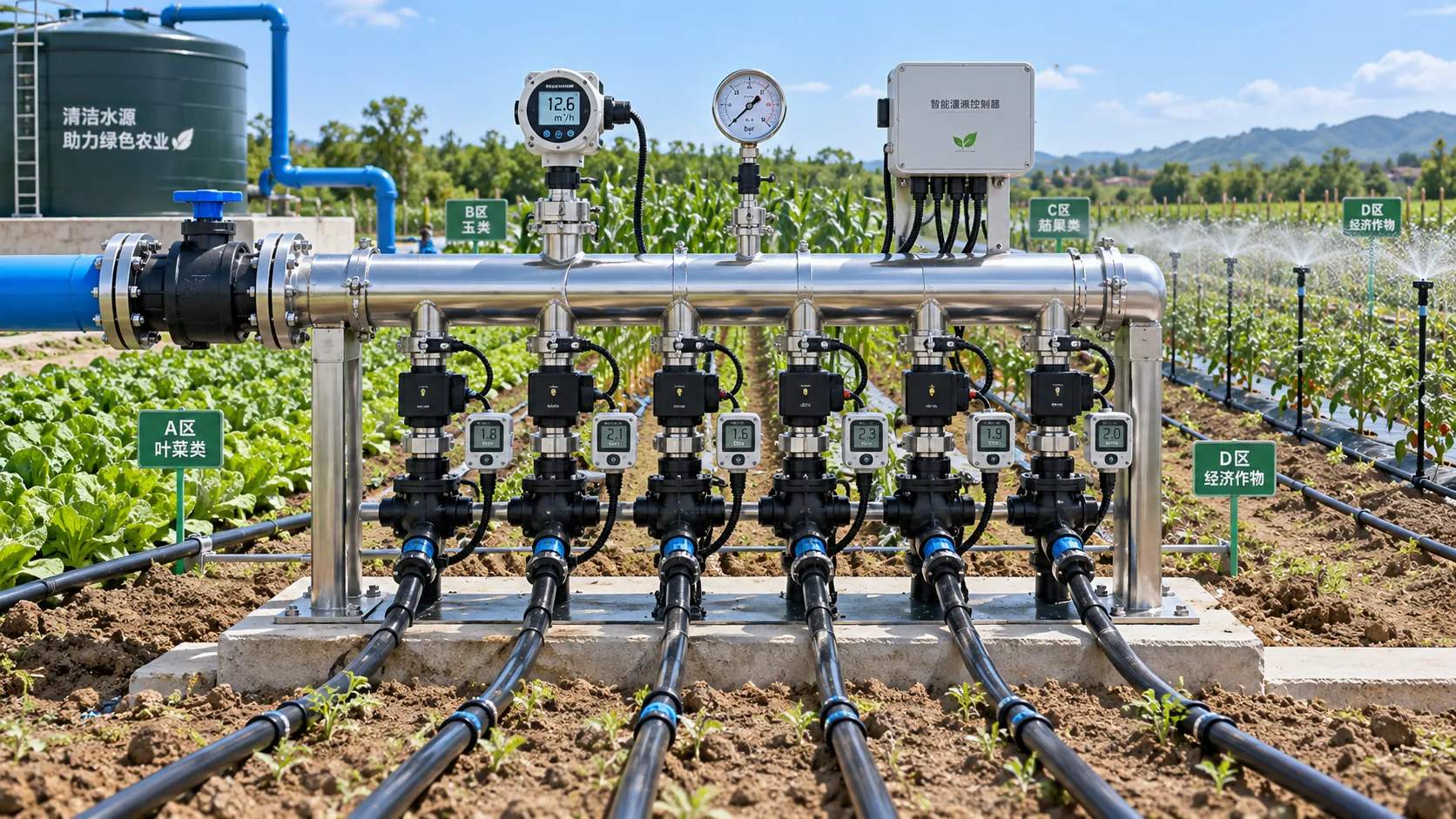
How to Select Smart Irrigation Valves for Multi-Zone Water Management?
Intelligent irrigation systems valves: learn how to match smart valves with multi-zone flow, pressure, control, feedback, and communication needs for reliable water management.
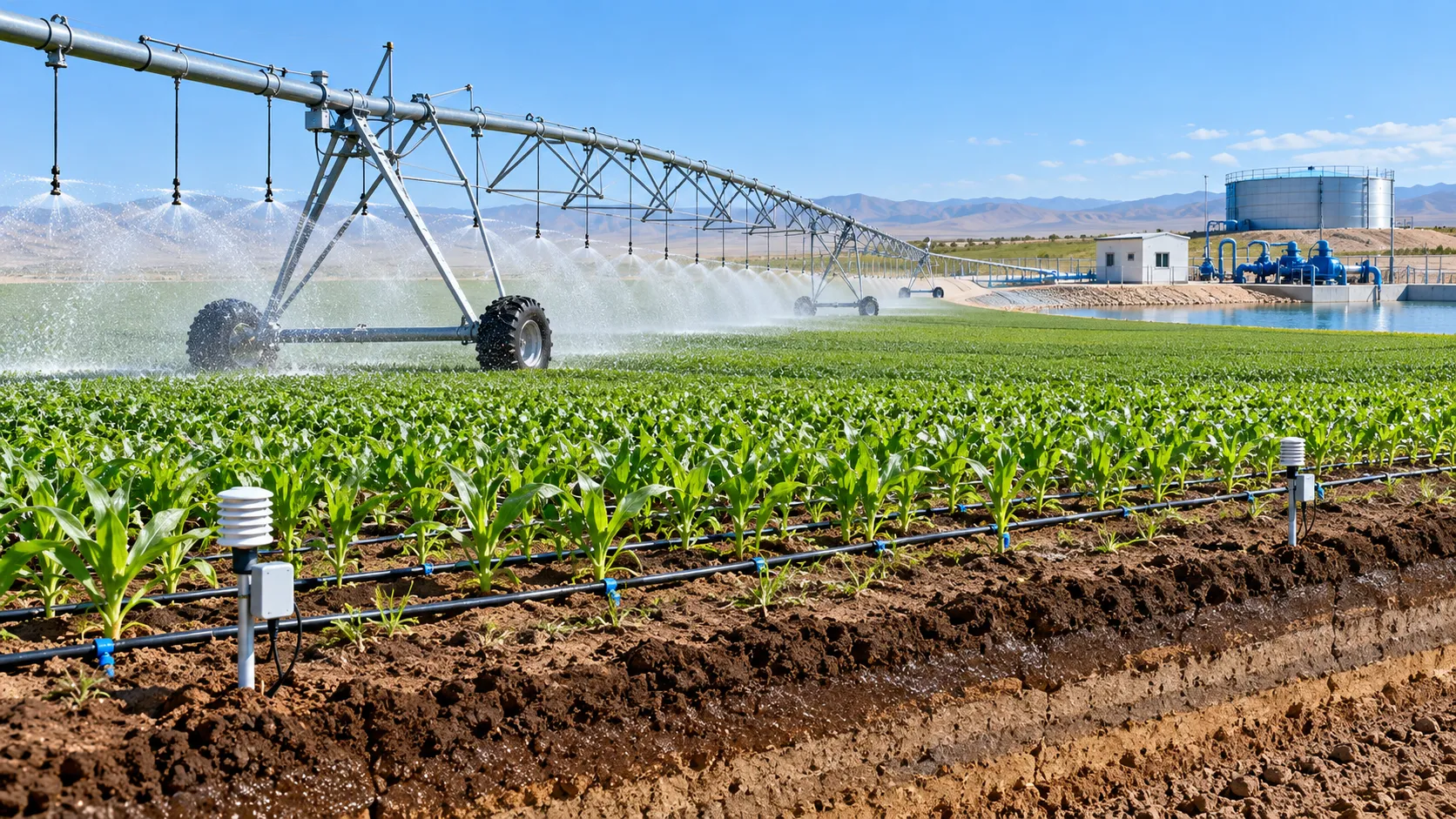
Climate-Smart Farming for Drought: A Practical Plan for Protecting Yields
Climate-smart farming for drought: build smarter water budgets, protect critical crop stages, improve irrigation uniformity, and safeguard yields with practical field-proven strategies.
Related News
- 00
0000-00
Tractor Specification Sheets: Matching PTO, Hydraulics, and Weight to Farm Tasks - 00
0000-00
How to Compare Agricultural Equipment Platforms for Fleet Management and ROI - 00
0000-00
Tractor Chassis Price: What Buyers Should Compare Beyond the Initial Quote - 00
0000-00
How Digital Agriculture Platforms Turn Field Data Into Better Input Decisions - 00
0000-00
When Does Agricultural Machinery Leasing Cost Less Than Owning Equipment?
Popular Tags
Ms. Elena Rodriguez
Weekly Insights
Stay ahead with our curated technology reports delivered every Monday.