
What food security solutions work best for farms today?
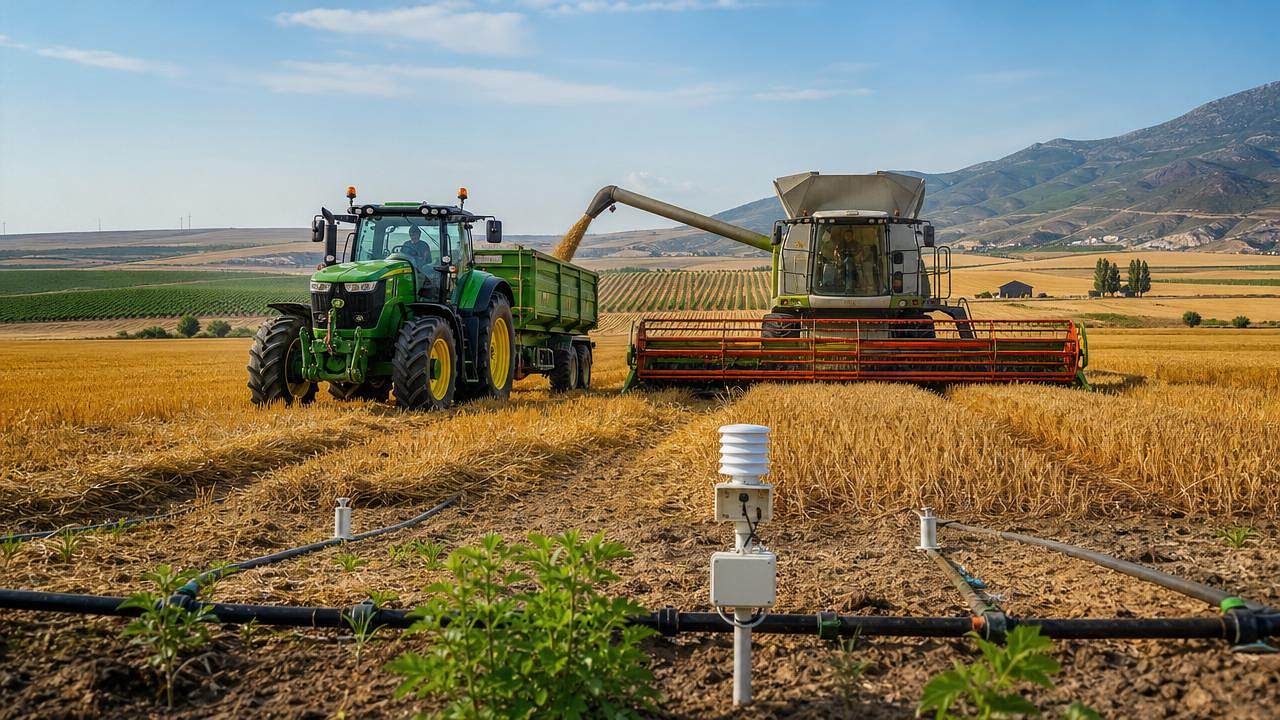




For today’s farms, the most effective food security solutions for sustainable farming combine mechanization, precision data, resilient irrigation, and smarter harvest management.
As climate pressure, input costs, and supply volatility reshape agriculture, practical choices now matter more than broad promises.
The best results come from matching solutions to field scale, crop risk, water conditions, and harvest timing.
That is why modern farms increasingly rely on integrated systems, not isolated tools, to protect yield, reduce waste, and stabilize supply.
Why the right scenario matters for food security on farms
Not every farm faces the same pressure.
A grain operation managing thousands of hectares needs different food security solutions for sustainable farming than a mixed farm with limited water access.
Food security at farm level is shaped by four operational questions.
- Can planting and field work happen on time?
- Can crops receive precise water and inputs?
- Can harvest losses stay low under changing weather?
- Can the farm maintain output when labor or supply chains tighten?
When farms answer these questions by scenario, investment decisions become clearer and more resilient.
This is where intelligence-led planning adds value.
AP-Strategy follows global equipment, combine technology, tractor platforms, smart tools, and irrigation systems because these pillars directly support output security.
Scenario 1: Large-scale grain farms needing stable output under time pressure
On large arable farms, timing is often the first food security risk.
Delayed tillage, seeding, spraying, or harvesting can reduce yield even before climate stress becomes severe.
Here, the strongest food security solutions for sustainable farming start with high-capacity mechanization.
Reliable tractors, matched implements, and efficient field logistics increase working windows and reduce operational bottlenecks.
The key judgment point is not machine size alone.
It is whether drivetrain performance, hydraulic response, traction, and fuel efficiency fit soil conditions and seasonal speed requirements.
Farms in this scenario also benefit from guidance systems and data-linked field planning.
Reducing overlap saves seed, fertilizer, fuel, and time, which directly strengthens production security.
Core judgment points for this scenario
- Field area exceeds available labor capacity
- Weather windows are short and unpredictable
- Yield depends on timely planting and harvest completion
- Input costs require tighter operational efficiency
Scenario 2: Water-stressed farms where irrigation decides food security
In dry or variable rainfall regions, water is the first limiting factor.
For these farms, food security solutions for sustainable farming must prioritize irrigation efficiency over simple acreage expansion.
The most effective approach combines water-saving infrastructure with smarter scheduling.
Drip systems, pressure-managed delivery, soil moisture sensing, and evapotranspiration forecasting can reduce waste while protecting crop growth stages.
This scenario is not only about installing hardware.
It requires a network view of pumping, filtration, distribution, reuse, and field-level monitoring.
A farm using outdated irrigation timing may overwater one zone and underfeed another.
That pattern raises energy costs and weakens yield reliability at the same time.
What to check before upgrading irrigation
- Water source stability across the full season
- Distribution losses between pump and root zone
- Sensor accuracy and decision timing
- Compatibility with fertigation and crop rotation plans
Scenario 3: Harvest-sensitive farms where losses erase production gains
Some farms produce well during the season but lose value at harvest.
This is common where crop moisture varies, lodging increases, or harvest weather shifts quickly.
In this situation, food security solutions for sustainable farming must include advanced combine harvesting capability.
Low-loss threshing, adaptive cleaning, and better residue handling preserve marketable output.
The best systems use real-time feedback to keep separation and cleaning performance stable under changing field conditions.
This matters because a small loss percentage on a large harvest becomes a major food security issue.
Harvest intelligence also connects to logistics.
Transport coordination, grain handling speed, and storage readiness influence whether harvested output remains usable and profitable.
Scenario 4: Input-sensitive farms needing precision rather than expansion
When fertilizer, chemicals, fuel, and labor become expensive, more spending does not guarantee more security.
Many farms now need food security solutions for sustainable farming that improve accuracy instead of simply increasing volume.
This is where intelligent farm tools create measurable value.
Satellite positioning, sectional control, variable-rate application, and sensor-linked prescription tasks reduce waste and support more uniform crop development.
The judgment point here is field variability.
If soil zones, nutrient response, or pest pressure vary sharply, precision tools often outperform blanket treatments.
Better targeting improves resilience because the farm gets more output from every unit of resource applied.
How scenario needs differ across today’s farms
Practical recommendations for choosing the best food security strategy
The best food security solutions for sustainable farming usually come from phased upgrades, not scattered purchases.
- Map the highest-loss point in the production chain first
- Prioritize systems that improve both yield stability and resource efficiency
- Match machine power and tool width to field scale and soil load
- Use irrigation data, not fixed calendars, for watering decisions
- Measure harvest loss before assuming production is the problem
- Choose equipment ecosystems that can share operational data
Integrated planning matters because mechanization, irrigation, and precision control reinforce one another.
A farm with efficient harvesting but weak water management still carries serious output risk.
Likewise, advanced irrigation without timely field operations limits overall return.
Common mistakes that weaken farm-level food security
Several errors repeatedly reduce the impact of food security solutions for sustainable farming.
- Buying high-tech equipment without matching operational training
- Focusing only on yield, while ignoring harvest and storage losses
- Treating irrigation as a fixed utility instead of a strategic system
- Using average field assumptions where variability is high
- Expanding acreage before securing labor, machinery, and water reliability
Another common mistake is evaluating solutions in isolation.
True resilience depends on how machines, data, water, and harvest systems work together across the season.
What farms should do next to build stronger long-term resilience
Start with a field-by-field operational review.
Identify where delays, water loss, harvest inefficiency, or input waste most often reduce final output.
Then compare those weak points against scalable food security solutions for sustainable farming with measurable performance indicators.
AP-Strategy’s intelligence framework is built around this practical need.
By tracking large-scale agri-machinery, combine harvesting technology, tractor chassis evolution, intelligent farm tools, and water-saving irrigation systems, it helps connect technical choices to real field outcomes.
The farms best prepared for tomorrow’s uncertainty will be those that combine capacity, precision, and resource discipline today.
That is the most reliable path toward stronger production security, better sustainability, and more resilient agricultural performance.
Related News
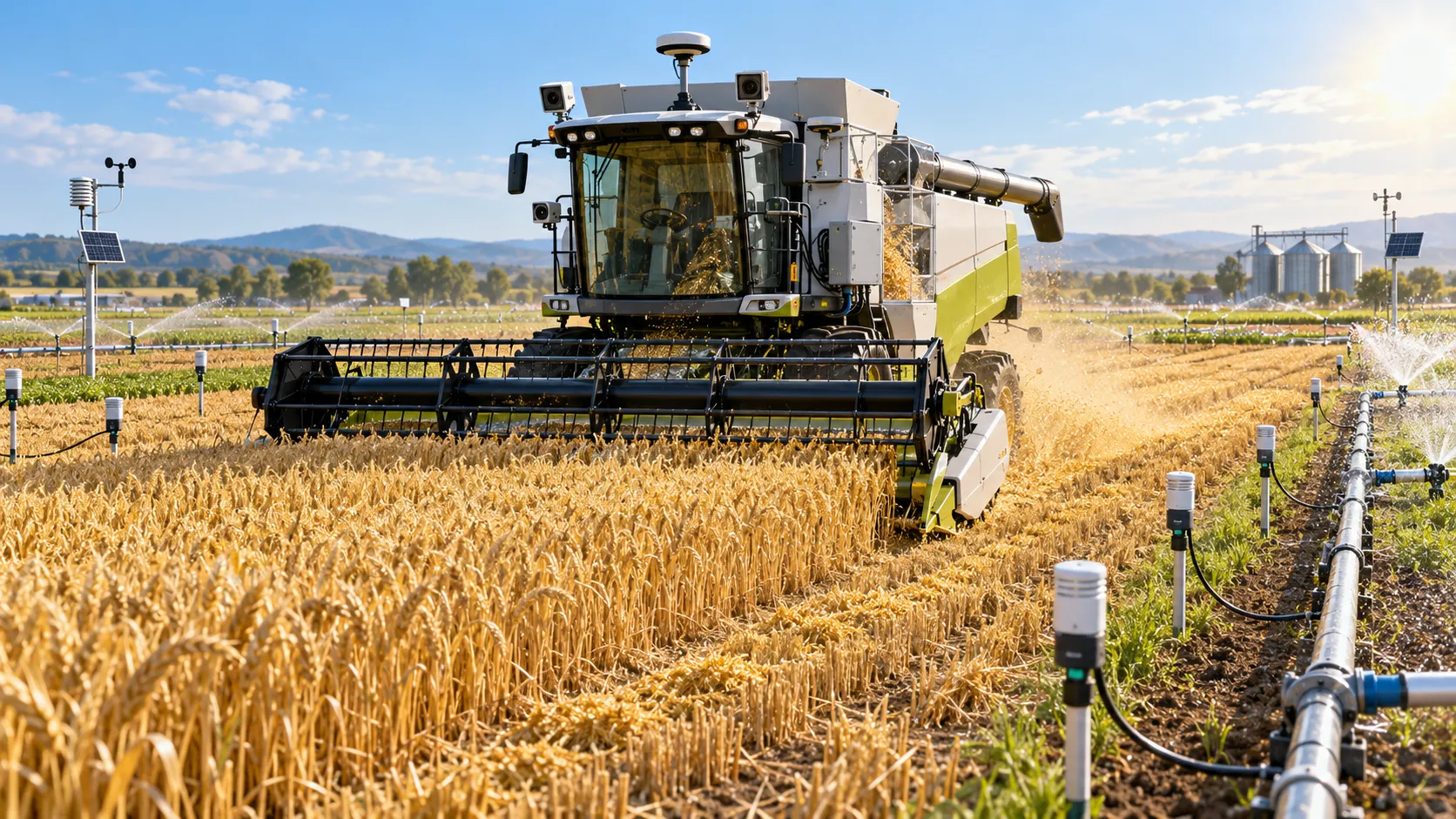
How to Evaluate Dynamic Feedback Algorithm Suppliers for Precision Farming Systems
Dynamic feedback algorithms supplier evaluation guide for precision farming—compare validation, integration, safety, and pilots to choose with confidence.
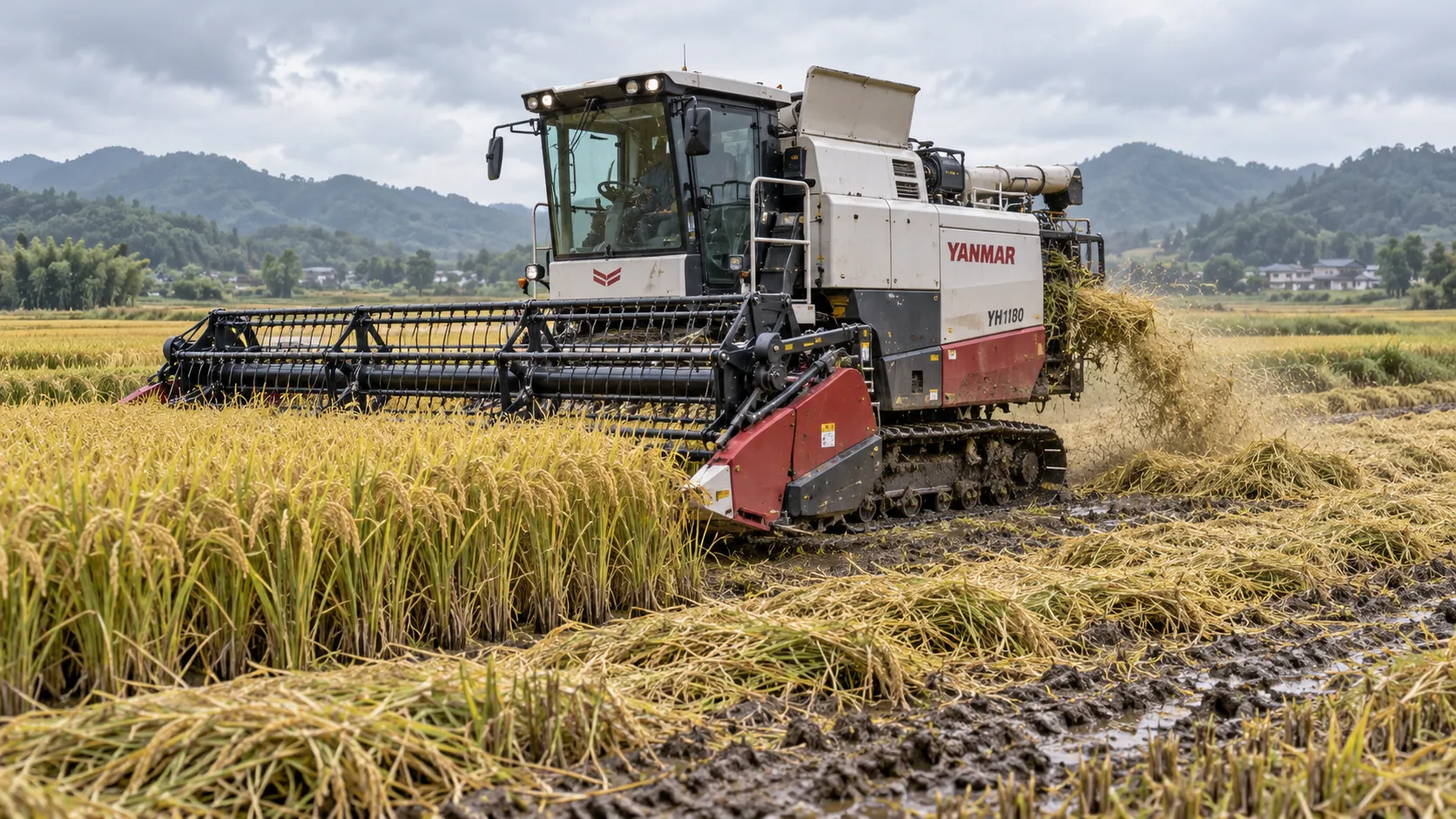
How to Specify Combine Harvester Systems for High-Moisture Grain and Variable Field Conditions
Combine harvester systems for high-moisture grain: learn how to specify threshing, cleaning, headers, traction, and automation for reliable harvests in variable fields.
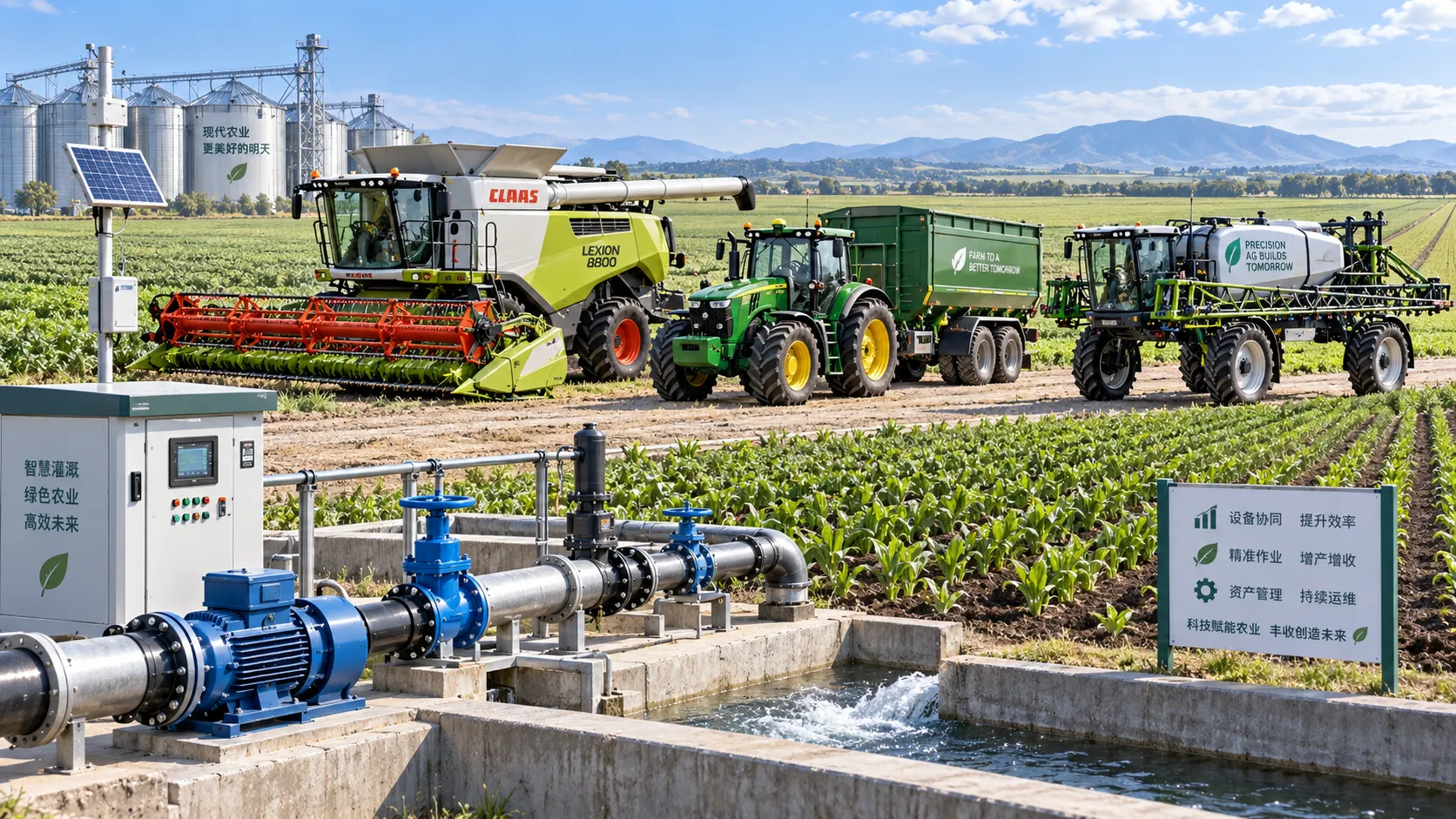
How to Compare Agricultural Equipment Platforms for Fleet Management and ROI
Agricultural equipment platform comparison: evaluate fleet data, maintenance, precision workflows, and ROI to choose a system that delivers measurable results.
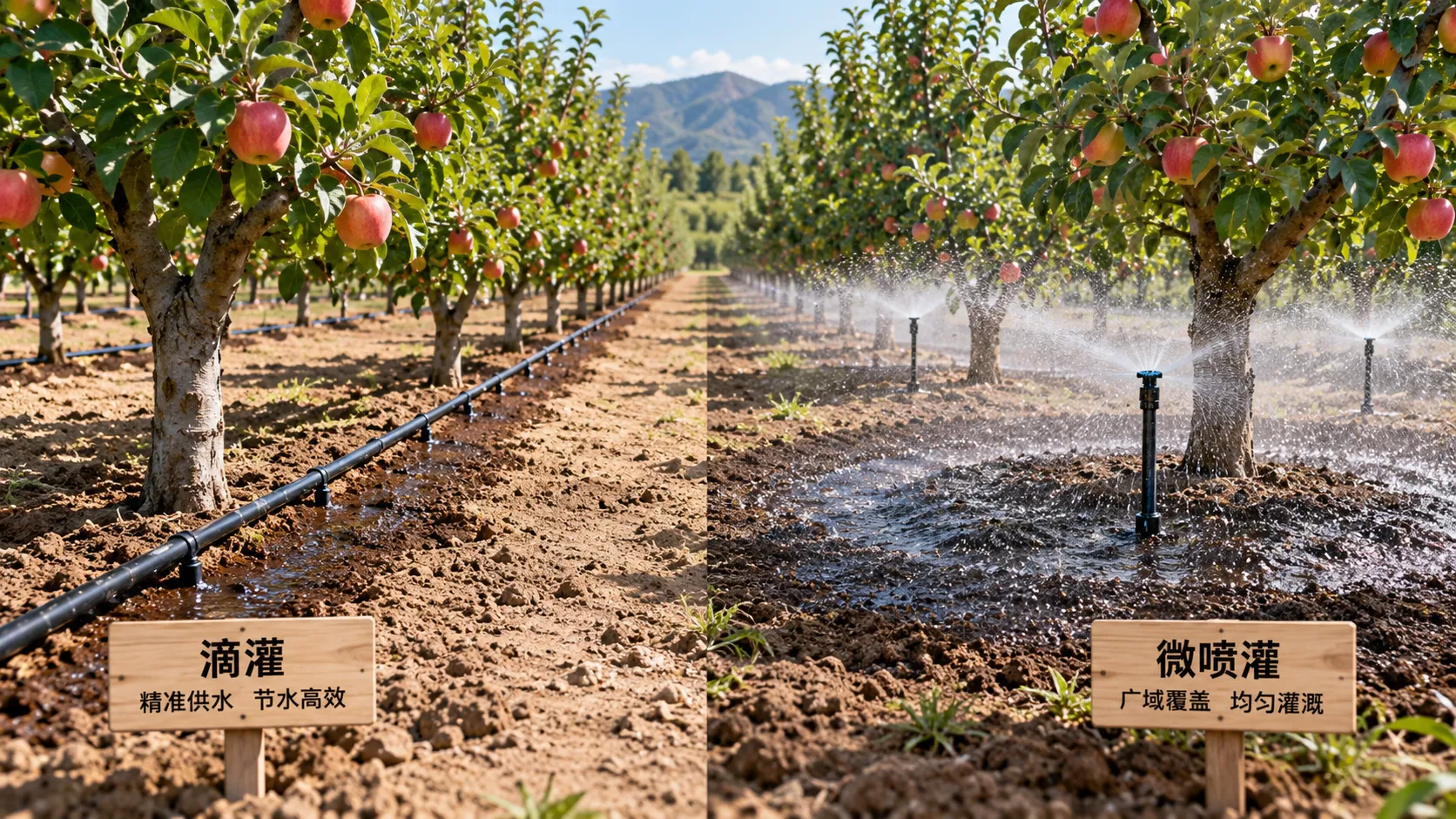
Drip vs. Micro-Sprinkler Irrigation: Which System Fits Your Orchard?
Irrigation solution comparison for orchards: discover whether drip or micro-sprinklers best match your water, soil, roots, fertigation, and frost needs.
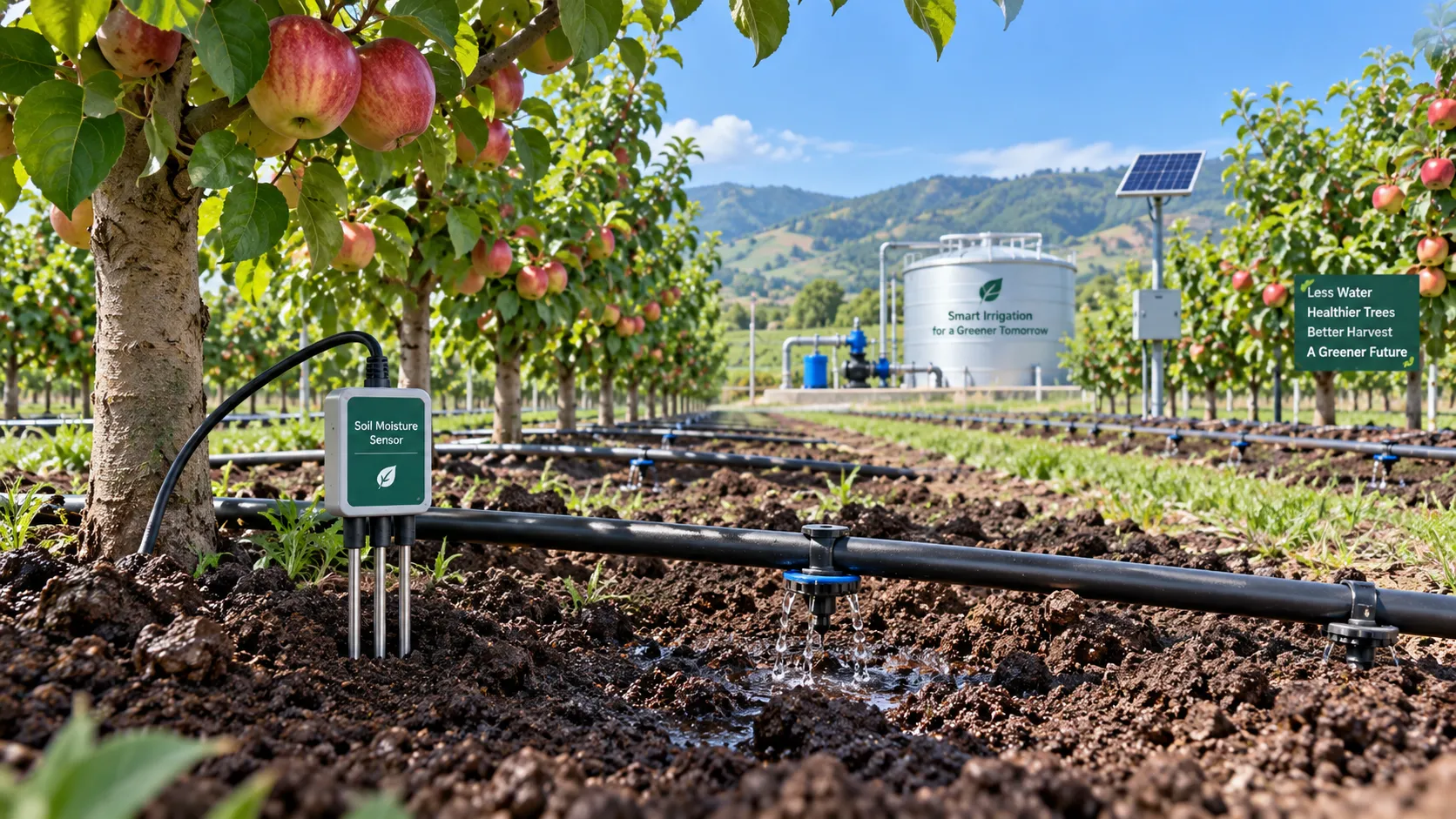
Orchard Water Management: Using Soil Moisture Data to Schedule Irrigation
Agricultural water management for orchards made practical: use soil moisture data to optimize irrigation timing, protect yield, reduce costs, and improve resilience.
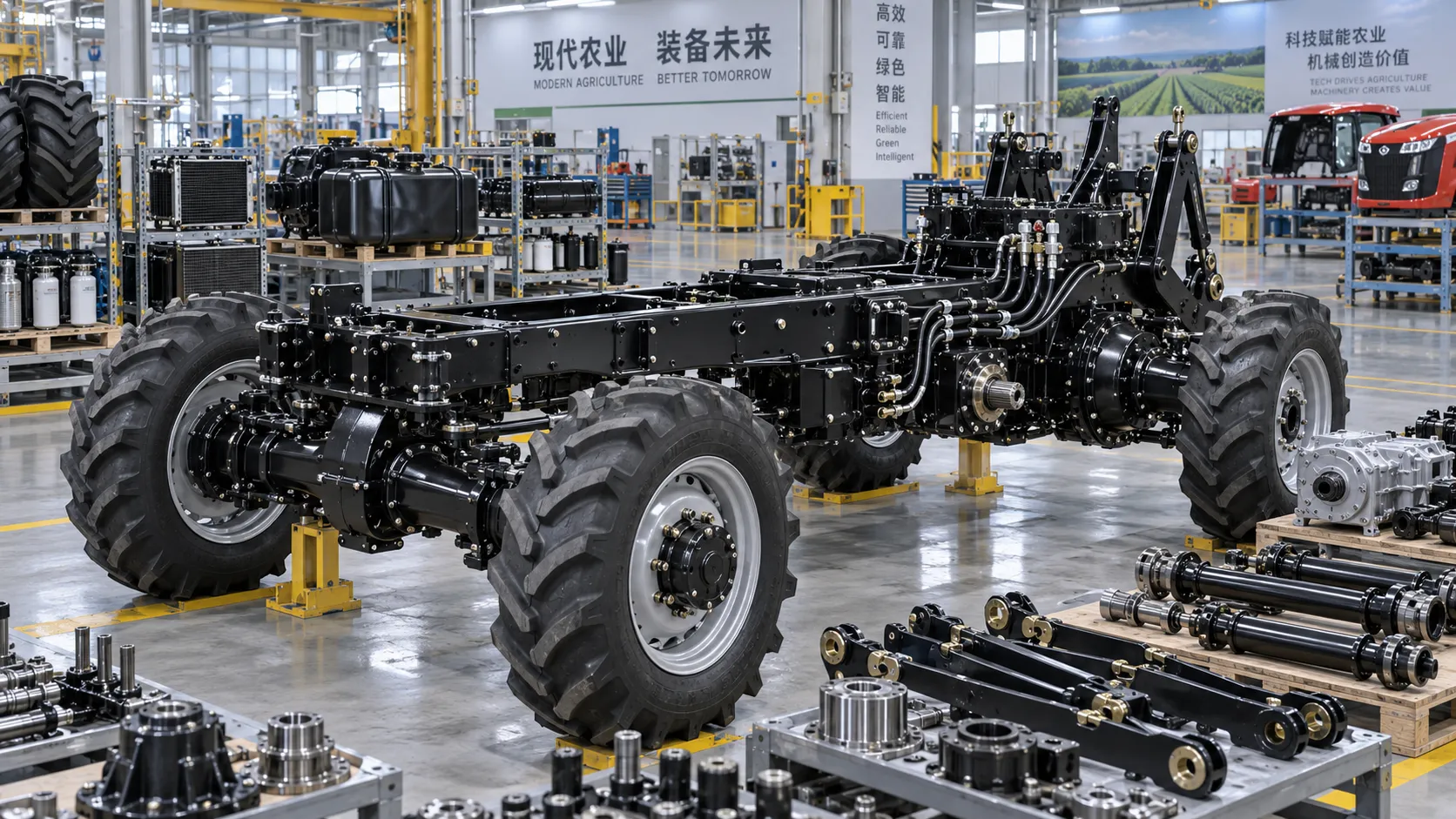
Tractor Chassis Price: What Buyers Should Compare Beyond the Initial Quote
Tractor chassis price is only the start. Compare load capacity, compatibility, durability, and lifecycle costs to choose a reliable, high-value chassis.
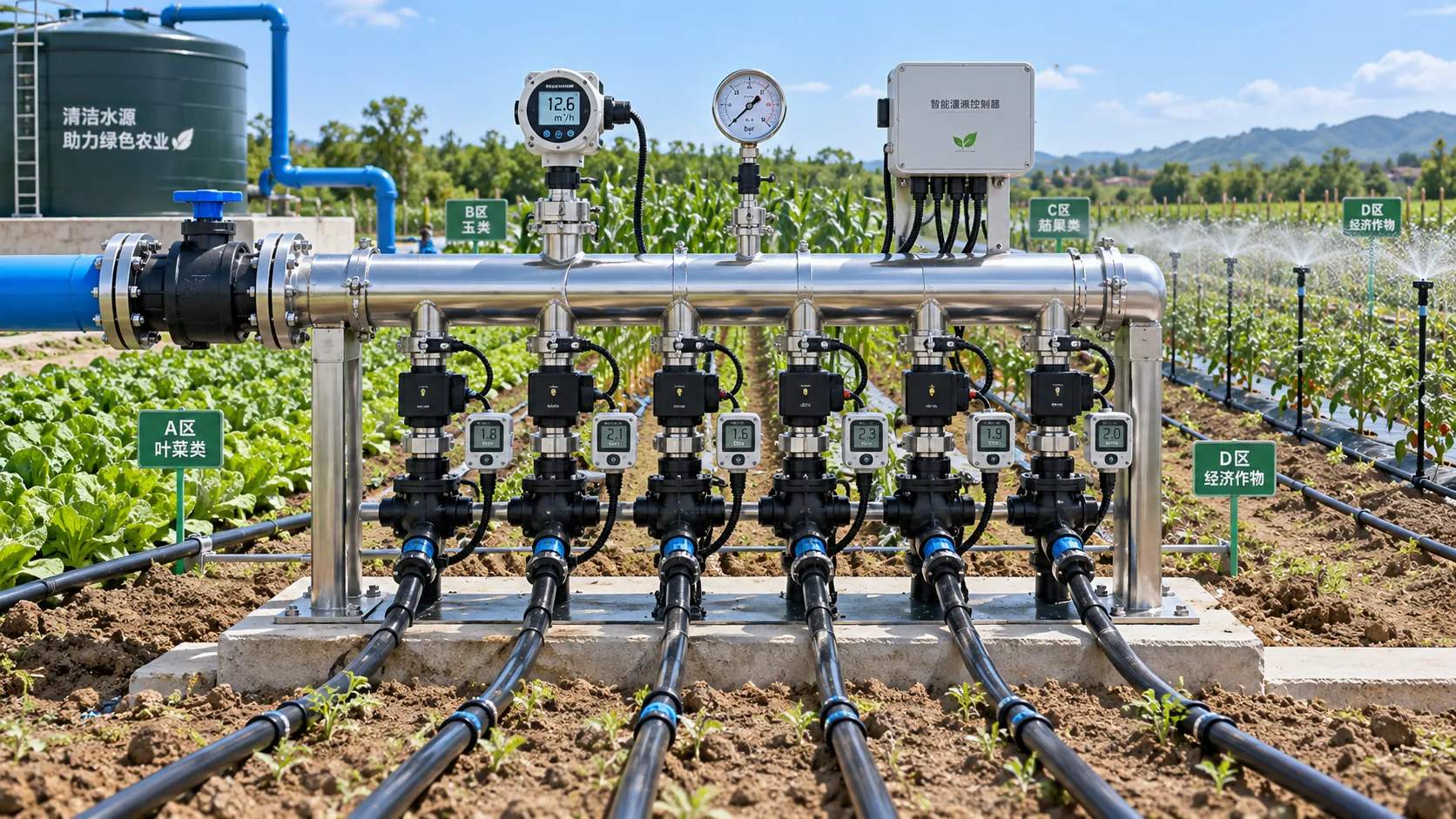
How to Select Smart Irrigation Valves for Multi-Zone Water Management?
Intelligent irrigation systems valves: learn how to match smart valves with multi-zone flow, pressure, control, feedback, and communication needs for reliable water management.
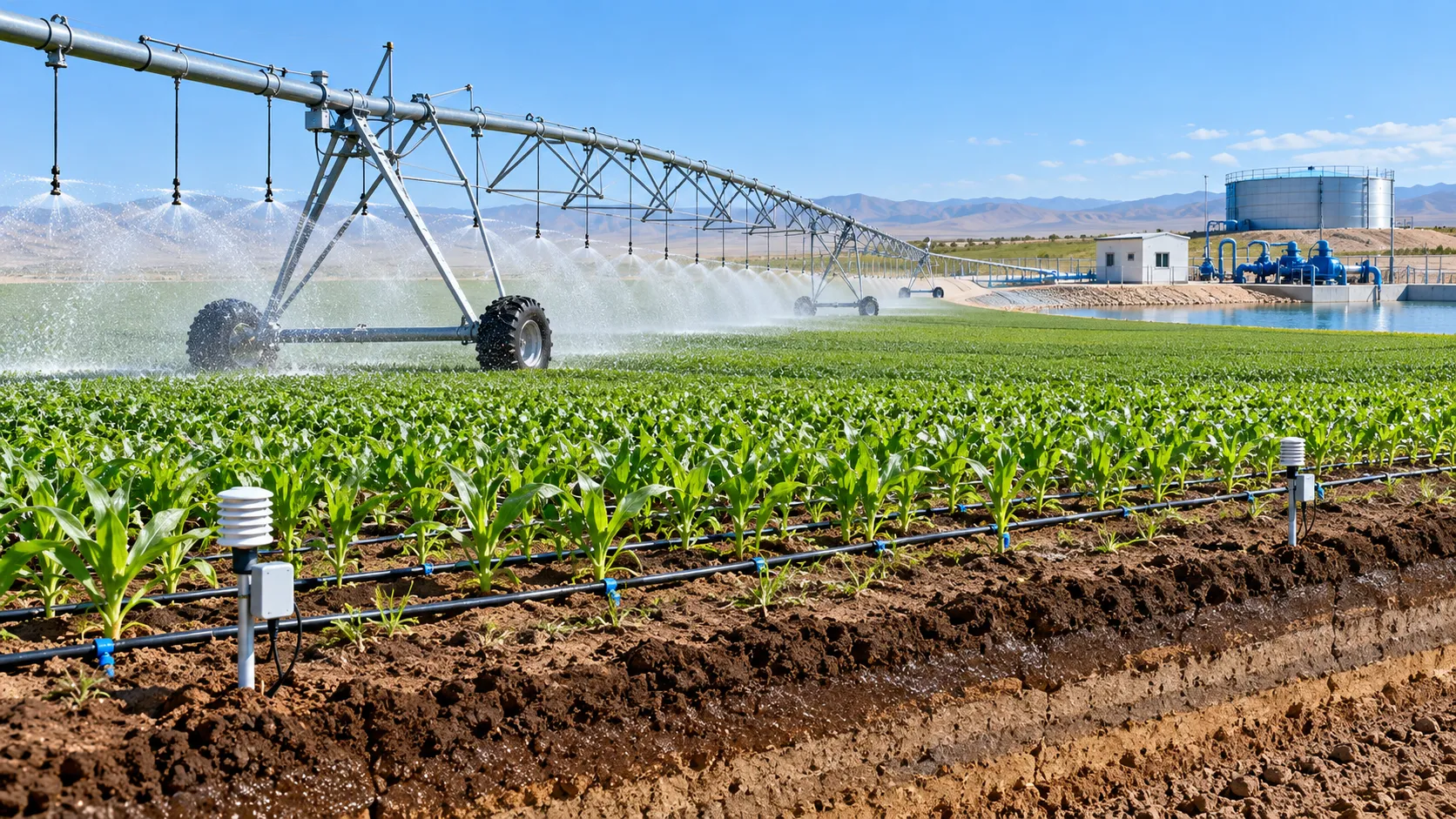
Climate-Smart Farming for Drought: A Practical Plan for Protecting Yields
Climate-smart farming for drought: build smarter water budgets, protect critical crop stages, improve irrigation uniformity, and safeguard yields with practical field-proven strategies.
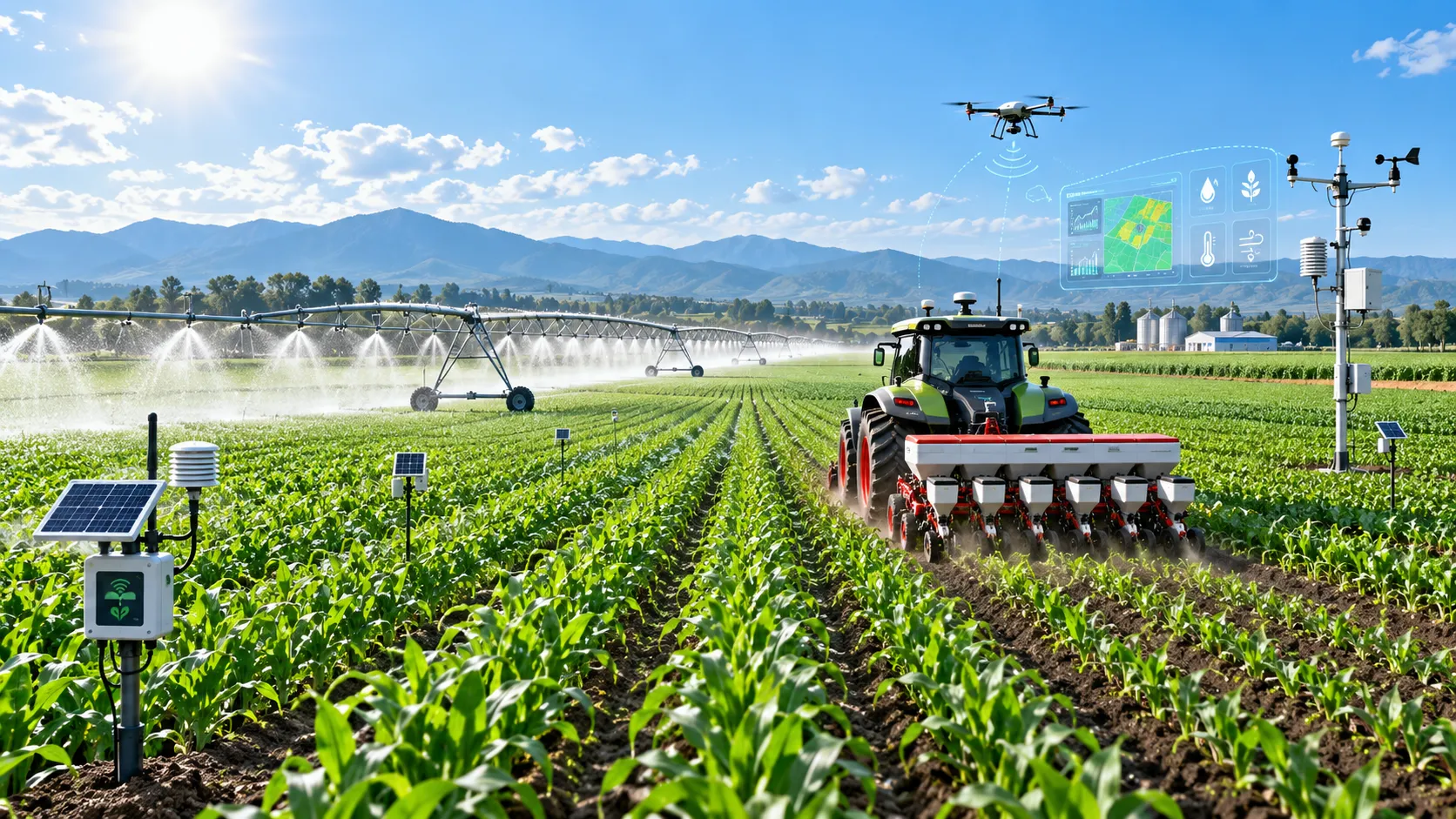
How Digital Agriculture Platforms Turn Field Data Into Better Input Decisions
Digital agriculture platforms turn field data into smarter fertilizer, water, seed, and equipment decisions—helping farms cut risk, improve margins, and scale sustainability.
Related News
- 00
0000-00
How to Compare Agricultural Equipment Platforms for Fleet Management and ROI - 00
0000-00
Tractor Chassis Price: What Buyers Should Compare Beyond the Initial Quote - 00
0000-00
How Digital Agriculture Platforms Turn Field Data Into Better Input Decisions - 00
0000-00
When Does Agricultural Machinery Leasing Cost Less Than Owning Equipment? - 00
0000-00
Selecting Grain Farm Equipment by Acreage, Crop Mix, and Harvest Window
Popular Tags
Ms. Elena Rodriguez
Weekly Insights
Stay ahead with our curated technology reports delivered every Monday.