
Can climate-smart farming improve food security fast?
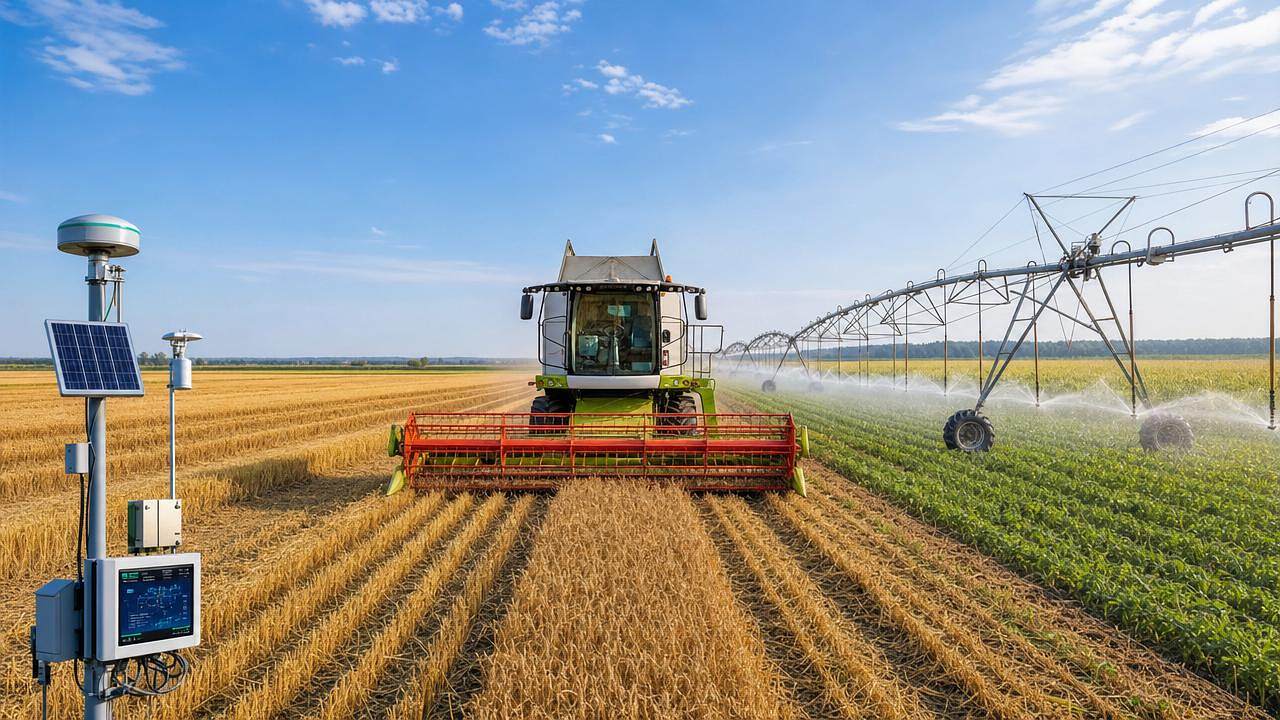




Can climate-smart farming improve food security fast? For researchers and decision-makers tracking resilient agriculture, understanding climate-smart farming practices for food security is now essential. From precision irrigation and data-led field operations to efficient harvesting systems, these approaches can reduce risk, protect yields, and strengthen supply chains—especially as climate pressure and resource constraints intensify across global farming systems.
Why climate-smart farming practices for food security are moving to the center of farm strategy
Food security is no longer shaped by yield alone. It now depends on water availability, harvest timing, fuel efficiency, labor access, post-harvest loss control, and the ability to adapt field operations to unstable weather. That is why climate-smart farming practices for food security are being discussed across both policy and equipment investment circles.
In practical terms, climate-smart agriculture combines agronomy, mechanization, sensing, and operational planning. It aims to raise productivity where possible, stabilize output under climate stress, and reduce waste across the production cycle. Fast improvement is possible in some systems, but only when decisions are tied to the right bottlenecks.
For information researchers, the hard question is not whether the concept sounds useful. The real question is which interventions create measurable short-term resilience, which require longer capital cycles, and how to compare machinery, irrigation, and digital tools without relying on vague claims.
- If drought is the main constraint, water-saving irrigation and field moisture intelligence often matter more than adding raw tractor power.
- If losses occur at harvest, combine performance, cleaning efficiency, and logistics timing may protect food availability faster than upstream input changes.
- If margins are tight, precision application and machine utilization rates can improve output stability without immediate full-system replacement.
What “fast” really means in resilient agriculture
Fast does not always mean a full seasonal transformation. In many markets, speed means reducing avoidable losses in the next crop cycle, improving irrigation response within one season, or shortening decision time for distributors and farm operators. Climate-smart farming practices for food security tend to deliver faster results when they target operational inefficiency rather than waiting for structural land reform or long breeding cycles.
Which climate-smart interventions deliver the quickest food security gains?
Not every intervention works at the same speed. Some actions protect output in months, while others build resilience over several seasons. For researchers comparing investment priorities, the table below highlights where climate-smart farming practices for food security often generate near-term impact.
The fastest results usually come from reducing avoidable losses rather than trying to redesign the whole farm at once. Harvest efficiency, irrigation timing, and field operation accuracy can all protect food supply quickly when climate stress is already affecting production.
Why mechanization still matters in climate-smart agriculture
Climate-smart farming is sometimes treated as a software topic. In reality, machines remain central. A precise irrigation command means little if water distribution is uneven. A field map has limited value if the implement cannot respond accurately. Food security improves faster when digital intelligence is matched with capable tractor chassis, efficient farm tools, and low-loss harvesting systems.
Application scenarios: where climate-smart farming practices for food security work best
The strongest use cases depend on local production risks. AP-Strategy’s focus on large-scale machinery, combine harvesting technology, and intelligent irrigation is especially relevant where climate variability disrupts timing, water efficiency, and operational coordination.
Water-stressed grain regions
In dry zones, climate-smart farming practices for food security often begin with water-saving irrigation systems, pressure management, and crop water demand forecasting. Smart networks that recycle water more efficiently can stabilize production when irrigation quotas tighten.
Large farms facing narrow harvest windows
When storms, heat spikes, or lodging risk compress the harvest period, combine throughput and cleaning performance become food security issues. Delays can turn standing crop into loss very quickly. Here, machine uptime and adaptive harvester settings directly influence usable output.
Input-cost-sensitive operations
Farms under fertilizer or fuel pressure often benefit from satellite-guided passes, implement precision, and transmission efficiency. These do not just save cost. They reduce wasted field actions and make yield outcomes less volatile under erratic weather patterns.
- Regions with labor shortages may prioritize automation support and easier operator workflows.
- Regions with fragmented weather risk may prioritize sensing, forecasting, and machine flexibility across different crops.
- Export-oriented producers may place more weight on traceability and water-use accountability.
How to compare solution paths: irrigation, harvesting, tractor platforms, and intelligent tools
Because climate-smart farming practices for food security cut across equipment and data systems, researchers often struggle to compare unlike categories. The next table is useful when screening where to start and what trade-offs to expect.
This comparison shows why no single machine category solves food security alone. The strongest climate-smart farming practices for food security usually come from linking operational data with the equipment layer that controls water, timing, and loss reduction.
A practical screening sequence for decision-makers
- Map the dominant loss point: water stress, planting delay, harvest loss, or distribution instability.
- Identify whether the problem is mechanical, data-related, agronomic, or a combination.
- Estimate the first season impact versus the multi-year capital requirement.
- Check operator readiness, maintenance capacity, spare parts access, and data integration burden.
What information researchers should ask before recommending procurement
A common mistake is to evaluate climate-smart farming practices for food security at the slogan level rather than the specification level. Researchers and procurement teams need a structured set of questions that connect resilience claims to field performance and commercial feasibility.
Core evaluation checklist
- What exact risk is being addressed: drought, heat, labor shortage, late harvesting, or rising input costs?
- Which metrics can be tracked in one season: water-use efficiency, field loss rate, overlap reduction, fuel use, or machine uptime?
- Does the solution require stable telemetry, sensor calibration, hydraulic adaptation, or platform compatibility?
- What is the operating environment: large open fields, mixed crop conditions, limited repair access, or restricted water infrastructure?
- How quickly can operators be trained to use the system without eroding seasonal timing?
These questions are where AP-Strategy’s intelligence model becomes valuable. Its sector tracking connects mechanical performance, precision farming algorithms, and sustainability demands, helping users judge whether a technology is strategically aligned or simply fashionable.
Costs, alternatives, and implementation risk: how to avoid slow returns
Fast gains can disappear if the project is mismatched to field conditions. Climate-smart farming practices for food security should therefore be assessed not only for technical promise, but also for deployment friction, service requirements, and upgrade pathways.
A lower-capex option may be retrofitting sensing, guidance, or irrigation controls into existing equipment rather than replacing entire platforms. In other cases, old machines cause so much loss or downtime that retrofit economics are weak. The right answer depends on utilization rate, field scale, and the value of protected output.
Common implementation risks
- Buying advanced systems before confirming spare parts, operator support, and calibration capability.
- Expecting digital recommendations to work without field-verified agronomic baselines.
- Treating water-saving claims as universal, even when distribution uniformity and pressure control are poor.
- Ignoring harvest logistics, even though grain loss often comes from timing and throughput gaps, not only from crop genetics.
Standards, compliance, and cross-border decision factors
In international agri-equipment markets, climate-smart farming practices for food security increasingly intersect with compliance expectations. While standards vary by region, decision-makers commonly review machinery safety, water system performance, environmental reporting, and data traceability requirements.
For global distributors and institutional buyers, this means resilience investments cannot be separated from documentation discipline. It is important to confirm operating specifications, maintenance documentation, local service support, and any applicable market-entry requirements before final selection.
Useful compliance-oriented checks
- Review whether the irrigation or machinery system can provide consistent operating records for performance assessment.
- Confirm whether local power, water pressure, field dimensions, and crop types fit the stated design envelope.
- Check whether installation, training, and after-sales pathways match the season’s operational timetable.
FAQ: practical questions about climate-smart farming practices for food security
Can climate-smart farming improve food security in one season?
Yes, in specific areas. Irrigation optimization, better harvest loss control, and improved field operation accuracy can show visible effects within one season. Broader soil rehabilitation or major infrastructure shifts usually take longer. The key is choosing interventions that directly address the current production bottleneck.
Which farms benefit first from climate-smart farming practices for food security?
Operations with recurring water stress, short harvest windows, high machinery utilization, or major input inefficiencies often benefit first. Large-scale farms can capture gains faster because timing, overlap, and loss reduction translate into larger absolute volumes of protected output.
What should buyers compare when selecting between irrigation and harvesting investments?
Compare where the current system loses the most usable food value. If crops fail or underperform from water stress, irrigation may deserve priority. If production is acceptable but grain is lost during harvest, combine optimization may create faster returns. Researchers should compare timing sensitivity, loss rates, service support, and seasonal payback logic.
Are digital tools enough without machinery upgrades?
Not always. Digital tools improve decisions, but execution still depends on the machine layer. If the tractor platform cannot hold stable operations, or if the harvester cannot adapt to crop conditions, data alone will not protect output. The strongest results come from matching analytics with mechanical capability.
Why AP-Strategy is a useful intelligence partner for this decision
AP-Strategy is built for decision environments where food security, mechanization, and sustainability overlap. Its coverage spans large-scale agri-machinery, combine harvesters, tractor chassis, intelligent farm tools, and water-saving irrigation systems—the exact categories that shape how climate-smart farming practices for food security perform in the real world.
What makes that useful for information researchers is the integration of commercial insight with technical interpretation. Instead of viewing climate-smart agriculture only through policy language, AP-Strategy tracks the machinery, algorithms, and market shifts that determine whether a solution can scale, deliver, and remain commercially practical.
If you are evaluating parameters, comparing solution paths, or narrowing procurement priorities, AP-Strategy can support discussions around equipment selection, irrigation architecture, harvesting efficiency, delivery timing, adaptation to local crop systems, and practical implementation risk. You can also explore topics such as specification confirmation, solution matching, service expectations, compliance-oriented documentation, and longer-cycle investment planning across the Agriculture 4.0 transition.
Related News
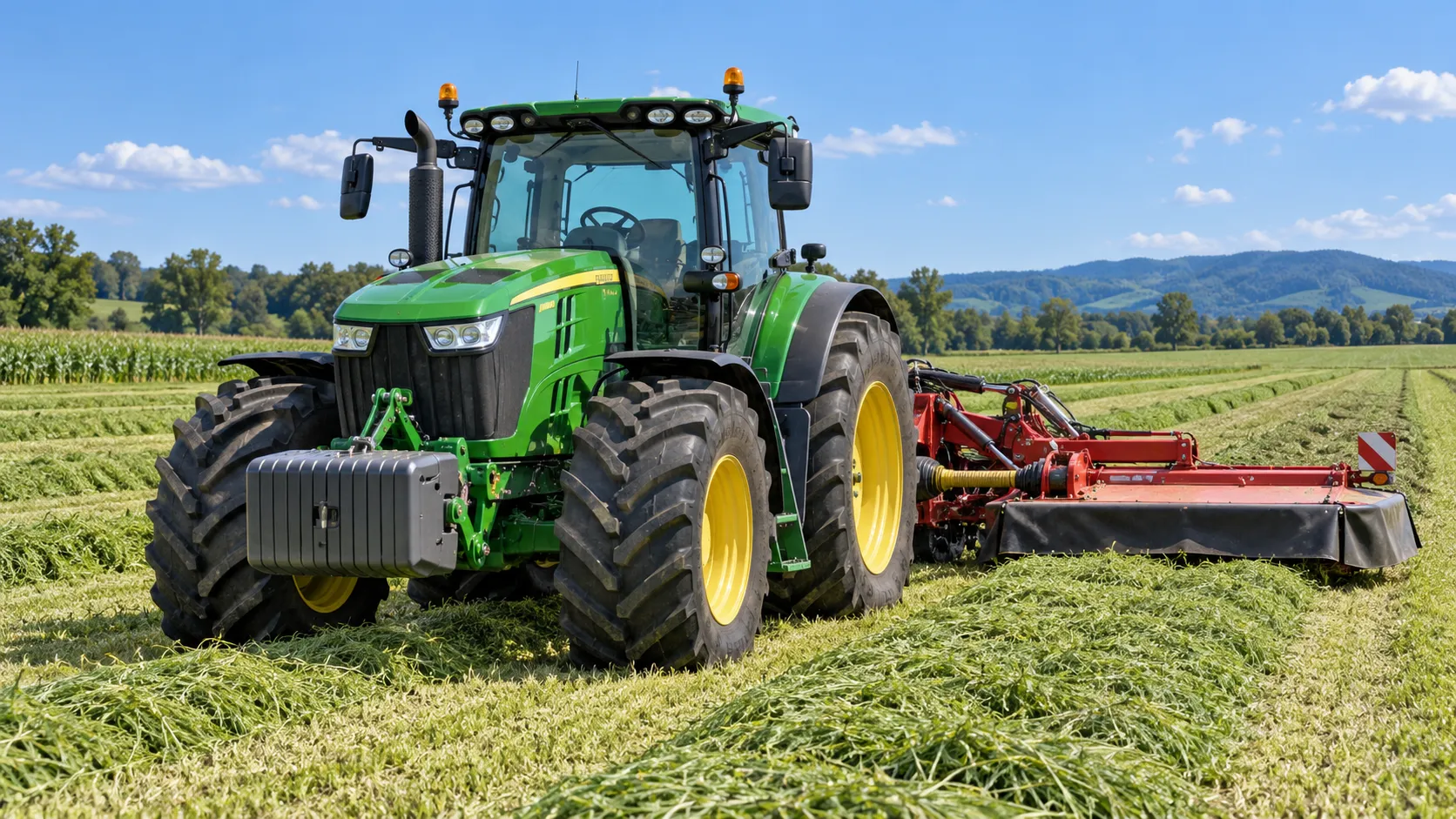
Tractor Specification Sheets: Matching PTO, Hydraulics, and Weight to Farm Tasks
Specification-oriented articles for tractors: match PTO, hydraulics, lift capacity, ballast, and weight to real farm tasks for safer, more efficient equipment choices.
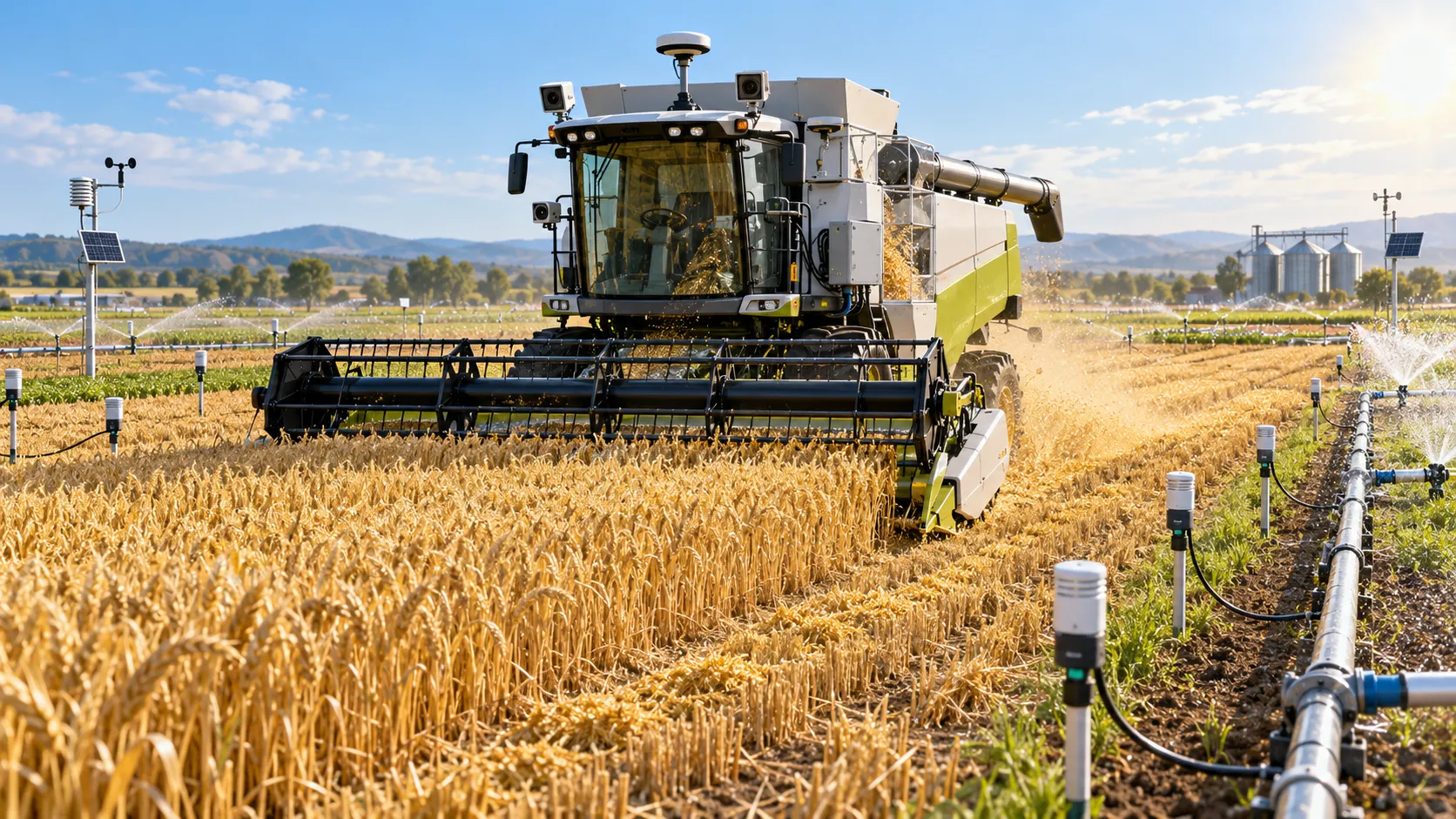
How to Evaluate Dynamic Feedback Algorithm Suppliers for Precision Farming Systems
Dynamic feedback algorithms supplier evaluation guide for precision farming—compare validation, integration, safety, and pilots to choose with confidence.
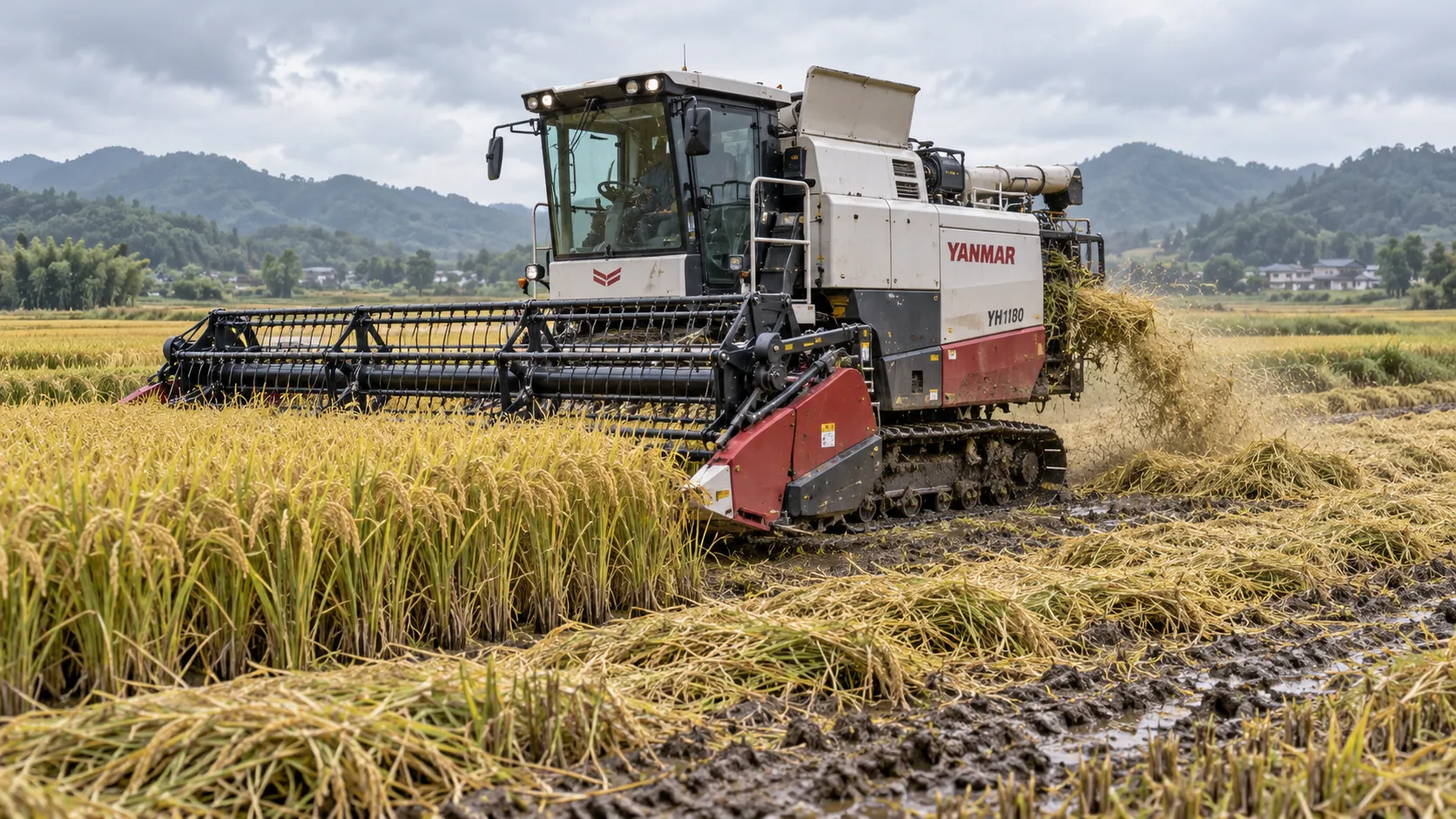
How to Specify Combine Harvester Systems for High-Moisture Grain and Variable Field Conditions
Combine harvester systems for high-moisture grain: learn how to specify threshing, cleaning, headers, traction, and automation for reliable harvests in variable fields.
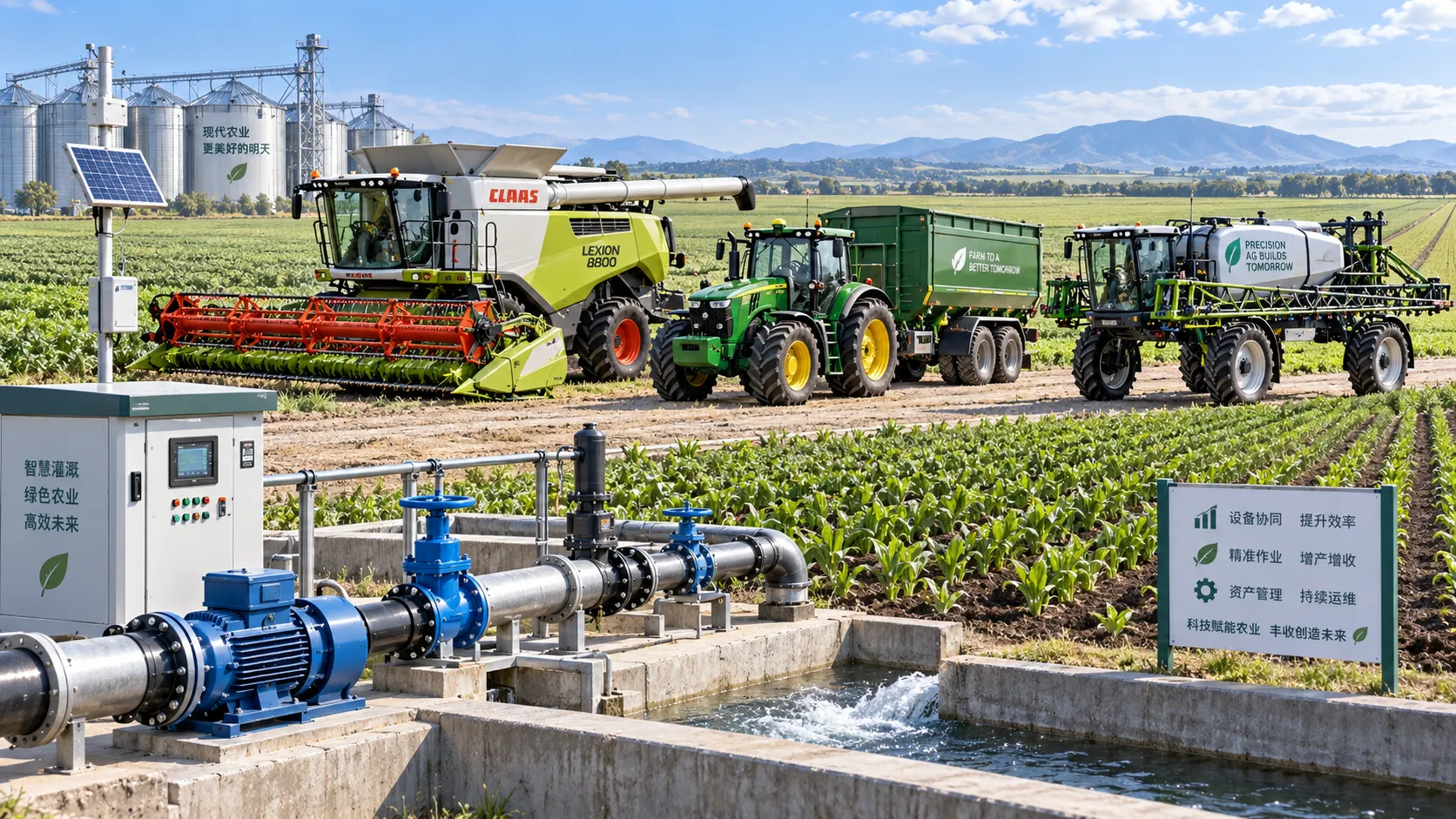
How to Compare Agricultural Equipment Platforms for Fleet Management and ROI
Agricultural equipment platform comparison: evaluate fleet data, maintenance, precision workflows, and ROI to choose a system that delivers measurable results.
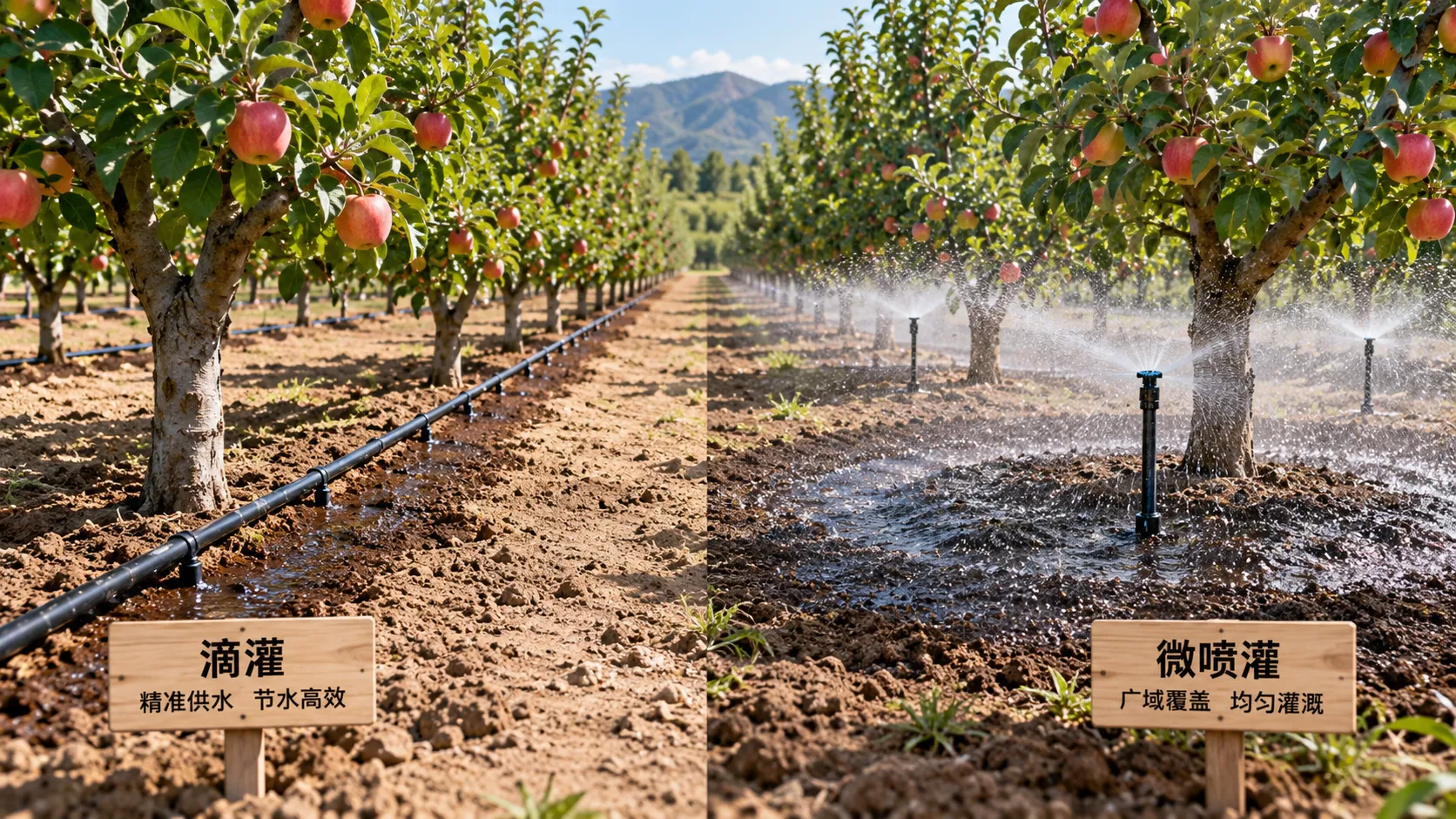
Drip vs. Micro-Sprinkler Irrigation: Which System Fits Your Orchard?
Irrigation solution comparison for orchards: discover whether drip or micro-sprinklers best match your water, soil, roots, fertigation, and frost needs.
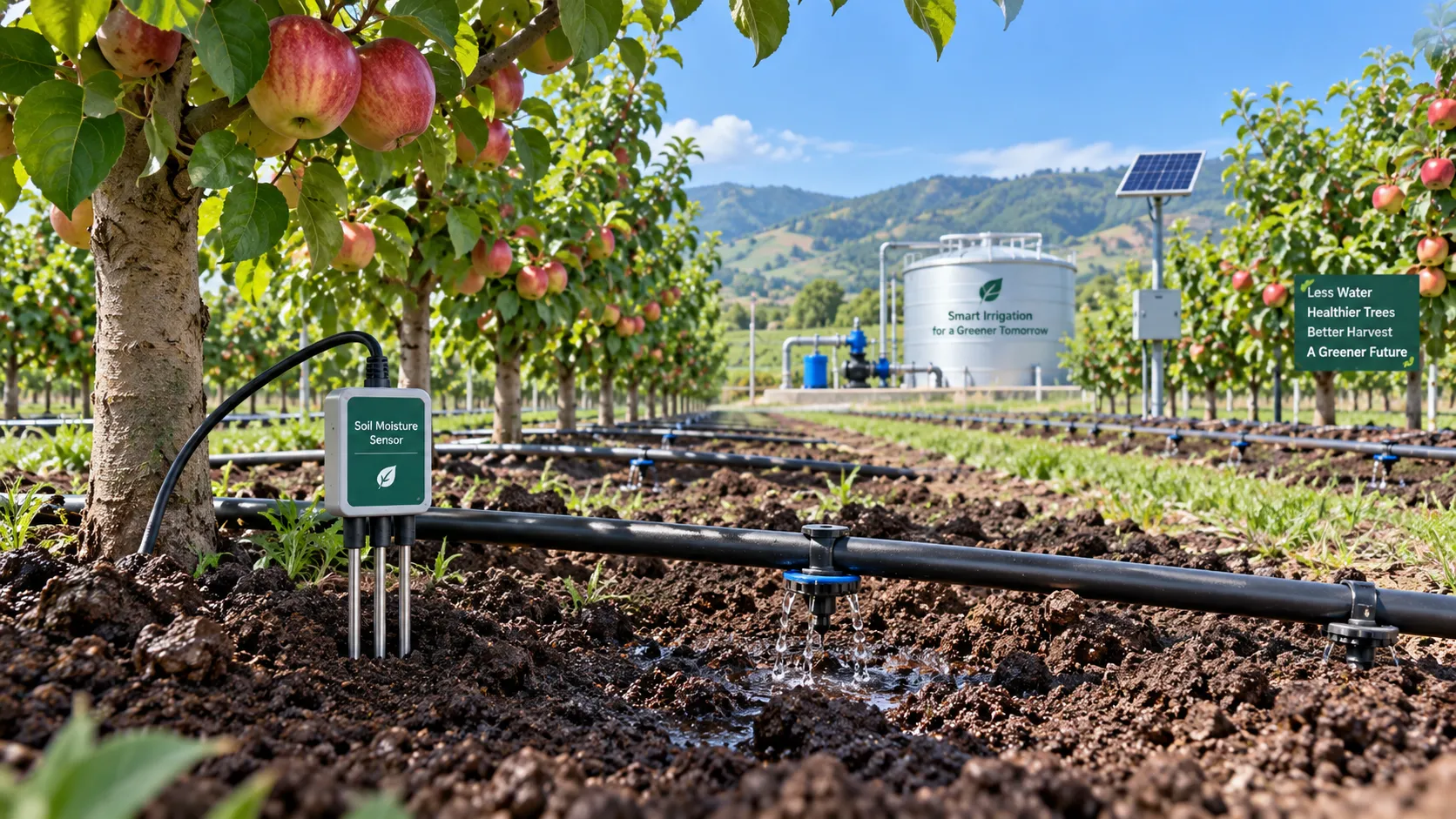
Orchard Water Management: Using Soil Moisture Data to Schedule Irrigation
Agricultural water management for orchards made practical: use soil moisture data to optimize irrigation timing, protect yield, reduce costs, and improve resilience.
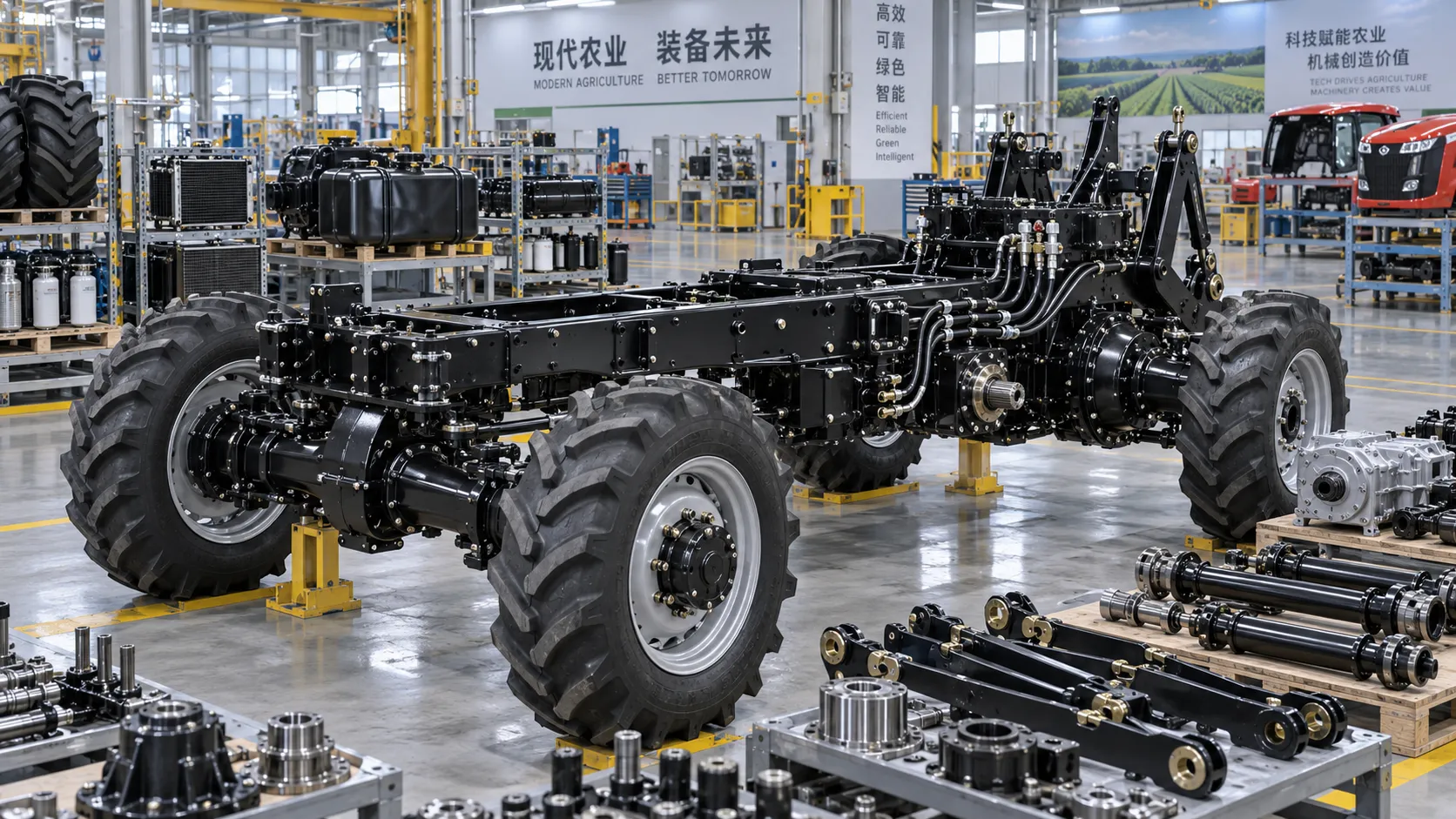
Tractor Chassis Price: What Buyers Should Compare Beyond the Initial Quote
Tractor chassis price is only the start. Compare load capacity, compatibility, durability, and lifecycle costs to choose a reliable, high-value chassis.
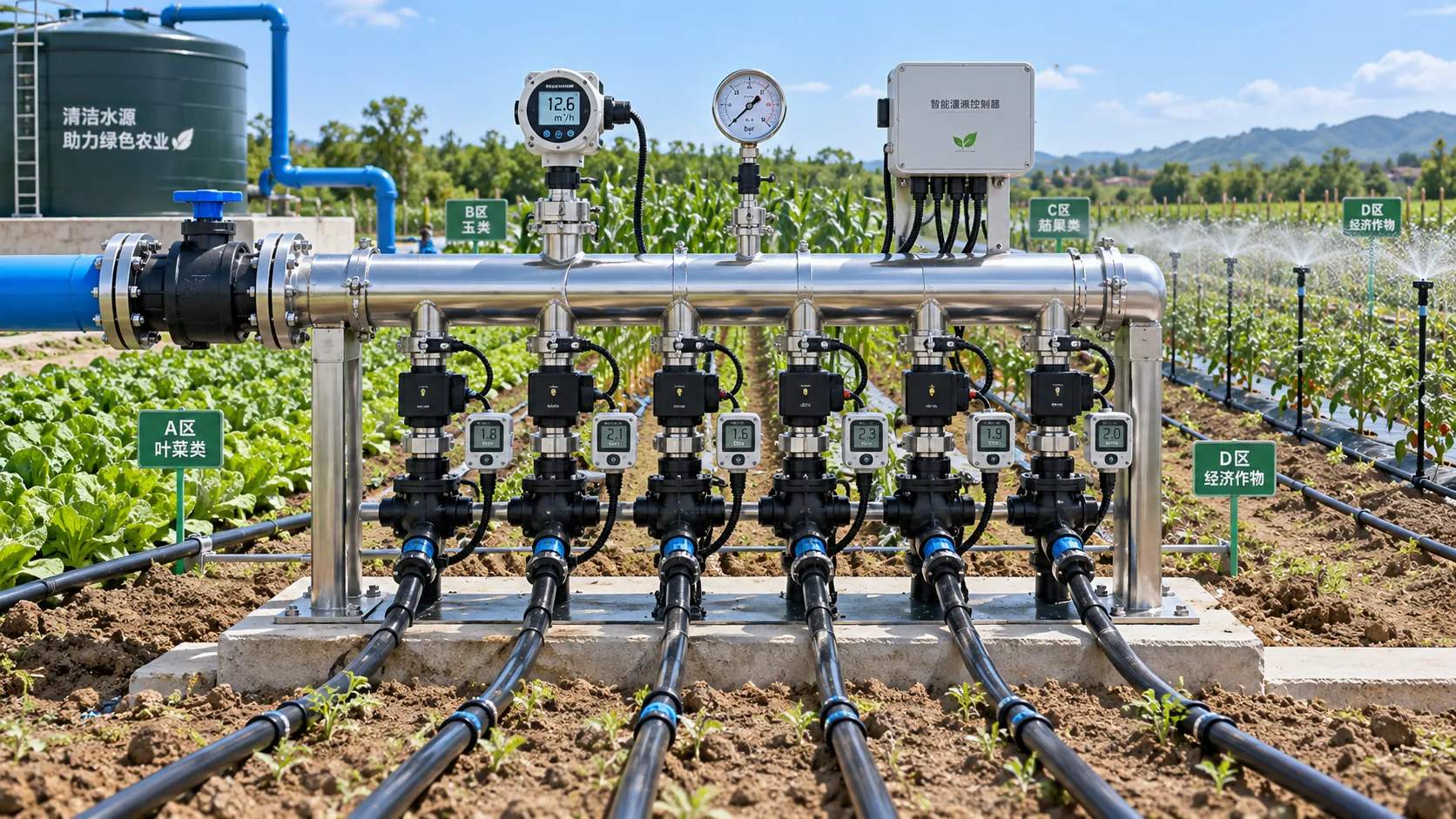
How to Select Smart Irrigation Valves for Multi-Zone Water Management?
Intelligent irrigation systems valves: learn how to match smart valves with multi-zone flow, pressure, control, feedback, and communication needs for reliable water management.
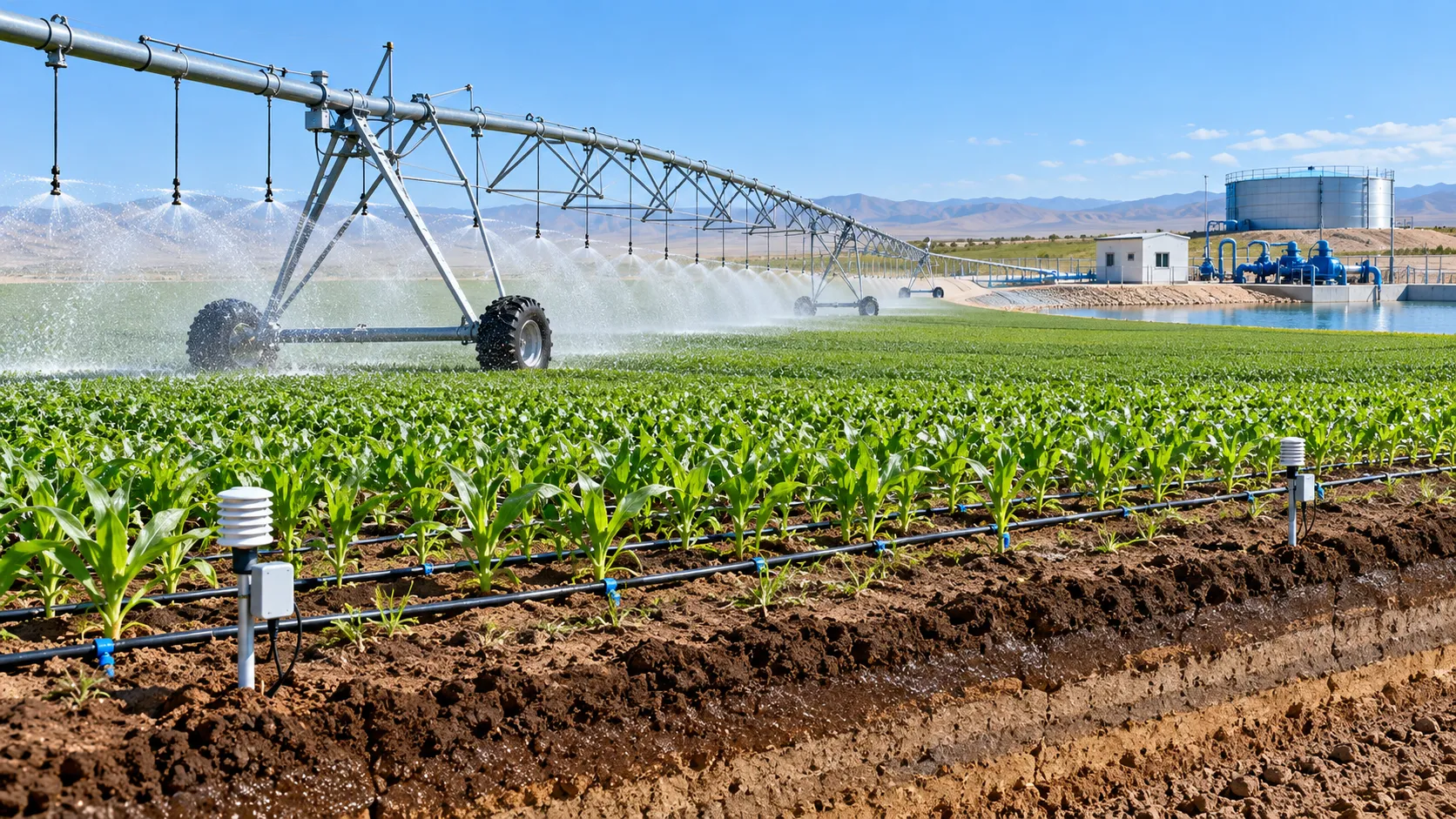
Climate-Smart Farming for Drought: A Practical Plan for Protecting Yields
Climate-smart farming for drought: build smarter water budgets, protect critical crop stages, improve irrigation uniformity, and safeguard yields with practical field-proven strategies.
Related News
- 00
0000-00
Tractor Specification Sheets: Matching PTO, Hydraulics, and Weight to Farm Tasks - 00
0000-00
How to Compare Agricultural Equipment Platforms for Fleet Management and ROI - 00
0000-00
Tractor Chassis Price: What Buyers Should Compare Beyond the Initial Quote - 00
0000-00
How Digital Agriculture Platforms Turn Field Data Into Better Input Decisions - 00
0000-00
When Does Agricultural Machinery Leasing Cost Less Than Owning Equipment?
Popular Tags
Ms. Elena Rodriguez
Weekly Insights
Stay ahead with our curated technology reports delivered every Monday.