
Is agri-machinery intelligence worth the upgrade cost?
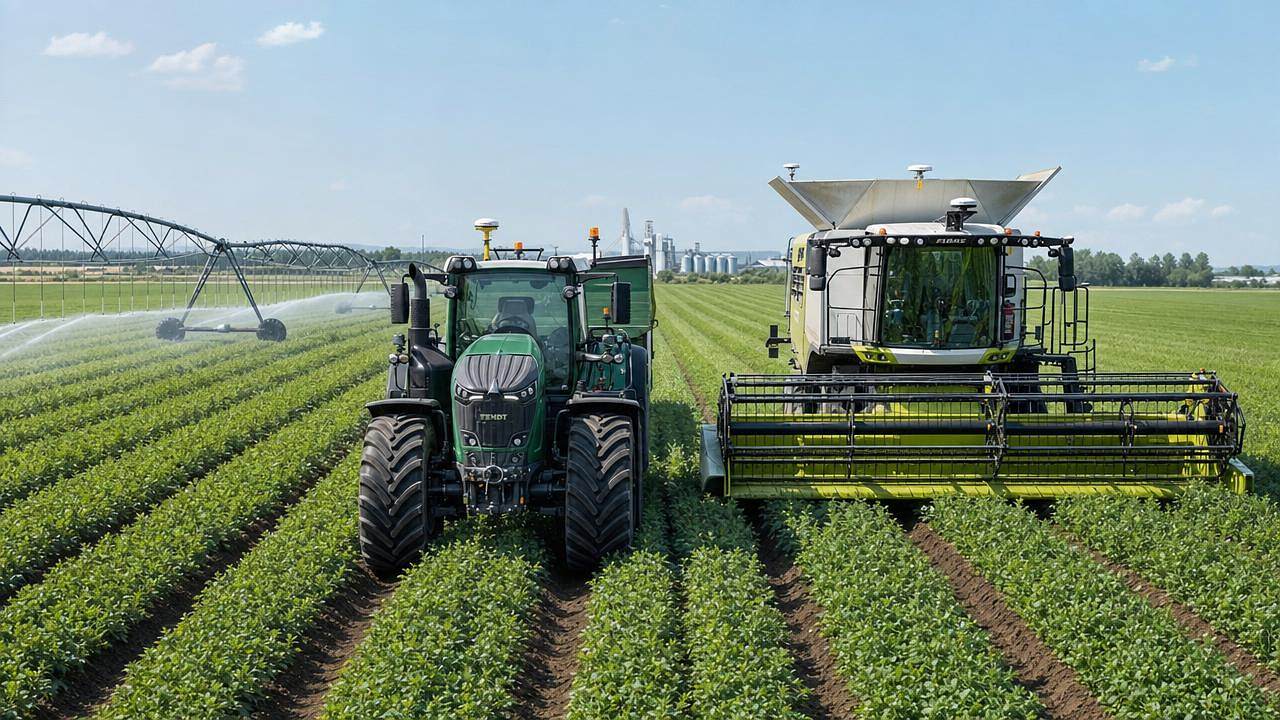




For finance approvers, the question is not whether innovation sounds promising, but whether agri-machinery intelligence can deliver measurable ROI, lower operating risk, and protect long-term asset value.
As large-scale farming faces tighter margins, labor pressure, and sustainability demands, understanding upgrade cost is essential for confident capital decisions.
This guide explains when agri-machinery intelligence is worth paying for, where returns come from, and what risks deserve attention before approval.
What does agri-machinery intelligence actually include?
Agri-machinery intelligence is more than adding screens, sensors, or automation labels to equipment.
It combines hardware, software, connectivity, and decision support into one operating system for field work.
Typical functions include auto-steering, section control, telematics, variable-rate application, predictive maintenance, yield mapping, and machine-to-machine coordination.
In tractors and harvesters, agri-machinery intelligence often links engine load, hydraulic response, GPS position, and operator inputs.
In irrigation, it may connect soil moisture data, weather forecasts, pressure management, and remote valve control.
The value comes from turning field variability into repeatable actions, not from digital features alone.
- Guidance systems reduce overlap and missed strips.
- Sensors improve timing for spraying, seeding, and irrigation.
- Remote diagnostics shorten downtime and service delays.
- Data platforms improve planning across seasons.
Where does the upgrade cost come from?
The purchase price is only one part of the total cost of agri-machinery intelligence.
A reliable assessment should include direct, indirect, and recurring expenses.
Direct capital cost
This includes smart controllers, displays, sensors, cameras, connectivity modules, automated steering kits, and software-enabled machine packages.
Integration cost
Legacy equipment may need harness changes, calibration work, hydraulic adaptation, or ISOBUS compatibility checks.
Operational adoption cost
Training, workflow redesign, data management, and support time can affect the first season more than expected.
Subscription and maintenance cost
Telematics access, cloud storage, software updates, correction signals, and cyber protection may involve annual fees.
If the business case ignores these layers, the economics of agri-machinery intelligence can look stronger than reality.
How can agri-machinery intelligence generate measurable ROI?
Return usually comes from five areas: input savings, labor efficiency, yield protection, lower downtime, and stronger asset utilization.
1. Input savings
Auto section control reduces overlap in fertilizer, spray, and seed application.
Variable-rate tools target field zones more accurately, limiting waste and supporting more consistent crop response.
2. Labor productivity
Guidance and automation reduce fatigue, simplify repeat operations, and help maintain output during labor shortages.
3. Yield protection
Smart irrigation and timely machine alerts support better crop conditions during narrow application windows.
Combine optimization can also reduce grain loss in variable moisture and residue conditions.
4. Downtime reduction
Predictive maintenance identifies abnormal temperatures, pressures, or wear trends before failures stop work.
5. Resale and financing impact
Machines with current digital capability can preserve marketability better than outdated units in some regions.
Still, ROI is strongest when agri-machinery intelligence matches acres, crops, terrain complexity, and management discipline.
When is the upgrade worth it, and when is it not?
The answer depends on operational scale, field variability, labor availability, and how often the machine runs near capacity.
Usually worth the upgrade
- Large acre operations with repeated passes each season.
- Mixed field conditions requiring constant adjustment.
- High-value crops sensitive to timing and input precision.
- Water-stressed areas where smart irrigation saves meaningful cost.
- Operations facing chronic labor shortages or skill variation.
May not justify full investment yet
- Low annual machine hours with limited field complexity.
- Operations lacking connectivity, support access, or trained users.
- Very short ownership cycles where subscription value is underused.
- Cases where basic maintenance issues remain unresolved.
In those situations, partial upgrades may outperform a full digital package.
What risks and hidden mistakes should be checked before approval?
The biggest mistake is treating agri-machinery intelligence as a universal shortcut to efficiency.
Technology improves decisions, but weak process control can still destroy value.
Common risks
- Poor data quality leading to wrong prescriptions.
- Incompatible platforms between machine brands.
- Overbuying features rarely used in real field operations.
- Underestimating training time during peak season.
- Cybersecurity gaps in connected fleet systems.
Practical checks
Confirm interoperability first. Then review service response time, update policies, and local support capability.
Ask whether reports can be exported, whether data ownership is clear, and whether the system keeps working offline.
Strong agri-machinery intelligence should reduce dependency risk, not create a new one.
How should the upgrade decision be evaluated step by step?
A useful decision model compares expected savings with total ownership cost across three to five seasons.
- List target outcomes, such as lower overlap, fewer breakdowns, or reduced water use.
- Estimate annual savings using actual field passes, labor rates, and input prices.
- Add all costs, including subscriptions, training, integration, and service coverage.
- Stress-test assumptions with weak, average, and strong adoption scenarios.
- Prioritize upgrades with the shortest payback and clearest operational impact.
This approach avoids buying intelligence because the market trend feels unavoidable.
FAQ summary table: how to judge agri-machinery intelligence quickly?
Final answer: is agri-machinery intelligence worth the upgrade cost?
Agri-machinery intelligence is worth the upgrade cost when it solves a specific operational bottleneck and produces traceable savings.
It is less compelling when the investment is driven by feature appeal, weak adoption planning, or unclear support conditions.
The strongest cases appear in high-utilization fleets, precision-sensitive applications, and water-constrained environments.
A disciplined review should compare payback, reliability impact, and long-term flexibility before approval.
For a smarter next step, evaluate one machine category first, measure seasonal gains, and expand only after verified field results.
Related News
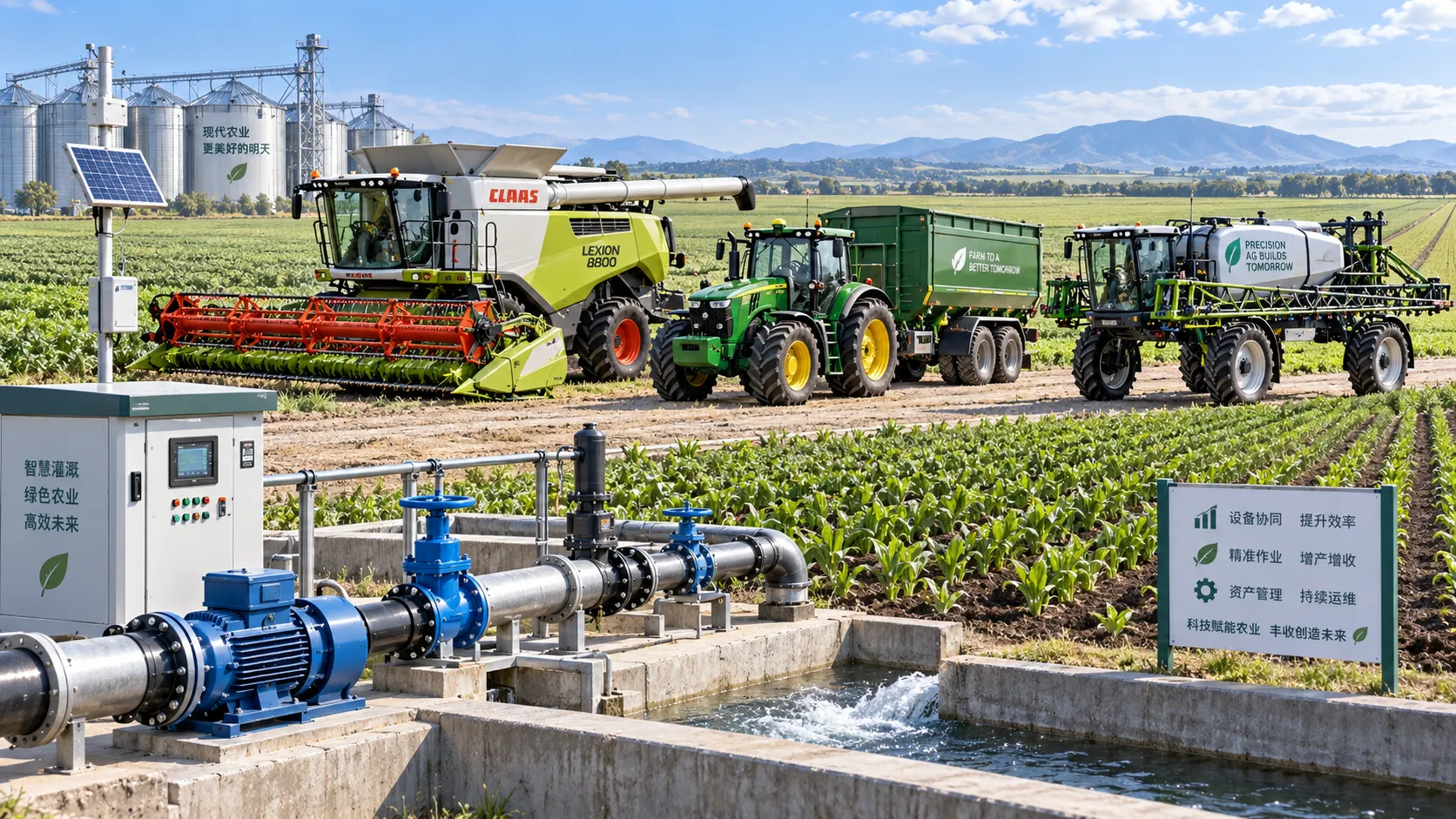
How to Compare Agricultural Equipment Platforms for Fleet Management and ROI
Agricultural equipment platform comparison: evaluate fleet data, maintenance, precision workflows, and ROI to choose a system that delivers measurable results.
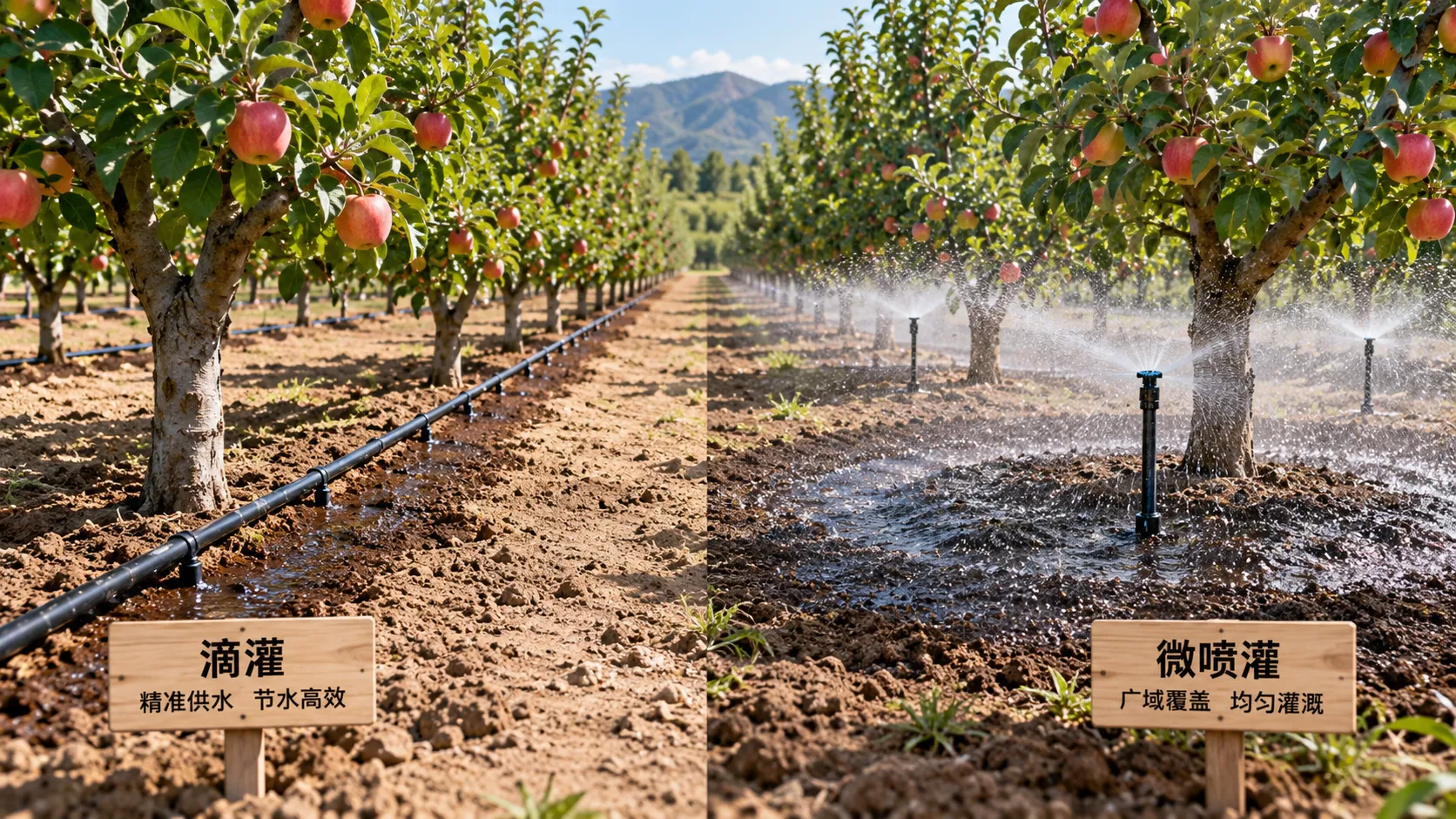
Drip vs. Micro-Sprinkler Irrigation: Which System Fits Your Orchard?
Irrigation solution comparison for orchards: discover whether drip or micro-sprinklers best match your water, soil, roots, fertigation, and frost needs.
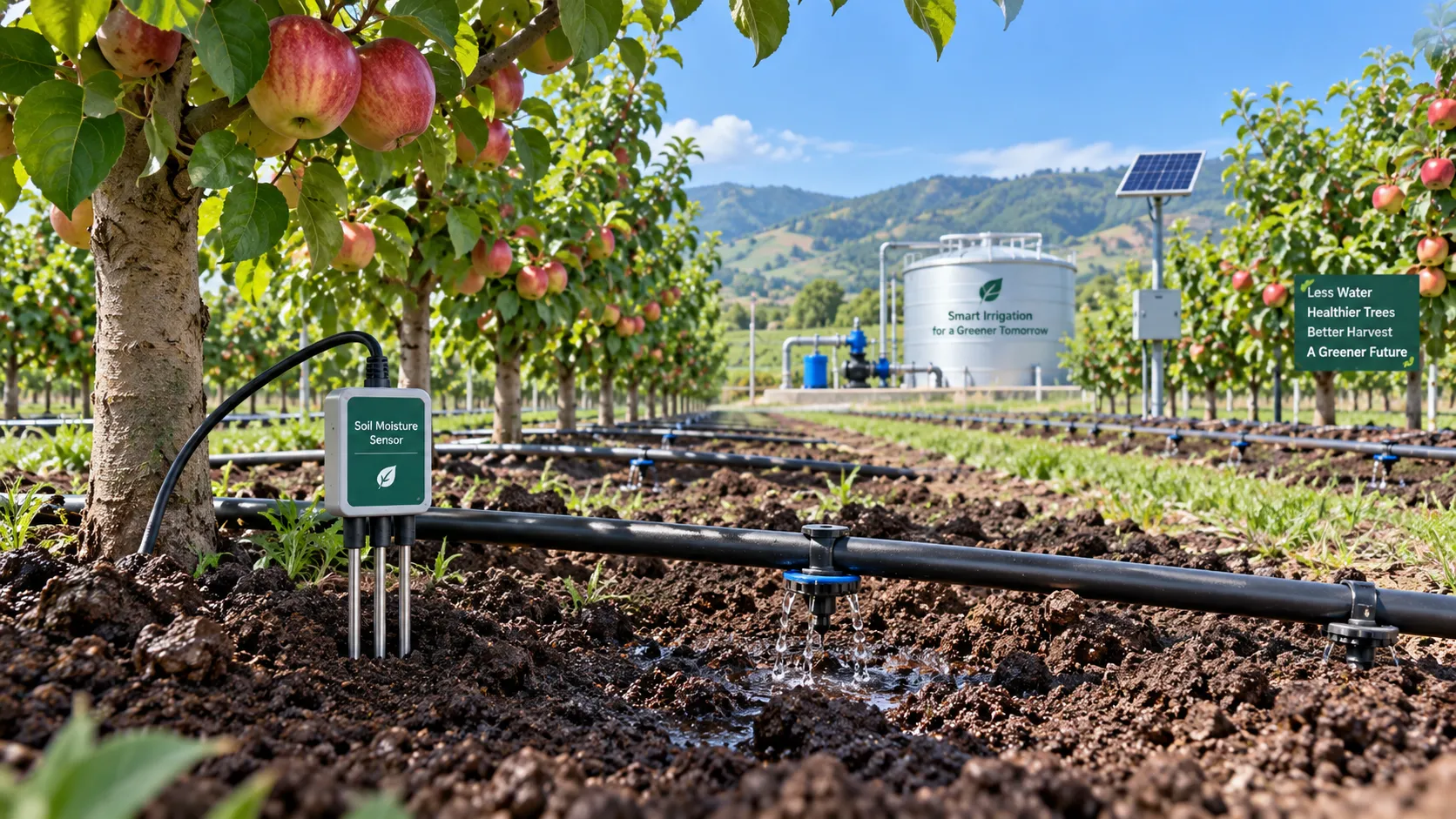
Orchard Water Management: Using Soil Moisture Data to Schedule Irrigation
Agricultural water management for orchards made practical: use soil moisture data to optimize irrigation timing, protect yield, reduce costs, and improve resilience.
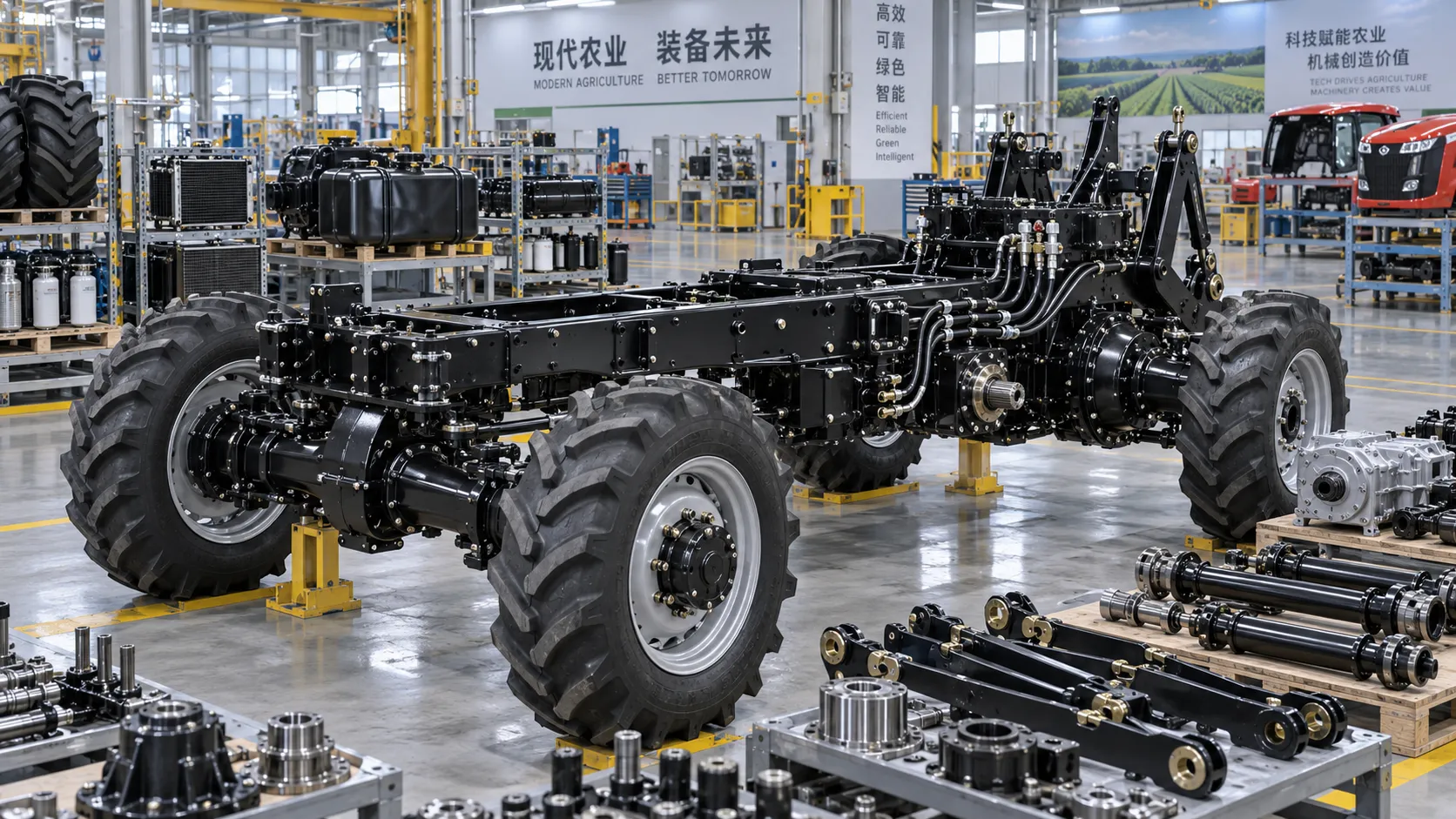
Tractor Chassis Price: What Buyers Should Compare Beyond the Initial Quote
Tractor chassis price is only the start. Compare load capacity, compatibility, durability, and lifecycle costs to choose a reliable, high-value chassis.
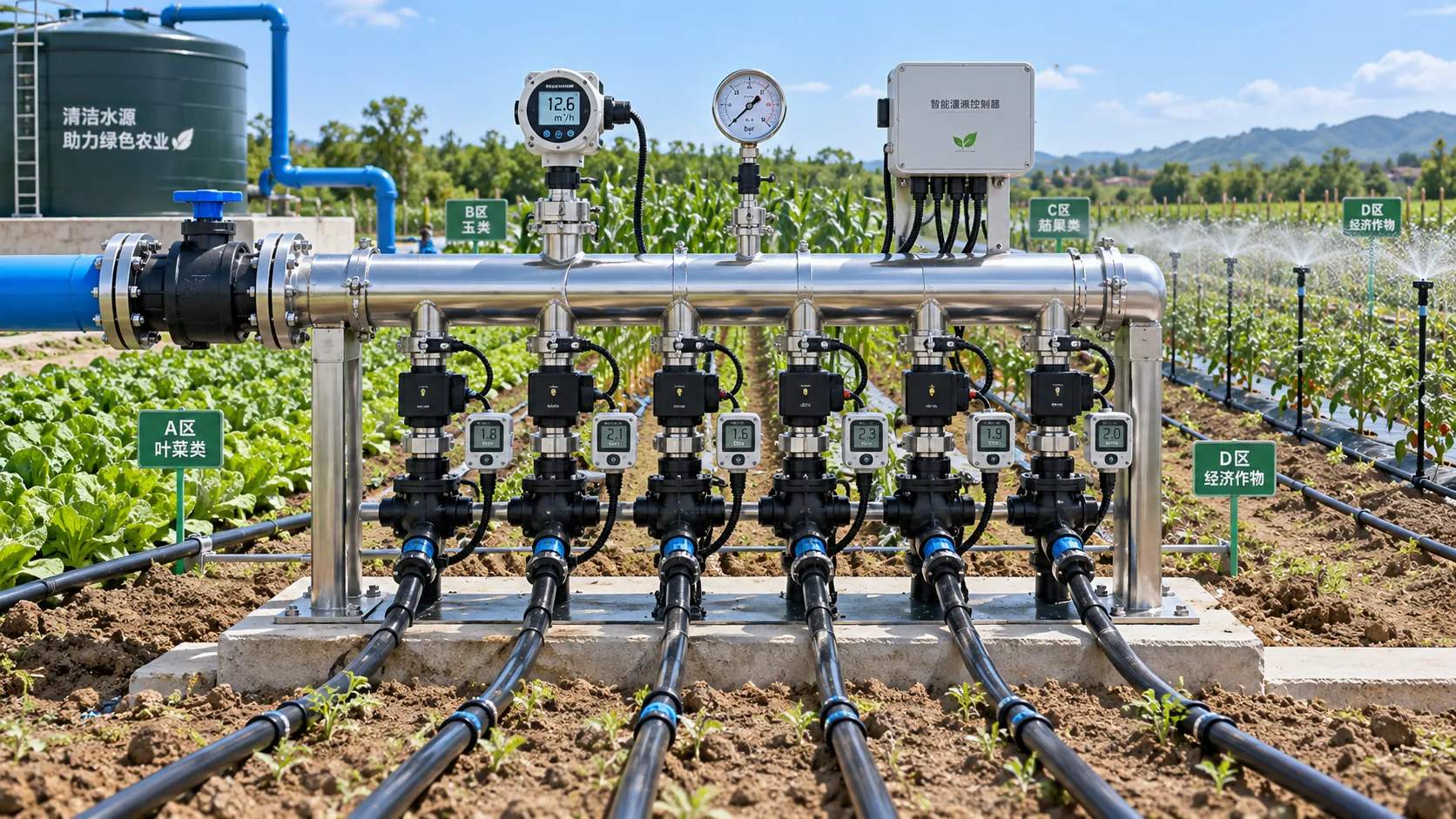
How to Select Smart Irrigation Valves for Multi-Zone Water Management?
Intelligent irrigation systems valves: learn how to match smart valves with multi-zone flow, pressure, control, feedback, and communication needs for reliable water management.
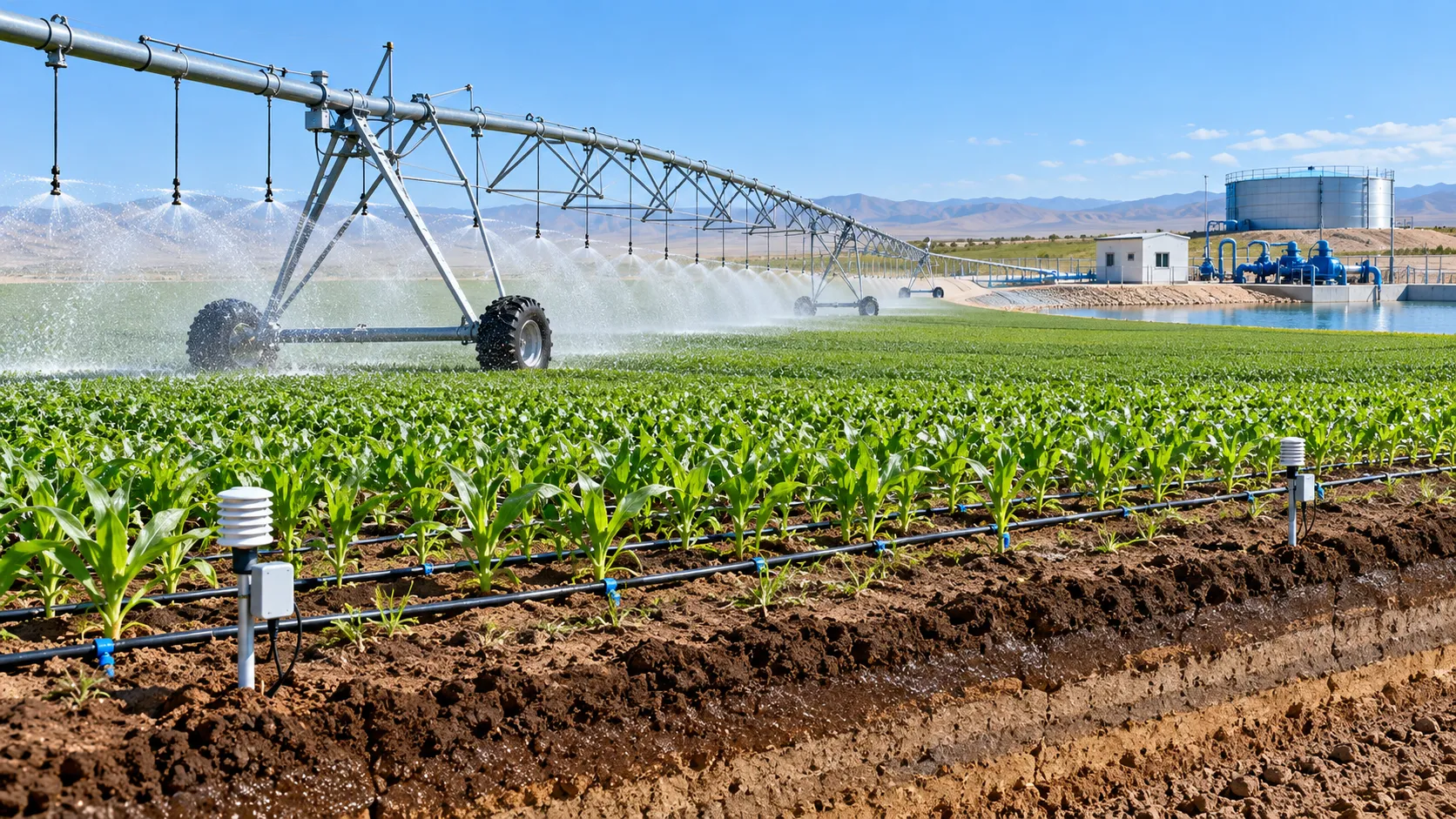
Climate-Smart Farming for Drought: A Practical Plan for Protecting Yields
Climate-smart farming for drought: build smarter water budgets, protect critical crop stages, improve irrigation uniformity, and safeguard yields with practical field-proven strategies.
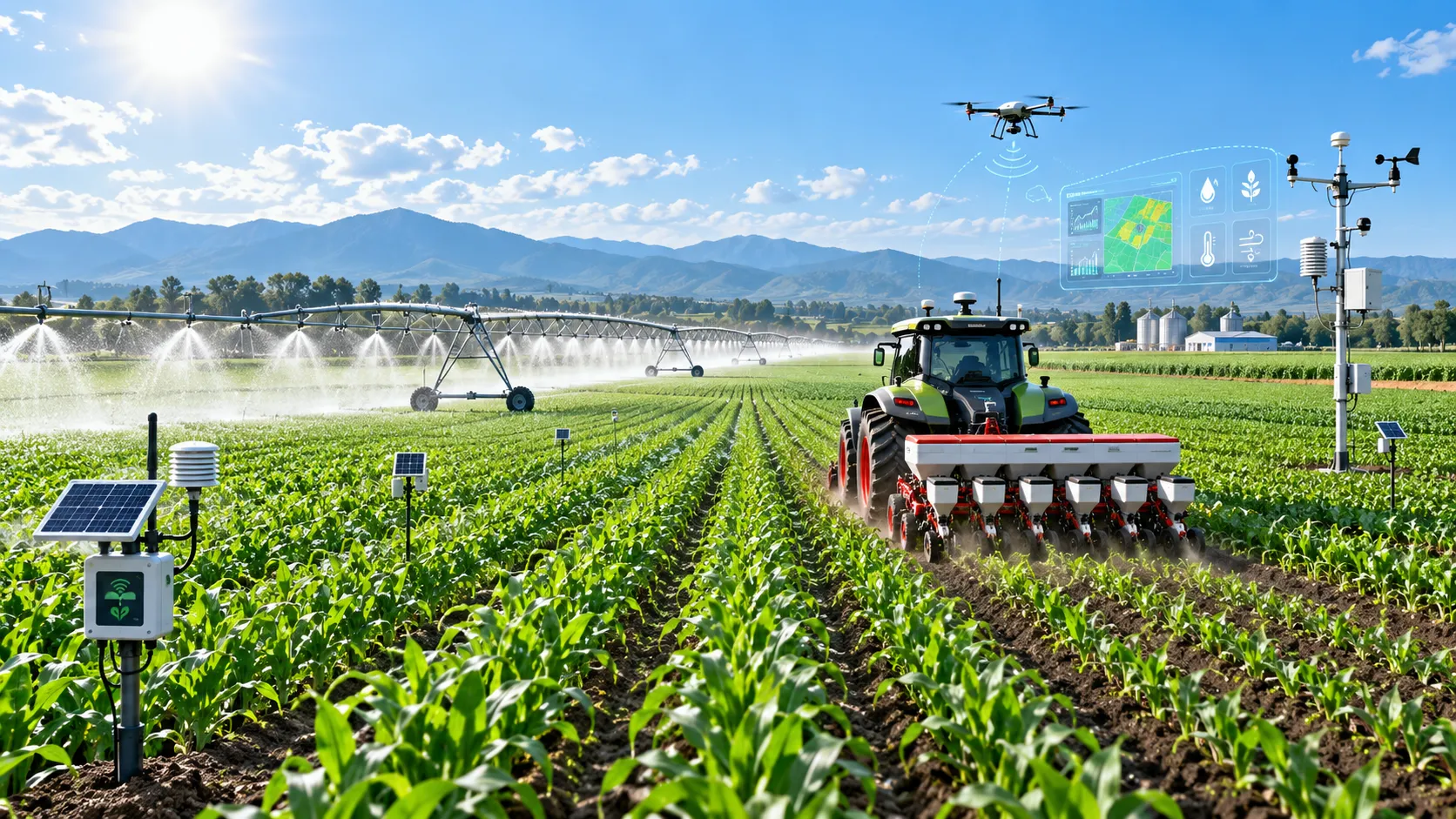
How Digital Agriculture Platforms Turn Field Data Into Better Input Decisions
Digital agriculture platforms turn field data into smarter fertilizer, water, seed, and equipment decisions—helping farms cut risk, improve margins, and scale sustainability.
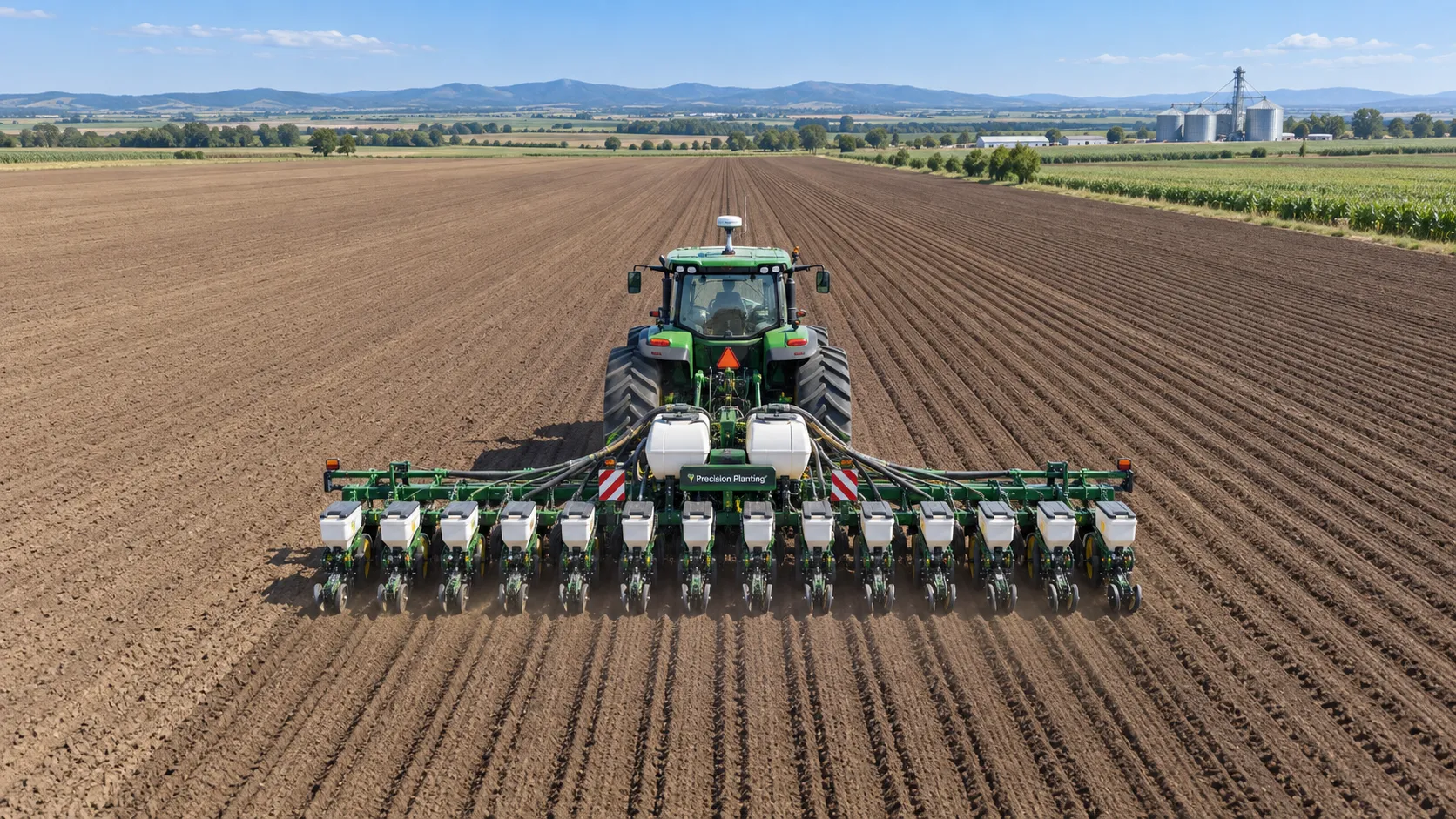
GPS-Guided Farm Machinery: Where It Delivers Measurable Field Efficiency Gains
Agri-mechanization GPS guided systems deliver measurable field efficiency gains through reduced overlap, precise planting, smarter inputs, and reliable farm data.
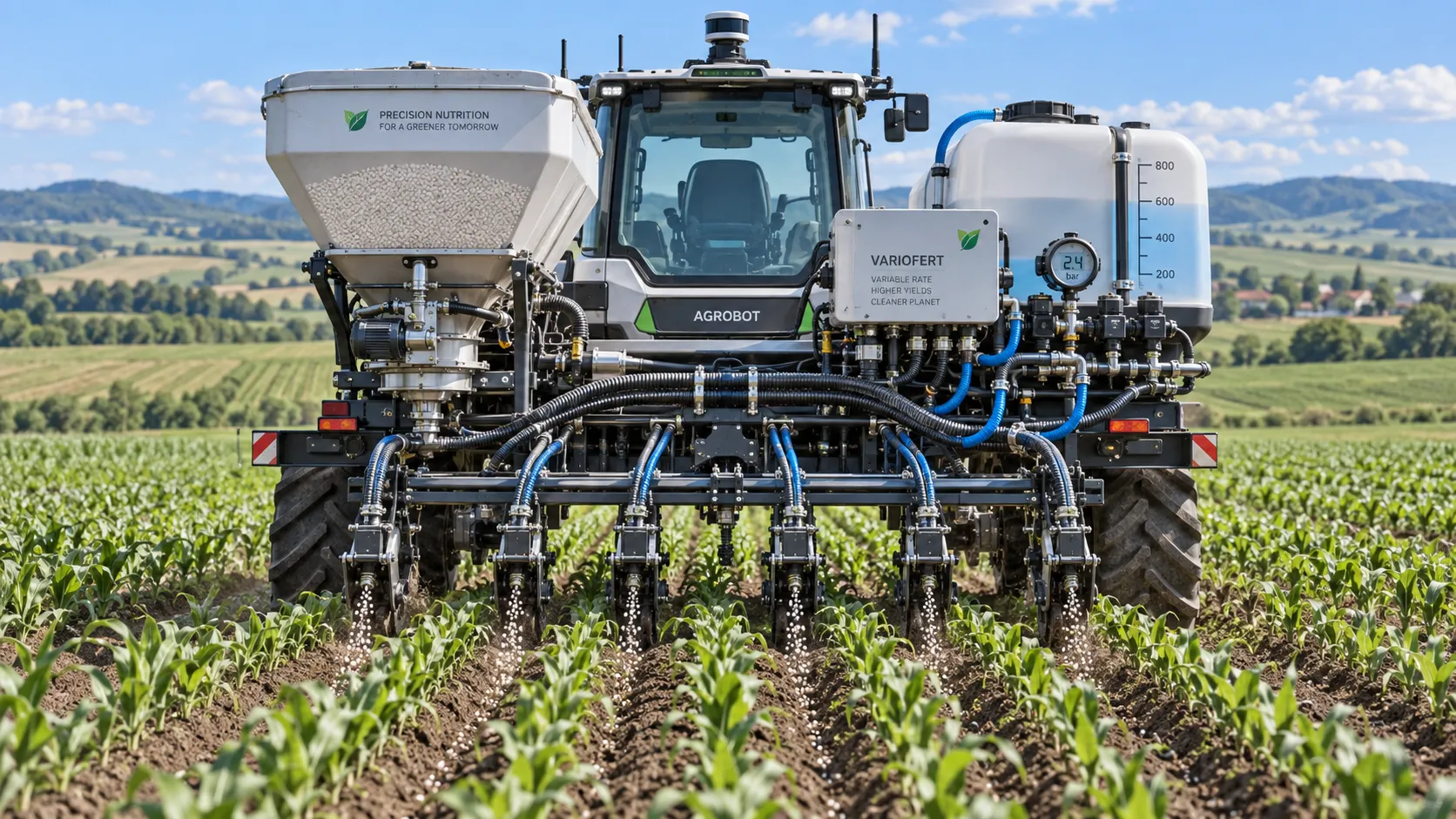
How Sensor Feedback Enables Accurate Variable-Rate Fertilization in Field Conditions
Precision fertilization systems with sensor feedback improve variable-rate accuracy by verifying flow, managing latency, and ensuring reliable field application.
Related News
- 00
0000-00
How to Compare Agricultural Equipment Platforms for Fleet Management and ROI - 00
0000-00
Tractor Chassis Price: What Buyers Should Compare Beyond the Initial Quote - 00
0000-00
How Digital Agriculture Platforms Turn Field Data Into Better Input Decisions - 00
0000-00
When Does Agricultural Machinery Leasing Cost Less Than Owning Equipment? - 00
0000-00
Selecting Grain Farm Equipment by Acreage, Crop Mix, and Harvest Window
Popular Tags
Ms. Elena Rodriguez
Weekly Insights
Stay ahead with our curated technology reports delivered every Monday.