
How heavy-duty farm machinery cuts downtime in peak season
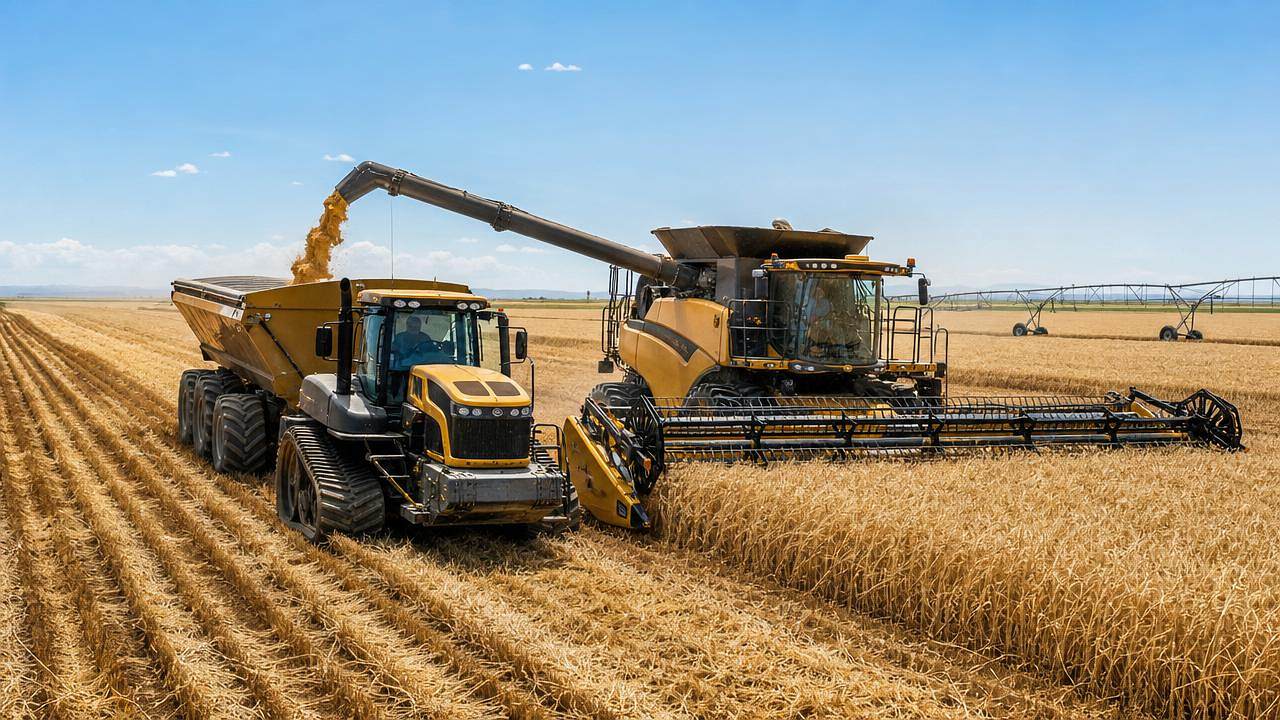




When every hour counts, heavy-duty farm machinery becomes the frontline defense against costly delays in peak season. For farms handling narrow weather windows, machine uptime is no longer only a maintenance issue. It is now a strategic performance factor tied to labor efficiency, fuel use, harvest quality, and delivery timing.
Across modern agriculture, the role of heavy-duty farm machinery is changing. Equipment is expected to do more than pull, cut, lift, or spray. It must also support predictive maintenance, operator visibility, precision control, and faster field recovery when pressure is highest.
This shift matters because peak season downtime creates cascading losses. A delayed combine affects transport schedules. A failed tractor chassis slows tillage and planting. A blocked irrigation system changes crop stress at the wrong time. Reliable systems reduce those chain reactions.
Peak season pressure is reshaping expectations for heavy-duty farm machinery
The market now rewards machines built for sustained output under variable field conditions. Rain interruptions, shorter labor availability, and tighter harvest windows make resilience more valuable than raw horsepower alone.
That is why heavy-duty farm machinery is increasingly evaluated through uptime metrics. Serviceability, spare parts access, diagnostics, and digital monitoring are becoming as important as engine power and implement width.
AP-Strategy observes that Agriculture 4.0 is accelerating this change. Operators want stronger links between mechanical durability, precision farming algorithms, and data-led maintenance decisions. In practice, this means fewer surprise failures and faster return to work.
The strongest downtime signals are coming from field complexity, not just machine age
Downtime used to be viewed mainly as wear and tear. Today, breakdown risk often rises from operating complexity. Uneven soil moisture, longer working hours, dust load, residue volume, and transport distances all strain equipment systems.
A newer machine can still lose hours if cooling systems clog, hydraulic pressure drops, or sensors are poorly calibrated. Heavy-duty farm machinery performs best when design strength matches field variability.
Key signals behind rising downtime risk
Why heavy-duty farm machinery cuts downtime more effectively today
Modern heavy-duty farm machinery reduces downtime through a combination of structural strength, access-friendly design, and real-time operating intelligence. The advantage is cumulative. Each improvement removes one source of delay from a high-pressure season.
1. Stronger powertrain and chassis durability
Peak work exposes weaknesses in transmission components, axles, bearings, and hydraulic systems. Heavy-duty tractor chassis with reinforced driveline architecture handle repetitive load shifts with fewer interruptions.
This matters in deep tillage, grain cart support, and transport-heavy harvesting. Stable torque delivery lowers strain during sudden resistance changes. Better thermal control also reduces overheating in continuous operation.
2. Faster daily service and easier maintenance access
Small service tasks create big time losses when access is poor. Heavy-duty farm machinery with grouped filters, tool-free shields, and clear inspection points shortens routine checks before field entry.
Faster greasing, easier belt inspection, and cleaner radiator access improve consistency. In peak season, reducing maintenance time by minutes each day can preserve several productive hours each week.
3. Embedded diagnostics and predictive alerts
Intelligent systems now flag pressure irregularities, temperature spikes, fuel inefficiency, and sensor deviations before full failure occurs. That allows intervention during planned stops instead of emergency shutdowns.
For combine harvesting technology, cleaning loss feedback and engine load data help avoid conditions that trigger damage or clogging. This aligns with AP-Strategy’s focus on connecting mechanical performance with precision intelligence.
4. Better match between machine and application
Downtime often comes from under-specification or poor implement pairing. A machine that is strong on paper may still fail in wet fields, heavy residue, or steep terrain if not sized correctly.
Heavy-duty farm machinery cuts downtime best when axle load, hydraulic flow, tire setup, and attachment demand are aligned. Matching matters as much as brand or engine rating.
The forces driving this trend are operational, technical, and strategic
- Climate volatility is compressing planting and harvest schedules.
- Higher field capacity targets require longer continuous machine hours.
- Precision farming systems increase dependence on sensors and clean data.
- Equipment fleets are expected to cover more acres with fewer operators.
- Fuel, labor, and parts costs raise the penalty for every idle hour.
- Global food security pressure is pushing demand for more stable output.
Together, these drivers are moving heavy-duty farm machinery from a capital item to a resilience asset. The machine is no longer judged only by acquisition cost. It is judged by seasonal continuity.
Downtime reduction now influences every major farm operation
The impact goes far beyond one machine standing still. In integrated operations, downtime affects multiple business steps at once, from field timing to product quality and logistics planning.
Effects across core operating stages
- Soil preparation: delayed passes reduce planting uniformity and moisture advantage.
- Planting: uneven timing affects emergence and later crop consistency.
- Plant protection: missed spray windows increase disease and weed pressure.
- Harvesting: stalled combines raise grain loss and transport bottlenecks.
- Irrigation support: delayed pumping or system repair changes water balance.
This is why heavy-duty farm machinery has become central to risk management. It protects productivity not only by operating faster, but by preserving timing across linked operations.
What deserves closer attention when evaluating heavy-duty farm machinery
- Service point accessibility during early morning and night operations.
- Diagnostic depth for engine, hydraulics, electronics, and loss monitoring.
- Cooling system performance under dust, heat, and residue-heavy conditions.
- Transmission stability with heavy draft or transport cycles.
- Hydraulic response consistency with precision tools and variable loads.
- Parts availability and response time during regional peak demand.
- Telematics visibility for fault trends and utilization patterns.
- Operator interface clarity for quicker decisions under fatigue.
These points reflect a broader market reality. Heavy-duty farm machinery must be easy to sustain under pressure, not just impressive during demonstrations or specification comparisons.
The most practical response is a downtime-focused operating strategy
The strongest results come from combining equipment strength with decision discipline. Even the best heavy-duty farm machinery delivers more value when paired with timely data, planned service, and realistic workload design.
The next step is to treat uptime as a competitive indicator
Heavy-duty farm machinery is becoming a clear measure of operational resilience in modern agriculture. Machines that reduce downtime support stronger harvest timing, more predictable field execution, and lower hidden costs across the season.
For deeper insight into combine harvesting technology, tractor chassis evolution, intelligent farm tools, and smart irrigation performance, AP-Strategy provides intelligence that connects field mechanics with long-cycle strategy. The most effective next move is simple: evaluate every machine by how many productive hours it protects when the season is hardest to recover.
Related News
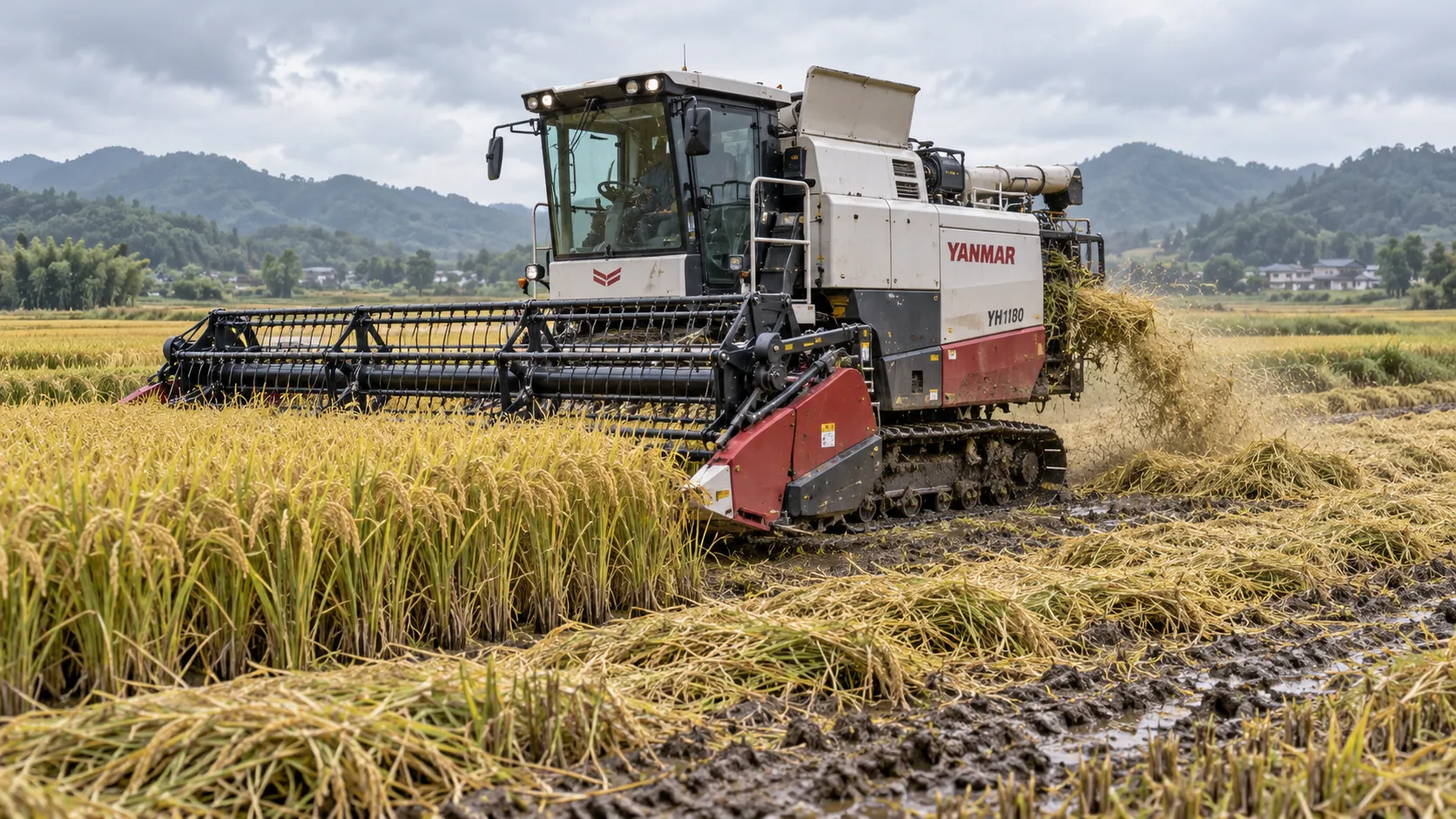
How to Specify Combine Harvester Systems for High-Moisture Grain and Variable Field Conditions
Combine harvester systems for high-moisture grain: learn how to specify threshing, cleaning, headers, traction, and automation for reliable harvests in variable fields.
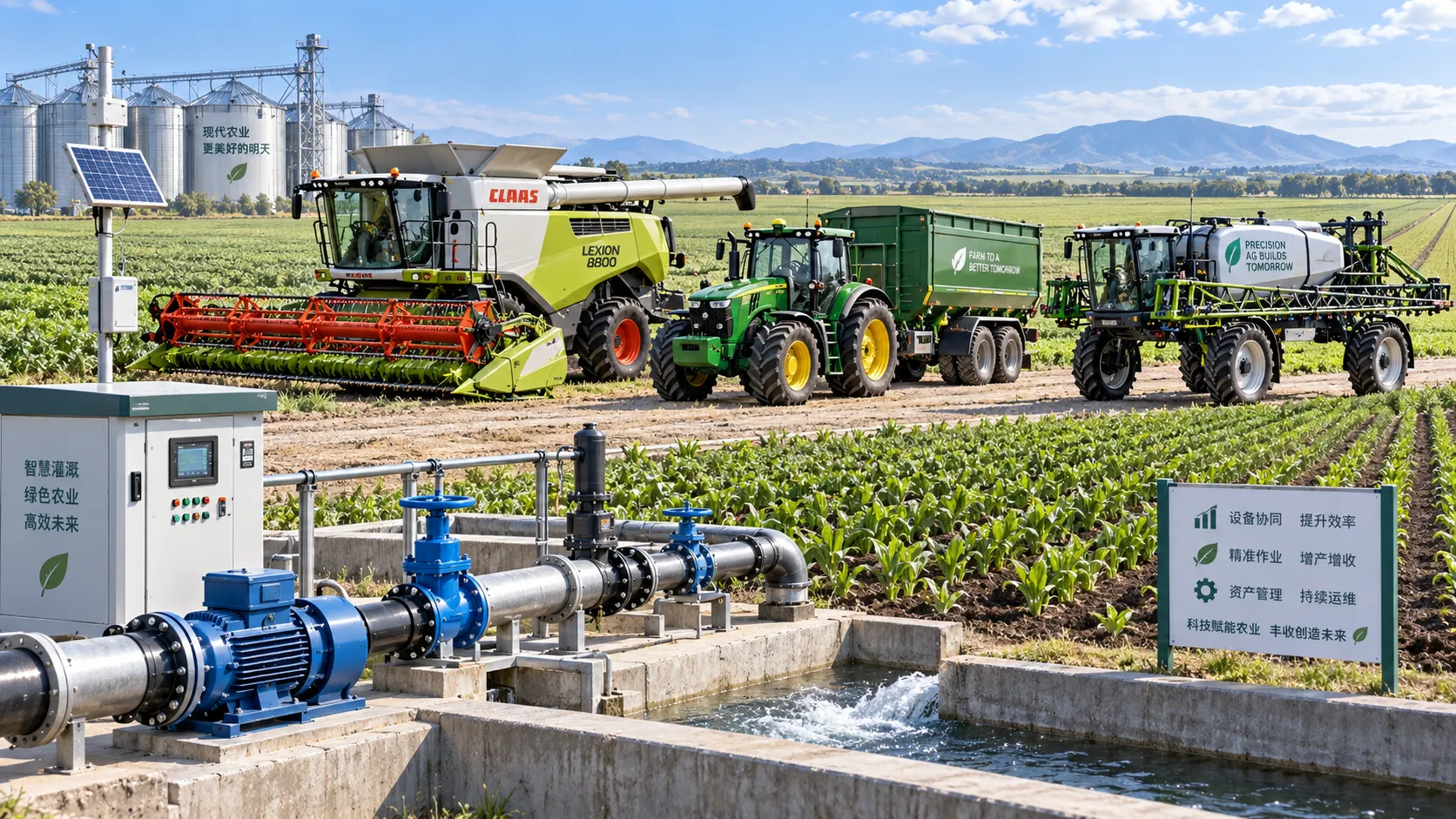
How to Compare Agricultural Equipment Platforms for Fleet Management and ROI
Agricultural equipment platform comparison: evaluate fleet data, maintenance, precision workflows, and ROI to choose a system that delivers measurable results.
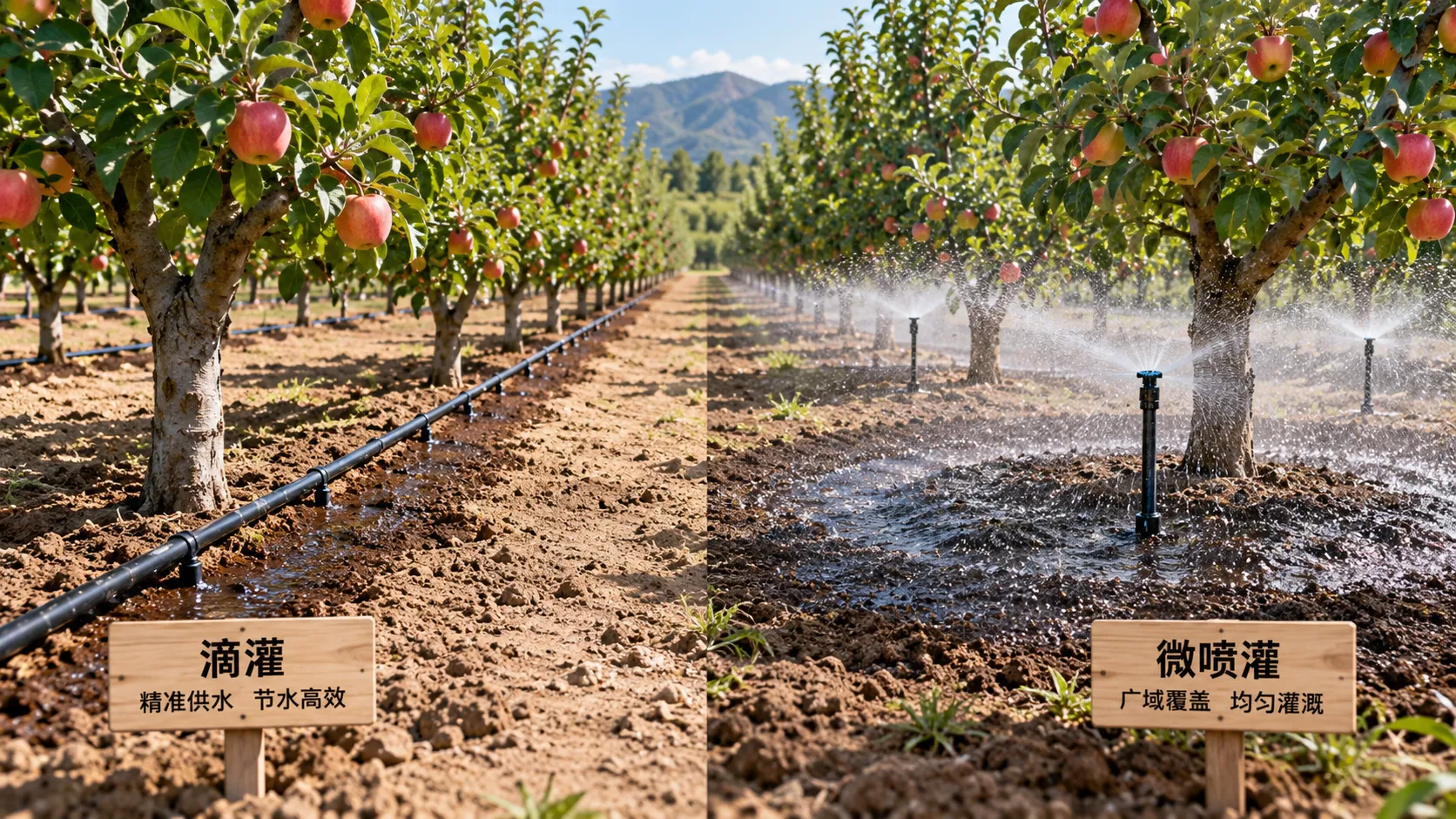
Drip vs. Micro-Sprinkler Irrigation: Which System Fits Your Orchard?
Irrigation solution comparison for orchards: discover whether drip or micro-sprinklers best match your water, soil, roots, fertigation, and frost needs.
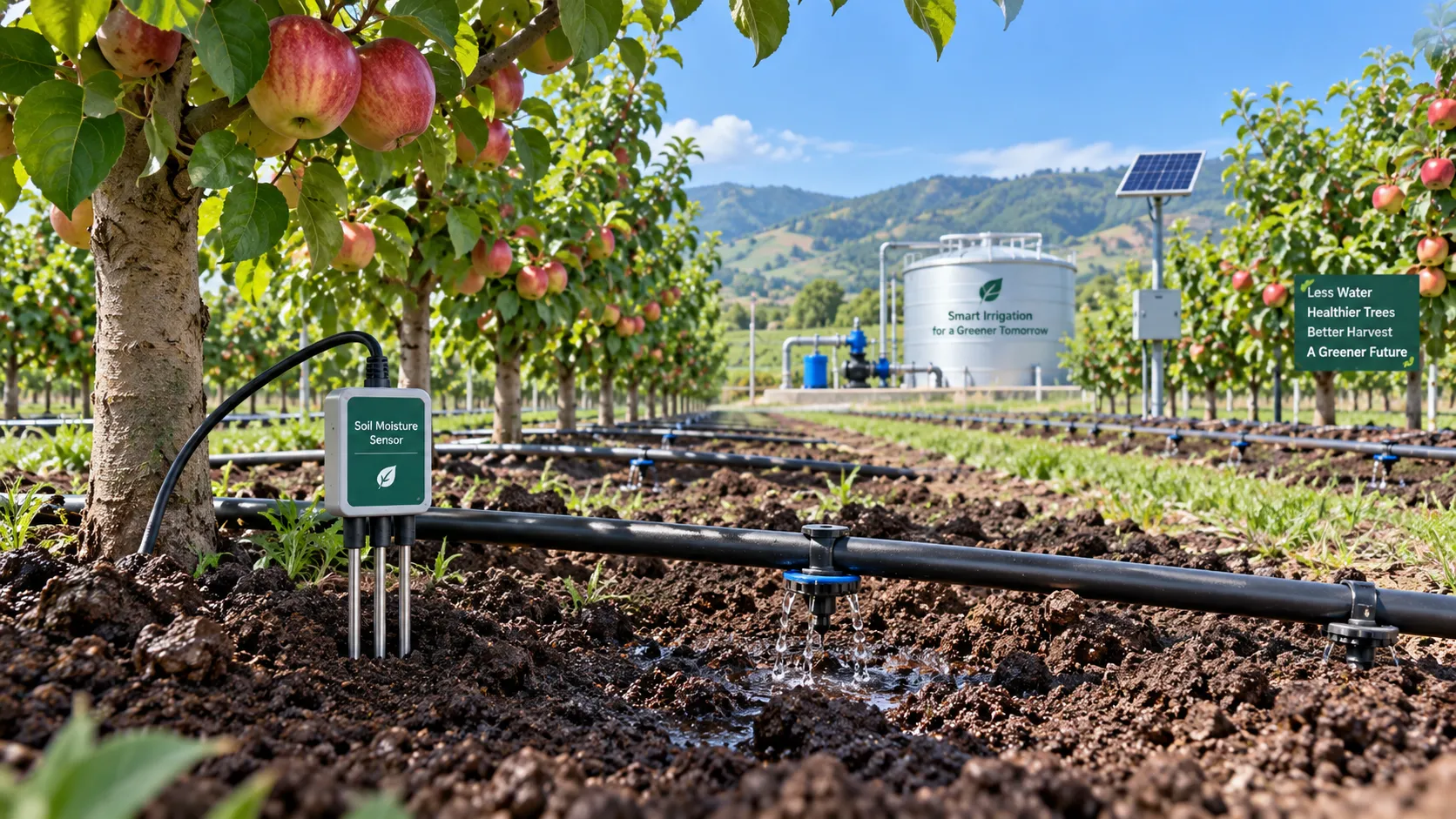
Orchard Water Management: Using Soil Moisture Data to Schedule Irrigation
Agricultural water management for orchards made practical: use soil moisture data to optimize irrigation timing, protect yield, reduce costs, and improve resilience.
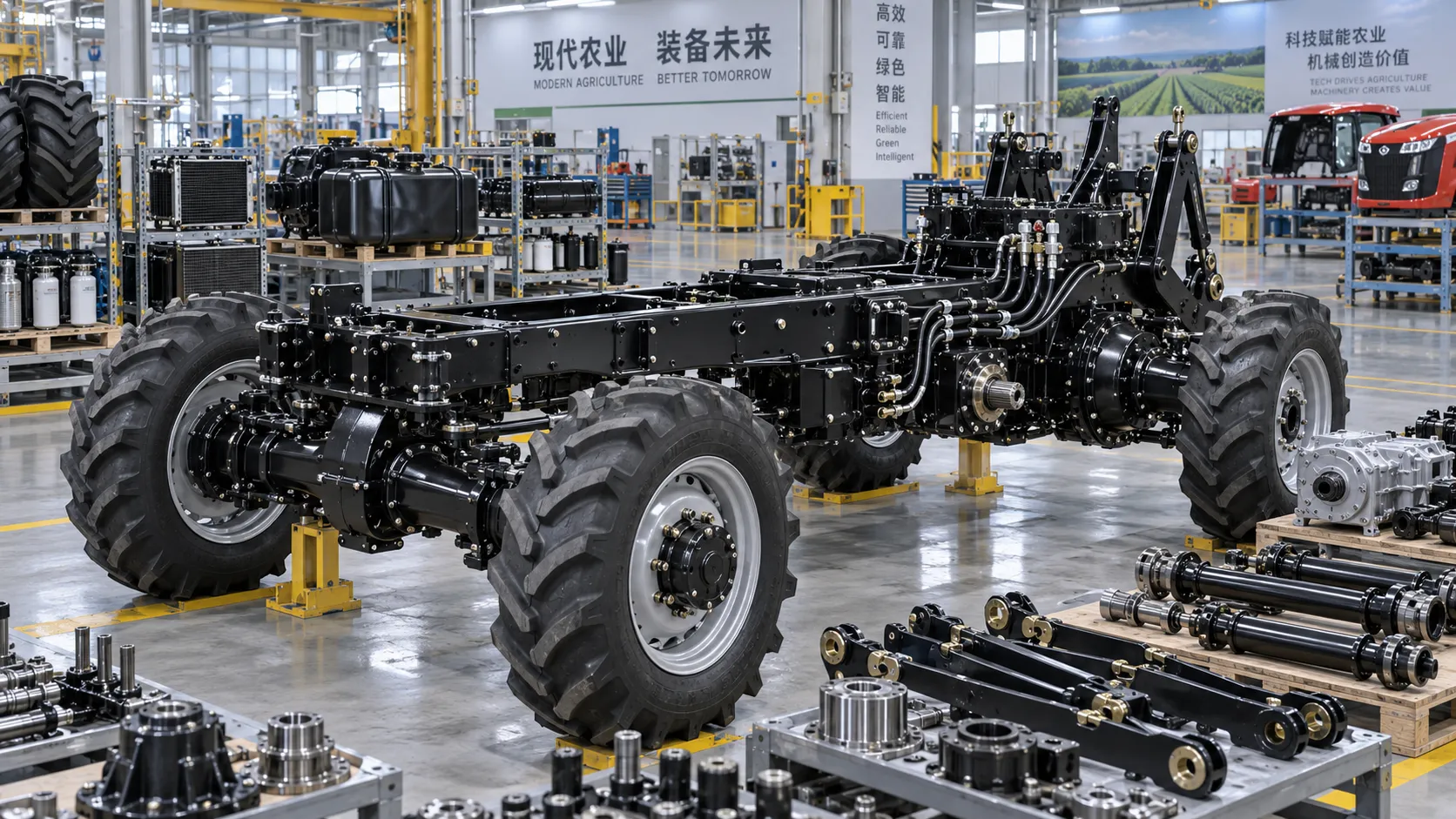
Tractor Chassis Price: What Buyers Should Compare Beyond the Initial Quote
Tractor chassis price is only the start. Compare load capacity, compatibility, durability, and lifecycle costs to choose a reliable, high-value chassis.
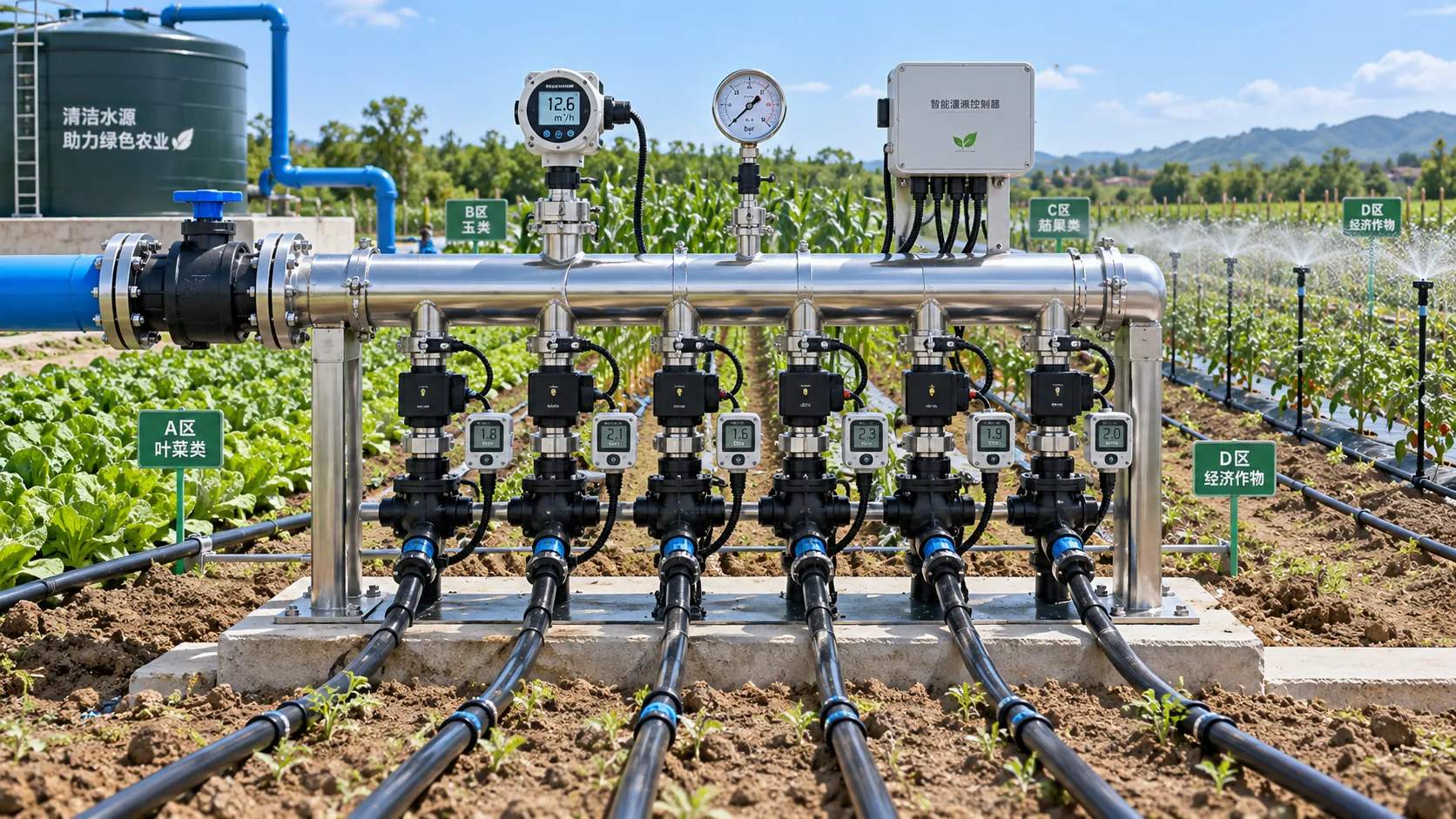
How to Select Smart Irrigation Valves for Multi-Zone Water Management?
Intelligent irrigation systems valves: learn how to match smart valves with multi-zone flow, pressure, control, feedback, and communication needs for reliable water management.
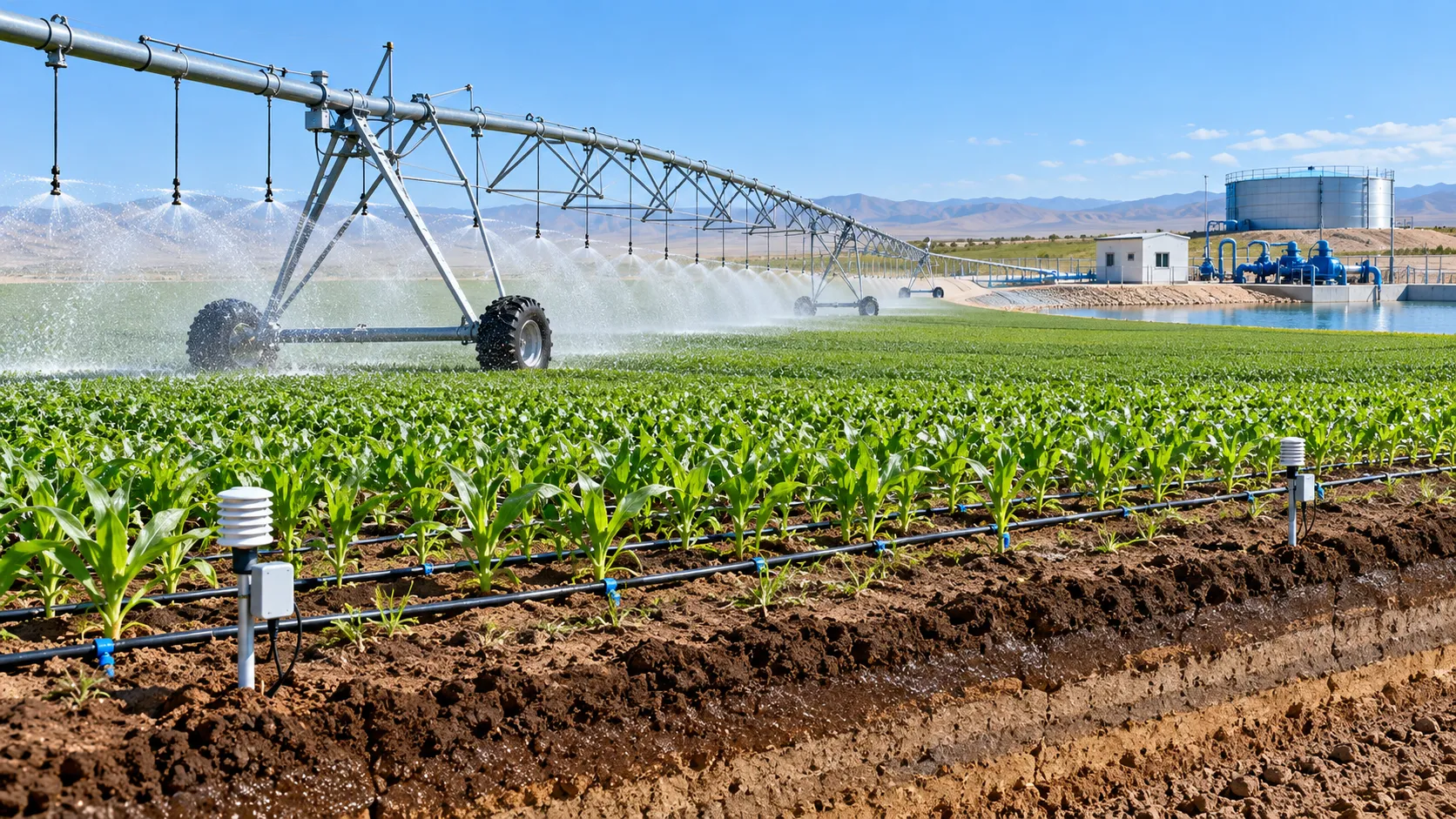
Climate-Smart Farming for Drought: A Practical Plan for Protecting Yields
Climate-smart farming for drought: build smarter water budgets, protect critical crop stages, improve irrigation uniformity, and safeguard yields with practical field-proven strategies.
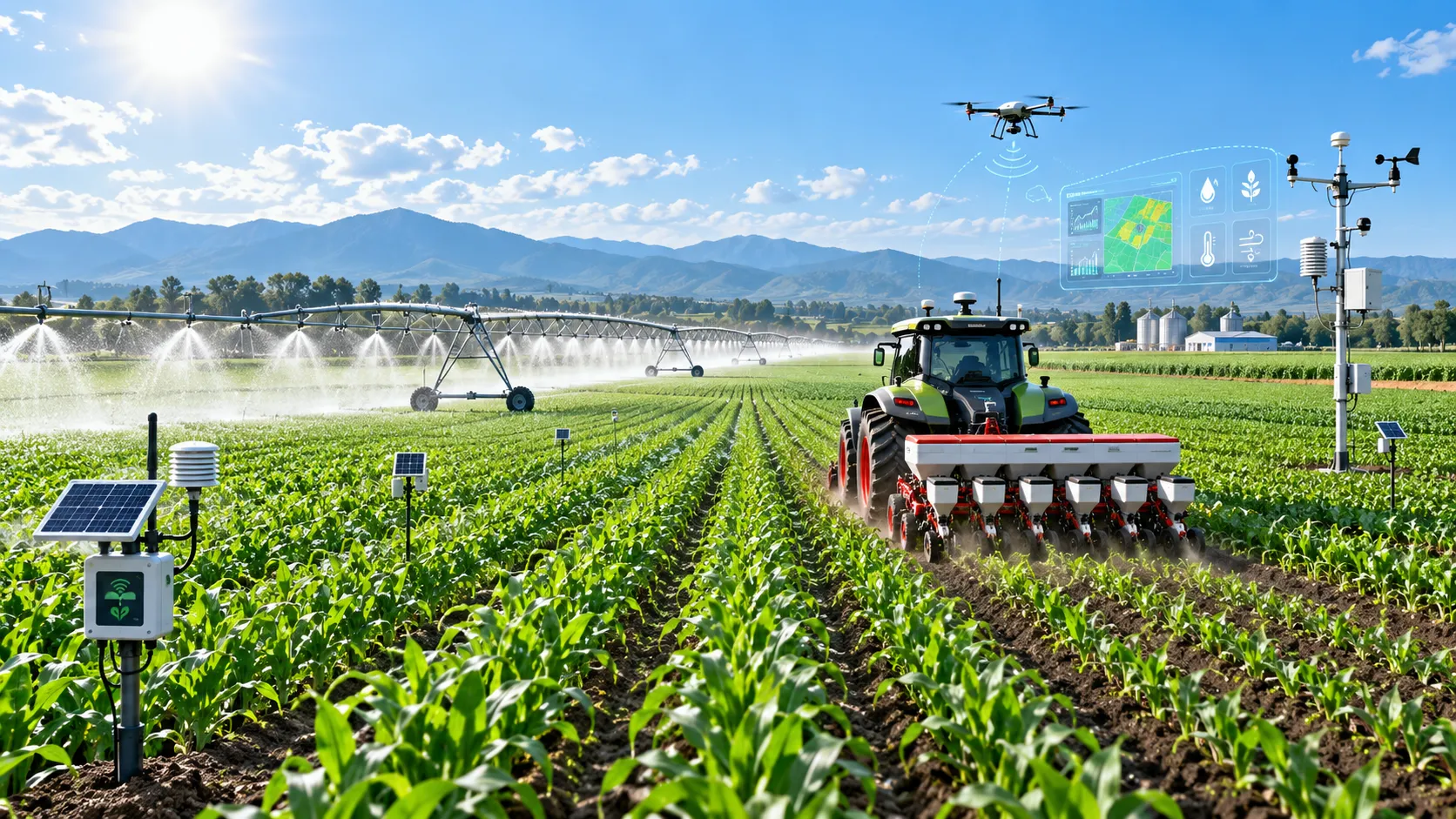
How Digital Agriculture Platforms Turn Field Data Into Better Input Decisions
Digital agriculture platforms turn field data into smarter fertilizer, water, seed, and equipment decisions—helping farms cut risk, improve margins, and scale sustainability.
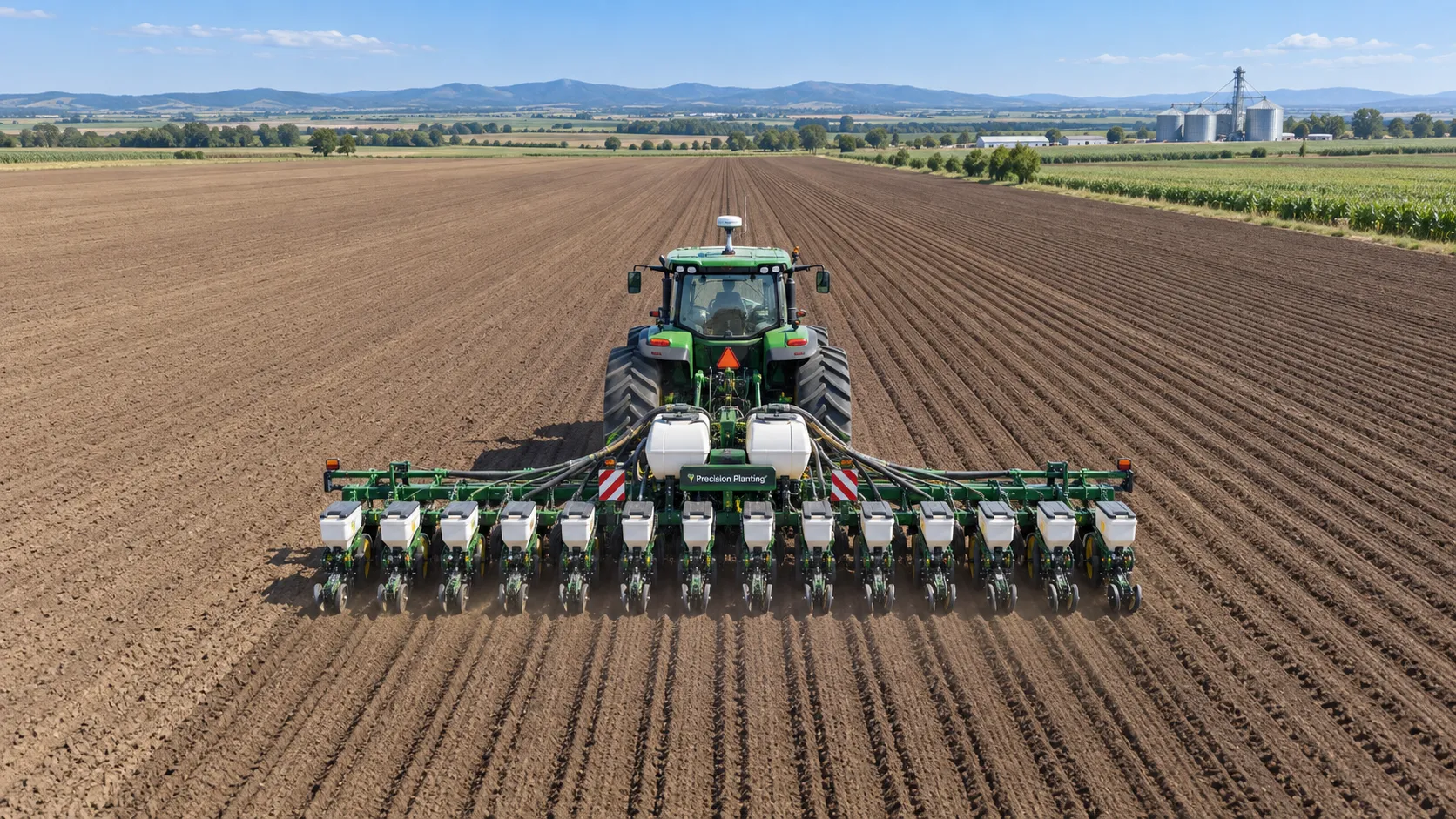
GPS-Guided Farm Machinery: Where It Delivers Measurable Field Efficiency Gains
Agri-mechanization GPS guided systems deliver measurable field efficiency gains through reduced overlap, precise planting, smarter inputs, and reliable farm data.
Related News
- 00
0000-00
How to Compare Agricultural Equipment Platforms for Fleet Management and ROI - 00
0000-00
Tractor Chassis Price: What Buyers Should Compare Beyond the Initial Quote - 00
0000-00
How Digital Agriculture Platforms Turn Field Data Into Better Input Decisions - 00
0000-00
When Does Agricultural Machinery Leasing Cost Less Than Owning Equipment? - 00
0000-00
Selecting Grain Farm Equipment by Acreage, Crop Mix, and Harvest Window
Popular Tags
Ms. Elena Rodriguez
Weekly Insights
Stay ahead with our curated technology reports delivered every Monday.