
Canada Tightens Soil Moisture Sensor Import Rules
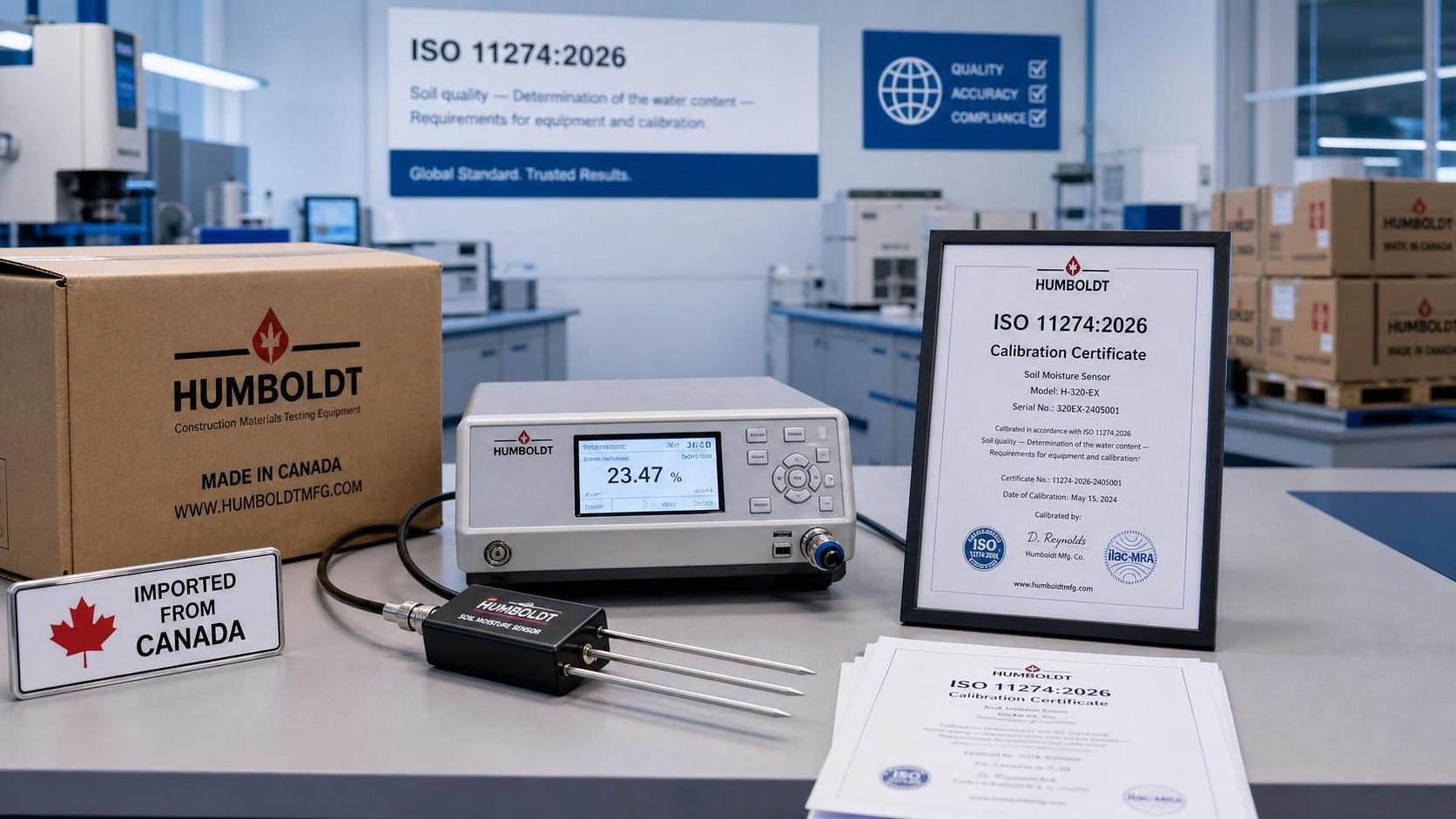




On July 2, 2026, the Standards Council of Canada (SCC) issued an urgent notice that changes the import compliance baseline for Soil Moisture Sensors. Starting October 1, 2026, imported products in this category must meet the revised ISO 11274:2026 standard and be accompanied by a full-range calibration certificate issued by an SCC-recognized laboratory. For exporters, importers, procurement teams, testing partners, and customs-facing supply chain functions, this is worth close attention because the change reaches beyond technical documentation and may affect market access, clearance timing, and compliance cost.
What the New Canadian Requirement Confirms
The confirmed facts are limited but clear. The SCC released an urgent notice on July 2, 2026. Under that notice, from October 1, 2026, all imported Soil Moisture Sensors must comply with the revised ISO 11274:2026 standard. In addition, import shipments must include a full-range calibration certificate issued by a laboratory recognized by the SCC.
The event summary also indicates that the requirement directly affects Chinese exporters in three practical areas: product access to the Canadian market, customs clearance cycle, and compliance cost. It further states that small and medium-sized suppliers that have not established coverage under NABL/ILAC-MRA mutual recognition arrangements face a substantive barrier under the new rule.
Where the Pressure Will Likely Appear First
Export access is no longer only a product question
From an industry perspective, exporters of Soil Moisture Sensors are likely to feel the impact first because the rule links product entry to both standard compliance and calibration evidence. The immediate business issue is not only whether the sensor can be sold, but whether the shipment file can demonstrate conformity in the form now required. What deserves closer attention is the transition from a product-focused discussion to a documentation-and-recognition threshold tied to laboratory status.
Procurement and supplier qualification may tighten
For procurement teams and import-side buyers, the rule may alter supplier screening. Analysis shows that supplier qualification may increasingly depend on whether a manufacturer can provide a full-range calibration certificate from an SCC-recognized laboratory, rather than only general test materials or internal quality records. This means sourcing decisions may need to account for certification readiness, document validity, and the supplier's ability to support recurring compliance requests.
Testing and certification service links become more important
Testing service providers and certification-related partners may see greater involvement because the rule expressly names calibration certification as a condition connected to import compliance. Observably, the recognized-laboratory requirement could become a key checkpoint in transaction preparation, especially for suppliers that have not aligned with NABL/ILAC-MRA mutual recognition arrangements. In practical terms, document preparation, laboratory recognition status, and certificate completeness may become more sensitive parts of the delivery process.
Customs-facing delivery schedules may become less flexible
Supply chain and delivery teams should also note that the event summary points to an effect on customs clearance cycles. Analysis shows that where documentation is incomplete, delayed, or not issued through the required recognition pathway, shipment planning could face additional friction. Even without confirmed enforcement detail, the compliance file itself becomes more central to shipment timing.
Operational Priorities Before the Rule Takes Effect
Review whether current calibration evidence matches the new threshold
Companies dealing in Soil Moisture Sensors should examine whether their existing calibration materials are likely to satisfy the requirement for a full-range calibration certificate issued by an SCC-recognized laboratory. If current documents rely on other testing paths, the key issue is whether those materials will remain acceptable after October 1, 2026. The input does not provide enforcement detail, so this should be treated as a compliance review priority rather than a confirmed rejection scenario.
Check supplier and laboratory recognition pathways early
For firms sourcing from external manufacturers, one practical focus is whether suppliers already work within recognition arrangements connected to NABL/ILAC-MRA, since the event summary identifies the absence of such preparation as a real barrier for smaller suppliers. It is more appropriate to understand this as an early warning for supplier qualification and onboarding rather than a final list of approved or excluded routes.
Revisit shipment documentation and contract language
Exporters, distributors, and buyers may need to reassess the document package expected for Canadian-bound orders. Analysis shows that calibration certificates, technical files, and delivery-related paperwork may need closer alignment with the new requirement. It is also reasonable to review whether purchasing terms, delivery commitments, and acceptance conditions reflect the possibility of added compliance checks, although the exact execution standard remains to be verified through later practice.
Watch for changes in tender and customer-facing specifications
What deserves closer attention is whether downstream commercial documents begin to reflect the new standard and certificate requirement. Tender files, procurement specifications, and customer qualification checklists may adopt the revised wording quickly once the October 1, 2026 date approaches. The current input does not confirm such changes, so this remains a point for monitoring rather than a settled development.
How This Signal Should Be Read Now
Analysis shows that this development is more than a technical update but less than a fully explained enforcement regime. It is more appropriate to understand this as a rule change with a clear effective date and a strong execution signal, while still recognizing that the detailed market practice around documentation review, customs handling, and buyer implementation may require continued observation. For the industry, the central point is that calibration certification has moved closer to the front line of import readiness for this product category.
Observably, the most immediate concern is not broad market theory but operational fit: whether exporters and suppliers can match the required standard, produce the correct certificate, and do so through a recognized laboratory path in time for shipment. That is why this notice matters to compliance, trade execution, and procurement at the same time.
What This Means for the Market at This Stage
At this stage, the development should be read as a concrete compliance change with direct implications for access, documentation, and delivery preparation in the Canadian market for imported Soil Moisture Sensors. The confirmed facts already establish a new requirement and an effective date. The broader commercial effect, however, still depends on how buyers, laboratories, customs-facing processes, and suppliers apply the rule in practice.
From an industry perspective, the most balanced conclusion is that this is neither a routine wording revision nor a fully settled end-state. It is a defined rule change that companies should prepare for now, while continuing to monitor execution details, document expectations, and market feedback.
Basis of This Article and What Still Needs Verification
This article is based on the user-provided news title, event date, and event summary. In this type of development, relevant source categories would typically include official notices, regulator or standards body releases, customs or trade authority information, industry association updates, standards organization documents, and reporting by authoritative media. No specific official source link was provided in the input, so the underlying official link and subsequent interpretive materials still need to be verified on an ongoing basis.
Further observation is still needed on implementation detail, certification interpretation, tender document updates, buyer-side specification changes, industry feedback, and how companies execute the requirement in actual shipments after October 1, 2026.
Related News
Climate-Smart Farming for Drought: A Practical Plan for Protecting Yields
Climate-smart farming for drought: build smarter water budgets, protect critical crop stages, improve irrigation uniformity, and safeguard yields with practical field-proven strategies.
How Digital Agriculture Platforms Turn Field Data Into Better Input Decisions
Digital agriculture platforms turn field data into smarter fertilizer, water, seed, and equipment decisions—helping farms cut risk, improve margins, and scale sustainability.
GPS-Guided Farm Machinery: Where It Delivers Measurable Field Efficiency Gains
Agri-mechanization GPS guided systems deliver measurable field efficiency gains through reduced overlap, precise planting, smarter inputs, and reliable farm data.
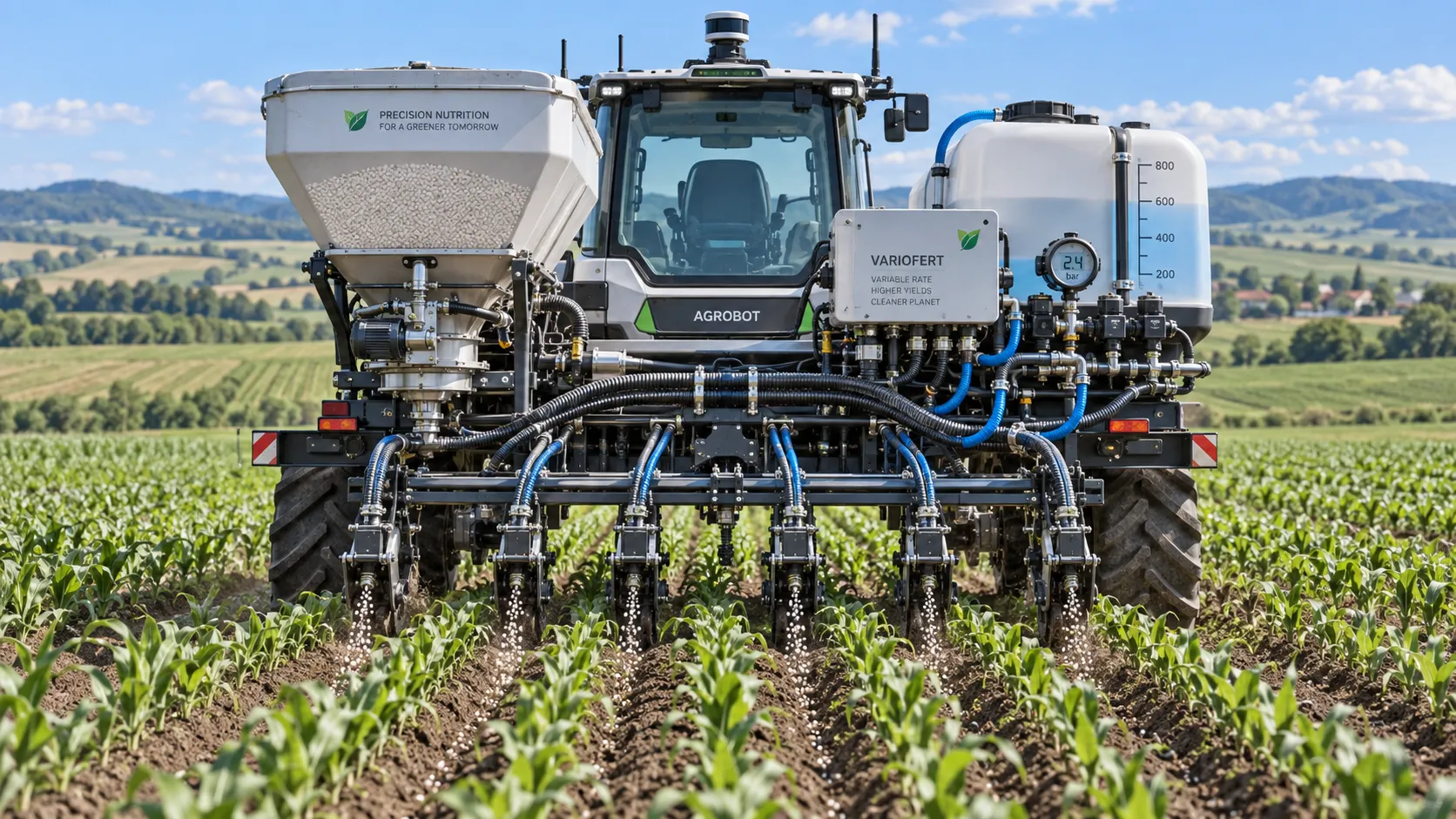
How Sensor Feedback Enables Accurate Variable-Rate Fertilization in Field Conditions
Precision fertilization systems with sensor feedback improve variable-rate accuracy by verifying flow, managing latency, and ensuring reliable field application.

How to Select Precision Crop Protection Equipment for Variable Field Conditions
Precision crop protection equipment selection made simple: compare terrain, canopy, weather, control accuracy, and data workflows for reliable applications.

When Does Agricultural Machinery Leasing Cost Less Than Owning Equipment?
Agricultural machinery leasing can lower farm costs when use is seasonal or uncertain. Compare utilization, maintenance, cash flow, and risk to make a smarter equipment decision.
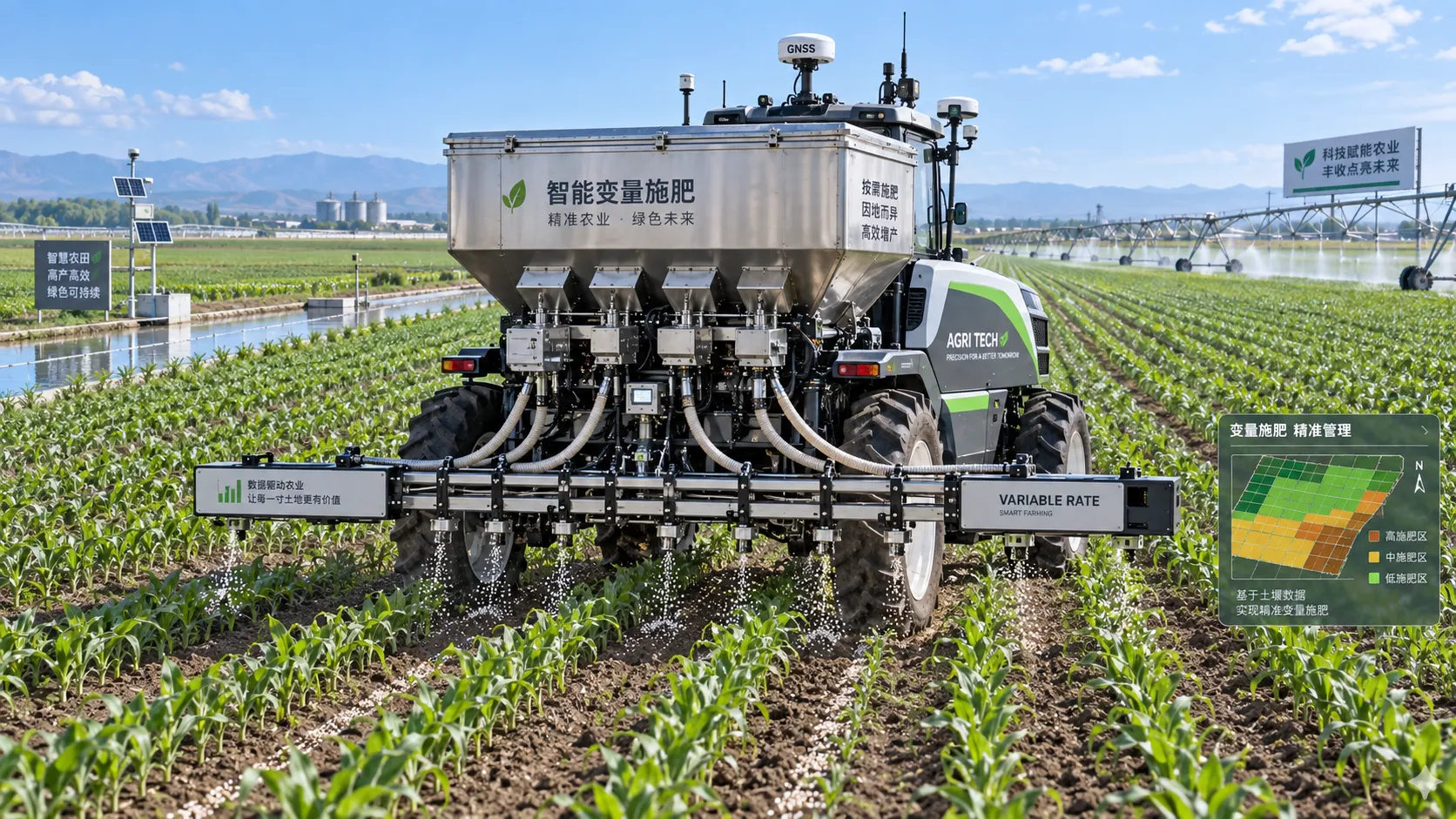
How to Evaluate Precision Fertilization System Suppliers for Farm-Scale Deployment
Precision fertilization systems suppliers: learn how to compare accuracy, integration, uptime, service, and total cost for confident farm-scale deployment.
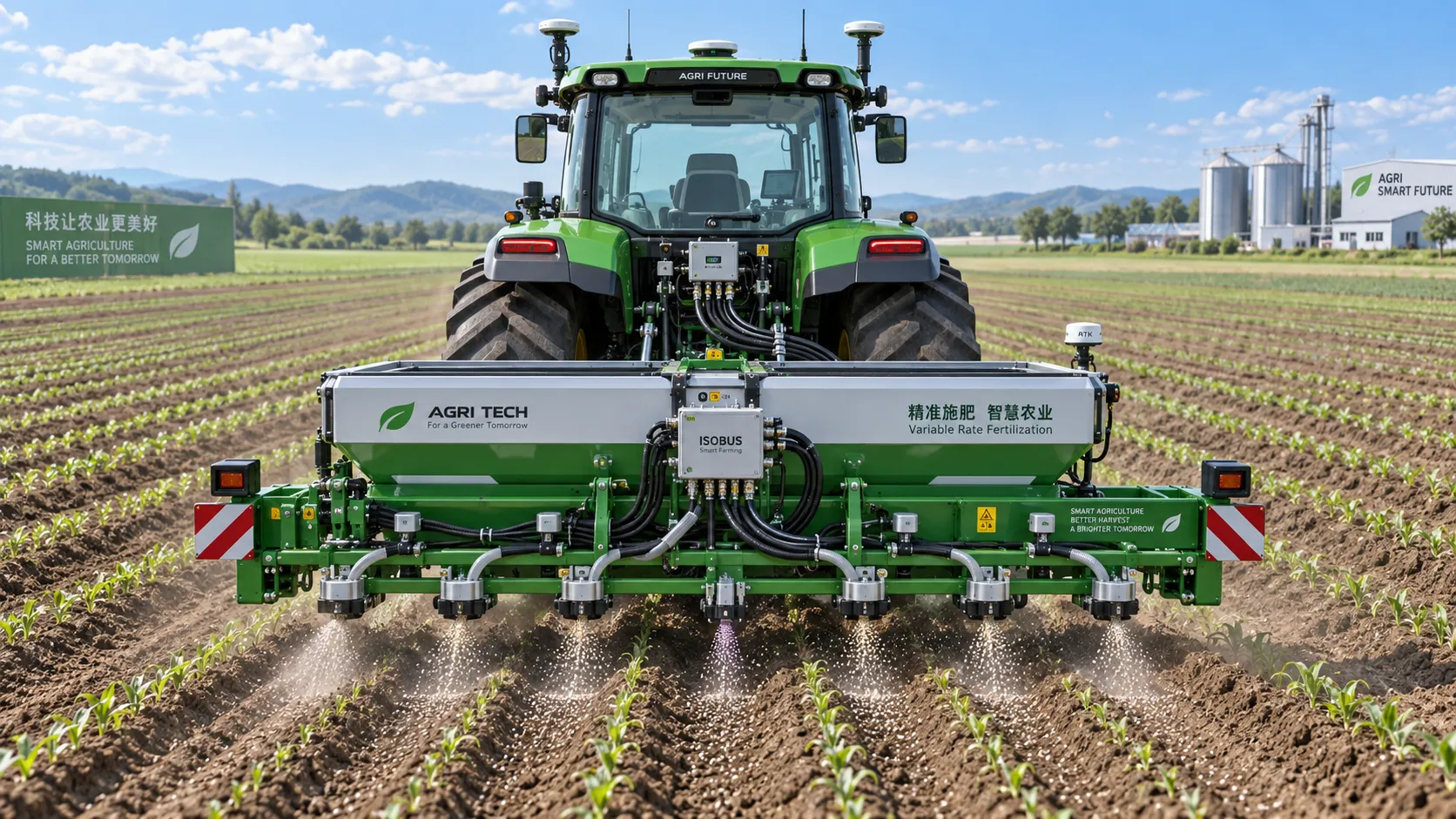
ISOBUS for Smart Agriculture: How It Connects Tractors, Implements, and Farm Data
ISOBUS for smart agriculture connects tractors, implements, terminals, and farm data—helping growers improve precision, documentation, and smarter field decisions.
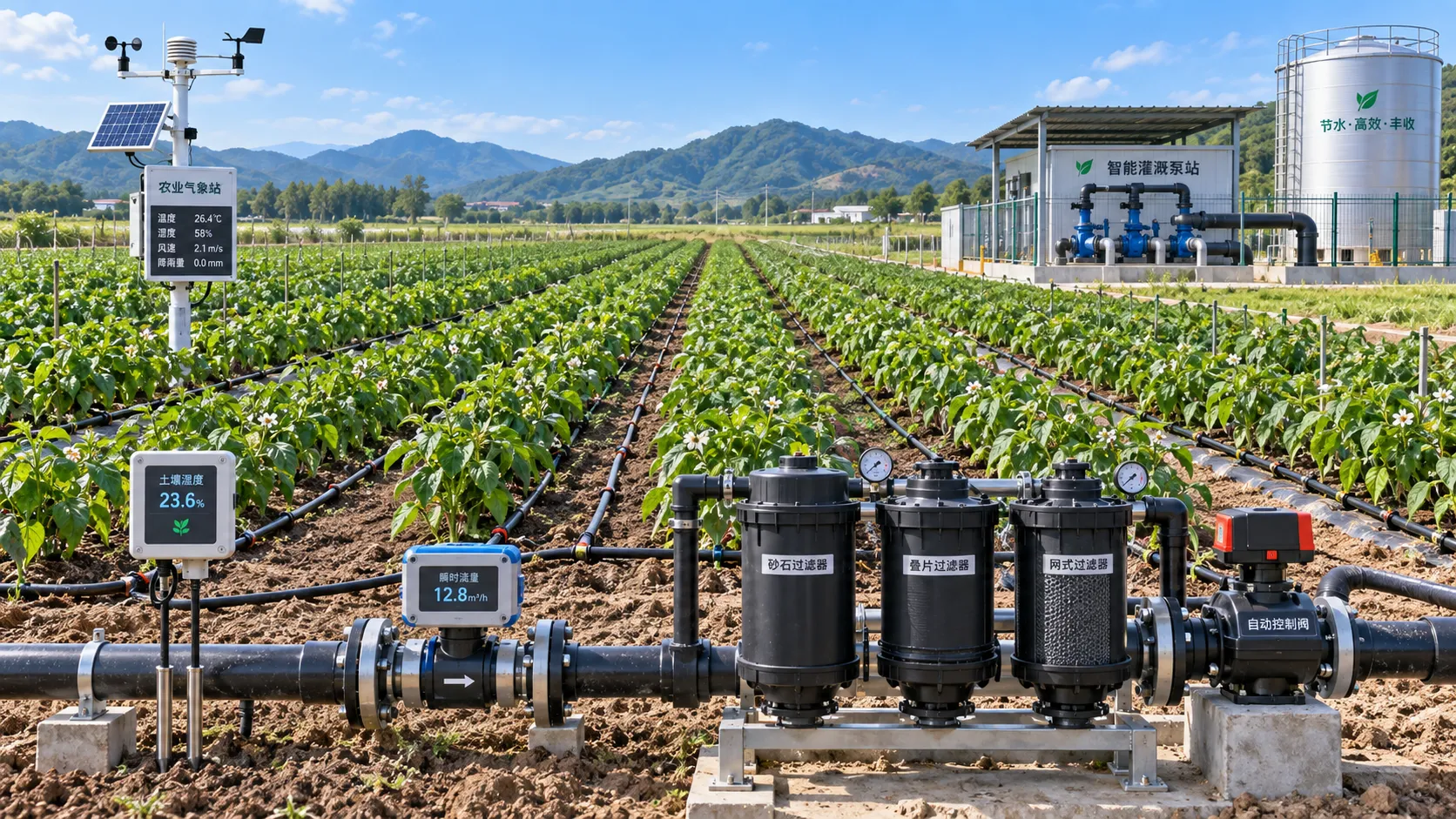
Automated Water-Saving Irrigation: How to Cut Water Use Without Reducing Crop Yields
Automated water-saving irrigation helps farms cut water use, protect crop yields, improve scheduling, and gain reliable control with sensors, flow monitoring, and smart zones.
Related News
- 00
0000-00
Climate-Smart Farming for Drought: A Practical Plan for Protecting Yields - 00
0000-00
Selecting Real-Time Soil Moisture Sensors for Irrigation Zone Control - 00
0000-00
How Does Climate-Smart Farming Reduce Water Use in Semi-Arid Areas? - 00
0000-00
USDA Rule Takes Effect: Dual FCC and NRCS Approval for Soil Moisture Sensors - 00
0000-00
EU Rule Takes Effect: Soil Moisture Sensors Need Revised CE-EMC Certification
Popular Tags
Hydrological Resource Strategist
Weekly Insights
Stay ahead with our curated technology reports delivered every Monday.