
USDA Expands VR Tech Tariff Relief to 30%
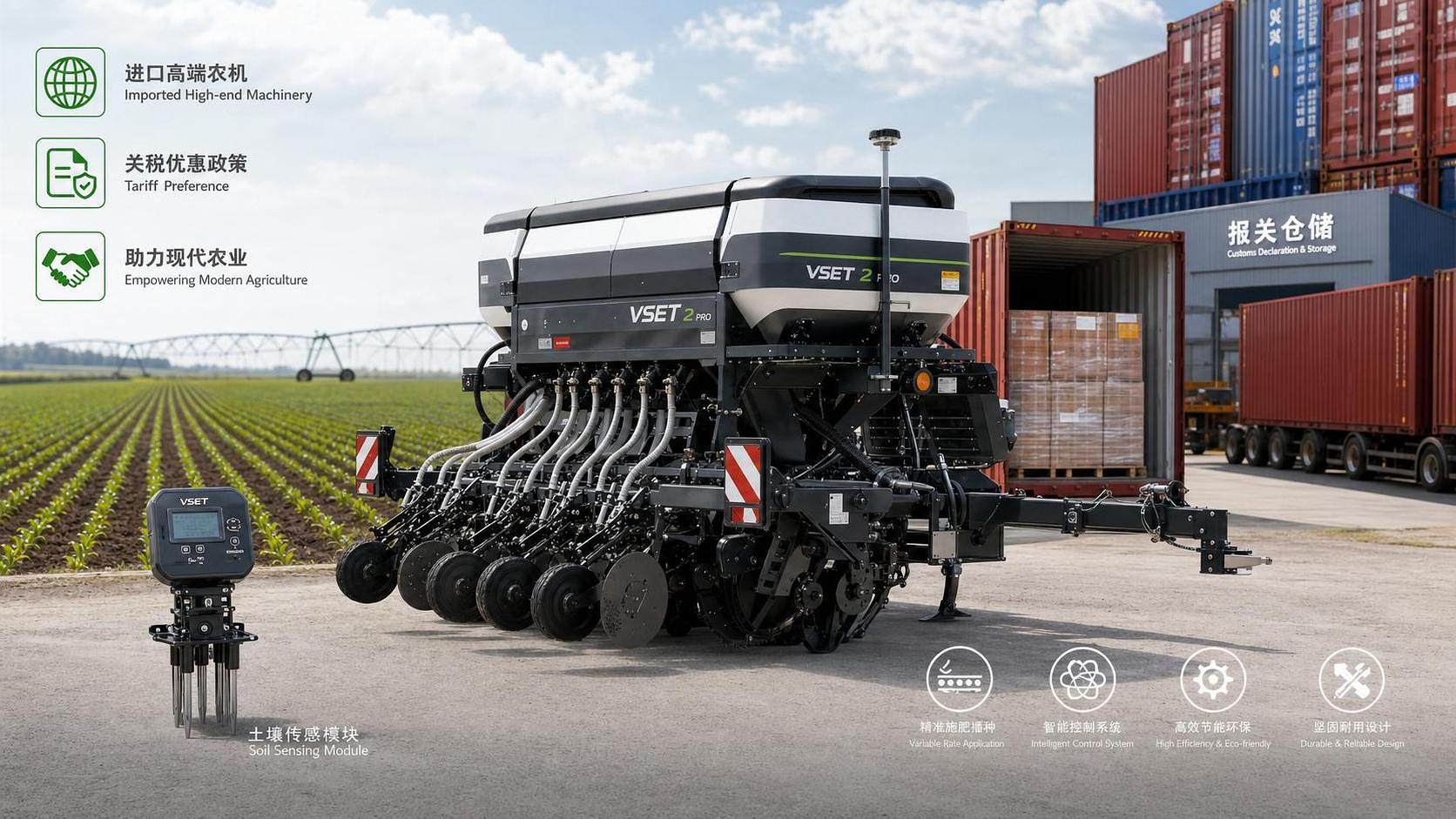




On July 2, 2026, the U.S. Department of Agriculture said Variable Rate Tech will be included in phase two of its Climate-Smart Export Incentive Program, allowing qualified imported equipment to seek an ad valorem tariff credit of up to 30% at customs clearance. For manufacturers, importers, distributors, and agricultural technology buyers, the update is worth attention because eligibility is tied not only to the product category, but also to whether the equipment carries a USDA-recognized real-time soil-crop feedback algorithm, and because the certification pathway is now open to Chinese manufacturers.
What the USDA announcement confirms
The confirmed facts are limited but commercially meaningful. USDA announced on July 2, 2026 that Variable Rate Tech has been added to the second phase of the Climate-Smart Export Incentive Program. Under that arrangement, certified imported equipment may apply for tariff relief of up to 30% of the ad valorem duty at the time of customs clearance.
The announcement also sets a technical condition for eligibility: applicable equipment must include a USDA-recognized real-time soil-crop feedback algorithm. In addition, the certification channel has been opened to Chinese manufacturers. No further operational details, implementation timelines beyond the announcement date, or product-by-product lists were provided in the input information.
Where the impact may appear first
Imported equipment transactions could become more specification-driven
From an industry perspective, import-facing trading companies and procurement teams may be affected first because tariff treatment now appears linked to certification status and technical configuration. The practical impact is likely to show up in quotation, landed-cost calculation, customs preparation, and supplier screening. What deserves closer attention is whether a device can be documented as meeting the algorithm requirement, rather than being described only as Variable Rate Tech in general terms.
Manufacturers may face a new compliance and product-definition threshold
For equipment makers, especially those seeking access through import channels covered by this program, the development may shift attention toward certification readiness. The issue is not only whether the hardware qualifies by use case, but whether the embedded or paired algorithm is recognized by USDA. For Chinese manufacturers, the opening of the certification pathway may create a new route to participate, but it also means technical claims, documentation, and product positioning may come under closer review in commercial discussions.
Channel partners and service providers may need tighter document coordination
Distributors, customs-facing service providers, and supply chain coordinators may be affected in the execution stage. Analysis shows that any tariff-credit opportunity tied to certification can quickly become a documentation issue in shipment planning, clearance timing, and customer communication. The point to watch is whether commercial teams, logistics teams, and compliance teams are working from the same understanding of which models, configurations, and records are actually eligible.
End users and buyers may reassess total acquisition cost
For buyers of agricultural equipment, the announcement may influence sourcing conversations if certified imported equipment can enter with lower tariff burden. Observably, the immediate relevance is less about abstract policy signaling and more about whether a given equipment option can be delivered with the required certification basis intact. Buyers may therefore pay more attention to validated technical features and supplier paperwork during evaluation.
What companies should watch now
Separate policy language from shipment-level eligibility
Companies should avoid treating inclusion in the program as automatic eligibility for every Variable Rate Tech product. The input information confirms a certification-based mechanism and an algorithm requirement. In practice, that means sales, procurement, and compliance teams need to distinguish between broad product marketing language and the specific basis required for tariff credit at clearance.
Prepare technical and customs documentation together
What deserves closer attention is the link between technical recognition and import execution. If a company plans to rely on the tariff credit in pricing or contracting, it will need to align product specifications, certification materials, and customs-facing documents early. Any gap between technical claims and clearance documentation could affect delivery expectations or customer communication.
Review supplier readiness, especially for cross-border programs
For manufacturers and sourcing teams working with Chinese suppliers, the opening of the certification channel is commercially relevant, but it should be treated as a process opening rather than proof of broad qualification. Companies should pay attention to whether suppliers can demonstrate certification progress, maintain consistent product definitions across versions, and support transaction documents required at import.
Track follow-up wording from official channels
The current information establishes a direction, but businesses should continue watching for clarifications on scope, certification handling, and customs application requirements. Analysis shows that the operational value of a tariff-credit policy often depends on follow-up guidance, not only on the headline announcement.
How this development is best understood
This section is analysis rather than confirmed fact. It is more appropriate to understand this announcement as both a near-term commercial signal and a policy indicator that technical qualification is becoming central to market access benefits. The notable point is that tariff treatment, in this case, is linked to recognized agronomic intelligence rather than to equipment identity alone.
Observably, the opening of the certification pathway to Chinese manufacturers also deserves continued attention. That element does not by itself indicate volume, approval pace, or broad market outcome, but it does suggest that the program is relevant to international suppliers that can meet the stated technical condition. For now, the industry should read this as an actionable development with unresolved execution details, not as a fully settled market result.
Why the market should keep this on the radar
The industry significance of this update lies in the combination of three confirmed elements: Variable Rate Tech has been added to phase two of a USDA program, certified imported equipment may seek up to 30% ad valorem tariff relief at customs clearance, and eligibility depends on a USDA-recognized real-time soil-crop feedback algorithm. Taken together, that makes the announcement relevant across product design, certification planning, import execution, and buyer communication.
At this stage, it is more appropriate to understand the news as a concrete policy change with practical business implications, while still recognizing that full commercial impact will depend on how certification and clearance requirements are applied in actual transactions.
Basis of this article
This article is based on the user-provided news title, event date, and event summary concerning the USDA decision announced on July 2, 2026. The input did not include a specific official source link, so the exact official posting still needs to be verified on an ongoing basis.
For this type of industry update, commonly relevant source categories may include official agency announcements, company disclosures, industry association information, authoritative media coverage, and standards-related documentation. The areas that still warrant follow-up are any later official clarifications on certification handling, applicable equipment scope, and customs-clearance implementation requirements.
Related News
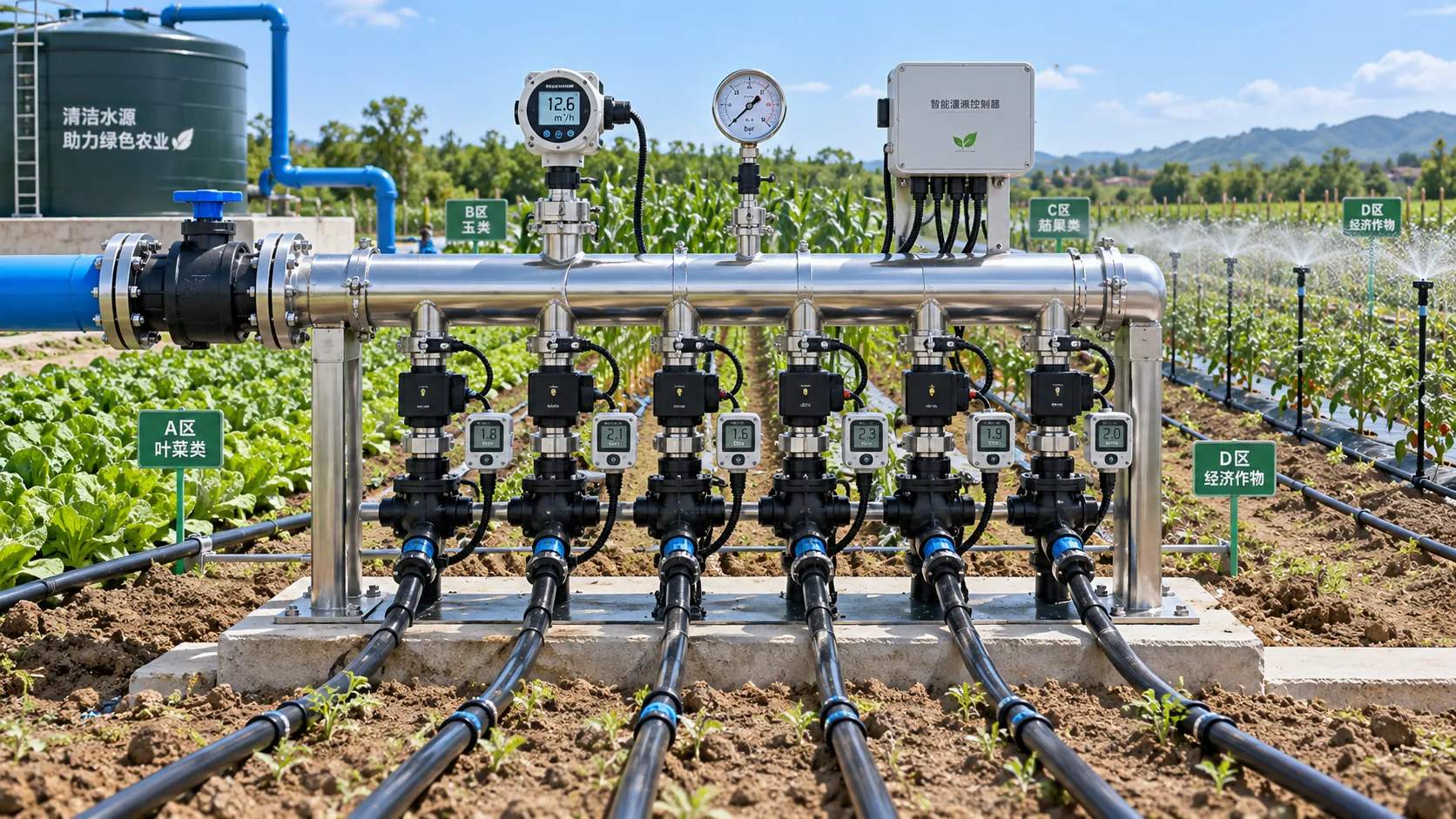
How to Select Smart Irrigation Valves for Multi-Zone Water Management?
Intelligent irrigation systems valves: learn how to match smart valves with multi-zone flow, pressure, control, feedback, and communication needs for reliable water management.
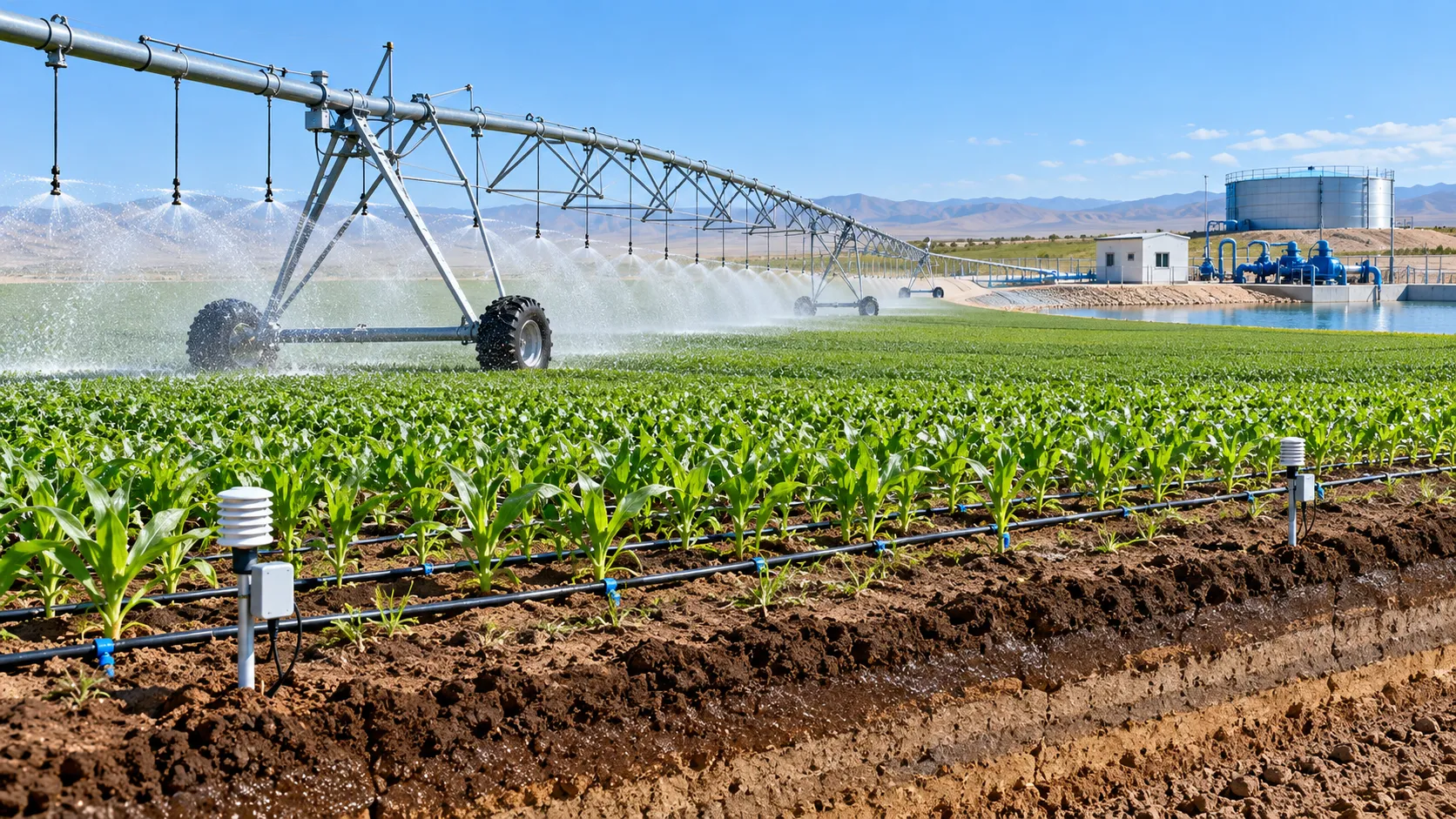
Climate-Smart Farming for Drought: A Practical Plan for Protecting Yields
Climate-smart farming for drought: build smarter water budgets, protect critical crop stages, improve irrigation uniformity, and safeguard yields with practical field-proven strategies.
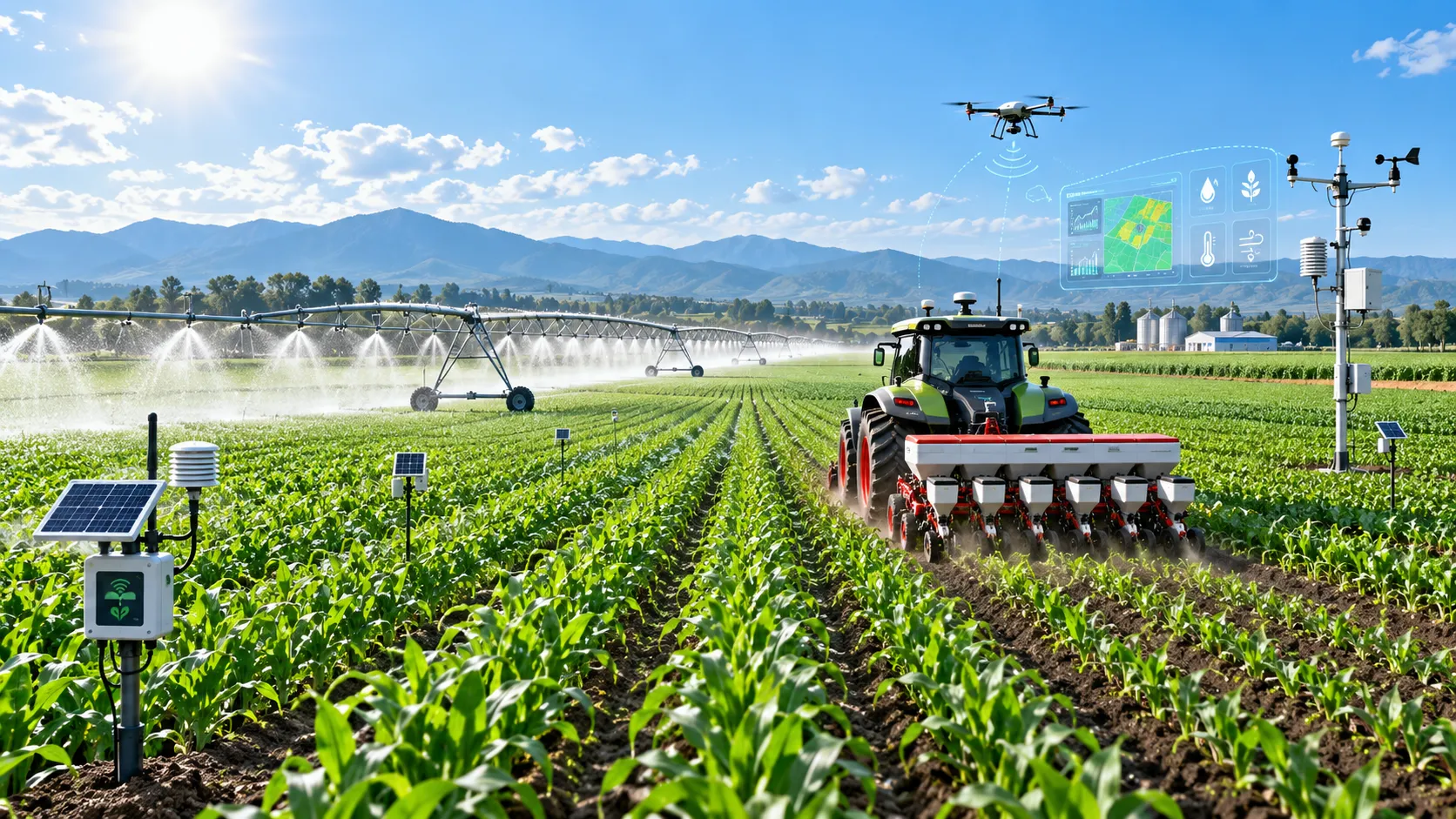
How Digital Agriculture Platforms Turn Field Data Into Better Input Decisions
Digital agriculture platforms turn field data into smarter fertilizer, water, seed, and equipment decisions—helping farms cut risk, improve margins, and scale sustainability.
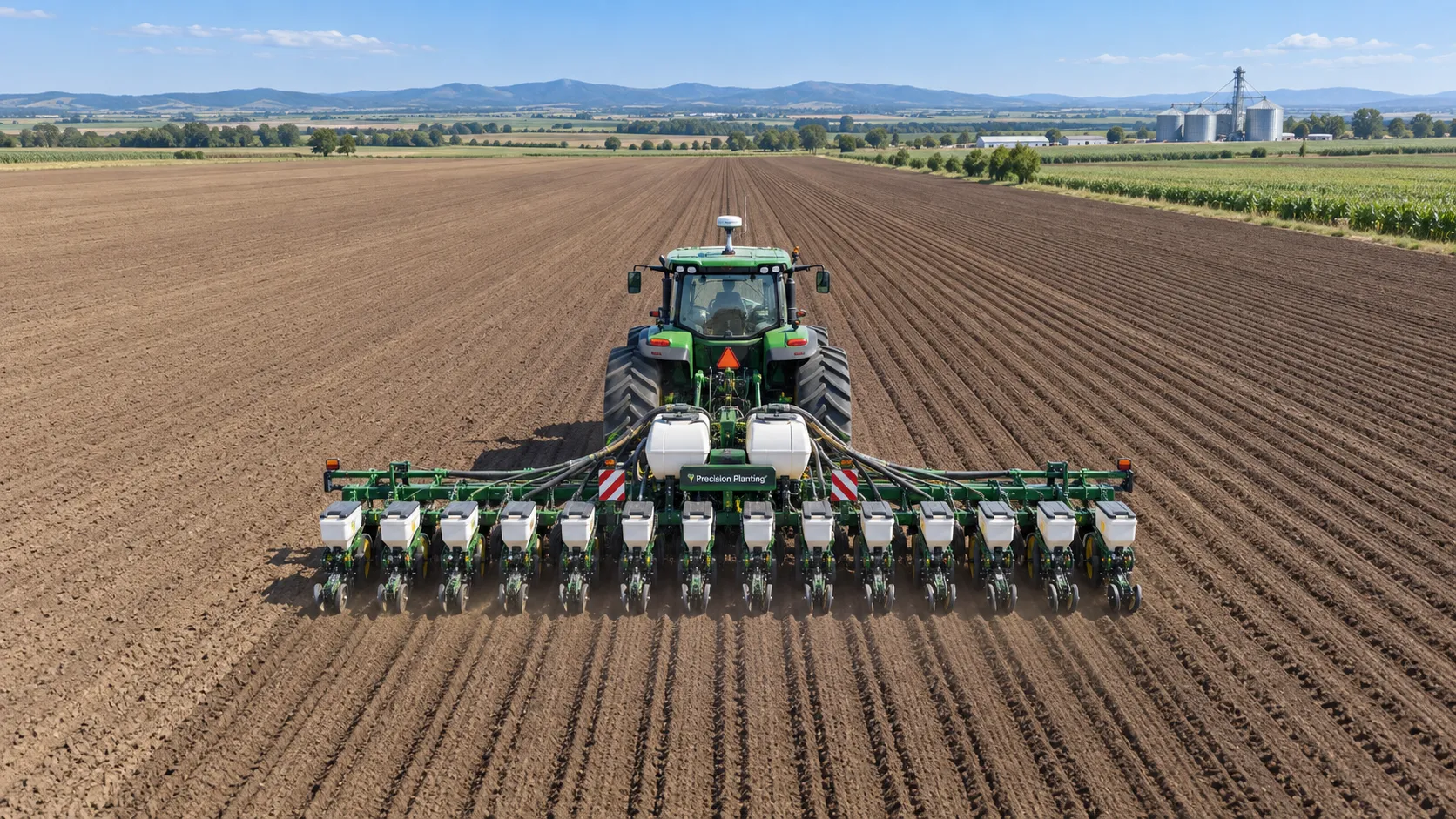
GPS-Guided Farm Machinery: Where It Delivers Measurable Field Efficiency Gains
Agri-mechanization GPS guided systems deliver measurable field efficiency gains through reduced overlap, precise planting, smarter inputs, and reliable farm data.
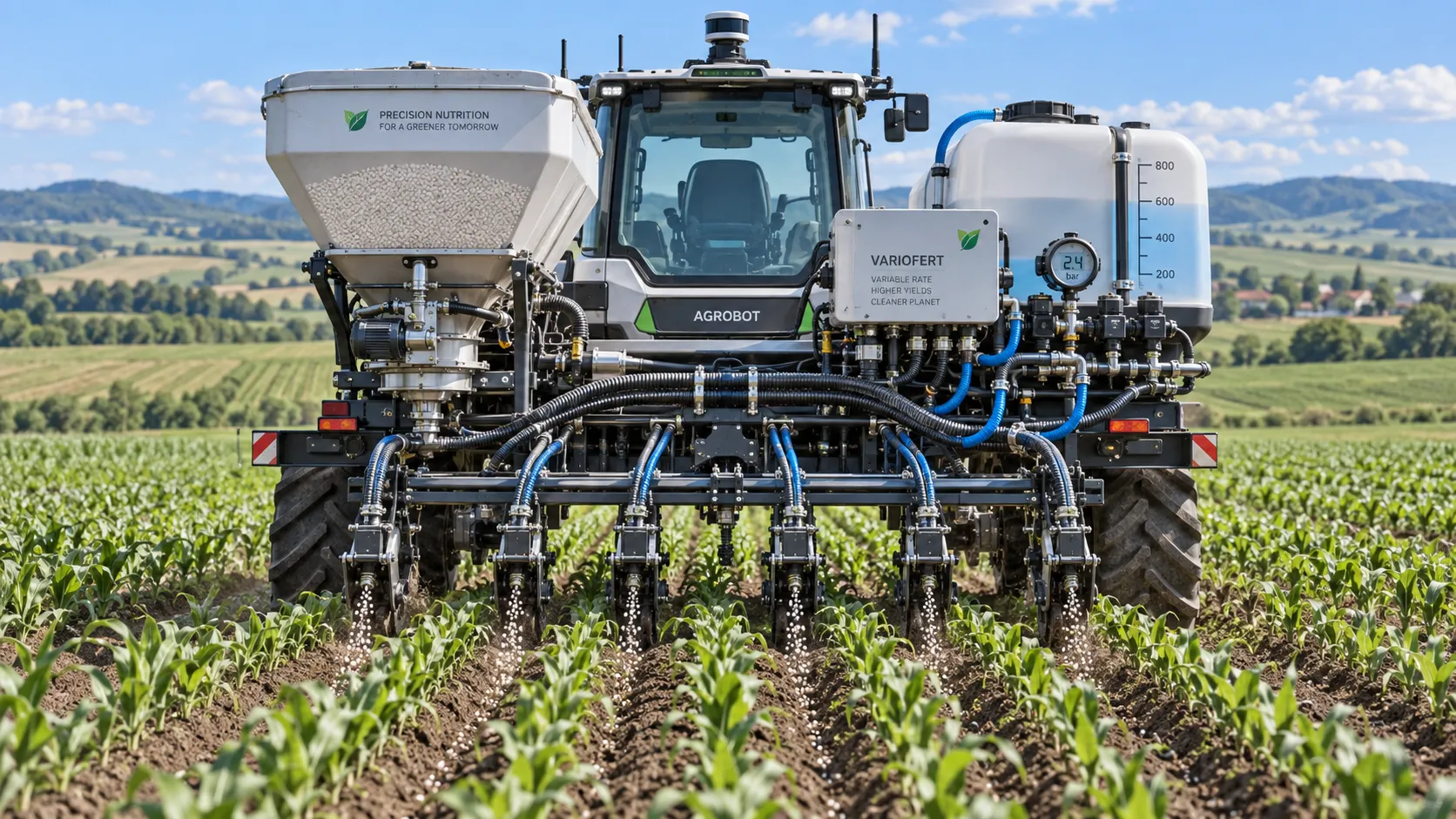
How Sensor Feedback Enables Accurate Variable-Rate Fertilization in Field Conditions
Precision fertilization systems with sensor feedback improve variable-rate accuracy by verifying flow, managing latency, and ensuring reliable field application.
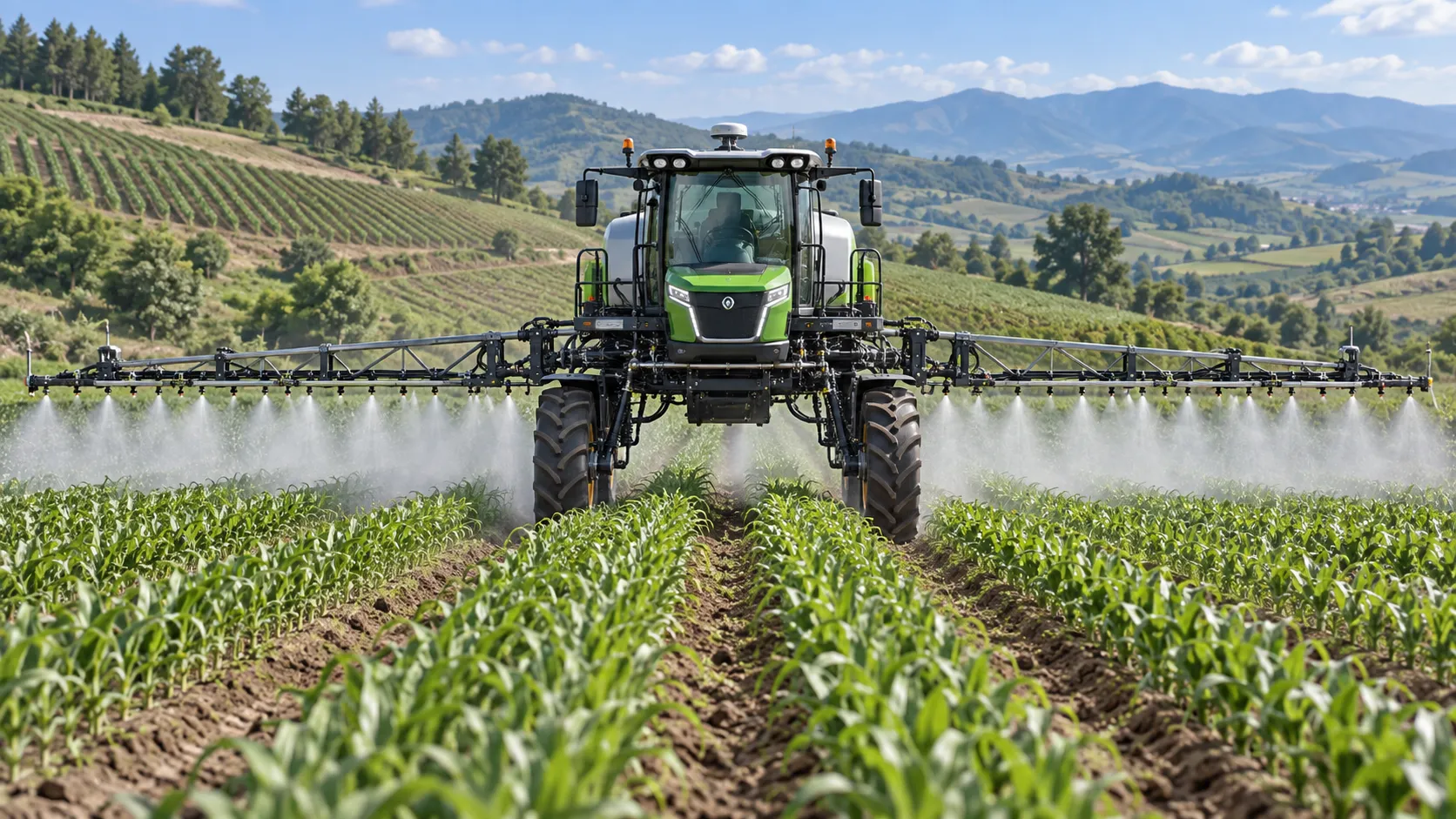
How to Select Precision Crop Protection Equipment for Variable Field Conditions
Precision crop protection equipment selection made simple: compare terrain, canopy, weather, control accuracy, and data workflows for reliable applications.
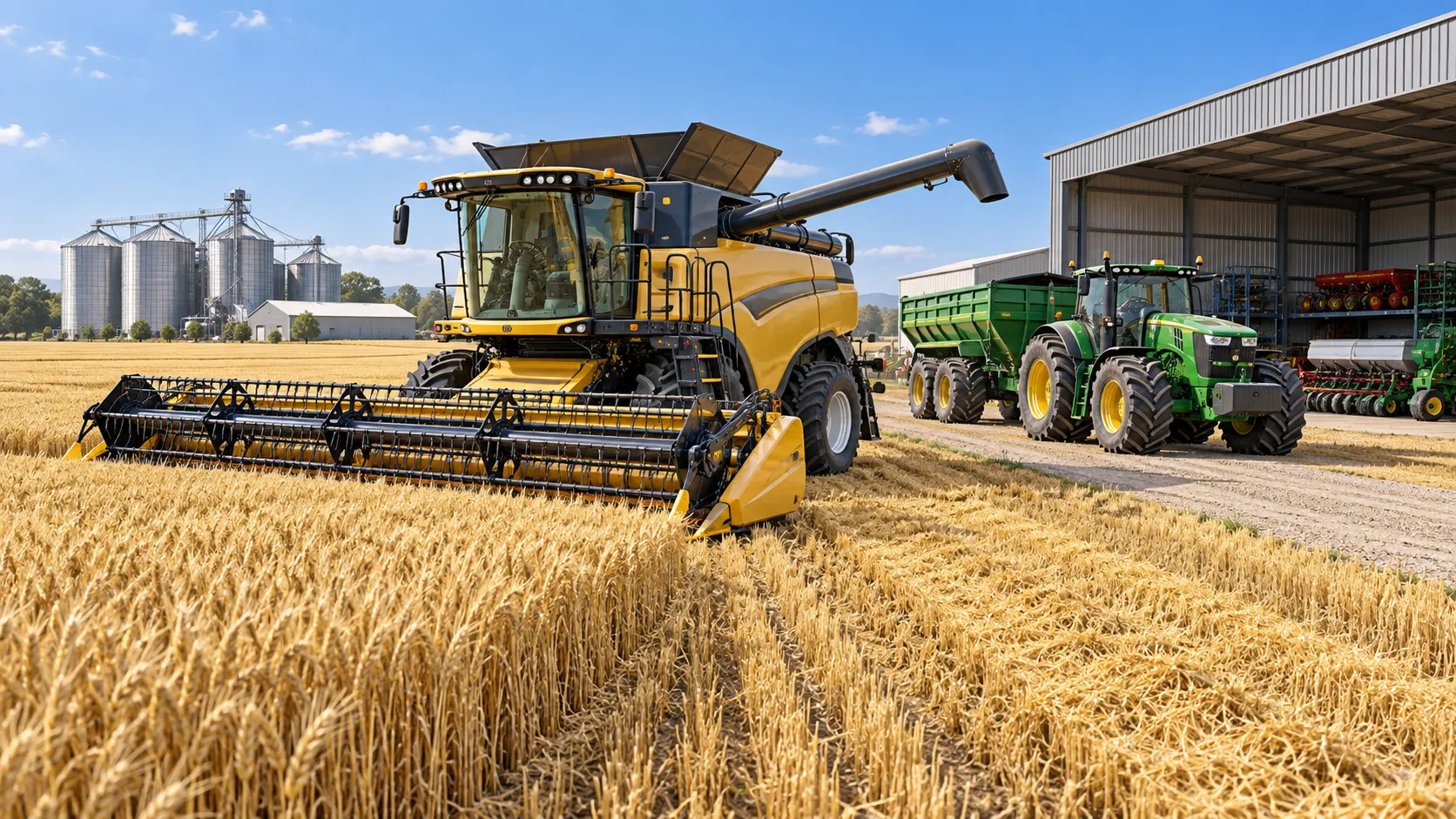
When Does Agricultural Machinery Leasing Cost Less Than Owning Equipment?
Agricultural machinery leasing can lower farm costs when use is seasonal or uncertain. Compare utilization, maintenance, cash flow, and risk to make a smarter equipment decision.
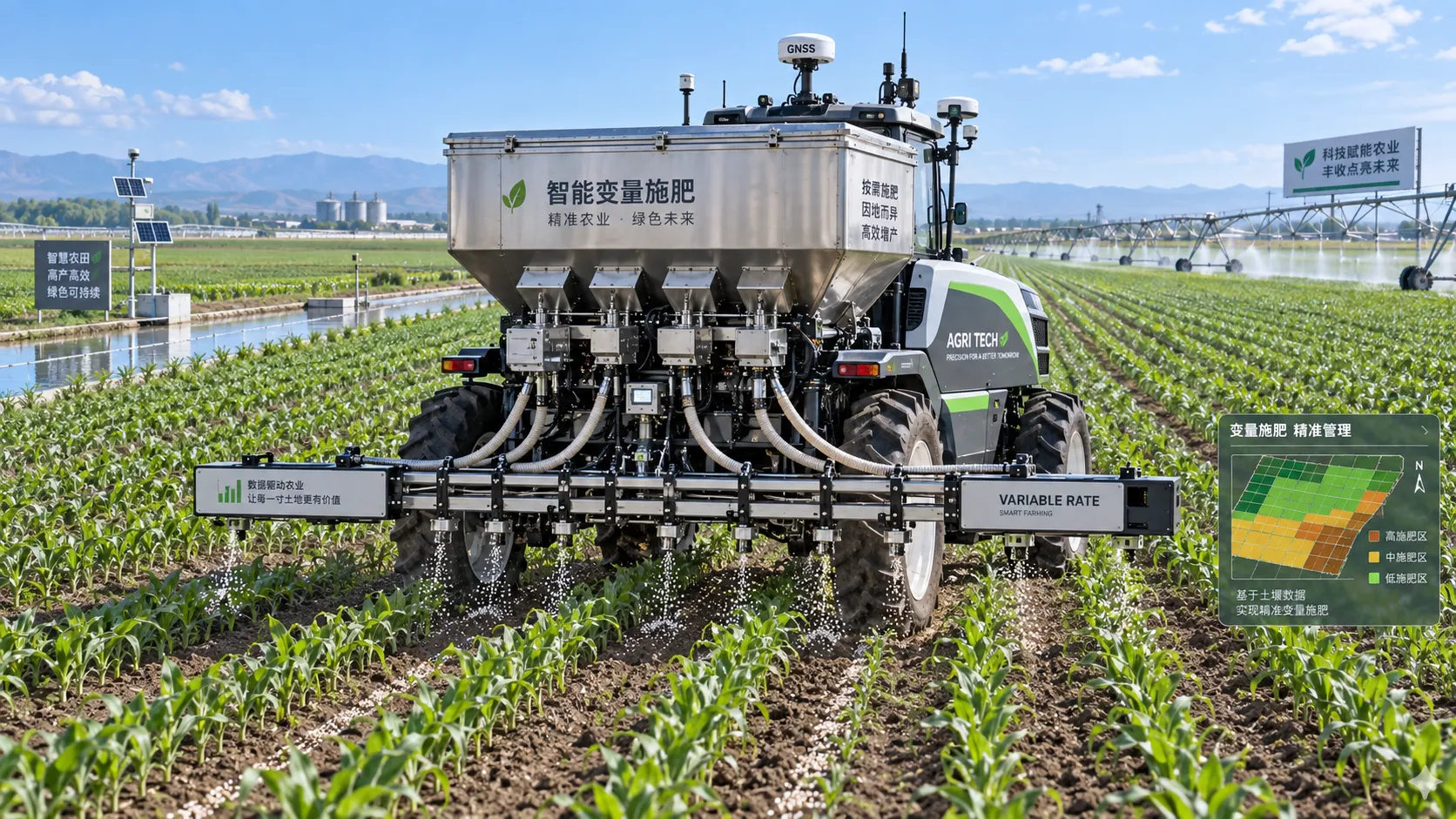
How to Evaluate Precision Fertilization System Suppliers for Farm-Scale Deployment
Precision fertilization systems suppliers: learn how to compare accuracy, integration, uptime, service, and total cost for confident farm-scale deployment.
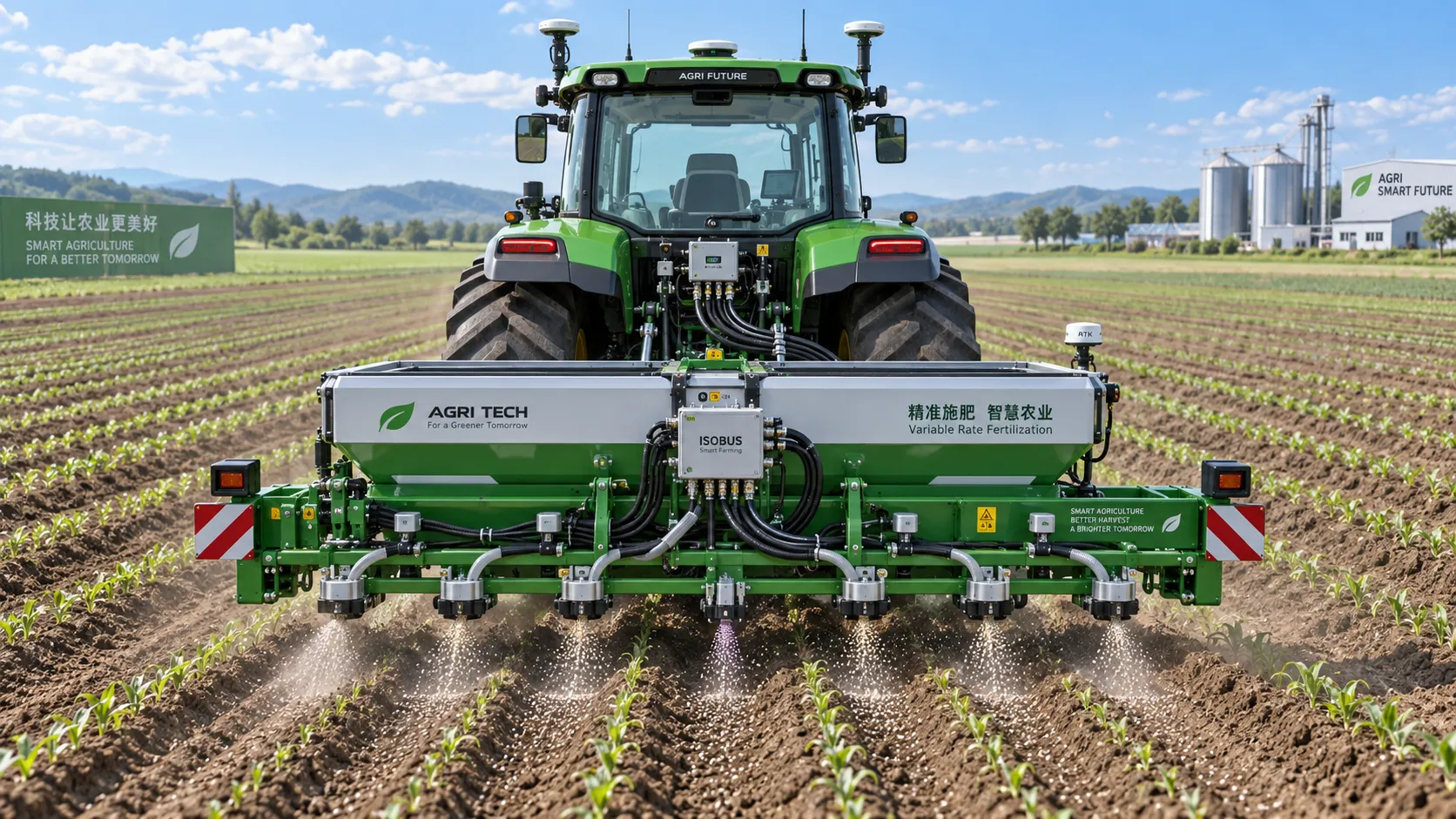
ISOBUS for Smart Agriculture: How It Connects Tractors, Implements, and Farm Data
ISOBUS for smart agriculture connects tractors, implements, terminals, and farm data—helping growers improve precision, documentation, and smarter field decisions.
Related News
- 00
0000-00
How Sensor Feedback Enables Accurate Variable-Rate Fertilization in Field Conditions - 00
0000-00
How to Select Precision Crop Protection Equipment for Variable Field Conditions - 00
0000-00
How to Evaluate Precision Fertilization System Suppliers for Farm-Scale Deployment - 00
0000-00
How to Select a Precision Fertilization System for Variable Corn Field Conditions - 00
0000-00
When does equipment for sustainable farming justify a higher capital spend?
Popular Tags
Tractor Power Architect
Weekly Insights
Stay ahead with our curated technology reports delivered every Monday.