
Precision Fertilization Tools for Orchards: Which Systems Fit Drip, Broadcast, or Variable Rate Use?
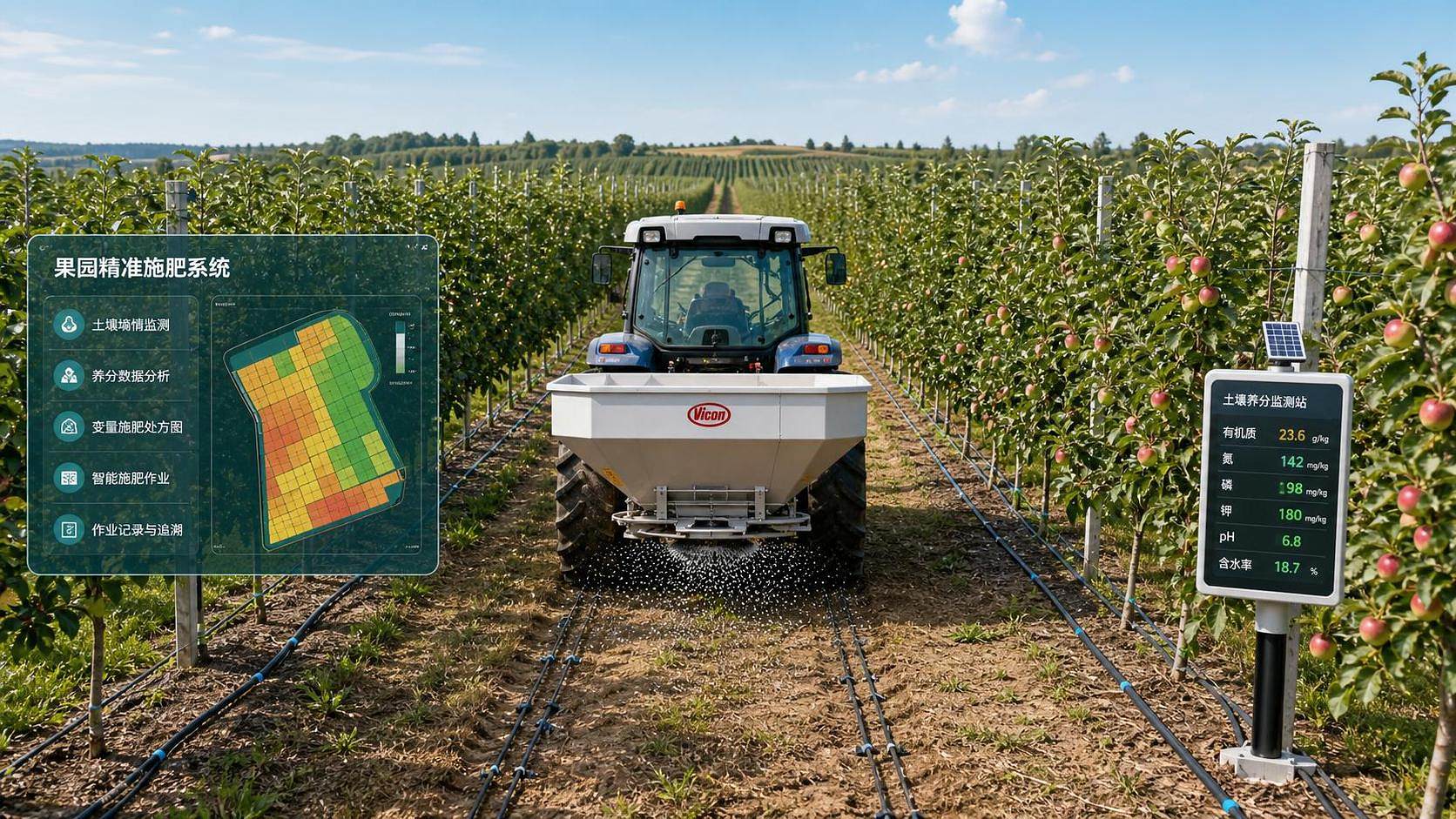




Why orchard nutrition decisions now start with field conditions
Precision fertilization tools for orchards now sit at the intersection of yield goals, irrigation design, labor pressure, and input control.
That is why the best system is rarely chosen by catalog specification alone.
In practical orchard operations, fertilizer placement must match root zone behavior, canopy variability, and the mechanics already running across the block.
A drip-fed citrus orchard, a broad-acre nut plantation, and a mixed-age apple block may all use precision fertilization tools for orchards, yet their decision logic differs sharply.
AP-Strategy often frames this issue through a wider Agriculture 4.0 lens.
Mechanical capability, sensor feedback, and water-saving infrastructure must work together, especially where nutrient efficiency is tied to irrigation intelligence.
The real question is not whether precision fertilization tools for orchards are useful.
The real question is which system fits the orchard’s layout, variability, and operating rhythm without creating hidden maintenance or compatibility problems.
Actual use cases diverge because orchards do not behave the same
Different orchards create different nutrient delivery constraints.
Tree spacing changes application uniformity, emitter density affects nutrient concentration, and terrain alters both runoff risk and machine access.
The crop itself also matters.
High-value fruit blocks usually tolerate tighter control costs because nutrition errors quickly show up in fruit size, color, or return bloom.
Larger orchard estates often judge precision fertilization tools for orchards through another filter: scalability across zones, work windows, and equipment fleets.
This is where broad farm intelligence becomes useful.
When irrigation data, machinery efficiency, and prescription mapping are reviewed together, system fit becomes clearer than any isolated fertilizer rate comparison.
What usually drives the choice
- Whether fertigation infrastructure already exists and performs reliably.
- How much soil and canopy variability exists within the same orchard block.
- Whether labor availability supports calibration, cleaning, and seasonal adjustments.
- How often nutrient plans change across growth stages and weather conditions.
- Whether machinery traffic can enter the orchard without damaging roots, berms, or irrigation lines.
Drip-integrated systems work best where irrigation already carries management value
Drip-based precision fertilization tools for orchards are strongest in orchards that already depend on controlled irrigation scheduling.
Here, fertilizer delivery becomes part of a wider water and crop-response strategy, not a separate field pass.
This approach is especially effective in citrus, apples, grapes, and intensive orchards with stable emitter networks.
Frequent low-dose feeding helps maintain nutrient availability near active roots and reduces large single-shot losses.
In regions facing water restrictions, the combination of intelligent irrigation and dosing control usually gives drip systems an operational advantage.
Still, this is not automatically the best option.
Drip fertigation becomes fragile when water quality is inconsistent, filtration is undersized, or emitter clogging is already a recurring issue.
A common misjudgment is assuming that installing injectors alone creates precision.
In reality, precision fertilization tools for orchards only perform here when pressure regulation, tank mixing, flushing routines, and chemical compatibility are already disciplined.
Where drip systems deserve priority
They suit blocks with uniform tree rows, dependable pumping, and a clear need for frequent nutrient corrections during the season.
They are less convincing where irrigation is partial, temporary, or uneven across expansion areas.
Broadcast application still fits some orchards, but only under the right workload pattern
Broadcast methods are often treated as outdated, yet that reading is too simple.
For large orchards with wide row spacing, fewer in-season corrections, and suitable soil moisture timing, broadcast application can remain practical and economically stable.
This is often true where granular fertilizer programs are already integrated with mechanized field traffic.
The value of broadcast precision fertilization tools for orchards depends on placement consistency, spread pattern control, and timing against rainfall or irrigation incorporation.
If those factors are weak, nutrient loss rises quickly, especially on slopes or lighter soils.
Broadcast systems make more sense when orchard managers need speed over large acreage and can accept lower temporal flexibility than fertigation offers.
They also avoid some of the water chemistry and clogging risks seen in drip-fed systems.
However, ignoring canopy variation is expensive.
Applying one blanket rate across vigorous and weak zones may preserve work rate, but it often wastes nutrient where tree response is already saturated.
Variable rate control becomes relevant when orchard variability is real, not assumed
Variable rate precision fertilization tools for orchards offer the greatest promise where orchard blocks contain measurable differences in soil, vigor, age, or production history.
This is where digital agriculture moves from theory to field economics.
Prescription maps, satellite imagery, yield records, and sensor layers can all support rate changes by zone.
But variable rate systems only justify themselves when data quality and equipment response are both reliable.
A mixed-age orchard is a good example.
Young replants, mature trees, and stressed edge rows do not use nutrients equally, so fixed-rate spreading often creates both deficiency and oversupply within the same pass.
In that setting, variable rate precision fertilization tools for orchards can protect input efficiency while improving response consistency.
The risk lies in overestimating digital readiness.
If GNSS accuracy is unstable, maps are outdated, or controllers cannot react smoothly at orchard travel speeds, the promised precision collapses into expensive complexity.
Different orchard situations call for different judgment points
A side-by-side comparison helps clarify where each system usually fits.
In many estates, the answer is not one system everywhere.
A hybrid pattern often appears, with drip on intensive blocks, broadcast on extensive zones, and variable rate logic layered where spatial data is trustworthy.
What gets overlooked before deployment
The biggest implementation errors usually happen before the first kilogram is applied.
One frequent mistake is treating all precision fertilization tools for orchards as input devices rather than system components.
A spreader, injector, or variable controller must match tractor hydraulics, telemetry architecture, field traffic patterns, and maintenance capacity.
Another weak point is cost framing.
Low purchase price can hide high flushing labor, spare parts dependency, recalibration downtime, or data subscription costs.
There is also a timing issue.
If an orchard cannot collect usable variability data before nutrition windows open, then advanced variable rate capability may sit idle for a season.
AP-Strategy’s broader equipment perspective is useful here because orchard nutrition tools do not operate in isolation from power units, hydraulics, or irrigation control logic.
Checks worth completing before committing
- Verify compatibility with existing irrigation pressure, filtration, and fertigation hardware.
- Compare calibration demands against actual labor and service routines.
- Test whether soil and canopy variability are large enough to justify variable rate complexity.
- Review nutrient sources for solubility, corrosion risk, and controller response.
- Model full-season operating cost, not only equipment acquisition.
A practical path to choosing the right orchard system
Choosing precision fertilization tools for orchards becomes easier when the sequence is disciplined.
Start by separating orchard blocks according to irrigation maturity, variability level, and nutrition response sensitivity.
Then compare whether the goal is tighter timing, larger work rate, or zone-specific correction.
Those three goals usually point toward drip, broadcast, or variable rate priorities respectively.
Where uncertainty remains, pilot one representative block instead of forcing full-orchard standardization too early.
That approach reveals maintenance friction, data gaps, and true nutrient response under local conditions.
The strongest decisions usually come from matching orchard reality with mechanical capability, irrigation logic, and measurable agronomic return.
From there, it becomes practical to define block-level standards, confirm implementation risk, and build a nutrition program that can scale without losing precision.
Related News
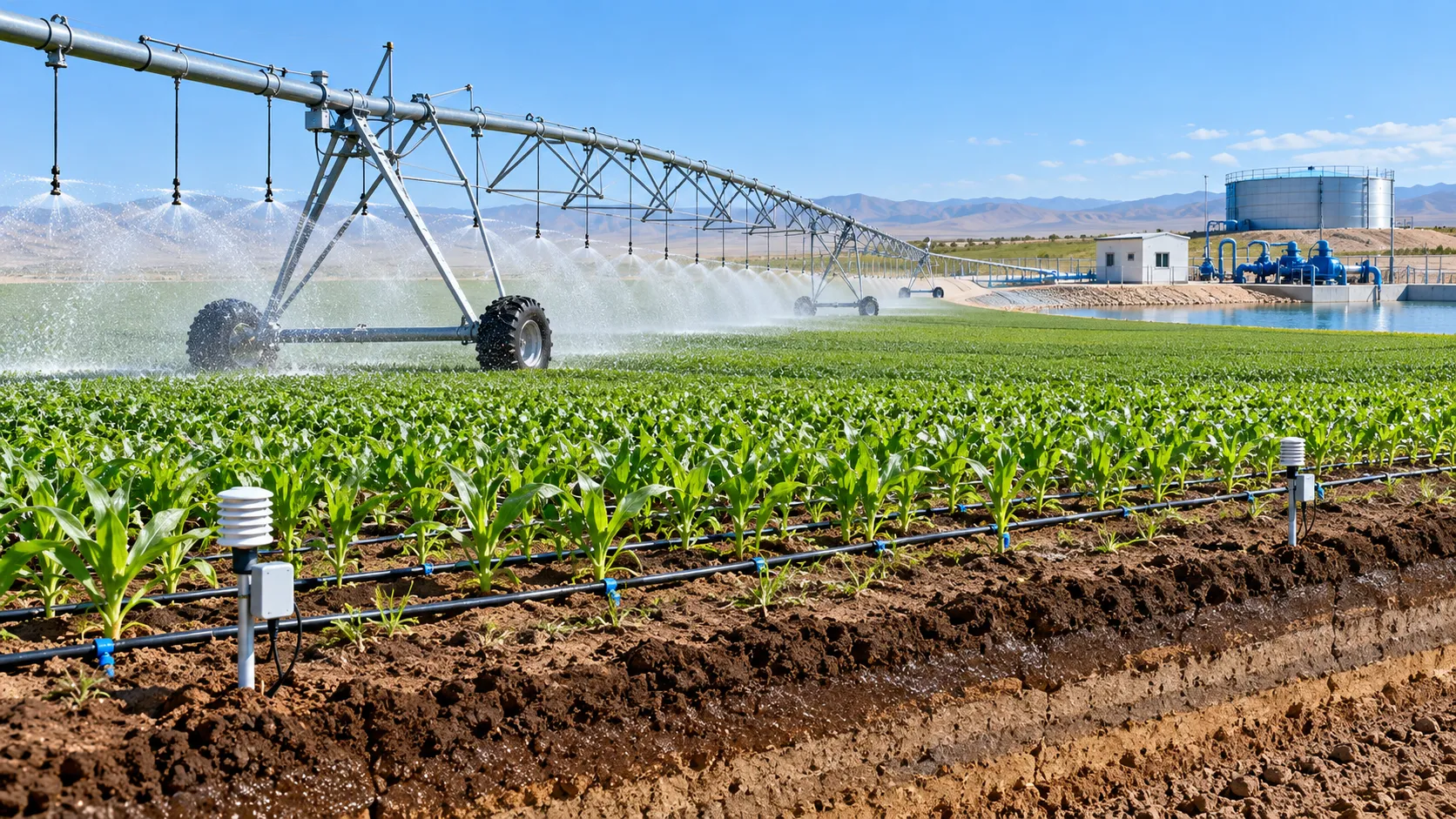
Climate-Smart Farming for Drought: A Practical Plan for Protecting Yields
Climate-smart farming for drought: build smarter water budgets, protect critical crop stages, improve irrigation uniformity, and safeguard yields with practical field-proven strategies.
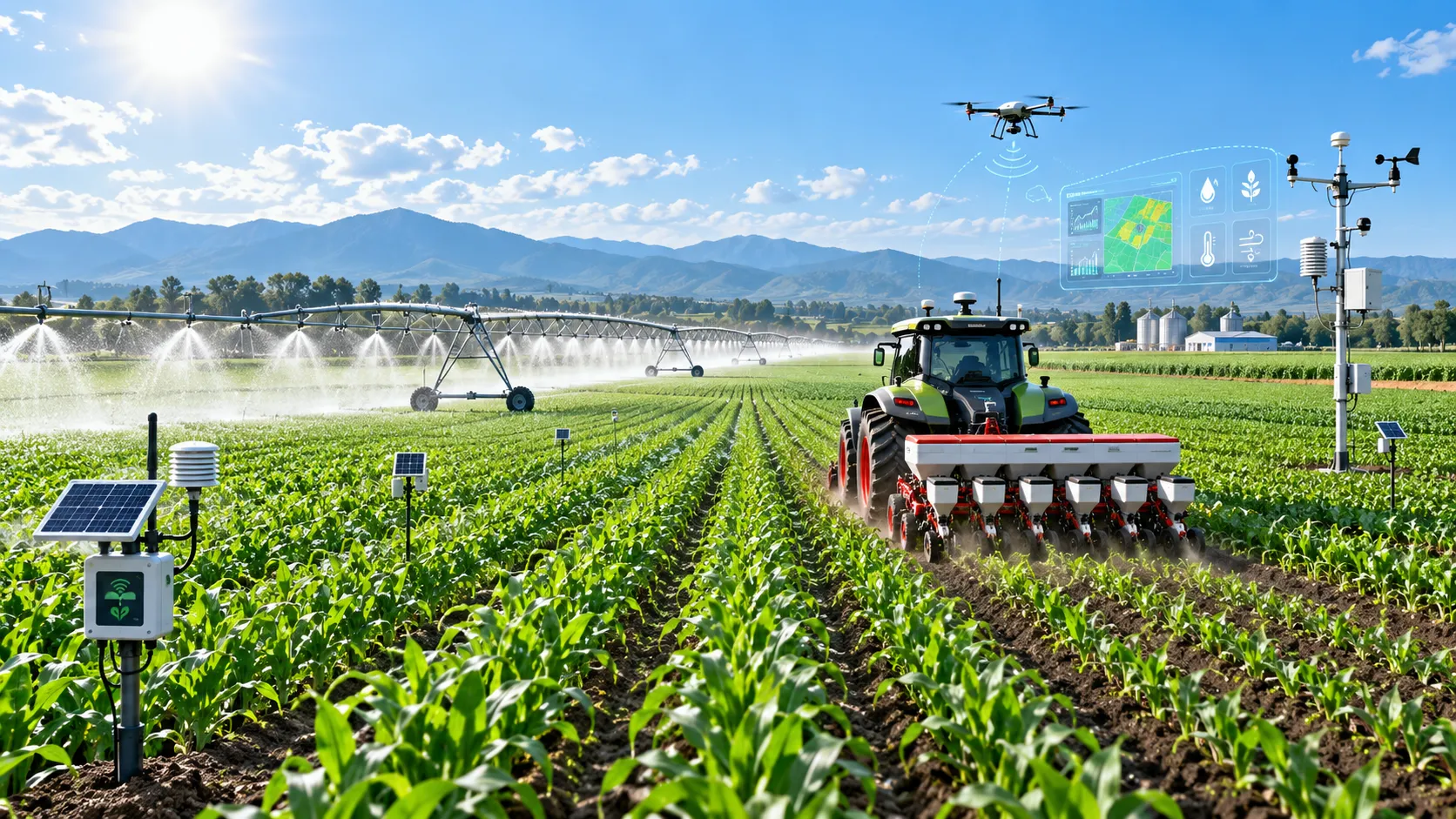
How Digital Agriculture Platforms Turn Field Data Into Better Input Decisions
Digital agriculture platforms turn field data into smarter fertilizer, water, seed, and equipment decisions—helping farms cut risk, improve margins, and scale sustainability.
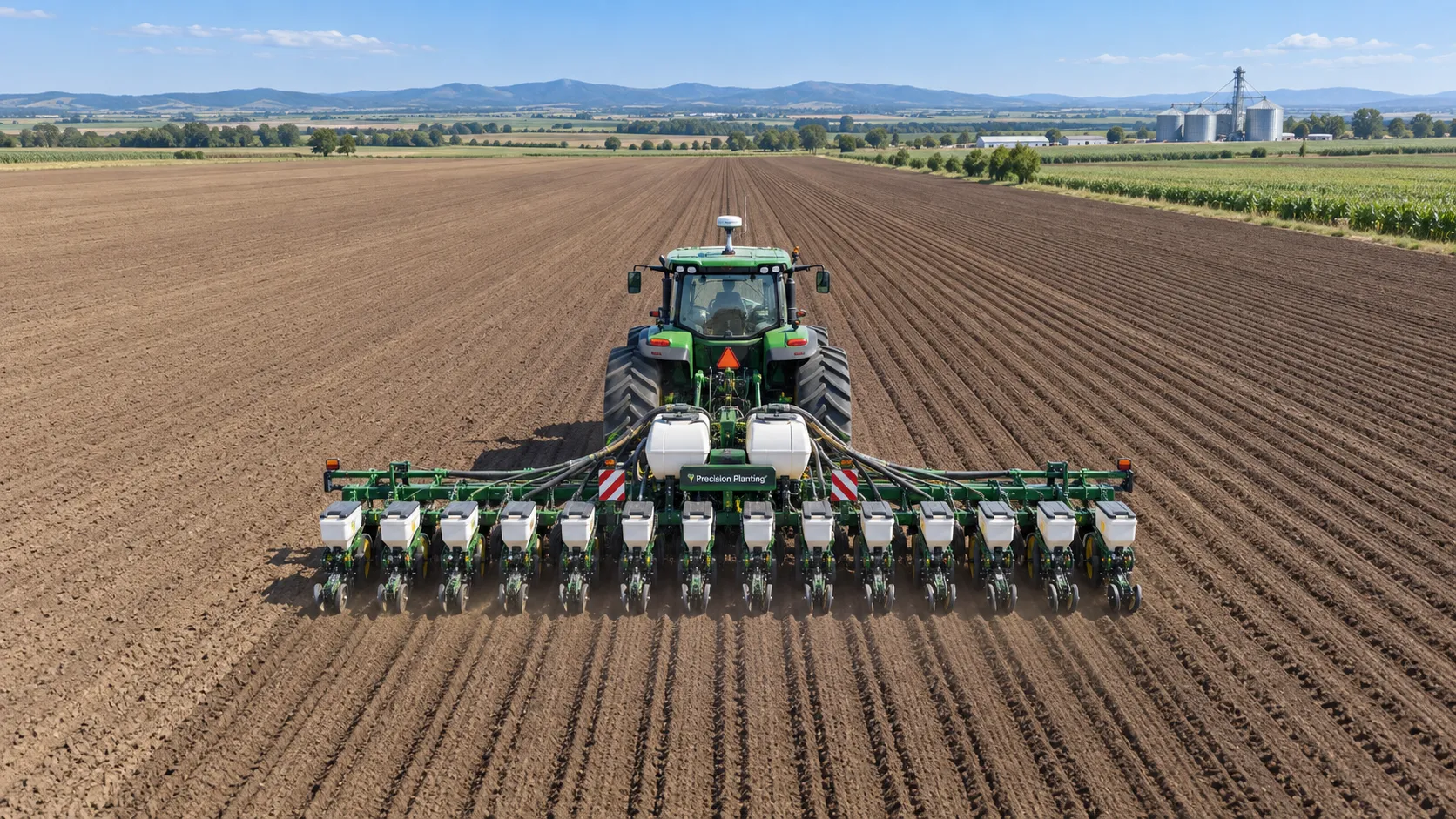
GPS-Guided Farm Machinery: Where It Delivers Measurable Field Efficiency Gains
Agri-mechanization GPS guided systems deliver measurable field efficiency gains through reduced overlap, precise planting, smarter inputs, and reliable farm data.
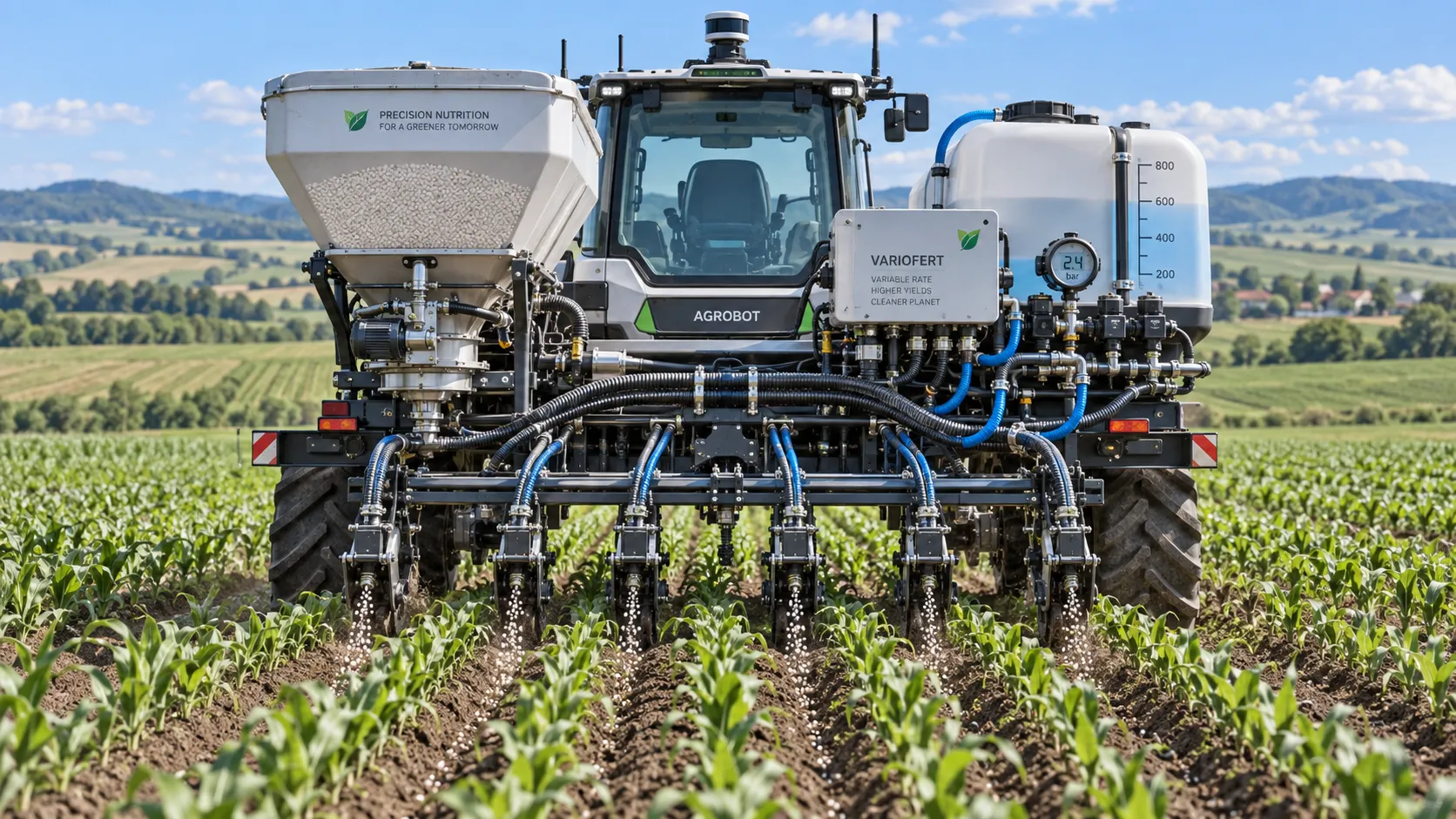
How Sensor Feedback Enables Accurate Variable-Rate Fertilization in Field Conditions
Precision fertilization systems with sensor feedback improve variable-rate accuracy by verifying flow, managing latency, and ensuring reliable field application.
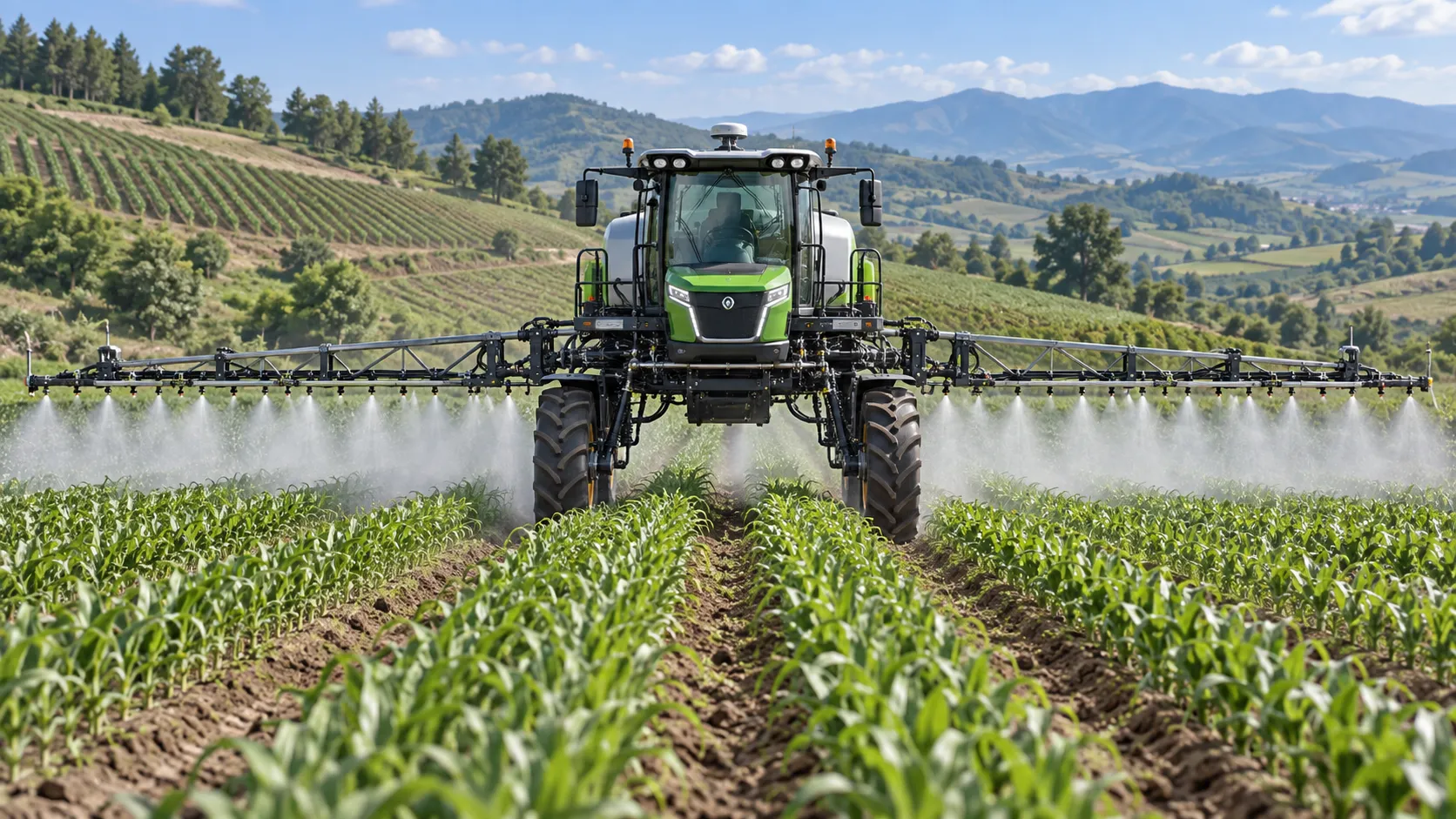
How to Select Precision Crop Protection Equipment for Variable Field Conditions
Precision crop protection equipment selection made simple: compare terrain, canopy, weather, control accuracy, and data workflows for reliable applications.

When Does Agricultural Machinery Leasing Cost Less Than Owning Equipment?
Agricultural machinery leasing can lower farm costs when use is seasonal or uncertain. Compare utilization, maintenance, cash flow, and risk to make a smarter equipment decision.

How to Evaluate Precision Fertilization System Suppliers for Farm-Scale Deployment
Precision fertilization systems suppliers: learn how to compare accuracy, integration, uptime, service, and total cost for confident farm-scale deployment.
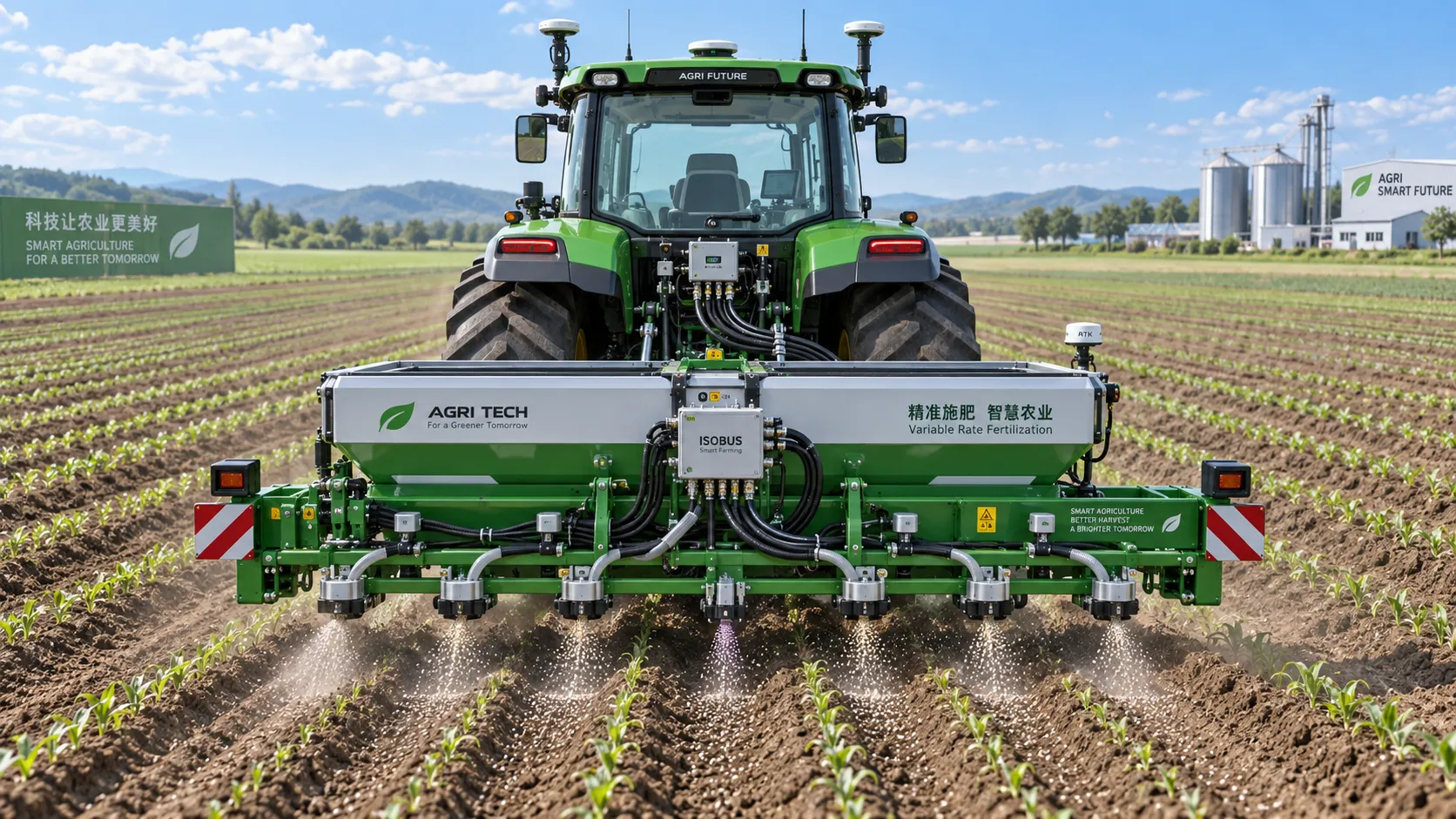
ISOBUS for Smart Agriculture: How It Connects Tractors, Implements, and Farm Data
ISOBUS for smart agriculture connects tractors, implements, terminals, and farm data—helping growers improve precision, documentation, and smarter field decisions.
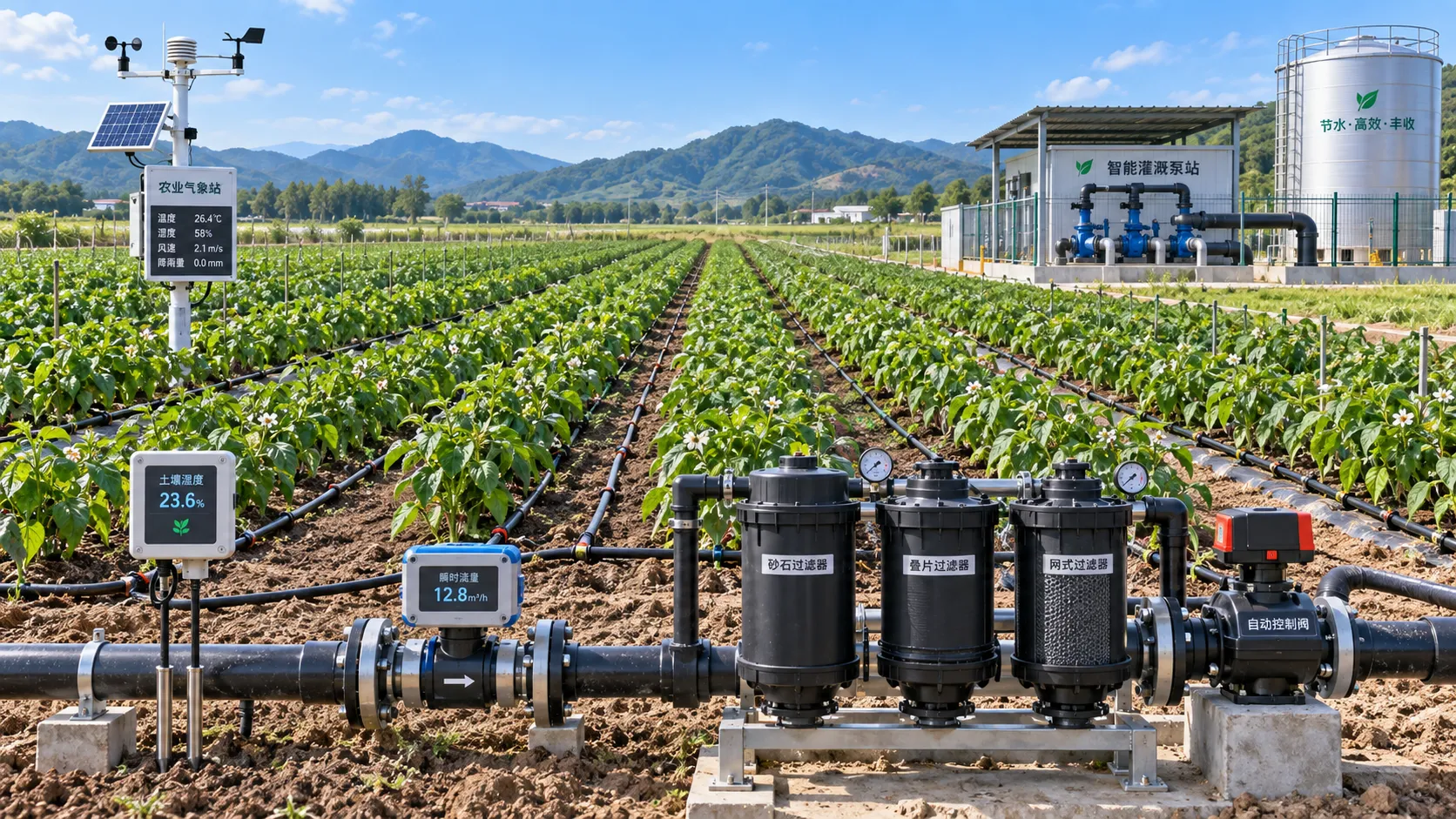
Automated Water-Saving Irrigation: How to Cut Water Use Without Reducing Crop Yields
Automated water-saving irrigation helps farms cut water use, protect crop yields, improve scheduling, and gain reliable control with sensors, flow monitoring, and smart zones.
Related News
- 00
0000-00
How Sensor Feedback Enables Accurate Variable-Rate Fertilization in Field Conditions - 00
0000-00
How to Select Precision Crop Protection Equipment for Variable Field Conditions - 00
0000-00
How to Evaluate Precision Fertilization System Suppliers for Farm-Scale Deployment - 00
0000-00
How to Select a Precision Fertilization System for Variable Corn Field Conditions - 00
0000-00
When does equipment for sustainable farming justify a higher capital spend?
Popular Tags
Tractor Power Architect
Weekly Insights
Stay ahead with our curated technology reports delivered every Monday.