
Precision Fertilization Equipment Selection Guide: Key Rates, Sensors, and Control Options
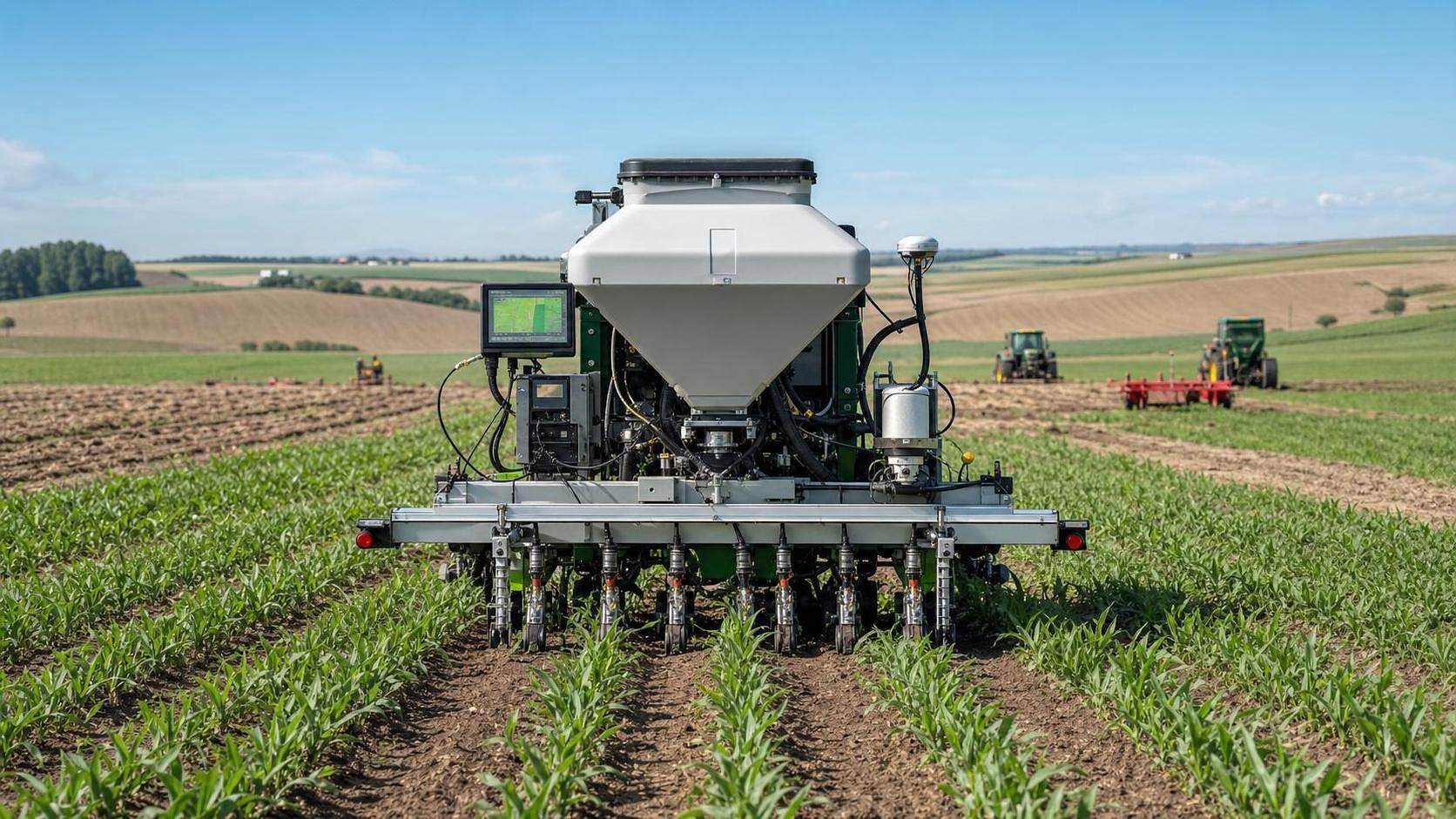




Precision Fertilization Equipment Selection Guide: Key Rates, Sensors, and Control Options
Choosing the right precision fertilization equipment takes more than checking spread width or hopper volume.
The real question is whether the system can hold target rates under changing field conditions.
That means looking closely at metering stability, sensor feedback, control response, and integration with prescription workflows.
For teams reviewing precision fertilization equipment, the best choice is usually the one that stays accurate when speed, terrain, and material properties shift.
Why precision fertilization equipment selection now depends on control quality
Application windows are tighter, input costs are less forgiving, and nutrient losses are under more scrutiny.
As a result, precision fertilization equipment is judged less by advertised capacity and more by repeatable field performance.
This is especially true in variable-rate programs, where every delay or rate drift shows up in crop response and cost records.
A technically sound system should translate agronomic intent into stable nutrient placement, not just move product across acres.
Start with the application rate envelope
The first filter for precision fertilization equipment is the real operating rate range.
A unit may perform well at mid-range output but lose consistency at very low or very high rates.
That matters in fields with zone-based prescriptions, headland changes, and crop-specific nutrient strategies.
Rate capability should be checked against four variables
- Minimum stable delivery rate without pulsing or skips.
- Maximum continuous rate before flow becomes erratic.
- Ground speed range supported without major accuracy loss.
- Material sensitivity across blends, granule sizes, and moisture levels.
In practical evaluations, rate accuracy should be tested under dynamic conditions, not only in steady bench runs.
A strong precision fertilization equipment platform maintains target output through acceleration, slope changes, and partial hopper loads.
Metering system design often decides field accuracy
Metering hardware is the mechanical core of precision fertilization equipment.
Whether the system uses augers, rollers, belts, discs, or pneumatic delivery, its job is simple in theory.
In the field, however, vibration, bridging, segregation, and dust make that job much harder.
More reliable units usually show tighter clearances, better agitation control, and smoother response to command changes.
Points worth checking during technical review
- Metering repeatability after start-stop cycles.
- Sensitivity to fertilizer bulk density variation.
- Wear surfaces that influence calibration drift.
- Ease of cleanout between products.
- Risk of material segregation in transport paths.
These details are rarely flashy, yet they strongly affect nutrient consistency over a full season.
Sensor selection is not optional anymore
Modern precision fertilization equipment depends on feedback, not assumption.
Without dependable sensors, variable-rate capability turns into open-loop estimation, which raises uncertainty fast.
The right sensor package depends on whether the operation prioritizes nutrient placement, cost control, traceability, or all three.
Common sensor categories in precision fertilization equipment
- Load cells for hopper mass tracking and real-time depletion monitoring.
- Shaft or motor speed sensors for metering verification.
- Flow sensors in liquid systems for direct output confirmation.
- GPS receivers for location-linked application control.
- Optical or crop canopy sensors for responsive nutrient adjustment.
Sensor quality should be judged by refresh rate, drift resistance, environmental sealing, and diagnostic visibility.
A sensor that reads accurately in clean conditions but fails in dust or vibration adds more noise than value.
Control options shape how well the system responds
Control logic is where precision fertilization equipment either proves itself or falls short.
A controller must interpret targets, process sensor data, and command actuators fast enough to stay aligned with field reality.
From recent system upgrades across the market, the clearer signal is a shift toward smarter closed-loop control.
Typical control configurations
The better systems also provide latency data, alarms, and logs that help teams verify what actually happened in the field.
Prescription mapping and data compatibility matter early
Precision fertilization equipment should fit the data environment already in use.
A machine with strong hardware but weak file compatibility slows execution and weakens traceability.
This also affects dealer support, software updates, and how easily records can feed agronomic analysis later.
Check these integration points before approval
- Prescription file formats and import reliability.
- ISOBUS or other machine communication standards.
- As-applied data export quality and timestamp accuracy.
- Remote diagnostics and controller firmware support.
- Compatibility with existing GNSS correction workflows.
When these pieces are aligned, precision fertilization equipment becomes easier to validate, train, and scale.
Field variability should drive the final specification
Not every farm needs the same precision fertilization equipment architecture.
In uniform fields with simple fertility programs, moderate automation may be enough.
In fragmented fields, mixed soils, or high-value crops, response speed and section accuracy become more important.
That is why evaluations should begin with agronomic variability and operating patterns, then move to machine specification.
A useful decision framework
- Define rate targets by crop, season, and zone.
- Match metering design to fertilizer characteristics.
- Choose sensors that can survive actual field exposure.
- Prefer control systems with verified closed-loop response.
- Confirm data compatibility before procurement.
- Validate through dynamic field trials, not brochure claims.
How to reduce risk in precision fertilization equipment procurement
The biggest procurement risk is assuming advertised precision equals delivered precision.
A better approach is to compare systems using the same materials, routes, speeds, and prescription shifts.
It also helps to review service parts access, calibration burden, and controller transparency before final selection.
In real operations, long-term value often comes from uptime, support quality, and predictable nutrient results.
For AP-Strategy readers tracking Agriculture 4.0 adoption, this is the more meaningful benchmark.
The most capable precision fertilization equipment is the system that connects mechanics, sensors, and agronomic logic without weak links.
When rate control, sensing, and data integration work together, nutrient efficiency becomes measurable, scalable, and easier to defend in both technical and commercial reviews.
Related News
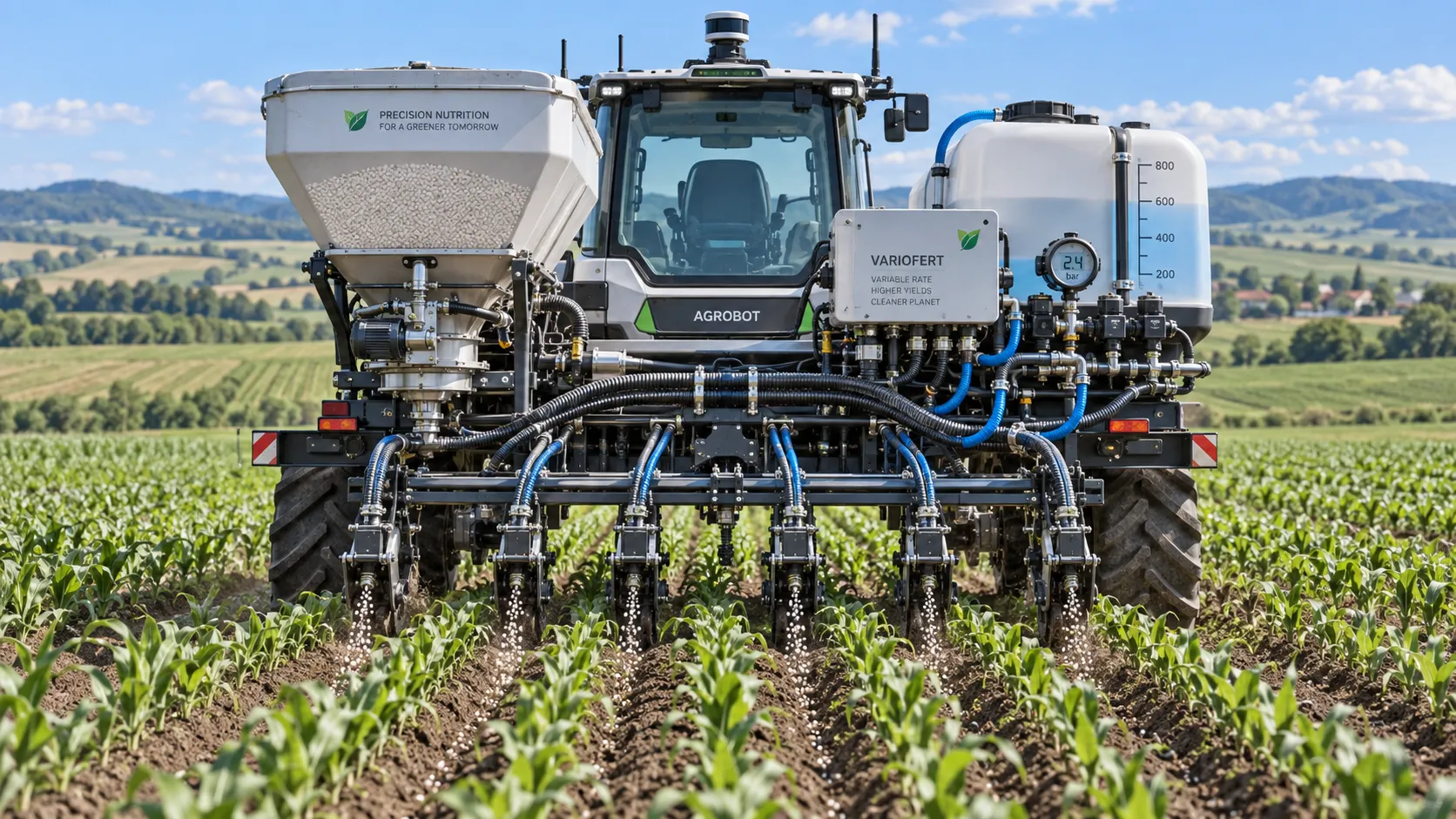
How Sensor Feedback Enables Accurate Variable-Rate Fertilization in Field Conditions
Precision fertilization systems with sensor feedback improve variable-rate accuracy by verifying flow, managing latency, and ensuring reliable field application.
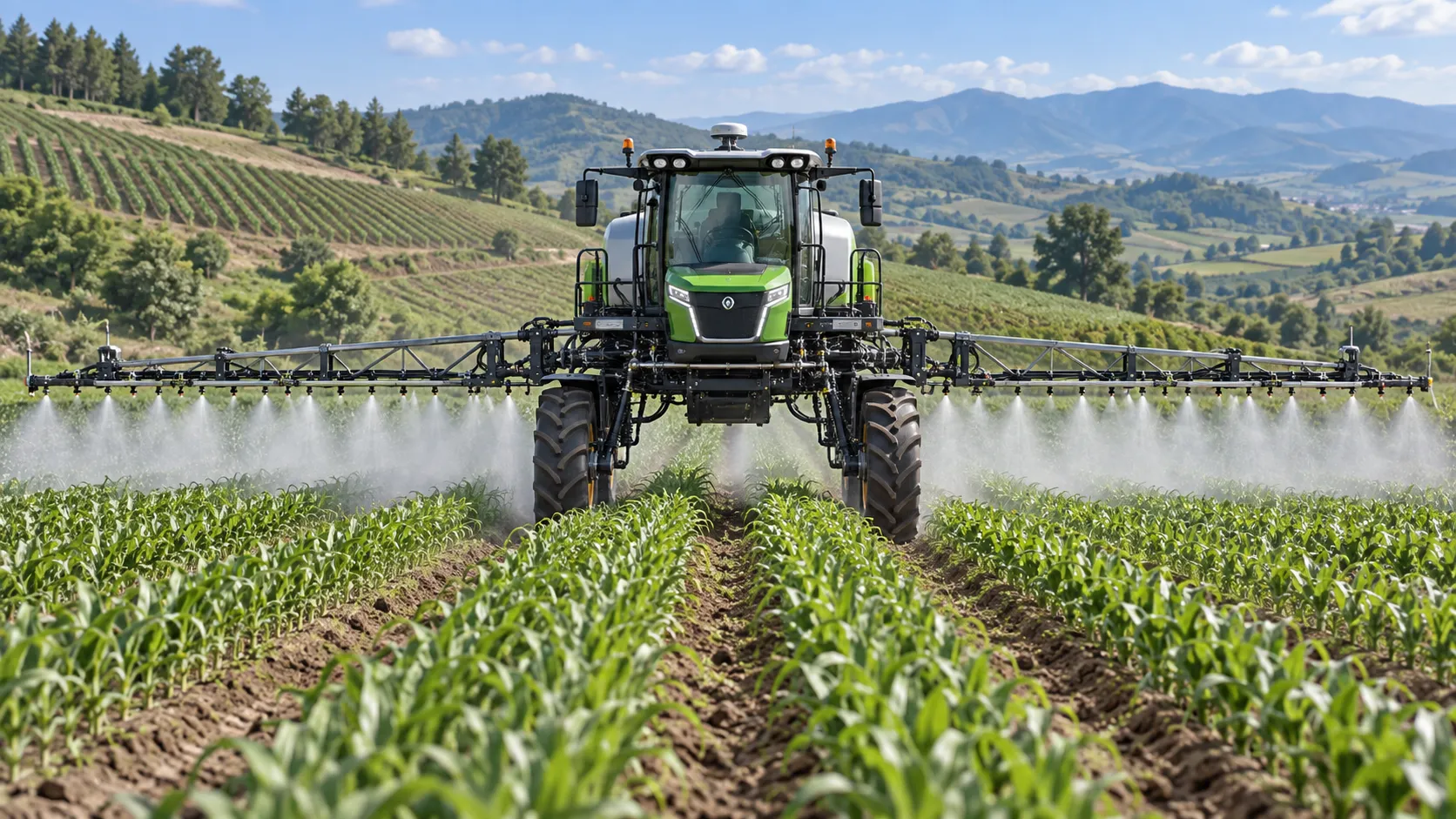
How to Select Precision Crop Protection Equipment for Variable Field Conditions
Precision crop protection equipment selection made simple: compare terrain, canopy, weather, control accuracy, and data workflows for reliable applications.
When Does Agricultural Machinery Leasing Cost Less Than Owning Equipment?
Agricultural machinery leasing can lower farm costs when use is seasonal or uncertain. Compare utilization, maintenance, cash flow, and risk to make a smarter equipment decision.
How to Evaluate Precision Fertilization System Suppliers for Farm-Scale Deployment
Precision fertilization systems suppliers: learn how to compare accuracy, integration, uptime, service, and total cost for confident farm-scale deployment.
ISOBUS for Smart Agriculture: How It Connects Tractors, Implements, and Farm Data
ISOBUS for smart agriculture connects tractors, implements, terminals, and farm data—helping growers improve precision, documentation, and smarter field decisions.
Automated Water-Saving Irrigation: How to Cut Water Use Without Reducing Crop Yields
Automated water-saving irrigation helps farms cut water use, protect crop yields, improve scheduling, and gain reliable control with sensors, flow monitoring, and smart zones.
Selecting Grain Farm Equipment by Acreage, Crop Mix, and Harvest Window
Agricultural equipment selection for grain farming: match machinery to acreage, crop mix, and harvest windows to improve uptime, efficiency, and returns.
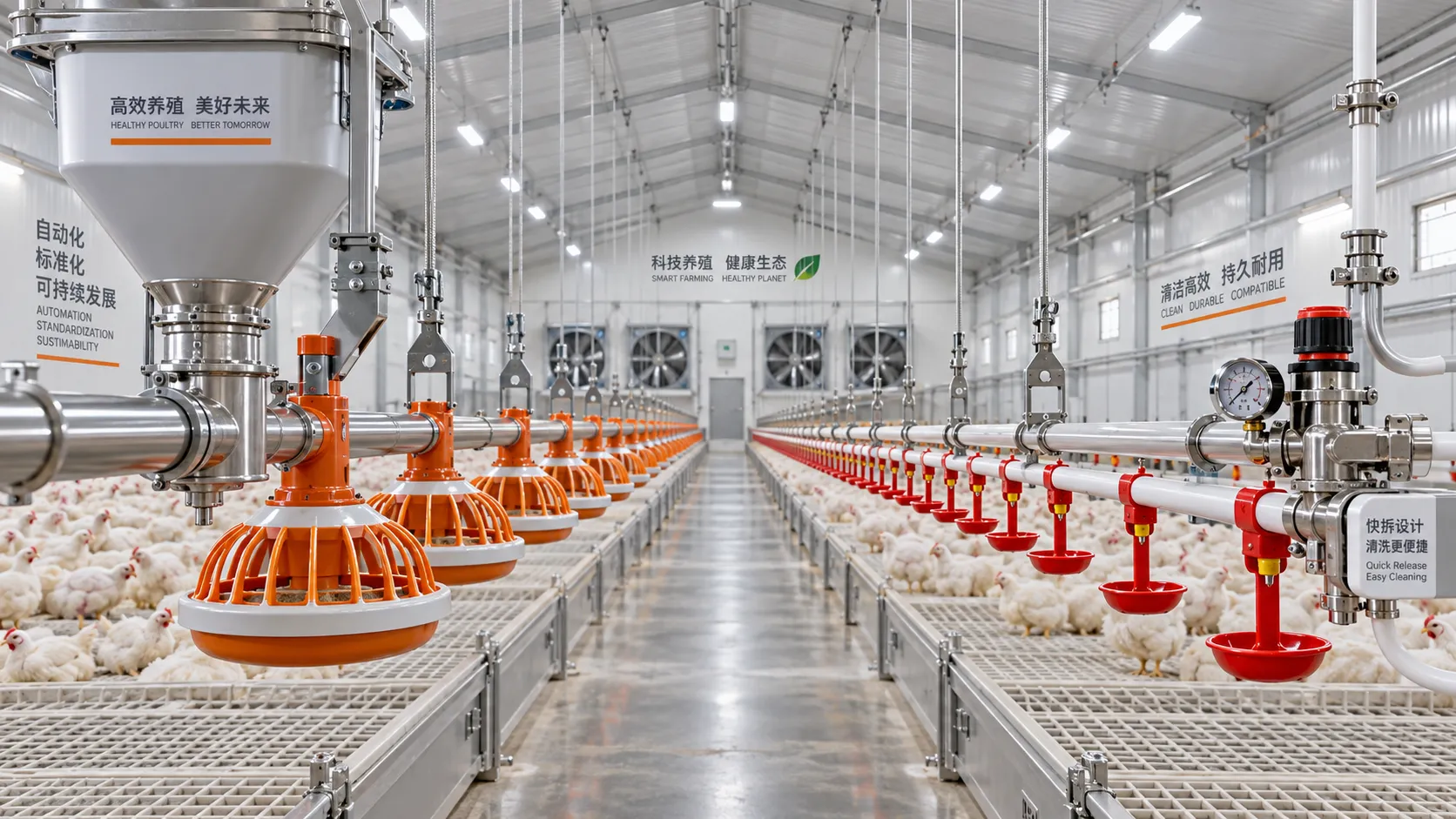
Poultry Equipment Selection: Evaluating Durability, Cleaning, and Compatibility
Poultry equipments selection guide: evaluate durability, cleaning access, and system compatibility to improve hygiene, reduce downtime, and support efficient flock management.
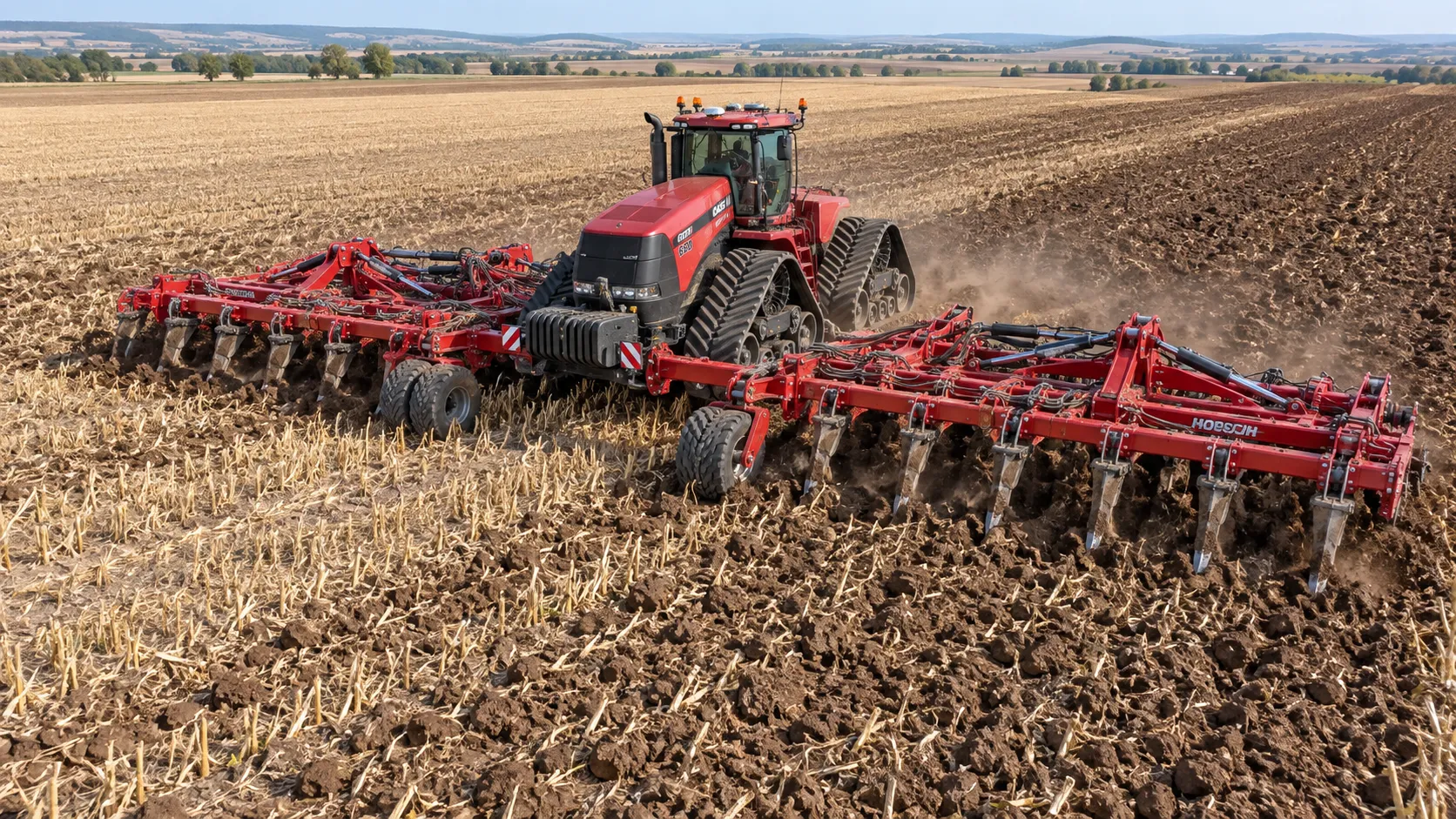
How to Select Heavy-Duty Farm Implements for High-Acreage, High-Horsepower Operations
Heavy duty farm implements: learn how to match draft, hydraulics, hitch capacity, frame strength, and field conditions for reliable high-acreage performance.
Related News
- 00
0000-00
How Sensor Feedback Enables Accurate Variable-Rate Fertilization in Field Conditions - 00
0000-00
How to Select Precision Crop Protection Equipment for Variable Field Conditions - 00
0000-00
How to Evaluate Precision Fertilization System Suppliers for Farm-Scale Deployment - 00
0000-00
How to Select a Precision Fertilization System for Variable Corn Field Conditions - 00
0000-00
When does equipment for sustainable farming justify a higher capital spend?
Popular Tags
Tractor Power Architect
Weekly Insights
Stay ahead with our curated technology reports delivered every Monday.