



India to Overtake Germany as World's 3rd-Largest Economy: New Opportunities for Farm Machinery Exports
Lead: A May 30 forecast by the German Institute for Economic Research (IW) — reprinted and contextualized in the March 30, 2026 edition of European Trade & Economic Information (Issue No. 1, 2026) — projects India may surpass Germany to become the world’s third-largest economy by the end of this decade. This shift carries tangible implications for the global agricultural machinery industry, driven by India’s accelerating agricultural modernization and surging import demand for precision sowing and soil preparation equipment.
Event Overview
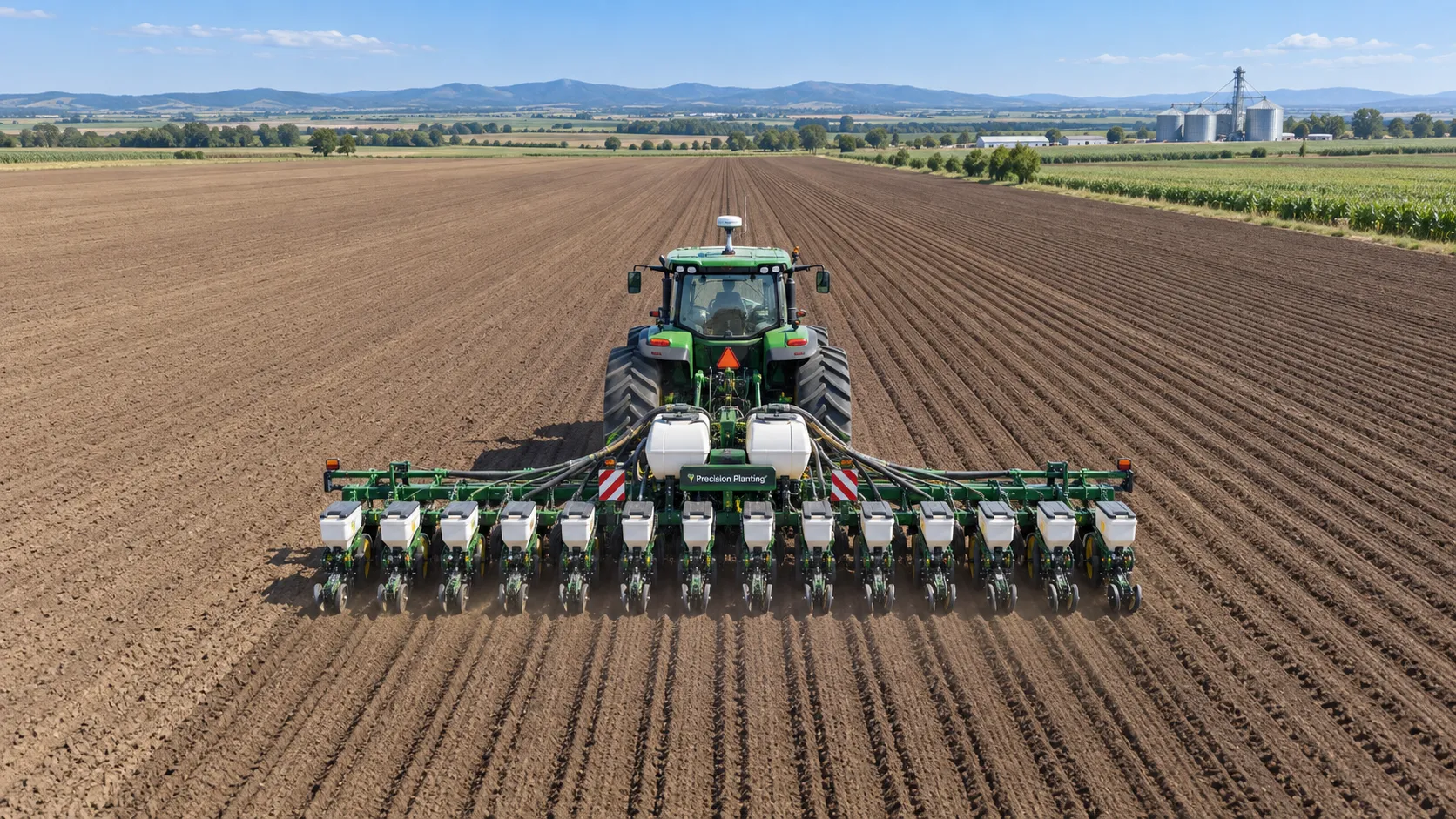
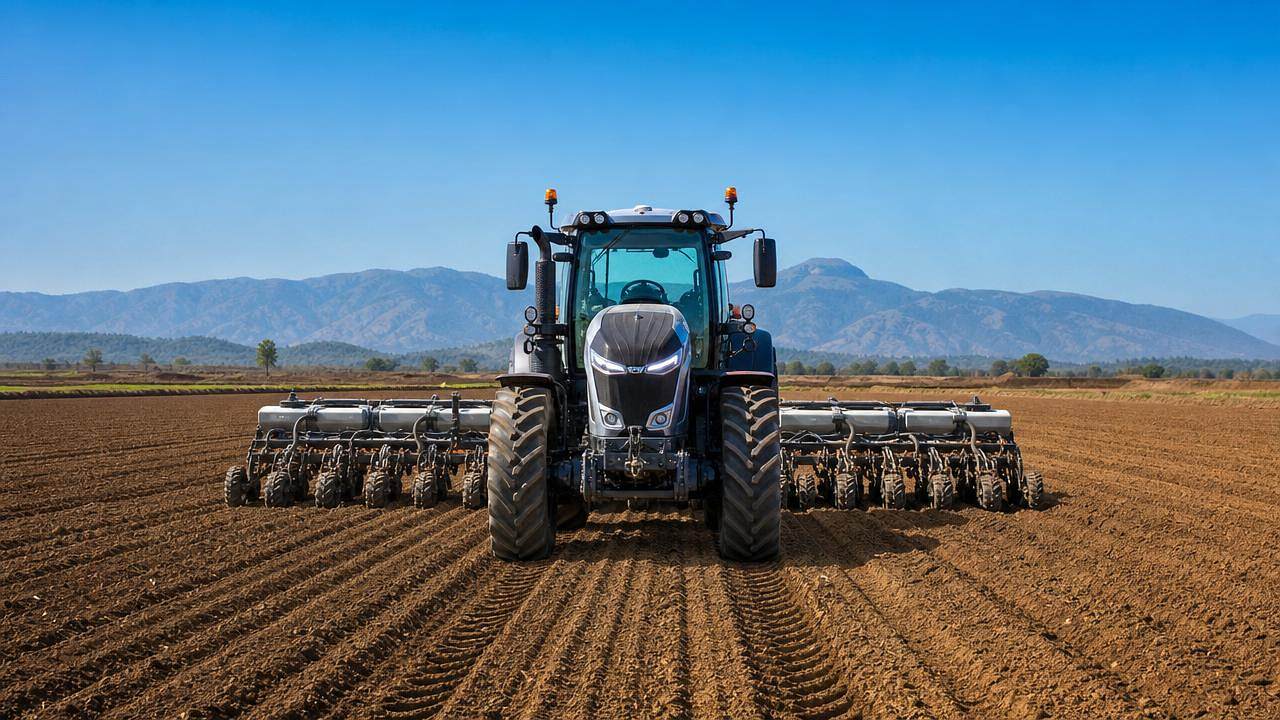
The German Institute for Economic Research (IW) stated on May 30 that India — with a population of 1.5 billion and sustained high GDP growth — is on track to overtake Germany as the world’s third-largest economy before 2030. According to IW, India’s agricultural modernization drive is intensifying demand for smart seeders and planters, as well as soil tillers. Official Indian procurement data show farm machinery tender volumes rose 41% year-on-year in Q1 2026.
Industries Affected
Direct Export Enterprises: Companies exporting tractors, precision seeders, and soil tillers to India face expanded market access and longer-term contract visibility. Impact manifests in increased tender participation, higher bid volumes, and greater need for localized technical support and after-sales infrastructure — particularly in states like Punjab, Maharashtra, and Karnataka where mechanization adoption is accelerating.
Raw Material Procurement Firms: Suppliers of high-strength steel alloys, wear-resistant castings, and electronic components (e.g., GPS modules, ISOBUS-compatible controllers) may see rising order volumes from OEMs scaling up India-bound production lines. However, exposure remains indirect and contingent on OEM capacity planning — not yet reflected in forward material contracts as of Q1 2026.
Manufacturing Enterprises (OEMs & Tier-1 Suppliers): Original equipment manufacturers must assess whether to localize assembly or establish CKD/SKD partnerships in India to meet growing tender requirements (e.g., mandatory local content thresholds under India’s Production Linked Incentive scheme for farm machinery). Capacity utilization and lead-time management are emerging operational priorities.
Supply Chain Service Providers: Logistics firms specializing in heavy-equipment transport, customs brokers with agri-machinery classification expertise, and certification agencies supporting BIS (Bureau of Indian Standards) compliance are seeing heightened inquiry volume — especially regarding CE-to-BIS documentation alignment and GST-compliant invoicing structures.
Key Focus Areas and Recommended Actions
Monitor Tender Frequency and Technical Specifications
Indian public-sector tenders — issued via e-procurement portals such as GeM (Government e-Marketplace) — increasingly specify ISOBUS compatibility, variable-rate seeding capability, and fuel-efficiency benchmarks. Exporters should audit their product portfolios against these criteria ahead of Q3 2026 tender cycles.
Evaluate Local Partnership Models
Given India’s preference for localized service networks and growing emphasis on domestic manufacturing incentives, joint ventures or technology licensing arrangements — rather than pure FOB exports — may offer stronger long-term positioning. Analysis shows firms with pre-2025 MoUs with Indian state agriculture departments gained earlier access to pilot procurement rounds.
Assess Certification Readiness
BIS certification remains non-negotiable for most government-funded procurements. Firms without active BIS registration should initiate application processes now; average approval timelines exceed 12 weeks, and testing capacity at accredited labs is currently constrained.
Editorial Perspective / Industry Observation
Observably, the IW projection reflects structural momentum — not just cyclical growth. India’s farm mechanization rate remains below 50% for key operations (e.g., sowing, harvesting), versus over 90% in the EU and U.S. From an industry standpoint, this gap implies multi-year demand tailwinds — but also underscores that adoption will be highly regional and subsidy-dependent. Current tender growth is concentrated in publicly funded schemes (e.g., Sub-Mission on Agricultural Mechanization), not private commercial purchases. Therefore, the expansion is more accurately understood as policy-driven infrastructure build-out than organic market maturation.
Conclusion
This development signals a meaningful geographic rebalancing in global agricultural machinery demand. While India’s ascent as the third-largest economy remains a medium-term projection, its near-term impact on procurement patterns is already measurable. For exporters and suppliers, the opportunity lies less in broad market entry and more in targeted, regulation-aware engagement — grounded in technical alignment, certification discipline, and institutional partnership strategy.
Source Attribution
Primary source: German Institute for Economic Research (IW), forecast released May 30, 2026.
Secondary reference: European Trade & Economic Information, Issue No. 1, March 30, 2026 (reprint and interpretive analysis).
Tender data: Government e-Marketplace (GeM) India, Q1 2026 aggregate procurement report (publicly accessible dataset, updated quarterly).
Note: IW’s GDP ranking projection remains subject to revision pending India’s fiscal consolidation trajectory and Germany’s industrial output recovery; both warrant continued monitoring through Q4 2026 official releases.