
Fourth Chain Expo to Feature Agri-Mechanization Pavilion
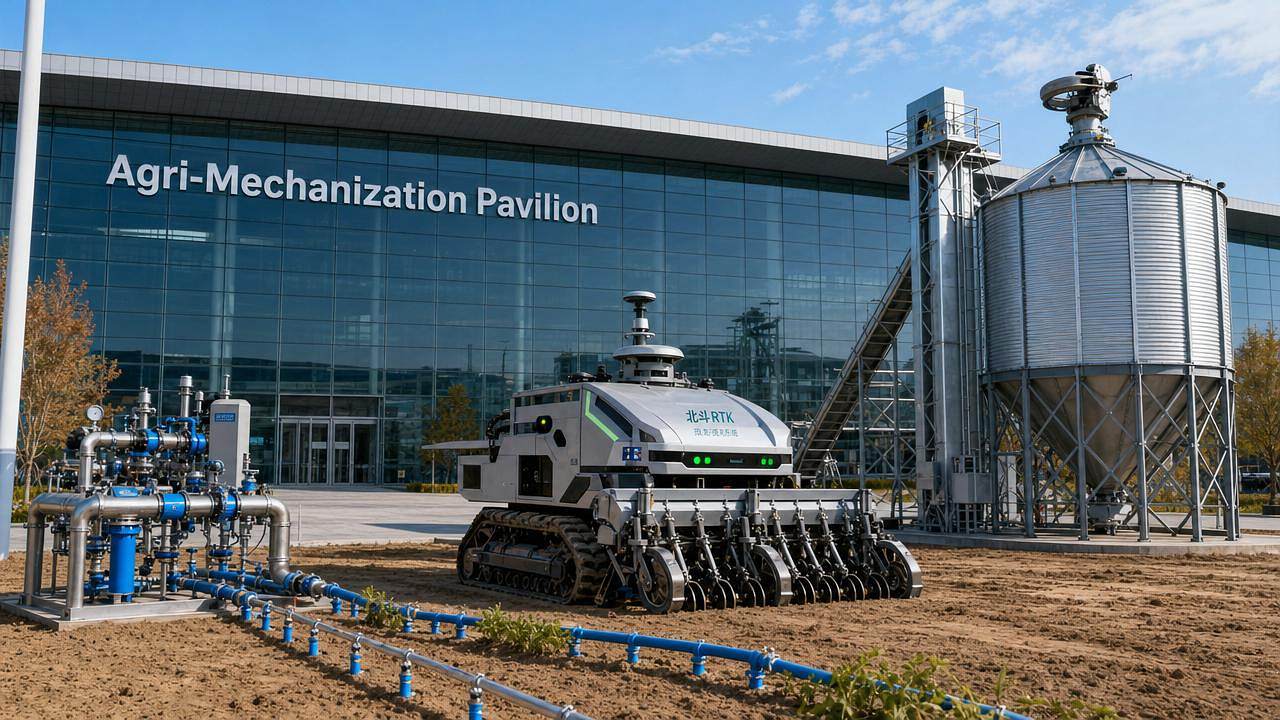




The fourth China International Supply Chain Expo (Chain Expo), scheduled for November 2026 in Beijing, will debut a dedicated Agri-Mechanization Pavilion — highlighting China’s smart irrigation systems and北斗-enabled precision sowing solutions. This development signals heightened international attention on agricultural mechanization technologies tailored for arid and semi-arid farming contexts, particularly across Belt and Road partner countries. Direct trade enterprises, precision agriculture equipment suppliers, and agri-tech integration service providers should monitor this shift closely, as it reflects an emerging B2B procurement corridor with confirmed participation from global OEMs including CLAAS (Germany) and John Deere (USA).
Event Overview
The China Council for the Promotion of International Trade (CCPIT) has confirmed that the 2026 Chain Expo — to be held in November in Beijing — will include, for the first time, a large-scale Agri-Mechanization Pavilion. The pavilion will showcase three core solution categories: automated drip irrigation clusters for dryland agriculture, BeiDou RTK-based precision seeding systems, and Grain Tank Automation solutions. German manufacturer CLAAS and U.S.-based John Deere have confirmed delegation-level attendance, with procurement teams expected to engage in onsite evaluation and business discussions.
Industries Affected
Direct Trade Enterprises
These firms — especially those exporting irrigation hardware, GNSS-guided controllers, or grain handling automation components — face new channel opportunities. The pavilion’s focus on Belt and Road–aligned dryland agriculture implies demand for modular, low-infrastructure-dependent systems. Impact manifests in potential shifts in product bundling, technical documentation requirements (e.g., multilingual operation manuals), and logistics planning for demonstration units.
Agri-Tech Integration Service Providers
Companies offering system-level deployment, calibration, or after-sales support for precision agriculture platforms may see increased inbound inquiry volume. Since the showcased solutions combine hardware (e.g., RTK receivers), software (field mapping interfaces), and agronomic logic (seeding rate algorithms), integration providers must verify compatibility with BeiDou-3 signal architecture and local soil moisture modeling standards used in target markets.
Supply Chain Service Providers
Firms specializing in cross-border certification, customs classification advisory, or compliance testing for agricultural electronics may encounter rising demand for services related to electromagnetic compatibility (EMC), IP-rated enclosure validation, and GNSS receiver type-approval under regional telecom regulations — especially where BeiDou interoperability is a contractual requirement.
What Relevant Companies or Practitioners Should Focus On Now
Track official CCPIT announcements on pavilion participation criteria
While CLAAS and John Deere’s attendance is confirmed, eligibility rules for exhibitors — including technical documentation thresholds, data localization expectations, or demonstration unit import procedures — remain unannounced. Monitoring CCPIT’s registration portal and supplier briefing webinars is advisable for early application preparation.
Assess readiness for dryland-specific functional validation
The pavilion emphasizes applications in water-constrained environments. Suppliers should review whether their irrigation controllers or seeding systems have been tested under low-power, high-temperature, or dust-prone operational profiles — conditions common in Central Asia, North Africa, and parts of Latin America. Third-party test reports aligned with ISO 11783-12 (Tractor Data Network) or IEC 60529 (IP ratings) may become prerequisite submission items.
Prepare technical liaison capacity for BeiDou RTK interoperability queries
As北斗 navigation is central to the showcased sowing systems, procurement teams are likely to request verification of real-time kinematic (RTK) positioning accuracy under mixed-constellation mode (BeiDou + GPS/GLONASS), latency benchmarks, and firmware update protocols. Firms should ensure engineering support staff can articulate these parameters in English and provide traceable test logs.
Editorial Perspective / Industry Observation
Observably, this pavilion announcement functions primarily as a market-signal mechanism — not yet a transactional outcome. Its significance lies less in immediate export volume and more in institutional alignment: CCPIT’s decision to allocate prominent exhibition space signals formal recognition of agricultural mechanization as a strategic supply chain node within China’s broader infrastructure cooperation framework. Analysis shows that the selection of drip irrigation, BeiDou seeding, and grain tank automation reflects a deliberate emphasis on post-harvest efficiency and input-use optimization — two pain points widely reported by Belt and Road agricultural ministries. It is therefore better understood as an early-stage coordination platform, where technical credibility and interoperability assurance matter more than price competitiveness alone.
Conclusion
This initiative does not represent an immediate market opening, but rather a structured opportunity to align technical offerings with evolving procurement priorities among key global agricultural OEMs and national agricultural development agencies. For industry participants, the current phase favors preparation over promotion: verifying technical documentation, validating environmental performance claims, and building cross-functional readiness for interoperability-focused dialogue. It is more accurately interpreted as a procedural milestone — indicating where supply chain integration efforts are being institutionally prioritized — rather than a near-term sales catalyst.
Source Attribution
Main source: China Council for the Promotion of International Trade (CCPIT) official announcement. No additional data sources were used. Note: Pavilion participation rules, exhibitor eligibility criteria, and detailed technical specifications for showcased solutions remain pending official release and are subject to ongoing observation.
Related News
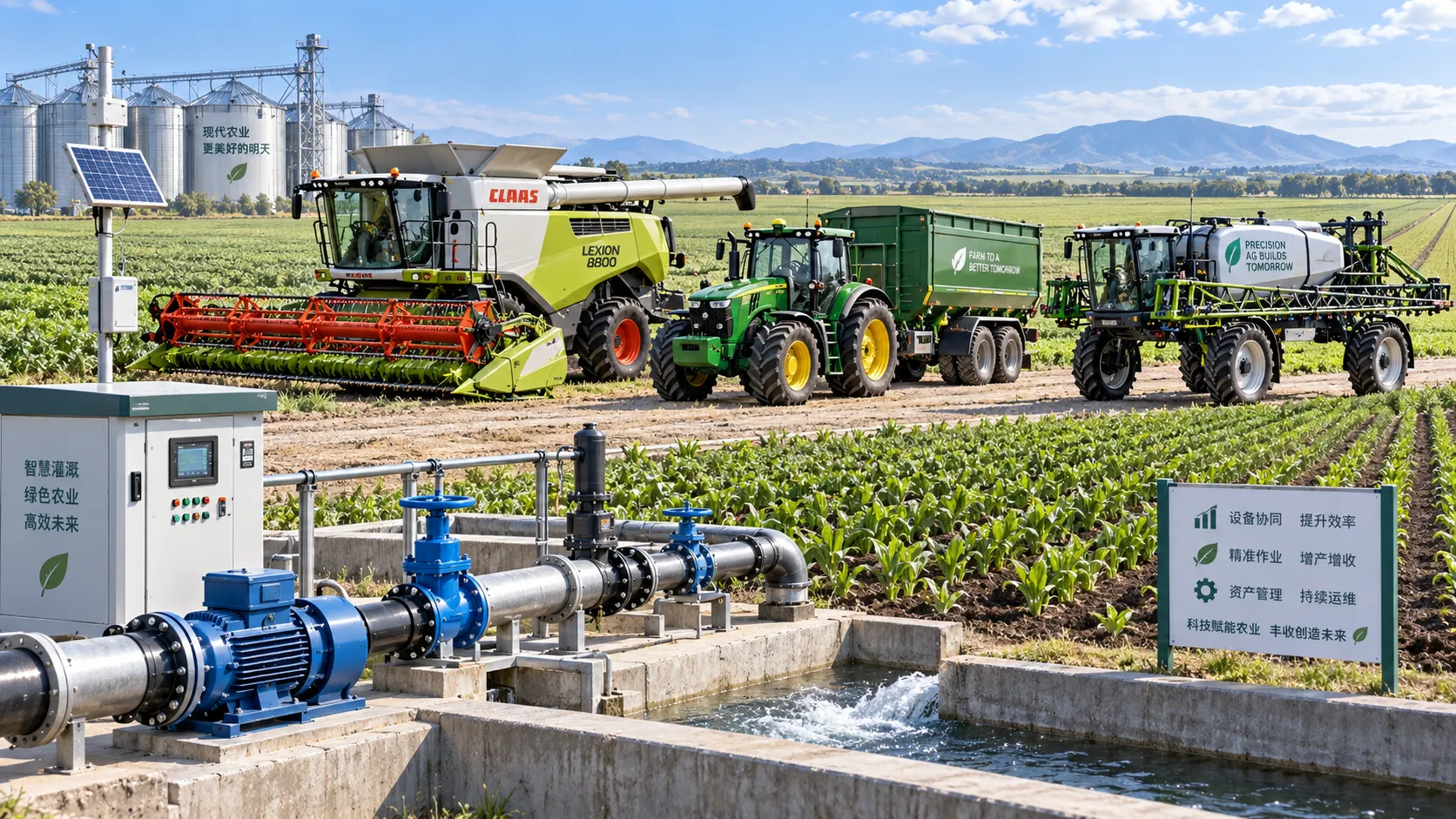
How to Compare Agricultural Equipment Platforms for Fleet Management and ROI
Agricultural equipment platform comparison: evaluate fleet data, maintenance, precision workflows, and ROI to choose a system that delivers measurable results.
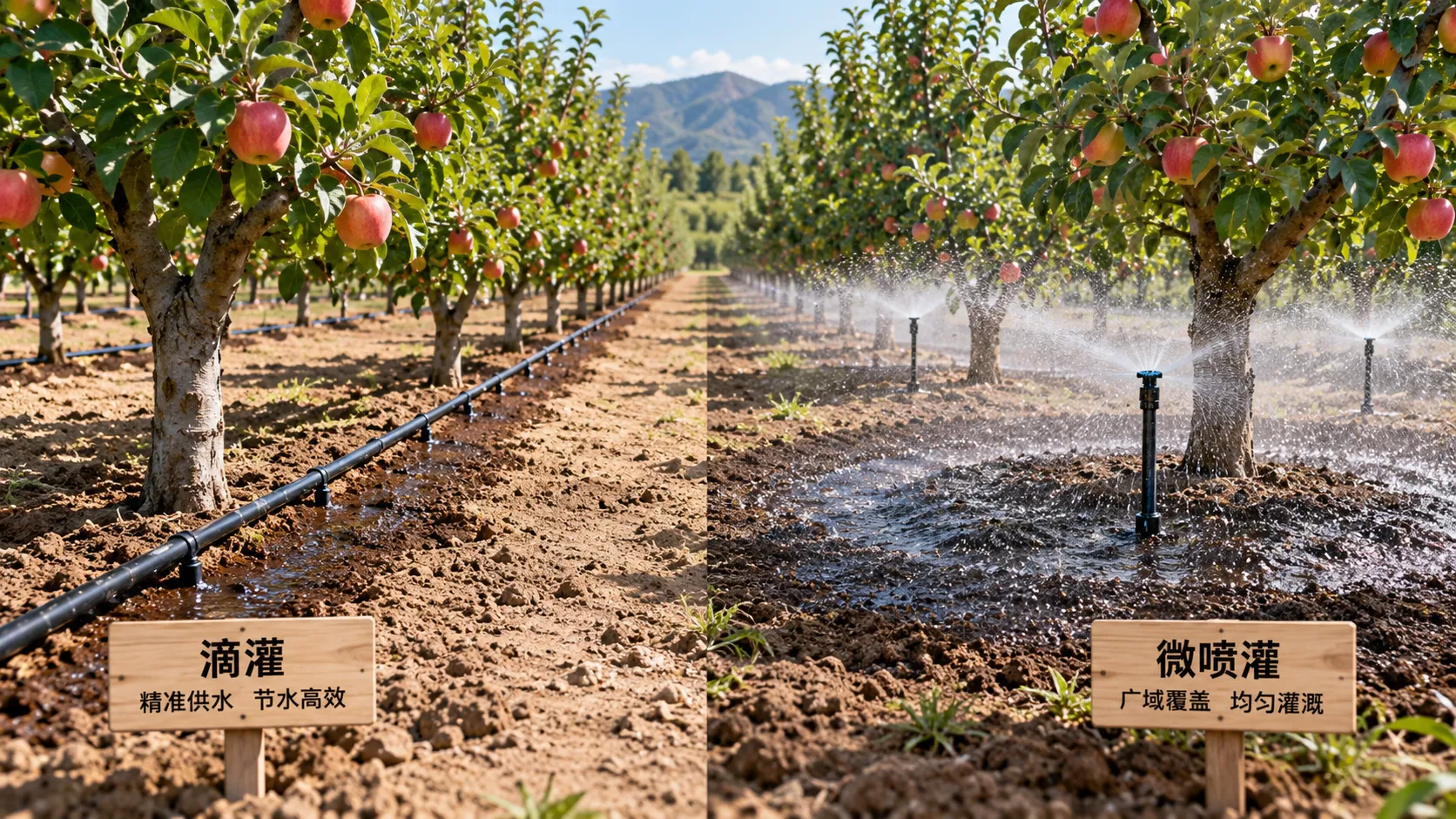
Drip vs. Micro-Sprinkler Irrigation: Which System Fits Your Orchard?
Irrigation solution comparison for orchards: discover whether drip or micro-sprinklers best match your water, soil, roots, fertigation, and frost needs.
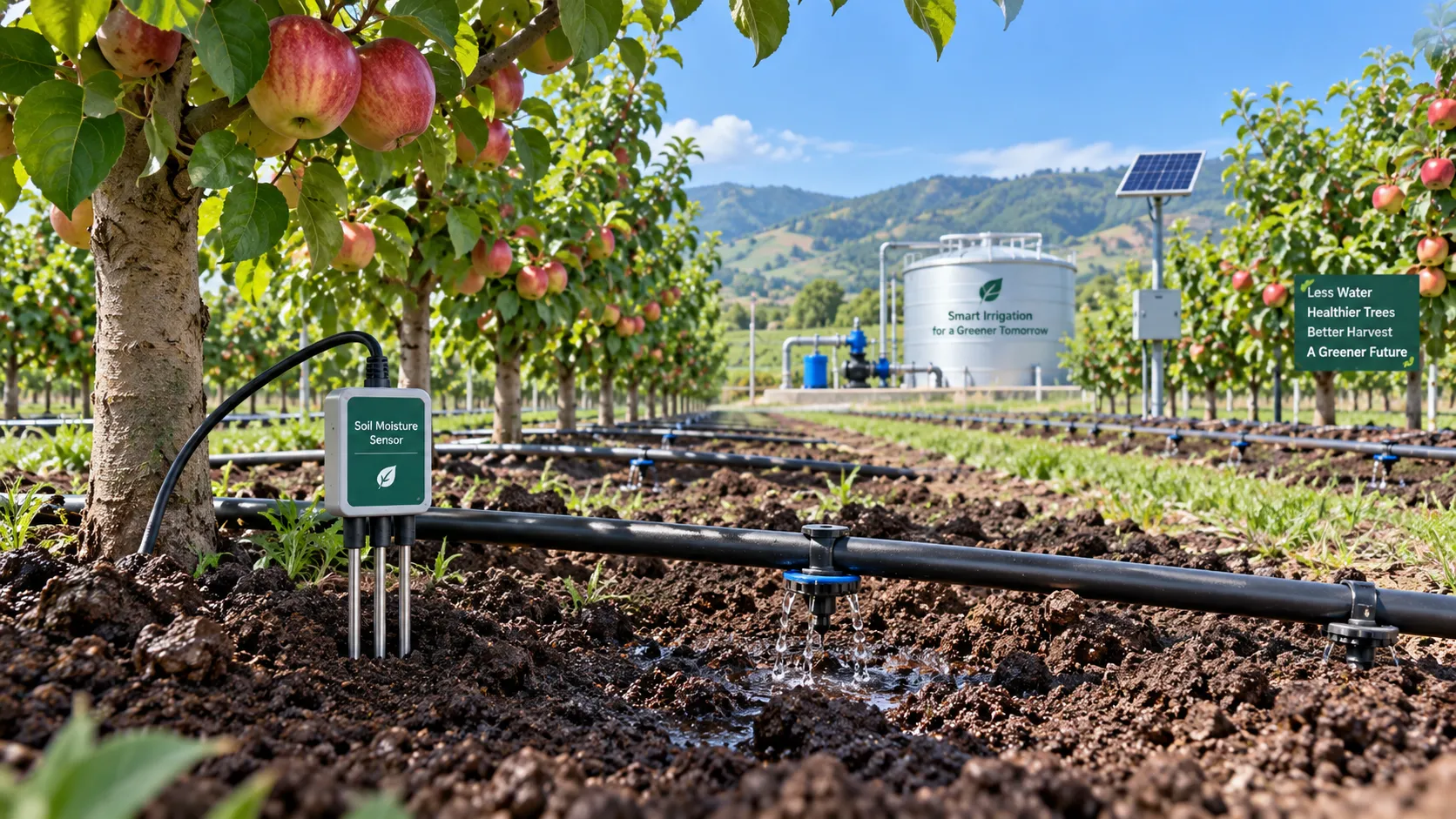
Orchard Water Management: Using Soil Moisture Data to Schedule Irrigation
Agricultural water management for orchards made practical: use soil moisture data to optimize irrigation timing, protect yield, reduce costs, and improve resilience.
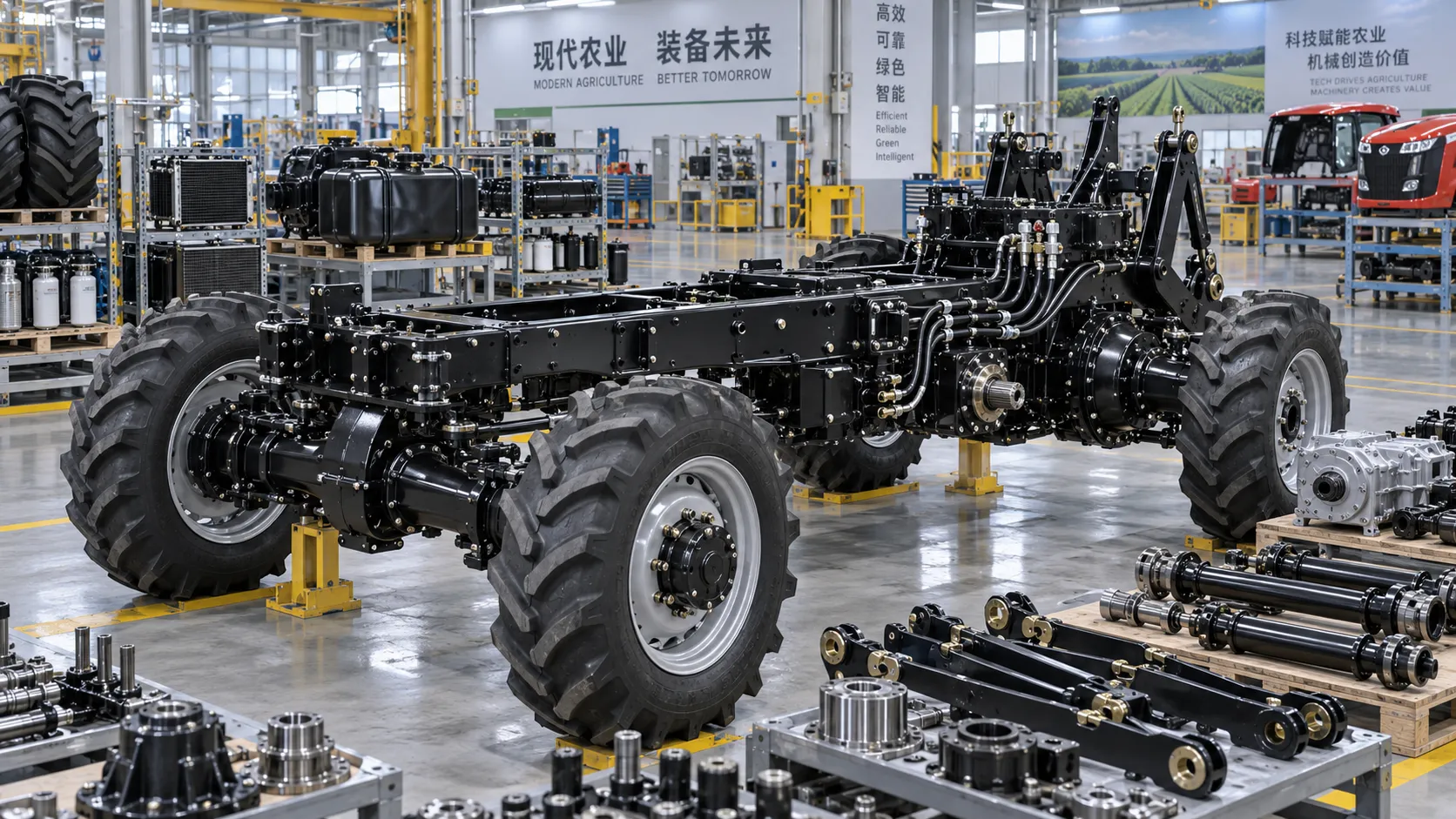
Tractor Chassis Price: What Buyers Should Compare Beyond the Initial Quote
Tractor chassis price is only the start. Compare load capacity, compatibility, durability, and lifecycle costs to choose a reliable, high-value chassis.
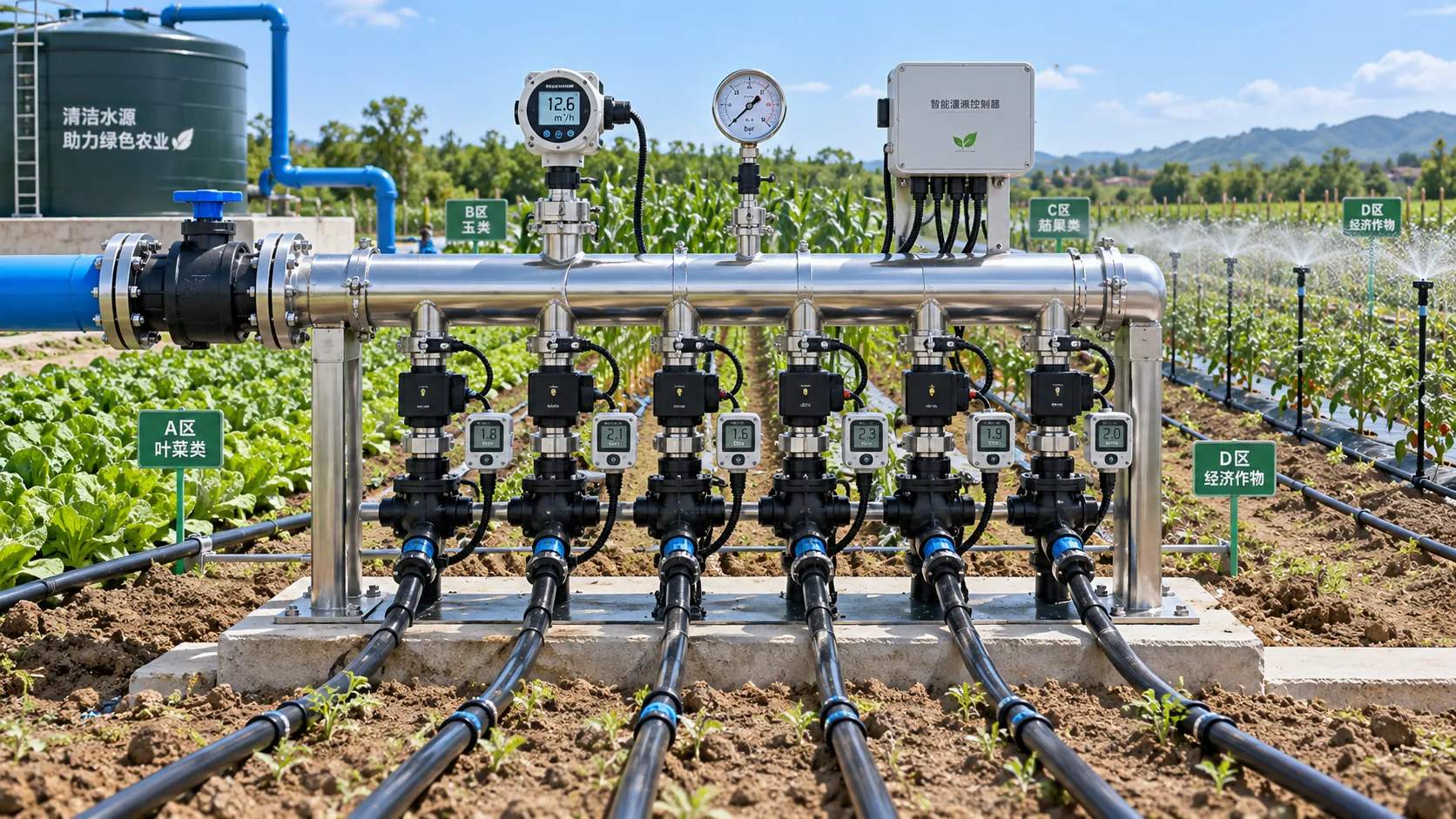
How to Select Smart Irrigation Valves for Multi-Zone Water Management?
Intelligent irrigation systems valves: learn how to match smart valves with multi-zone flow, pressure, control, feedback, and communication needs for reliable water management.
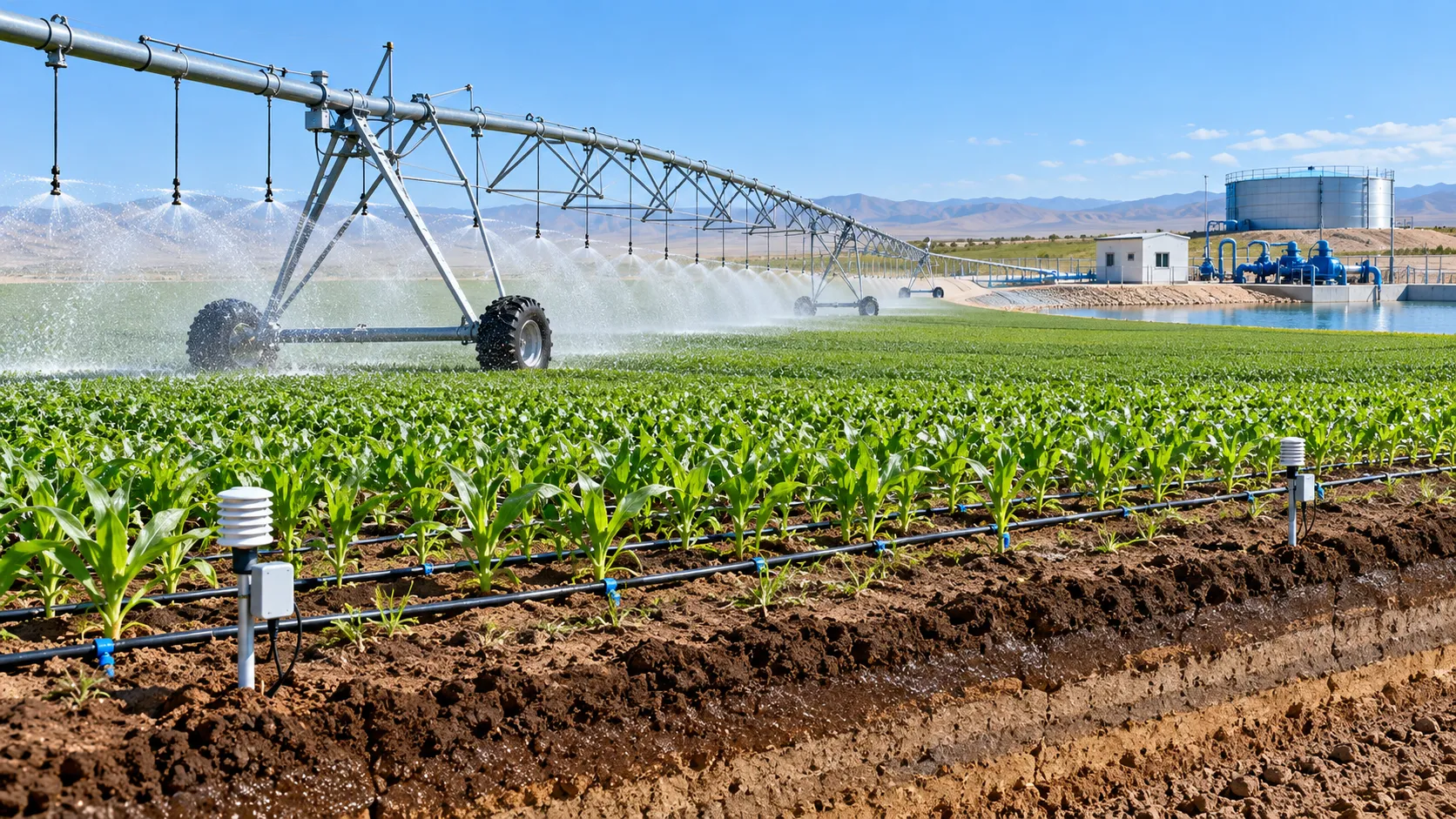
Climate-Smart Farming for Drought: A Practical Plan for Protecting Yields
Climate-smart farming for drought: build smarter water budgets, protect critical crop stages, improve irrigation uniformity, and safeguard yields with practical field-proven strategies.
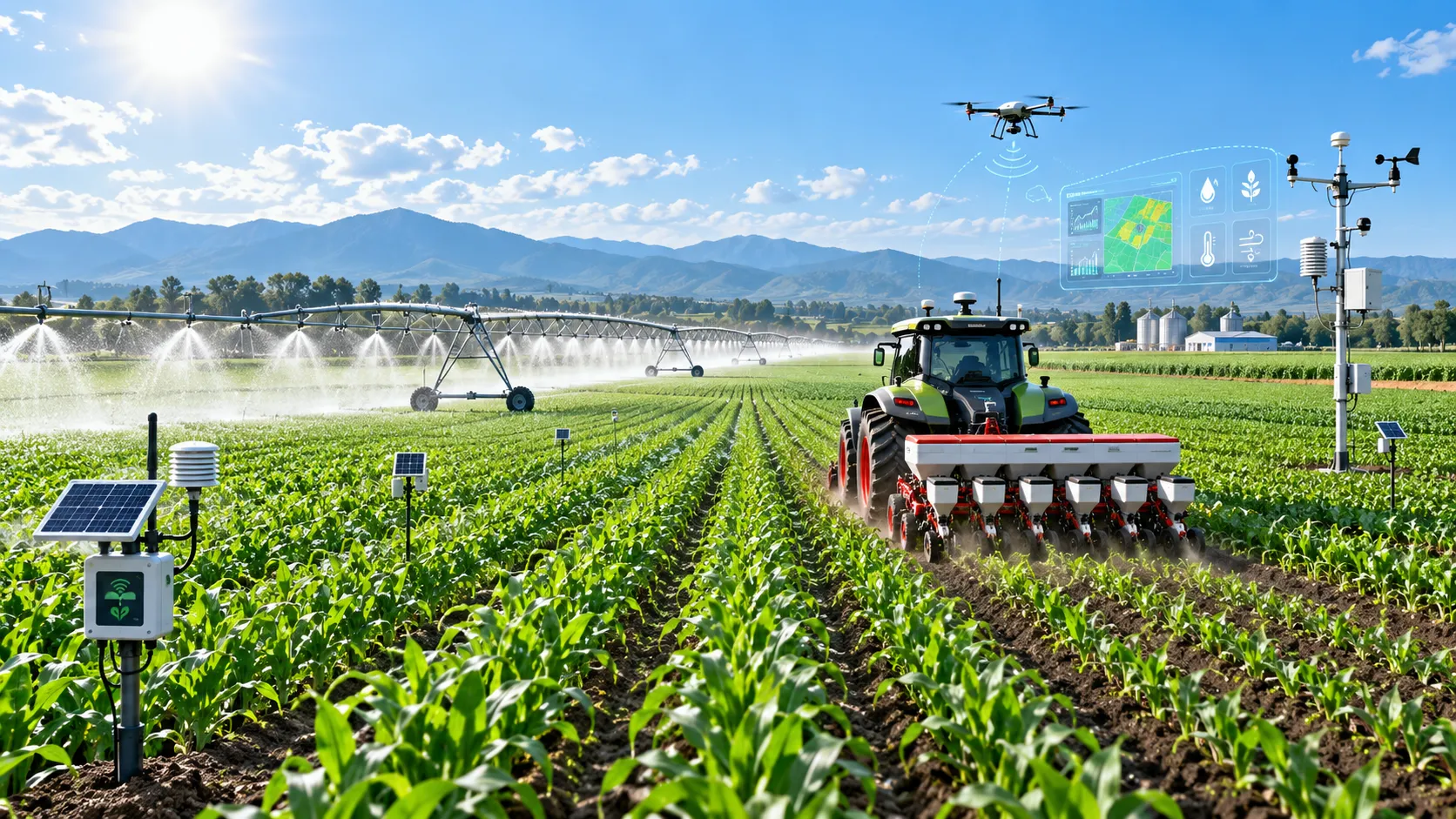
How Digital Agriculture Platforms Turn Field Data Into Better Input Decisions
Digital agriculture platforms turn field data into smarter fertilizer, water, seed, and equipment decisions—helping farms cut risk, improve margins, and scale sustainability.
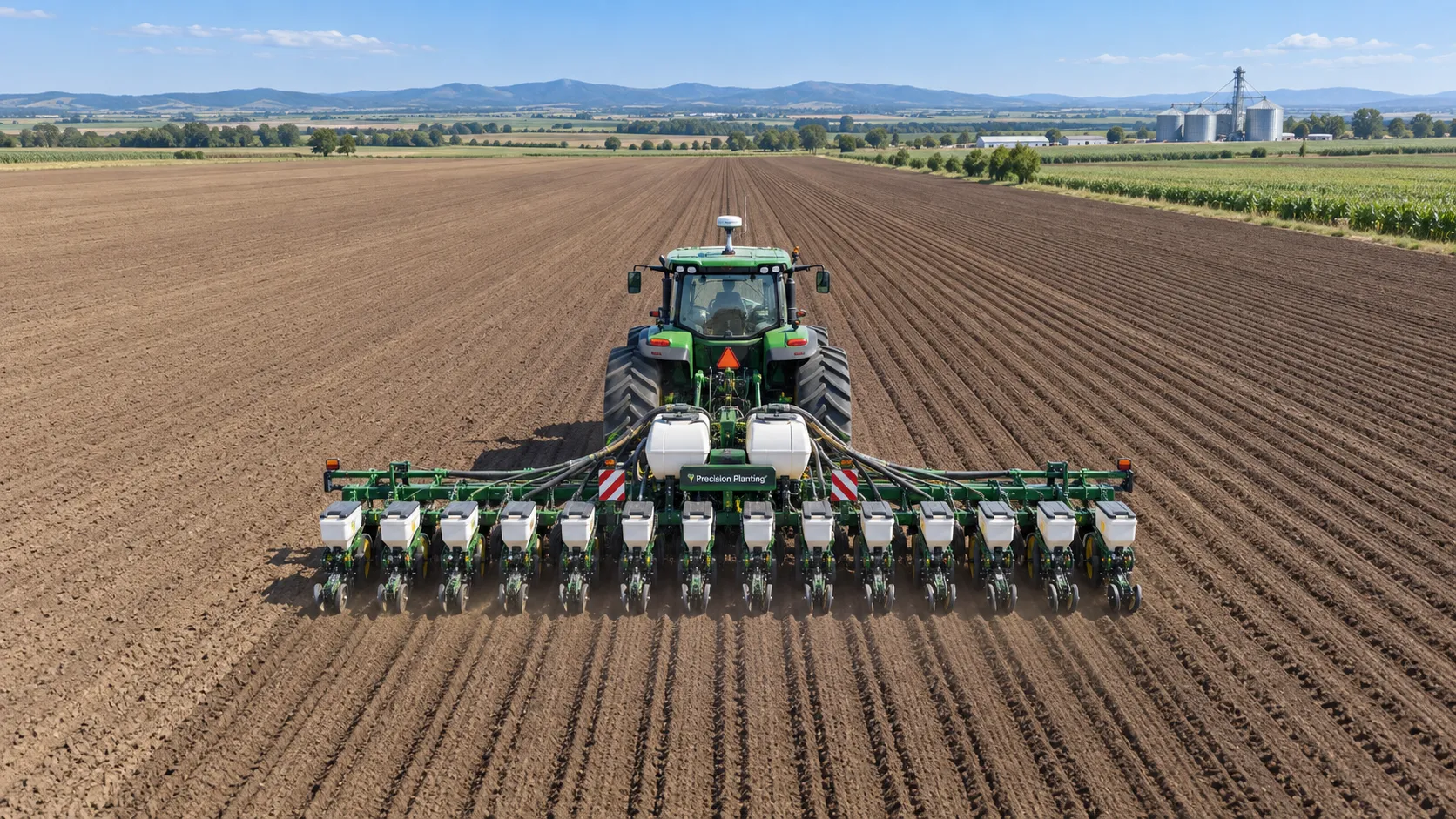
GPS-Guided Farm Machinery: Where It Delivers Measurable Field Efficiency Gains
Agri-mechanization GPS guided systems deliver measurable field efficiency gains through reduced overlap, precise planting, smarter inputs, and reliable farm data.
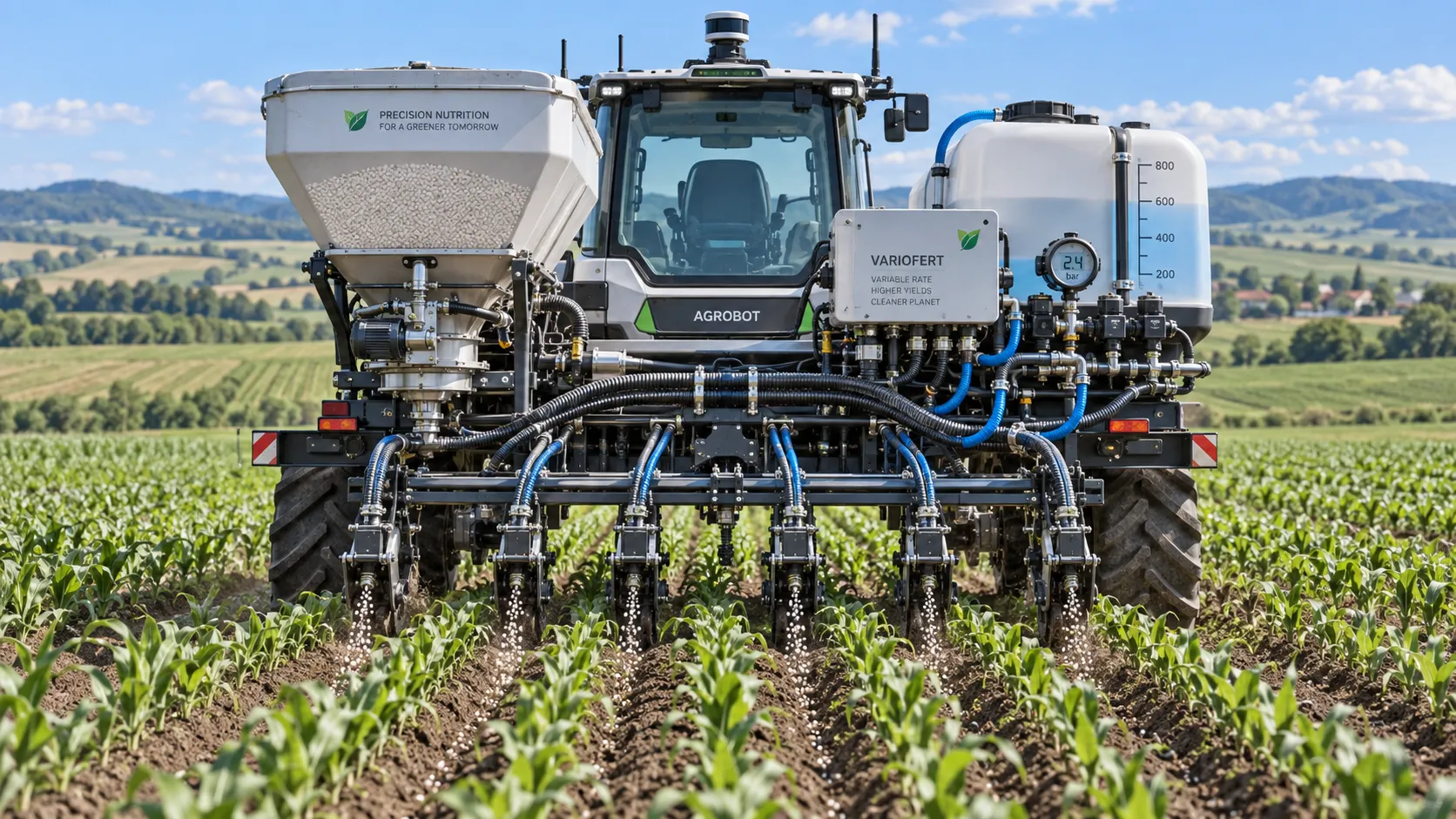
How Sensor Feedback Enables Accurate Variable-Rate Fertilization in Field Conditions
Precision fertilization systems with sensor feedback improve variable-rate accuracy by verifying flow, managing latency, and ensuring reliable field application.
Related News
- 00
0000-00
How to Select a Heavy-Duty Seeder for Large Acreage and High-Residue Fields - 00
0000-00
How to Match Large-Scale Farm Equipment Working Width to Field Size and Crop Rows - 00
0000-00
Farm Implements for Seeding: How to Match Seeders to Crop Type and Soil Conditions - 00
0000-00
Ningjin Farm Machinery Cluster Strengthens Export Delivery - 00
0000-00
Ningxia Subsidy Plan Sets New Seeder Benchmarks
Popular Tags
Agri-Mechanization Fellow
Weekly Insights
Stay ahead with our curated technology reports delivered every Monday.