
MOA & MIIT Launch Hillside Farm Machinery Initiative
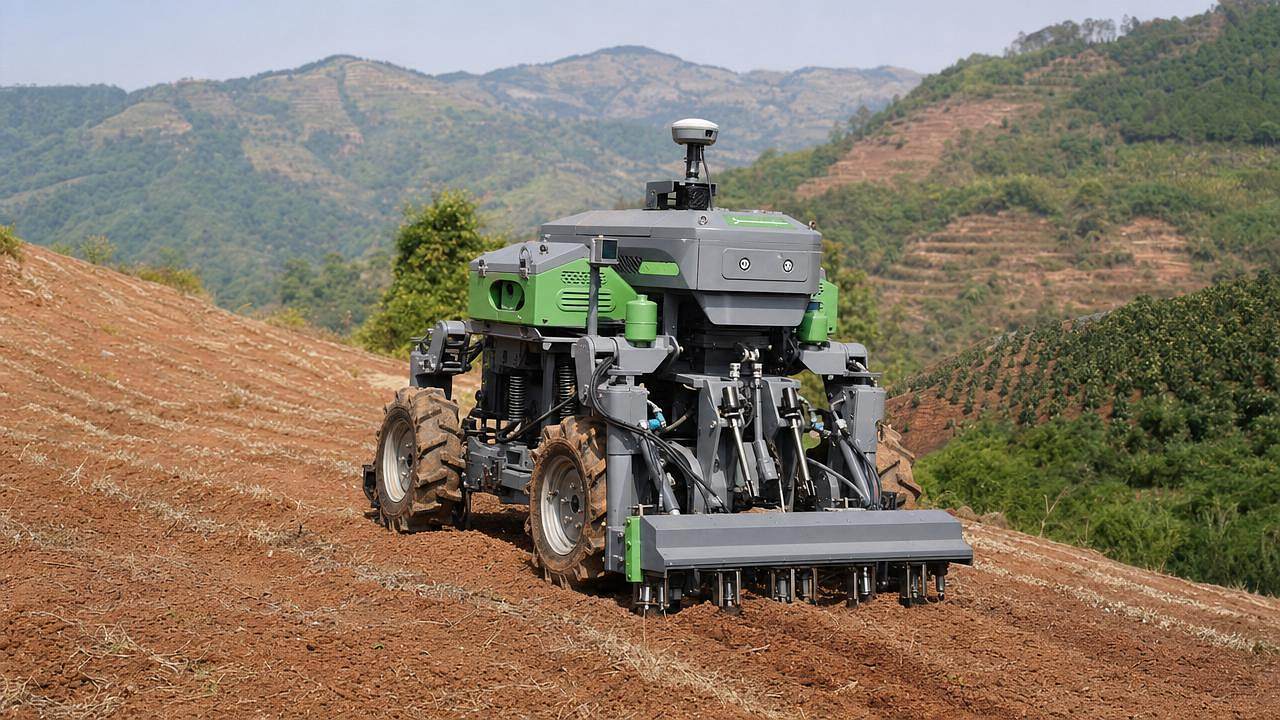




On May 19, 2026, the Ministry of Agriculture and Rural Affairs (MOA) and the Ministry of Industry and Information Technology (MIIT) jointly issued the Three-Year Action Plan for Intelligent Agricultural Machinery in Hilly and Mountainous Areas (2026–2028). This policy marks a strategic pivot toward addressing long-standing mechanization gaps in terrain with slopes of 15°–35°—a critical constraint for productivity across China’s southwestern provinces and globally relevant highland agro-systems. Its implications extend beyond domestic agricultural modernization to export competitiveness, technical standard alignment, and supply chain recalibration.
Event Overview
On May 19, 2026, MOA and MIIT jointly released the Three-Year Action Plan for Intelligent Agricultural Machinery in Hilly and Mountainous Areas (2026–2028). The plan designates北斗 RTK + IMU fusion-guided autonomous seeding machines—as adapted for 15°–35° slopes—as the first batch of ‘challenge-based procurement’ (‘Lubang Guaisuai’) tasks. It mandates that three or more domestic integrated equipment manufacturers complete mass-production verification by end-December 2026. The technology’s applicability to Southeast Asian hillside orchards, Andean highland farms in South America, and East African plateau farms has been formally recognized; its export readiness has been incorporated into MIIT’s ‘Overseas Technology White List’ evaluation framework.
Industries Affected
Direct trading enterprises face revised compliance and certification expectations. Because the plan explicitly ties export eligibility to inclusion in MIIT’s ‘Overseas Technology White List’, exporters must now align product documentation, localization testing reports (e.g., slope-specific field validation in target regions), and after-sales service capacity with white-list criteria—not just CE or ASEAN MRA requirements. Delayed white-list entry may constrain market access windows in priority countries such as Vietnam, Colombia, and Ethiopia.
Raw material procurement enterprises are encountering intensified demand volatility for precision components. Key subsystems—including dual-antenna GNSS modules compliant with BeiDou RTK-PPP protocols, ruggedized inertial measurement units (IMUs) rated for ±15g shock, and slope-tolerant hydraulic valve blocks—are seeing order lead times extend from 8 to 14 weeks. Procurement teams must now assess supplier qualification against MOA/MIIT joint technical specifications—not just ISO 9001—especially for firmware traceability and real-time kinematic (RTK) correction latency guarantees.
Manufacturing enterprises confront accelerated validation timelines and architecture-level redesign pressure. The December 2026 production verification deadline requires concurrent engineering of mechanical chassis (e.g., articulated frame suspension), control software (slope-aware path planning, inclinometer-triggered torque limiting), and hardware-in-the-loop (HIL) test suites. Firms lacking in-house GNSS/IMU sensor fusion expertise may need to engage certified third-party validation labs accredited under the new MOA–MIIT Joint Certification Scheme—introducing cost and scheduling dependencies.
Supply chain service enterprises, including logistics integrators and technical certification agencies, are adapting service portfolios. For instance, specialized freight forwarders are developing ‘agri-tech compliance lanes’ offering bundled services: pre-shipment conformity assessment per GB/T 38722–2020 (Intelligent Agricultural Machinery Functional Safety), bilingual field-test coordination in ASEAN/Andean partner farms, and white-list application dossier preparation. Certification bodies report a 40% YoY increase in audit requests referencing Annex B of the Action Plan—covering functional safety, electromagnetic compatibility (EMC), and terrain-adaptive operational continuity.
Key Focus Areas and Recommended Actions
Verify white-list eligibility pathways early
Enterprises should map their current product’s firmware version, GNSS correction source (e.g., commercial vs. national CORS network), and IMU calibration protocol against MIIT’s draft ‘Export Technical Readiness Assessment Matrix’ (v1.2, April 2026). Pre-submission technical gap analysis—particularly on slope-induced GNSS signal multipath mitigation—is advised before formal application.
Engage in pilot validation consortia
The Action Plan encourages multi-firm collaboration for shared field testing. Companies lacking in-house hillside test infrastructure should explore MOA-endorsed consortiums, such as the Southwest Yunnan Slope Test Alliance, which offers standardized slope-profile datasets (15°–35°, clay-loam to laterite soils) and co-branded validation reports accepted for white-list review.
Reassess component sourcing strategies
Given tightening delivery cycles for RTK-grade GNSS modules and industrial IMUs, firms should evaluate dual-sourcing options—especially from suppliers certified under both MIIT’s ‘Core Components Security Catalogue’ and EU’s Cybersecurity Act (CSA) Annex II. Inventory buffers for critical sensors should be reviewed quarterly, not annually.
Update after-sales capability frameworks
White-list eligibility now includes verifiable remote diagnostics capability and localized technician training records. Manufacturers must document at least two completed train-the-trainer sessions with distributors in target export markets (e.g., Thai agricultural extension centers, Colombian SENA institutes) prior to white-list submission.
Editorial Perspective / Industry Observation
Analysis shows this initiative is less about subsidizing incremental upgrades and more about forcing structural convergence between China’s domestic terrain constraints and global niche-agriculture demands. Observably, the explicit linkage of domestic R&D milestones (e.g., 2026 production verification) to international market access signals a deliberate shift from ‘technology follower’ to ‘application-defined standard setter’ in precision hillside agriculture. From an industry perspective, the focus on fusion navigation—not just autonomy—is notable: it treats terrain-induced sensor degradation as a core system requirement, not a peripheral challenge. Current more relevant interpretation is that this represents the first nationally coordinated effort to treat topography as a first-class design variable in agricultural machinery—not merely an environmental condition to be endured.
Conclusion
This action plan does not merely accelerate adoption of existing technologies; it redefines performance benchmarks for intelligent farm equipment in non-planar environments. Its long-term significance lies in institutionalizing terrain adaptability as a measurable, certifiable, and trade-enabling attribute—potentially influencing IEC/ISO working groups on agricultural robotics (e.g., ISO/TC 23/SC 19) within 18–24 months. A rational conclusion is that competitive positioning in global highland agriculture will increasingly hinge on demonstrable integration of geospatial resilience—not just AI or connectivity.
Source Attribution
Official documents: MOA–MIIT Joint Notice No. 2026–17, Three-Year Action Plan for Intelligent Agricultural Machinery in Hilly and Mountainous Areas (2026–2028), issued May 19, 2026; MIIT Announcement No. 2026–08, Preliminary Criteria for the Overseas Technology White List (Agricultural Machinery Sector), April 2026. To be monitored: Final white-list evaluation guidelines (expected Q3 2026); First round of ‘Lubang Guaisuai’ contractor announcements (scheduled July 2026); Updates to GB/T 38722–2020 amendment draft (public consultation open until August 31, 2026).
Related News
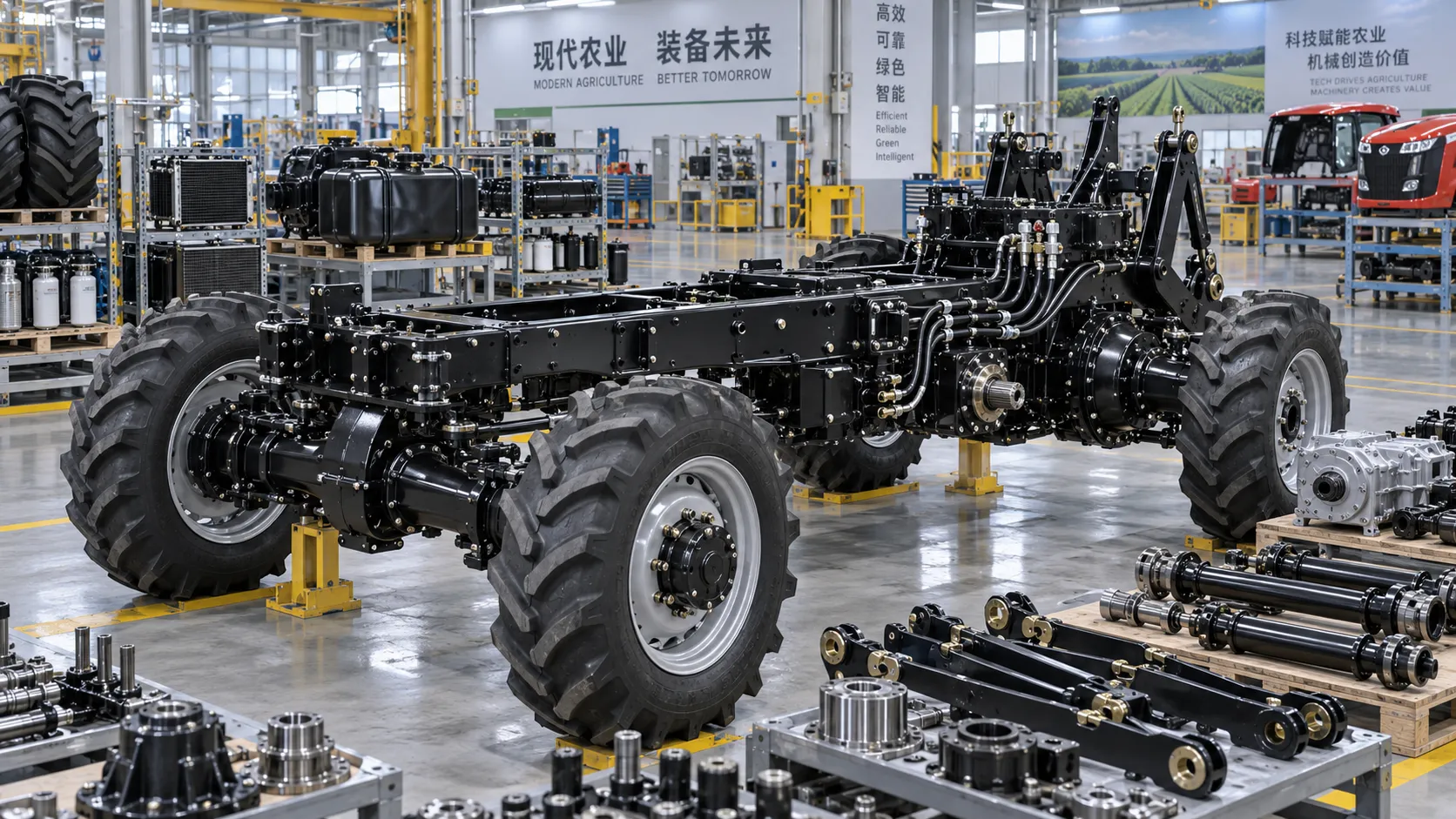
Tractor Chassis Price: What Buyers Should Compare Beyond the Initial Quote
Tractor chassis price is only the start. Compare load capacity, compatibility, durability, and lifecycle costs to choose a reliable, high-value chassis.
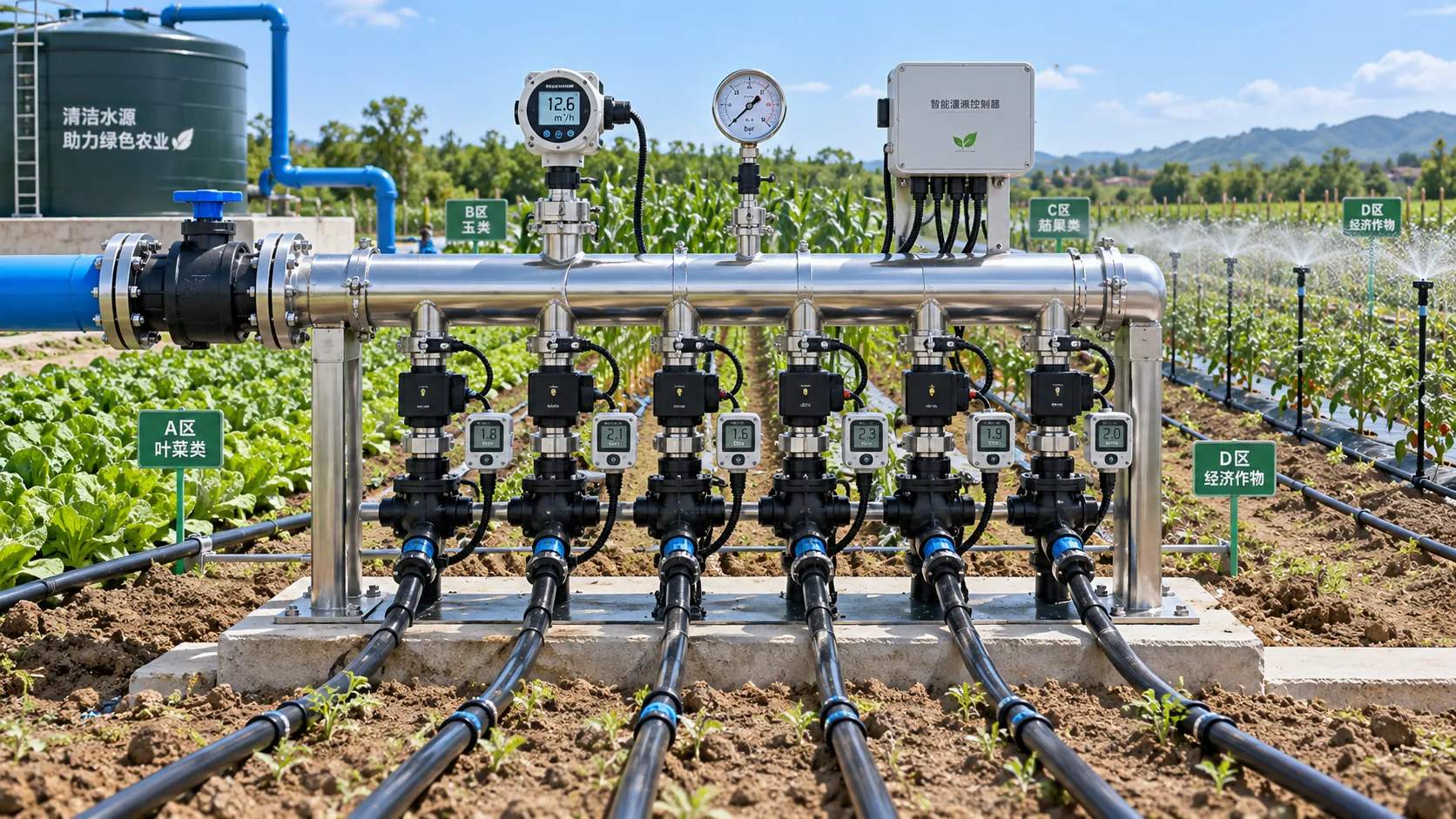
How to Select Smart Irrigation Valves for Multi-Zone Water Management?
Intelligent irrigation systems valves: learn how to match smart valves with multi-zone flow, pressure, control, feedback, and communication needs for reliable water management.
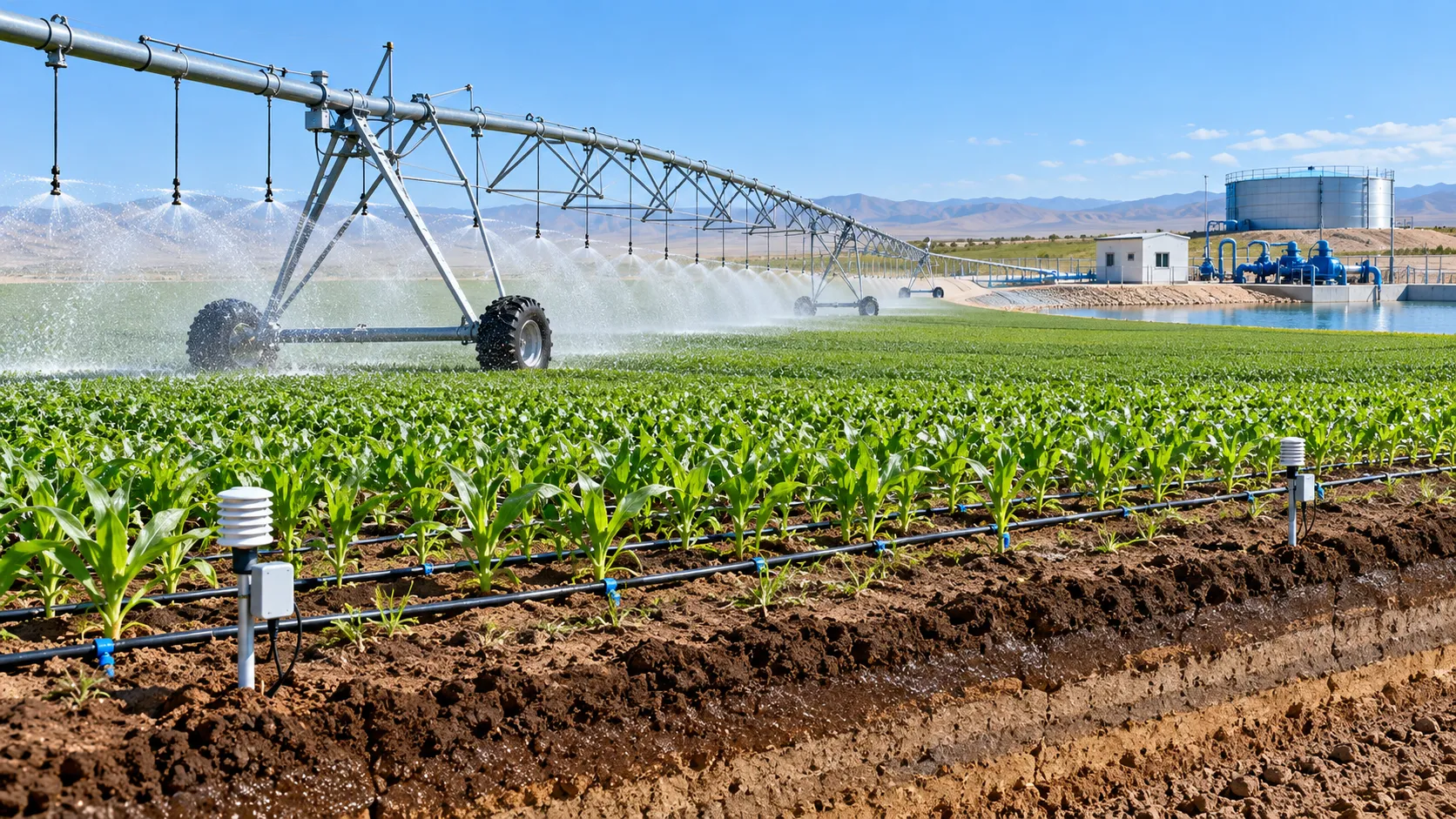
Climate-Smart Farming for Drought: A Practical Plan for Protecting Yields
Climate-smart farming for drought: build smarter water budgets, protect critical crop stages, improve irrigation uniformity, and safeguard yields with practical field-proven strategies.
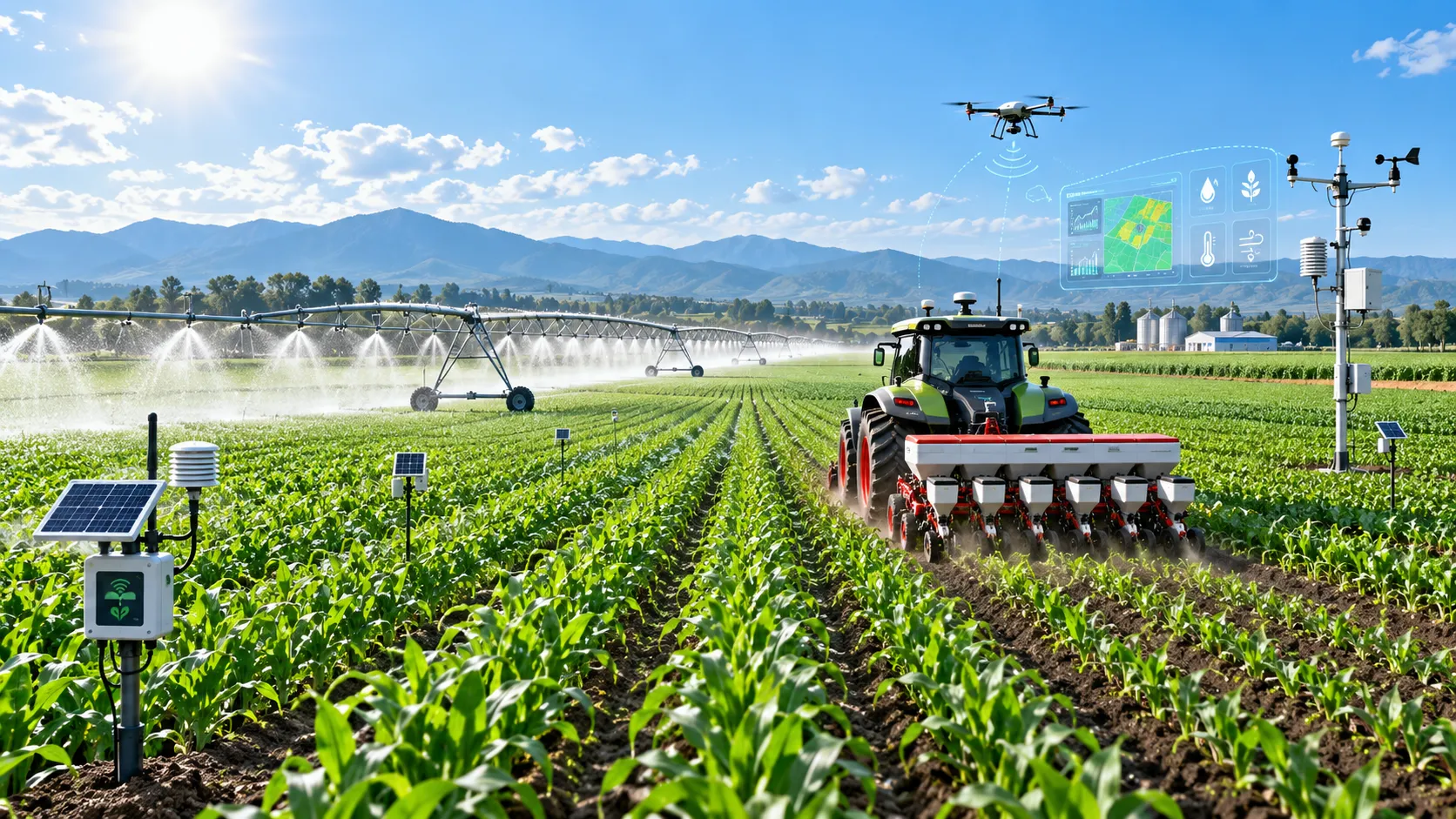
How Digital Agriculture Platforms Turn Field Data Into Better Input Decisions
Digital agriculture platforms turn field data into smarter fertilizer, water, seed, and equipment decisions—helping farms cut risk, improve margins, and scale sustainability.
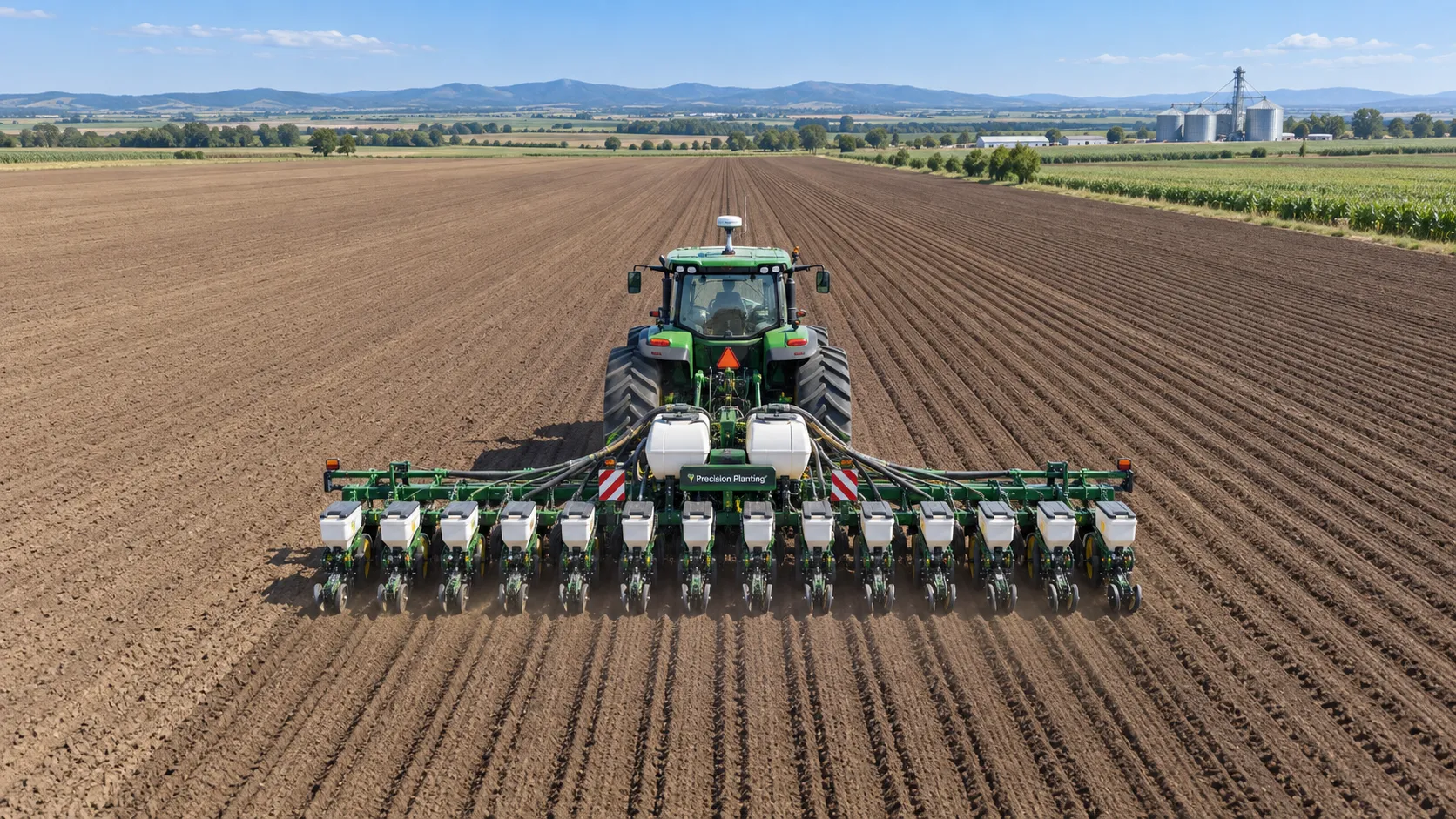
GPS-Guided Farm Machinery: Where It Delivers Measurable Field Efficiency Gains
Agri-mechanization GPS guided systems deliver measurable field efficiency gains through reduced overlap, precise planting, smarter inputs, and reliable farm data.
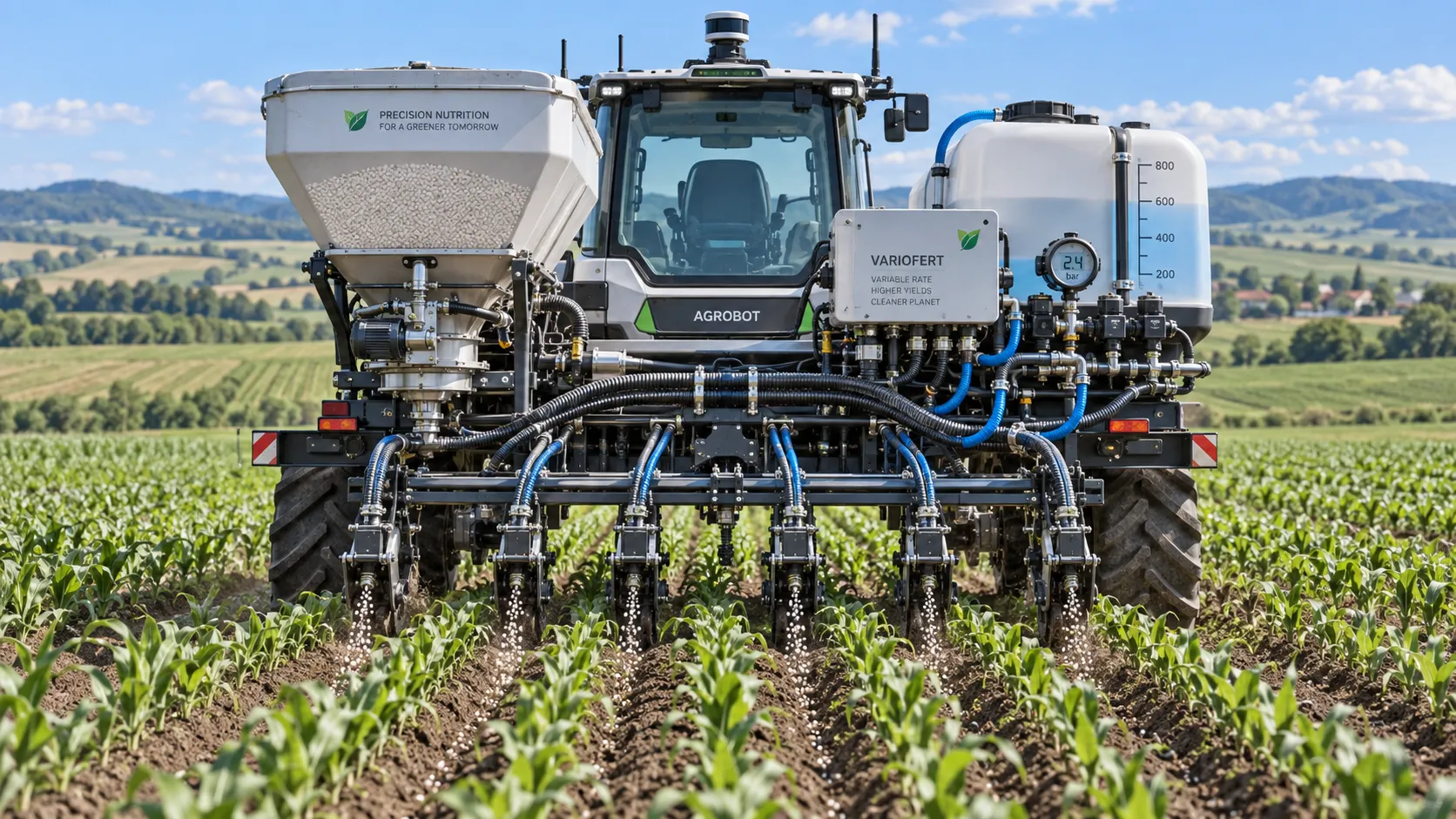
How Sensor Feedback Enables Accurate Variable-Rate Fertilization in Field Conditions
Precision fertilization systems with sensor feedback improve variable-rate accuracy by verifying flow, managing latency, and ensuring reliable field application.
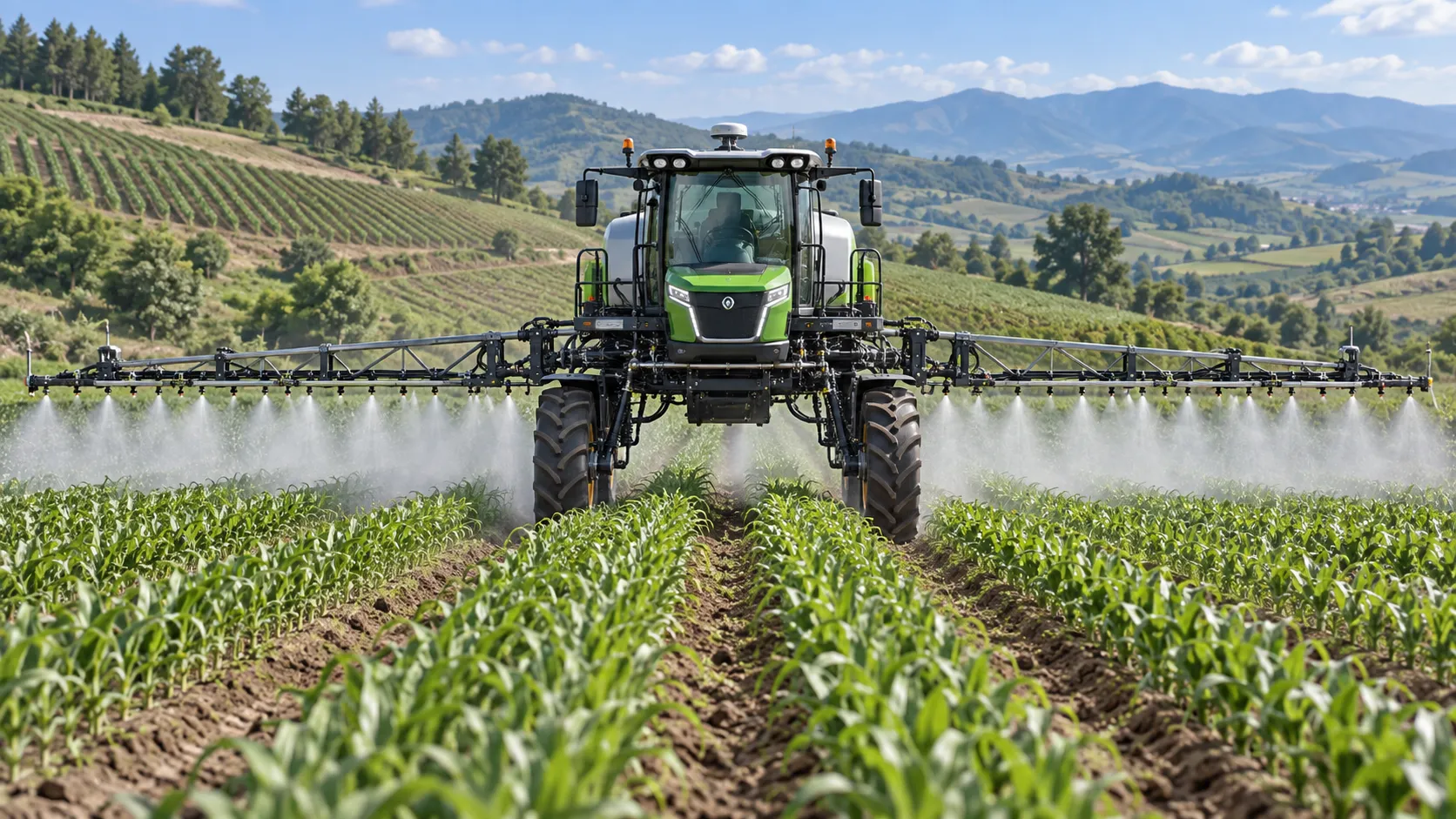
How to Select Precision Crop Protection Equipment for Variable Field Conditions
Precision crop protection equipment selection made simple: compare terrain, canopy, weather, control accuracy, and data workflows for reliable applications.

When Does Agricultural Machinery Leasing Cost Less Than Owning Equipment?
Agricultural machinery leasing can lower farm costs when use is seasonal or uncertain. Compare utilization, maintenance, cash flow, and risk to make a smarter equipment decision.

How to Evaluate Precision Fertilization System Suppliers for Farm-Scale Deployment
Precision fertilization systems suppliers: learn how to compare accuracy, integration, uptime, service, and total cost for confident farm-scale deployment.
Related News
- 00
0000-00
How to Select a Heavy-Duty Seeder for Large Acreage and High-Residue Fields - 00
0000-00
How to Match Large-Scale Farm Equipment Working Width to Field Size and Crop Rows - 00
0000-00
Farm Implements for Seeding: How to Match Seeders to Crop Type and Soil Conditions - 00
0000-00
Ningjin Farm Machinery Cluster Strengthens Export Delivery - 00
0000-00
Ningxia Subsidy Plan Sets New Seeder Benchmarks
Popular Tags
Agri-Mechanization Fellow
Weekly Insights
Stay ahead with our curated technology reports delivered every Monday.