
MOA and MIIT Target Autonomous Seeding Machines for Hilly Areas
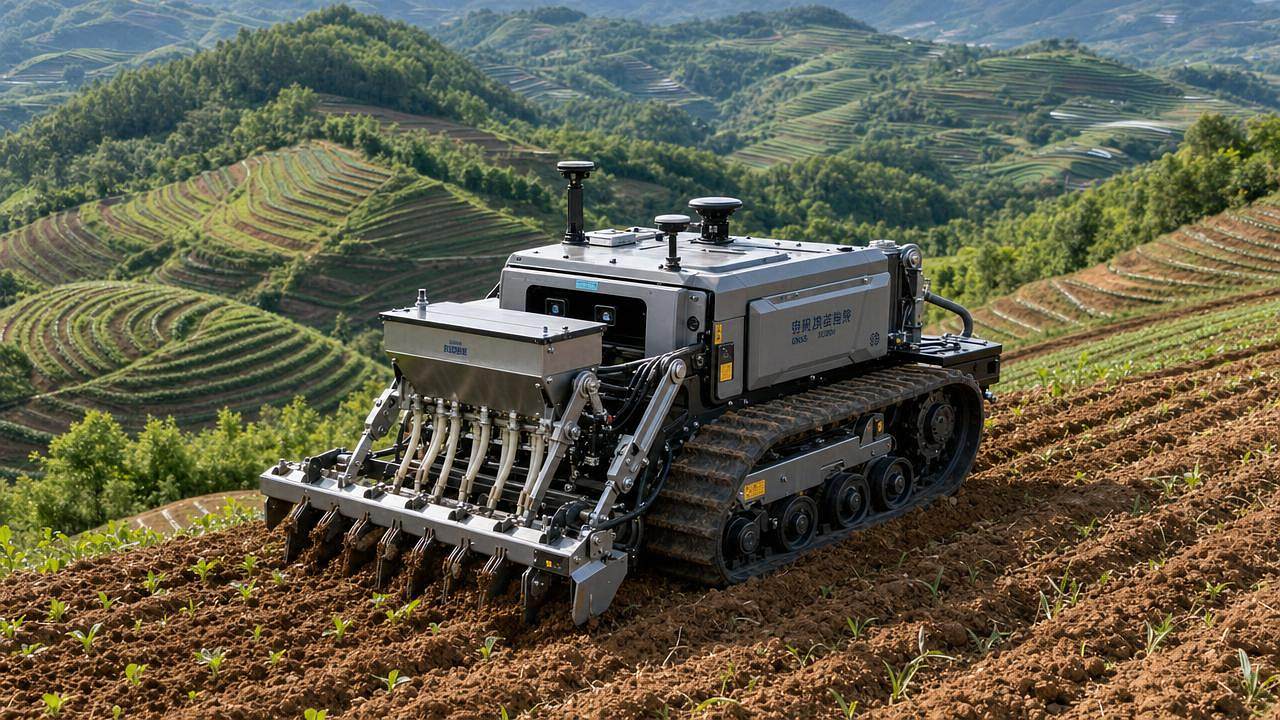




On May 19, 2026, China’s Ministry of Agriculture and Rural Affairs (MOA) and the Ministry of Industry and Information Technology (MIIT) jointly launched a targeted initiative to address critical gaps in agricultural mechanization for hilly and mountainous regions. This policy move directly impacts manufacturers, exporters, and service providers operating across the global precision agriculture equipment value chain—particularly those engaged in terrain-adaptive machinery development, emerging-market distribution, and smart farming system integration.
Event Overview
On May 19, 2026, MOA and MIIT held a special advancement meeting, formally designating the "GNSS/Beidou-enabled autonomous seeding machine suitable for small plots and steep-slope terrain" as a priority shortfall-reduction equipment category. The initiative supports joint validation of multi-source fusion positioning algorithms and lightweight hydraulic lifting systems.
Industries Affected
Direct trading enterprises: Export-oriented distributors—especially those serving Southeast Asian mountainous zones or African highland agro-ecosystems—face both opportunity and pressure. Demand for compact, terrain-resilient seeding platforms is expected to rise, but so is scrutiny on localization readiness (e.g., GNSS signal robustness under tropical canopy, after-sales technical support capacity). Competitive differentiation will increasingly hinge on bundled services—not just hardware delivery.
Raw material procurement enterprises: Suppliers of high-precision inertial measurement units (IMUs), miniaturized hydraulic actuators, and radiation-tolerant GNSS chipsets may see accelerated order visibility. However, tighter tolerances for ruggedized components—and potential shifts toward dual-sourcing strategies due to export control sensitivities—warrant close monitoring of component-level specifications issued under the program’s validation framework.
Manufacturing enterprises: OEMs developing compact seeding platforms must align production roadmaps with the stated technical validation milestones. Notably, the emphasis on "joint validation" implies that algorithm developers and mechanical integrators will be incentivized to co-develop—not merely integrate—subsystems. This may compress time-to-certification windows but also raises barriers to entry for firms lacking cross-domain R&D coordination capability.
Supply chain service enterprises: Logistics providers specializing in agricultural equipment face recalibration needs: smaller unit dimensions do not automatically translate to lower handling complexity—increased electronics content, calibration-sensitive assemblies, and region-specific certification documentation (e.g., ASEAN MRA alignment, AU NEMA compliance) add operational layers. Warehousing partners may need to upgrade environmental controls for pre-deployment firmware updates and sensor calibration.
Key Focus Areas and Recommended Actions
Track validation timelines—not just funding announcements
The initiative prioritizes joint algorithm–hardware validation. Firms should monitor publicly released test protocols (e.g., slope-angle stress thresholds, multi-GNSS constellation fallback criteria) rather than generic subsidy eligibility lists, as conformance to these benchmarks will determine market access in pilot deployment zones.
Evaluate regional GNSS augmentation infrastructure readiness
Beidou/GNSS performance in target markets (e.g., Indonesia’s SBAS coverage, Ethiopia’s CORS network maturity) directly affects field reliability. Companies planning overseas rollout should commission third-party terrain-specific GNSS availability studies—not rely solely on satellite visibility maps.
Assess hydraulic system modularity against maintenance ecosystems
The "lightweight hydraulic lifting system" requirement signals a pivot from durability-at-all-costs to serviceability-in-context. Distributors should audit local technician training pipelines and spare-part logistics depth before committing to volume orders—especially where hydraulic fluid standards or seal compatibility differ significantly from domestic norms.
Editorial Perspective / Industry Observation
Observably, this initiative marks a strategic shift from broad-based agricultural mechanization support to terrain-constrained functional specificity. It reflects growing recognition that "smart farm" adoption in developing economies cannot follow flat-land-centric templates. Analysis shows the focus on multi-source fusion—not standalone GNSS—is less about improving absolute accuracy and more about ensuring deterministic failover behavior under signal occlusion. That nuance makes it better understood as a resilience standard than a precision upgrade.
Conclusion
This policy does not simply expand an existing product category—it redefines the baseline functionality expected of entry-level intelligent seeding equipment in non-standard topographies. For the global agri-tech sector, it signals that interoperability, ruggedized software-defined operation, and context-aware service design are becoming prerequisites—not differentiators—in next-generation terrain-adaptive platforms.
Source Attribution
Official statements released by MOA and MIIT on May 19, 2026; technical parameters cited from the "2026–2028 Key Equipment Shortfall Remediation Roadmap" (draft version, Annex III). Note: Final validation protocols, regional pilot deployment schedules, and export licensing guidance remain pending publication—these elements require ongoing tracking beyond initial announcement.
Related News
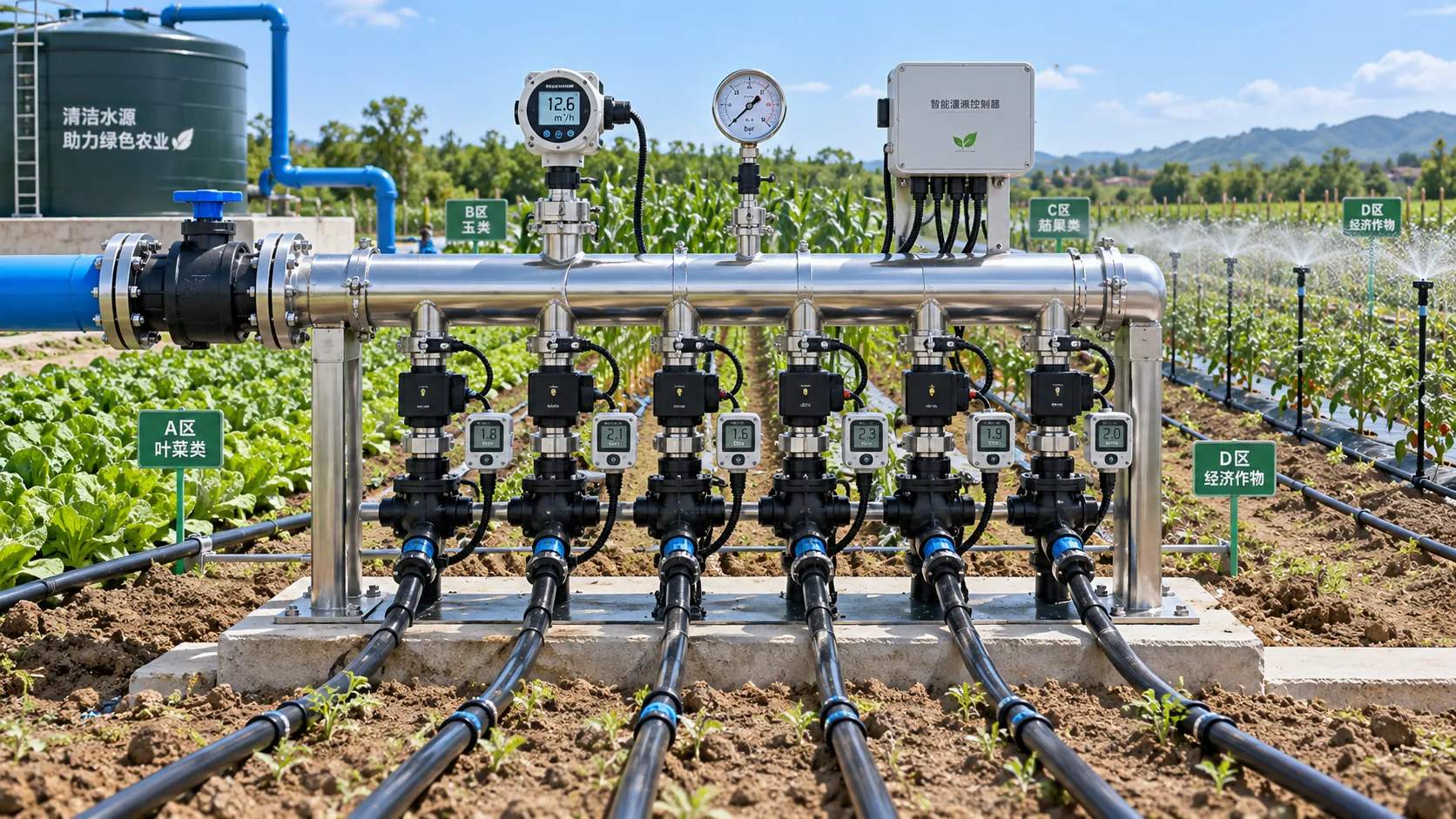
How to Select Smart Irrigation Valves for Multi-Zone Water Management?
Intelligent irrigation systems valves: learn how to match smart valves with multi-zone flow, pressure, control, feedback, and communication needs for reliable water management.
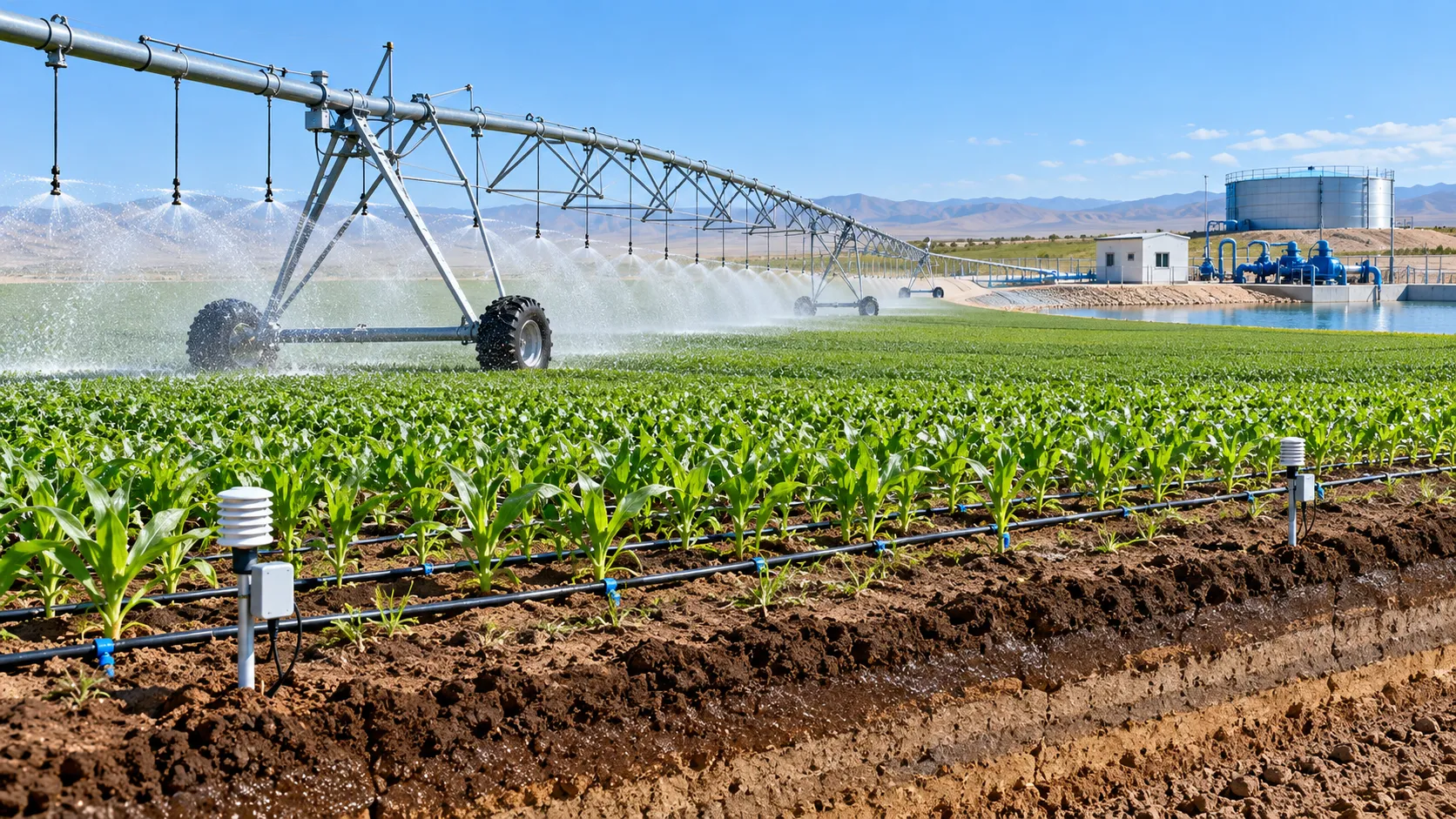
Climate-Smart Farming for Drought: A Practical Plan for Protecting Yields
Climate-smart farming for drought: build smarter water budgets, protect critical crop stages, improve irrigation uniformity, and safeguard yields with practical field-proven strategies.
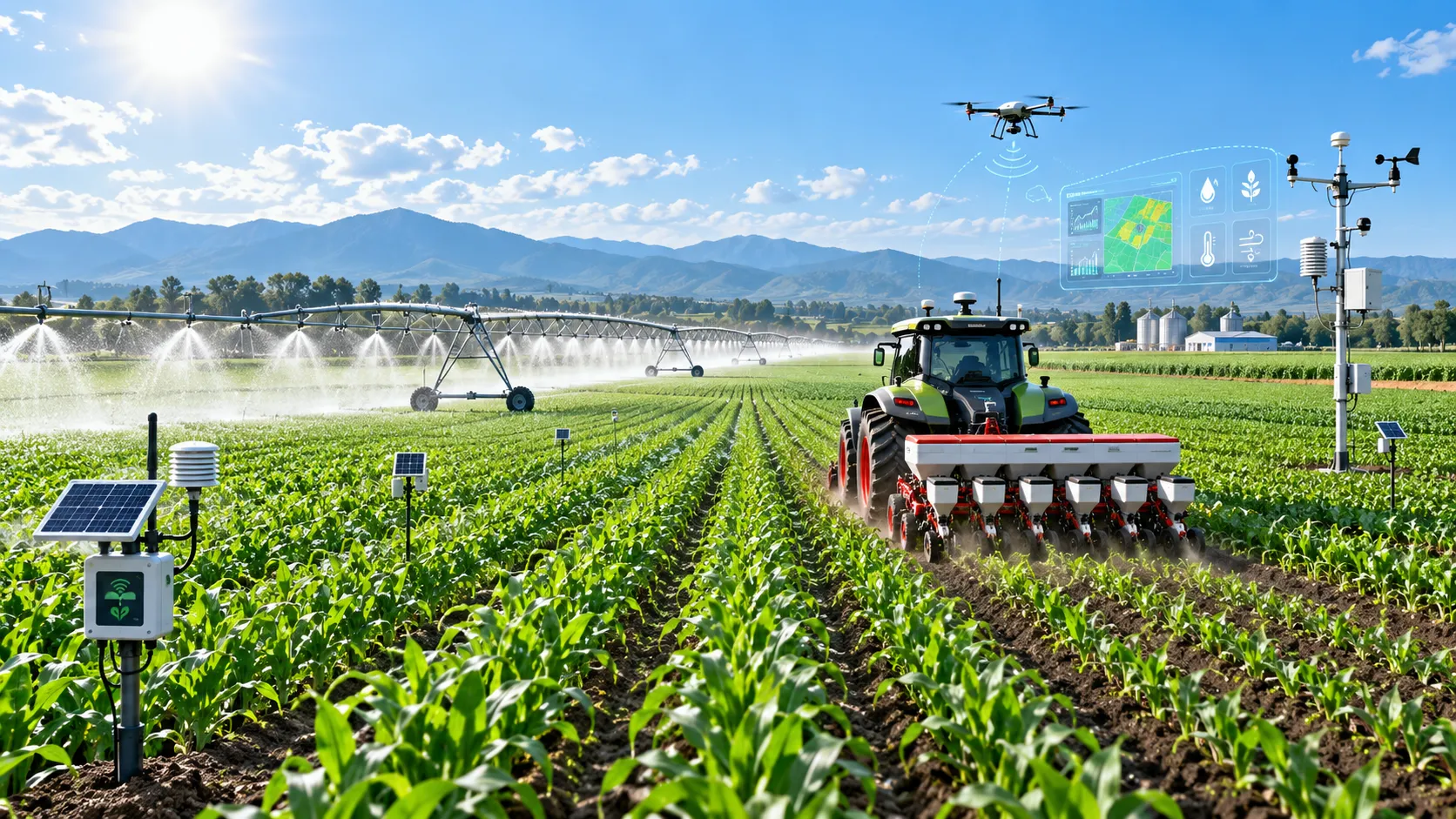
How Digital Agriculture Platforms Turn Field Data Into Better Input Decisions
Digital agriculture platforms turn field data into smarter fertilizer, water, seed, and equipment decisions—helping farms cut risk, improve margins, and scale sustainability.
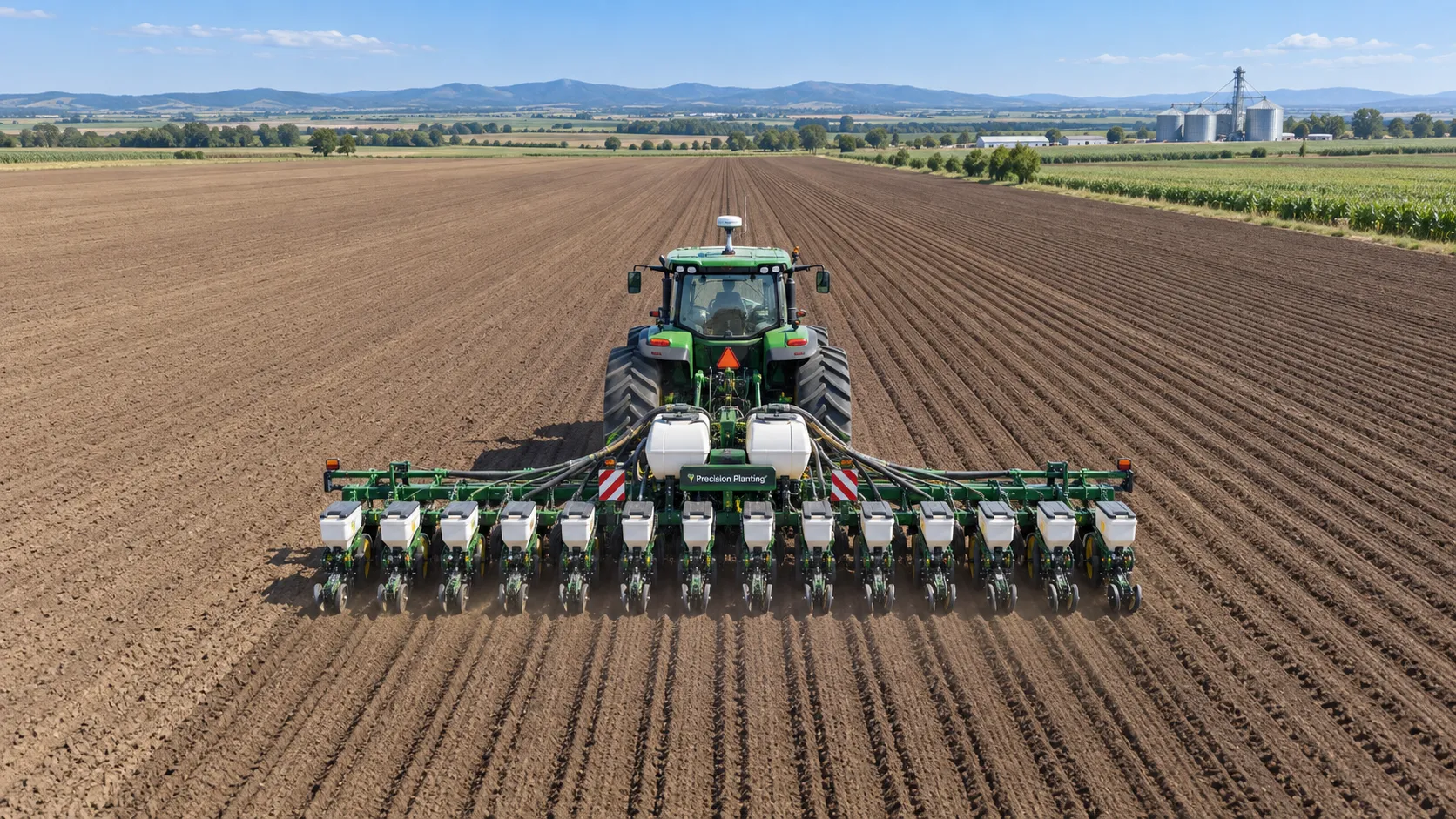
GPS-Guided Farm Machinery: Where It Delivers Measurable Field Efficiency Gains
Agri-mechanization GPS guided systems deliver measurable field efficiency gains through reduced overlap, precise planting, smarter inputs, and reliable farm data.
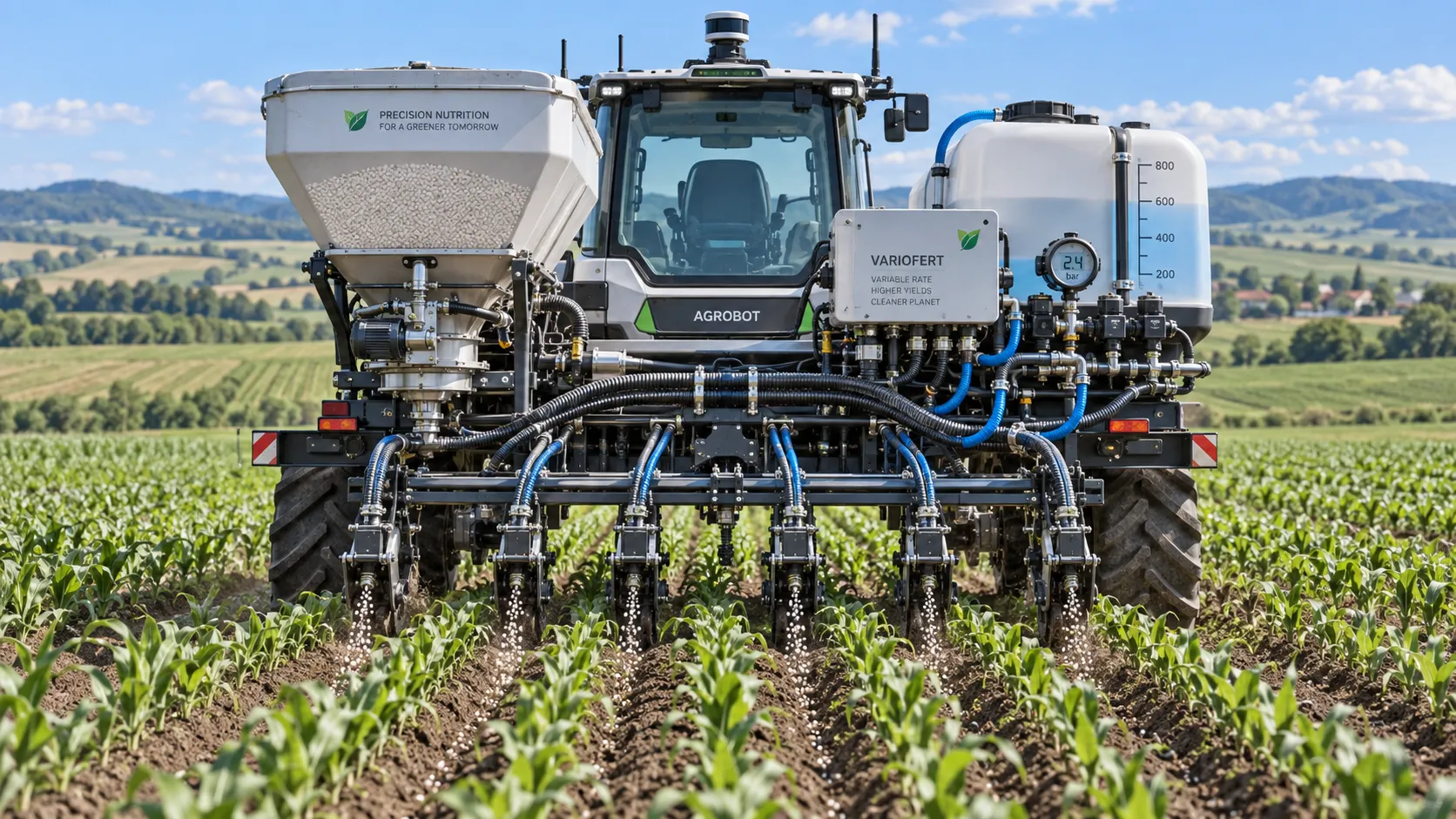
How Sensor Feedback Enables Accurate Variable-Rate Fertilization in Field Conditions
Precision fertilization systems with sensor feedback improve variable-rate accuracy by verifying flow, managing latency, and ensuring reliable field application.
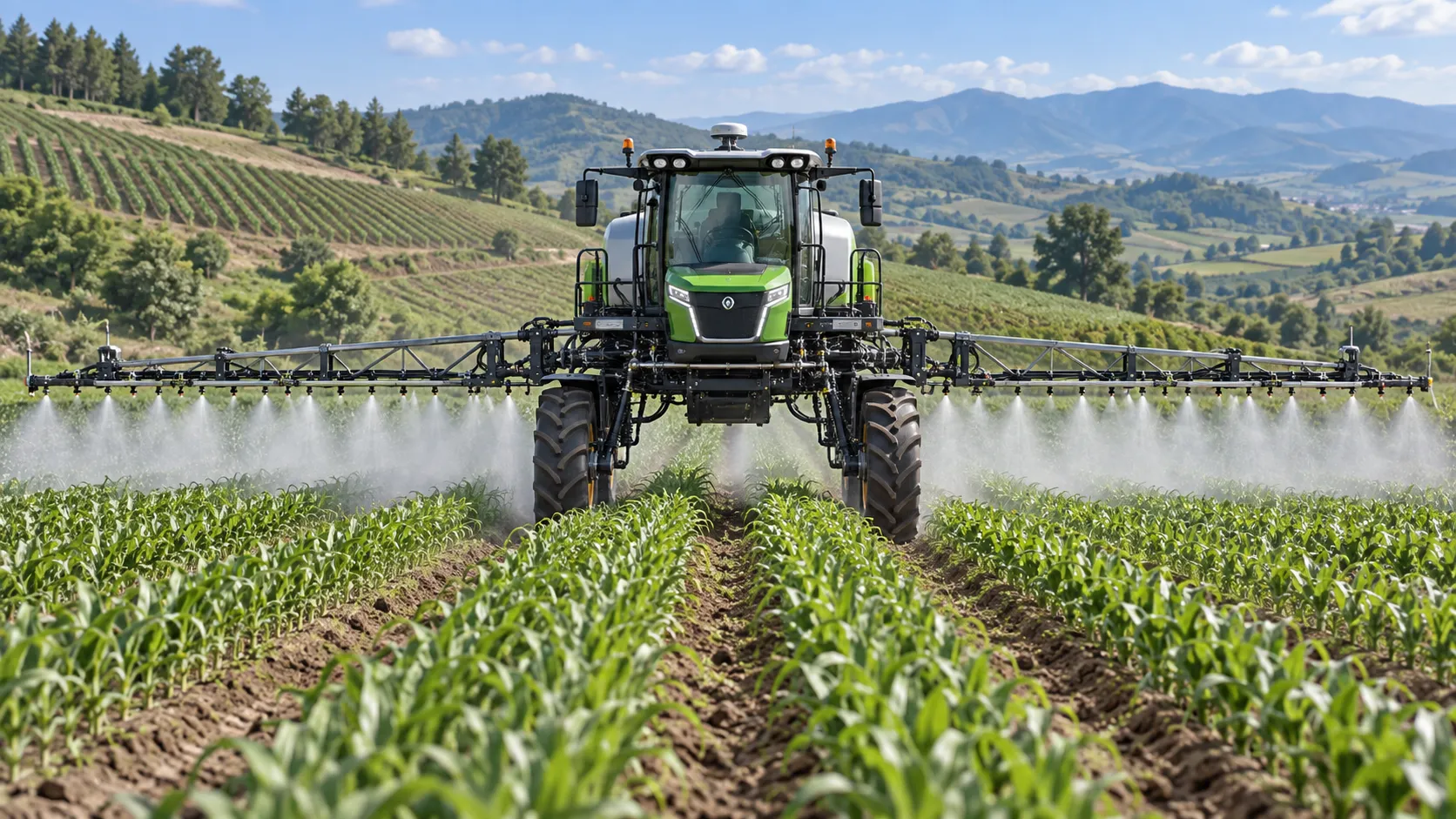
How to Select Precision Crop Protection Equipment for Variable Field Conditions
Precision crop protection equipment selection made simple: compare terrain, canopy, weather, control accuracy, and data workflows for reliable applications.
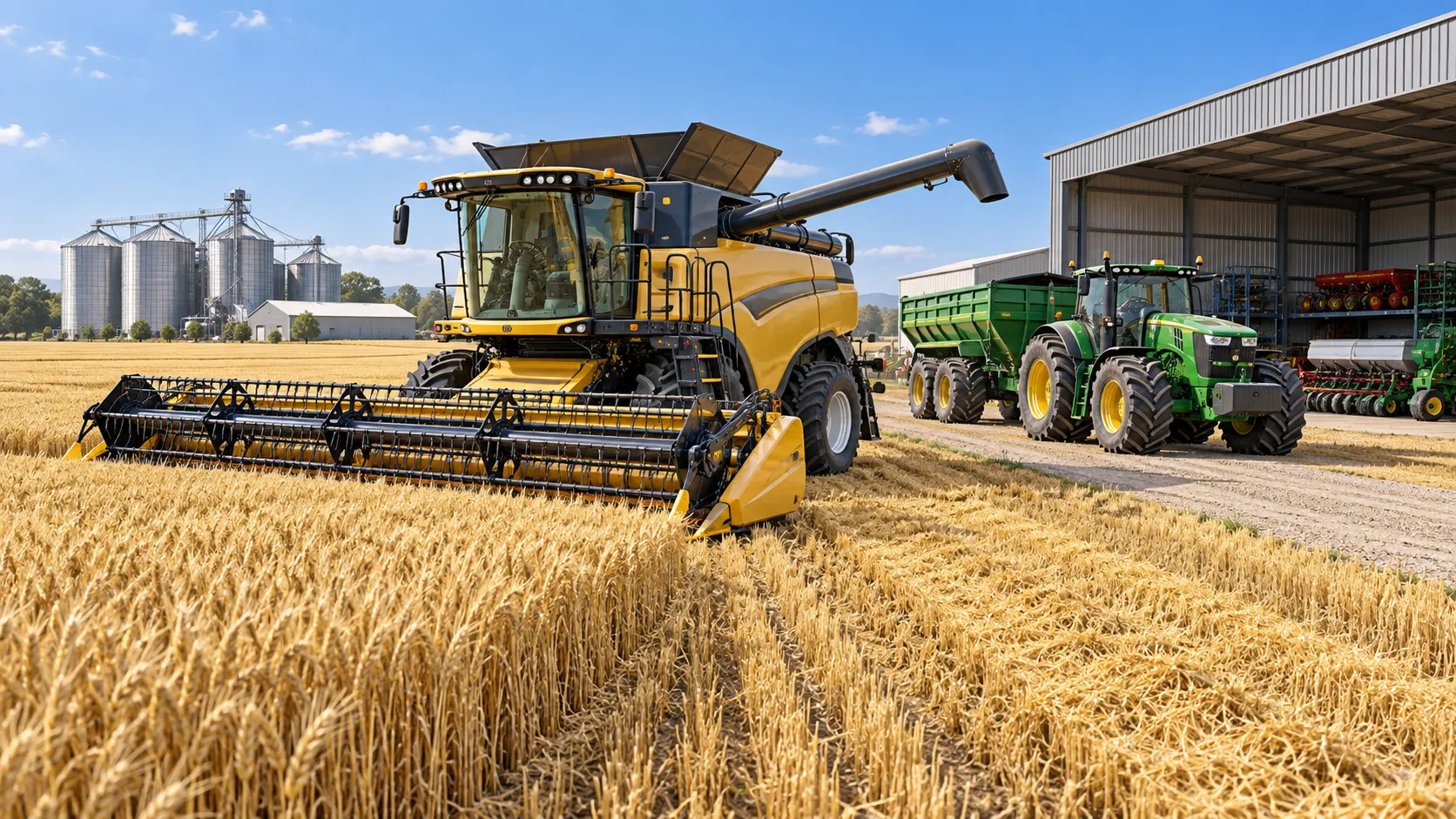
When Does Agricultural Machinery Leasing Cost Less Than Owning Equipment?
Agricultural machinery leasing can lower farm costs when use is seasonal or uncertain. Compare utilization, maintenance, cash flow, and risk to make a smarter equipment decision.
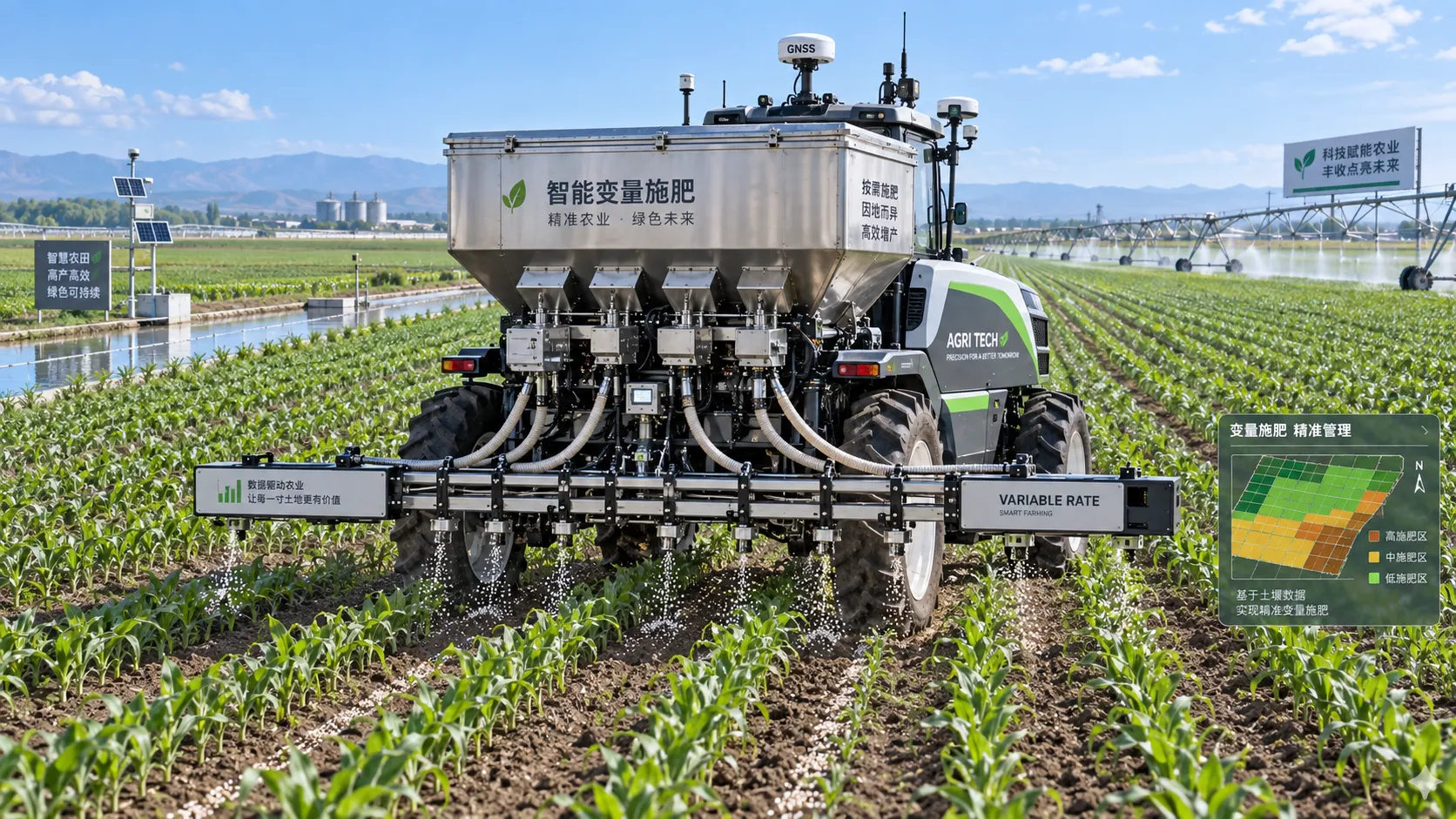
How to Evaluate Precision Fertilization System Suppliers for Farm-Scale Deployment
Precision fertilization systems suppliers: learn how to compare accuracy, integration, uptime, service, and total cost for confident farm-scale deployment.
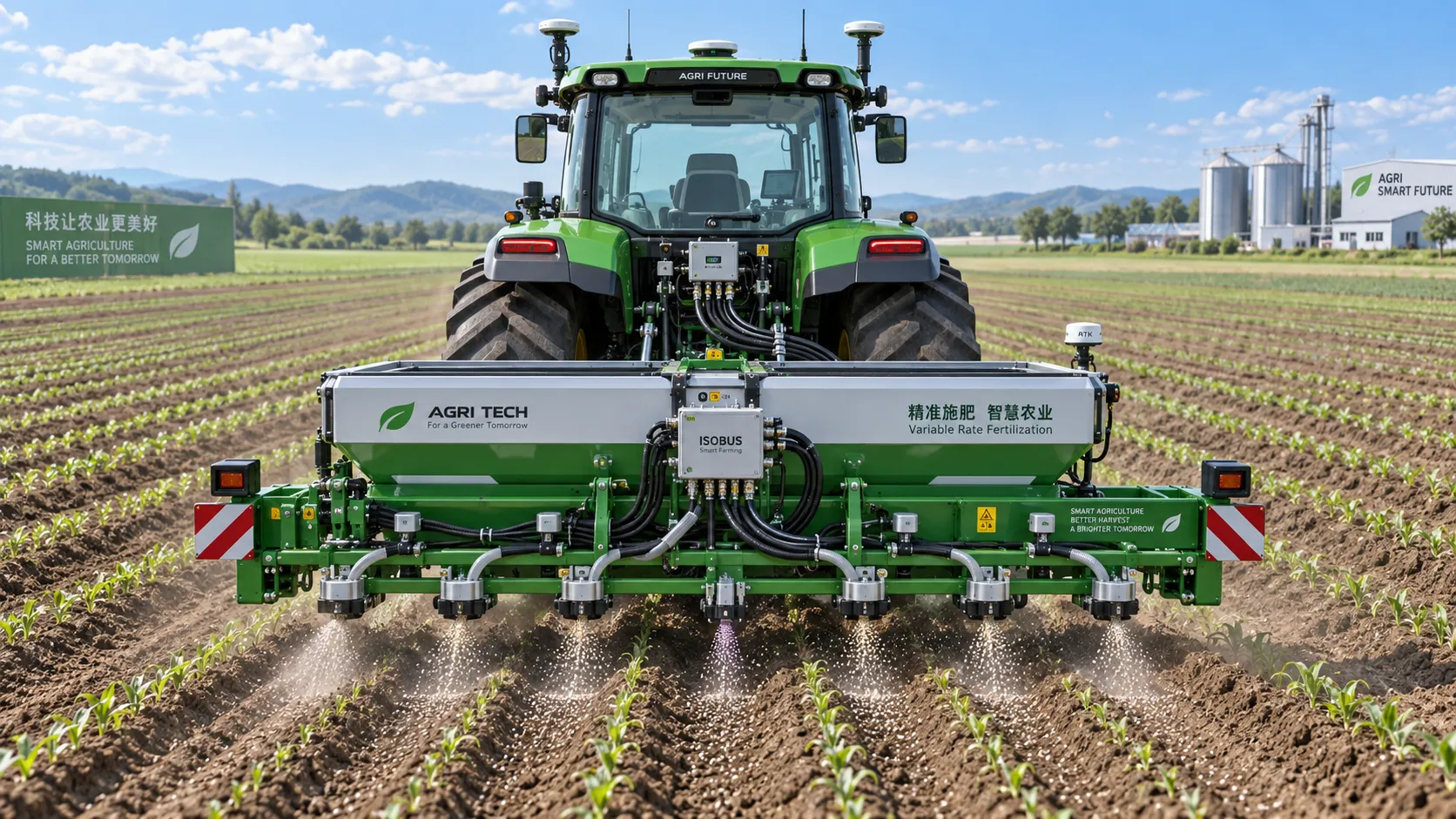
ISOBUS for Smart Agriculture: How It Connects Tractors, Implements, and Farm Data
ISOBUS for smart agriculture connects tractors, implements, terminals, and farm data—helping growers improve precision, documentation, and smarter field decisions.
Related News
- 00
0000-00
How to Select a Heavy-Duty Seeder for Large Acreage and High-Residue Fields - 00
0000-00
How to Match Large-Scale Farm Equipment Working Width to Field Size and Crop Rows - 00
0000-00
Farm Implements for Seeding: How to Match Seeders to Crop Type and Soil Conditions - 00
0000-00
Ningjin Farm Machinery Cluster Strengthens Export Delivery - 00
0000-00
Ningxia Subsidy Plan Sets New Seeder Benchmarks
Popular Tags
Agri-Mechanization Fellow
Weekly Insights
Stay ahead with our curated technology reports delivered every Monday.