
How to Evaluate Water Recycling Systems for Farms by Water Source and ROI
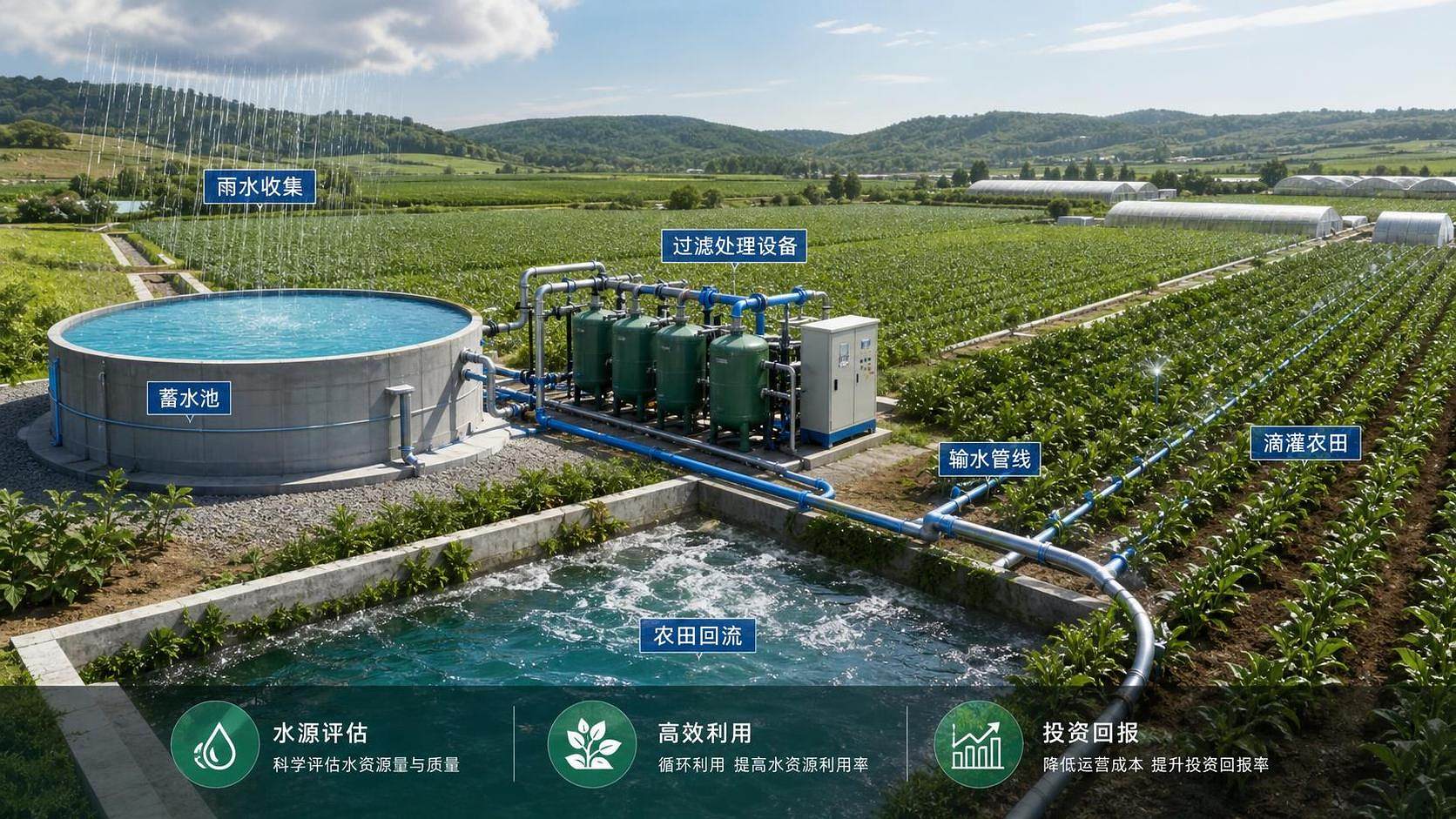




Choosing the right water recycling systems for farms is no longer just a sustainability decision. For enterprise farm operators, it is a capital allocation choice that affects water security, compliance exposure, crop continuity, and long-term operating margins. The best system is not the most advanced one on paper. It is the one that matches your available water source, treatment needs, irrigation demand, and payback expectations with the fewest operational surprises.
For decision-makers, the practical question is straightforward: which recycling setup can reliably turn on-farm water streams into usable irrigation or process water at an acceptable cost and risk level? That requires looking beyond vendor claims. You need to compare source quality, treatment complexity, storage requirements, energy load, maintenance intensity, and the financial value of every cubic meter recovered.
This article explains how to evaluate water recycling systems for farms by water source and ROI. It focuses on the issues that matter most to business leaders: fit-for-purpose treatment, return on investment, operational resilience, and the decision framework needed to select a system with confidence.
Why Water Recycling Evaluation Starts With Source Quality, Not Equipment Specs
Many farm water projects stall because buyers start with technology categories instead of water characteristics. In practice, source water quality determines the technical path, the treatment cost, and the realistic value of reuse. Two farms can buy similar systems and achieve very different results if their incoming water streams are fundamentally different.
That is why the first step in evaluating water recycling systems for farms is to classify each recoverable source. Typical farm sources include irrigation runoff, drainage water, washdown water, livestock wastewater, greenhouse condensate, packing facility process water, and captured rainwater. Each source has its own contamination profile, flow variability, and reuse potential.
For example, greenhouse condensate is often relatively clean and can require only light filtration and disinfection before reuse. By contrast, livestock wastewater may contain high organic loads, suspended solids, pathogens, and nutrient concentrations that demand much more intensive treatment and tighter operational control.
Enterprise decision-makers should therefore ask a simple question early: what water are we trying to recover, and what quality does it need to reach for the intended use? This avoids overbuilding a system for low-risk reuse or underestimating treatment needs for sensitive crops and regulated discharge environments.
How to Match Water Sources With the Right Recycling Approach
Not every source needs the same treatment train. The best-performing systems are designed around the gap between source quality and target use quality. That gap determines whether a farm needs basic screening, settling, biological treatment, membrane filtration, advanced oxidation, disinfection, or a combination of several steps.
Runoff and tailwater from irrigated fields often contain sediment, fertilizers, crop protection residues, and variable salinity. In these cases, farms commonly assess sedimentation ponds, media filtration, nutrient balancing, and selective polishing steps before reuse in less sensitive irrigation zones.
Washdown water from equipment yards or produce handling lines may contain soil, plant debris, detergents, and moderate biological contamination. These streams can often be recycled through solids separation, filtration, and disinfection if the intended reuse is equipment washing or certain non-potable irrigation applications.
Livestock-related water requires stricter scrutiny. Recycling may still deliver strong value, especially where freshwater costs are high, but treatment usually becomes more capital intensive. Anaerobic or aerobic biological processes, sludge handling, odor control, and pathogen reduction all become material parts of the investment decision.
Rainwater harvesting sits in a different category. It is technically a collection and storage strategy rather than treatment-heavy recycling in many cases. Still, for farms facing seasonal supply constraints, integrating captured rainwater into a broader recycling strategy can improve overall ROI by reducing pressure on more expensive treatment assets.
Executives should evaluate water streams separately before combining them into one treatment line. Blending low-contamination and high-contamination streams may appear efficient, but it can increase treatment cost, reduce flexibility, and complicate compliance. Segmented treatment often produces better economics over time.
What ROI Really Means for Water Recycling Systems for Farms
ROI in farm water recycling should never be reduced to a simple comparison between equipment cost and annual water savings. That narrow view misses several business effects that often determine whether a project is truly attractive. A better model includes direct savings, avoided losses, and strategic risk reduction.
The direct financial benefit starts with reduced freshwater purchases or lower extraction dependence. If a farm buys municipal or industrial water, the savings can be easy to quantify. If it relies on groundwater or surface rights, the value may appear lower at first, but pumping energy, permitting constraints, and long-term scarcity still have measurable cost implications.
The second benefit category is avoided operational disruption. Water shortages can reduce irrigated acreage, lower yields, disrupt crop timing, or force expensive emergency water sourcing. A recycling system that stabilizes supply during peak demand or drought periods may deliver more value through business continuity than through utility savings alone.
The third category is compliance and environmental risk reduction. In regions with tighter water discharge rules, nutrient runoff scrutiny, or sustainability reporting demands, a recycling investment can help avoid penalties, reputational costs, or forced retrofits later. For large farms and agribusiness groups, that risk-adjusted value matters.
There is also an agronomic value layer. Better control over recycled water quality can improve fertigation consistency, reduce stress from irregular supply, and support more predictable crop outcomes. While this value is harder to attribute precisely, it should still be included in board-level project evaluation.
A Practical ROI Framework for Enterprise Farm Leaders
To compare options properly, decision-makers should use a structured ROI model rather than a generic payback estimate from a vendor brochure. The model should combine capital expenditure, annual operating expenditure, water recovery volume, useful water value, downtime assumptions, and expected asset life.
Start with capital costs: treatment units, pumps, controls, reservoirs, civil works, piping, electrical upgrades, automation integration, and commissioning. On many farms, supporting infrastructure and installation can materially change the economics, especially if the site is spread out or retrofitting is difficult.
Then model operating costs in detail. These usually include electricity, consumables, membrane replacement, filter media, chemicals, sludge disposal, testing, labor, service contracts, and maintenance downtime. A low-capex system with unstable operating costs can become less attractive than a higher-capex system with predictable performance.
Next, estimate annual recovered water volume based on actual source availability, not nameplate capacity. Seasonal fluctuations matter. A system that can technically process large volumes but only receives enough recoverable water for four months each year may underperform financially.
Assign an internal value to each unit of recovered water. This value should reflect the true delivered cost of alternative water, including purchase, pumping, transport, treatment, and the cost of supply risk. For enterprise budgeting, using only the lowest nominal water price usually understates the system’s strategic value.
Finally, test the project under different scenarios: normal year, drought year, tighter discharge regulation, energy price increase, and lower-than-expected recovery efficiency. A strong investment case is one that remains acceptable under realistic downside conditions, not just under best-case assumptions.
Questions to Ask Vendors Before You Compare Proposals
Farm leaders often receive proposals that are difficult to compare because each vendor highlights different performance metrics. To make better decisions, standardize the questions. Ask every supplier to state influent assumptions, target effluent quality, recovery rate, expected uptime, operator skill requirements, and maintenance intervals.
You should also require clarity on what is included in the quoted system boundary. Some proposals exclude storage, pretreatment, automation, sensor calibration, remote monitoring, civil works, or discharge handling. These gaps can distort ROI calculations and create expensive surprises during implementation.
Another essential question is performance under variable loads. Farm water streams are rarely stable. Seasonal solids, nutrient spikes, biological contamination, and irregular daily volumes can all affect system output. Decision-makers should favor vendors that can demonstrate stable treatment performance under real field variability.
References matter as much as technical claims. Ask for comparable installations by water source, climate, scale, and crop system. A recycling solution that performs well in a greenhouse cluster may not translate directly to open-field operations or mixed-use farm estates.
It is also worth asking how the system fails. Every plant has failure modes. The real issue is whether those failures are manageable. A good vendor will explain bypass procedures, alarm systems, remote diagnostics, spare-part lead times, and how quickly water quality can recover after process disruption.
Where Farm Water Recycling Projects Commonly Go Wrong
One common mistake is chasing maximum treatment sophistication without a clear use-case hierarchy. If the recycled water is intended for non-potable, lower-sensitivity irrigation, an overengineered treatment train can destroy the economics. Treatment should be aligned with the actual quality requirement, not the highest possible purity.
Another failure point is weak source characterization. Some projects rely on one-time sampling, even though farm water quality changes by season, crop cycle, rainfall, and operating practices. Without representative data, system sizing and process selection become guesswork, and ROI estimates lose credibility.
Underestimating operational discipline is another risk. Even technically sound systems can underperform if farms do not plan for monitoring, maintenance, and operator accountability. Enterprise teams should assess not only whether a system can work, but whether the site organization can run it consistently.
There is also a strategic planning issue. Recycling systems should not be evaluated in isolation from irrigation modernization, storage capacity, digital monitoring, and nutrient management. The highest-value projects are often those integrated into broader water efficiency and precision agriculture programs.
How to Prioritize the Best Opportunity Across Multiple Farm Sites
For agribusiness groups managing multiple properties, the best approach is usually not to deploy the same recycling system everywhere. Instead, rank sites by water stress, recoverable volume, regulatory pressure, crop value, and current water cost exposure. This creates a more disciplined capital allocation sequence.
Sites with expensive imported water, repeated drought vulnerability, and relatively clean recoverable streams often produce the fastest returns. Sites with highly contaminated water and low-value end uses may still deserve investment, but usually after higher-confidence opportunities have been captured first.
A portfolio view also helps procurement and standardization. Once the first projects prove technical fit and economic performance, the organization can scale with clearer specifications, better supplier leverage, and improved internal operating capability. That reduces both rollout friction and investment risk.
Final Decision Rule: Choose the System That Fits the Water, the Farm, and the Balance Sheet
When evaluating water recycling systems for farms, the winning option is rarely the one with the boldest sustainability language or the most advanced treatment label. It is the one that matches source quality to end-use needs, delivers dependable recovery under real operating conditions, and produces a defensible return across both financial and risk dimensions.
For enterprise decision-makers, the most reliable path is clear. Begin with source-by-source water analysis. Define fit-for-purpose quality targets. Build an ROI model that captures direct savings, resilience value, and compliance exposure. Then compare suppliers on real operating assumptions, not headline claims.
Water recycling on farms is becoming a strategic infrastructure decision. Done well, it reduces supply risk, strengthens cost control, and supports long-term sustainability performance with measurable business value. That is the standard leaders should use when deciding which system deserves investment.
Related News
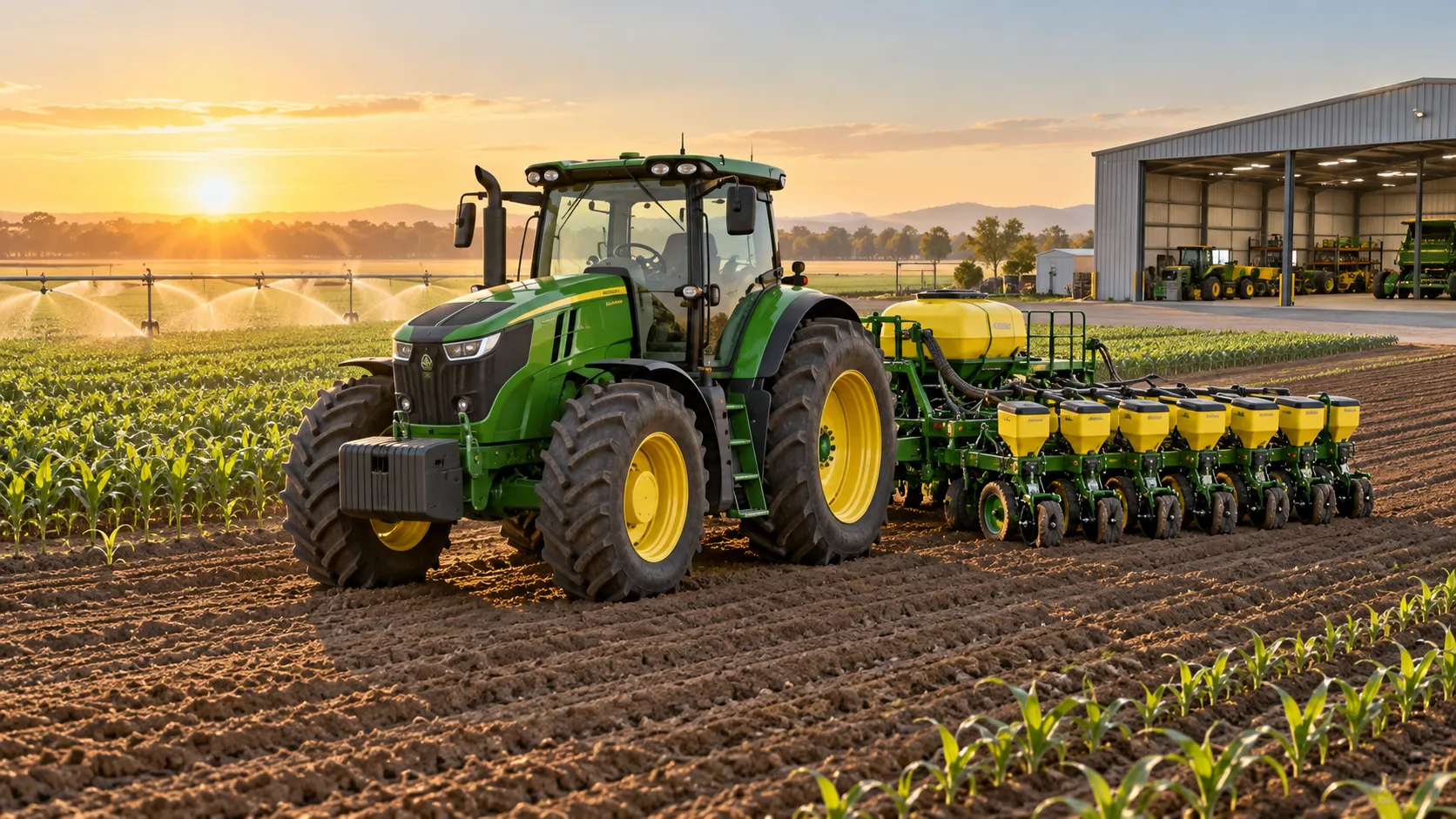
Farm Machinery Sourcing: How to Vet Suppliers, Specs, and Lifecycle Costs
Farm machinery information for sourcing: learn to vet suppliers, compare specifications, control lifecycle costs, and secure reliable uptime for smarter equipment purchases.
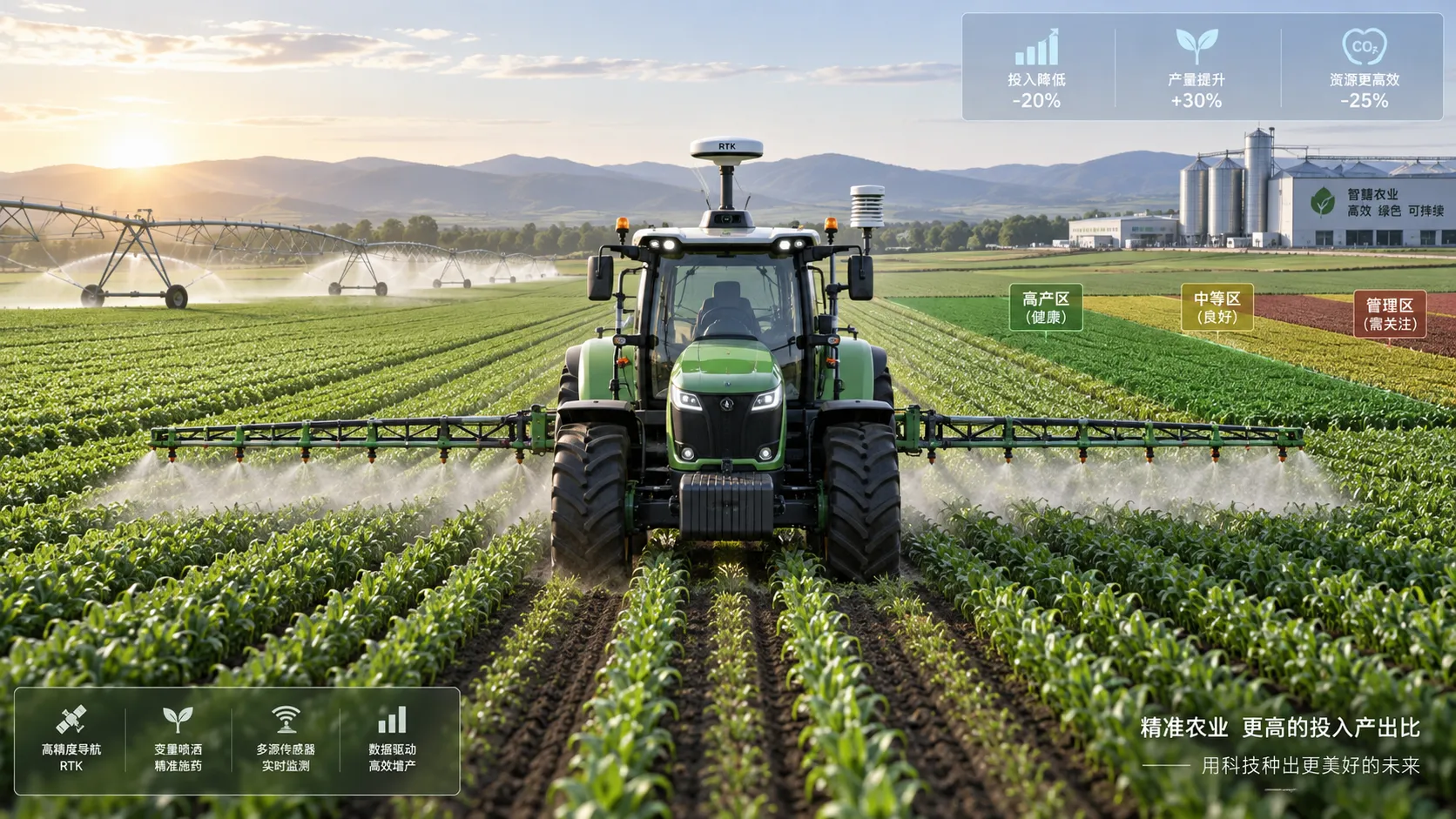
How to calculate ROI on precision agriculture equipment before buying
Calculating ROI on precision agriculture equipment: learn to assess total ownership costs, savings, payback, NPV, risks, and farm-scale value before you buy.
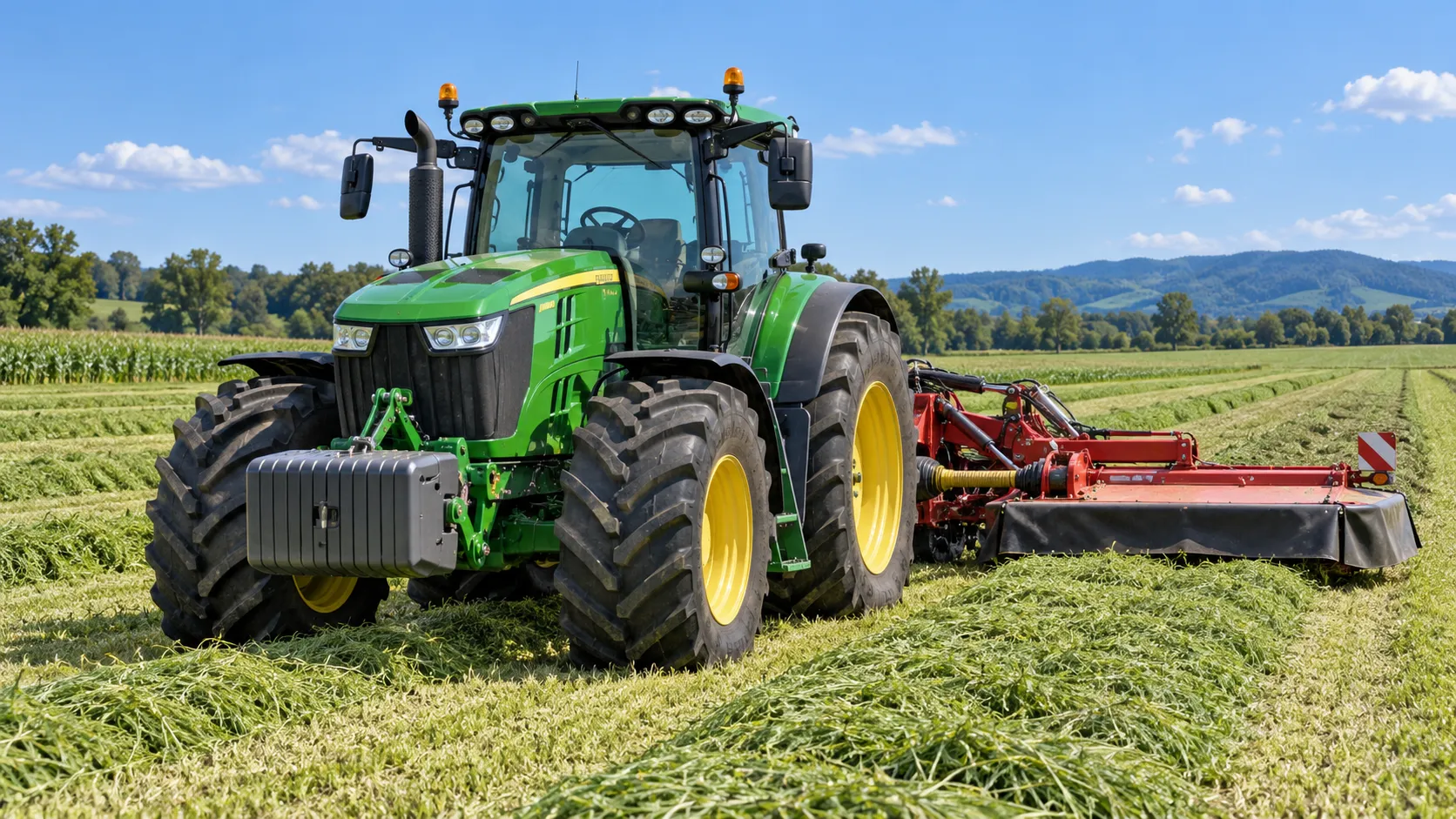
Tractor Specification Sheets: Matching PTO, Hydraulics, and Weight to Farm Tasks
Specification-oriented articles for tractors: match PTO, hydraulics, lift capacity, ballast, and weight to real farm tasks for safer, more efficient equipment choices.
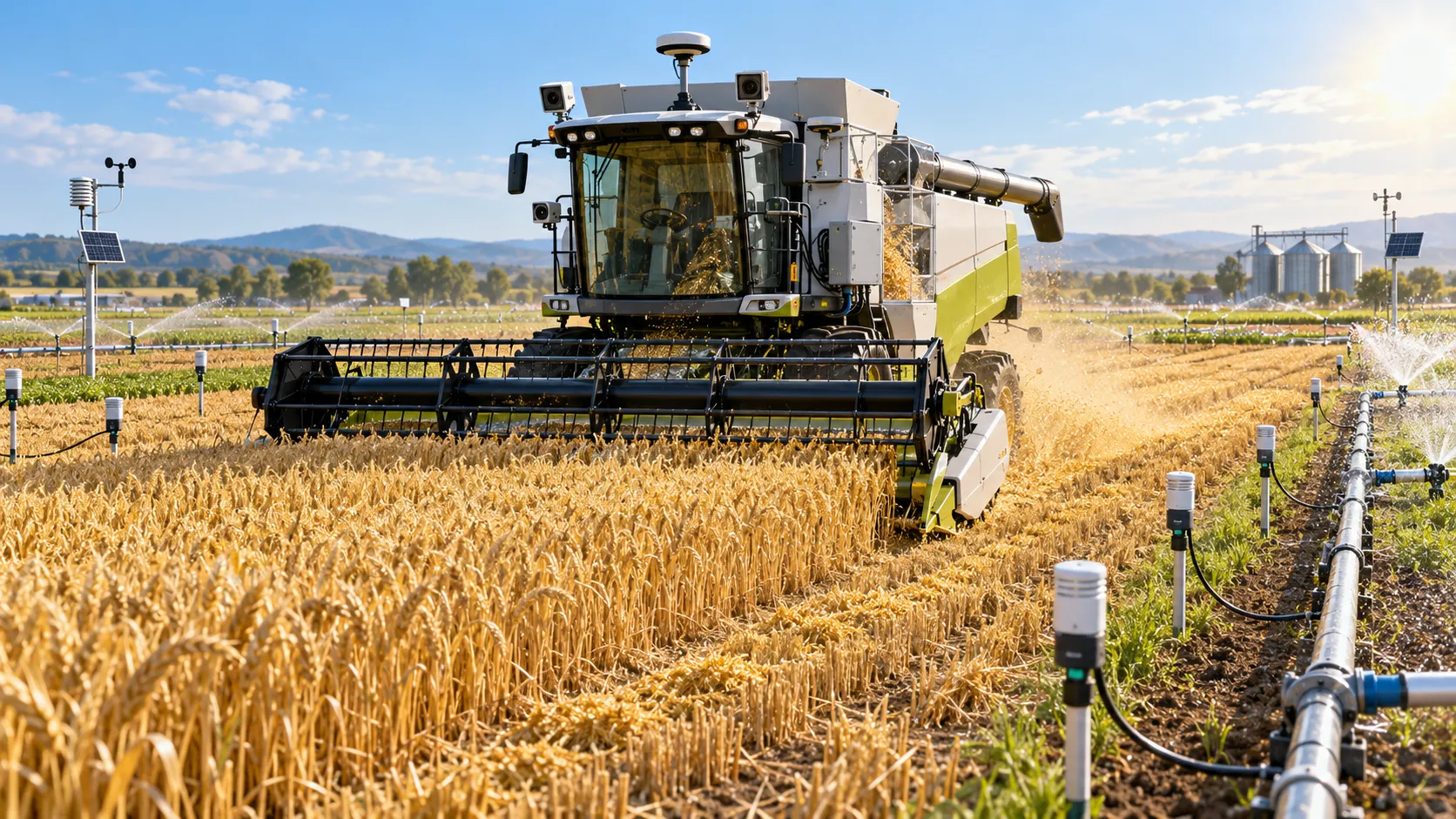
How to Evaluate Dynamic Feedback Algorithm Suppliers for Precision Farming Systems
Dynamic feedback algorithms supplier evaluation guide for precision farming—compare validation, integration, safety, and pilots to choose with confidence.
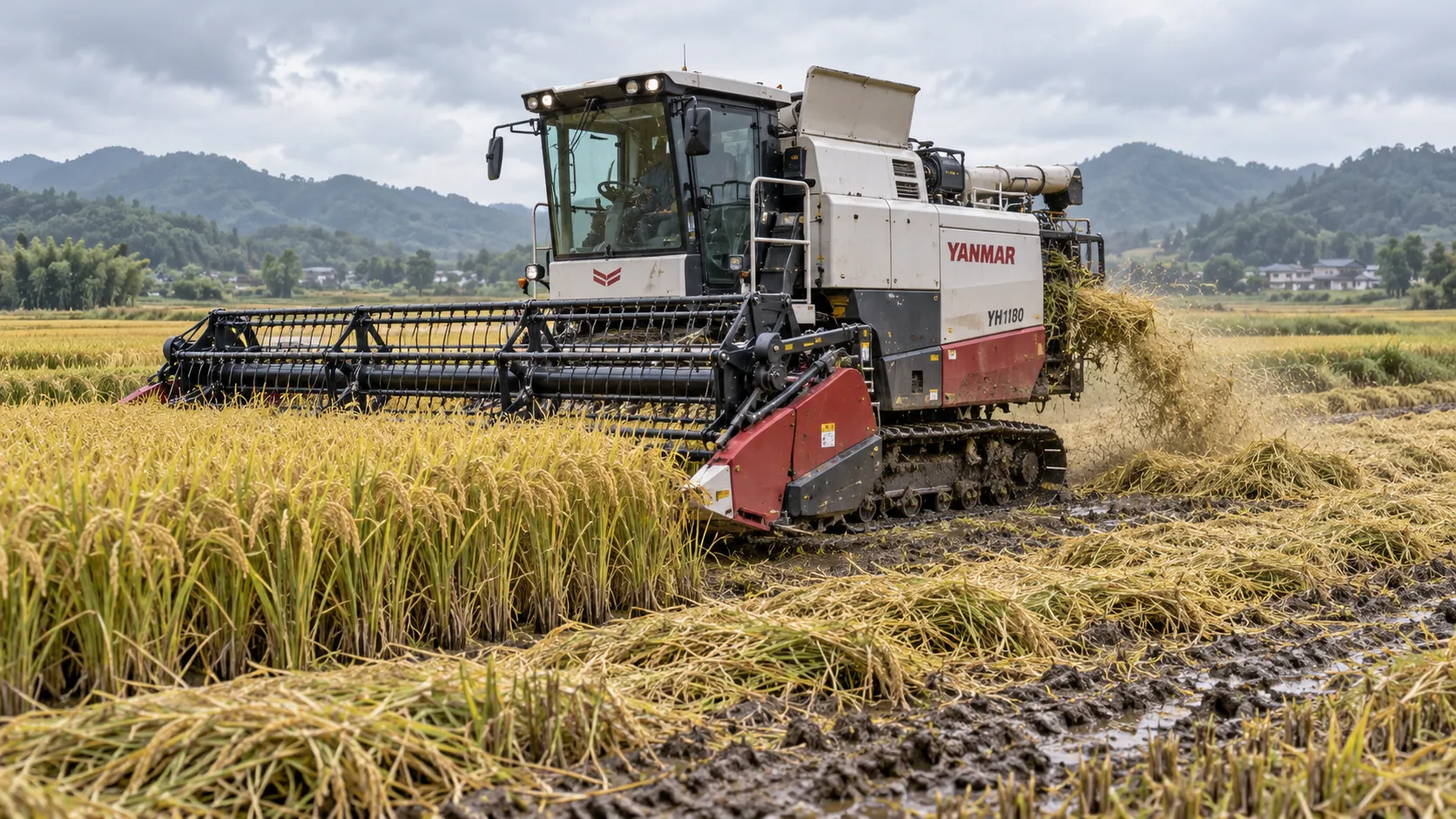
How to Specify Combine Harvester Systems for High-Moisture Grain and Variable Field Conditions
Combine harvester systems for high-moisture grain: learn how to specify threshing, cleaning, headers, traction, and automation for reliable harvests in variable fields.
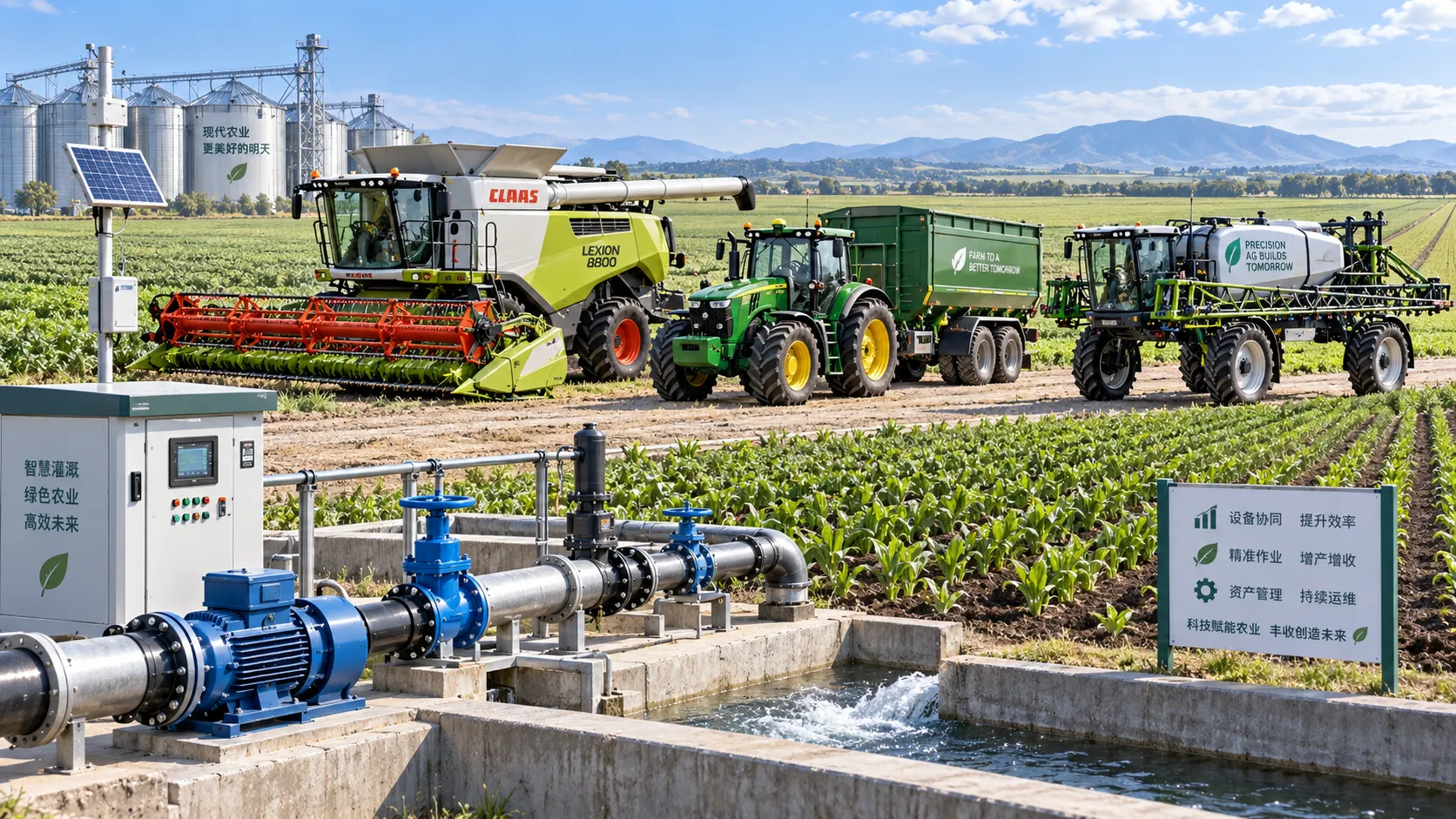
How to Compare Agricultural Equipment Platforms for Fleet Management and ROI
Agricultural equipment platform comparison: evaluate fleet data, maintenance, precision workflows, and ROI to choose a system that delivers measurable results.
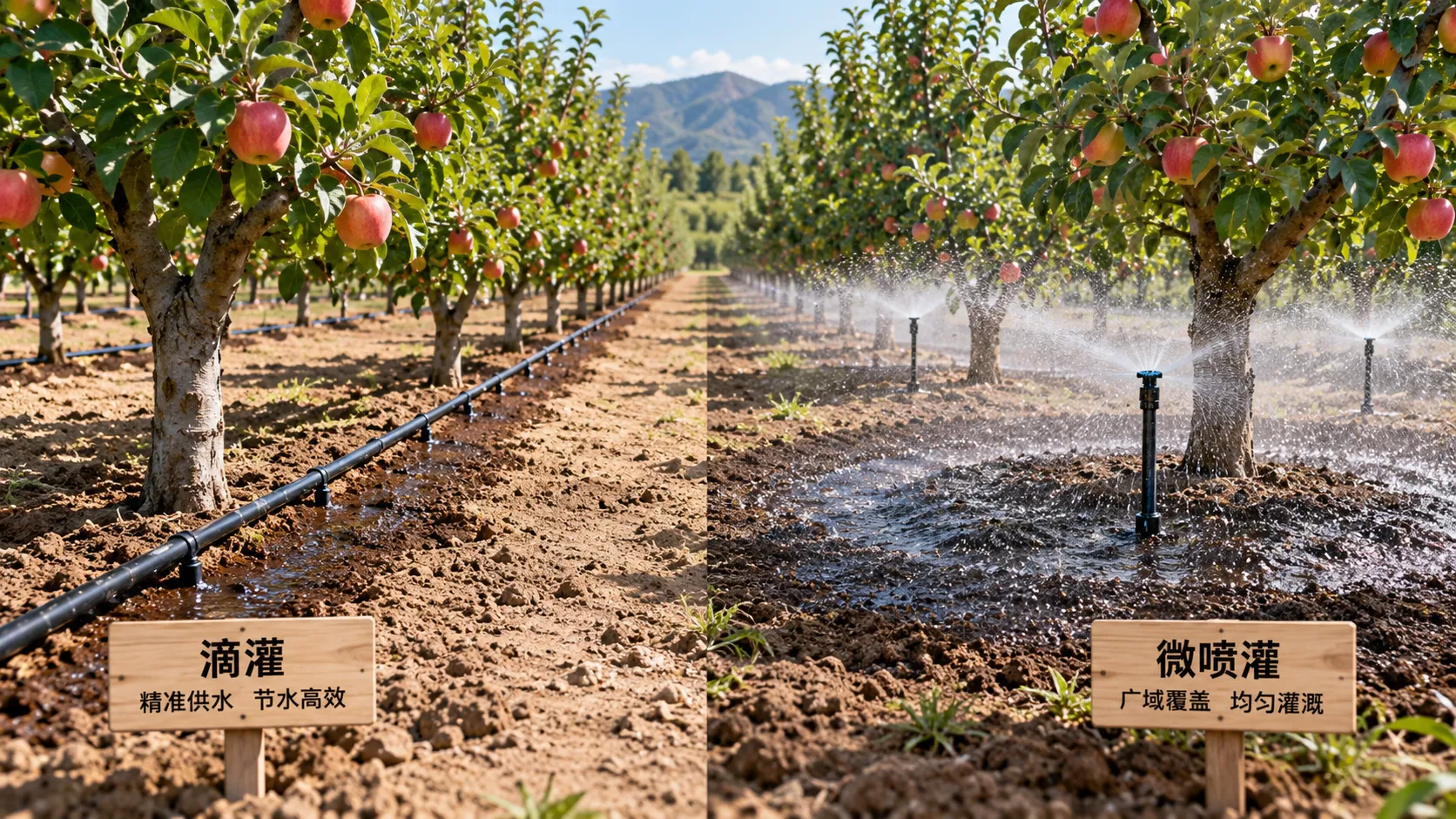
Drip vs. Micro-Sprinkler Irrigation: Which System Fits Your Orchard?
Irrigation solution comparison for orchards: discover whether drip or micro-sprinklers best match your water, soil, roots, fertigation, and frost needs.
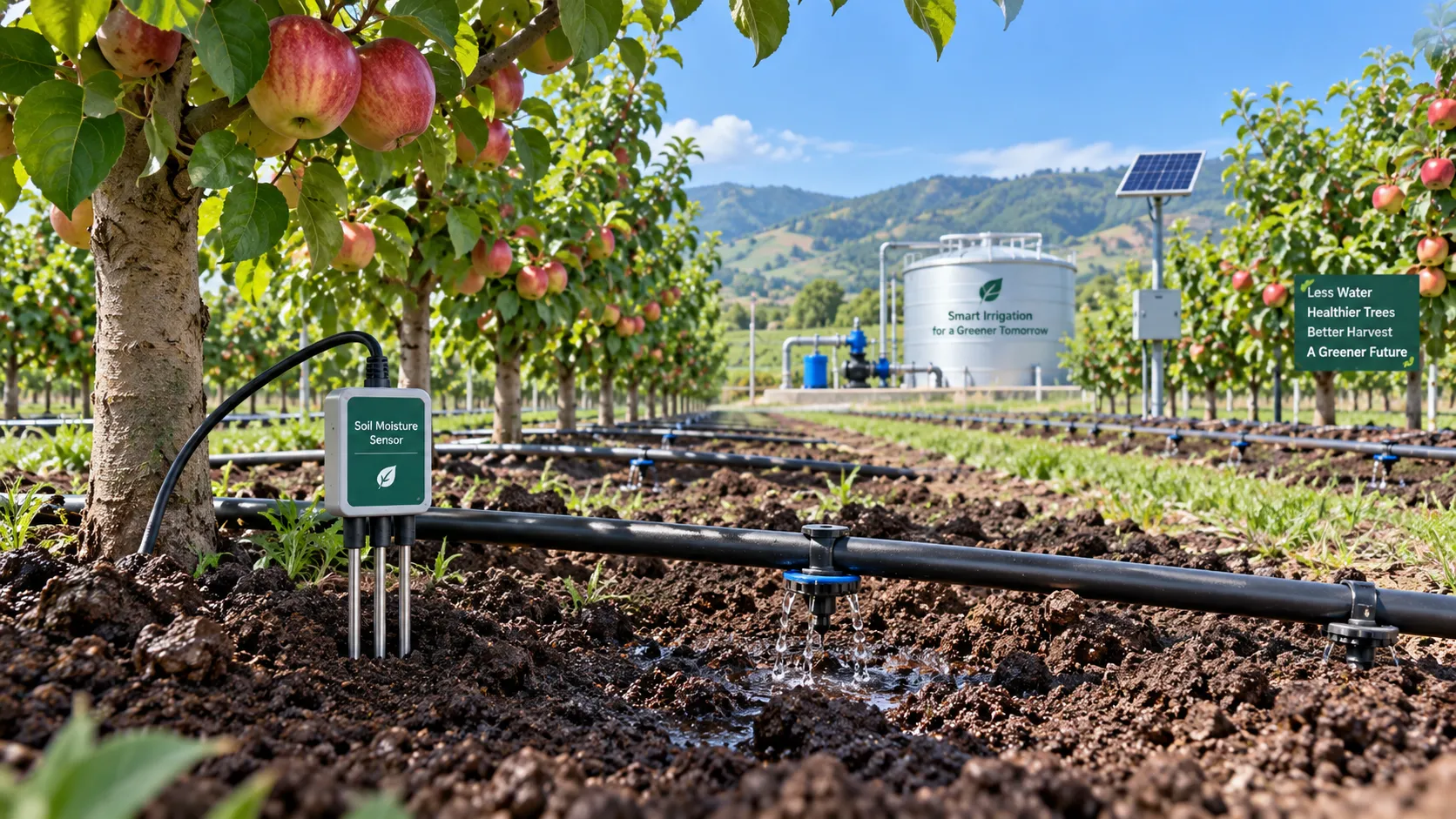
Orchard Water Management: Using Soil Moisture Data to Schedule Irrigation
Agricultural water management for orchards made practical: use soil moisture data to optimize irrigation timing, protect yield, reduce costs, and improve resilience.
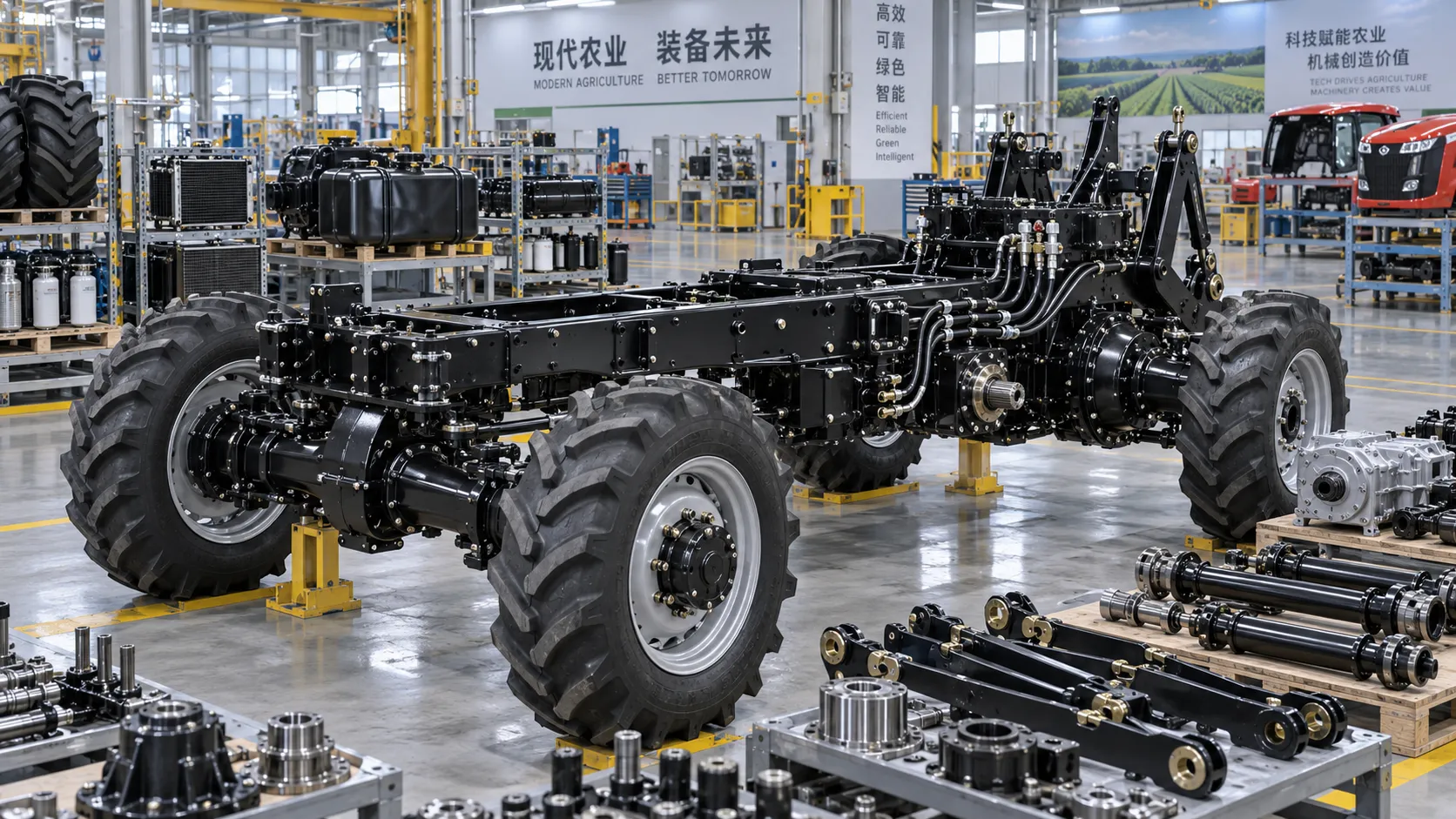
Tractor Chassis Price: What Buyers Should Compare Beyond the Initial Quote
Tractor chassis price is only the start. Compare load capacity, compatibility, durability, and lifecycle costs to choose a reliable, high-value chassis.
Related News
- 00
0000-00
Farm Machinery Sourcing: How to Vet Suppliers, Specs, and Lifecycle Costs - 00
0000-00
How to calculate ROI on precision agriculture equipment before buying - 00
0000-00
Tractor Specification Sheets: Matching PTO, Hydraulics, and Weight to Farm Tasks - 00
0000-00
How to Compare Agricultural Equipment Platforms for Fleet Management and ROI - 00
0000-00
Tractor Chassis Price: What Buyers Should Compare Beyond the Initial Quote
Popular Tags
Ms. Elena Rodriguez
Weekly Insights
Stay ahead with our curated technology reports delivered every Monday.