
How to Evaluate Self Propelled Harvesting Equipment for Crop Type and Field Conditions
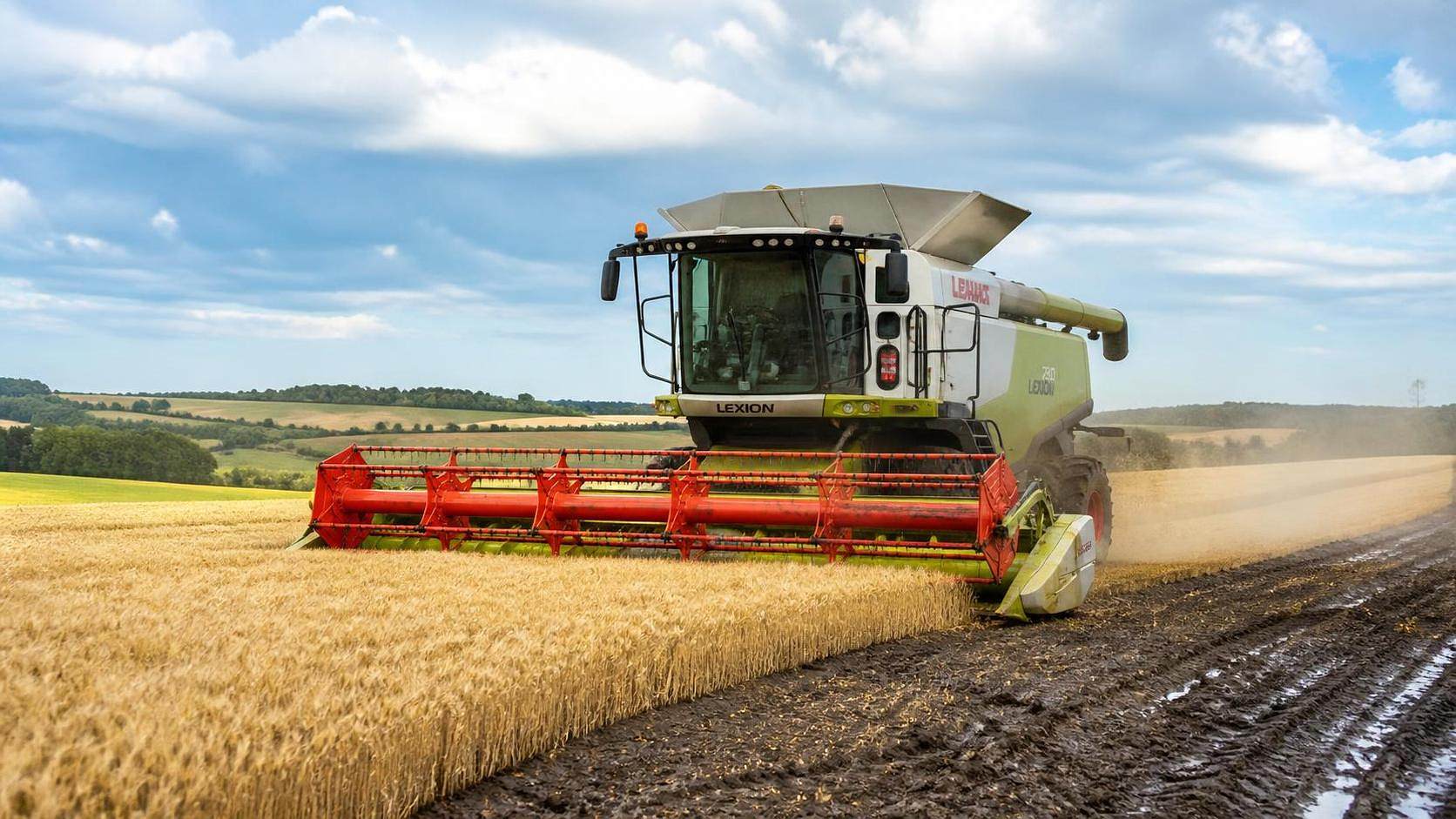




For a procurement team, buying self propelled harvesting equipment is rarely just a machinery decision. It is a timing decision, a risk decision, and often a margin decision. A machine that performs well in one region, crop, or weather pattern can become a costly mismatch somewhere else. That is why the most reliable evaluations begin not with a brochure or a horsepower figure, but with a clear view of what the machine must actually do in the field.
When buyers assess harvesting equipment for large-scale operations, two variables tend to shape the outcome more than any others: crop type and field conditions. Those sound obvious, yet they are also where many purchase errors begin. A unit sized for high-yield cereals may struggle with lodged crops or wet ground. A machine optimized for broad, dry, flat fields may lose efficiency on fragmented land with short headlands and uneven terrain. In practice, the right choice is less about finding the “best” machine and more about finding the best fit between crop behavior, operating environment, and ownership strategy.
Start with the crop, not the catalog
Self propelled harvesting equipment should always be evaluated against the biological and physical traits of the crop being harvested. Procurement teams sometimes jump too quickly into engine power, tank size, or header width because those specifications are easy to compare. The harder, more important question is how the crop moves through the machine.
Different crops create different harvesting demands. Small grains such as wheat or barley usually require stable threshing performance, grain quality protection, and efficient separation under varying moisture conditions. Rice often introduces sensitivity to wet straw, muddy field access, and grain loss concerns. Maize brings heavier residue loads and specific header compatibility requirements. Oilseed crops may require close attention to shatter losses, cutterbar performance, and feeding consistency.
Even within one crop category, field reality shifts the evaluation. A buyer sourcing equipment for high-volume dry wheat in open plains should not judge equipment by the same priorities used for mixed-crop operations facing variable maturity and narrow harvest windows. The machine has to fit the crop’s harvesting behavior, not just its label.
Useful evaluation questions include:
- How variable is crop moisture at the expected harvest stage?
- What is the typical plant height, straw volume, and density?
- How often do lodged or tangled conditions occur?
- Is grain quality preservation more critical than maximum throughput?
- Will the equipment handle multiple crops across the season?
If the operation rotates among cereals, oilseeds, and row crops, flexibility becomes a procurement priority. In that case, header interchange speed, adjustment range, and cleaning system adaptability may matter more than peak output under ideal conditions.
Field conditions often decide real-world productivity
On paper, two machines can appear nearly equivalent. In the field, soil bearing capacity, slope, field shape, and transport access can separate them quickly. This is where a disciplined evaluation of self propelled harvesting equipment pays off.
Start with terrain. Flat, open land supports wider headers, more stable feeding, and fewer interruptions. Rolling ground or terraced fields place more emphasis on balance, traction, and header control. If the operation includes side slopes, the risk is not only operator fatigue or slower travel speed. It also affects separation efficiency, cleaning losses, and grain tank loading behavior. Equipment that performs well on flat ground may show measurable inefficiencies when material flow shifts on slopes.
Soil condition matters just as much. Heavy clay, poorly drained fields, or late-season wet ground can limit machine access and compress the workable harvest window. In these cases, total machine weight, axle load distribution, tire or track configuration, and flotation characteristics become strategic concerns rather than minor options. A procurement team that overlooks ground pressure may end up with a machine that is technically capable but seasonally underutilized.
Field size and layout are another frequent blind spot. Large rectangular fields reward capacity. Smaller irregular plots punish oversized equipment through idle turning time, transport inefficiency, and higher maneuvering losses. A wider header is not automatically more productive if the operator is constantly slowing for drainage lines, tree borders, utility poles, or tight entrances.
Throughput is important, but usable throughput matters more
Many buyers naturally focus on output per hour. That is reasonable, but the more meaningful metric is usable throughput under the conditions that actually occur most often. Manufacturers typically present capacity under controlled circumstances. Procurement teams need to know how much of that capacity survives when the crop gets damp in the evening, when residue load rises, or when the machine moves into tougher patches.
Look beyond the top-line number and evaluate stability across changing conditions. A strong machine should maintain consistent feeding, acceptable grain loss levels, and manageable fuel use even when conditions drift away from ideal. If performance drops sharply once moisture increases or straw becomes green, the machine may create operational bottlenecks during the most time-sensitive part of the harvest.
It helps to frame capacity in terms of harvest window risk. Ask not only, “How much can this machine harvest in one hour?” but also, “Can this machine reliably complete the crop before weather, quality degradation, or labor constraints cause losses?” That shift in perspective often leads to better decisions than simple spec-sheet comparisons.
Header matching is where efficiency begins
The front end of the machine deserves more attention than it often gets in procurement discussions. Header selection is deeply tied to crop type, field uniformity, and expected feeding conditions. An excellent threshing and cleaning system cannot compensate for poor crop intake.
For grain crops, cutterbar stability, reel performance, and feeding smoothness should be reviewed in relation to lodging frequency and crop fragility. For row crops, row spacing alignment, snapping performance, and residue handling become central. In mixed operations, the time and labor required to switch headers can influence the true cost of using one machine across several crop types.
Header width also needs a realistic view. Wider is attractive when labor is tight and open-field productivity is the goal. Yet width adds transport complexity, storage needs, and potential feeding inconsistency in uneven fields. Procurement teams should evaluate not just field capacity but transport regulations, farm road conditions, and setup time between locations.
Loss control and grain quality are procurement issues, not only operator issues
There is a common assumption that grain loss and sample quality depend mainly on operator skill. Skill matters, but machine design sets the operating envelope. If self propelled harvesting equipment has limited adjustment responsiveness, inconsistent cleaning in variable conditions, or poor residue flow under heavy load, losses can rise even with an experienced operator.
For buyers, this means evaluating how easily the machine can be tuned for crop changes during the day. Adjustment access, automation support, sensor feedback, and in-cab monitoring can make a practical difference. The best systems do not remove the operator from the process; they help the operator react faster and with more confidence.
This is one reason intelligence-led evaluation is becoming more relevant in Agriculture 4.0. Platforms such as AP-Strategy increasingly track not only machinery classes, but also the way combine harvesting technology interacts with precision farming logic, seasonal volatility, and sustainability demands. For procurement teams, that broader lens is useful. A machine is no longer just a mechanical asset. It is part of an operational data system that influences losses, fuel use, labor efficiency, and long-term fleet planning.
Ownership cost is broader than purchase price
Procurement professionals already know that the lowest acquisition price rarely guarantees the best value. Still, harvesting equipment evaluations often underestimate indirect cost drivers. Fuel consumption is one. Wear part replacement is another. Downtime during a narrow harvest window may be the most expensive of all, even if it is harder to capture in a spreadsheet.
Consider these cost dimensions together:
- Seasonal utilization across different crops and regions
- Service network coverage and parts availability
- Ease of routine maintenance and cleaning access
- Expected wear in abrasive or high-residue crops
- Fuel efficiency under partial and full load
- Training needs for operators and technicians
- Residual value in the target resale market
A machine that offers slightly lower peak capacity but stronger serviceability and better uptime may outperform a higher-spec alternative over several seasons. This is especially true for large farms or contractor-style operations where delays ripple across many hectares.
Match automation level to operational maturity
Advanced automation features are increasingly available in self propelled harvesting equipment, from loss monitoring and auto-adjustment support to guidance integration and telematics. These features can create real value, but only when they match the operational maturity of the buyer.
If the farm group already uses precision agriculture tools, digital work records, and fleet performance tracking, then integrated harvesting intelligence can improve machine settings, labor deployment, and post-harvest analysis. If the operation is still building those capabilities, a highly complex system may add cost without delivering full benefit.
That does not mean buyers should avoid technology. It means they should separate useful intelligence from decorative complexity. Ask whether the features help with actual decisions: adjusting to moisture shifts, comparing field-level productivity, diagnosing recurring losses, or planning maintenance before failure. If the answer is yes, the technology supports procurement value. If not, it may only inflate specifications.
A practical shortlist framework for buyers
When narrowing options, many procurement teams benefit from using a weighted evaluation model rather than relying on single-factor debates. The shortlist should reflect field reality, not internal preferences alone.
A sound scoring framework can include:
- Crop fit: threshing, separation, cleaning, and header suitability for the main crop mix
- Field fit: traction, flotation, maneuverability, and slope performance
- Harvest window resilience: output stability under moisture and residue variability
- Cost profile: fuel, wear parts, maintenance burden, and expected uptime
- Operator usability: adjustment simplicity, visibility, comfort, and training demands
- Data readiness: compatibility with guidance, telematics, and farm management workflows
- Support ecosystem: dealer service, spare parts response, and technical backing
This kind of framework helps organizations move from opinion-based selection to evidence-based selection. It also gives stakeholders across operations, finance, and agronomy a shared language for comparison.
Common mistakes that distort equipment selection
Several patterns appear again and again in harvesting equipment procurement. One is overbuying capacity for prestige or future growth that may not materialize soon enough to justify the investment. Another is underestimating field limitations, especially in wet or fragmented land. A third is evaluating the machine in isolation, without considering labor skill, transport logistics, grain handling capacity, and service support.
There is also the temptation to use last season’s problem as the only decision lens. If delayed harvest caused losses, the immediate response may be to chase the largest available machine. But if the delay was actually caused by poor field access, weak support service, or frequent setup changes between crops, more capacity alone will not solve it.
Good procurement asks a quieter, more disciplined question: where does the harvest system truly slow down? The answer may lie in the machine, but just as often it lies in the interaction between machine, crop, and field conditions.
Choosing with more confidence
The most effective way to evaluate self propelled harvesting equipment is to treat it as a field system decision rather than a standalone capital purchase. Crop type defines the harvesting challenge. Field conditions define the operating limits. Machine configuration determines how much of the available harvest window can be converted into clean, efficient output.
For procurement teams, confidence comes from connecting those three layers before a purchase is made. That means comparing machines under realistic crop conditions, questioning how performance changes in tough fields, and examining ownership costs beyond the initial quote. It also means recognizing that in modern agriculture, mechanical performance and decision intelligence increasingly belong in the same conversation.
When buyers take that broader view, they are less likely to be distracted by isolated specifications and more likely to choose equipment that performs where it matters most: in the real harvest, under real pressure, with real financial consequences.
Related News
Tractor Specification Sheets: Matching PTO, Hydraulics, and Weight to Farm Tasks
Specification-oriented articles for tractors: match PTO, hydraulics, lift capacity, ballast, and weight to real farm tasks for safer, more efficient equipment choices.
How to Evaluate Dynamic Feedback Algorithm Suppliers for Precision Farming Systems
Dynamic feedback algorithms supplier evaluation guide for precision farming—compare validation, integration, safety, and pilots to choose with confidence.
How to Specify Combine Harvester Systems for High-Moisture Grain and Variable Field Conditions
Combine harvester systems for high-moisture grain: learn how to specify threshing, cleaning, headers, traction, and automation for reliable harvests in variable fields.
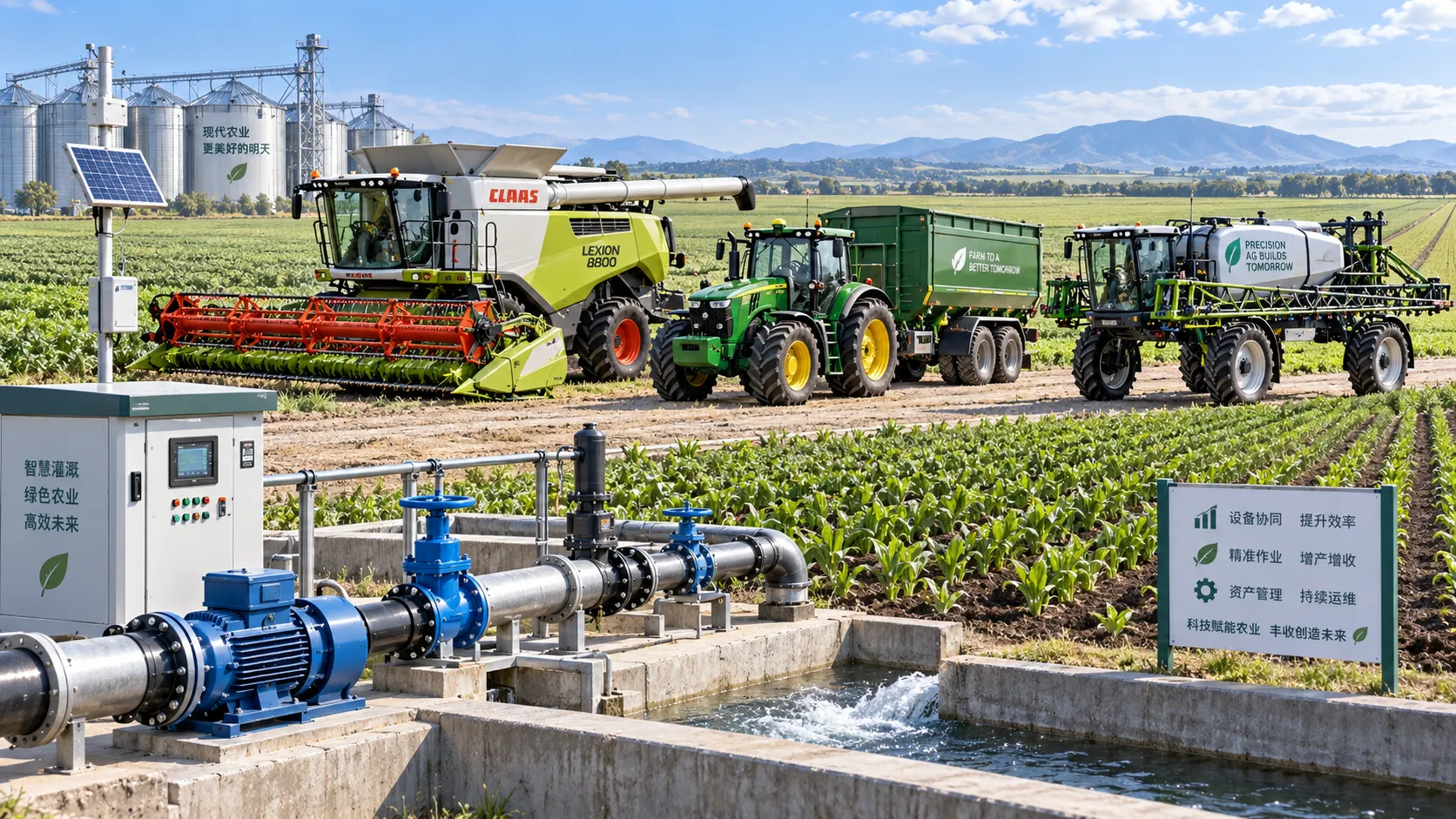
How to Compare Agricultural Equipment Platforms for Fleet Management and ROI
Agricultural equipment platform comparison: evaluate fleet data, maintenance, precision workflows, and ROI to choose a system that delivers measurable results.
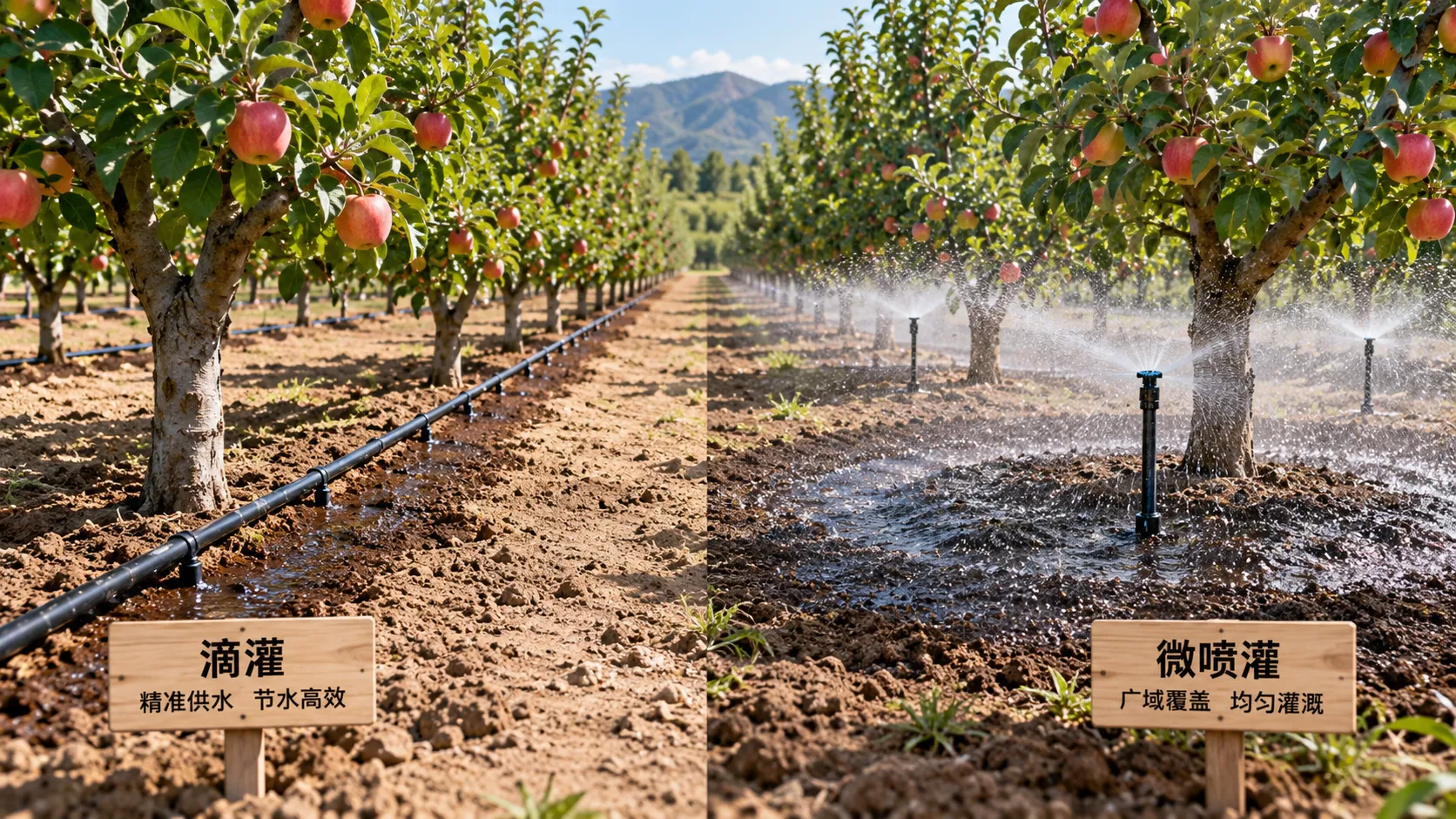
Drip vs. Micro-Sprinkler Irrigation: Which System Fits Your Orchard?
Irrigation solution comparison for orchards: discover whether drip or micro-sprinklers best match your water, soil, roots, fertigation, and frost needs.
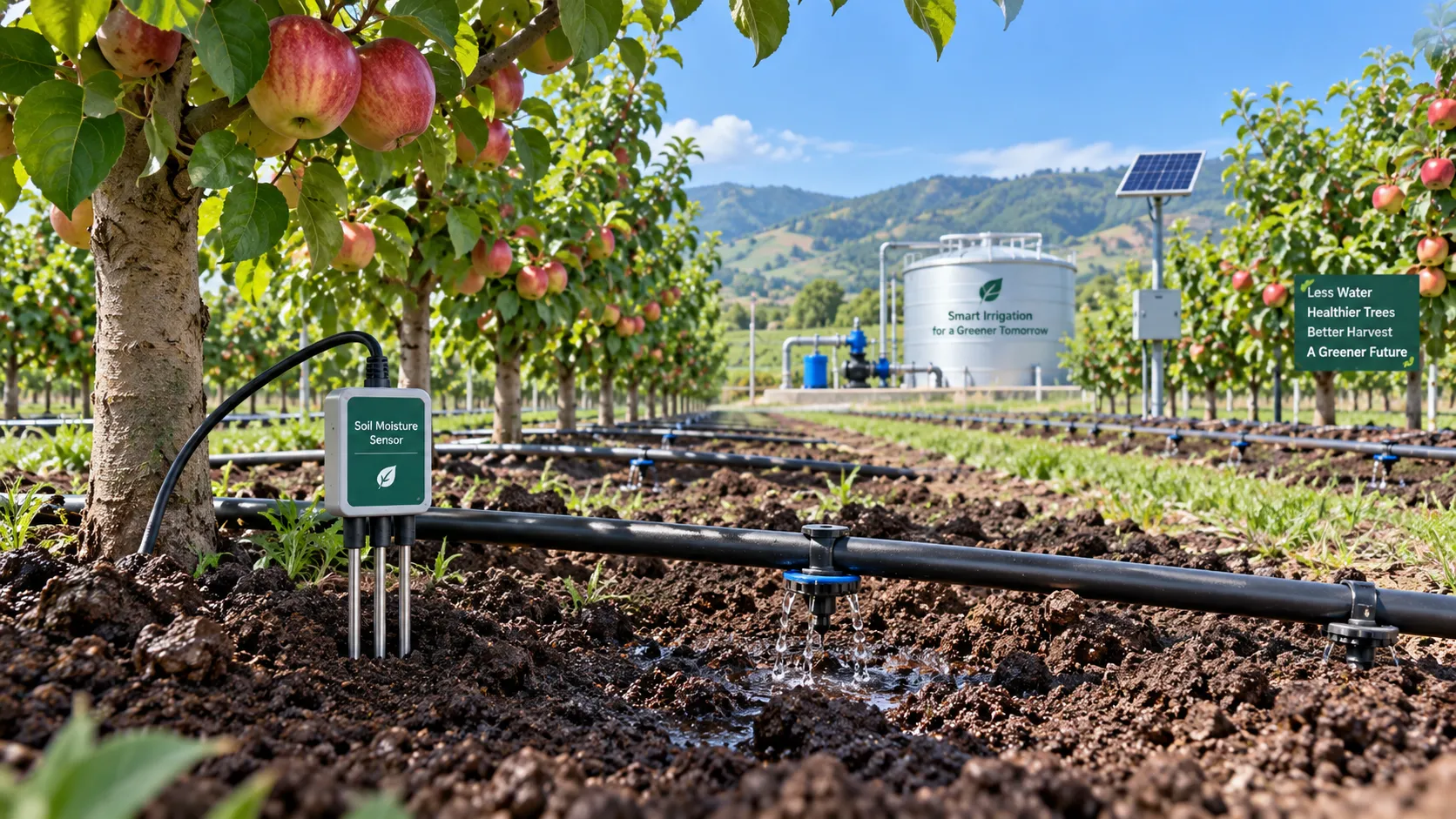
Orchard Water Management: Using Soil Moisture Data to Schedule Irrigation
Agricultural water management for orchards made practical: use soil moisture data to optimize irrigation timing, protect yield, reduce costs, and improve resilience.
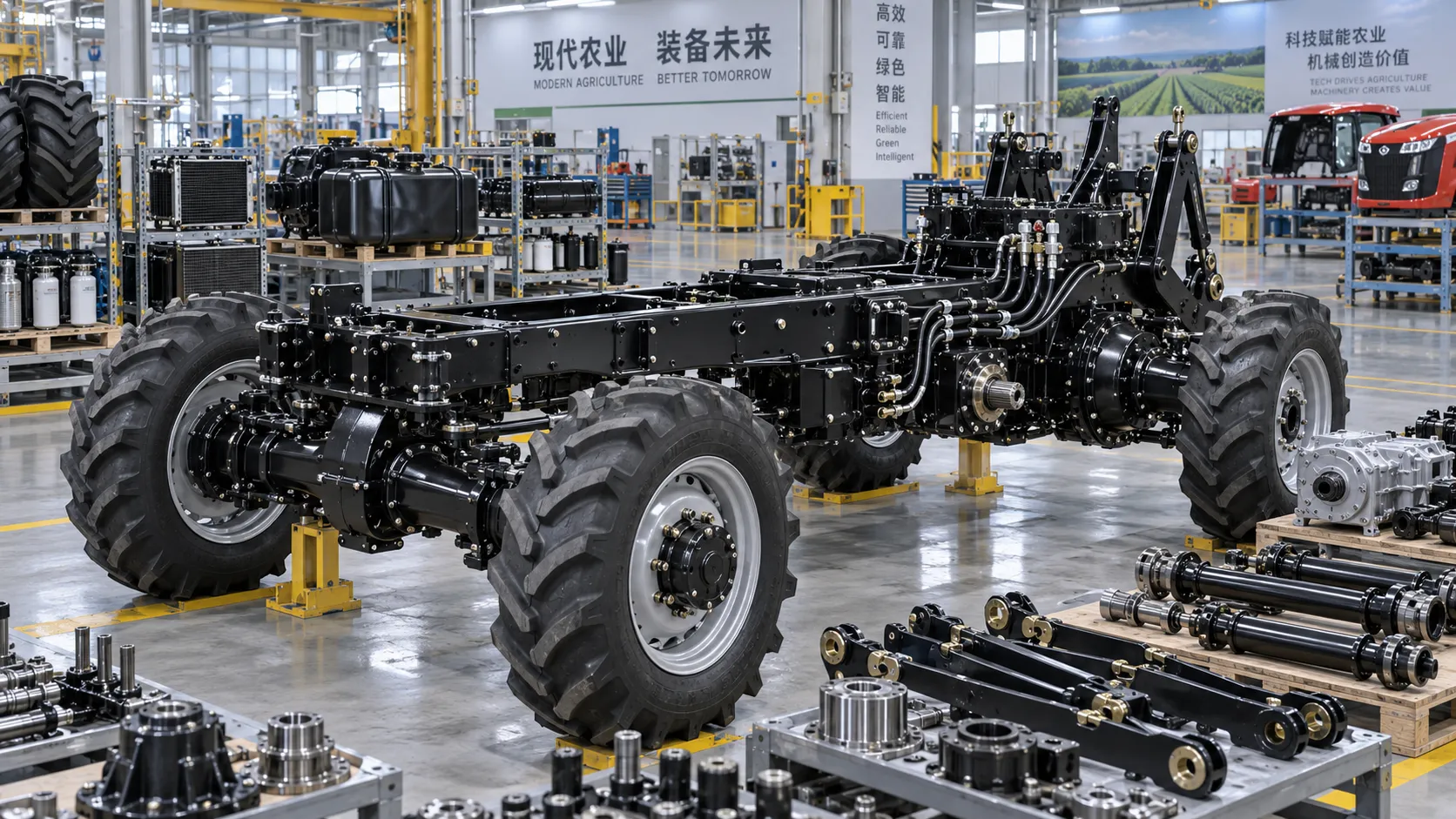
Tractor Chassis Price: What Buyers Should Compare Beyond the Initial Quote
Tractor chassis price is only the start. Compare load capacity, compatibility, durability, and lifecycle costs to choose a reliable, high-value chassis.
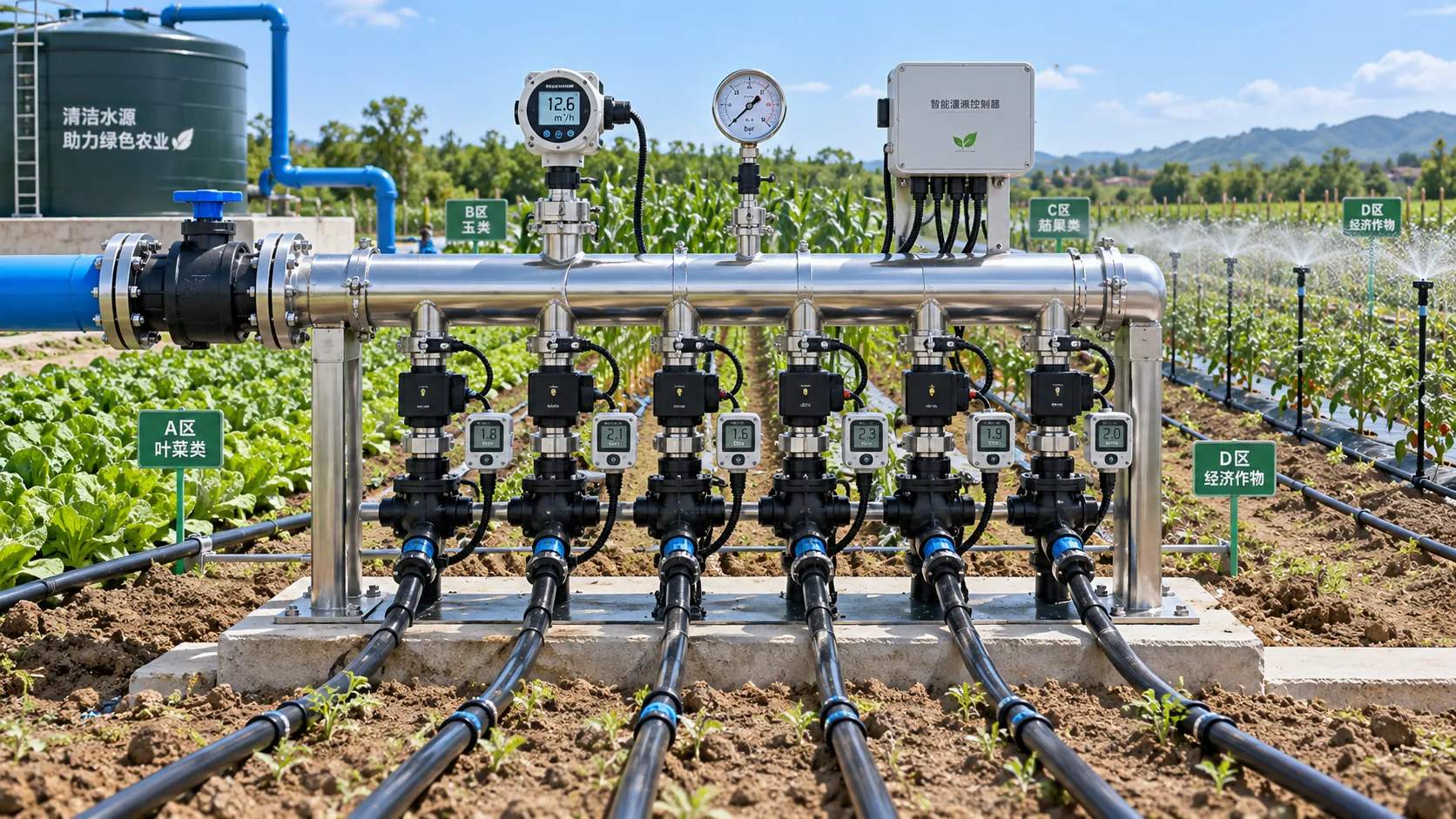
How to Select Smart Irrigation Valves for Multi-Zone Water Management?
Intelligent irrigation systems valves: learn how to match smart valves with multi-zone flow, pressure, control, feedback, and communication needs for reliable water management.
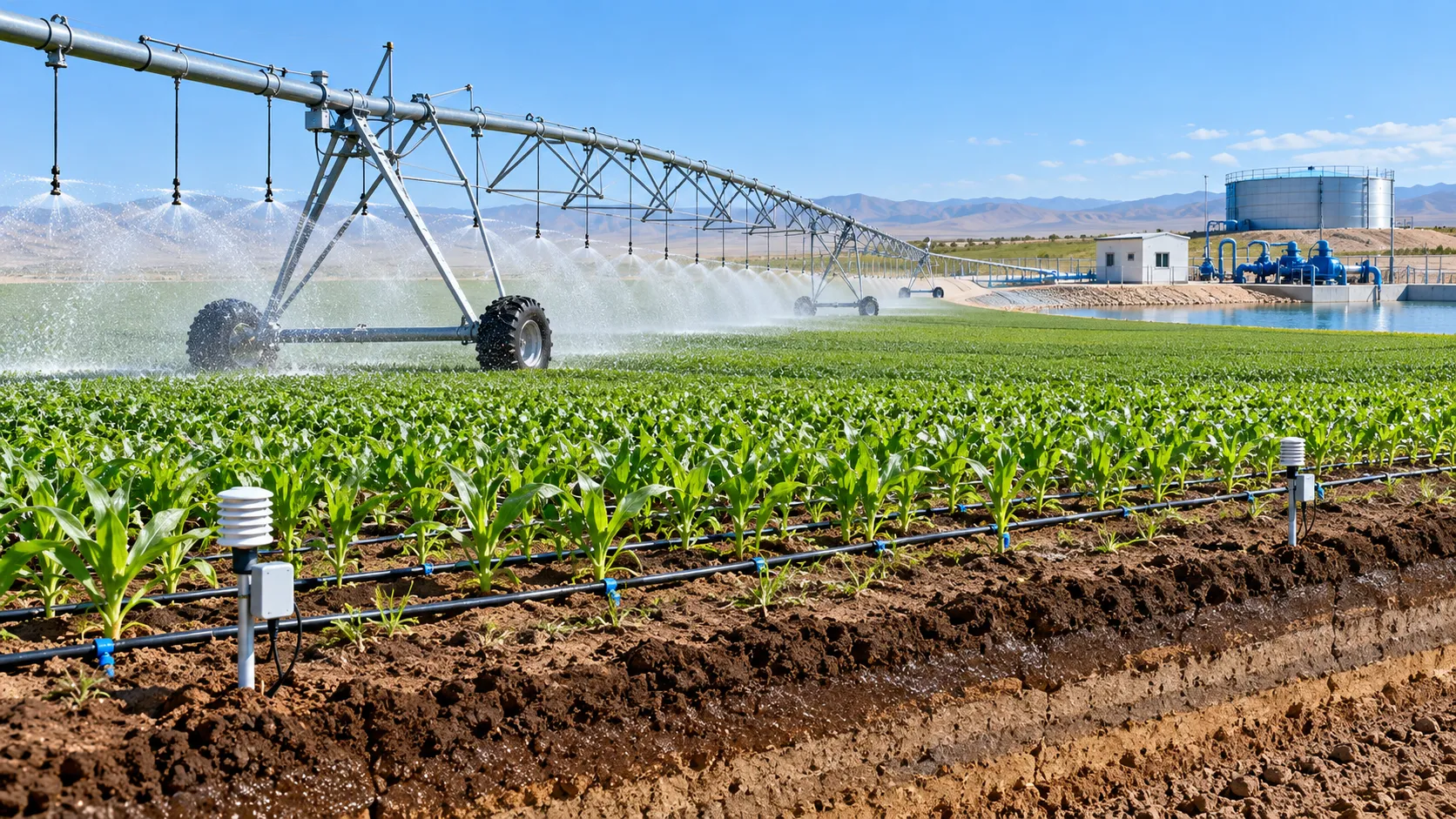
Climate-Smart Farming for Drought: A Practical Plan for Protecting Yields
Climate-smart farming for drought: build smarter water budgets, protect critical crop stages, improve irrigation uniformity, and safeguard yields with practical field-proven strategies.
Related News
- 00
0000-00
Tractor Specification Sheets: Matching PTO, Hydraulics, and Weight to Farm Tasks - 00
0000-00
How to Compare Agricultural Equipment Platforms for Fleet Management and ROI - 00
0000-00
Tractor Chassis Price: What Buyers Should Compare Beyond the Initial Quote - 00
0000-00
How Digital Agriculture Platforms Turn Field Data Into Better Input Decisions - 00
0000-00
When Does Agricultural Machinery Leasing Cost Less Than Owning Equipment?
Popular Tags
Ms. Elena Rodriguez
Weekly Insights
Stay ahead with our curated technology reports delivered every Monday.