
Large-Scale Farm Equipment Quality Standards: What Buyers Should Verify Before Purchase
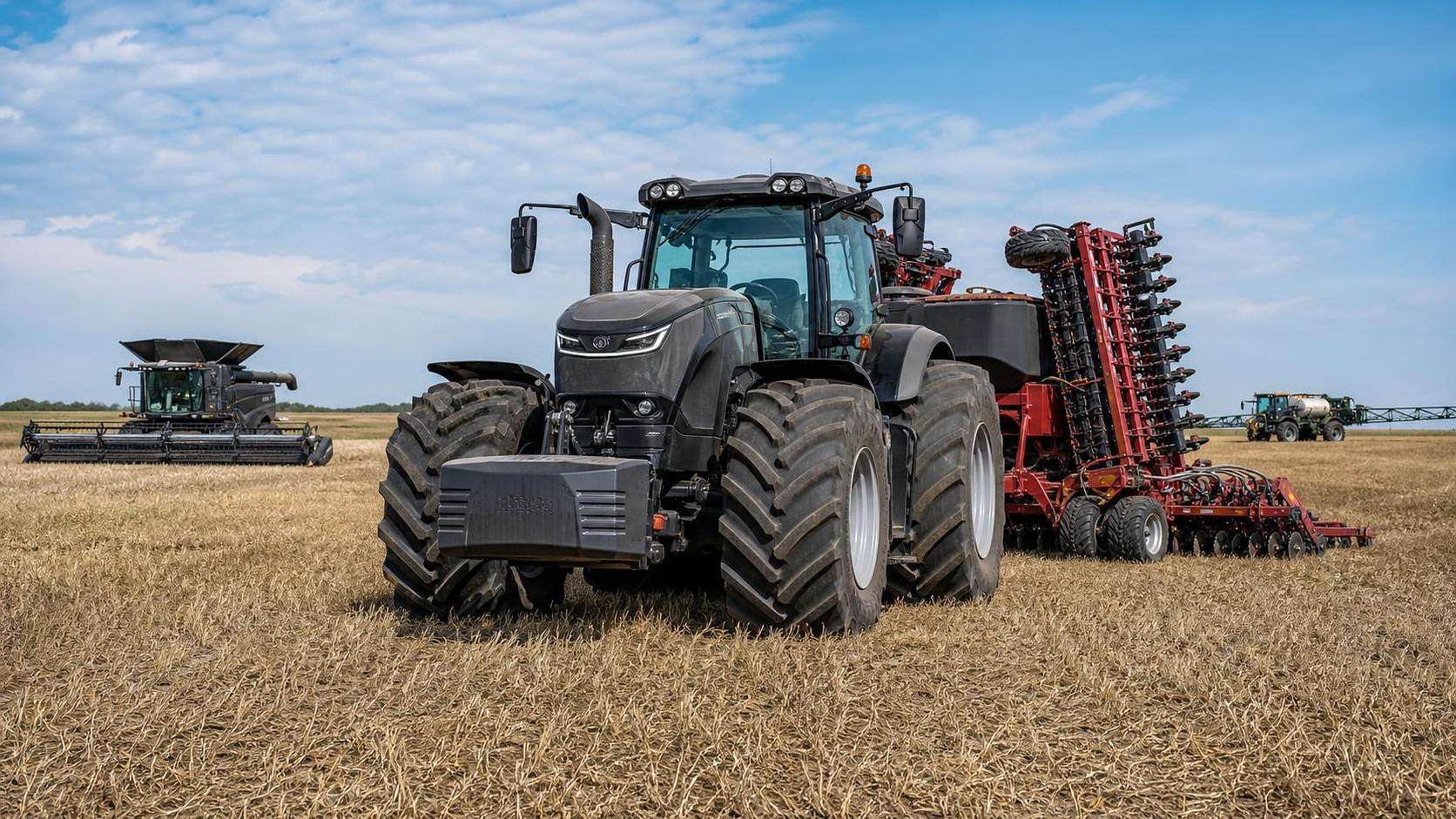




When a machine is expected to run long hours across large acreage, the real question is not whether it looks capable in a brochure. It is whether it can meet large-scale farm equipment quality standards in the field, under load, over time. Buyers who skip that verification step often end up paying for it later through hydraulic failures, drivetrain wear, poor parts support, and avoidable downtime during critical planting or harvest windows.
If you need a short answer before going deeper, here it is: verify structural strength, engine and transmission performance, hydraulic stability, safety compliance, control-system reliability, and after-sales support before purchase. A lower purchase price means very little if the machine cannot hold output, maintain accuracy, or stay serviceable through peak season.
What “quality standards” really mean in large farm equipment procurement
Many buyers treat quality standards as a paperwork issue. In practice, they are a risk-control issue. For large tractors, combine harvesters, sprayers, seeders, tillage systems, and irrigation-linked intelligent tools, quality is not just about factory certification. It is about whether the machine performs consistently across dust, vibration, heat, uneven terrain, heavy loads, and long operating cycles.
That means procurement should look at two layers at the same time. The first is formal compliance: applicable safety requirements, emissions rules where relevant, documented testing, traceable components, and manufacturer quality processes. The second is operational proof: frame durability, stable hydraulics, acceptable fuel efficiency under working load, software reliability, wear resistance, and serviceability in your actual region.
A machine can pass minimum compliance and still be a poor buying decision. That is where many purchasing mistakes start.
Start with the structure, because repairs here are expensive and disruptive
On large-scale machinery, structural quality is easy to underestimate because it does not always fail in the first month. Weak welds, poor steel treatment, low-grade fasteners, and underbuilt chassis sections usually show up after repeated stress cycles. By that point, the problem is no longer cosmetic. It affects alignment, implement stability, tire wear, operator safety, and the machine’s resale value.
Ask for documented information on frame materials, welding standards, axle load limits, and test conditions used by the manufacturer. If the machine is meant for heavy tillage, deep ripping, high-capacity hauling, or hillside work, that detail matters even more. It is reasonable to request inspection records, load-testing summaries, or field validation notes where available. If a supplier cannot explain how the frame was validated, that is a warning sign.
Also pay attention to attachment points. On large tractors and tool carriers, repeated stress often concentrates around hitch systems, drawbars, lift arms, and loader interfaces. These areas need scrutiny during site visits or pre-delivery inspection.
Powertrain quality is not just horsepower on a spec sheet
Procurement teams often compare engine horsepower first because it is easy to read and easy to market. That is rarely enough. What matters in actual operations is usable torque, power delivery across working ranges, transmission behavior under load, cooling performance, and fuel efficiency during long shifts.
A tractor or harvester that feels strong in a short demo may still struggle when pulling wide implements in heavy soil or operating continuously in high ambient temperatures. Quality verification should include:
- Engine performance data under rated and variable load conditions
- Transmission type and its suitability for your work pattern
- Cooling system capacity for regional climate and duty cycle
- Evidence of low vibration, stable shifting, and manageable noise levels
- Maintenance access for filters, belts, fluids, and diagnostics
For buyer decisions, one practical distinction matters a lot: a machine that is technically powerful but difficult to keep in its efficient operating band can cost more over time than a slightly smaller machine with better torque management and transmission matching.
That is especially true for fleets trying to standardize operator performance across different skill levels.
Hydraulic stability often separates dependable equipment from frustrating equipment
If your operation depends on planters, sprayers, folding implements, variable-rate tools, or high-lift applications, hydraulic quality deserves more attention than it usually gets. Buyers tend to ask about hydraulic flow and pressure ratings, which is necessary, but incomplete.
The deeper issue is hydraulic stability over time. Does the system maintain pressure under continuous use? Does it overheat? Are valves responsive and consistent? Do seals, hoses, couplings, and pumps come from traceable, reputable sources? Are contamination controls and filtration standards clearly defined?
Hydraulic inconsistency creates a chain of secondary problems: inaccurate seeding depth, uneven boom response, delayed folding, weak steering response, and erratic implement behavior. Those issues may not trigger a dramatic breakdown, but they reduce field quality and operator confidence.
When reviewing large-scale farm equipment quality standards, ask the supplier how the hydraulic system was tested for endurance, contamination resistance, and multi-function operation. A vague answer usually means the validation was shallow.
Safety compliance should be checked as an operational requirement, not a checkbox
Safety documents are often present in sales packs, but buyers still need to verify whether the machine’s design supports safe work in real conditions. Large equipment operates around fatigue, dust, low visibility, road transfer, night work, and seasonal pressure. A compliant label alone does not tell you enough.
Check rollover protection where applicable, guarding of moving parts, braking performance, lighting visibility, emergency shutoff access, cab ingress and egress, camera or mirror coverage, and control ergonomics. If the machine includes autonomous or semi-autonomous functions, ask how fault states are handled and what operator override logic exists.
Good safety design also affects productivity. Operators work better in a cab with stable visibility, intuitive controls, manageable vibration, and a lower fatigue burden. That may sound secondary during procurement, but it has a direct effect on daily output and incident risk.
Electronics, sensors, and software now belong in the quality review
Not long ago, buyers could focus almost entirely on mechanical reliability. That is no longer enough. Modern large equipment increasingly depends on displays, ECUs, GPS guidance, telematics, sensor feedback, yield monitoring, auto-steering, variable-rate control, and implement communication systems. If these systems fail or drift, the machine may still move, but it may not perform the job correctly.
This is where inexperienced buyers sometimes make the wrong comparison. They look at feature quantity instead of control reliability. More screens and more automation do not automatically mean a better machine.
Ask questions such as:
- How often does the software receive updates, and how are they delivered?
- What is the fallback mode if a sensor or display fails in the field?
- Is the machine compatible with your current farm management or guidance ecosystem?
- Can fault codes be diagnosed locally, or only through the brand’s service team?
- How resistant are connectors and harnesses to dust, moisture, and vibration?
For buyers navigating Agriculture 4.0 decisions, this is one area where independent technical intelligence is useful. Platforms such as AP-Strategy are relevant not because they sell a machine, but because they track how mechanical performance, precision control, and long-cycle equipment trends are changing together. That kind of context helps when two machines appear similar on paper but differ in digital maturity and supportability.
Certification matters, but don’t confuse certificates with proof of field suitability
Standards certification, quality management systems, and regulatory compliance documents are important. They help confirm that the manufacturer follows a structured process and meets baseline requirements in the markets it serves. Still, buyers should be careful about overvaluing logos without understanding scope.
A certificate may apply to manufacturing processes, a component category, or a specific market requirement. It does not automatically prove that the machine is ideal for your crop system, terrain, operator profile, or service environment.
Ask for clarity on what each certification actually covers. If emissions, road transport, electrical safety, or pressure-system compliance is relevant in your region, confirm that the exact machine configuration being purchased matches those requirements. Imported machinery can create problems when buyers assume one model’s approval extends to all variants.
Where facts need legal or regulatory confirmation, rely on official manufacturer documentation and local authority requirements rather than distributor claims alone.
The supplier’s service system is part of the quality standard
A technically sound machine can still become a poor asset if support is weak. In large-scale operations, downtime cost is usually higher than buyers expect, especially when breakdowns interrupt narrow planting or harvest windows. That is why supplier capability should be reviewed as part of equipment quality, not as a separate commercial issue.
Look closely at spare-parts availability, technician coverage, response times, training capacity, warranty handling, diagnostic tools, and the supplier’s ability to support software-enabled systems. Ask which parts are stocked locally and which are special-order items. A common mistake is assuming “global brand” automatically means “strong local support.” In some markets, that is simply not true.
It also helps to ask for parts lead-time history on common wear items and known failure points. A supplier who is transparent here is usually easier to work with later.
What experienced buyers verify before they sign
In real procurement practice, the strongest buyers do not rely on one demo, one quote, or one certificate pack. They build a short verification routine.
- Match the machine to the actual duty cycle, not the ideal one presented in sales material.
- Review component origin for major systems such as axles, hydraulics, transmissions, electronics, and controls.
- Inspect service access and maintenance intervals, because complexity affects ownership cost.
- Request field references in conditions close to your crop, acreage, and climate.
- Confirm how the machine performs with the implements and digital systems already in your fleet.
- Check whether training is included for operators and maintenance staff.
This is also where buyers need some discipline. A lower upfront quote can hide weaker metallurgy, less mature hydraulics, limited software support, or poor parts availability. On the other side, the most expensive machine is not automatically the best choice if your operation will never use half of its technology stack.
The right purchase is the one that can hold performance consistently in your working reality.
Common mistakes that create avoidable risk
One common mistake is treating all heavy machinery as if durability scales equally across brands and configurations. It does not. Machines that look similar in size can differ sharply in frame engineering, seal quality, thermal management, or electronic robustness.
Another is buying for peak specification instead of average operational fit. If your team needs straightforward reliability, a highly complex unit with limited local support may create more risk than value.
There is also a tendency to push certification review entirely onto compliance teams. Procurement should stay involved, because a machine can satisfy paperwork requirements while still failing practical needs around maintainability, interoperability, and endurance.
And finally, many teams evaluate the machine but not the supplier relationship. In this category, that is a costly separation. For large-scale farm equipment quality standards, support infrastructure is part of the standard.
Before purchase, define your own acceptance standard
The best buying process is not just checking the manufacturer’s claims. It is defining what your operation will accept before the tender closes. That includes minimum thresholds for uptime, hydraulic response, compatibility, safety features, service support, and documentation quality.
If you do that well, negotiations become clearer. You are no longer comparing shiny features against headline pricing. You are comparing risk, field suitability, and lifecycle value.
That is the real point of checking large-scale farm equipment quality standards before purchase. Not to collect more paperwork, but to avoid buying a machine that performs well only in the sales presentation and poorly where it actually matters: in the field, under pressure, when the season will not wait.
FAQ
Is third-party certification enough to approve a machine for purchase?
No. It helps confirm baseline compliance, but it does not replace field-fit assessment, service review, and component-level verification.
Which system causes the most hidden ownership problems in large farm equipment?
Hydraulics and electronics are frequent sources of hidden cost because they affect performance even before a full breakdown happens.
Should buyers prioritize local support over a stronger global brand name?
If the support gap is large, yes. During peak season, local parts and technical response often matter more than brand reputation.
How can a procurement team verify quality if it lacks deep engineering expertise?
Use a structured checklist, request documented test evidence, involve maintenance staff early, and compare field references in similar operating conditions.
Are advanced precision features always worth paying for?
Only when your farm system, operator capability, and data workflow can actually use them. Otherwise they may increase cost without improving results.
Internal Link Anchor Text Suggestions
- combine harvester performance benchmarks: combine harvester standards or selection guide page
- tractor chassis and transmission comparison: technical comparison or buyer guide page
- precision agriculture equipment compatibility: smart farming systems or integration page
- farm machinery preventive maintenance planning: maintenance checklist or service strategy page
- intelligent irrigation system selection criteria: irrigation technology or water-efficiency solutions page
External Authority Source Directions
- government agricultural machinery safety and compliance pages
- manufacturer official technical documentation and service manuals
- industry association standards and farm equipment testing reports
Related News
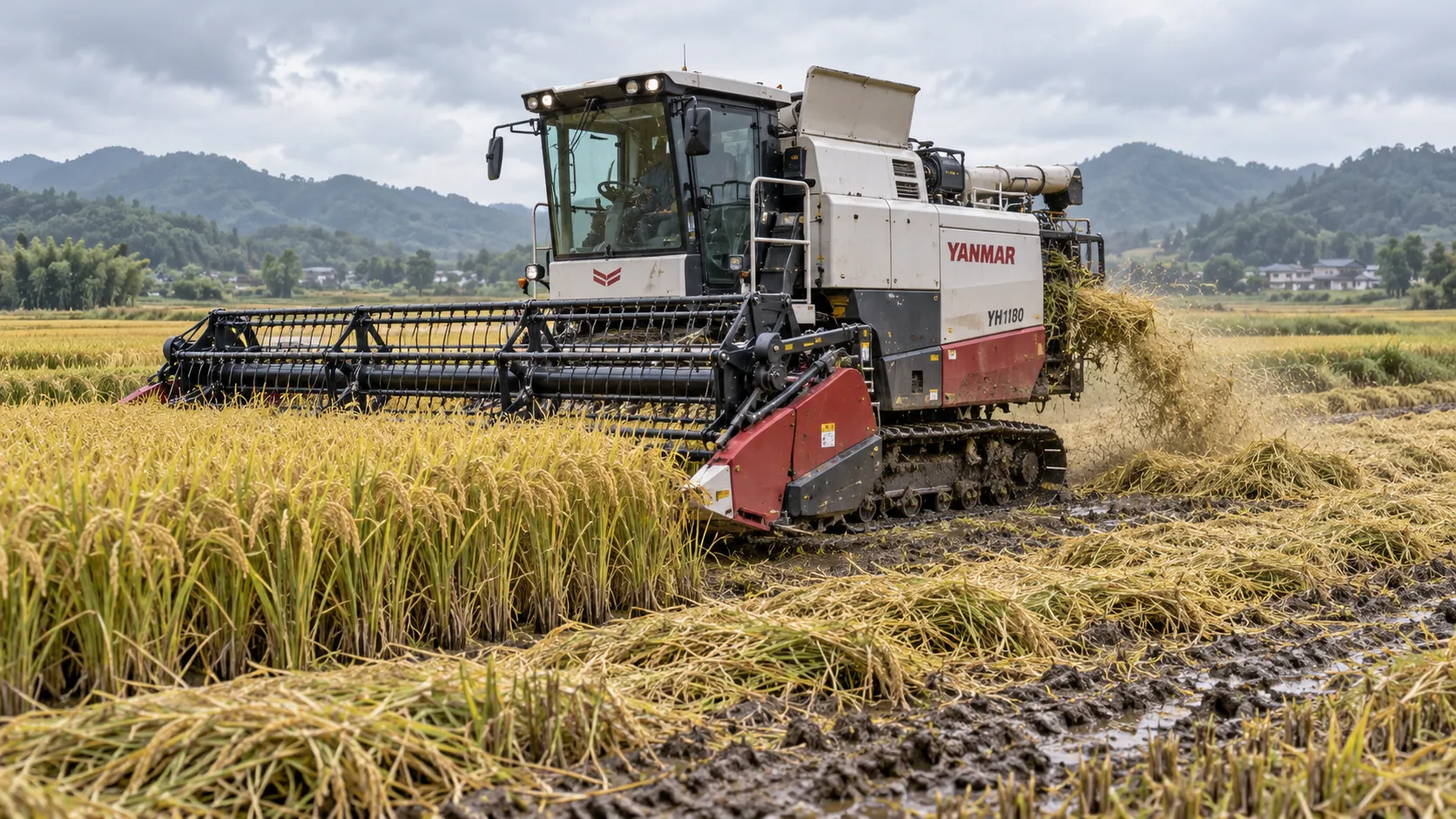
How to Specify Combine Harvester Systems for High-Moisture Grain and Variable Field Conditions
Combine harvester systems for high-moisture grain: learn how to specify threshing, cleaning, headers, traction, and automation for reliable harvests in variable fields.
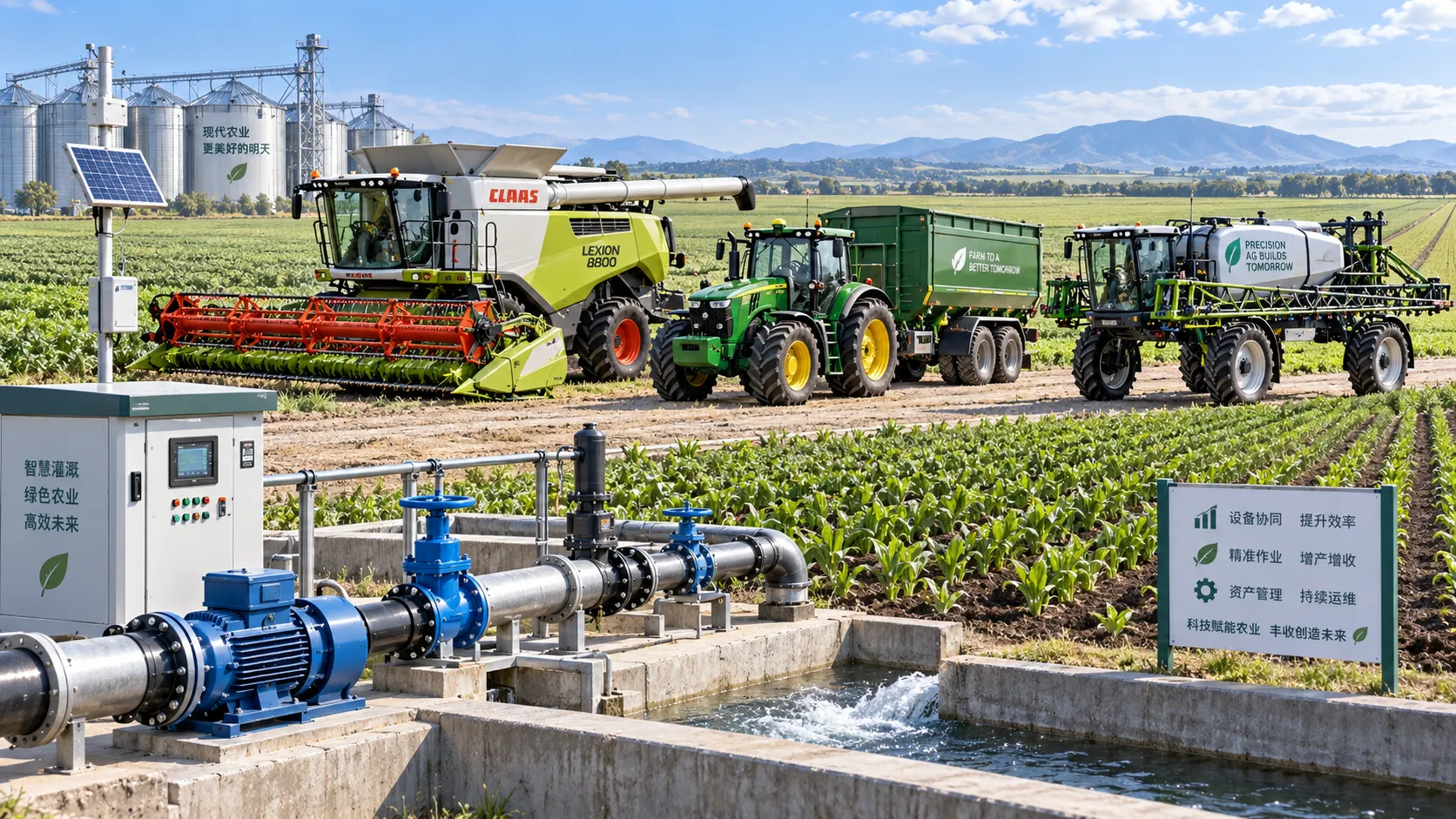
How to Compare Agricultural Equipment Platforms for Fleet Management and ROI
Agricultural equipment platform comparison: evaluate fleet data, maintenance, precision workflows, and ROI to choose a system that delivers measurable results.
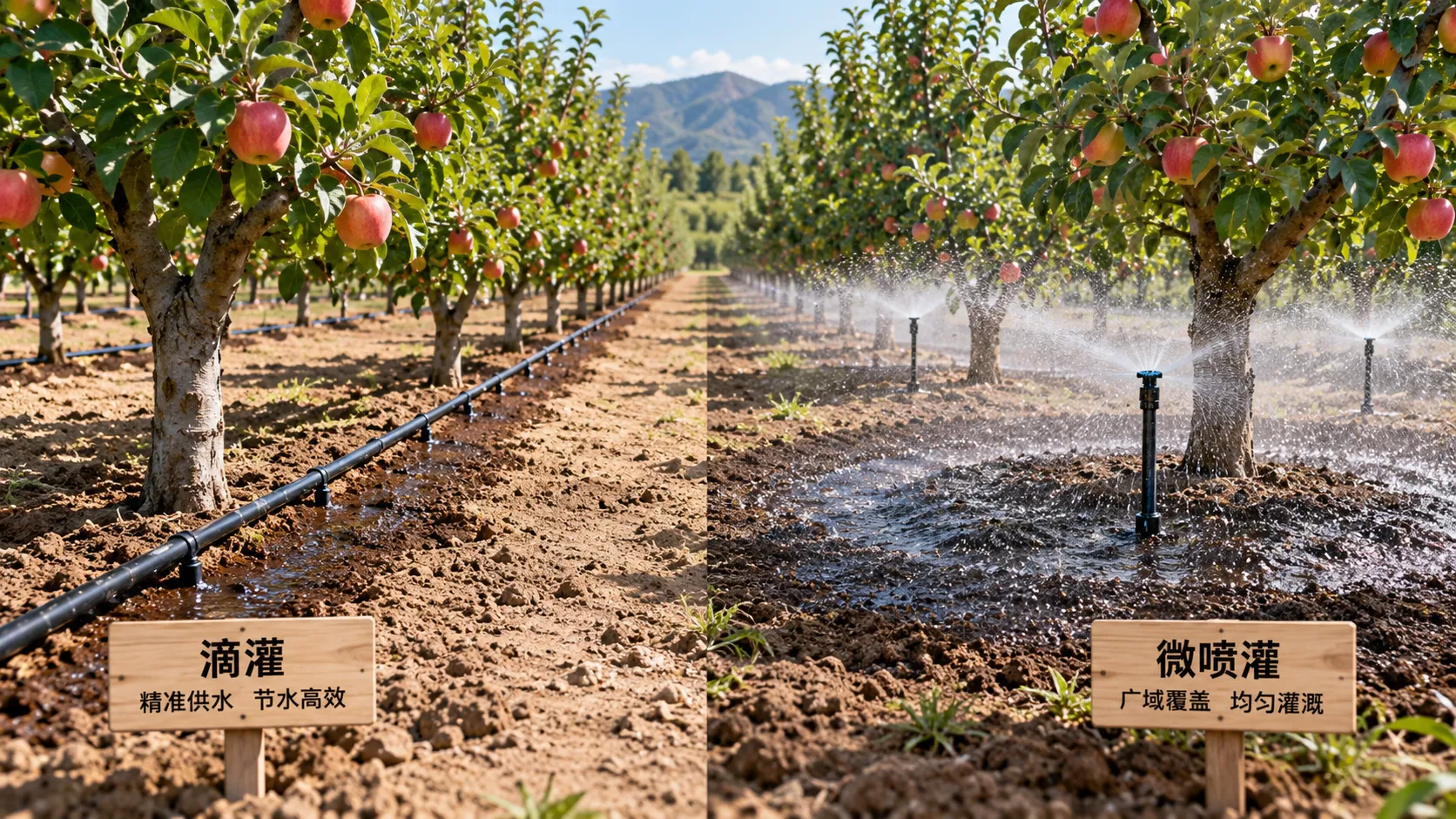
Drip vs. Micro-Sprinkler Irrigation: Which System Fits Your Orchard?
Irrigation solution comparison for orchards: discover whether drip or micro-sprinklers best match your water, soil, roots, fertigation, and frost needs.
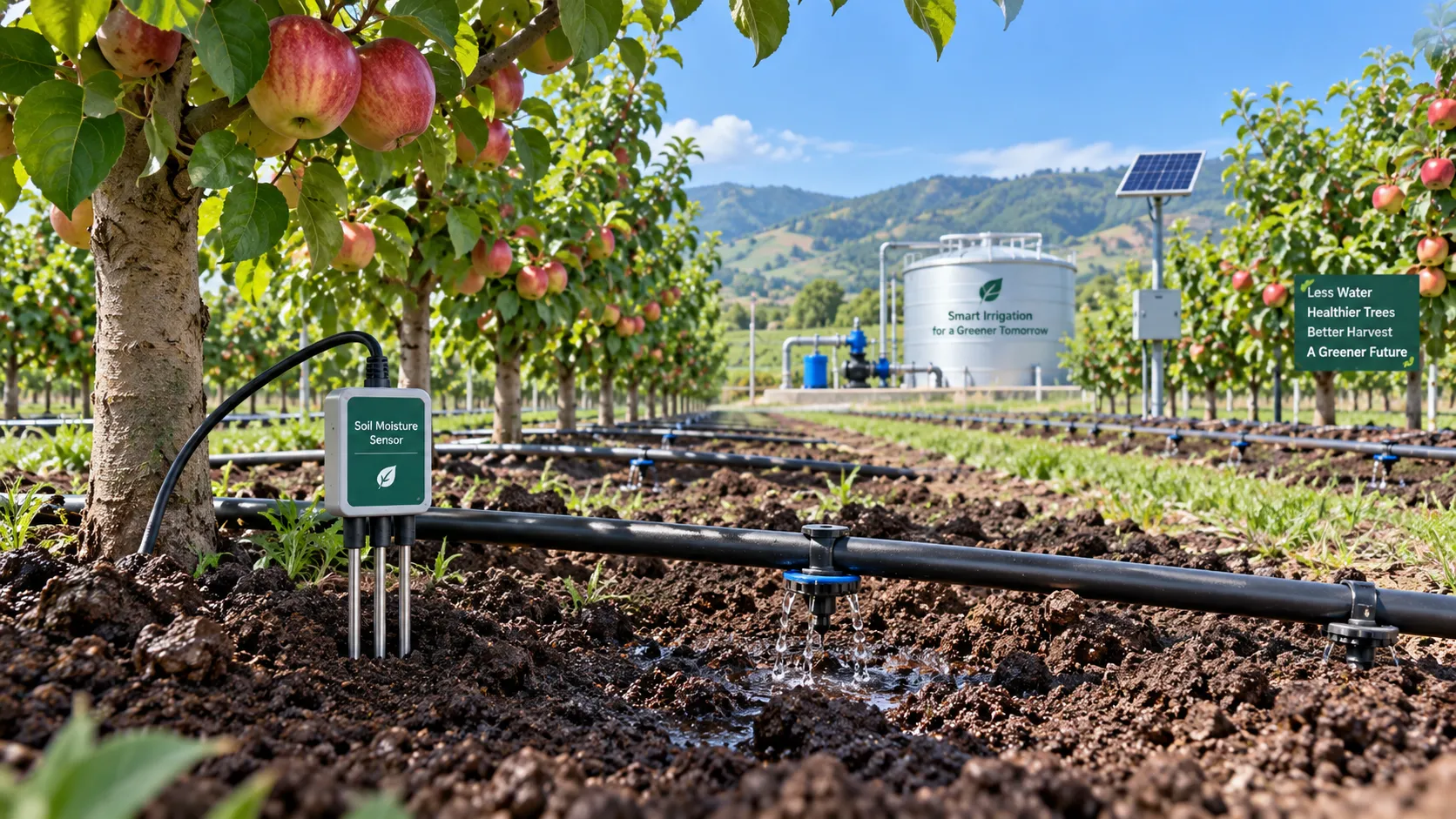
Orchard Water Management: Using Soil Moisture Data to Schedule Irrigation
Agricultural water management for orchards made practical: use soil moisture data to optimize irrigation timing, protect yield, reduce costs, and improve resilience.
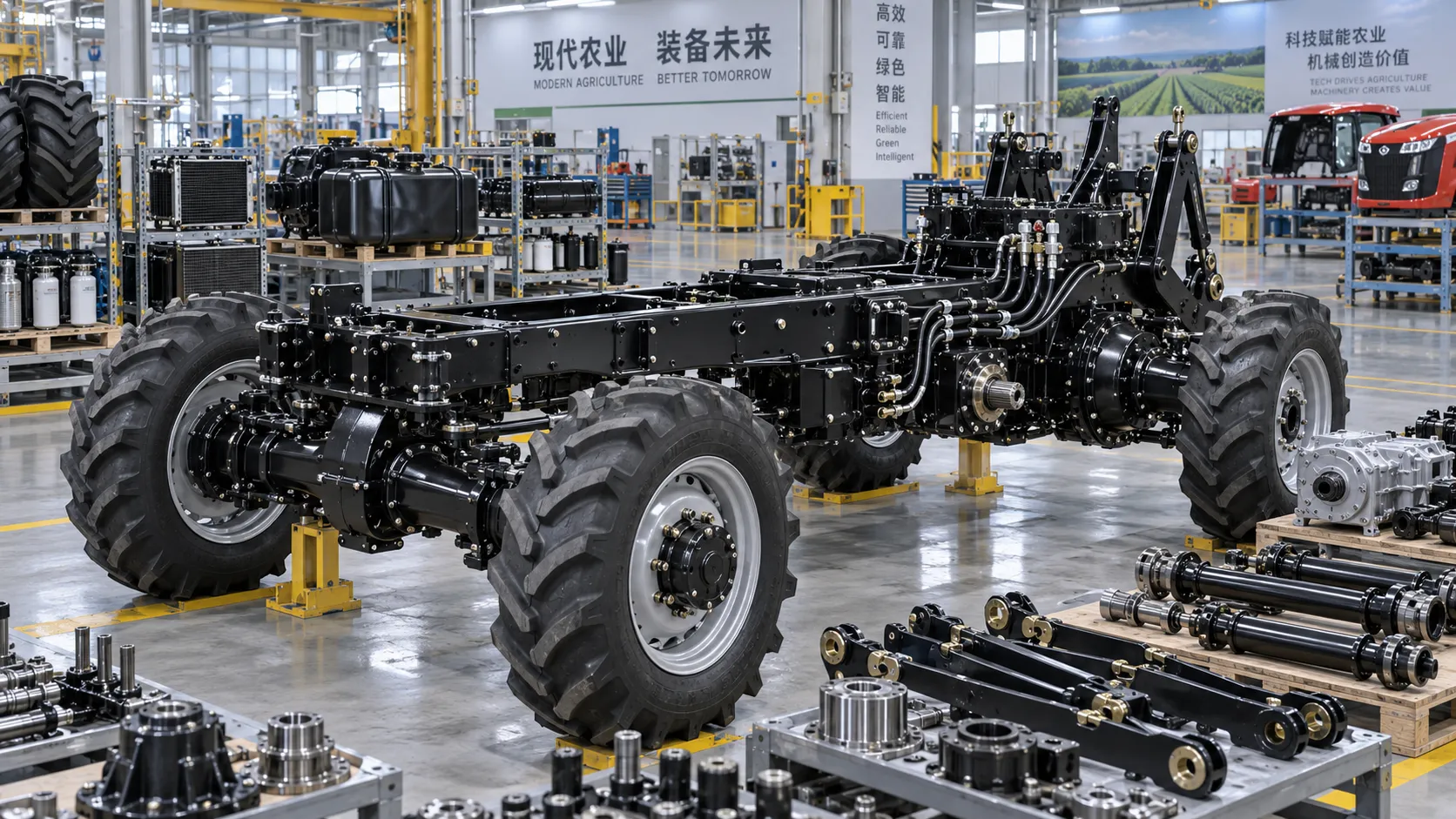
Tractor Chassis Price: What Buyers Should Compare Beyond the Initial Quote
Tractor chassis price is only the start. Compare load capacity, compatibility, durability, and lifecycle costs to choose a reliable, high-value chassis.
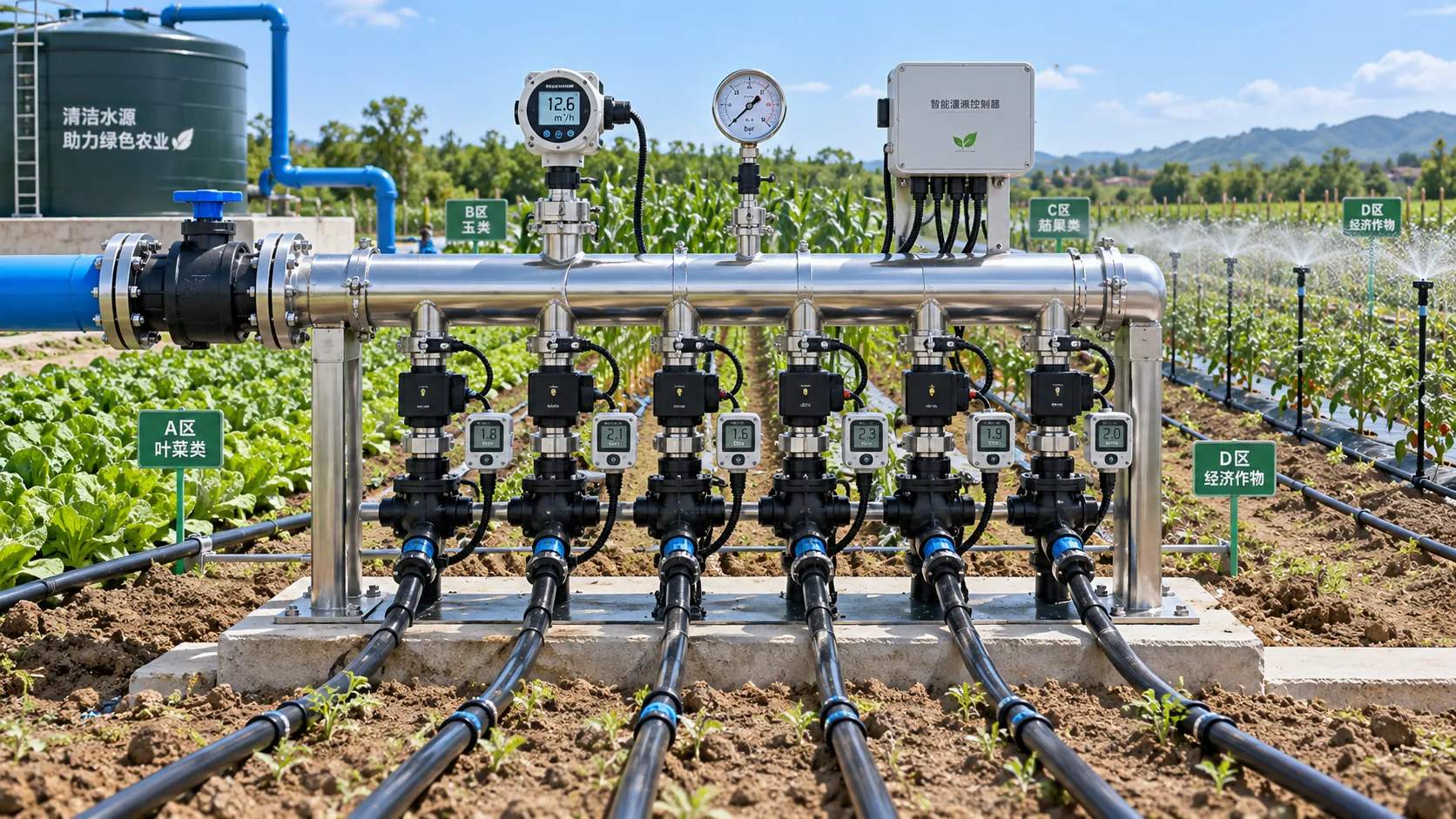
How to Select Smart Irrigation Valves for Multi-Zone Water Management?
Intelligent irrigation systems valves: learn how to match smart valves with multi-zone flow, pressure, control, feedback, and communication needs for reliable water management.
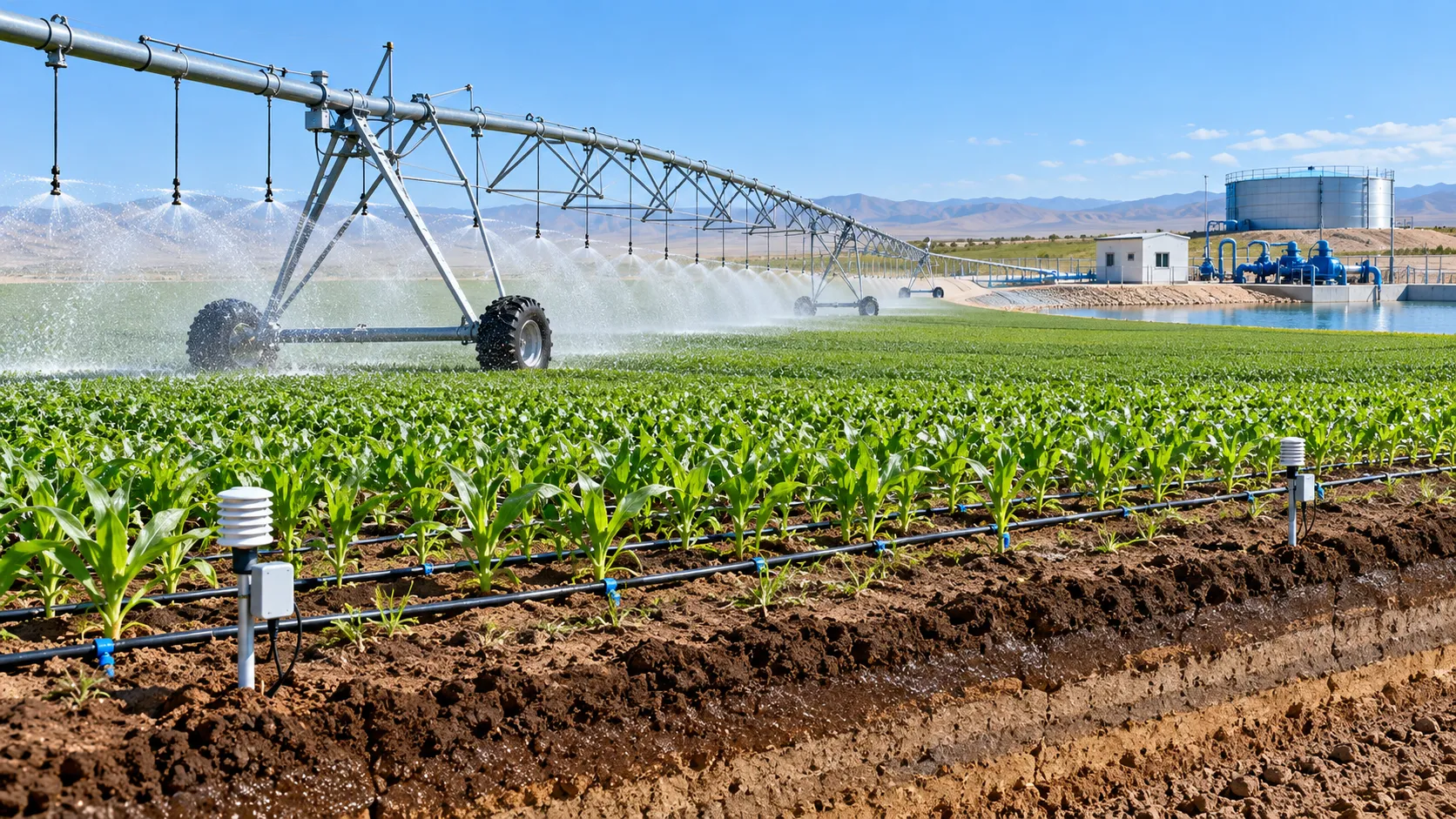
Climate-Smart Farming for Drought: A Practical Plan for Protecting Yields
Climate-smart farming for drought: build smarter water budgets, protect critical crop stages, improve irrigation uniformity, and safeguard yields with practical field-proven strategies.
How Digital Agriculture Platforms Turn Field Data Into Better Input Decisions
Digital agriculture platforms turn field data into smarter fertilizer, water, seed, and equipment decisions—helping farms cut risk, improve margins, and scale sustainability.
GPS-Guided Farm Machinery: Where It Delivers Measurable Field Efficiency Gains
Agri-mechanization GPS guided systems deliver measurable field efficiency gains through reduced overlap, precise planting, smarter inputs, and reliable farm data.
Related News
- 00
0000-00
How to Compare Agricultural Equipment Platforms for Fleet Management and ROI - 00
0000-00
Tractor Chassis Price: What Buyers Should Compare Beyond the Initial Quote - 00
0000-00
How Digital Agriculture Platforms Turn Field Data Into Better Input Decisions - 00
0000-00
When Does Agricultural Machinery Leasing Cost Less Than Owning Equipment? - 00
0000-00
Selecting Grain Farm Equipment by Acreage, Crop Mix, and Harvest Window
Popular Tags
Ms. Elena Rodriguez
Weekly Insights
Stay ahead with our curated technology reports delivered every Monday.