Choosing Ground Clearance for Large Farm Equipment by Crop Height
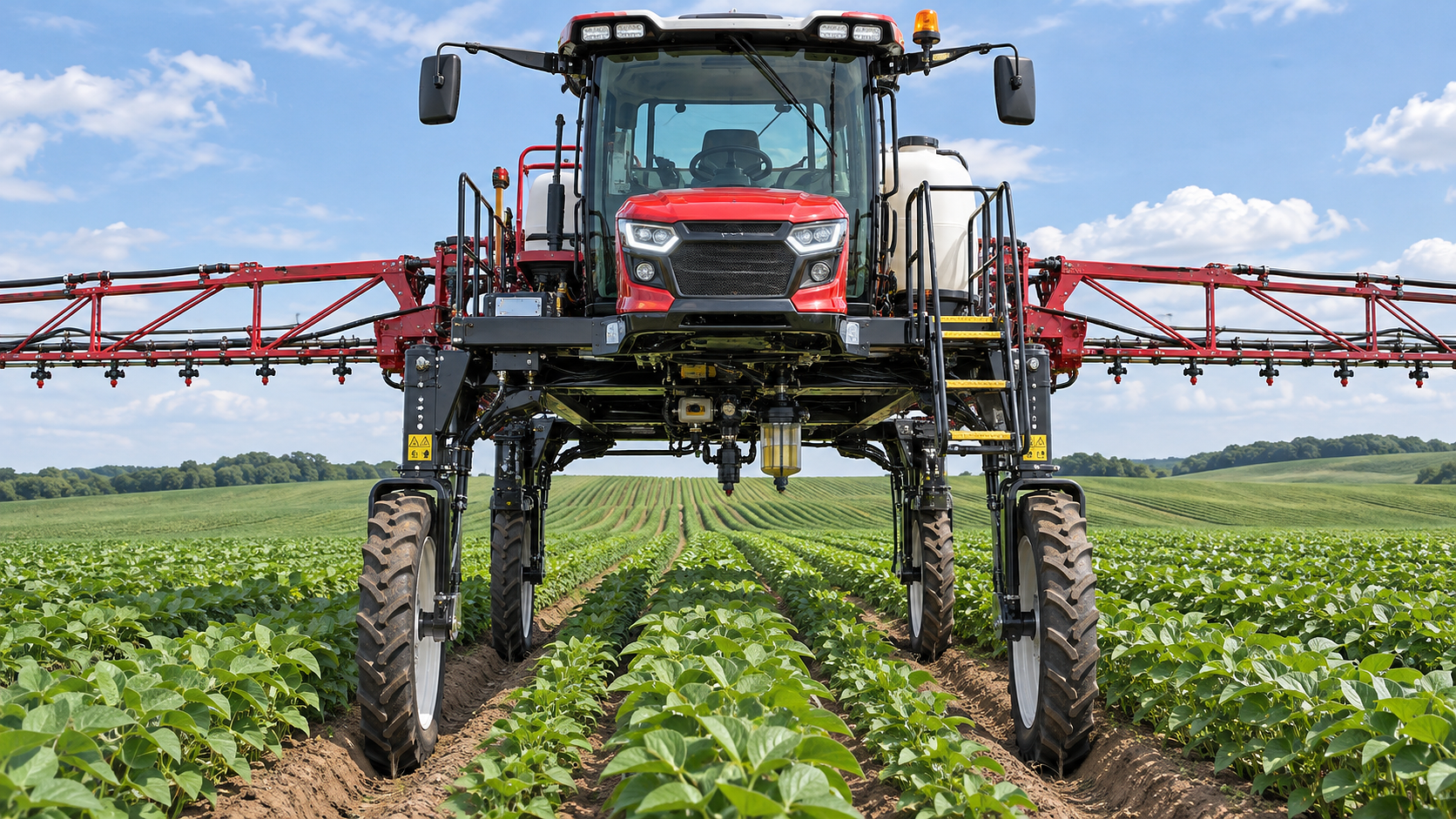




Select large-scale farm equipment ground clearance against the tallest crop condition expected during the planned operation, then account for machine movement, field surface variation, and the position of every low-hanging component. A published clearance figure is a starting point: the useful clearance is the space that remains above the crop when the machine is configured, loaded, and moving through the field.
Crop height alone does not establish whether a machine will pass cleanly. A flexible canopy, a rigid stalk with a high growing point, and a crop carrying fruit near the top can react very differently to the same contact. The decision also changes with row spacing and wheel placement, because adequate space beneath the chassis does not prevent tire damage.
Start with the crop at the time of travel
Define the operation and its latest likely field date before comparing machines. A sprayer selected for early weed control may encounter a substantially taller canopy during a later treatment. Use field observations from the expected growth stage, including taller areas caused by variation in soil, moisture, or planting conditions. If the operation window allows substantial growth between measurement and travel, include that expected growth in the assessment.
Measure from the soil surface that the wheels will actually follow to the crop feature that must remain protected. That reference matters in ridged or bedded fields: a plant growing on top of a bed stands higher relative to a wheel running in the furrow. Measuring plant height from the top of the bed and comparing it directly with clearance measured from the tire contact surface understates the required space.
Identify the sensitive part of the crop as well as its maximum height. Leaves that bend briefly beneath a smooth surface present a different constraint from stems, flowers, ears, seed heads, or fruiting branches. Repeated contact with flexible foliage can still cause damage, particularly when stems are wet or a low component catches and drags plants. Clearance should protect the relevant crop structure throughout the pass, not merely allow the machine to enter the field.
For crops with uneven height, a single representative measurement can conceal the areas most likely to make contact. Take readings across the intended travel area, including bed tops, field edges, and vigorous patches. Use the upper end of those observations to assess clearance and record the field and growth stage associated with the measurements.
Compare the space beneath the entire machine
Ground clearance is often presented as one number, but the lowest point may be an axle housing, differential, transmission case, steering linkage, frame member, hose guard, tank support, or implement component. Request the location and measurement conditions behind the figure. A dimension taken beneath the center of the chassis does not establish the clearance beneath the axle ends or along the path swept by an attached implement.
The lateral position of a low point is as important as its height. A differential positioned over a row creates a different crop-contact risk from a similarly low component passing above the gap between rows. Map each critical component against the intended row pattern, including any offset between the tractor and implement. On curved rows or during steering corrections, that alignment changes.
Ask for a dimensional drawing or a direct measurement of the proposed configuration, including the underside of the chassis and the implement in working position. A high-clearance tractor paired with a low drawbar, hose loop, or implement frame can still contact the crop. Folding mechanisms and boom plumbing deserve the same attention where they pass over plants during operation.
Build a clearance allowance around field conditions
A useful screening calculation is:
Required static clearance at each crop row = expected crop height above the wheel reference surface + allowance for relative machine movement + allowance for measurement and operating variation.
The allowances should be derived from the field and machine rather than treated as a universal number. Include expected rut depth, ridges or residue that change the crop-to-wheel height relationship, chassis pitch and roll, tire deflection under load, and suspension or axle movement. Avoid counting the same effect twice: for example, if a loaded field measurement already includes tire deflection, add only the remaining variation beyond that measured condition.
As an illustrative calculation, suppose the highest relevant crop point is 1.20 m above the wheel reference surface. If the combined, documented allowance for motion and uncertainty is 0.25 m, the screening requirement is 1.45 m at the affected row. These figures are an example of the method, not a recommended allowance. A machine advertised at 1.45 m with empty tanks would still need a loaded, configuration-specific assessment before it could be considered suitable.
Consider how each effect changes the relative height between crop and machine. A wheel sinking into a soft furrow lowers the adjacent side of the chassis relative to plants on the bed. A ridge under a tire can raise one side while rolling the opposite side downward. Crossing a depression or terrace can pitch the machine so that a front or rear component moves closer to the canopy even when the center remains clear. These effects are directional, so the lowest point during travel may differ from the lowest point on level ground.
Speed also matters because uneven terrain produces more pronounced machine motion when it is traversed faster. Reducing speed can improve clearance control, but it should be part of a workable operating plan rather than the only protection against repeated contact. A machine with minimal clearance on level ground has little reserve when field conditions deteriorate.
Relate clearance to tires, track width, and stability
Tire selection affects both the height of the chassis and the space available between crop rows. A larger rolling radius can raise certain components, but the installed tire dimensions, load, inflation pressure, and wheel position determine the resulting clearance. Tire deflection increases under load, lowering the machine relative to the ground. Use the equipment and tire specifications for the actual load and approved configuration rather than estimating clearance from nominal tire diameter alone.
Narrow tires can fit between closely spaced rows, yet the suitable choice must also support the machine’s axle loads and field conditions. Wider tires can improve flotation in some soils while leaving less lateral space beside the crop. If a tire sinks or pushes soil toward the row, damage can occur even when the chassis clears the canopy.
Increasing machine height raises the center of gravity and can reduce stability, particularly on slopes, uneven ground, or during turns. Track width, tank fill level, attachment position, and travel speed affect the overall stability of the configured machine. An adjustable high-clearance setting should therefore be evaluated together with the permitted wheel track and the machine’s operating limits. Clearance gained through a taller setup is useful only when the resulting configuration remains suitable for the field.
A full tank can lower the chassis through tire and suspension deflection while also changing the machine’s mass distribution. Emptying the tank changes those conditions again. Evaluate the states that produce the least crop clearance and the least favorable stability; they need not occur at the same fill level.
Match the machine to the crop passage
Early growth and low canopies
When the canopy is well below the chassis, tire placement and soil disturbance can dominate the damage assessment. A lower machine with appropriate row spacing may be sufficient if all planned passes occur before the crop reaches vulnerable height. If later treatments are likely, evaluate those separately rather than assuming the early-season result applies throughout the season.
Tall, upright row crops
Stalks and reproductive structures create a more restrictive passage. The critical area may be under the axle, beneath a central frame member, or where hoses and guards cross a row. Small downward movements can turn an apparently adequate static gap into repeated contact. Wider row gaps do not compensate for a low component traveling directly above the plants.
Dense or spreading canopies
The top of a broad canopy can extend into the wheel path even when stems remain within the row. Measure both vertical height and lateral spread. Some foliage may recover from brief deflection, but brittle branches, pods, and fruiting structures require a more conservative passage. Inspect the crop after a representative pass for broken stems, detached plant material, and plants dragged along the ground.
Raised beds and furrows
Use the bed-to-furrow profile when establishing the clearance requirement. A machine measured on a flat floor may appear adequate until its tires settle into the furrows and the crop passes beneath a lower relative chassis position. Track width must also keep the tires in their intended furrows as the field curves or the implement pulls sideways.
Verify the selection in a representative pass
Before committing to a configuration, document the tractor and implement combination, tire size and pressure, wheel track, attachment settings, and load. Measure the low points on level ground, then assess the combination in a representative portion of the field at the intended working speed and load. Include changes in slope, headland transitions, and soft or uneven areas where they are relevant to the planned route.
Observe both the machine and the crop. Contact confined to tire edges points toward tracking, tire width, or row alignment; damage centered beneath the machine points toward a low chassis or implement component. Plants bent in one direction with residue caught on hardware suggest dragging rather than simple compression. These distinctions guide whether the remedy is a track adjustment, a change in route or timing, a relocated component, or a different machine.
If safe operating limits, access conditions, or crop sensitivity prevent a representative pass, retain the clearance as unverified and seek configuration-specific dimensions and load information before final selection. Record the assumptions so that a later change in tires, implement, crop stage, or field profile triggers a fresh assessment.
Related News
PERC and Daedong Launch Propane Tractor Demonstration Project
PERC and Daedong launch a propane tractor demonstration to explore farm performance, operating costs and emissions. Discover what the year-long project could reveal.
Choosing a Rear Hitch Hydraulic Lift System: Capacity and Compatibility
Compare rear hitch hydraulic lift systems with confidence. Learn how to assess lift capacity, hitch compatibility, hydraulic performance, and tractor stability.
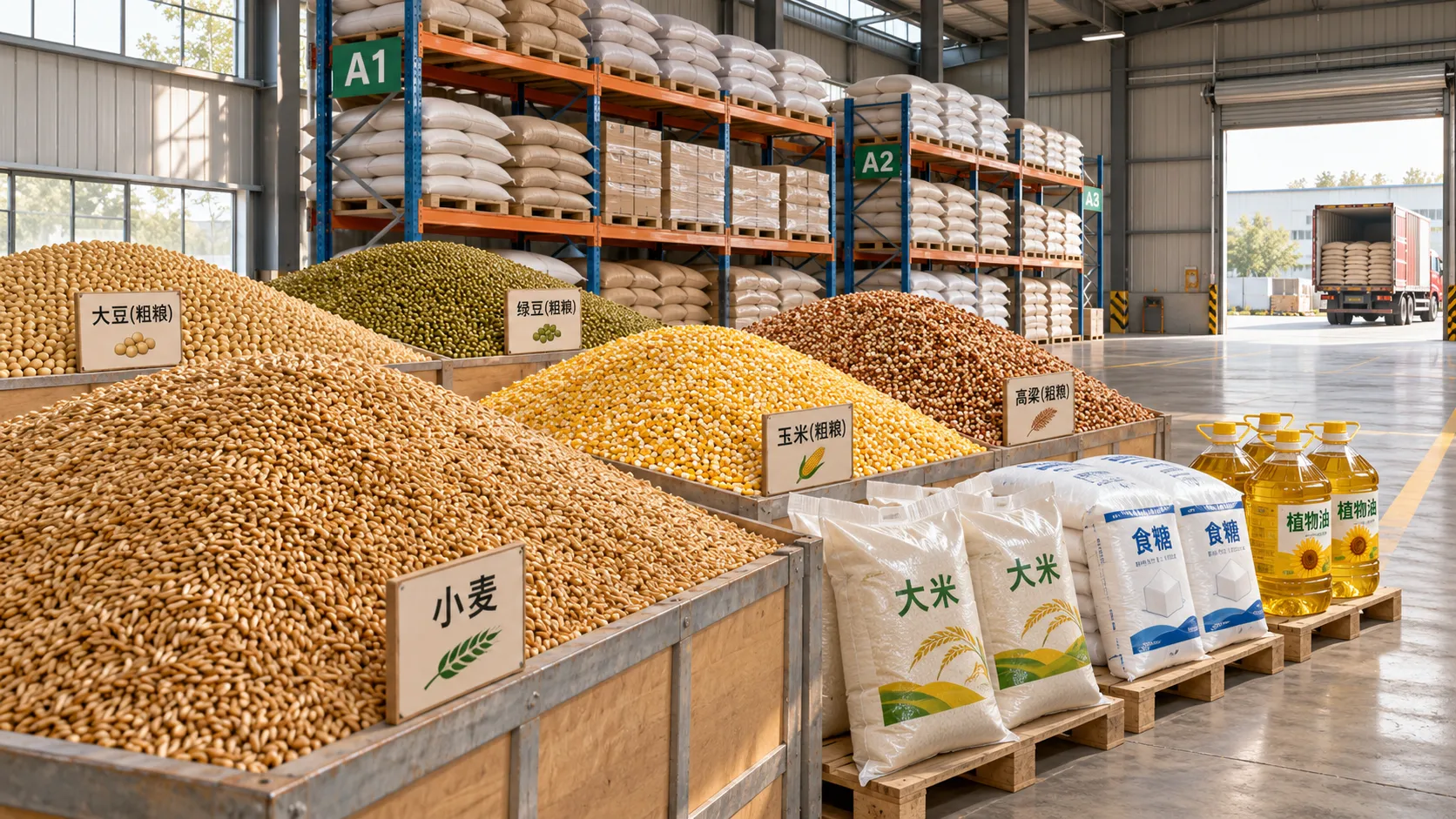
FAO: Global Food Supplies Ample, but Market and Food Security Risks Rise
FAO's global food supply outlook reveals ample grain stocks but tighter rice, sugar and vegetable oil markets. Explore the risks to food security.
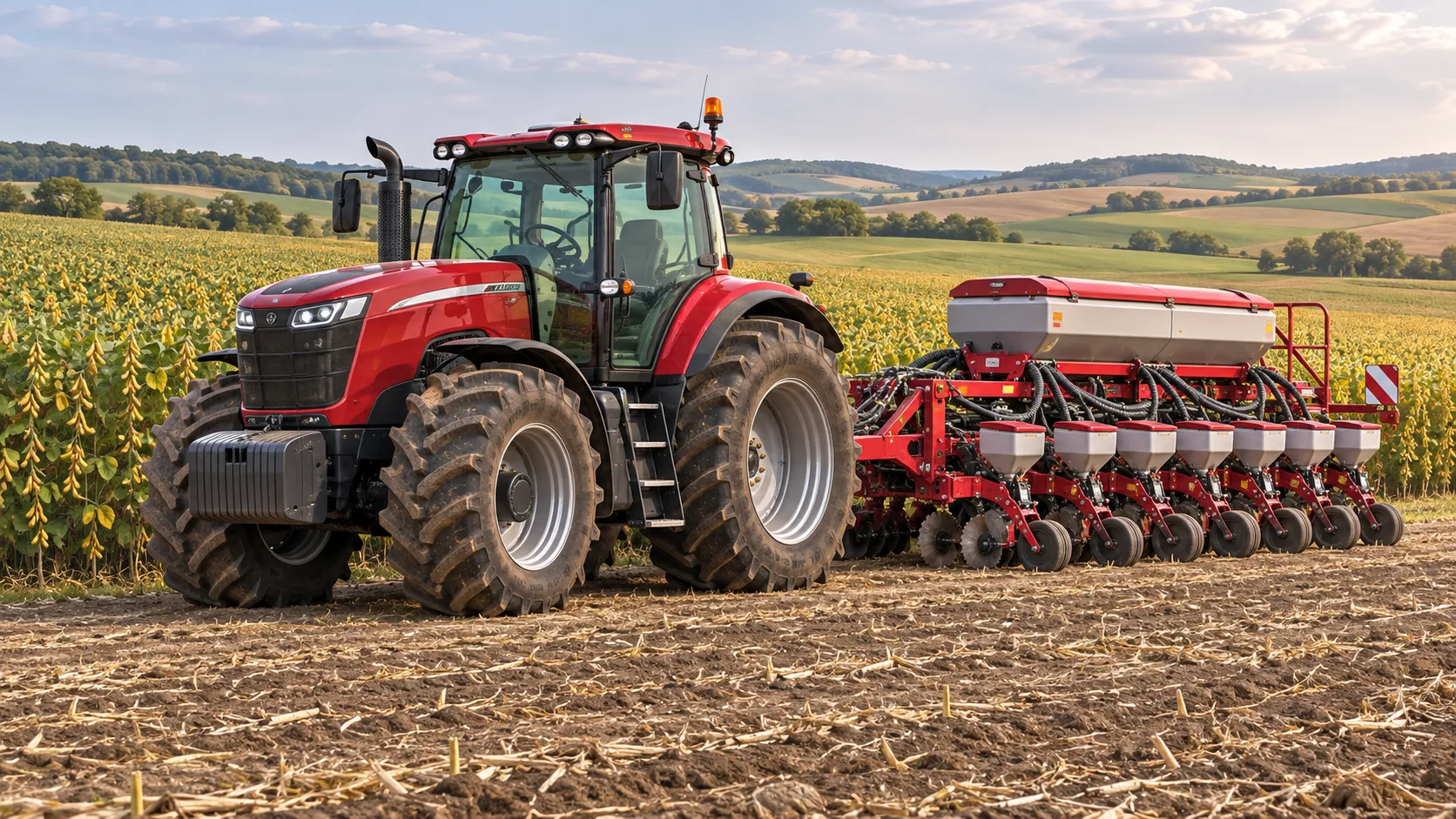
Choosing Heavy-Duty Soybean Machinery for Different Farm Sizes and Soil Types
Choose heavy duty farm machinery for soybeans with confidence. Compare tractors, planters, and combines for your farm size, soil conditions, and budget.
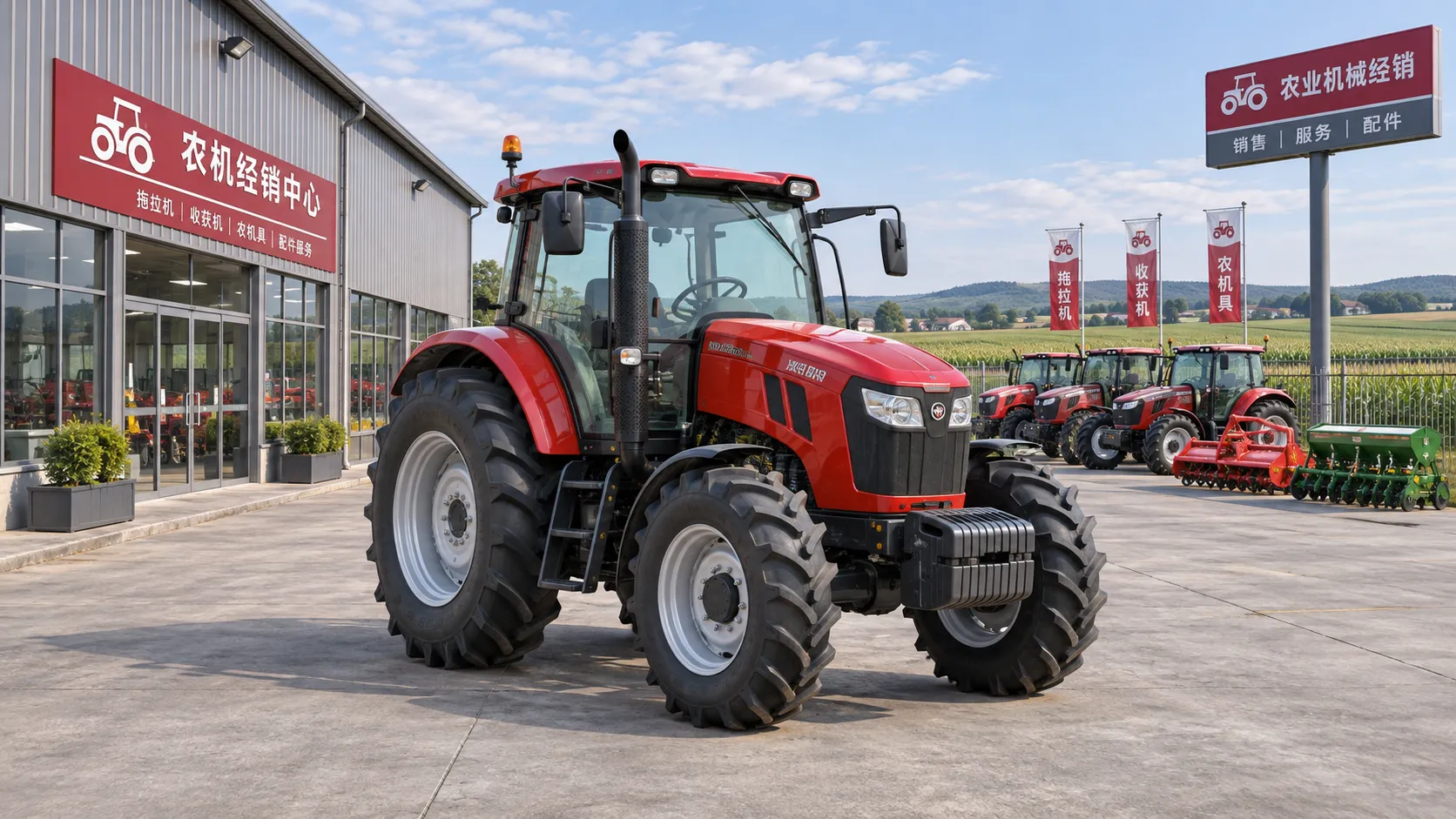
Global Farm Equipment Sales Slide as India and China Show Resilience
Global farm equipment sales are declining, but India and China show resilience. Explore the market outlook and what it means for buyers and suppliers.
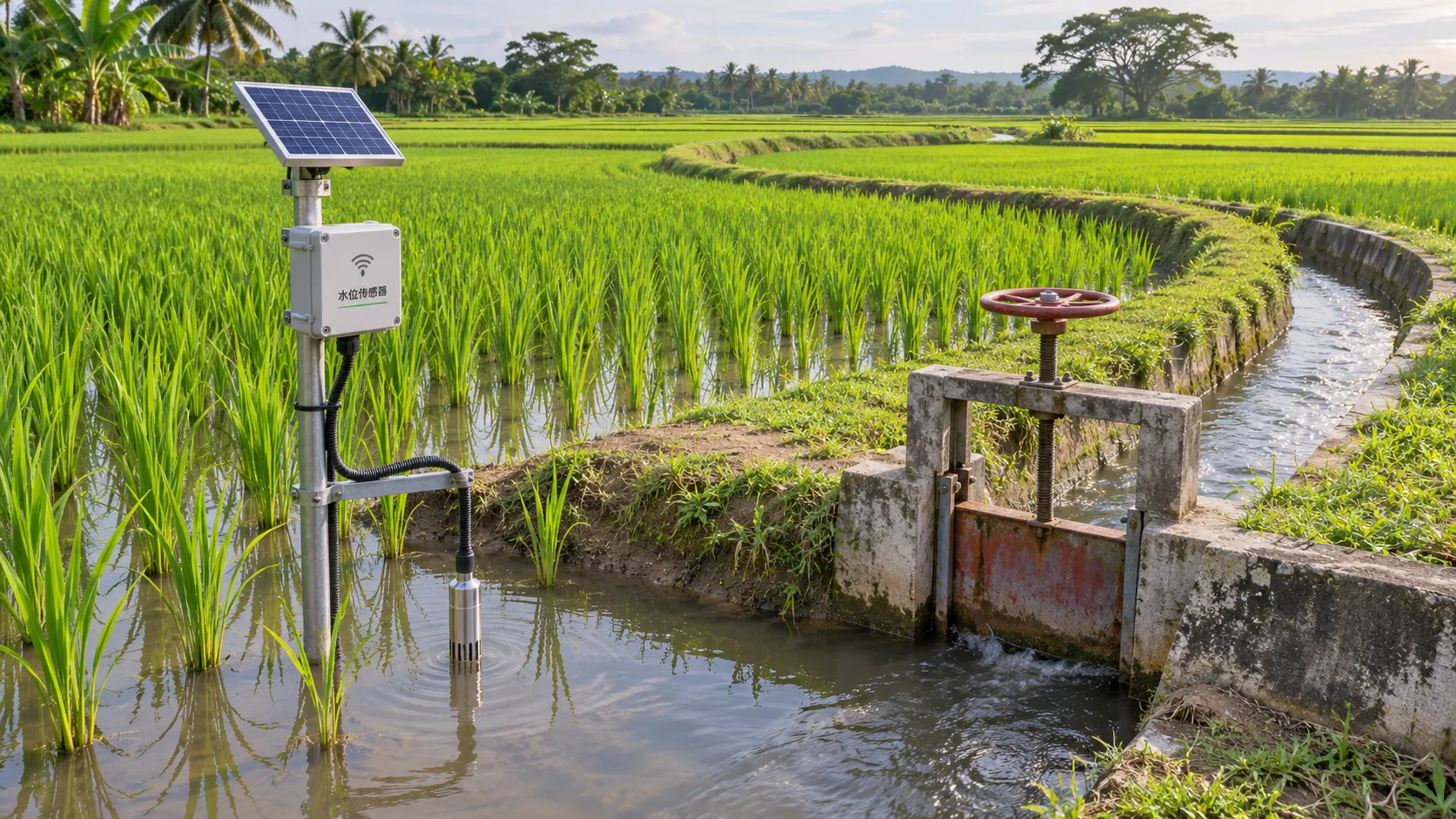
Smart Cultivation Solutions for Rice Farms in Southeast Asia
Explore smart cultivation solutions Southeast Asia rice farms can use to improve water management, mechanization and harvest planning. Start with practical field insights.
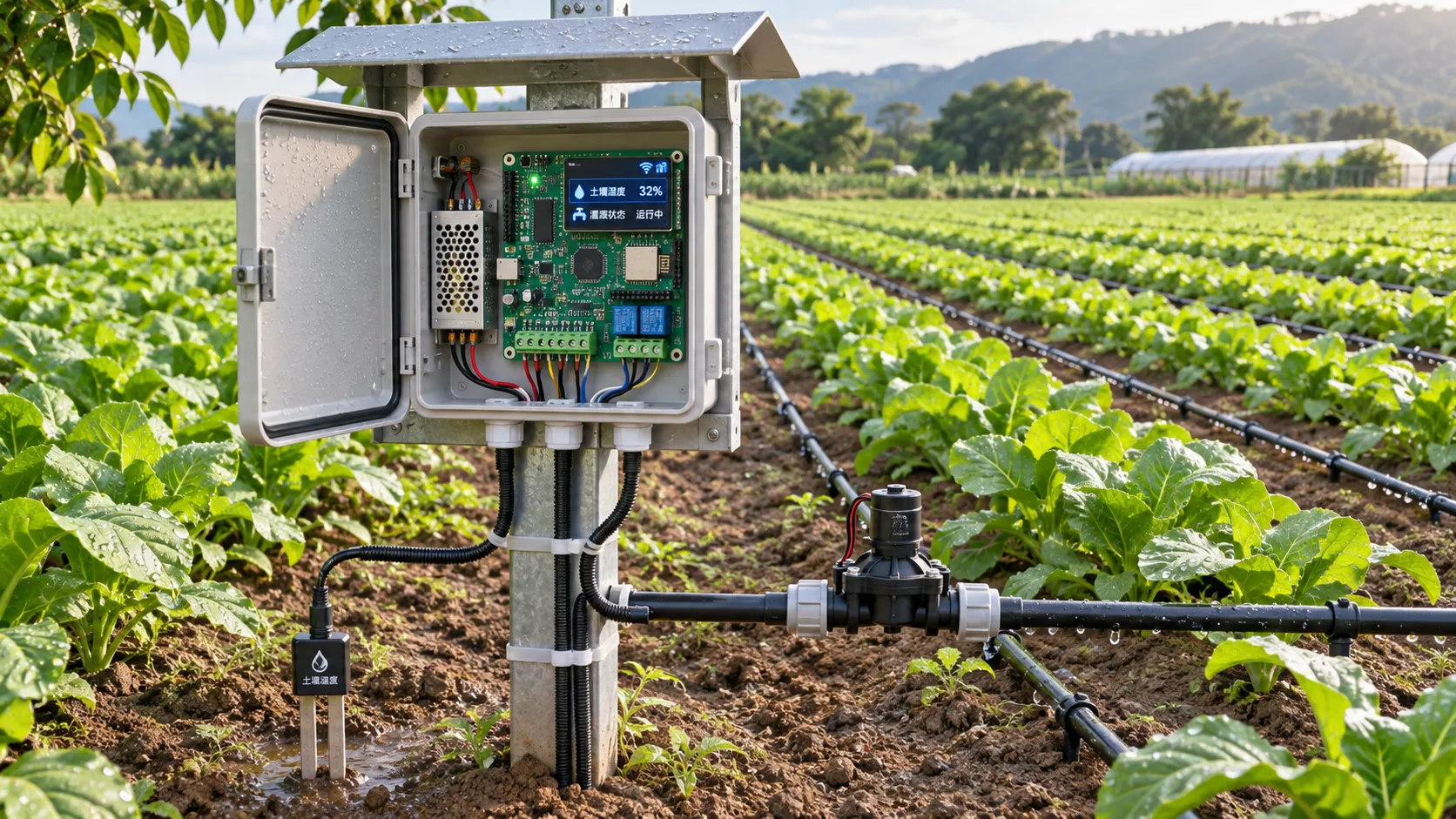
Quantized Edge AI Cuts Microcontroller Irrigation Inference Energy by 73.3%
Quantized edge AI cuts irrigation model inference energy by 73.3% and fits in 8 KB. Explore what this research could mean for smart irrigation devices.
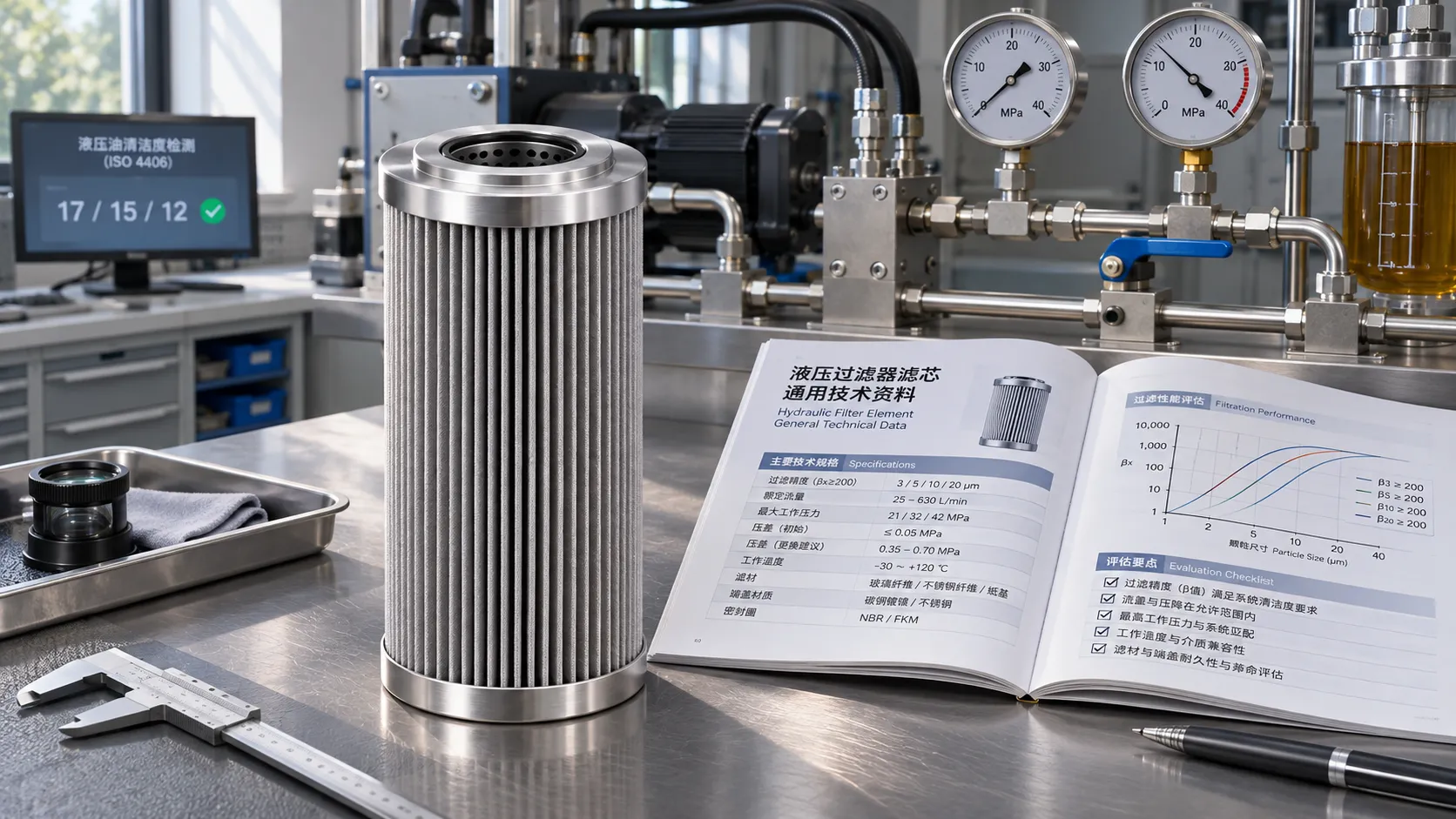
How to Read Filtration Accuracy Specifications: Micron Ratings Explained
Get product specification guidance on filtration accuracy. Learn how to compare micron ratings, beta ratios, and test methods to select the right filter.
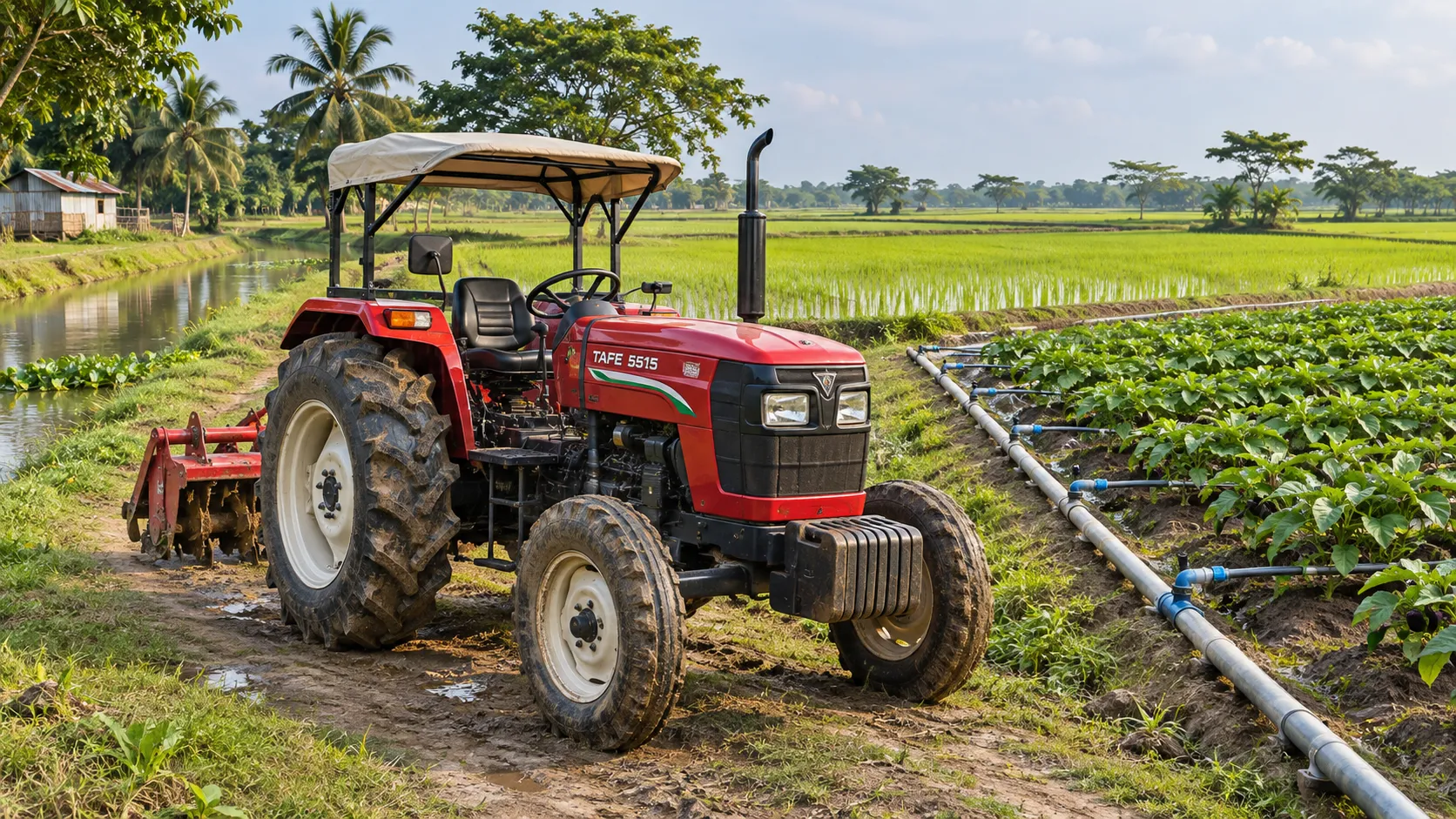
Bangladesh Irrigation and Farm Machinery Receive Less Than 1% of Agricultural Credit
Bangladesh agricultural credit for irrigation and farm machinery was reportedly under 1% of total lending. Explore what this could mean for equipment buyers and suppliers.
Related News
- 00
0000-00
FAO: Global Food Supplies Ample, but Market and Food Security Risks Rise - 00
0000-00
Choosing Heavy-Duty Soybean Machinery for Different Farm Sizes and Soil Types - 00
0000-00
Global Farm Equipment Sales Slide as India and China Show Resilience - 00
0000-00
Smart Cultivation Solutions for Rice Farms in Southeast Asia - 00
0000-00
How to Read Filtration Accuracy Specifications: Micron Ratings Explained
0000-00
Popular Tags
Ms. Elena Rodriguez
Weekly Insights
Stay ahead with our curated technology reports delivered every Monday.