
What Shapes Poultry Farming Profitability in Nigeria in 2026?
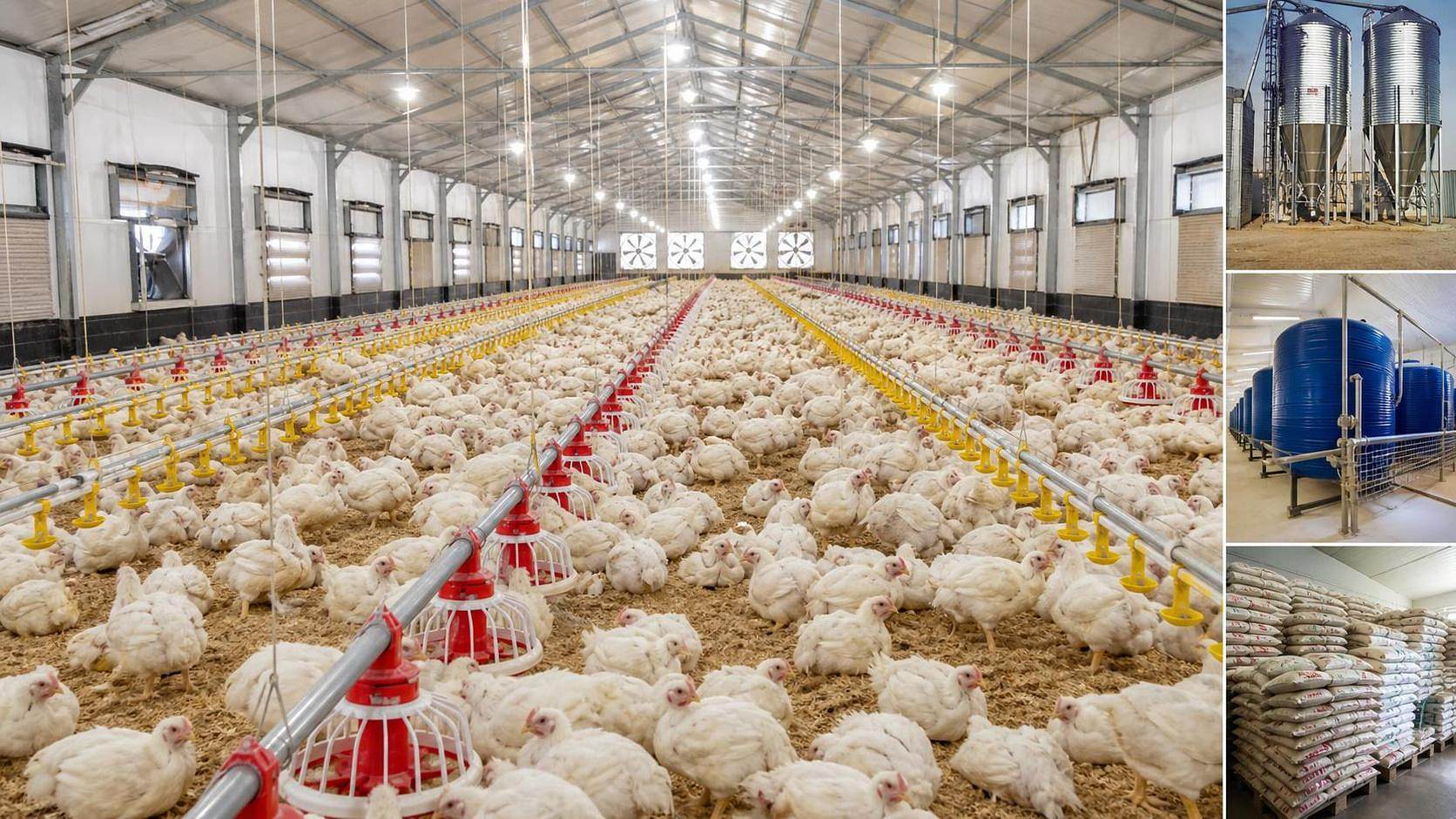




Profit in Nigerian poultry farming is decided long before birds reach market weight
For anyone assessing broiler or layer production in Nigeria, the profit question in 2026 is less about a single selling price and more about how well a farm controls its cost per bird, mortality, feed conversion, housing efficiency, and marketing timing. A poultry business can sell into a strong market and still lose money if chicks are weak, feed is wasted, power costs spiral, or birds take too long to reach target weight.
That is why profitability should be treated as a system. Feed, housing, biosecurity, labor, and sales planning interact every day. A buyer looking at farm equipment, a new investor comparing budget assumptions, or an operator trying to scale from a small flock to a more commercial unit needs to understand which variables actually move margins in the Nigerian context.
In 2026, the farms most likely to protect margin will usually be the ones that reduce avoidable losses, plan around volatility, and choose infrastructure that fits their local conditions rather than copying a generic farm model.
Feed remains the largest cost, but feed management matters as much as feed price
In most poultry operations, feed is the biggest operating expense. That basic fact is familiar, but many early-stage profitability estimates still focus too heavily on the purchase price of feed and not enough on how feed is used inside the house.
A farm can pay a competitive market rate for feed and still underperform if:
- feeders allow excessive spillage,
- bird density creates uneven access,
- water quality suppresses intake and growth,
- heat stress reduces feed efficiency,
- storage conditions cause spoilage or contamination.
For broiler buyers and planners, feed conversion ratio is more meaningful than feed cost alone. A slightly more expensive feeding setup may protect margin if it reduces waste, keeps feed dry, and helps birds grow more uniformly. Uniformity matters because uneven flocks are harder to market, take longer to finish, and often consume more total feed per kilogram of sellable meat.
On many farms, the true margin leak is not the feed invoice itself but the invisible loss between the feed bag and the bird.
Day-old chick quality can decide the entire production cycle
Profit projections often assume that all chicks entering the farm are healthy and consistent. In practice, chick quality affects mortality, growth rate, vaccine response, and the number of days required to reach market size. If the flock starts weak, every later intervention becomes more expensive.
Buyers reviewing farm profitability should ask practical questions:
- How reliable is the hatchery supply schedule?
- Are chicks transported under conditions that limit stress?
- Can the farm brood chicks at stable temperature immediately on arrival?
- Is there enough drinker and feeder access during the first days?
A poor start often creates a chain reaction: weak feed intake, stunted growth, more culling, longer finishing time, higher medication use, and inconsistent final weights. Even when market prices are favorable, these losses can narrow or erase margin.
Housing design affects both cost and biological performance
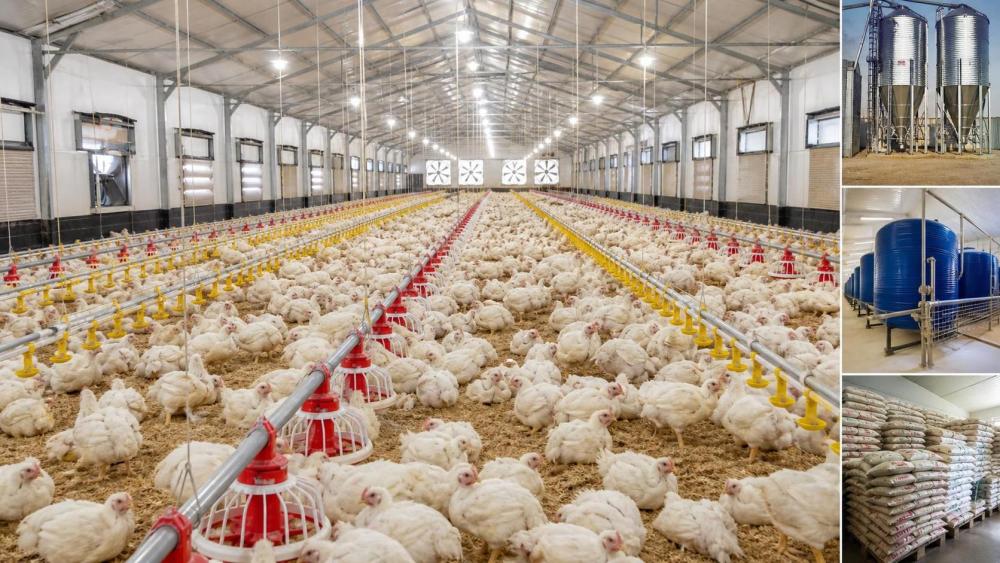
Housing is sometimes treated as a one-time capital issue, but in reality it shapes daily operating results. Ventilation, litter dryness, stocking density, and temperature control all affect bird comfort and disease pressure. Those factors then influence weight gain, mortality, carcass quality, and labor burden.
In Nigeria, local climate conditions make housing decisions especially important. Heat build-up in a poorly ventilated house can slow growth and push birds to consume more water while eating less feed. Wet litter may increase footpad problems, ammonia levels, and respiratory stress. A house that is cheap to build can become expensive to run if it causes repeated performance losses.
This is where planning tools linked to poultry farming profitability nigeria 2026 become useful for buyers comparing flock size, housing assumptions, and budget structure. A practical budget is not only about startup cost; it helps reveal whether the housing method supports acceptable feed efficiency, labor flow, and survivability under real farm conditions.
Power and water reliability are no longer side issues
Many profitability discussions still treat electricity and water as support utilities. On poultry farms, they are production inputs. Birds cannot perform well without dependable access to clean water, and modern production becomes difficult when power interruptions affect lighting, pumping, brooding, or ventilation.
The impact shows up in several ways:
- brooding temperatures become unstable,
- automatic or semi-automatic drinker systems fail to deliver consistently,
- water storage and pumping costs rise,
- labor has to compensate manually,
- heat stress worsens in enclosed houses.
For a buyer evaluating equipment or a new poultry site, utility planning deserves the same attention as building cost. Backup power, water storage capacity, line layout, and cleaning access can influence flock health just as much as the visible feeding system. Farms that ignore utility resilience may underestimate their true operating cost.
Mortality is only one part of the disease cost
When disease risk is discussed, people often focus on obvious losses such as bird death. The financial impact is broader. Even a flock with moderate survival can perform poorly if disease pressure reduces growth rate, feed efficiency, or market quality.
Biosecurity has a direct profit connection because it protects more than bird survival. It also protects:
- the time needed to reach target weight,
- uniformity across the flock,
- medication cost,
- the number of birds rejected or discounted at sale,
- the farm’s ability to continue production without long downtime.
Simple weaknesses often create expensive problems: visitors entering houses without control, poor litter disposal, inconsistent cleaning between cycles, wild bird access, rodent activity, or overcrowding around drinkers. Buyers who focus only on visible equipment price may miss the value of layout decisions that reduce contamination risk and simplify cleaning.
Labor efficiency changes as flock size increases
A small poultry unit can operate with high manual input for a while. Once flock size expands, labor organization becomes a profitability factor. Manual feeding, manual watering, and repeated litter correction can consume time, create inconsistency, and increase bird stress if staff movement inside the house is excessive.
That does not mean every farm needs the highest level of automation. The better question is whether the chosen system matches flock scale, labor availability, and staff skill. In many cases, semi-automated equipment offers a middle path: lower labor intensity than a fully manual farm, but without the capital burden of advanced automation that the business cannot maintain properly.
For information researchers comparing options, labor should be assessed in three layers:
- routine daily tasks,
- peak workload during chick placement, vaccination, and market preparation,
- technical dependence on repairs and spare parts.
A system that saves labor on paper but fails frequently can become more costly than a simpler setup with predictable maintenance needs.
Market access shapes margin just as much as farm performance
Even a well-run farm can struggle if birds are sold at the wrong time or into a weak local channel. Profitability depends on the relationship between production timing and market demand. Delays in sales can increase feed consumption beyond the planned finishing period. Selling too early may reduce revenue if birds have not reached the preferred market weight.
In practical terms, buyers and planners should separate two questions:
- Can the farm produce birds efficiently?
- Can the farm convert finished birds into cash at the expected time and price?
That distinction matters because many budget models assume smooth sales. In reality, transport conditions, cold chain limitations, buyer concentration, holiday demand swings, and local competition can all affect realized margin. Farms closer to stable retail, institutional, or wholesale outlets often have more room to manage cycle timing than farms that depend on spot buyers only.
Equipment choice should be judged by loss prevention, not by catalog appearance
For poultry buyers, the most expensive mistake is often choosing equipment that looks complete but does not suit the farm’s climate, flock size, cleaning routine, or maintenance capacity. Brooding equipment, feeders, drinkers, ventilation components, and cage or floor systems should be assessed by the problems they prevent.
A useful evaluation approach is to compare each item against likely field conditions:
That type of assessment is more useful than treating equipment as a simple purchase list. The real question is whether the setup supports stable biological performance over multiple cycles.
Cash flow planning is different from profit planning
Many new operators confuse projected profit with working liquidity. A farm may appear profitable over a cycle and still face pressure if feed must be purchased before birds are sold, or if replacement chicks arrive before sales proceeds from the previous flock are fully available.
This issue becomes more serious when input prices shift quickly or when buyers pay late. For a 2026 planning exercise, cash flow needs to include:
- timing of chick purchase,
- feed purchase intervals,
- medication and vaccine spending,
- fuel or electricity costs,
- labor obligations during the full cycle,
- contingency for mortality or delayed sales.
A business that underestimates cash needs may cut back on feed quality, medication, or maintenance at the worst possible moment. That usually reduces flock performance and creates the very losses the original budget did not expect.
What buyers should look for when comparing poultry project assumptions
Anyone researching poultry farming profitability Nigeria 2026 should be cautious with simplified profit examples. A reasonable planning document should show the assumptions behind the numbers, not just a final margin estimate.
Key points to examine include:
- flock size and stocking method,
- whether the system is floor-based or uses another housing arrangement,
- feed consumption assumptions across the cycle,
- expected mortality and whether that figure is realistic for the management level,
- power and water provisions,
- labor intensity,
- whether cleaning downtime between batches has been considered,
- how selling weight and marketing timing affect the estimate.
These details help distinguish a useful farm budget from a shallow profitability claim. For buyers, they also make it easier to judge whether equipment choices align with the actual production model.
The strongest profitability decisions are local, not generic
There is no universal margin formula for Nigerian poultry farms in 2026. Profitability is shaped by local feed access, climate, housing quality, chick supply, disease pressure, utility reliability, labor structure, and the farm’s route to market. The same flock size can produce very different results under different management and infrastructure conditions.
For information-stage readers, the main lesson is straightforward: poultry profit comes from controlling losses across the whole production chain. Input price matters, but so do water flow, brooding stability, litter condition, feeder design, flock uniformity, and selling discipline. Farms that treat these as connected decisions usually have a clearer view of risk before money is committed.
That is the practical lens for evaluating poultry farming profitability Nigeria 2026: not a headline promise of high returns, but a detailed look at where margin is created, where it leaks away, and which farm choices are most likely to hold up over repeated cycles.
Related News
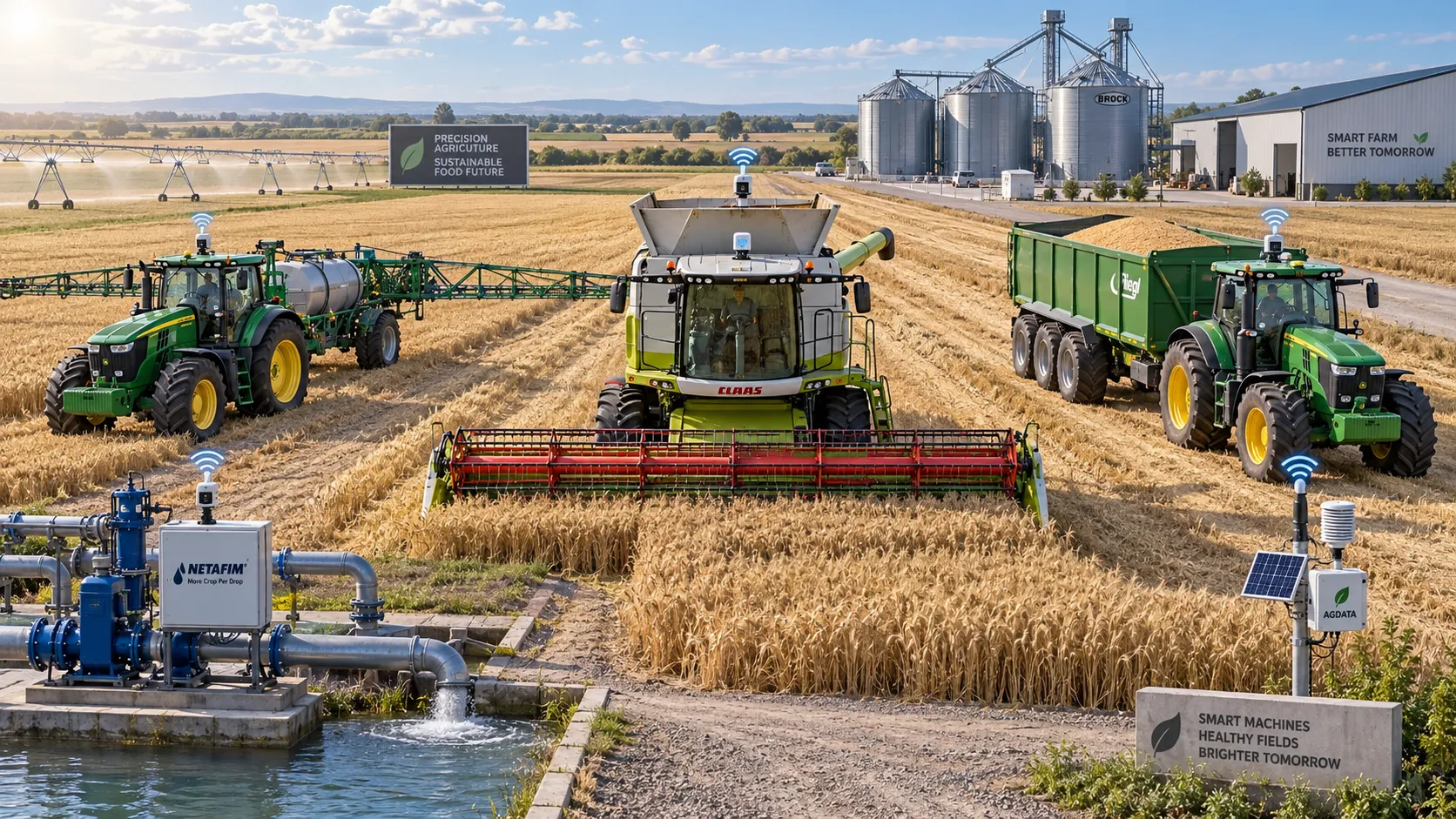
How Large-Scale Farm Telematics Cuts Downtime Across Mixed Fleets
Large-scale farm equipment telematics cuts mixed-fleet downtime with real-time alerts, smarter maintenance, and stronger operational control. Learn how to protect critical farm workflows.
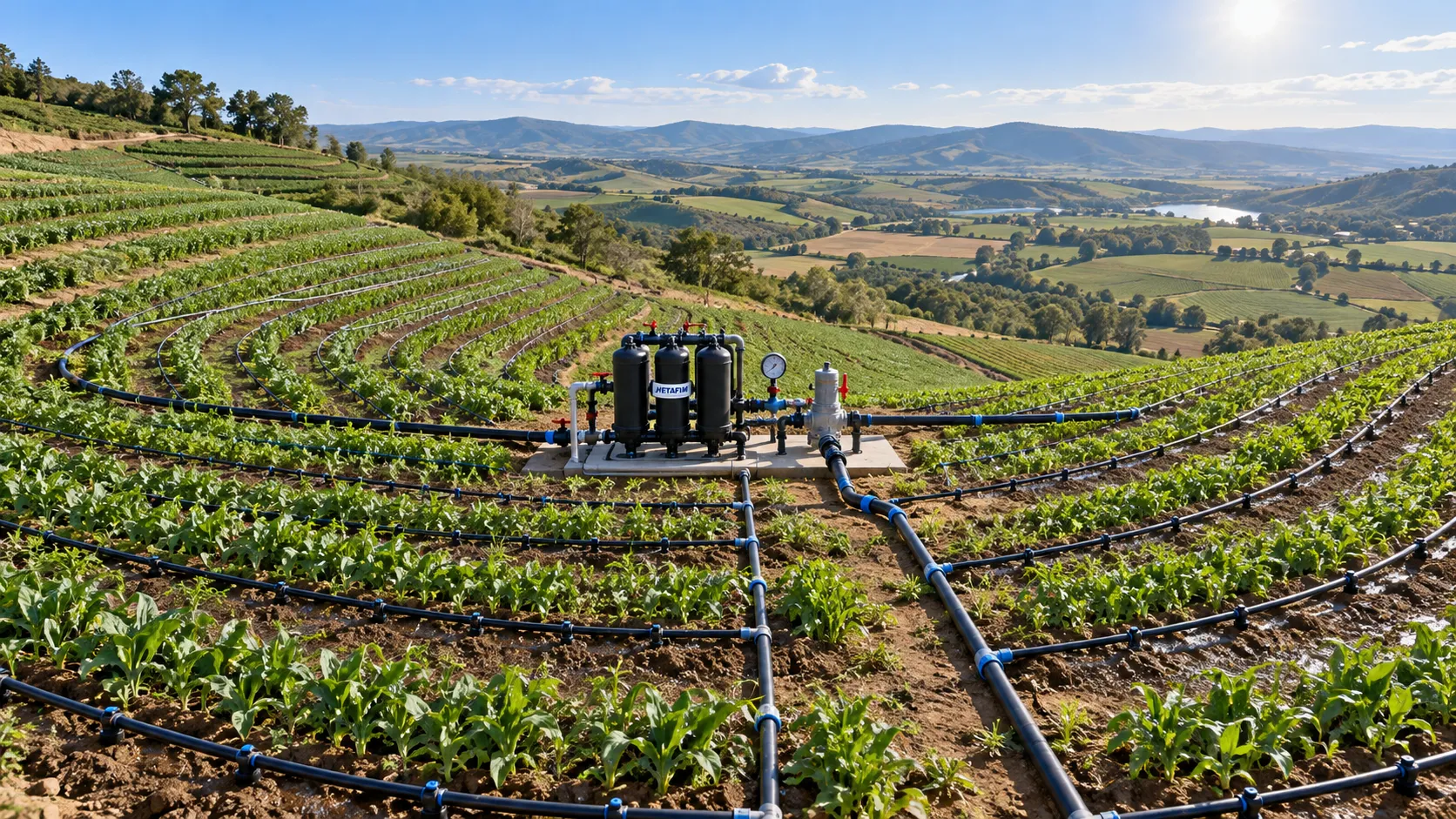
How to Size Low-Pressure Water-Saving Irrigation Systems for Uneven Fields
Low pressure water-saving irrigation systems for uneven fields: learn zoning, pressure mapping, pipe sizing, and pump selection to improve uniformity and reduce water waste.

Farm Machinery Sourcing: How to Vet Suppliers, Specs, and Lifecycle Costs
Farm machinery information for sourcing: learn to vet suppliers, compare specifications, control lifecycle costs, and secure reliable uptime for smarter equipment purchases.
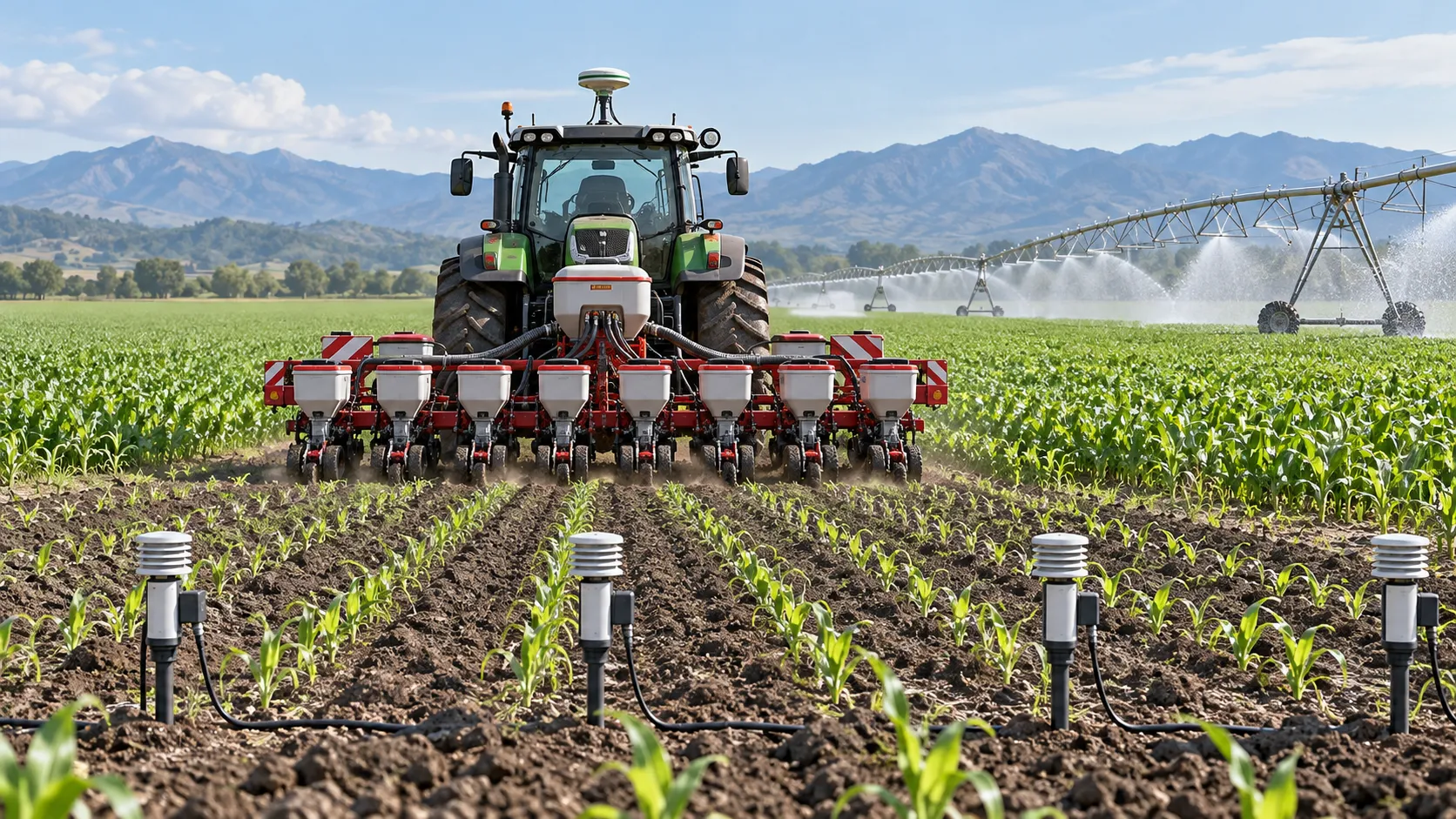
Which costs matter most when calculating precision agriculture ROI?
Calculating ROI on precision agriculture equipment? Discover the costs that shape returns, from installation and subscriptions to downtime, labor, and data integration.
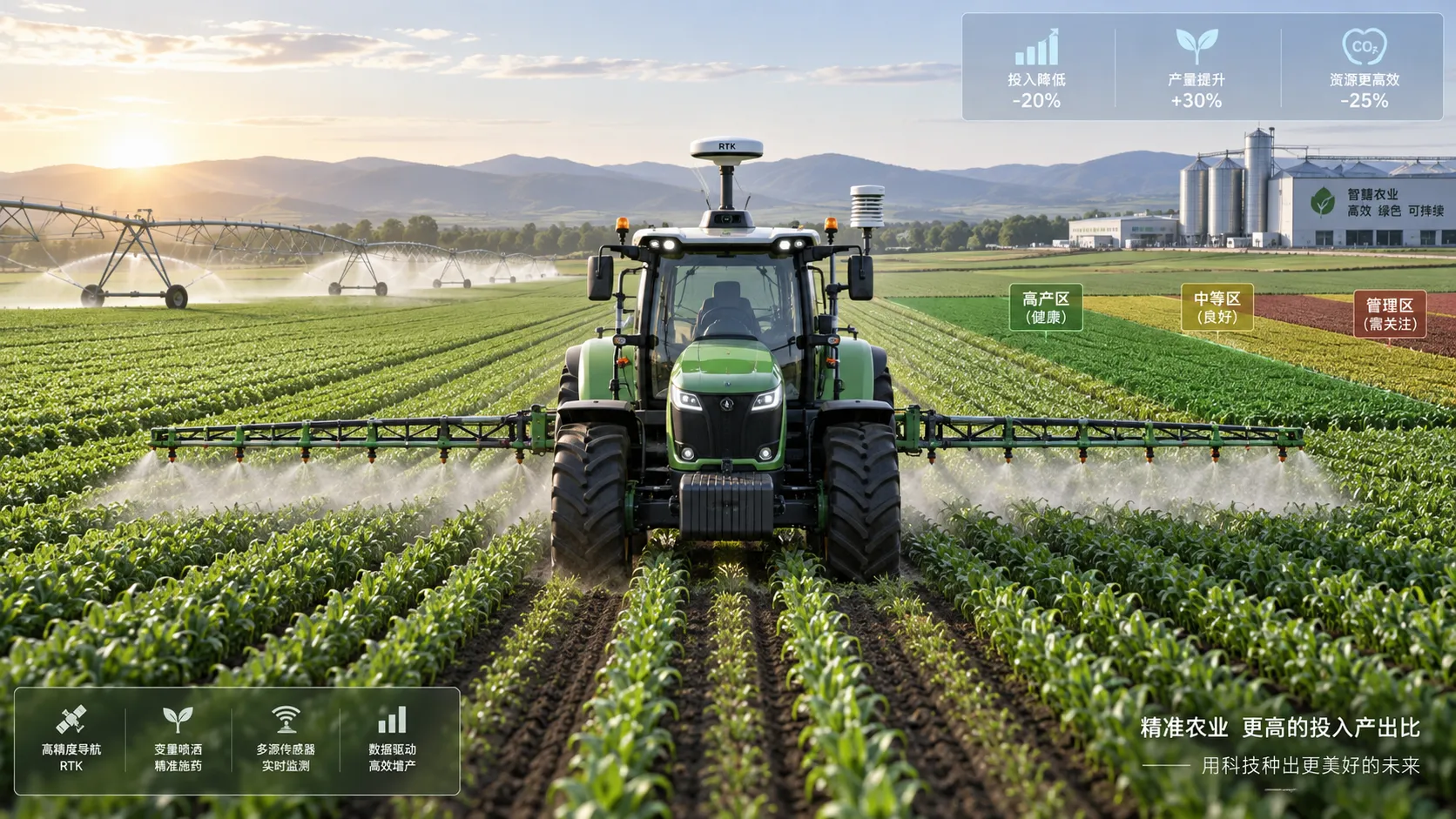
How to calculate ROI on precision agriculture equipment before buying
Calculating ROI on precision agriculture equipment: learn to assess total ownership costs, savings, payback, NPV, risks, and farm-scale value before you buy.
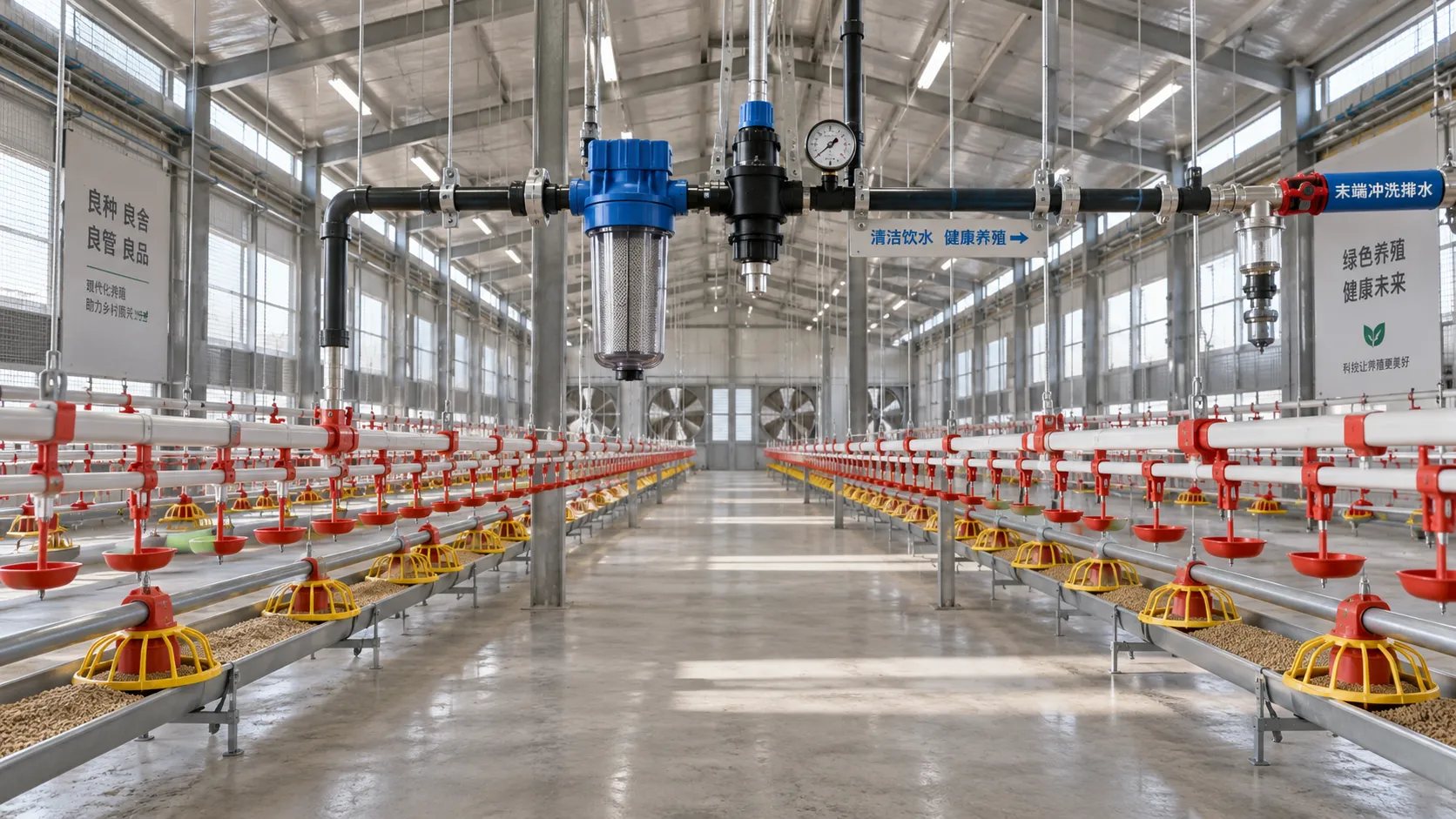
Planning Nipple Drinker Installation for Different Chicken House Layouts
How to install nipple drinker for chicken houses: plan line layouts, pressure control, flushing access, and maintenance for reliable water delivery.
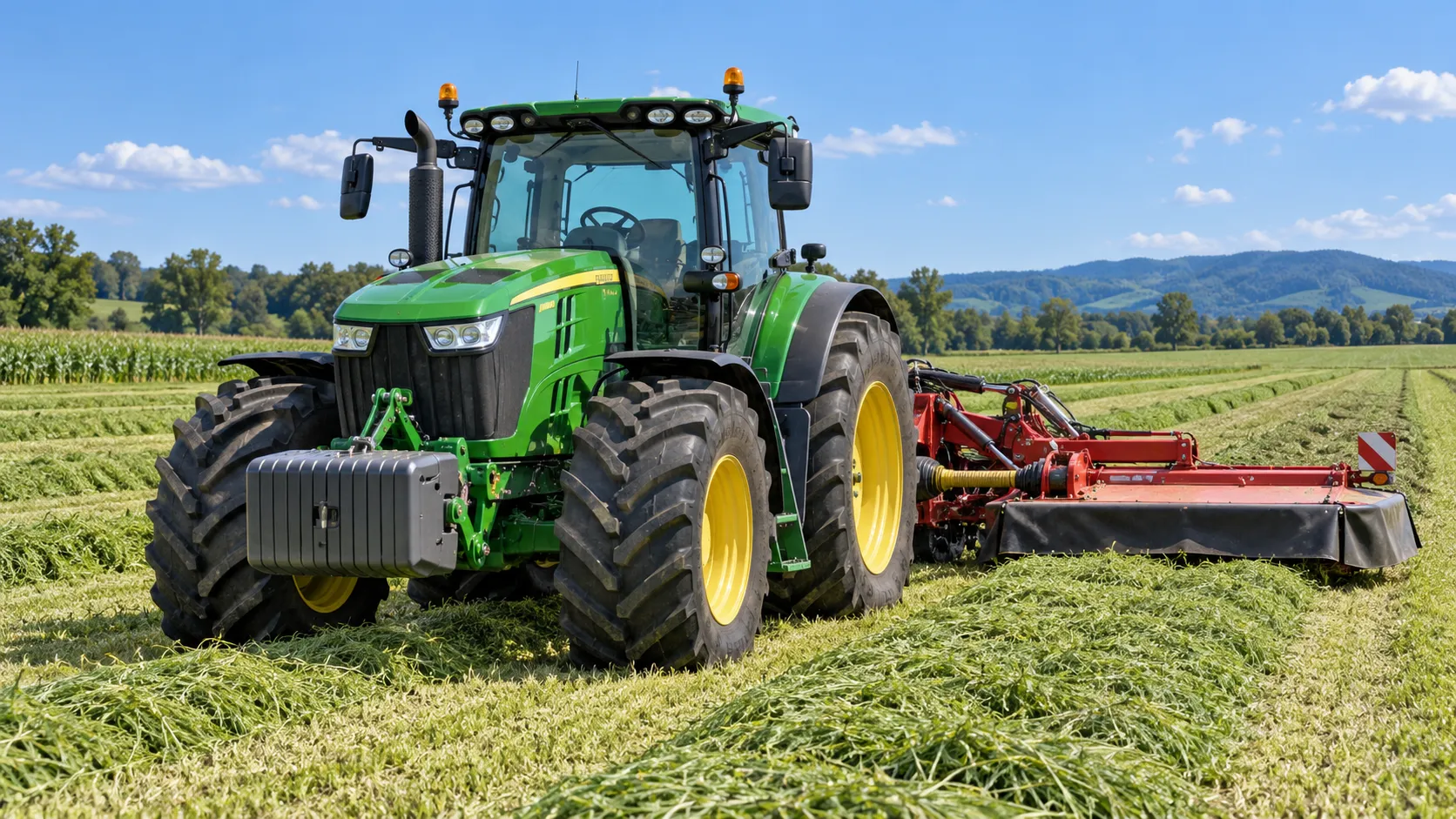
Tractor Specification Sheets: Matching PTO, Hydraulics, and Weight to Farm Tasks
Specification-oriented articles for tractors: match PTO, hydraulics, lift capacity, ballast, and weight to real farm tasks for safer, more efficient equipment choices.
How to Evaluate Dynamic Feedback Algorithm Suppliers for Precision Farming Systems
Dynamic feedback algorithms supplier evaluation guide for precision farming—compare validation, integration, safety, and pilots to choose with confidence.
How to Specify Combine Harvester Systems for High-Moisture Grain and Variable Field Conditions
Combine harvester systems for high-moisture grain: learn how to specify threshing, cleaning, headers, traction, and automation for reliable harvests in variable fields.
Related News
- 00
0000-00
How Large-Scale Farm Telematics Cuts Downtime Across Mixed Fleets - 00
0000-00
Farm Machinery Sourcing: How to Vet Suppliers, Specs, and Lifecycle Costs - 00
0000-00
Which costs matter most when calculating precision agriculture ROI? - 00
0000-00
How to calculate ROI on precision agriculture equipment before buying - 00
0000-00
Planning Nipple Drinker Installation for Different Chicken House Layouts
Popular Tags
Ms. Elena Rodriguez
Weekly Insights
Stay ahead with our curated technology reports delivered every Monday.