
How to Match Soil Preparation Methods to Field Conditions, Crop Rotation, and Fuel Use





Field conditions change the right soil preparation strategy
Effective soil preparation rarely starts with a machine setting alone.
It starts with reading the field, the rotation plan, and the fuel budget together.
A dry, heavy clay block after corn residue needs a different approach than a lighter field after soybeans.
That difference affects tillage depth, pass count, traction demand, and seedbed consistency.
In large-scale operations, soil preparation decisions also influence wear on tractor chassis, tool life, and planting windows.
This is why AP-Strategy often treats soil preparation as part agronomy, part machine management, and part resource efficiency.
The most reliable method is not the most aggressive one.
It is the one that fits moisture, residue, crop rotation, and fuel use without weakening soil structure for the next season.
Why similar fields still demand different soil preparation choices
Two fields can look similar from the road and still require different soil preparation plans.
One may carry compaction from harvest traffic.
The other may hold enough structure to avoid deep intervention.
Rotation changes the picture as well.
Corn-on-corn usually leaves more residue, cooler surface conditions, and greater need for residue sizing or mixing.
A soybean-to-wheat sequence often shifts the priority toward moisture retention and a shallower finish.
Fuel use becomes a practical filter.
When diesel cost rises, every extra pass must justify itself with better emergence, fewer planter issues, or lower in-season correction costs.
In actual field planning, the better question is not which tillage system is best.
The better question is which soil preparation method solves the current constraint with the least long-term damage.
The three factors that change decisions fastest
- Soil texture and moisture decide whether tillage fractures soil cleanly or smears it.
- Rotation and residue load decide how much cutting, mixing, or surface cover is needed.
- Available power and fuel limits decide whether multiple passes are operationally realistic.
When heavy residue follows harvest, intensity is not the only answer
A common high-pressure situation appears after high-yield corn or uneven combine performance.
Residue may be thick, damp, and poorly distributed.
In that setting, aggressive soil preparation can look attractive, but it is not always the best correction.
If the main issue is residue concentration, better chopping and spreading may matter more than deeper tillage.
Where surface traffic also created shallow compaction, a strip-oriented or zone-focused approach can reduce fuel demand versus full-width deep tillage.
This is especially relevant in large fields where every additional pass multiplies operating hours.
The judgment point here is whether residue is blocking planting performance, trapping excess moisture, or simply covering the soil well.
Those are not the same condition.
What usually works better in this situation
Start by checking residue distribution behind the combine.
Poor spread patterns often create problems later blamed on soil preparation.
Then match tool type to the actual limit.
- Use vertical tillage where cutting and light sizing are needed without full inversion.
- Use deeper loosening only where compaction layers are confirmed.
- Reduce speed if residue hairpinning appears, even when field capacity drops.
In lighter soils, preserving moisture often matters more than creating a fine finish
Sandy or lower-organic-matter fields create a different soil preparation challenge.
These soils warm quickly, but they also lose moisture fast and can become loose below the seed zone.
In this case, repeated passes may produce an attractive surface while weakening seed-to-soil contact after planting.
A shallower soil preparation strategy usually makes more sense when spring moisture is limited.
The focus shifts from maximum disturbance to stable placement conditions.
This is also where intelligent farm tools and sensor-based depth control add real value.
They help maintain a narrower working band and avoid overworking variable zones.
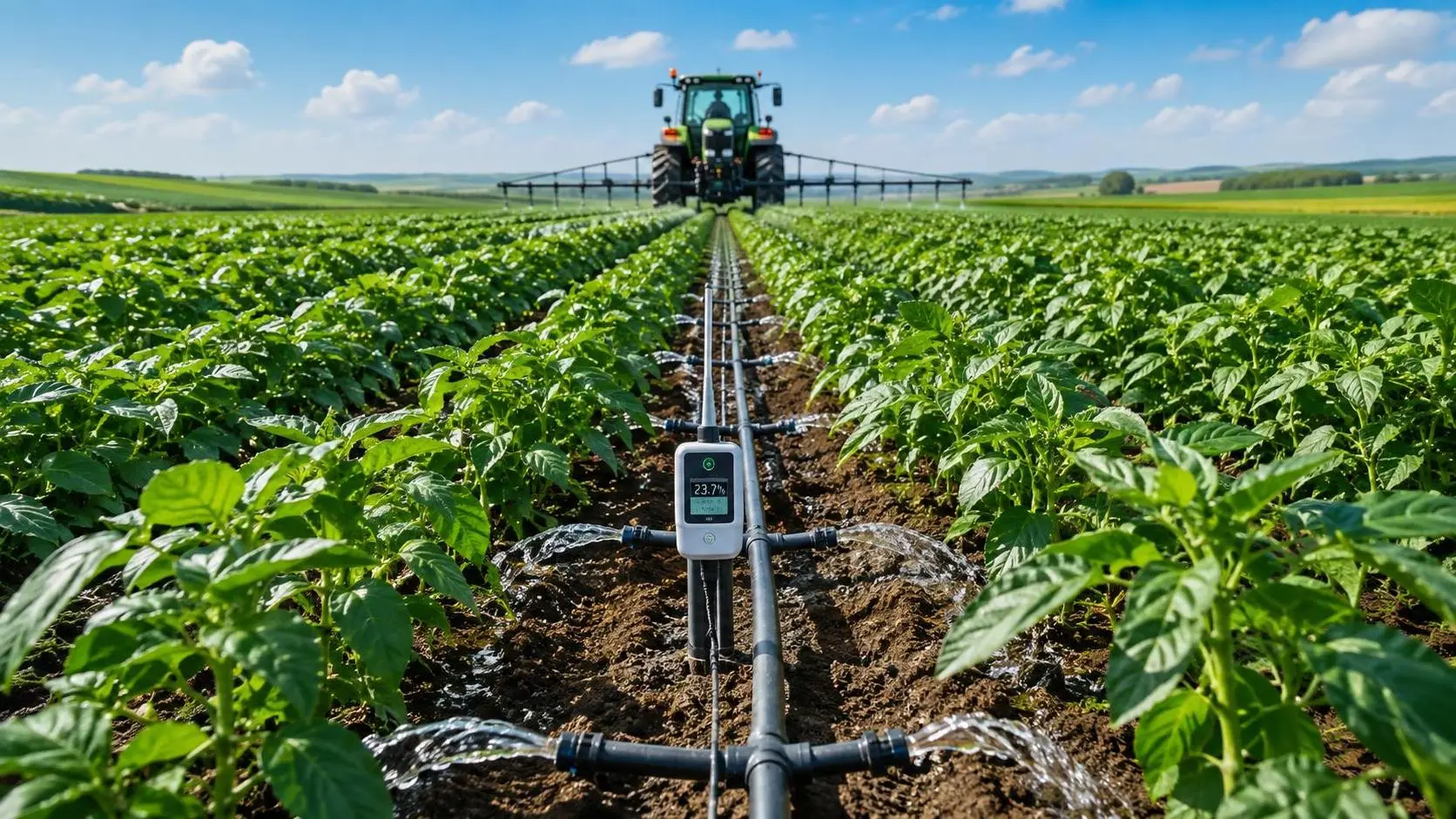
Where irrigation systems support germination, soil preparation can be even more selective.
The field no longer needs to carry the full burden of moisture correction through tillage alone.
Rotation goals often decide how much disturbance is acceptable
Crop rotation changes soil preparation objectives beyond simple residue volume.
A field heading into row crops may need warmer strips and cleaner seed zones.
A field moving toward small grains may benefit from more uniform surface leveling and residue spread.
After cover crops, the main concern may be termination timing and root channel preservation.
Soil preparation should support the rotation benefit, not erase it.
For example, deep full-width disturbance after a soil-structure-building cover crop can remove much of the gained biological advantage.
In practice, the key is deciding what must be reset for the next crop and what should remain untouched.
Fuel use becomes critical when pass count starts replacing diagnosis
Soil preparation costs often rise quietly.
The field may still look clean and workable, yet fuel burn, labor time, and machine wear keep climbing.
This usually happens when pass count substitutes for field diagnosis.
A second pass is added because the first result looked uneven, but the root cause was moisture inconsistency or tool setup.
A deeper pass is chosen for reassurance, even though the limiting layer sits much shallower.
From a machine efficiency view, proper ballast, tire pressure, slip control, and implement leveling matter almost as much as tool choice.
AP-Strategy tracks this closely because fuel efficiency is now tied to broader sustainability expectations, not just seasonal budgeting.
A well-matched soil preparation plan protects both margins and equipment utilization.
Practical checks before adding another pass
- Verify working depth across the full width, not only at the center.
- Measure wheel slip and draft load before assuming more tillage is needed.
- Check whether residue plugging comes from speed, angle, or moisture timing.
- Compare fuel per hectare against emergence benefits, not appearance alone.
Some of the biggest mistakes come from treating every tough field the same
One common mistake is confusing hard soil with compacted soil.
Dry conditions can make soil feel resistant without a true compaction layer.
Deep tillage in that case may waste fuel and leave clods that delay planting.
Another mistake is chasing a very fine seedbed in every crop rotation.
That works in some vegetable or specialty systems, but broad-acre programs often need firmness and moisture balance instead.
There is also a tendency to compare neighboring farms without comparing residue flow, irrigation support, or tractor power class.
Similar fields under different equipment ecosystems can justify different soil preparation methods.
The missed detail is usually not the tool brochure.
It is the interaction between field condition, machine setup, and the next crop’s sensitivity.
A better way to match soil preparation to real operating conditions
A strong soil preparation decision framework stays simple.
First, identify the field constraint that truly limits crop establishment.
It may be residue concentration, shallow compaction, moisture loss, uneven leveling, or delayed warming.
Second, connect that limit to the crop rotation objective.
Third, test whether the planned intervention fits the available power, timing window, and fuel target.
This is where field records, telematics, and prescription-style management become useful rather than theoretical.
The more variable the operation, the less valuable a single fixed tillage recipe becomes.
Soil preparation performs best when it is treated as a controlled response, not a habit.
The next practical step is to compare fields by residue load, compaction evidence, moisture status, and fuel per hectare.
That creates a usable adaptation standard and reduces costly over-tillage across changing seasons.
Related News
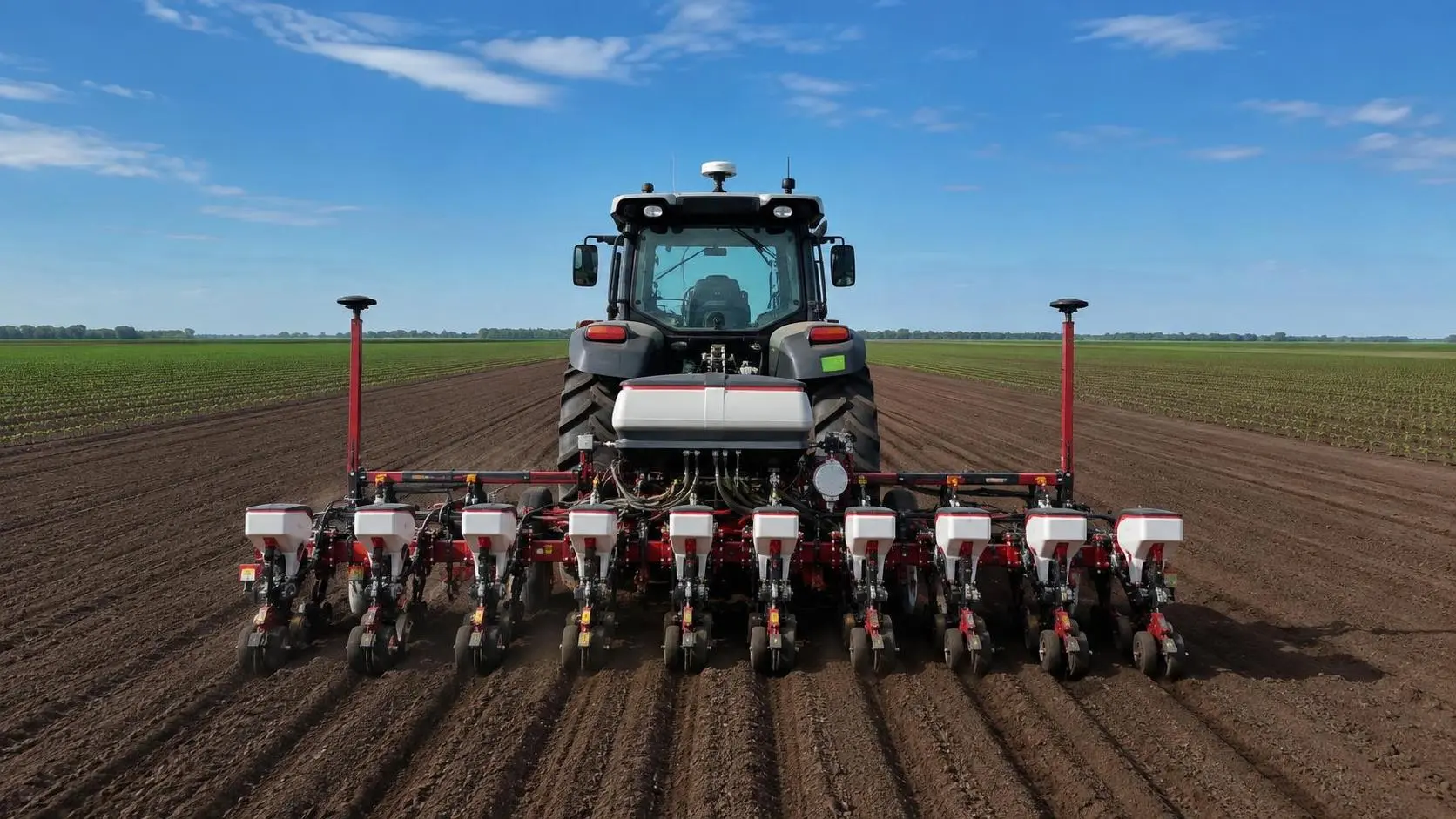
How Tractor Intelligence Systems Improve Field Efficiency and Input Accuracy
Agricultural machinery intelligence for tractors improves field efficiency, input accuracy, data traceability, and implement control. Explore smarter evaluation strategies.
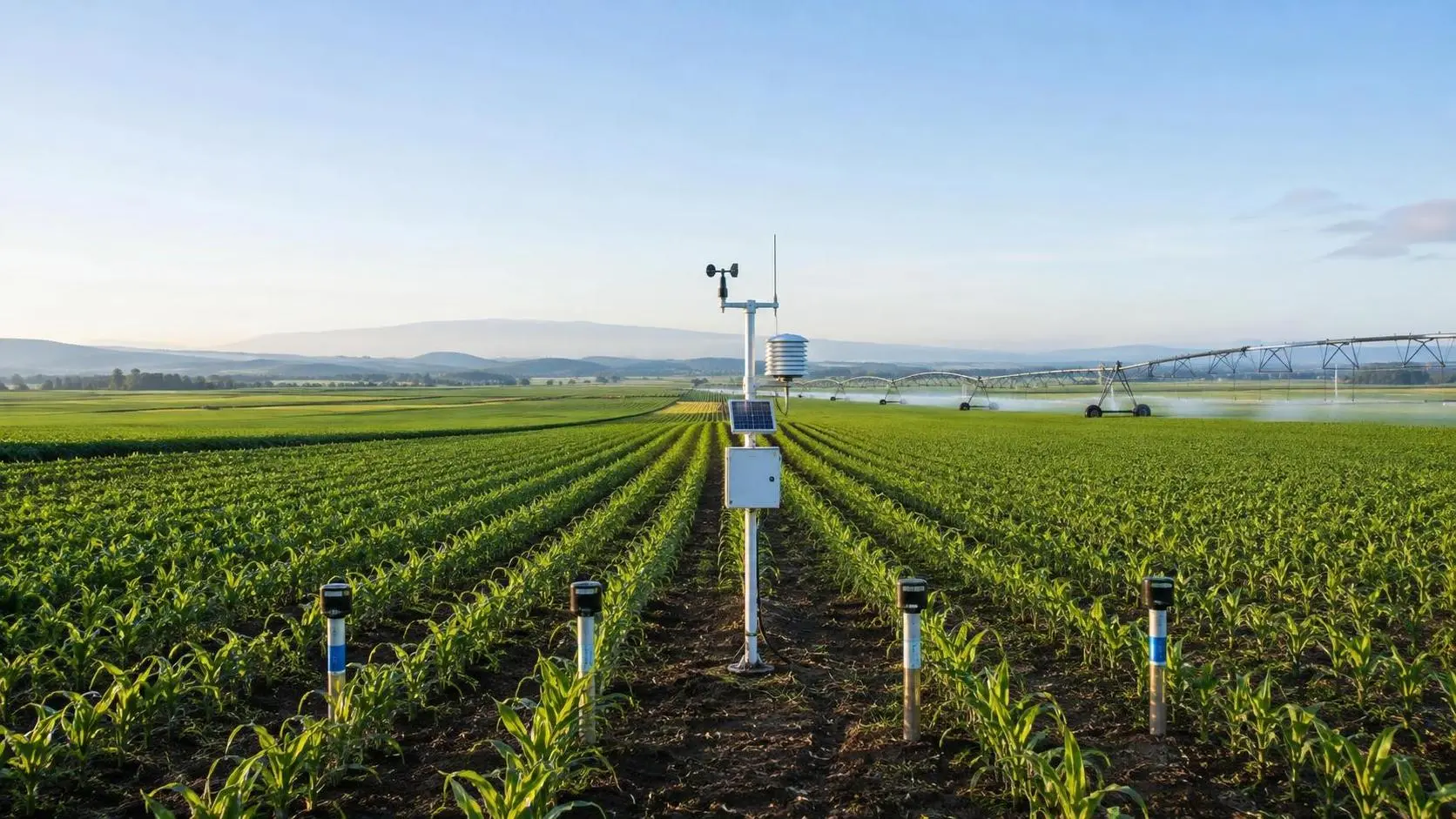
How to Evaluate Crop Monitoring System Manufacturers for Large-Scale Farms
Compare crop monitoring systems manufacturers for large-scale farms. Evaluate data quality, integration, durability, lifecycle costs, support, and pilots for smarter decisions.
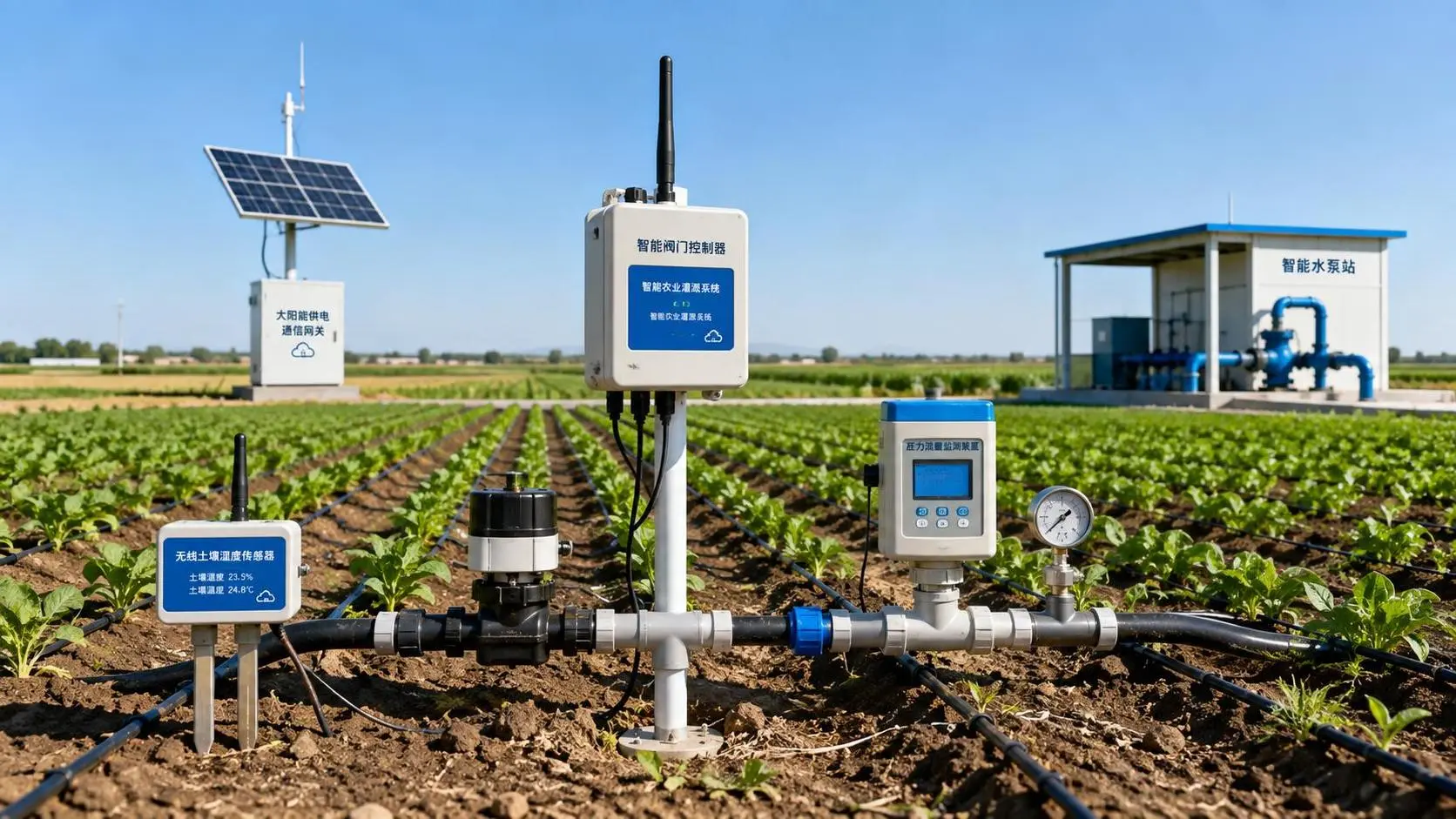
Wireless Agricultural Automation for Remote Irrigation and Field Monitoring
Agricultural automation wireless solutions improve remote irrigation with reliable field data, local control, flow verification, and smarter monitoring. Explore resilient deployment strategies.
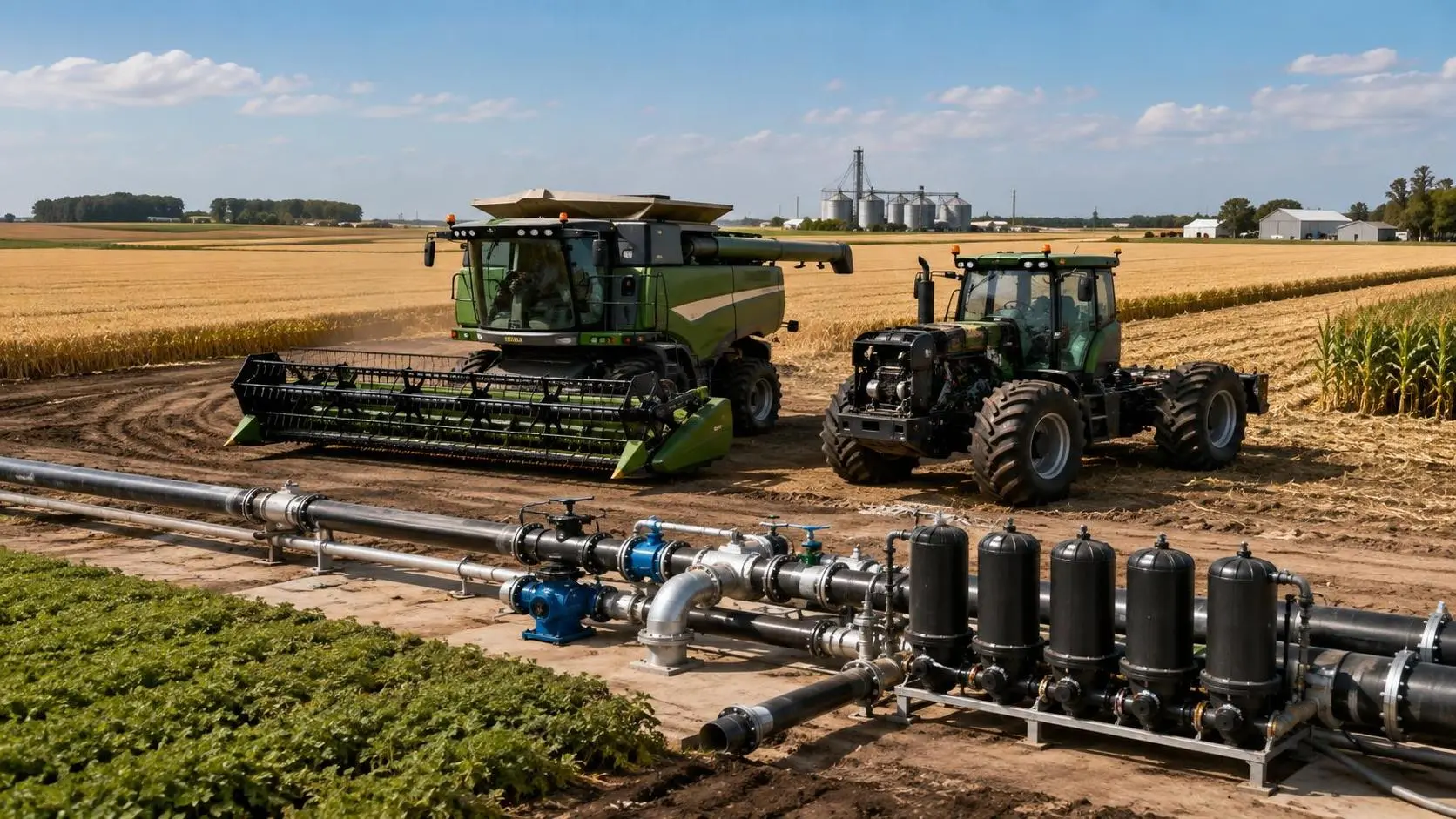
Agricultural Product Information Market Guide: Key Data for Sourcing Decisions
Agricultural product information market guide for smarter sourcing—compare machinery, irrigation, precision tools, lifecycle costs, and supplier risk.
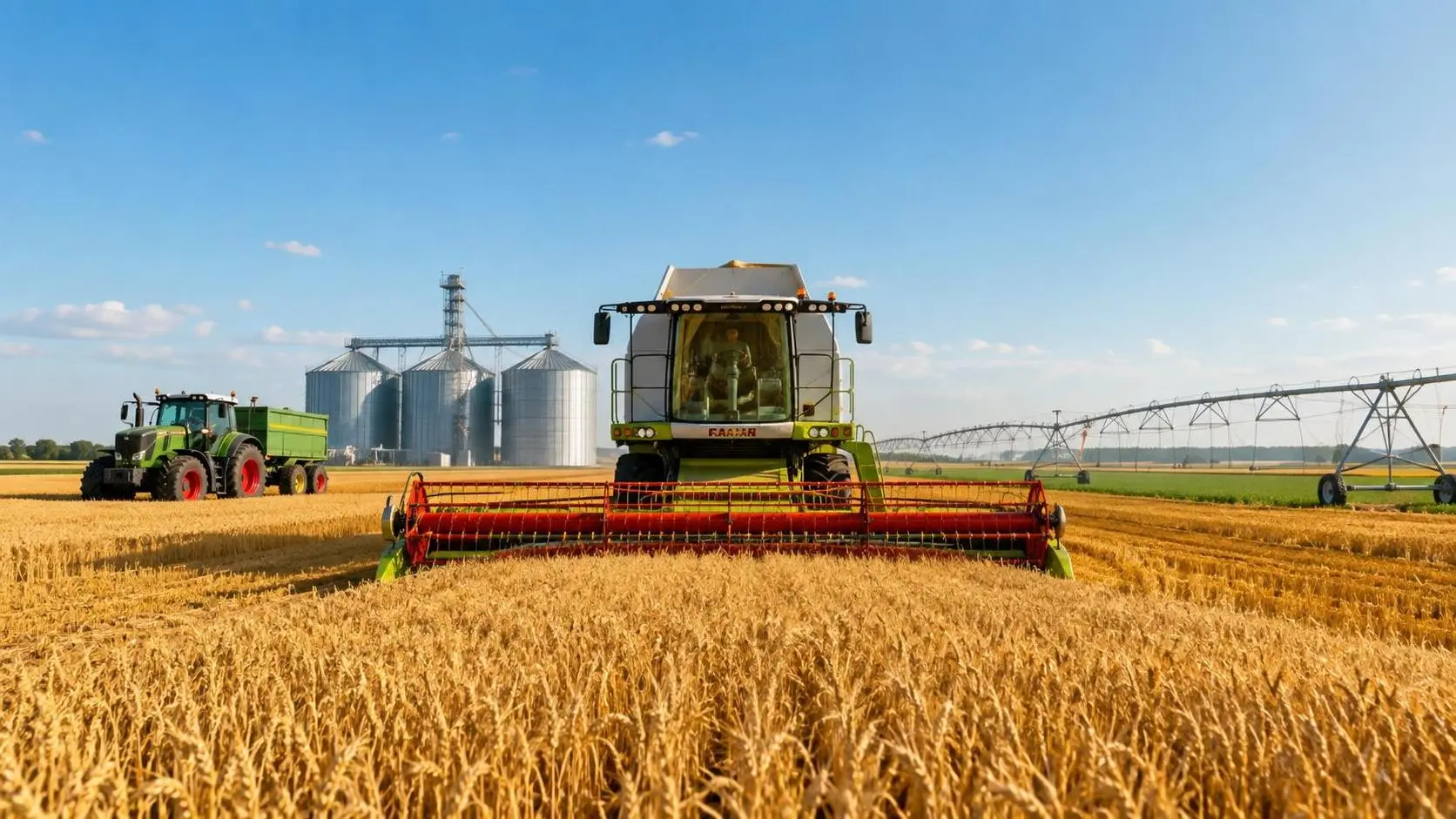
Large-Scale Farm Equipment Cost Comparison: Price, Fuel, and Lifecycle Value
Large-scale farm equipment cost comparison: evaluate price, fuel, maintenance, downtime, and lifecycle value to choose tractors, combines, irrigation, and smart tools with confidence.
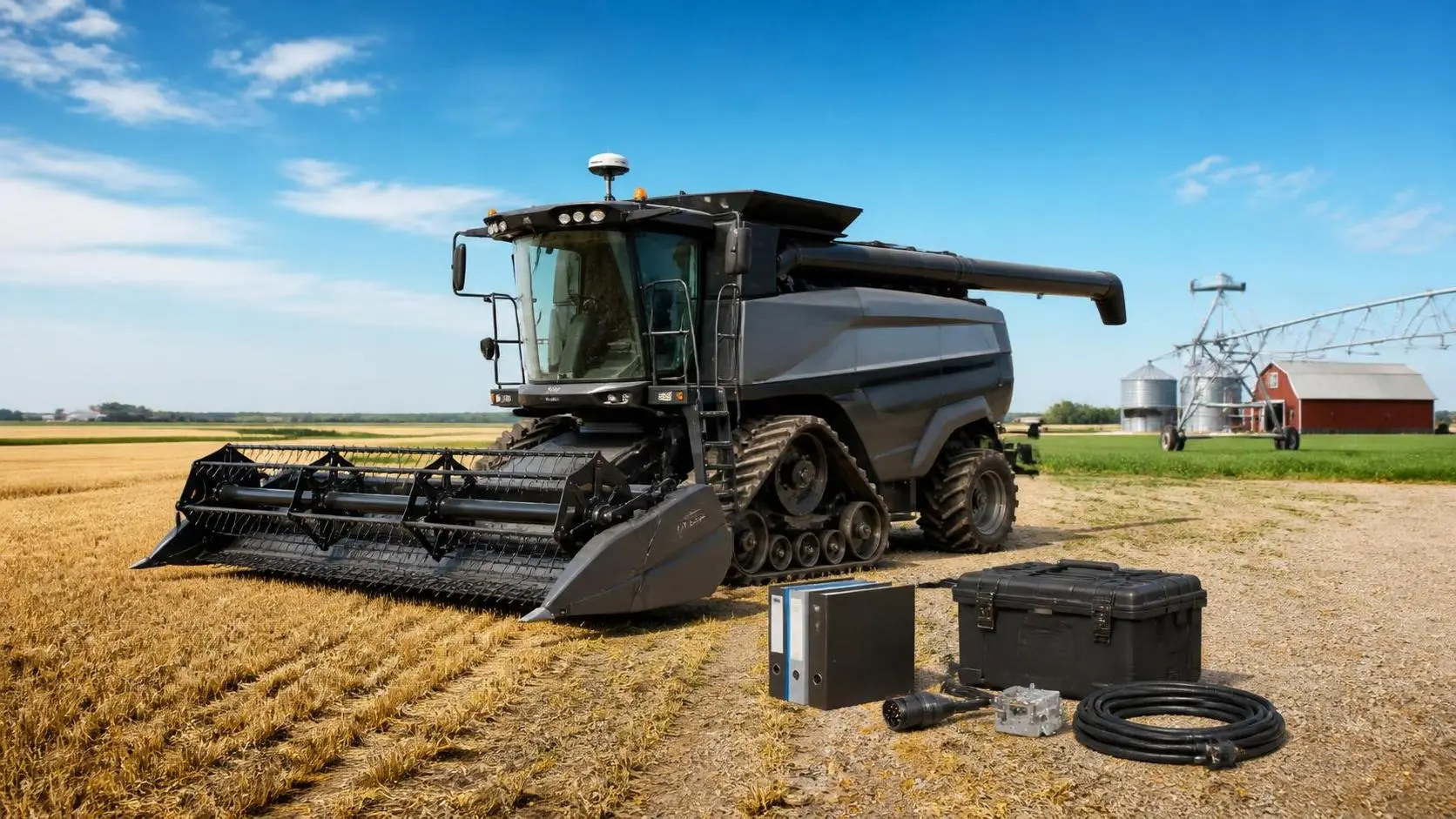
A Procurement Specification Preparation Example for Buying Farm Equipment
Procurement specification preparation example for farm equipment: learn to define requirements, compare suppliers, control lifecycle costs, and buy with confidence.
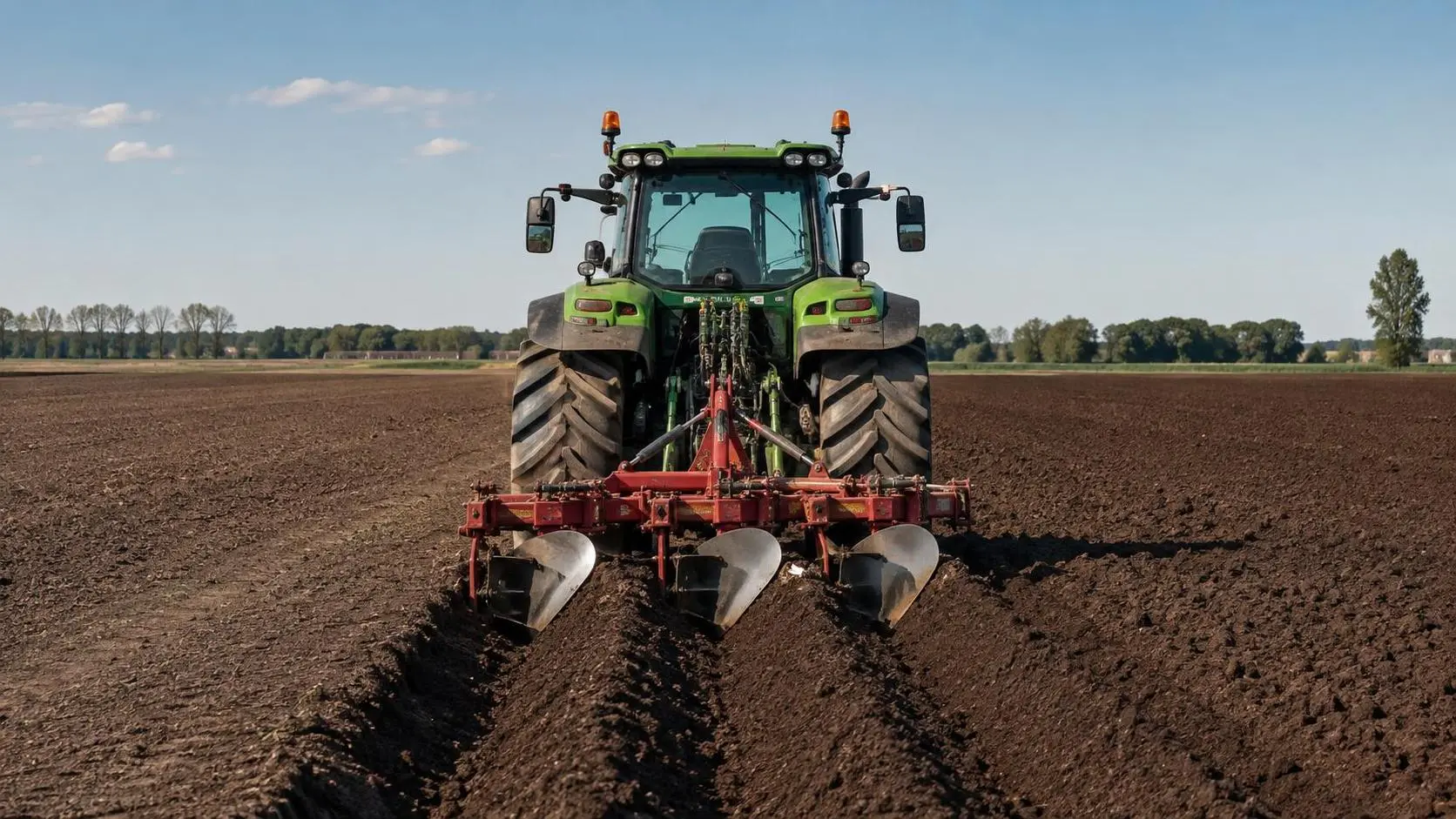
What Tractor Horsepower Is Needed for a Three-Bottom Moldboard Plow?
What tractor horsepower is needed for three-bottom moldboard plow? Compare 60–100 hp needs by soil, depth, traction, and plow width for a confident equipment match.
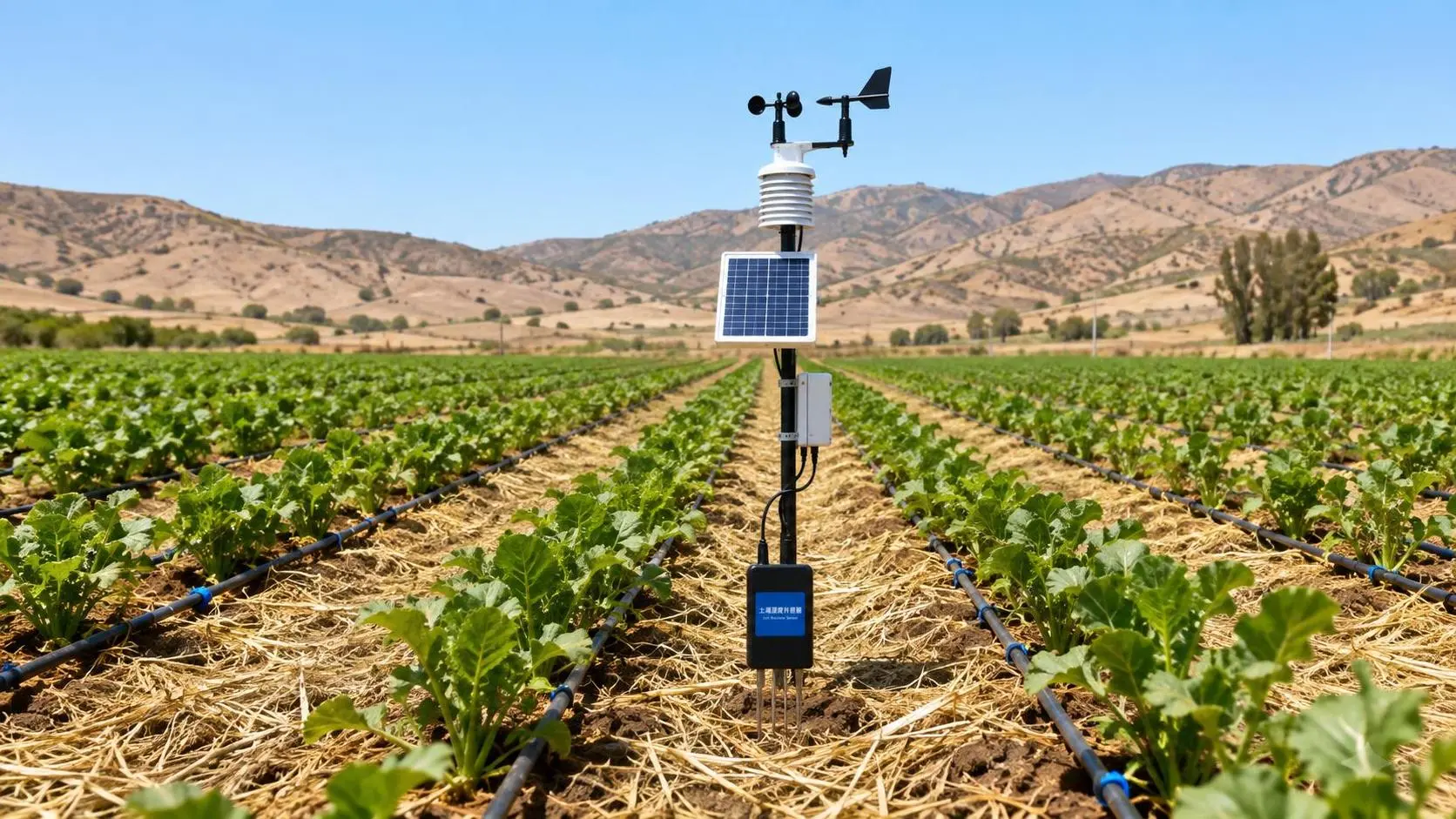
How Does Climate-Smart Farming Reduce Water Use in Semi-Arid Areas?
How does climate-smart farming reduce water use in semi-arid zones? Discover precision irrigation, soil monitoring, and smarter crop planning for resilient yields.
Can Sustainable Farming Be Profitable Without Reducing Yields?
Are sustainable farming practices profitable without yield loss? Discover precision strategies that cut waste, protect yields, and improve farm margins.
Related News
- 00
0000-00
What Tractor Horsepower Is Needed for a Three-Bottom Moldboard Plow? - 00
0000-00
What Is the Difference Between No-Till and Conventional Tillage? - 00
0000-00
Does No-Till Farming Reduce Erosion on Hilly Farmland? - 00
0000-00
India BIS Tightens Soil Tiller Labeling for Imports - 00
0000-00
Vietnam Requires Vietnamese Warning Labels for Imported Soil Tillers
Popular Tags
Agri-Mechanization Fellow
Weekly Insights
Stay ahead with our curated technology reports delivered every Monday.