
Soil preparation techniques for climate-smart farming matter
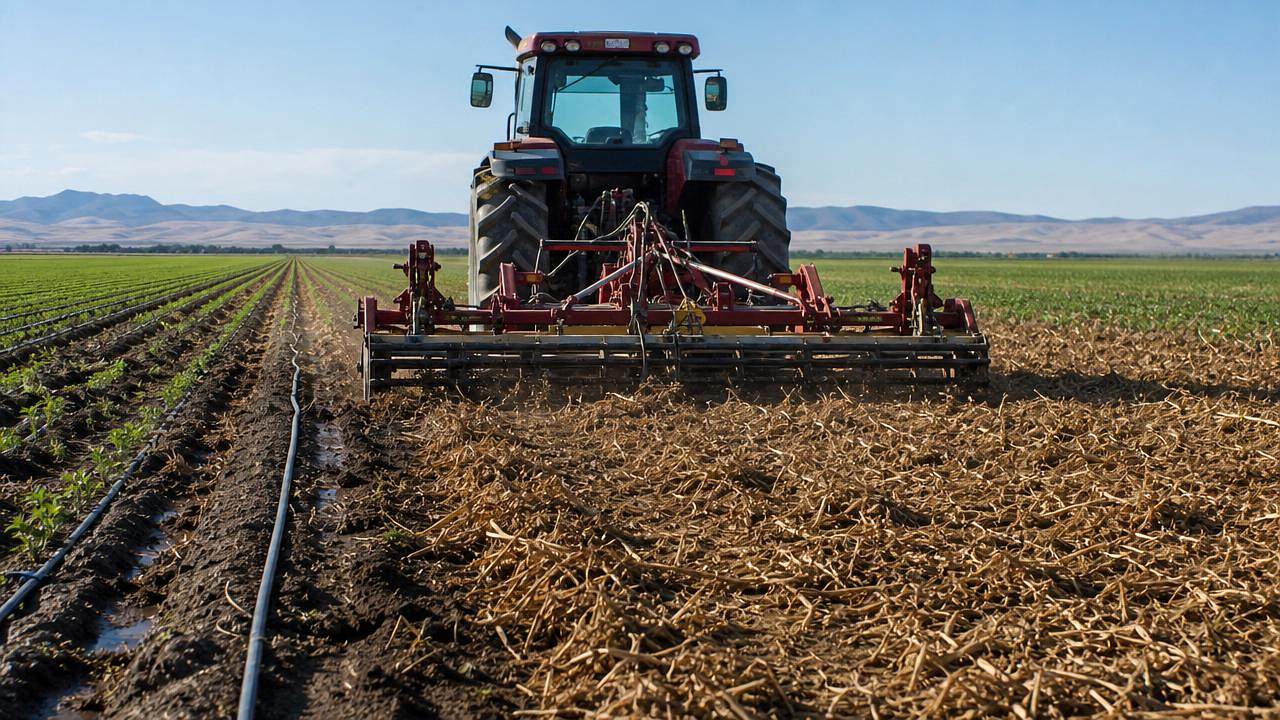




Soil preparation techniques for climate-smart farming are no longer just pre-season routines—they are field-level decisions that shape fuel use, water retention, root development, and long-term yield stability.
For operations using tractors, tillage tools, planters, and irrigation systems, the right approach can reduce compaction, protect soil carbon, and improve crop resilience.
This guide explains practical, equipment-aware methods that help modern farms prepare healthier soil while supporting productivity, sustainability, and adaptive field management.
Why field context decides the right soil preparation techniques for climate-smart farming
No single tillage pattern, residue strategy, or irrigation plan fits every field. Climate-smart preparation begins with scenario judgment.
Soil texture, slope, rainfall timing, residue volume, machinery weight, and crop rotation all change the best preparation choice.
Heavy clay may need controlled traffic and drainage support. Sandy soil may need cover crops, mulching, and reduced disturbance.
The value of soil preparation techniques for climate-smart farming is strongest when decisions link agronomy with machinery capability.
A high-horsepower tractor can finish work fast, but timing and implement depth still decide soil structure outcomes.
Modern field intelligence should connect moisture readings, compaction maps, yield history, and weather forecasts before equipment enters the field.
Scenario 1: rainfed grain fields facing drought and heat stress
Rainfed wheat, corn, soybean, and sorghum systems often need soil preparation techniques for climate-smart farming that conserve every millimeter of water.
The key judgment point is whether tillage improves emergence or simply exposes moist soil to evaporation.
Reduced tillage, residue retention, and shallow seedbed preparation usually protect surface moisture better than full inversion tillage.
Planter settings become critical. Coulter pressure, seed depth, closing wheel force, and residue flow must match field conditions.
Where crusting is likely, light vertical tillage may help. Where erosion risk dominates, no-till or strip-till often performs better.
Soil preparation techniques for climate-smart farming in dryland scenarios should prioritize infiltration, residue armor, and low-pass machinery plans.
Scenario 2: irrigated farms needing efficient water movement
Irrigated fields require a different preparation logic. The goal is not only moisture conservation, but uniform water distribution.
Uneven compaction, poor leveling, and buried hardpans can make drip, sprinkler, or furrow irrigation less efficient.
Soil preparation techniques for climate-smart farming should support infiltration without creating zones of waterlogging or runoff.
Laser leveling, controlled traffic lanes, subsoil correction, and organic amendments can improve the irrigation response.
For drip systems, raised beds and stable soil aggregates help distribute water around roots instead of losing it below the active zone.
Sensor feedback matters here. Moisture probes and evapotranspiration models reveal whether preparation created a useful root-zone reservoir.
Scenario 3: heavy machinery operations with compaction risk
Large tractors, grain carts, harvesters, and slurry equipment can compress soil faster than biological recovery can repair it.
In this scenario, soil preparation techniques for climate-smart farming must control load, timing, tire pressure, and traffic paths.
Compaction is often invisible until roots flatten, water ponds, and yield maps show weak zones.
The first action is diagnosis. Penetrometers, yield maps, drone imagery, and moisture logs can identify the depth and pattern.
Deep ripping only works when the soil is dry enough to fracture. Otherwise, it can smear and worsen structure.
Controlled traffic farming, lower inflation pressure, tracked chassis, and fewer field passes usually deliver longer-lasting benefits.
Scenario 4: high-residue systems after combine harvesting
After high-yield harvesting, residue can protect soil or block planting, depending on distribution and decomposition speed.
Climate-smart preparation begins at the combine. Chopper quality and spread width influence the next crop’s seedbed.
Soil preparation techniques for climate-smart farming should treat residue as a managed asset, not a waste layer.
Uniform residue reduces erosion and moderates soil temperature. Uneven residue creates cold strips, wet zones, and emergence variation.
Strip-till can clear planting bands while leaving inter-row protection. Vertical tillage can size residue without aggressive inversion.
Where pests or diseases survive in residue, rotation design and targeted incorporation may be more effective than blanket tillage.
Scenario 5: sloped land exposed to erosion and runoff
On sloped land, the main threat is not poor seedbed appearance. It is soil leaving the field.
Soil preparation techniques for climate-smart farming should slow water, anchor particles, and maintain surface cover.
Contour farming, cover crops, grassed waterways, terracing, and reduced tillage can work together in these fields.
Tillage direction is a core judgment point. Working up and down slope can accelerate runoff channels.
Planter stability also matters. Uneven downforce on slopes can reduce seed placement accuracy and weaken crop establishment.
Precision guidance helps maintain contour lines, reduce overlap, and improve consistency across irregular terrain.
Key differences between soil preparation scenarios
This comparison shows why soil preparation techniques for climate-smart farming must start with risk ranking, not habit.
Equipment-aware adaptation for practical field decisions
Climate-smart preparation becomes practical when machinery settings support the agronomic target.
Tractor ballast, implement angle, working depth, pass timing, and guidance accuracy can all change soil outcomes.
- Use shallow disturbance when the goal is moisture retention and residue protection.
- Use targeted deep loosening only where compaction maps confirm restrictive layers.
- Match planter downforce to residue load, soil moisture, and seedbed firmness.
- Keep heavy traffic on repeatable lanes to protect biological structure.
- Integrate irrigation scheduling with soil texture and root-zone preparation.
Soil preparation techniques for climate-smart farming should be measured by field response, not by visual neatness alone.
A rougher surface with residue may outperform a clean surface if it stores water and resists erosion.
Common misjudgments that weaken climate-smart soil preparation
One common mistake is tilling too early after rain. Wet soil compacts, smears, and loses pore continuity.
Another mistake is treating deep ripping as a universal repair. Without root growth and traffic control, compaction returns quickly.
Residue removal is also often underestimated. Removing too much residue can raise soil temperature swings and reduce organic carbon inputs.
Some fields receive aggressive preparation because machinery capacity exists, not because the soil requires it.
Soil preparation techniques for climate-smart farming require evidence from field scouting, sensor readings, and seasonal performance data.
Ignoring planter compatibility is another costly gap. Conservation tillage fails when seed placement and closing performance are not adjusted.
A decision path for climate-smart soil preparation
A clear decision path helps convert field complexity into repeatable action.
- Identify the dominant risk: drought, compaction, erosion, waterlogging, or residue interference.
- Check soil moisture before tillage, especially in heavy-textured fields.
- Review yield maps, compaction zones, and drainage patterns from previous seasons.
- Select the lowest-disturbance method that still supports emergence and root development.
- Adjust tractor, tillage implement, planter, and irrigation settings together.
- Measure results through emergence uniformity, infiltration, fuel use, and yield stability.
This approach makes soil preparation techniques for climate-smart farming more transparent and easier to refine each season.
How AP-Strategy supports smarter field preparation choices
The Global Agri-Pulse Hub connects machinery intelligence, precision farming algorithms, and sustainability demands across modern agriculture.
Its focus on large-scale agri-machinery, combine harvesters, tractor chassis, intelligent farm tools, and water-saving irrigation supports practical decision-making.
For soil preparation techniques for climate-smart farming, this integrated view is essential.
Tillage depth, harvester residue handling, chassis traction, sensor guidance, and irrigation design are connected field variables.
Strategic intelligence helps compare equipment trends, autonomous operations, precision fertilization, and water-saving systems in long-cycle agri-trade decisions.
The practical result is better alignment between field needs, machinery investment, and sustainable production targets.
Next steps for applying soil preparation techniques for climate-smart farming
Start with one field, one risk, and one measurable improvement target.
For example, reduce passes in a dryland field, improve residue spread after harvest, or map compaction in heavy traffic zones.
Then connect the target with machinery settings, operator timing, and post-season measurement.
Soil preparation techniques for climate-smart farming work best when they are tested, documented, and adjusted under real field conditions.
Use AP-Strategy’s intelligence perspective to evaluate equipment capability, precision tools, and irrigation choices with a whole-system mindset.
Healthier soil is not created by one operation. It is built through consistent decisions that link cultivation, machinery, water, and climate resilience.
Related News
Choosing a Digital Farming Platform Provider: Compatibility and Data Ownership
Compare digital farming platforms providers on equipment compatibility, data ownership, and export rights. Discover practical checks to avoid lock-in and choose with confidence.
How Large-Scale Farm Telematics Cuts Downtime Across Mixed Fleets
Large-scale farm equipment telematics cuts mixed-fleet downtime with real-time alerts, smarter maintenance, and stronger operational control. Learn how to protect critical farm workflows.
How to Size Low-Pressure Water-Saving Irrigation Systems for Uneven Fields
Low pressure water-saving irrigation systems for uneven fields: learn zoning, pressure mapping, pipe sizing, and pump selection to improve uniformity and reduce water waste.
Farm Machinery Sourcing: How to Vet Suppliers, Specs, and Lifecycle Costs
Farm machinery information for sourcing: learn to vet suppliers, compare specifications, control lifecycle costs, and secure reliable uptime for smarter equipment purchases.
What to compare in integrated seeding combinations for heavy soils
Compare integrated seeding combinations for heavy soils: depth control, residue flow, consolidation, traction, and field capacity for more uniform crop establishment.
When an integrated seeding combination improves field efficiency
Integrated seeding combination improves field efficiency, protects planting windows, and balances speed with seedbed quality, tractor capacity, and reliable establishment.
Which costs matter most when calculating precision agriculture ROI?
Calculating ROI on precision agriculture equipment? Discover the costs that shape returns, from installation and subscriptions to downtime, labor, and data integration.
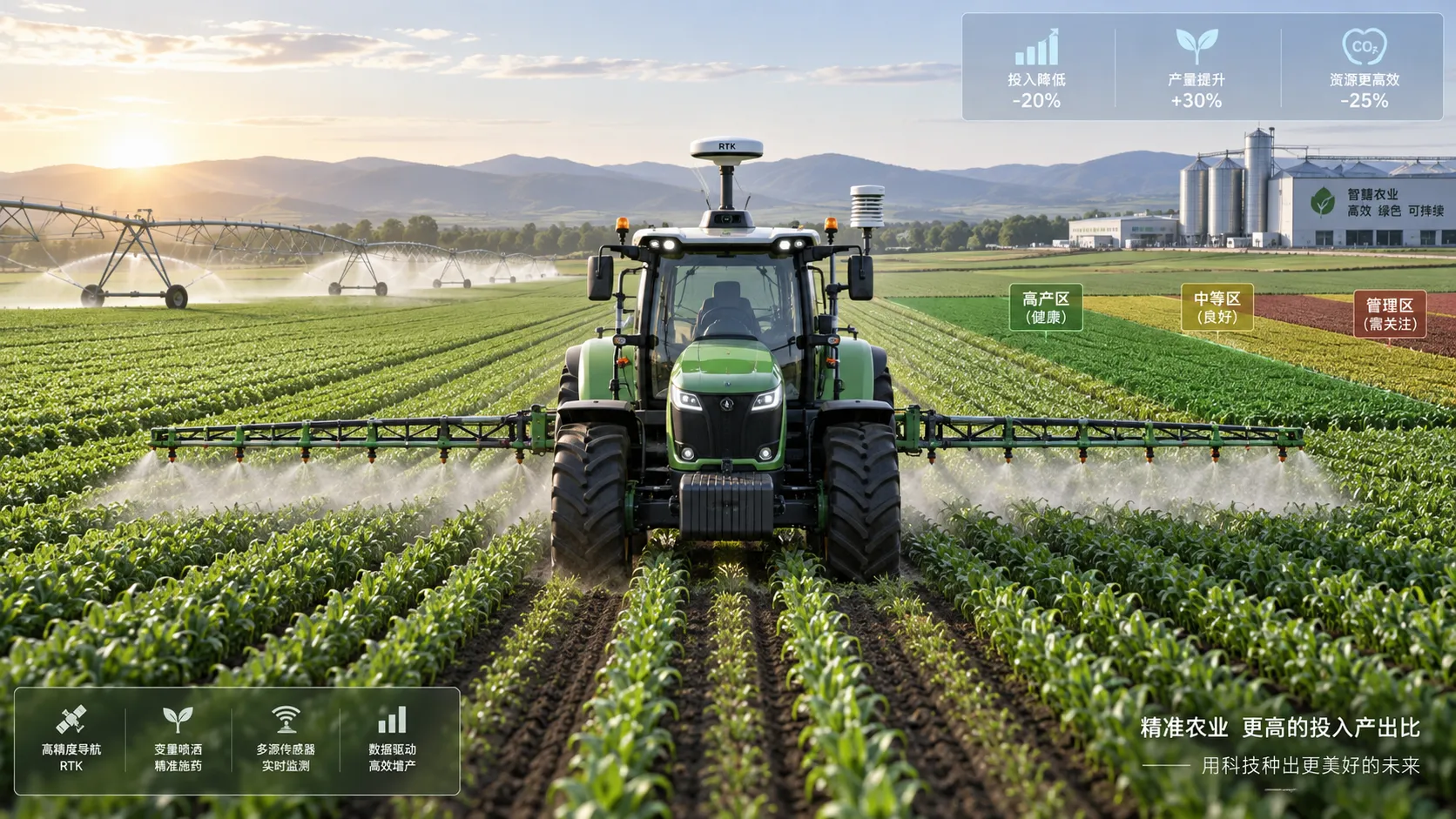
How to calculate ROI on precision agriculture equipment before buying
Calculating ROI on precision agriculture equipment: learn to assess total ownership costs, savings, payback, NPV, risks, and farm-scale value before you buy.
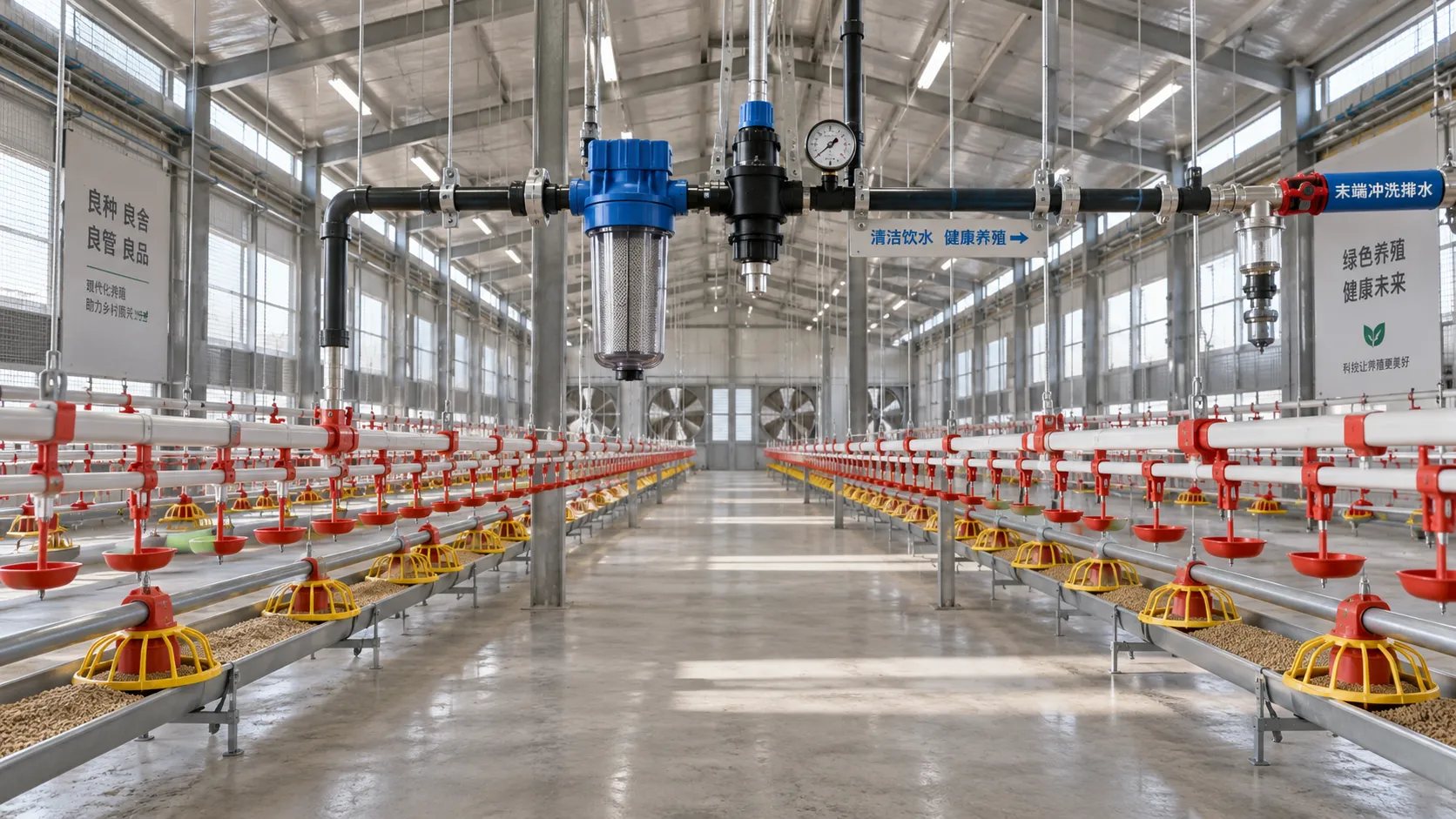
Planning Nipple Drinker Installation for Different Chicken House Layouts
How to install nipple drinker for chicken houses: plan line layouts, pressure control, flushing access, and maintenance for reliable water delivery.
Related News
- 00
0000-00
What Tractor Horsepower Is Needed for a Three-Bottom Moldboard Plow? - 00
0000-00
What Is the Difference Between No-Till and Conventional Tillage? - 00
0000-00
Does No-Till Farming Reduce Erosion on Hilly Farmland? - 00
0000-00
India BIS Tightens Soil Tiller Labeling for Imports - 00
0000-00
Vietnam Requires Vietnamese Warning Labels for Imported Soil Tillers
Popular Tags
Agri-Mechanization Fellow
Weekly Insights
Stay ahead with our curated technology reports delivered every Monday.