
Soil preparation methods that make climate-smart farming work
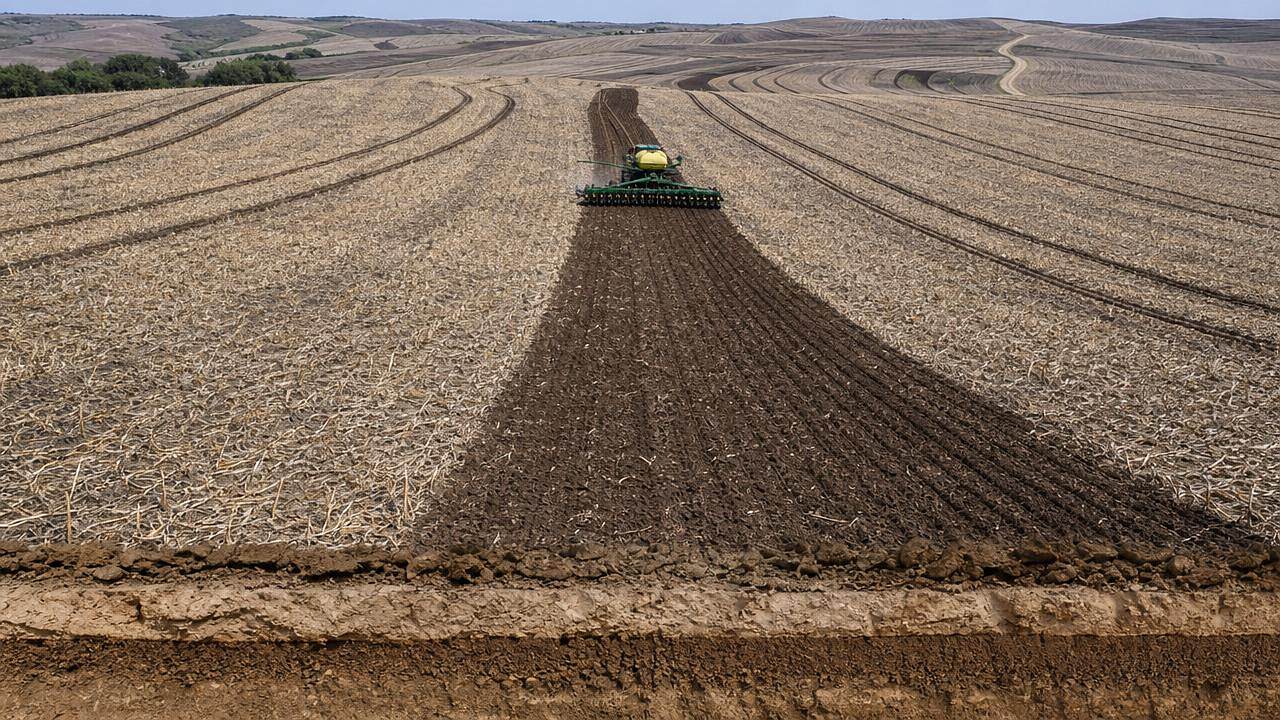




Successful climate-smart farming begins with the soil profile, not the seed bag. Strong soil preparation techniques for climate-smart farming improve infiltration, reduce crusting, protect moisture, and create a stable base for efficient field operations.
For farms facing erratic rainfall, heat stress, and tighter input control, soil preparation techniques for climate-smart farming also shape machinery performance, irrigation response, and harvest consistency. A well-prepared field supports resilience across the entire production cycle.
Why field conditions change the right soil preparation decision
No single soil preparation plan works everywhere. Texture, slope, residue load, machinery capacity, and expected rainfall all influence the best climate-smart option.
In practical terms, sandy fields need moisture protection. Heavy clay needs structure management. Sloping land needs erosion control. High-residue systems need seed placement accuracy.
That is why soil preparation techniques for climate-smart farming should be selected by scenario. The goal is not maximum disturbance. The goal is stable emergence, lower risk, and better resource efficiency.
Scenario 1: Dryland fields where moisture retention decides yield
In dryland farming, every pass matters. Excessive tillage accelerates evaporation, weakens aggregates, and leaves the surface exposed during hot, windy periods.
Here, soil preparation techniques for climate-smart farming should favor low disturbance, residue cover, and shallow seedbed finishing. Surface mulch lowers temperature swings and reduces water loss.
Key judgment points for moisture-limited ground
- Residue cover above the soil surface
- Compaction layers restricting root access
- Risk of wind erosion after tillage
- Seeding depth consistency under reduced tillage
Typical tools include vertical tillage, strip tillage, or direct drilling with minimal soil inversion. These options preserve moisture while still preparing a functional root zone.
Scenario 2: Heavy soils where compaction and drainage slow crop establishment
Heavy clay and poorly drained ground create a different challenge. Surface sealing, wheel-track smearing, and dense layers can block early rooting and delay planting windows.
In this case, soil preparation techniques for climate-smart farming should focus on timed loosening, controlled traffic, and avoiding operations when the soil is too wet.
Core decisions on dense or wet fields
- Check for subsurface pans before deep tillage
- Use targeted subsoiling rather than whole-field disturbance
- Match tire pressure and axle load to field conditions
- Create drainage-friendly surface structure, not powdery soil
A climate-smart approach on heavy soils avoids repeated aggressive passes. Too much refinement often leads to crusting after rain and poor oxygen movement around roots.
Scenario 3: Sloping land where erosion control is the top priority
On sloping fields, runoff can remove fine particles, nutrients, and organic matter in a single storm. Soil preparation techniques for climate-smart farming must reduce exposed ground and slow water movement.
Contour tillage, strip tillage, residue retention, and cover crop integration are often more effective than full-width inversion. These methods protect the surface while maintaining workable planting conditions.
Signals that erosion-focused preparation is needed
- Visible rills after moderate rainfall
- Low residue after harvest or grazing
- Fine-textured topsoil on exposed slopes
- Poor infiltration and fast runoff concentration
The best climate-smart result comes from combining topographic awareness with machinery discipline. Guidance systems and controlled passes can prevent repeated disturbance on vulnerable lines.
Scenario 4: High-residue systems that need precision-ready seedbeds
Large-scale cereal, corn, and oilseed systems often leave substantial residue. That residue is valuable for conservation, but poor distribution can disrupt opener performance and seed-soil contact.
Soil preparation techniques for climate-smart farming in residue-heavy fields should begin at harvest. Even spreading behind the combine is just as important as any later tillage pass.
Residue-management judgments that affect planting
- Uniform chaff and straw spread width
- Hair-pinning risk in damp residue
- Need for row cleaners or strip preparation
- Compatibility with precision depth control
This is where large-scale agri-machinery and intelligent farm tools become critical. Accurate guidance, stable downforce, and residue-aware setup improve seedbed consistency without unnecessary soil loss.
How scenario needs differ across field conditions
Practical recommendations for matching methods to climate-smart goals
Choosing soil preparation techniques for climate-smart farming becomes easier when decisions follow measurable field signals instead of habit.
- Assess soil moisture before every major pass.
- Dig for compaction instead of assuming it exists.
- Preserve residue wherever erosion or evaporation risk is high.
- Use controlled traffic to protect structure season after season.
- Align tillage intensity with planter or drill capability.
- Integrate irrigation planning where infiltration is uneven.
AP-Strategy closely tracks how tractor chassis design, combine residue systems, and intelligent farm tools affect these decisions. Climate-smart farming works best when agronomy and machinery settings are planned together.
Common misjudgments that weaken climate-smart soil preparation
One common error is chasing a visually fine seedbed. Fields can look clean while suffering from sealing, moisture loss, and reduced biological activity.
Another mistake is deep tillage without diagnosis. If compaction is shallow, localized, or moisture-driven, aggressive loosening may waste fuel and rebuild the problem quickly.
Residue is also often treated as an obstacle instead of a climate asset. In many systems, residue is essential for cooler soil surfaces, lower erosion, and improved water capture.
Finally, operators sometimes separate soil preparation from irrigation and harvesting strategy. Yet infiltration, residue distribution, and wheel traffic are interconnected decisions across the whole season.
Next steps for building a resilient field preparation plan
Start with a field-by-field review of moisture behavior, slope, residue load, and traffic history. Then match those observations to soil preparation techniques for climate-smart farming that protect structure and improve operational efficiency.
Where conditions vary inside the same farm, use precision mapping, controlled traffic planning, and equipment setup checks to avoid one-method-fits-all preparation. Stronger results come from scenario-based decisions.
For teams following agricultural mechanization trends, AP-Strategy offers insight into the equipment, harvesting systems, and intelligent irrigation links that make climate-smart soil management more practical and more profitable.
Related News
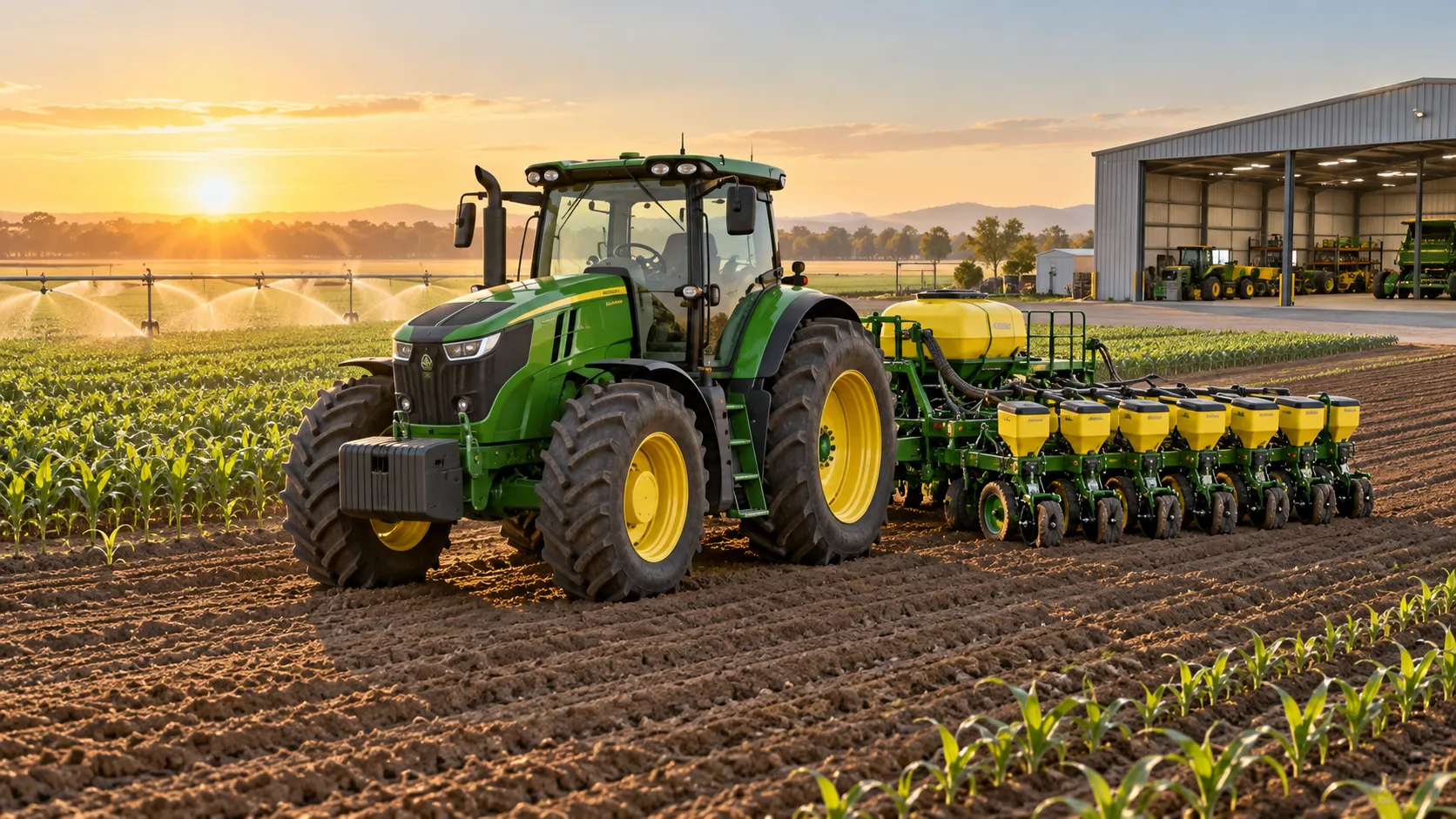
Farm Machinery Sourcing: How to Vet Suppliers, Specs, and Lifecycle Costs
Farm machinery information for sourcing: learn to vet suppliers, compare specifications, control lifecycle costs, and secure reliable uptime for smarter equipment purchases.
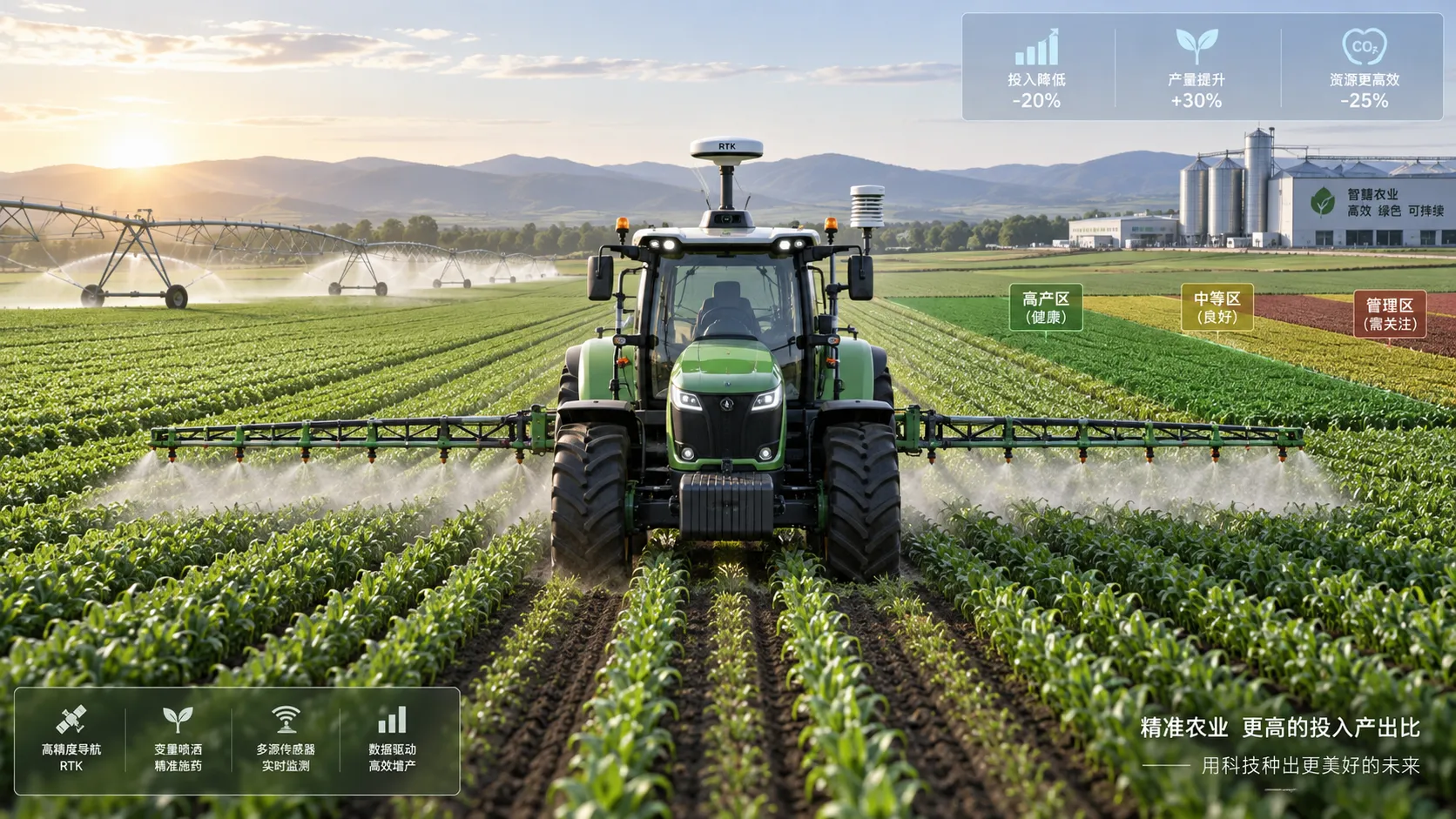
How to calculate ROI on precision agriculture equipment before buying
Calculating ROI on precision agriculture equipment: learn to assess total ownership costs, savings, payback, NPV, risks, and farm-scale value before you buy.
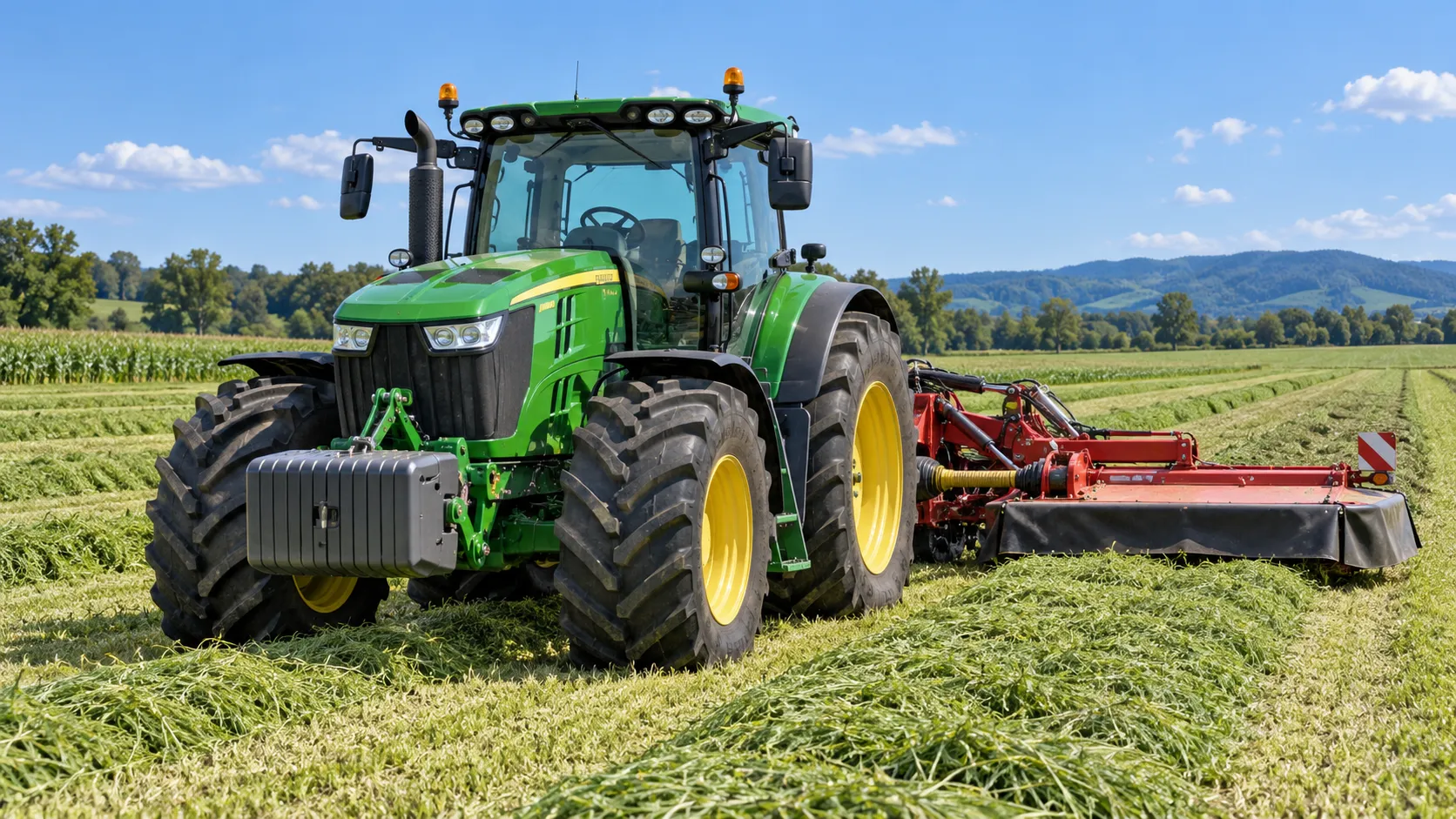
Tractor Specification Sheets: Matching PTO, Hydraulics, and Weight to Farm Tasks
Specification-oriented articles for tractors: match PTO, hydraulics, lift capacity, ballast, and weight to real farm tasks for safer, more efficient equipment choices.
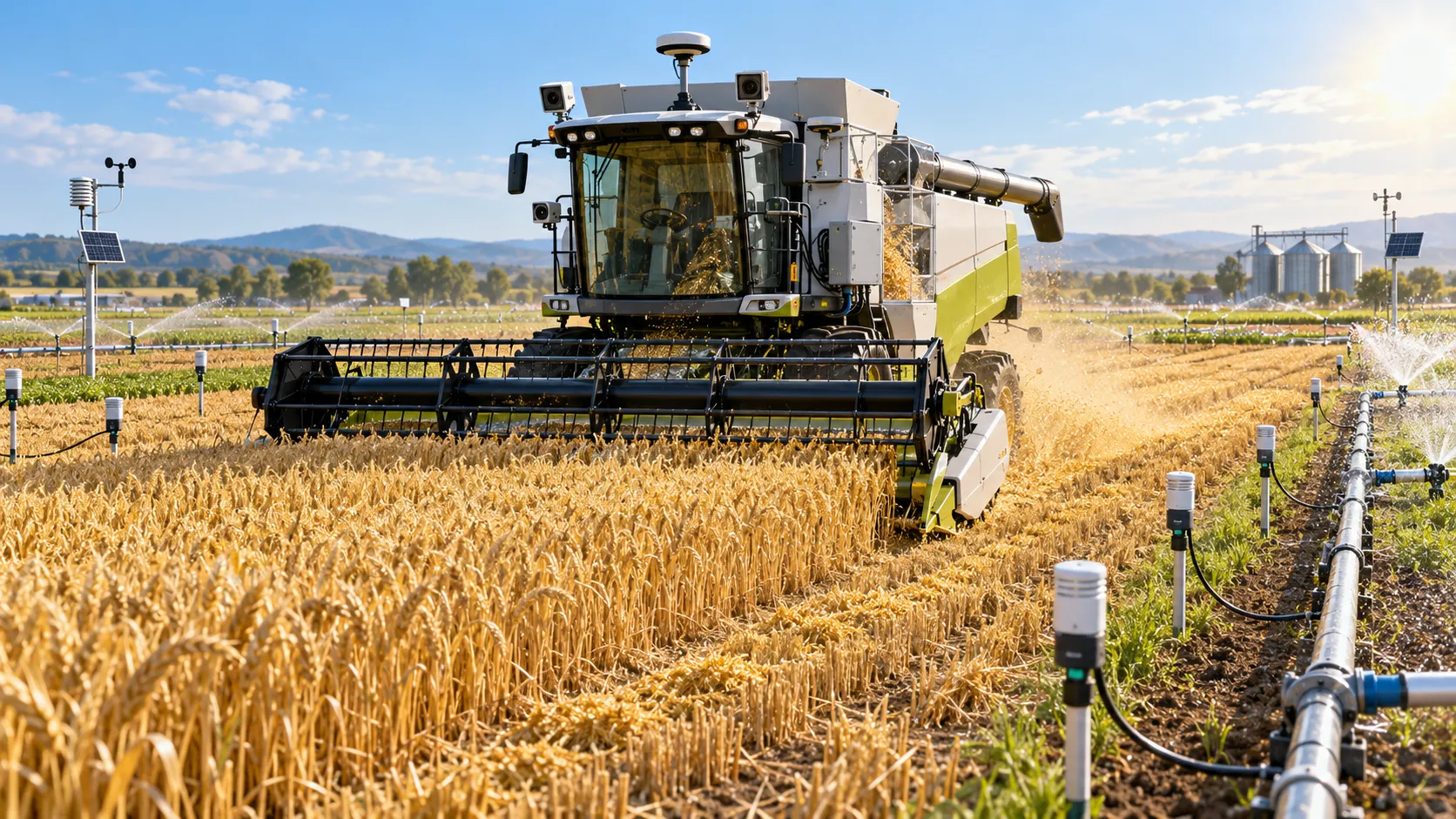
How to Evaluate Dynamic Feedback Algorithm Suppliers for Precision Farming Systems
Dynamic feedback algorithms supplier evaluation guide for precision farming—compare validation, integration, safety, and pilots to choose with confidence.
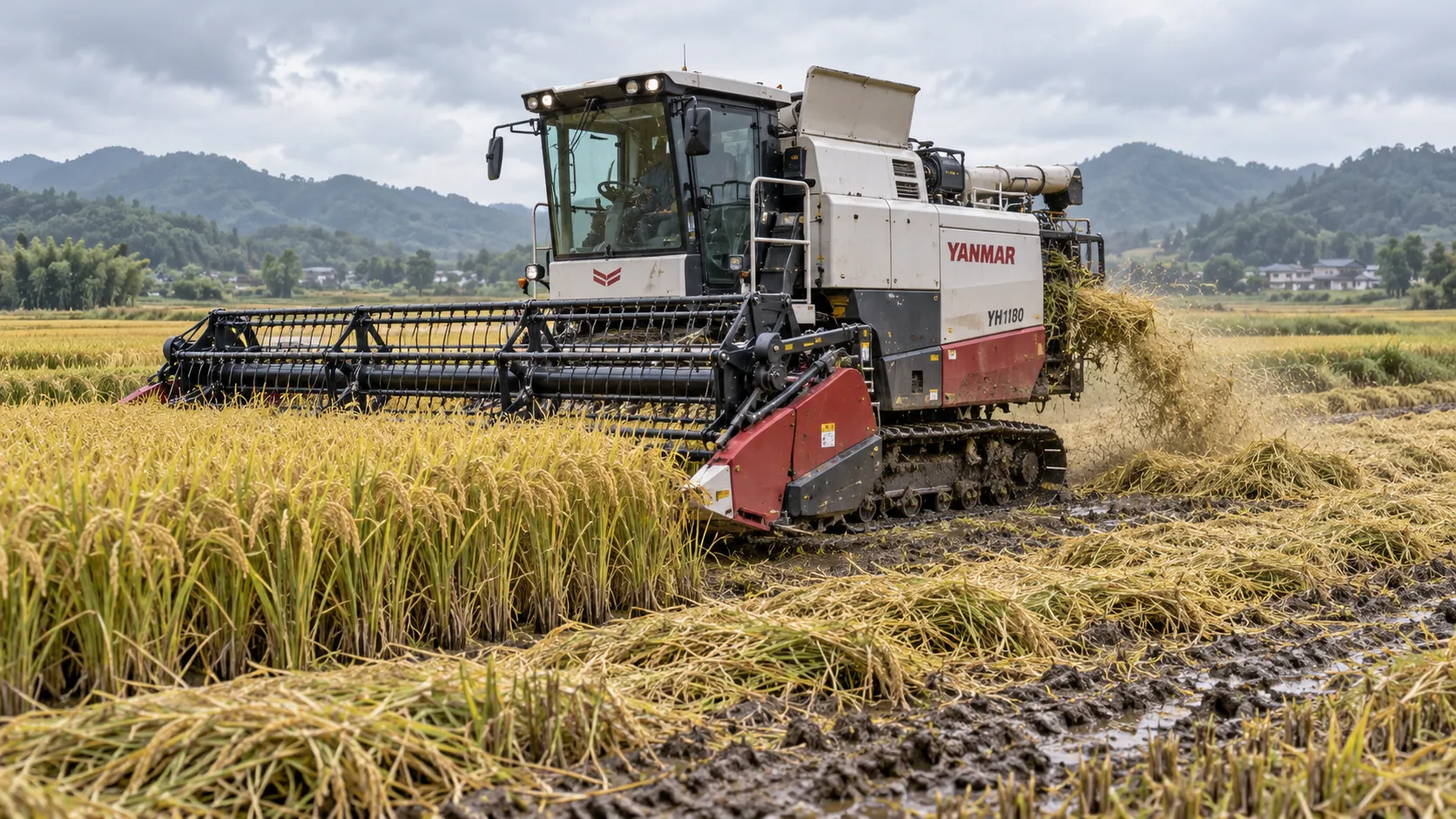
How to Specify Combine Harvester Systems for High-Moisture Grain and Variable Field Conditions
Combine harvester systems for high-moisture grain: learn how to specify threshing, cleaning, headers, traction, and automation for reliable harvests in variable fields.
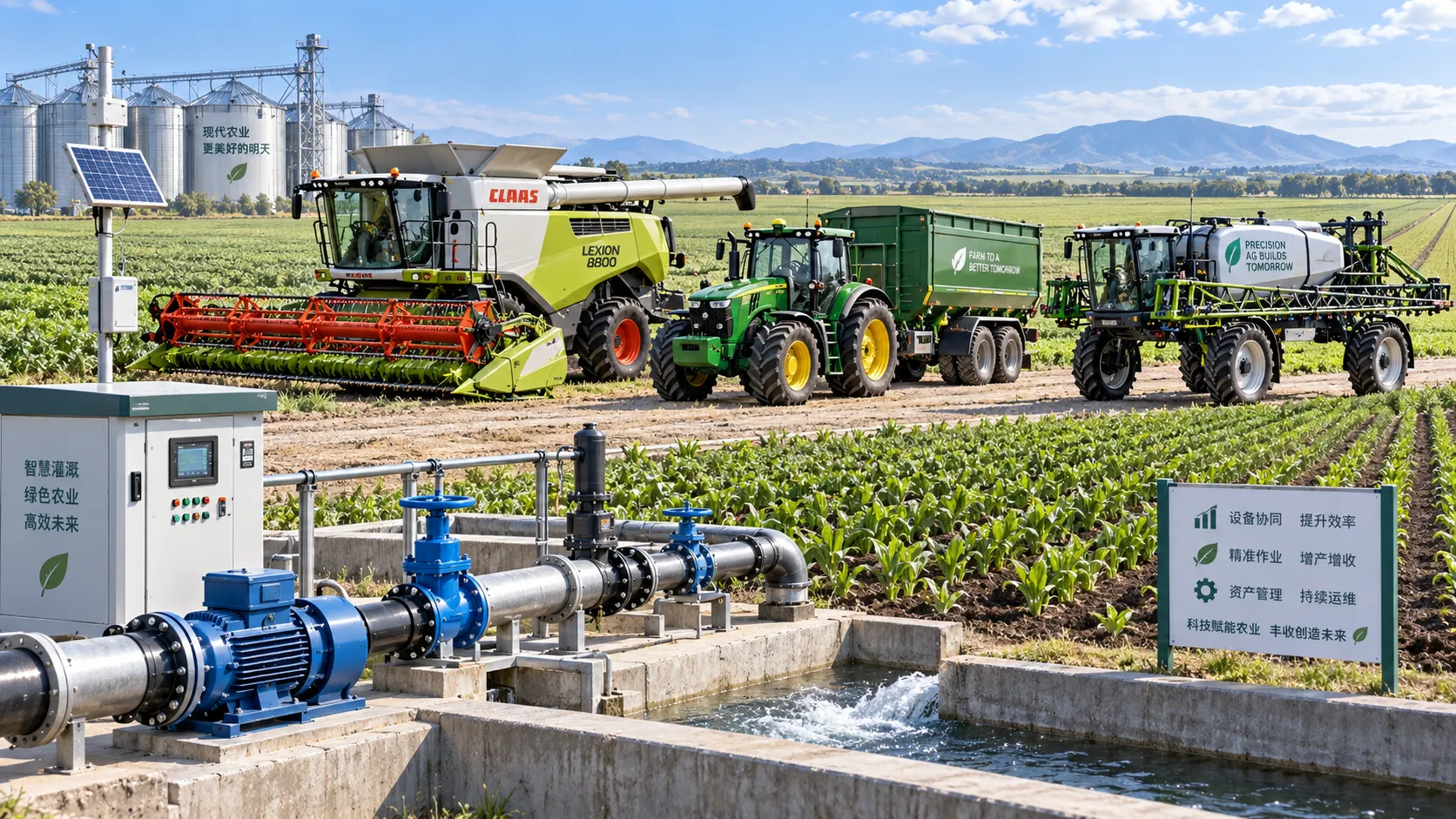
How to Compare Agricultural Equipment Platforms for Fleet Management and ROI
Agricultural equipment platform comparison: evaluate fleet data, maintenance, precision workflows, and ROI to choose a system that delivers measurable results.
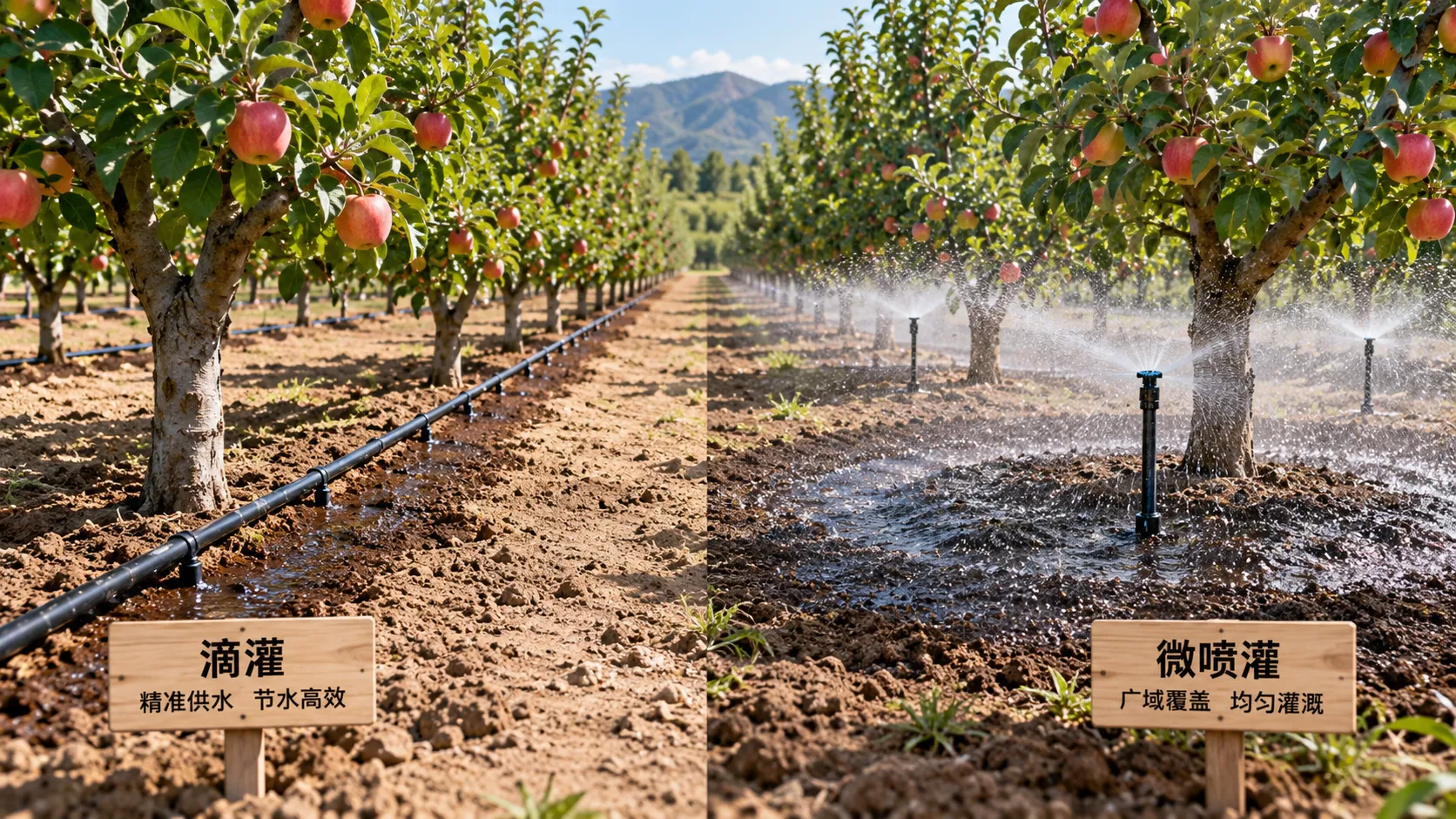
Drip vs. Micro-Sprinkler Irrigation: Which System Fits Your Orchard?
Irrigation solution comparison for orchards: discover whether drip or micro-sprinklers best match your water, soil, roots, fertigation, and frost needs.
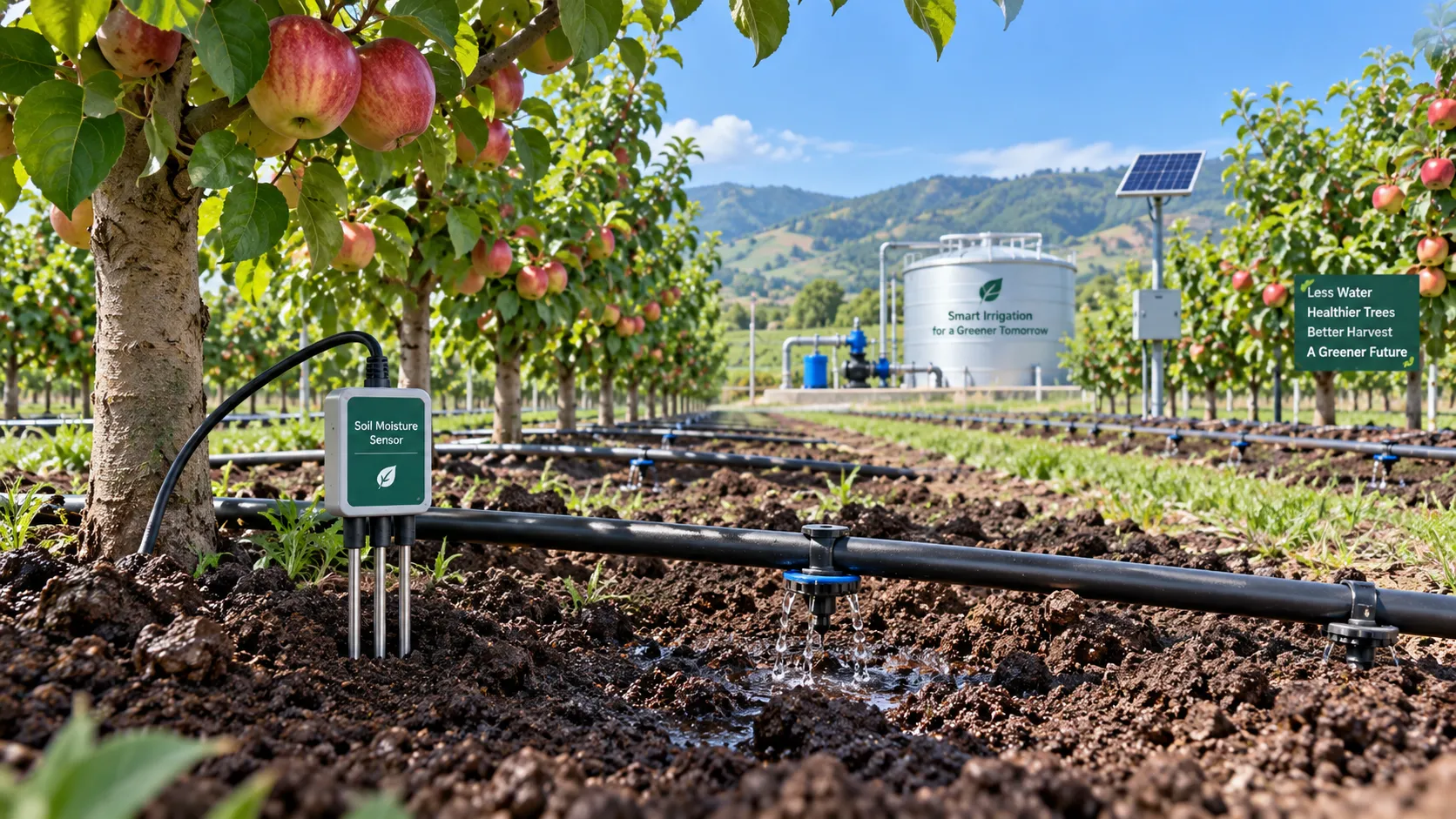
Orchard Water Management: Using Soil Moisture Data to Schedule Irrigation
Agricultural water management for orchards made practical: use soil moisture data to optimize irrigation timing, protect yield, reduce costs, and improve resilience.
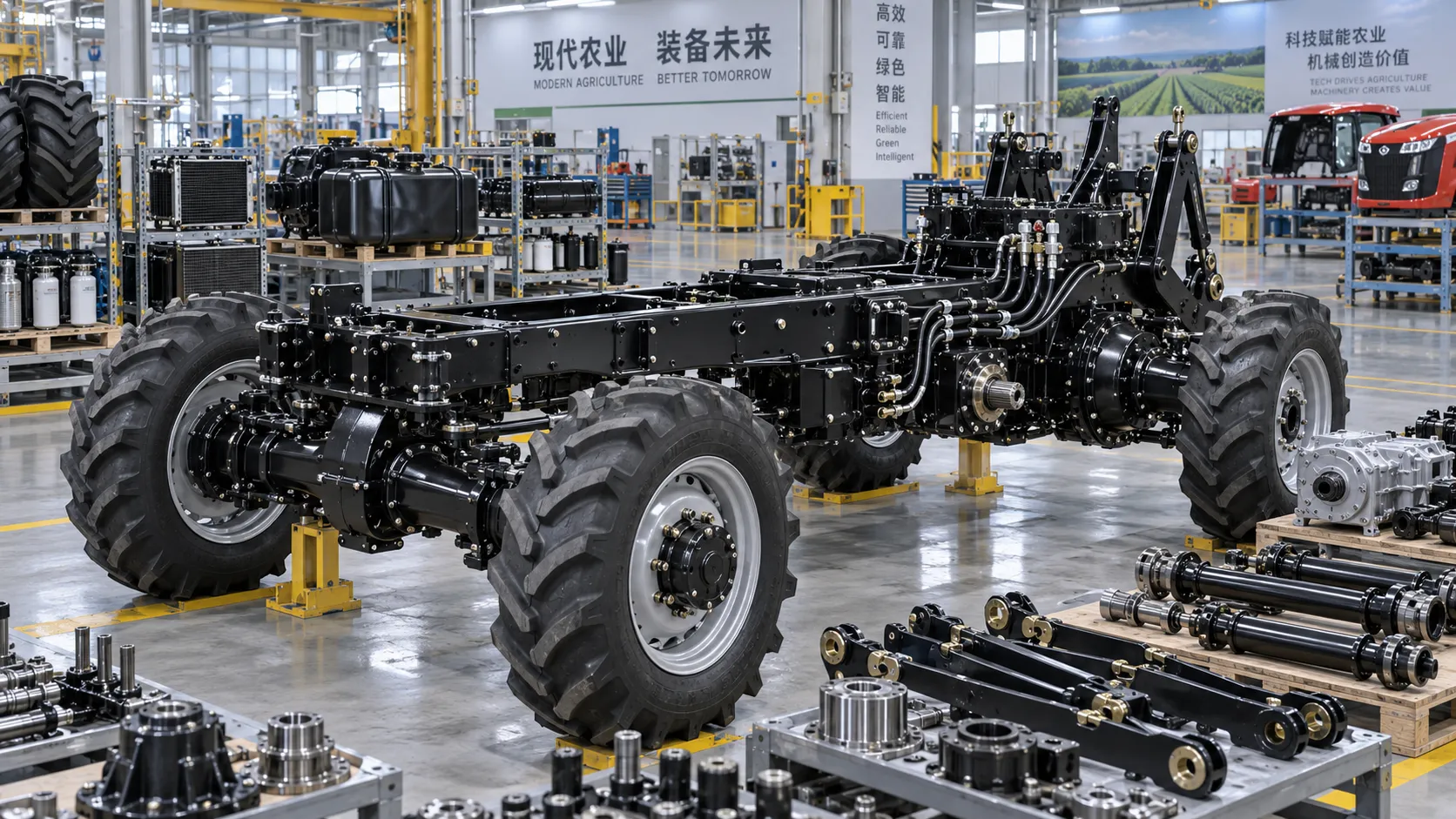
Tractor Chassis Price: What Buyers Should Compare Beyond the Initial Quote
Tractor chassis price is only the start. Compare load capacity, compatibility, durability, and lifecycle costs to choose a reliable, high-value chassis.
Related News
- 00
0000-00
What Tractor Horsepower Is Needed for a Three-Bottom Moldboard Plow? - 00
0000-00
What Is the Difference Between No-Till and Conventional Tillage? - 00
0000-00
Does No-Till Farming Reduce Erosion on Hilly Farmland? - 00
0000-00
India BIS Tightens Soil Tiller Labeling for Imports - 00
0000-00
Vietnam Requires Vietnamese Warning Labels for Imported Soil Tillers
Popular Tags
Agri-Mechanization Fellow
Weekly Insights
Stay ahead with our curated technology reports delivered every Monday.