
Why soil prep equipment matters in precision agriculture
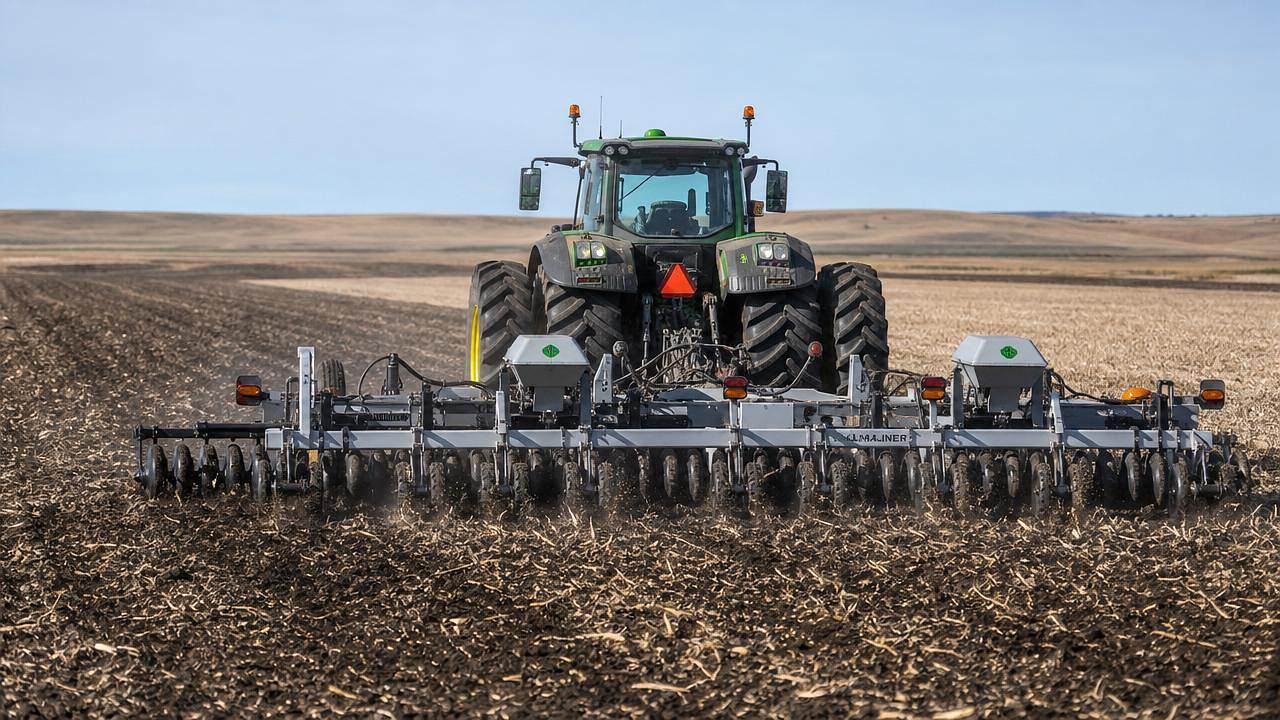




In precision farming, field performance starts below the surface. Soil preparation equipment for precision agriculture directly affects seedbed uniformity, input efficiency, root development, and machine pass consistency. For technical evaluation, the real issue is not whether a tool tills aggressively. It is whether the machine creates repeatable soil conditions across variable ground, residue loads, and moisture windows. That is why soil preparation equipment for precision agriculture matters far beyond the first pass.
Why a checklist approach improves equipment decisions
Soil response changes by texture, compaction, residue cover, slope, and timing. A machine that performs well in one field can lose accuracy in another. Checklist-based review reduces bias and keeps comparisons tied to measurable outcomes.
For an intelligence-driven platform such as AP-Strategy, this matters because machinery value comes from system fit. Soil preparation equipment for precision agriculture must align with tractors, guidance systems, seeding plans, irrigation efficiency, and sustainability targets.
Core checklist for evaluating soil preparation equipment for precision agriculture
- Check depth control stability across speed changes, wheel slip, and uneven terrain, because inconsistent tillage depth creates variable root zones and reduces the value of precise seeding maps.
- Measure residue cutting, flow, and incorporation under real crop loads, since poor residue handling causes row-unit interference, uneven emergence, and extra fuel-consuming correction passes.
- Verify soil-condition responsiveness in wet, dry, and mixed zones, ensuring the implement maintains structure without smearing, clodding, or over-fracturing the seedbed.
- Review frame stability and section leveling, especially on wide working widths, because pitch and bounce variation translate into inconsistent surface finish and seed placement quality.
- Assess compatibility with GNSS guidance, section control, and field data logging, so each pass supports repeatability, traceability, and later agronomic analysis.
- Compare draft demand against tractor chassis capacity and hydraulic performance, since underpowered combinations reduce operating consistency and increase compaction through repeated traffic.
- Inspect adjustment speed for gangs, shanks, rollers, and downforce settings, because precision systems only work when operators can react quickly to changing field conditions.
- Evaluate wear-part life on points, discs, bearings, and scrapers, as worn components silently change working geometry and weaken the accuracy of soil preparation equipment for precision agriculture.
- Test surface leveling quality after primary and secondary passes, since poor leveling affects planter ride, irrigation distribution, and harvest traffic later in the season.
- Confirm transport efficiency and field-entry readiness, because narrow weather windows reward equipment that moves quickly and returns to calibrated work without setup delays.
What each checklist item means in field performance
Depth consistency is the first precision filter
Uniform tillage depth supports even moisture access and root penetration. If depth varies, seed placement may stay precise on paper while root-zone conditions remain uneven in practice.
This is especially important where prescription seeding or variable-rate fertility is used. Uneven soil loosening can distort the response expected from agronomic algorithms.
Residue management affects every downstream pass
Modern high-yield systems leave heavy residue. Soil preparation equipment for precision agriculture must clear, size, or incorporate material without plugging or creating hair-pinning risk for the planter.
Residue also influences soil temperature, evaporation, and disease pressure. The target is not maximum burial. The target is controlled residue placement that matches the cropping system.
Machine integration determines true system value
An implement may look effective mechanically yet still perform poorly in a connected farm workflow. Data capture, implement guidance, and hydraulic response shape repeatability from tillage to harvest.
AP-Strategy often frames this as machinery stitching: mechanical output must align with digital control and sustainability goals. That applies directly to soil preparation equipment for precision agriculture.
Application notes by field scenario
High-residue grain systems
In corn, wheat, and other residue-heavy rotations, equipment should prioritize flow capacity, disc sharpness, and anti-plugging geometry. Frame clearance becomes a productivity factor, not just a specification line.
Surface finish should remain level enough for accurate planter row control. Excess ridge formation increases row-unit vibration and can weaken stand establishment.
Compaction-prone soils
Fields with traffic pans or dense sublayers need targeted fracture rather than full-profile disturbance. Deep shank tools may help, but only if moisture conditions allow lifting instead of smearing.
In these settings, the best soil preparation equipment for precision agriculture often combines controlled depth, low traffic repetition, and accurate pass planning.
Water-sensitive or irrigated ground
Where irrigation uniformity matters, roughness and clod size can affect infiltration and water distribution. Overworked soil may crust, while under-finished ground may channel water unevenly.
This connects tillage directly with intelligent irrigation performance. A stable surface profile improves how later water-saving systems deliver measurable value.
Large-scale multi-field operations
When fleets move across many fields, transport width, setup repeatability, and wear-part service intervals become strategic. Small inefficiencies compound quickly across hundreds or thousands of hectares.
In this scenario, soil preparation equipment for precision agriculture should be judged by output stability per day, not only by peak performance in ideal conditions.
Commonly overlooked risks
Ignoring operating speed effects is a frequent mistake. Some tools maintain depth at one speed but lose finish quality or residue control when field pace increases.
Overlooking wear geometry creates hidden variability. A disc or point does not need to fail completely to change tillage behavior. Minor wear can still shift agronomic outcomes.
Assuming one-pass intensity solves all problems also creates risk. Excessive disturbance can dry the seed zone, increase erosion exposure, and reduce the long-term benefits of residue retention.
Separating tillage from the rest of the machinery chain is another weak practice. Tractor chassis stability, planter tolerance, and irrigation strategy all affect the final result.
Practical execution steps
- Run side-by-side field strips in at least two soil conditions, then compare depth uniformity, residue cover, surface leveling, and fuel use per hectare.
- Record implement settings, speed, moisture status, and tractor slip data, so observed performance differences can be traced to controllable factors.
- Inspect wear parts before and after testing, because geometry changes during short trials may explain inconsistent results between passes.
- Link evaluation results with planter emergence data or irrigation response, turning tillage review into a full-system performance assessment.
Conclusion and next action
Why does soil prep equipment matter in precision agriculture? Because the first soil pass sets the physical platform for every later decision, from seeding accuracy to water efficiency and harvest consistency.
The strongest evaluations focus on repeatability, responsiveness, and system fit. Soil preparation equipment for precision agriculture should not be selected by aggression alone. It should be selected by how reliably it creates the right conditions, in the right zone, with the fewest corrective passes.
Use the checklist above during field review, document measurable outcomes, and compare equipment as part of a connected Agriculture 4.0 workflow. That approach turns soil preparation from a routine operation into a strategic performance lever.
Related News
How to Evaluate Dynamic Feedback Algorithm Suppliers for Precision Farming Systems
Dynamic feedback algorithms supplier evaluation guide for precision farming—compare validation, integration, safety, and pilots to choose with confidence.
How to Specify Combine Harvester Systems for High-Moisture Grain and Variable Field Conditions
Combine harvester systems for high-moisture grain: learn how to specify threshing, cleaning, headers, traction, and automation for reliable harvests in variable fields.
How to Compare Agricultural Equipment Platforms for Fleet Management and ROI
Agricultural equipment platform comparison: evaluate fleet data, maintenance, precision workflows, and ROI to choose a system that delivers measurable results.
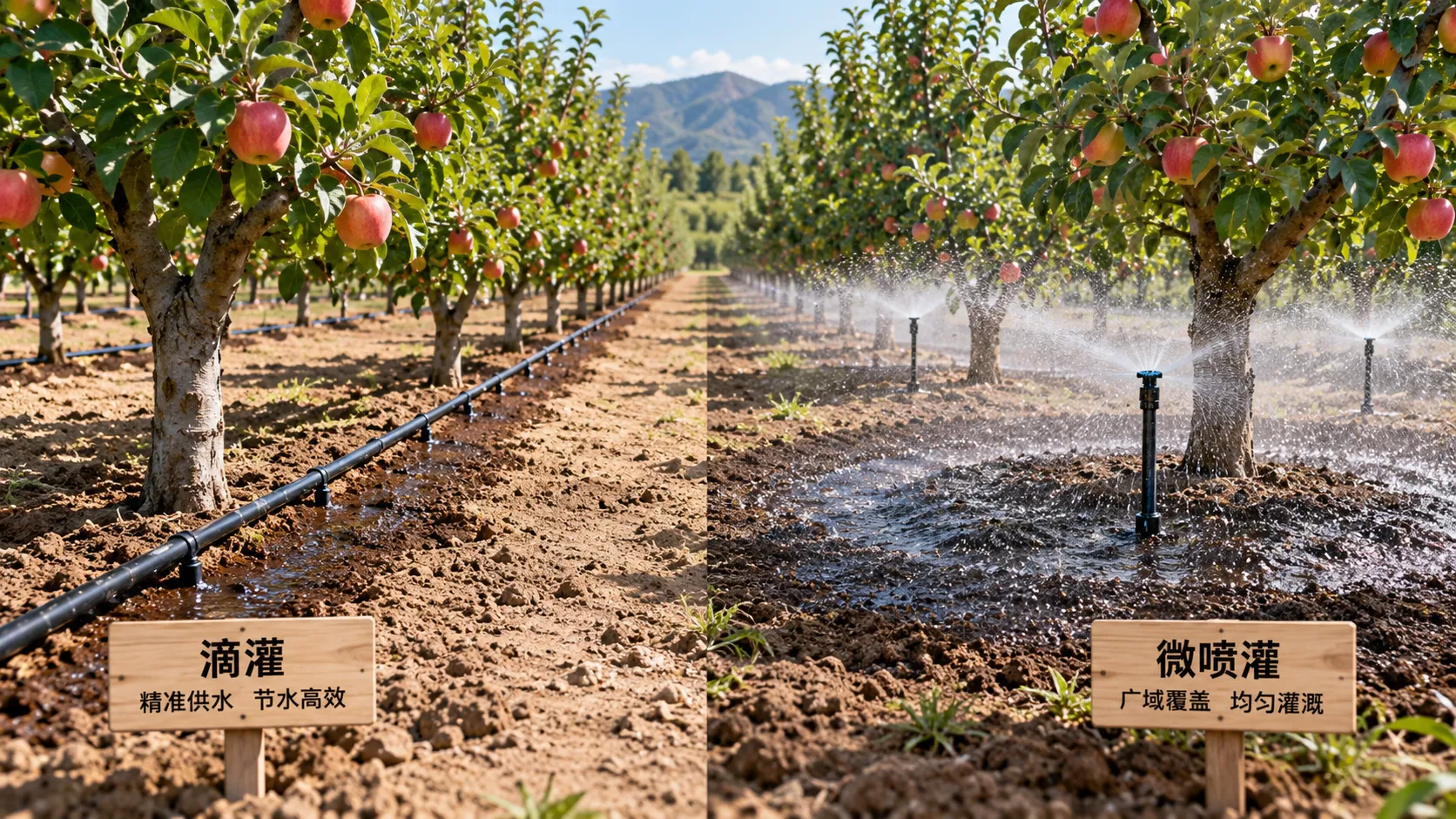
Drip vs. Micro-Sprinkler Irrigation: Which System Fits Your Orchard?
Irrigation solution comparison for orchards: discover whether drip or micro-sprinklers best match your water, soil, roots, fertigation, and frost needs.
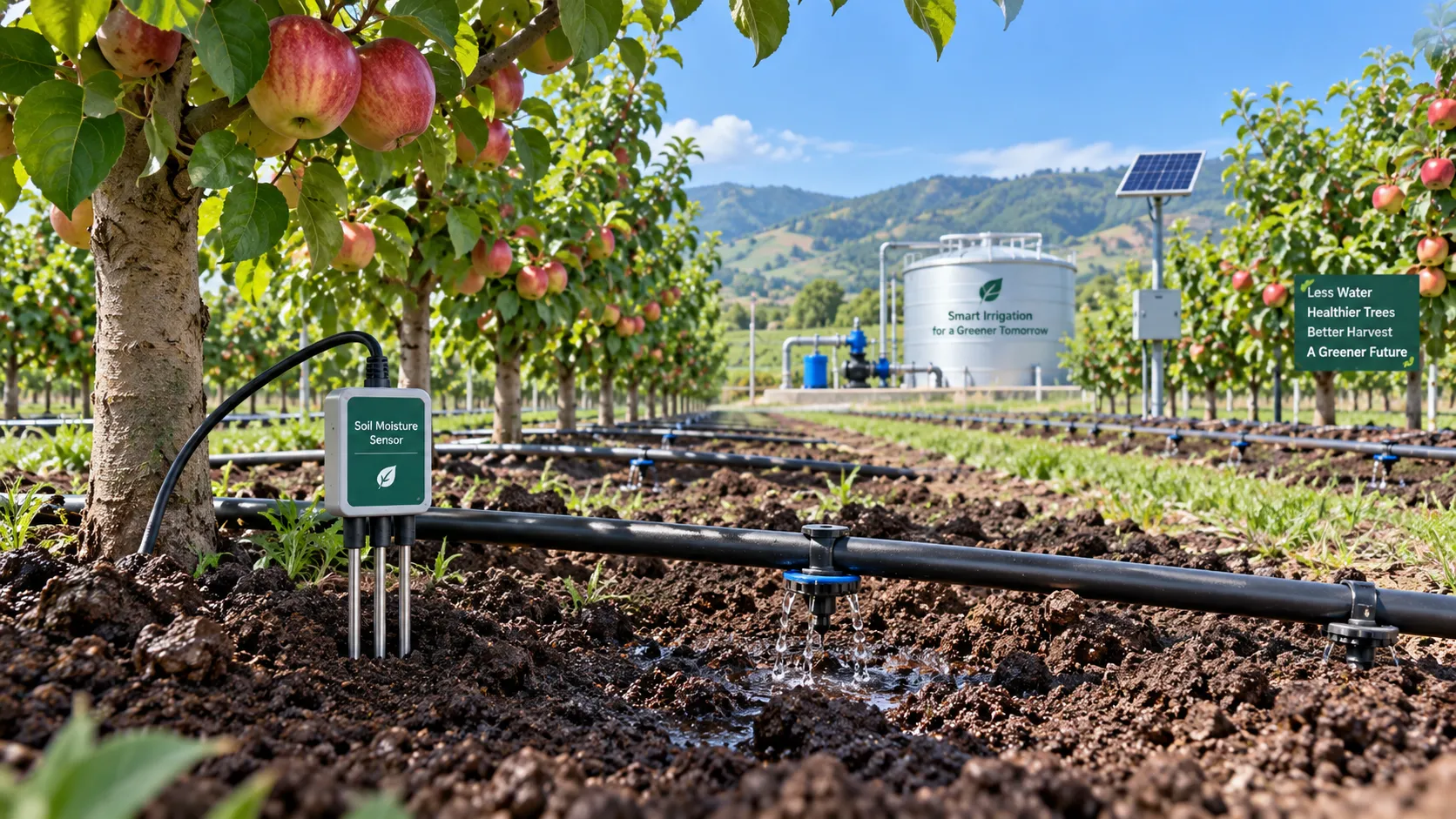
Orchard Water Management: Using Soil Moisture Data to Schedule Irrigation
Agricultural water management for orchards made practical: use soil moisture data to optimize irrigation timing, protect yield, reduce costs, and improve resilience.
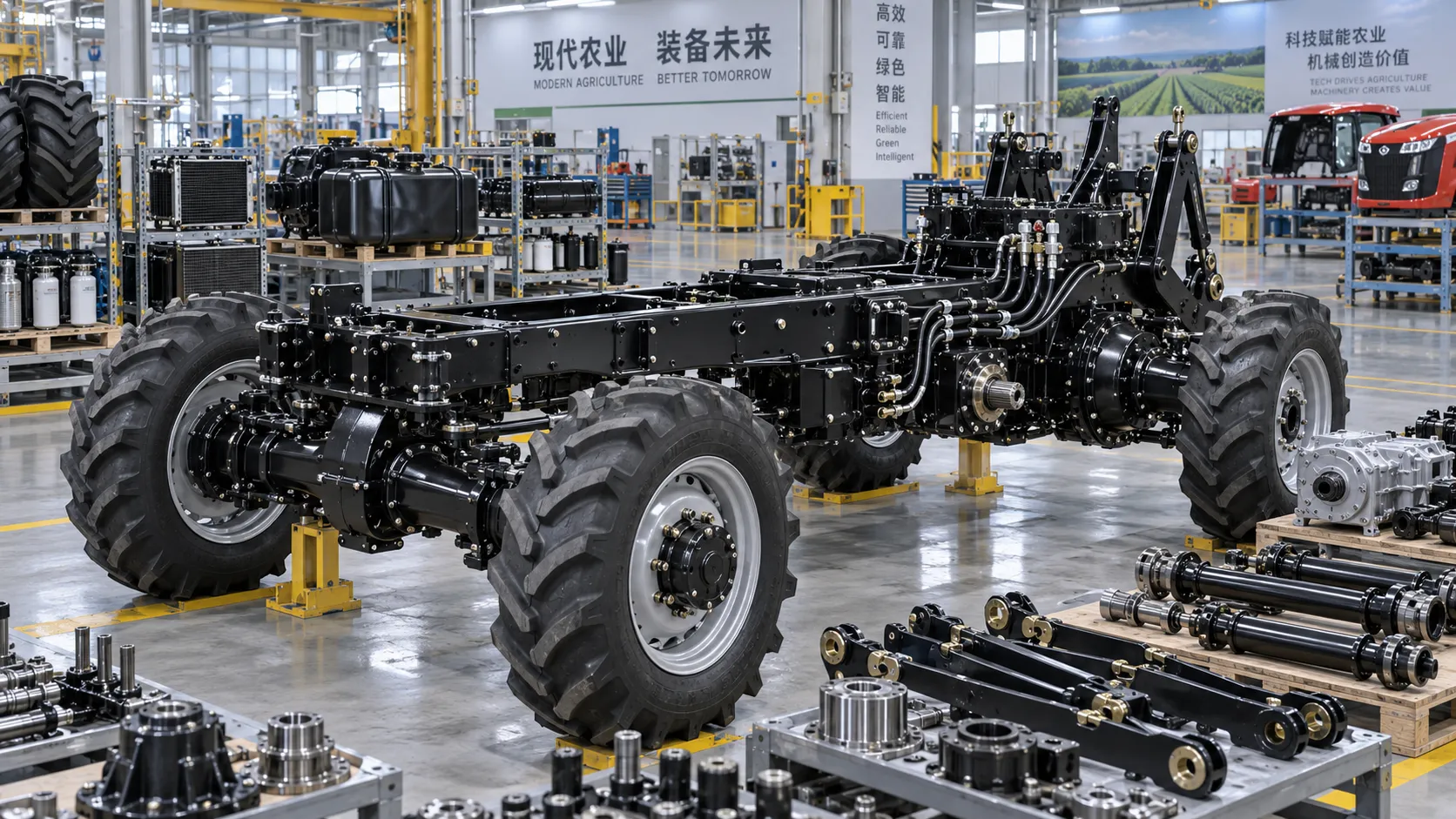
Tractor Chassis Price: What Buyers Should Compare Beyond the Initial Quote
Tractor chassis price is only the start. Compare load capacity, compatibility, durability, and lifecycle costs to choose a reliable, high-value chassis.
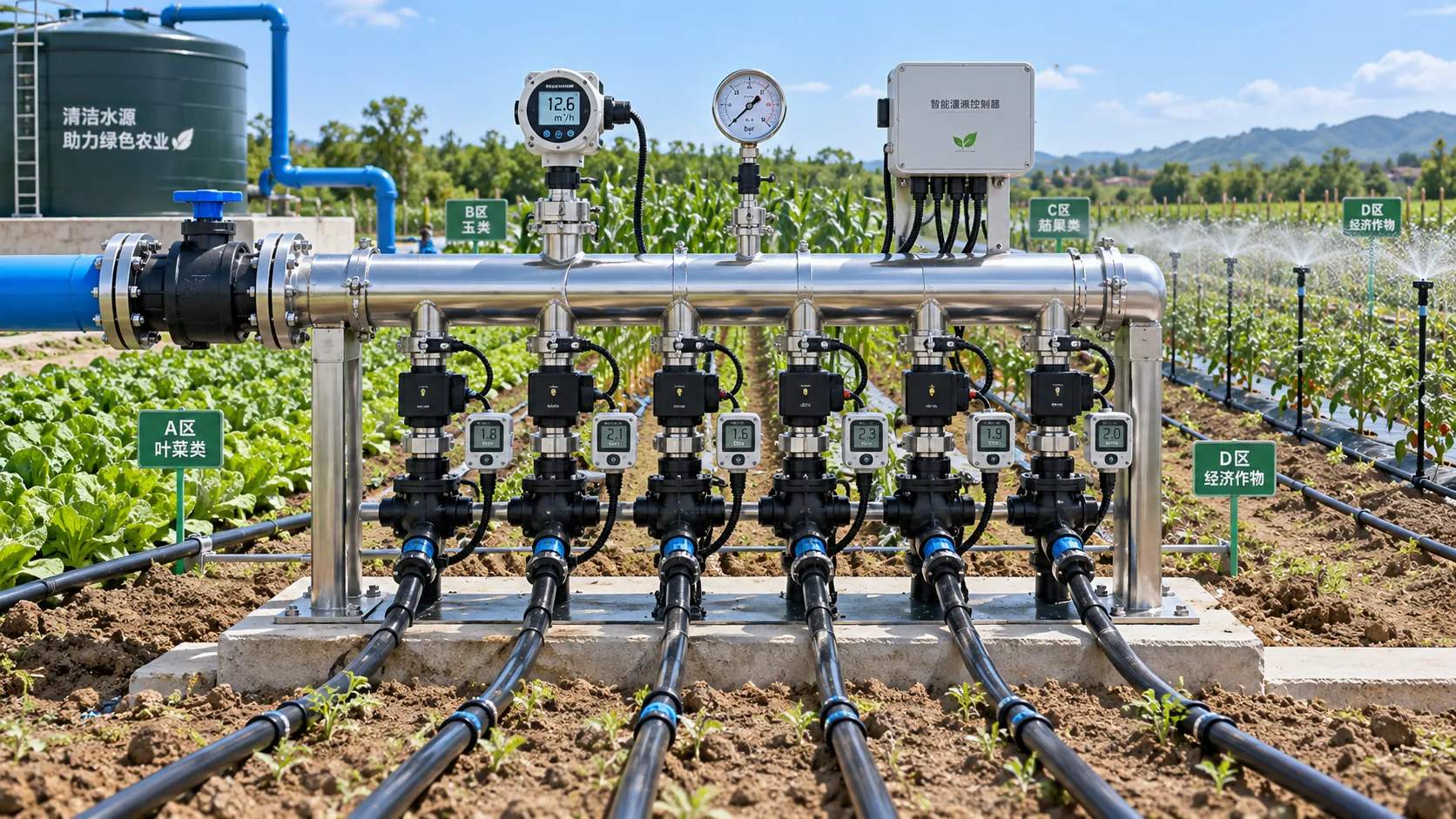
How to Select Smart Irrigation Valves for Multi-Zone Water Management?
Intelligent irrigation systems valves: learn how to match smart valves with multi-zone flow, pressure, control, feedback, and communication needs for reliable water management.
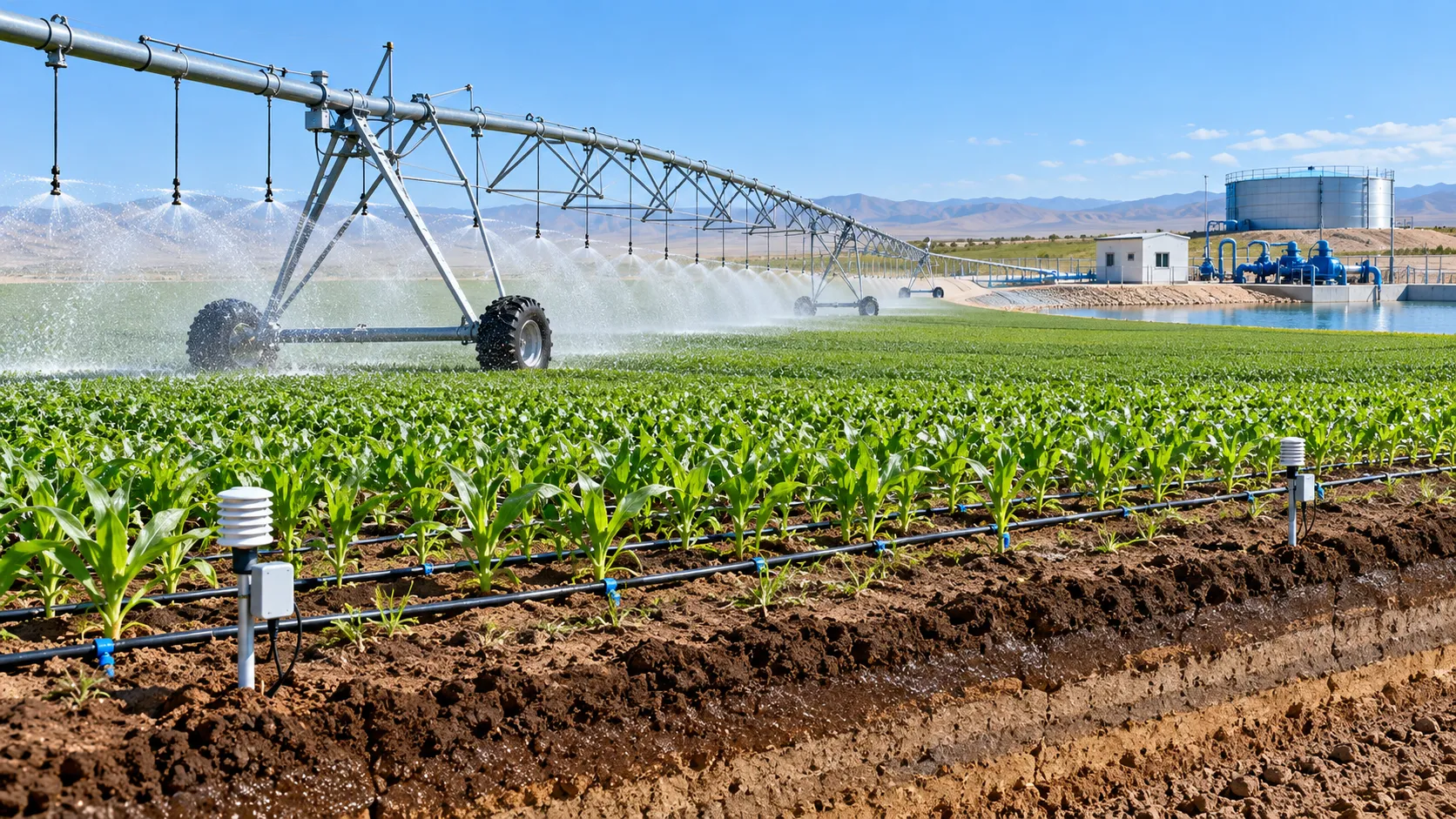
Climate-Smart Farming for Drought: A Practical Plan for Protecting Yields
Climate-smart farming for drought: build smarter water budgets, protect critical crop stages, improve irrigation uniformity, and safeguard yields with practical field-proven strategies.
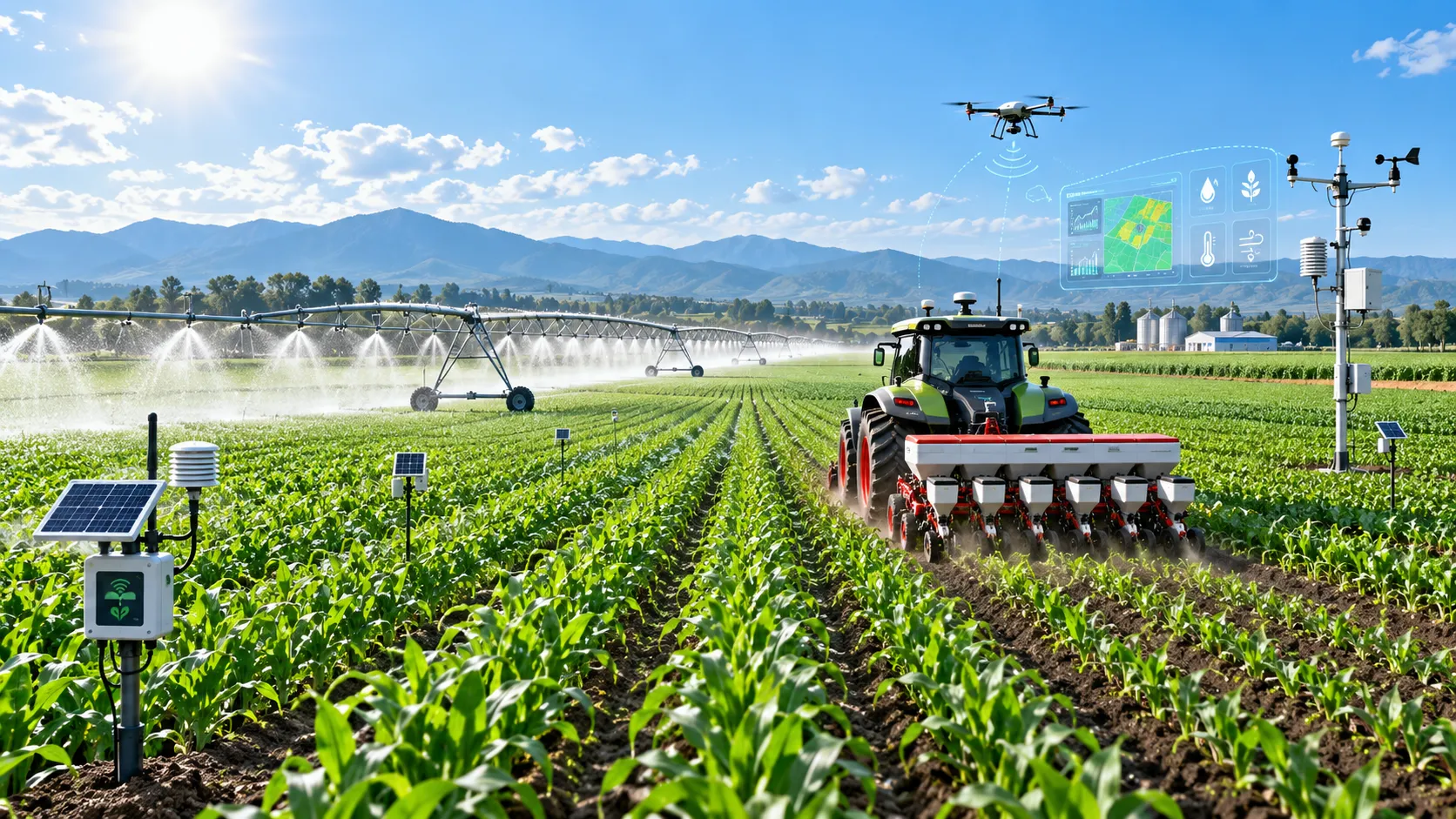
How Digital Agriculture Platforms Turn Field Data Into Better Input Decisions
Digital agriculture platforms turn field data into smarter fertilizer, water, seed, and equipment decisions—helping farms cut risk, improve margins, and scale sustainability.
Related News
- 00
0000-00
What Tractor Horsepower Is Needed for a Three-Bottom Moldboard Plow? - 00
0000-00
What Is the Difference Between No-Till and Conventional Tillage? - 00
0000-00
Does No-Till Farming Reduce Erosion on Hilly Farmland? - 00
0000-00
India BIS Tightens Soil Tiller Labeling for Imports - 00
0000-00
Vietnam Requires Vietnamese Warning Labels for Imported Soil Tillers
Popular Tags
Agri-Mechanization Fellow
Weekly Insights
Stay ahead with our curated technology reports delivered every Monday.