
Hybrid Tractor Project for Arid Regions Launches in Xinjiang
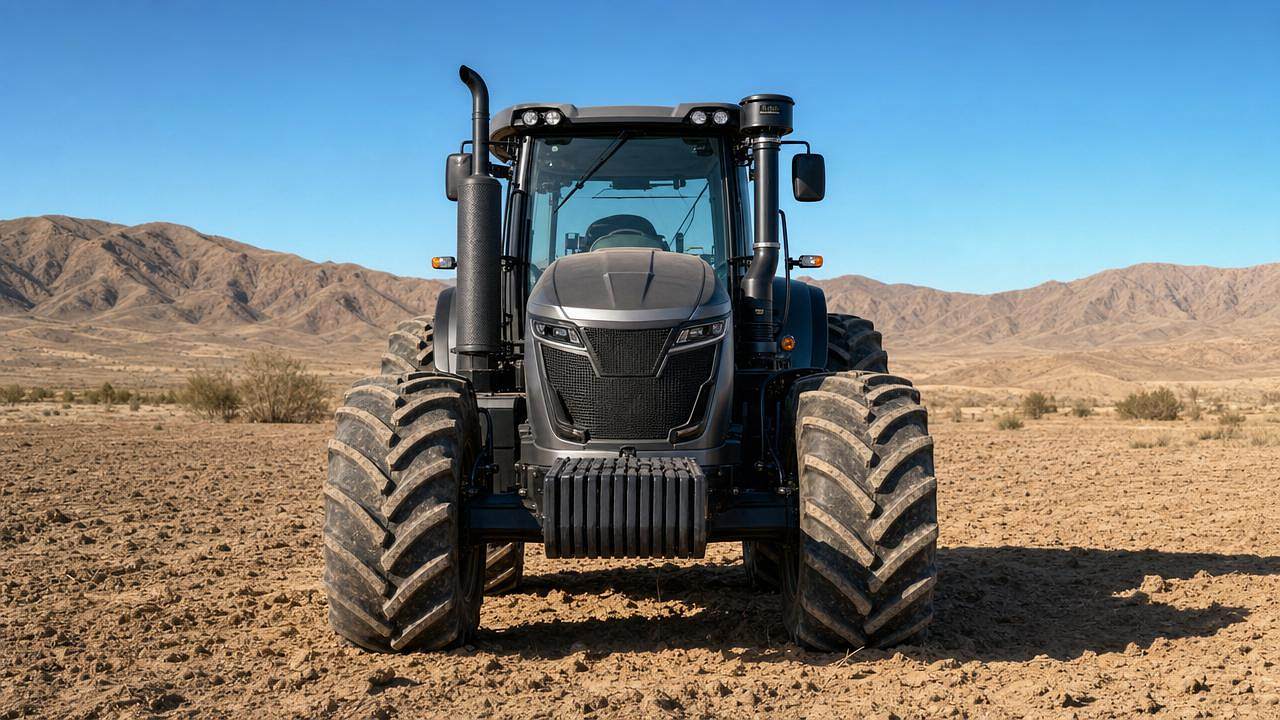




On May 18, 2026, the National Agricultural Machinery Equipment Innovation Center officially launched the 'Hybrid Tractor Maturation and Standardization Project for High-Temperature and Arid Regions' in Changji, Xinjiang—a milestone signaling intensified policy support for climate-resilient agricultural machinery in China’s western frontier and its outward technological alignment with Central Asia.
Event Overview
On May 18, 2026, the 'Hybrid Tractor Maturation and Standardization Project for High-Temperature and Arid Regions', led by the National Agricultural Machinery Equipment Innovation Center, was formally launched in Changji, Xinjiang. The first prototype—a 220-horsepower diesel-electric hybrid tractor equipped with an enhanced thermal management module—completed field testing under real farming conditions. It achieved 99.2% operational stability during full-load operation at sustained ambient temperatures of 45°C. Project outcomes will be incorporated into the China–Central Asia Agricultural Machinery Standards Mutual Recognition List, with technology licensing and local assembly partnerships opening to Kazakhstan and Uzbekistan beginning in Q4 2026.
Industries Affected
Direct Trade Enterprises: Export-oriented agricultural machinery traders face both opportunity and complexity. Inclusion in the China–Central Asia standards mutual recognition list lowers technical barriers for market entry into Kazakhstan and Uzbekistan; however, compliance with newly codified thermal durability benchmarks—and associated certification timelines—may compress short-term margins and require revised contractual terms on warranty and performance guarantees.
Raw Material Procurement Enterprises: Suppliers of high-temperature-resistant alloys, liquid-cooled battery enclosures, and thermally stable power electronics substrates are likely to see demand shifts. The project’s emphasis on thermal management intensifies specification requirements—not just for component grade but for traceable environmental stress validation (e.g., 45°C continuous cycling data), altering sourcing criteria and supplier qualification protocols.
Manufacturing Enterprises: Domestic tractor OEMs and Tier-1 powertrain integrators must adapt production lines to accommodate hybrid architecture integration—including dual-energy control calibration, thermal interface material application, and new EOL (end-of-line) functional testing sequences. Unlike conventional electrification efforts, this project prioritizes robustness over peak efficiency, implying recalibration of quality KPIs toward thermal margin retention rather than energy conversion rate alone.
Supply Chain Service Enterprises: Logistics providers specializing in agricultural equipment exports now confront evolving documentation demands: certificates of conformity must reference not only GB/T standards but also newly harmonized China–Central Asia thermal performance annexes. Additionally, after-sales service networks will need localized technician training modules covering hybrid thermal diagnostics—potentially triggering new service partnership models with regional distributors.
Key Considerations and Recommended Actions
Monitor standardization timelines closely
The inclusion of project outputs in the China–Central Asia Standards Mutual Recognition List is scheduled for Q4 2026—but formal adoption by national standard bodies in Kazakhstan and Uzbekistan remains pending. Enterprises should track draft versions of TKP (Technical Regulations of the Republic of Kazakhstan) and O’zbekiston Respublikasi Standartlari updates through official channels, as implementation dates may vary by jurisdiction.
Validate thermal resilience claims against field-relevant metrics
While the prototype demonstrated 99.2% stability at 45°C, that figure reflects controlled field testing—not extended seasonal exposure or dust-laden airflow degradation. Companies evaluating procurement or licensing options should request third-party test reports specifying test duration, dust ingress class (per ISO 20685), and cooling system derating curves across temperature gradients.
Assess localization readiness for assembly partnerships
Technology licensing agreements expected from Q4 2026 will likely include minimum local value-add thresholds (e.g., chassis fabrication, battery pack integration, or software flashing). Firms considering joint ventures in Central Asia should audit existing industrial infrastructure—especially precision machining capacity and EV-grade thermal testing labs—before entering negotiation phases.
Editorial Perspective / Industry Observation
Observably, this initiative marks a strategic pivot from generic ‘green transition’ rhetoric toward context-specific engineering sovereignty: rather than retrofitting temperate-zone platforms for arid use, it treats heat resilience as a foundational design parameter. Analysis shows that such climatically grounded standardization—backed by intergovernmental recognition—may accelerate de facto regional tech leadership more effectively than subsidy-driven adoption alone. From an industry perspective, what distinguishes this project is not just hybridization, but the institutional anchoring of thermal performance as a non-negotiable compliance criterion—not merely an R&D target.
Conclusion
This project signals a maturing phase in China’s agricultural machinery policy: one where innovation is no longer measured solely by emissions reduction or automation level, but by verifiable adaptation to extreme operating environments—and by the capacity to export those adaptations as interoperable, standards-backed solutions. A rational observation is that its long-term significance lies less in near-term unit sales and more in establishing a replicable framework for climate-responsive agri-tech cooperation across Global South geographies.
Source Attribution
Official announcement issued by the National Agricultural Machinery Equipment Innovation Center (May 18, 2026); supplementary technical parameters confirmed via field test summary published on the Xinjiang Uygur Autonomous Region Department of Agriculture and Rural Affairs website. Pending items for ongoing monitoring include: (1) final publication date of the China–Central Asia Agricultural Machinery Standards Mutual Recognition List; (2) regulatory approval status of the 220-hp hybrid platform under Kazakh TKP No. 721 and Uzbek ST RK ISO 14001-2022 Annex D; (3) public release of licensing framework terms by the China National Institute of Standardization.
Related News
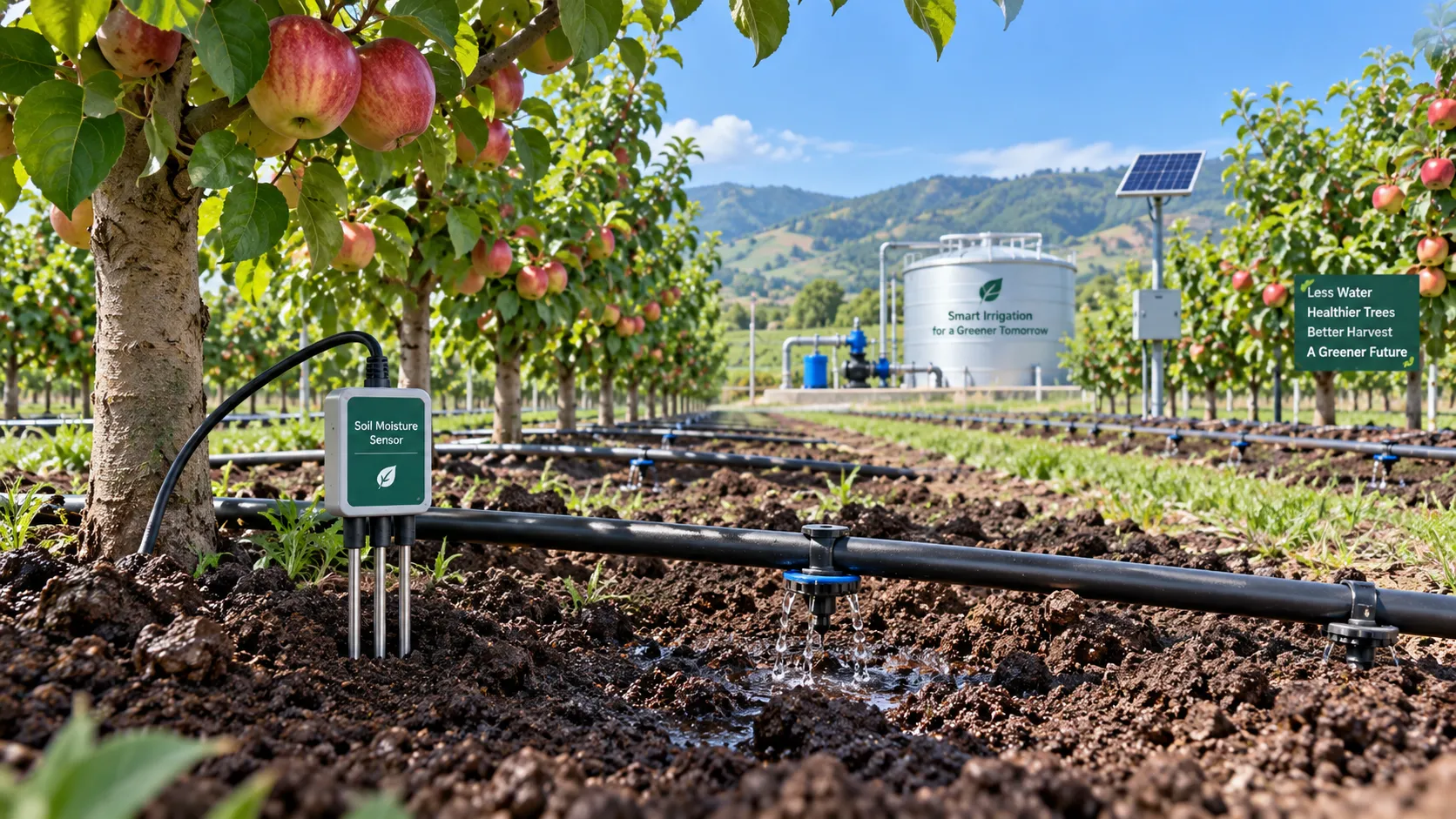
Orchard Water Management: Using Soil Moisture Data to Schedule Irrigation
Agricultural water management for orchards made practical: use soil moisture data to optimize irrigation timing, protect yield, reduce costs, and improve resilience.
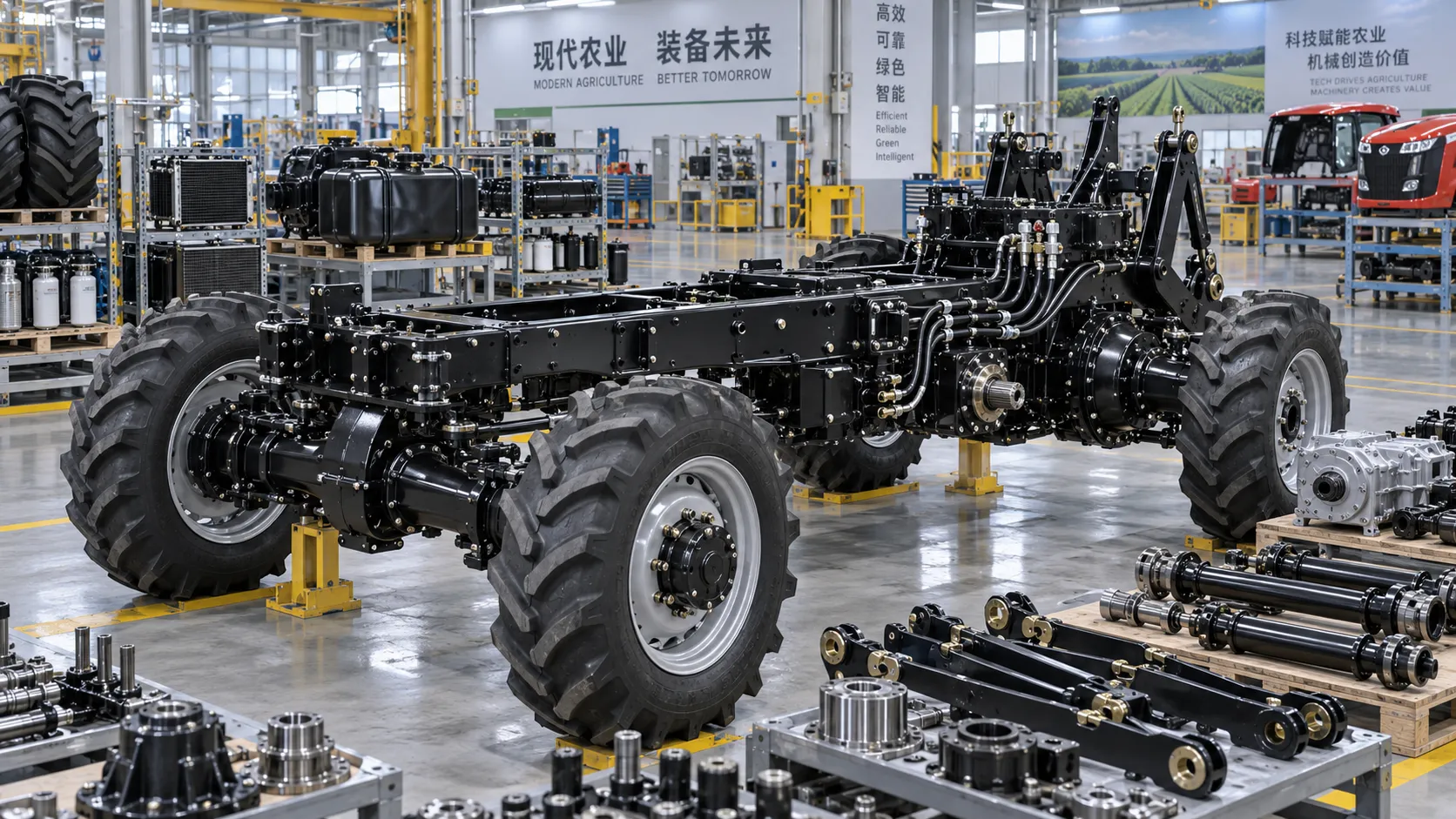
Tractor Chassis Price: What Buyers Should Compare Beyond the Initial Quote
Tractor chassis price is only the start. Compare load capacity, compatibility, durability, and lifecycle costs to choose a reliable, high-value chassis.
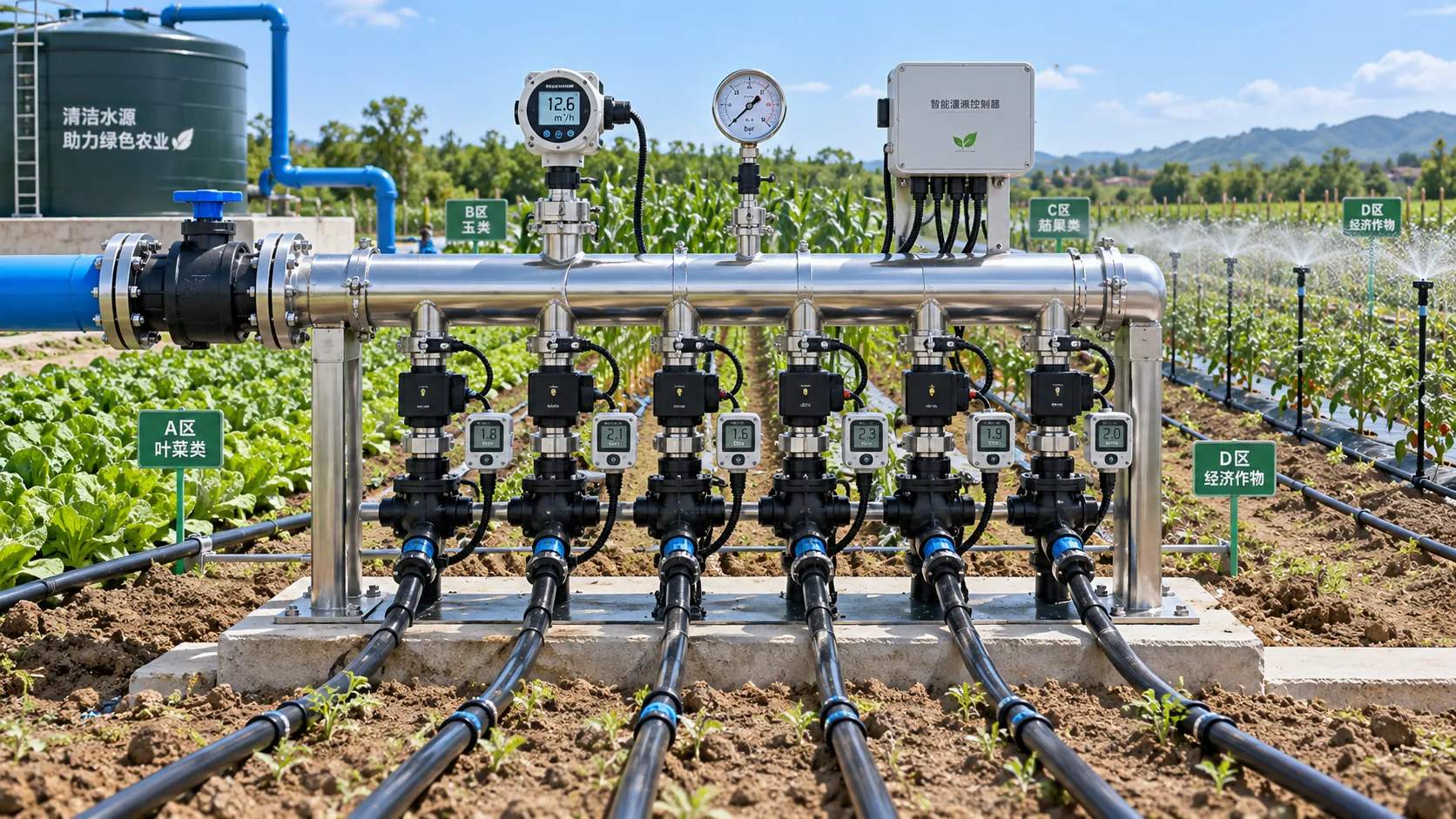
How to Select Smart Irrigation Valves for Multi-Zone Water Management?
Intelligent irrigation systems valves: learn how to match smart valves with multi-zone flow, pressure, control, feedback, and communication needs for reliable water management.
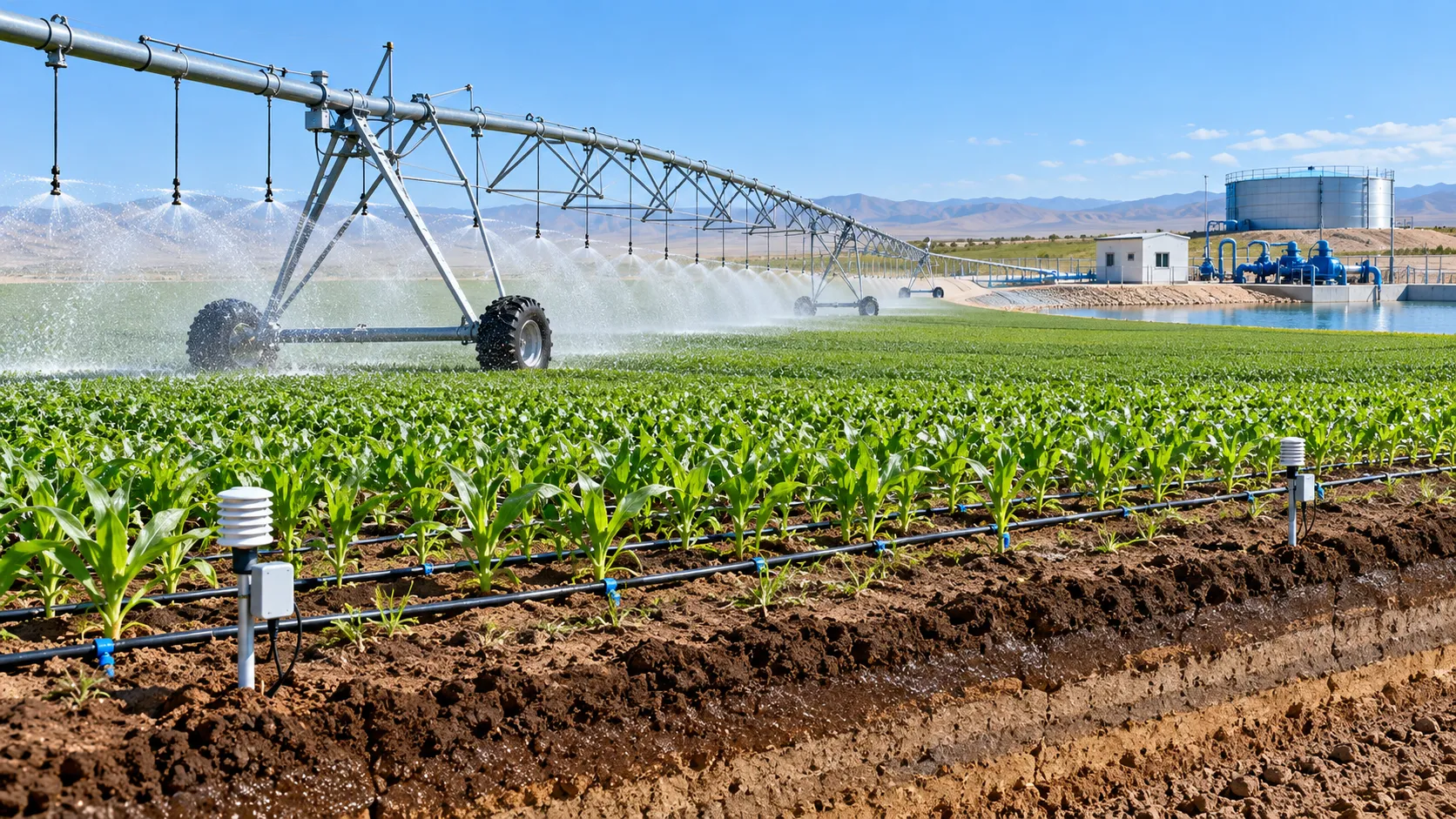
Climate-Smart Farming for Drought: A Practical Plan for Protecting Yields
Climate-smart farming for drought: build smarter water budgets, protect critical crop stages, improve irrigation uniformity, and safeguard yields with practical field-proven strategies.
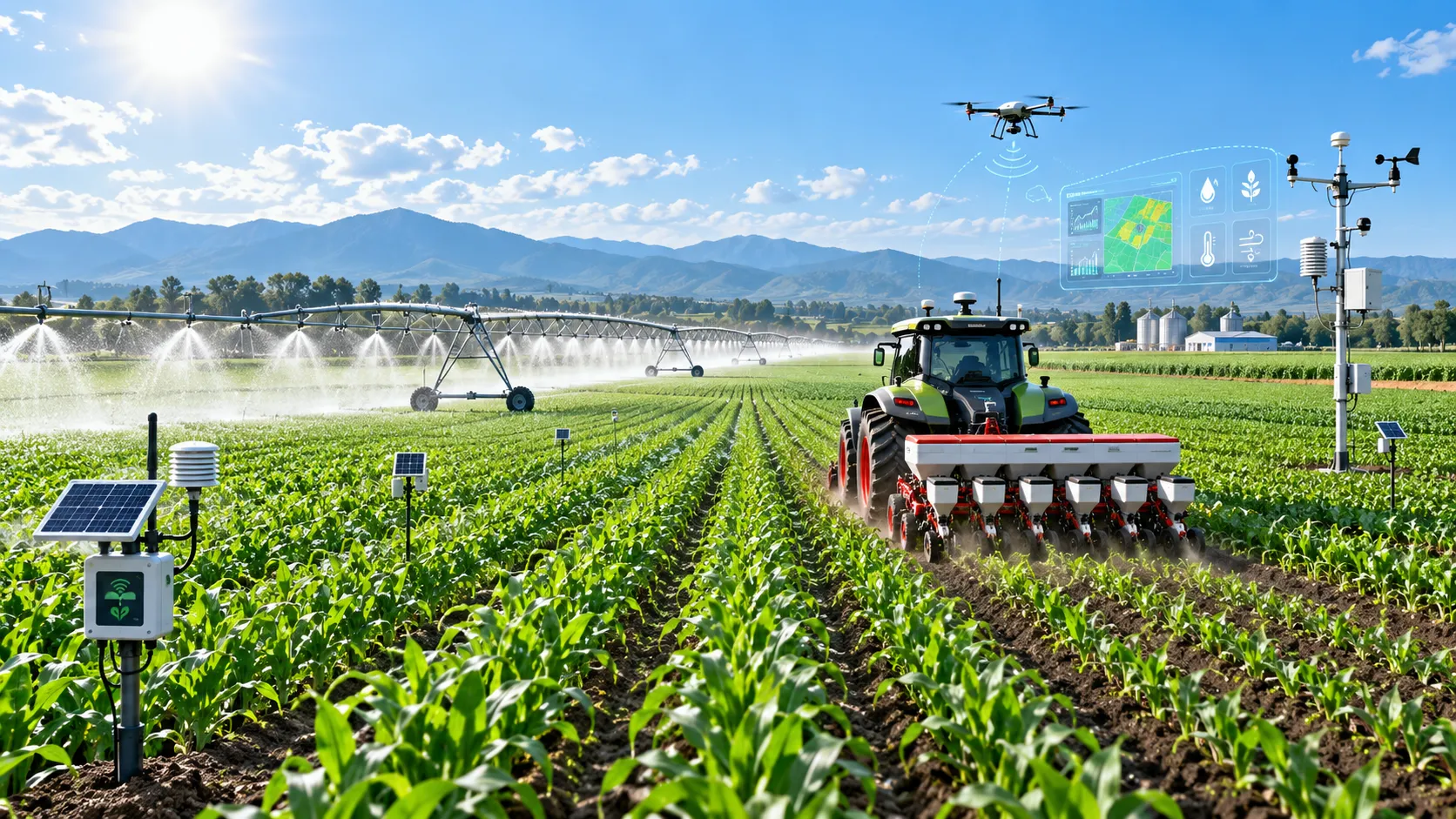
How Digital Agriculture Platforms Turn Field Data Into Better Input Decisions
Digital agriculture platforms turn field data into smarter fertilizer, water, seed, and equipment decisions—helping farms cut risk, improve margins, and scale sustainability.
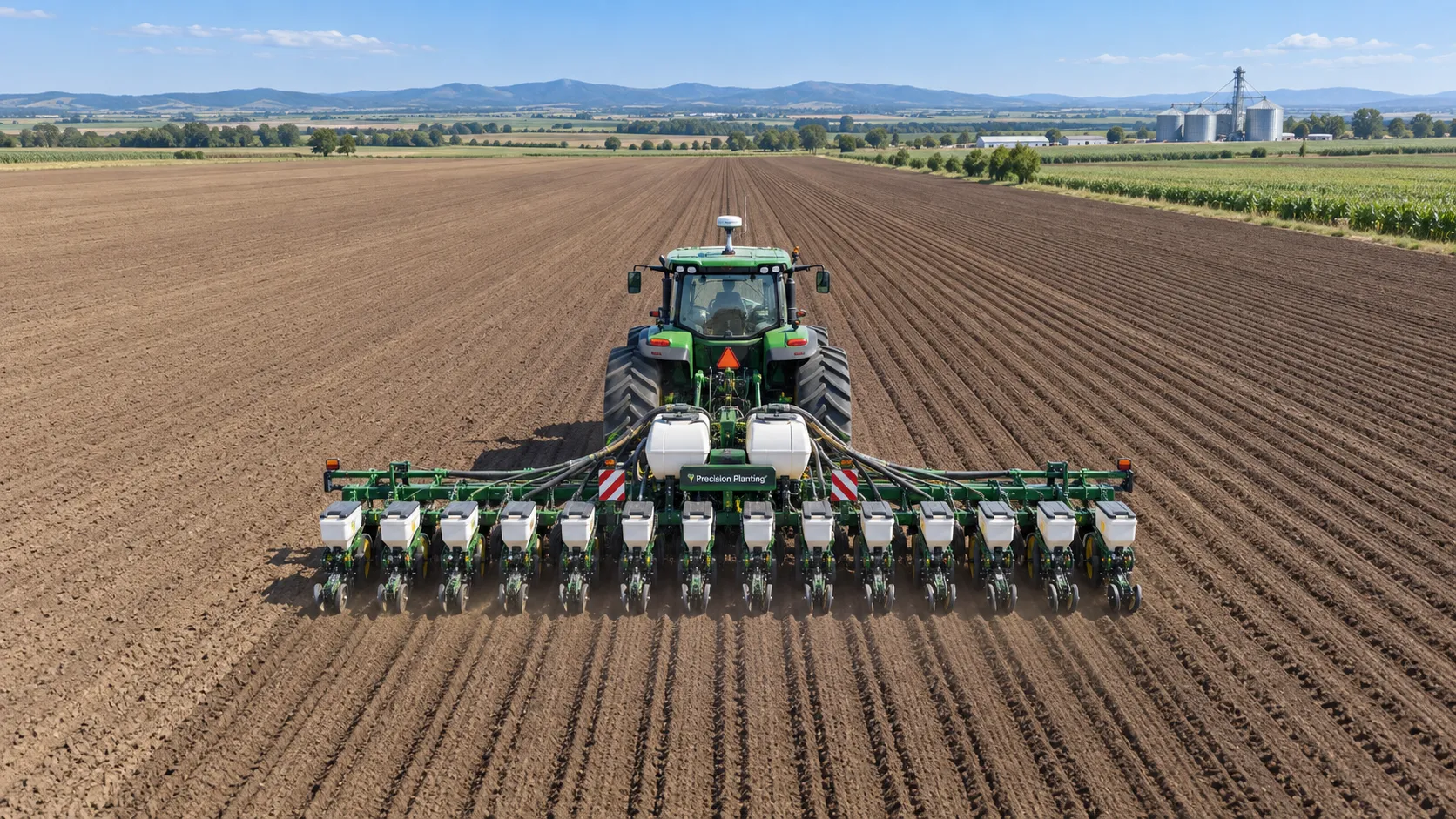
GPS-Guided Farm Machinery: Where It Delivers Measurable Field Efficiency Gains
Agri-mechanization GPS guided systems deliver measurable field efficiency gains through reduced overlap, precise planting, smarter inputs, and reliable farm data.
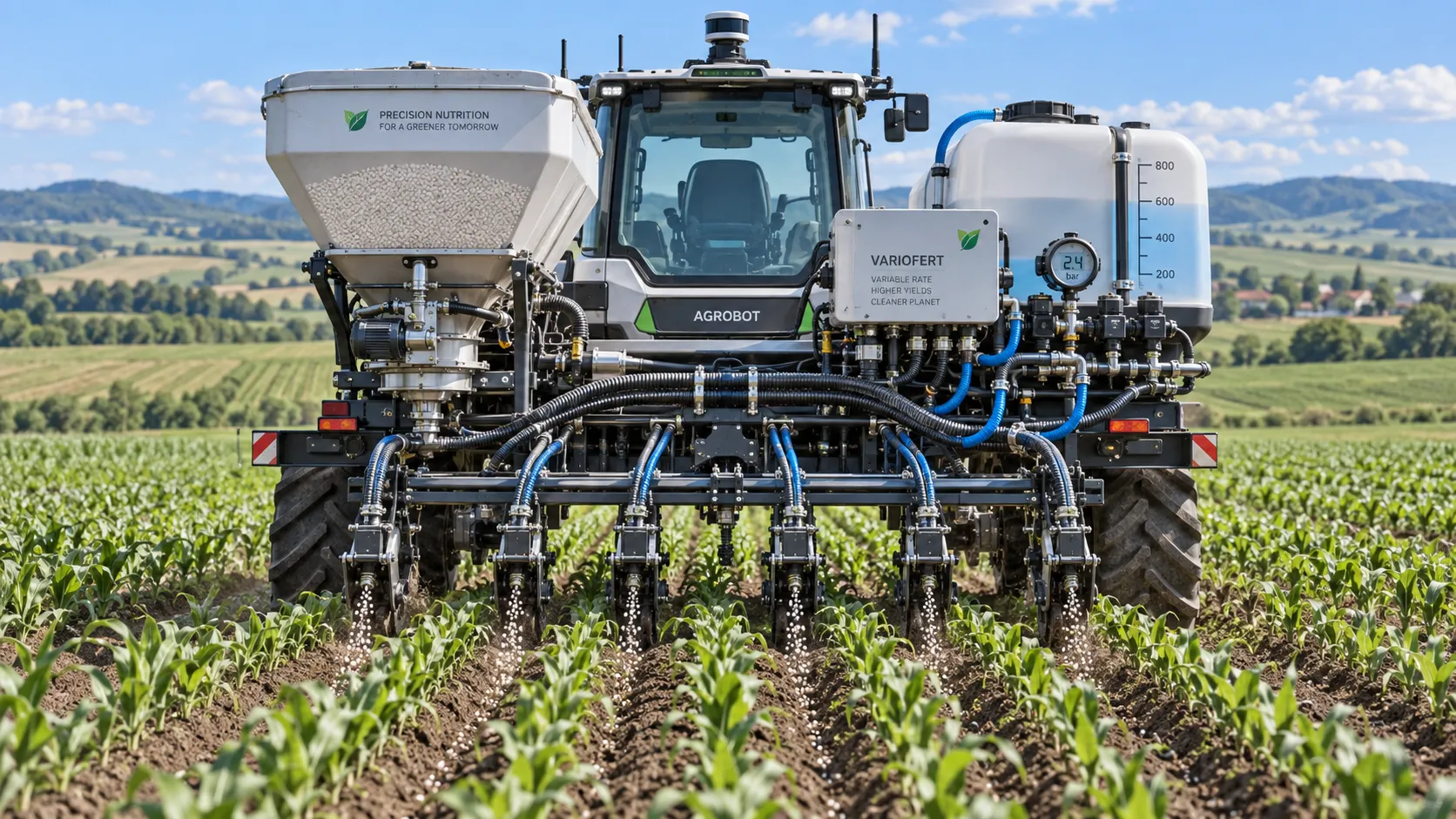
How Sensor Feedback Enables Accurate Variable-Rate Fertilization in Field Conditions
Precision fertilization systems with sensor feedback improve variable-rate accuracy by verifying flow, managing latency, and ensuring reliable field application.
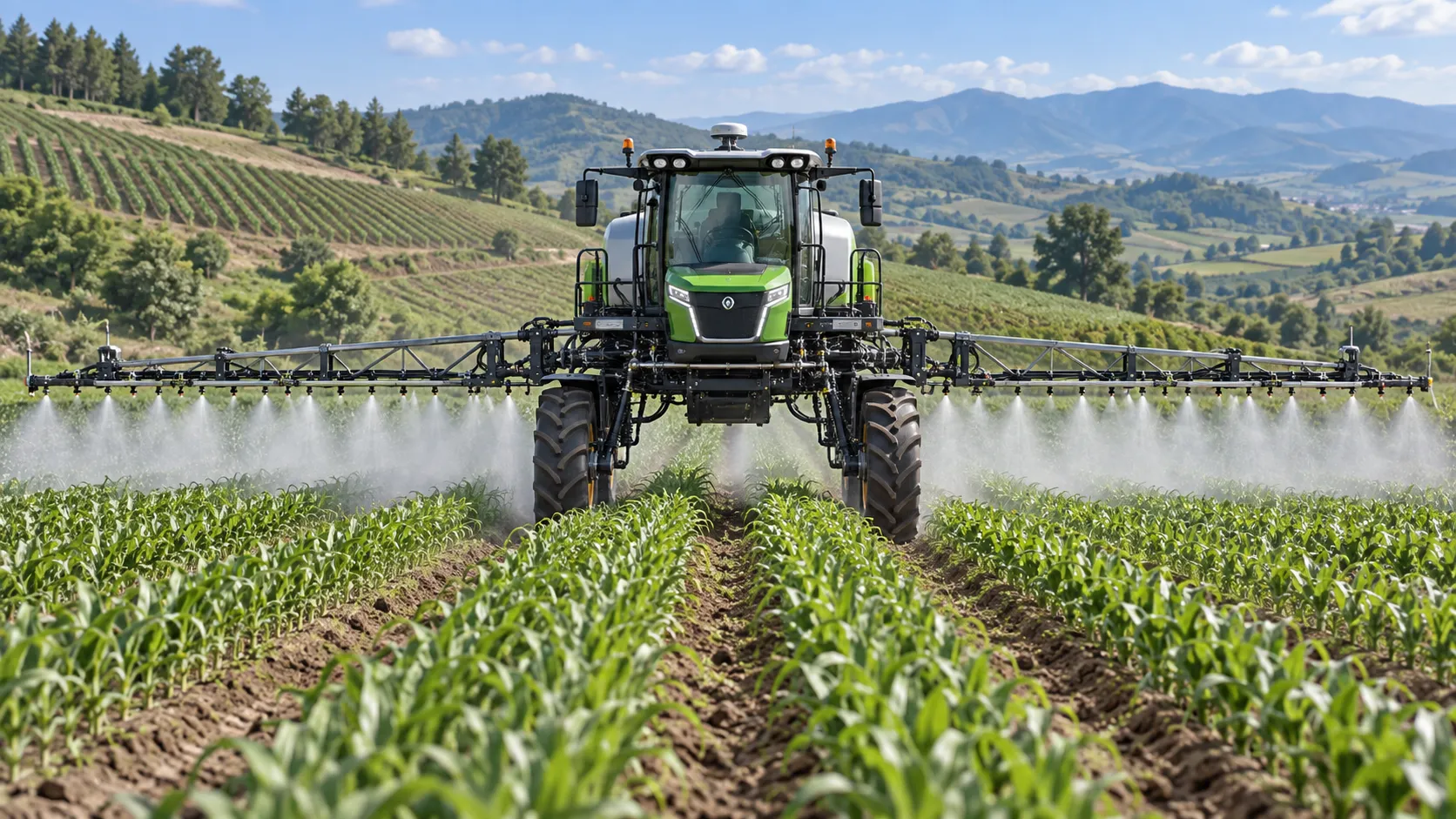
How to Select Precision Crop Protection Equipment for Variable Field Conditions
Precision crop protection equipment selection made simple: compare terrain, canopy, weather, control accuracy, and data workflows for reliable applications.
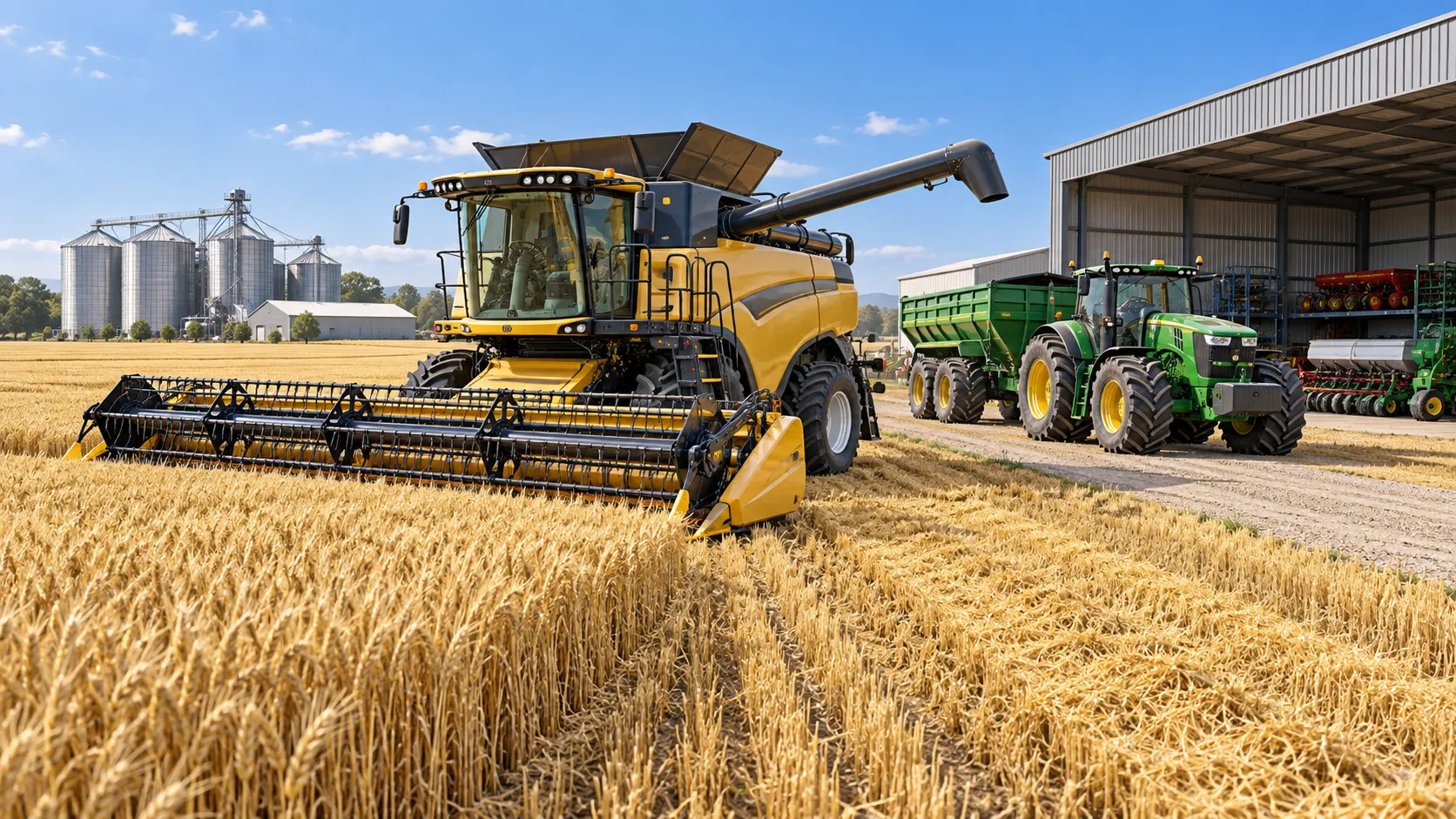
When Does Agricultural Machinery Leasing Cost Less Than Owning Equipment?
Agricultural machinery leasing can lower farm costs when use is seasonal or uncertain. Compare utilization, maintenance, cash flow, and risk to make a smarter equipment decision.
Related News
- 00
0000-00
What Tractor Horsepower Is Needed for a Three-Bottom Moldboard Plow? - 00
0000-00
What Is the Difference Between No-Till and Conventional Tillage? - 00
0000-00
Does No-Till Farming Reduce Erosion on Hilly Farmland? - 00
0000-00
India BIS Tightens Soil Tiller Labeling for Imports - 00
0000-00
Vietnam Requires Vietnamese Warning Labels for Imported Soil Tillers
Popular Tags
Agri-Mechanization Fellow
Weekly Insights
Stay ahead with our curated technology reports delivered every Monday.