
Red Sea Disruption Extends Sprayer Export Lead Times





The timing of the underlying event is not explicitly stated in the available information, but the latest index released by the Shanghai Shipping Exchange on June 4, 2026 shows that continued Red Sea disruption is pushing up Asia-Europe freight costs and extending export lead times for self-propelled sprayers. For manufacturers, exporters, overseas buyers, and logistics providers serving routes from Guangzhou to Rotterdam and Hamburg, this is worth close attention because the issue is no longer limited to freight rates alone; it is also affecting booking windows, order confirmation cycles, and transport planning.
What the latest shipping data confirms
According to the information provided, diversions around the Cape of Good Hope have lifted spot freight rates on the Asia-Europe route to $4,820/FEU, up 23% month on month. At the same time, tighter Suez Canal transit quotas have lengthened the average full-container booking cycle for self-propelled sprayers shipped from Guangzhou to Rotterdam and Hamburg to 22 days.
The same information indicates that carriers are generally requiring orders to be confirmed 45 days in advance. It also states that several leading manufacturers have already activated the China-Europe Railway Express route from Chongqing to Duisburg as an alternative trunk corridor.
Where the pressure is appearing across the chain
Export manufacturers are facing a wider delivery planning gap
From an industry perspective, self-propelled sprayer manufacturers are likely to feel the most immediate impact in production-to-shipment coordination. When booking takes longer and carriers require earlier order confirmation, factory dispatch planning, container allocation, and promised delivery schedules all become harder to align. What deserves closer attention is not only the higher freight bill, but also the growing gap between production completion and actual departure arrangements.
Overseas buyers may need longer procurement lead times
For importers and procurement teams in Rotterdam, Hamburg, and related markets, the main issue is timing predictability. Analysis shows that a longer booking cycle can affect inbound inventory planning, receiving schedules, and contract execution. Buyers that previously focused on factory lead time alone may now need to watch ocean transport readiness much earlier in the transaction cycle.
Freight forwarders and logistics service providers are under routing pressure
For supply chain service providers, the confirmed facts point to a more complex routing environment. Higher spot rates, longer booking periods, and tighter canal-related constraints can shift customer demand toward alternative corridors. The move by several leading manufacturers to use the Chongqing-Duisburg rail link suggests that logistics providers may increasingly be asked to compare trunk-route options based on timing rather than price alone.
Sales and channel operations may face delivery commitment risk
For trading companies and channel-side operators handling self-propelled sprayer exports, the practical impact may show up in quotation validity, shipment commitment dates, and customer communication. Observably, when carriers ask for confirmation 45 days in advance, order intake and shipment promises can no longer be managed as separate steps.
Operational issues companies should watch now
Order confirmation timelines need earlier internal lock-in
Based on the information provided, carriers are generally asking for confirmation 45 days ahead. This means exporters should pay close attention to when customer specifications, quantities, and shipping terms are finalized. In practical terms, internal approval and customer confirmation may need to move forward if companies want to avoid missing vessel windows.
Route choice is becoming a delivery decision, not just a freight decision
The activation of the Chongqing-Duisburg rail corridor by several leading manufacturers is a concrete signal worth monitoring. Analysis shows that for some shipments, route selection may now be tied more directly to delivery reliability requirements. Companies involved in self-propelled sprayer exports should therefore compare ocean and rail options through the lens of fulfillment timing, not only through quoted transport cost.
Customer communication should reflect booking-cycle reality
With the average booking cycle from Guangzhou to Rotterdam and Hamburg extended to 22 days, exporters should closely track whether customer-facing delivery promises still reflect current logistics conditions. What deserves closer attention is whether sales teams, shipping teams, and buyers are working from the same timetable assumptions.
Documentation and execution readiness may matter earlier in the process
Although the provided information does not include specific document requirements, the earlier booking and confirmation window implies that execution readiness becomes more important sooner. From an operational standpoint, companies should monitor whether cargo readiness, order details, and shipment instructions are aligned early enough to fit current carrier expectations.
Why this matters beyond a single freight increase
Analysis shows that this development should not be read only as a short-term freight spike. The combination of higher Asia-Europe spot rates, longer booking cycles, and earlier carrier confirmation requirements points to a broader tightening in export execution conditions for self-propelled sprayers on the affected lanes.
At the same time, it is more appropriate to understand this as an evolving industry dynamic rather than a fully settled long-term shift. The available information confirms pressure on the current shipping environment, but it does not by itself establish how long the disruption, booking constraints, or modal shifts will persist. That is why continued observation remains necessary.
How this update is best interpreted at present
For the industry, the clearest significance of this update is that logistics uncertainty on the Asia-Europe corridor is now directly influencing delivery schedules for a specific export category, not merely raising transport costs in the background. The reported 18-day extension in export lead time for self-propelled sprayers is therefore best understood as an operational warning sign for planning, booking, and customer coordination.
In neutral terms, the current situation is better viewed as a live logistics risk signal with immediate commercial implications. It does not yet justify broad conclusions beyond the provided facts, but it does justify closer monitoring by manufacturers, exporters, buyers, and logistics intermediaries involved in the route.
Basis of this article and points for further verification
This article is based on the user-provided news title, event timing, and event summary. The event timing itself was not explicitly stated in the source information, and no specific official source link was provided in the input, so further verification is still needed.
For this type of industry update, relevant source categories typically include official exchange data, carrier notices, company announcements, industry association information, and reporting by authoritative trade media. For continued monitoring, the key follow-up areas are whether Asia-Europe freight levels remain elevated, whether booking cycles from Guangzhou change further, whether carrier confirmation requirements are adjusted, and whether the use of the Chongqing-Duisburg rail corridor expands among exporters.
Related News

How Tractor Intelligence Systems Improve Field Efficiency and Input Accuracy
Agricultural machinery intelligence for tractors improves field efficiency, input accuracy, data traceability, and implement control. Explore smarter evaluation strategies.

How to Evaluate Crop Monitoring System Manufacturers for Large-Scale Farms
Compare crop monitoring systems manufacturers for large-scale farms. Evaluate data quality, integration, durability, lifecycle costs, support, and pilots for smarter decisions.
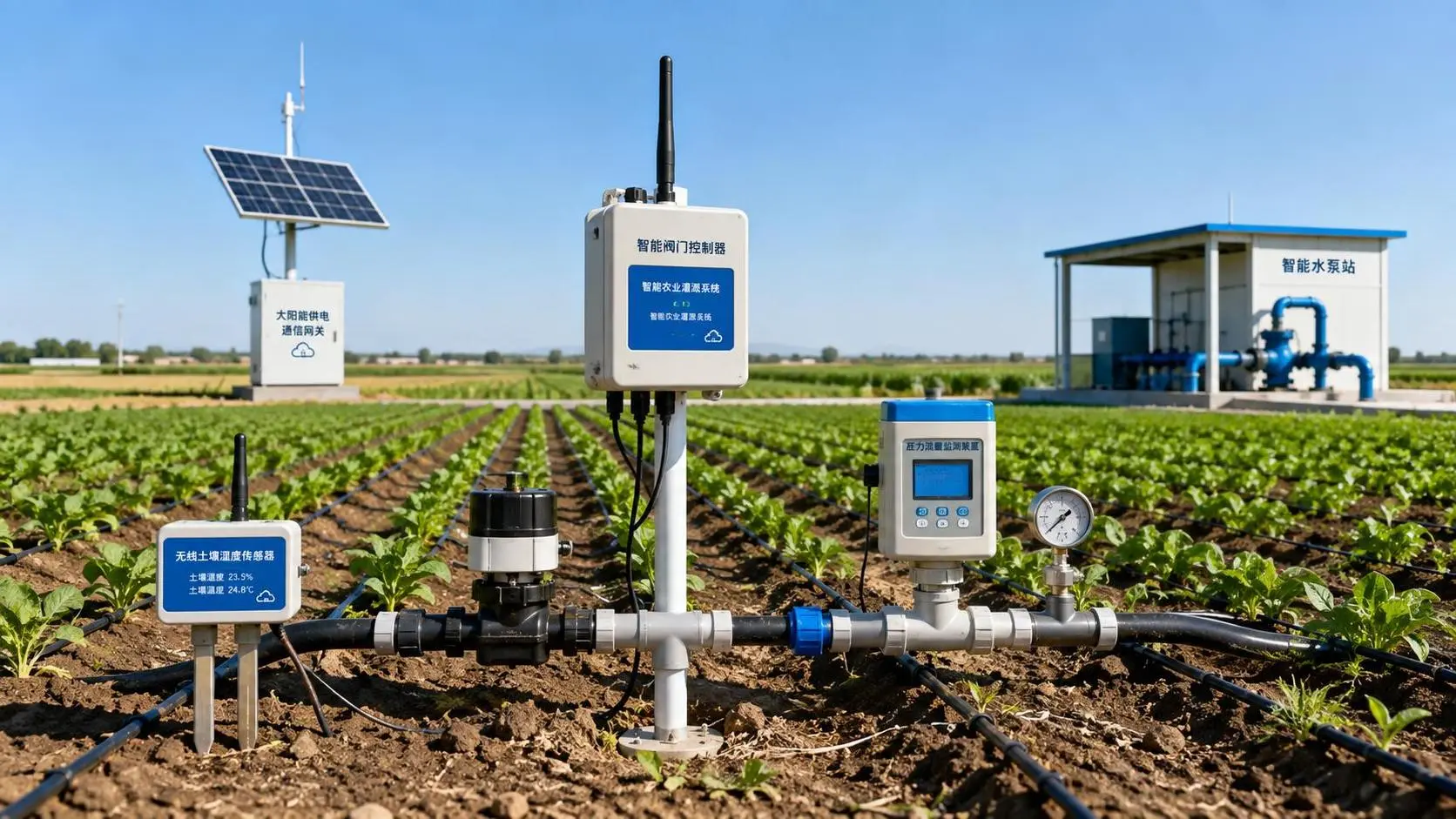
Wireless Agricultural Automation for Remote Irrigation and Field Monitoring
Agricultural automation wireless solutions improve remote irrigation with reliable field data, local control, flow verification, and smarter monitoring. Explore resilient deployment strategies.
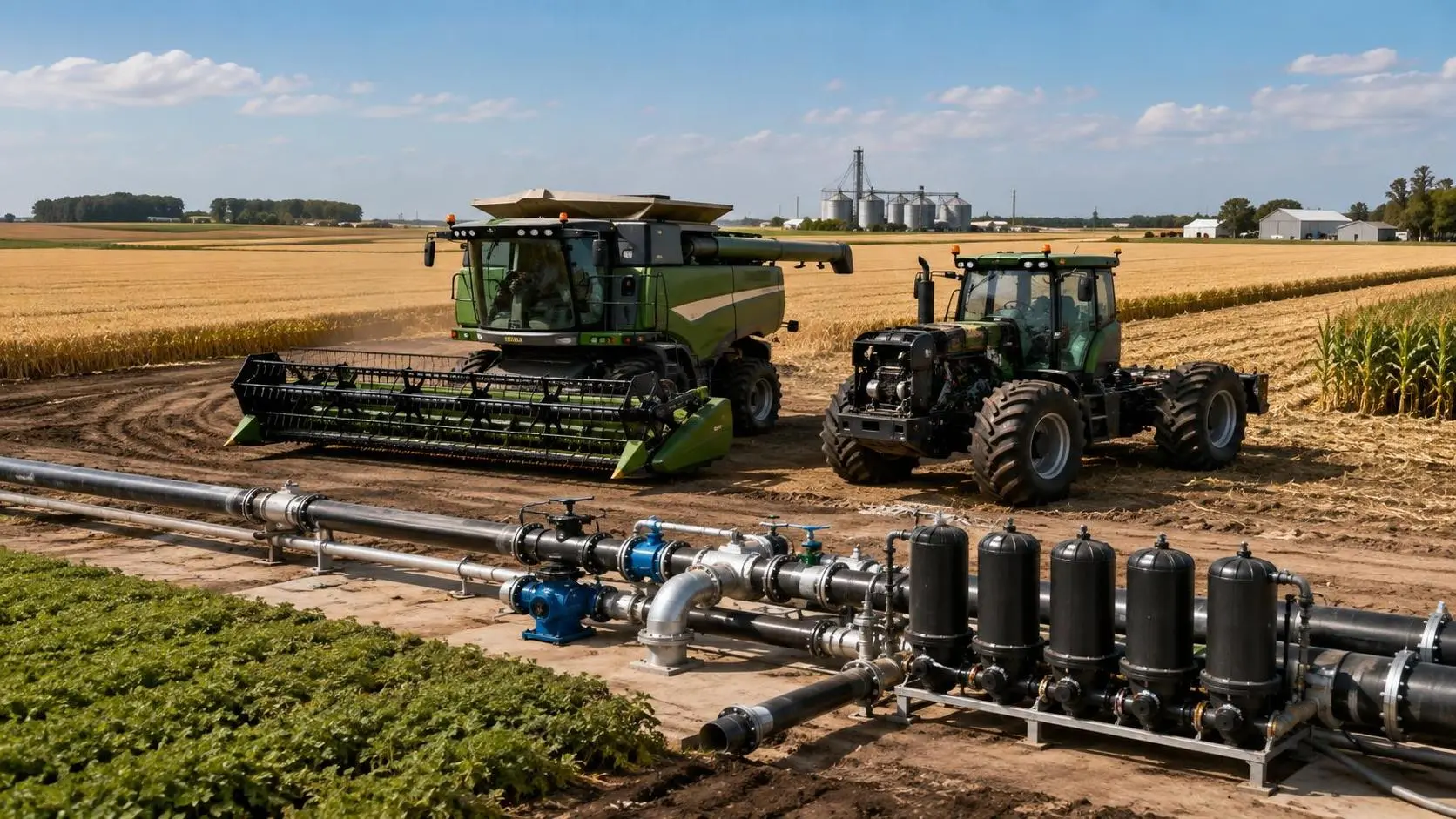
Agricultural Product Information Market Guide: Key Data for Sourcing Decisions
Agricultural product information market guide for smarter sourcing—compare machinery, irrigation, precision tools, lifecycle costs, and supplier risk.

Large-Scale Farm Equipment Cost Comparison: Price, Fuel, and Lifecycle Value
Large-scale farm equipment cost comparison: evaluate price, fuel, maintenance, downtime, and lifecycle value to choose tractors, combines, irrigation, and smart tools with confidence.

A Procurement Specification Preparation Example for Buying Farm Equipment
Procurement specification preparation example for farm equipment: learn to define requirements, compare suppliers, control lifecycle costs, and buy with confidence.

What Tractor Horsepower Is Needed for a Three-Bottom Moldboard Plow?
What tractor horsepower is needed for three-bottom moldboard plow? Compare 60–100 hp needs by soil, depth, traction, and plow width for a confident equipment match.
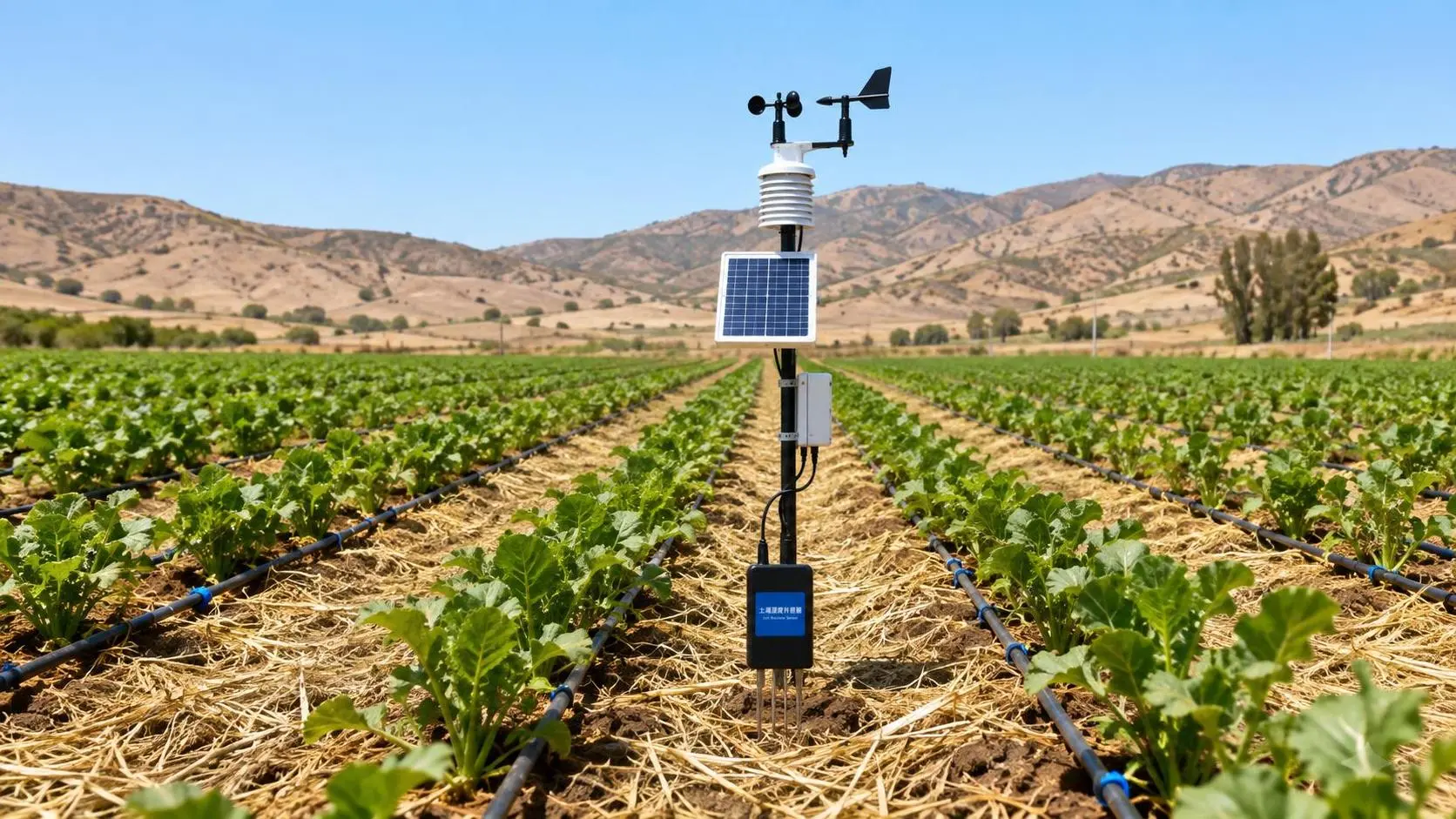
How Does Climate-Smart Farming Reduce Water Use in Semi-Arid Areas?
How does climate-smart farming reduce water use in semi-arid zones? Discover precision irrigation, soil monitoring, and smarter crop planning for resilient yields.

Can Sustainable Farming Be Profitable Without Reducing Yields?
Are sustainable farming practices profitable without yield loss? Discover precision strategies that cut waste, protect yields, and improve farm margins.
Related News
- 00
0000-00
How to Choose Plant Protection Equipment for Vineyard Pests - 00
0000-00
How to Read Agricultural Equipment Specifications for Sprayers Before You Compare Models - 00
0000-00
BIS Extends Fast-Track Approval for Self-Propelled Sprayers - 00
0000-00
Intelligent Sprayer Technology: Which Functions Matter Most for Field Efficiency? - 00
0000-00
How to Choose Plant Protection Equipment for Orchards by Tree Height, Row Spacing, and Spray Drift
Popular Tags
Agri-Mechanization Fellow
Weekly Insights
Stay ahead with our curated technology reports delivered every Monday.