
Hormuz Tensions Extend Farm Machinery Export Lead Times
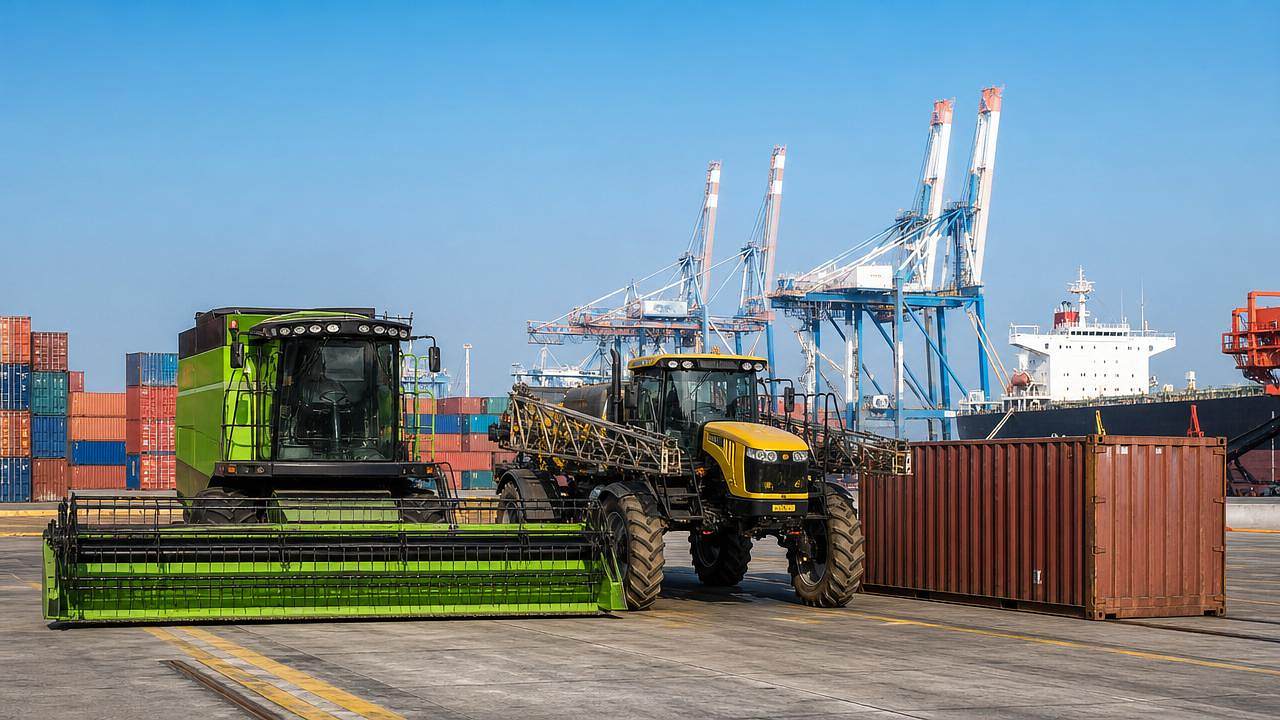




The timing of this event is not specified in the provided information, but the latest development is already drawing attention across agricultural machinery exports, ocean freight, and overseas delivery planning. Recent geopolitical tension around the Strait of Hormuz has pushed up container pricing and added pressure to outbound vessel schedules, making this a practical concern for exporters, logistics providers, and overseas buyers that rely on timely Q3 equipment arrivals for planting-season deployment.
Freight pressure is now feeding into machinery shipment delays
According to the provided information, spot container rates on the Asia-Europe route rose 37% in a single week in early June. At the same time, Red Sea diversions and higher insurance costs have led to visible congestion in the main shipping schedules used for complete machinery exports.
For oversized agricultural equipment such as Self-propelled Sprayers and Combine Harvesters, tighter vessel space and stricter port inspections are expected to delay departures from Qingdao and Tianjin by an average of 10 to 15 days. The stated impact falls directly on Q3 receiving schedules and planting-season planning for customers in the Middle East, North Africa, and Latin America.
Which parts of the chain are under the most immediate pressure
Exporters of complete agricultural machinery
From an industry perspective, exporters of large finished equipment are likely to face the most immediate operational disruption because the issue is not limited to freight cost alone. The combination of schedule backlogs, vessel space shortages, and tighter inspections can affect booking, loading coordination, and promised delivery windows, especially for oversized cargo categories.
Overseas buyers planning around seasonal use
Importers and end users in the Middle East, North Africa, and Latin America may feel the impact through delayed receipt rather than only through higher transport expense. What deserves closer attention is whether a 10 to 15 day outbound delay shifts equipment arrival beyond planned deployment windows tied to Q3 operations and planting schedules.
Supply chain and forwarding service providers
For logistics service providers, the pressure point is likely to sit in execution detail: booking availability, inspection timing, port handling coordination, and communication around revised estimated departure and arrival dates. Observably, oversized machinery shipments are more exposed when space is tight and procedural scrutiny increases.
What companies should watch in the near term
Changes in sailing reliability from Qingdao and Tianjin
Analysis shows that companies shipping large machinery should closely monitor whether backlog conditions on core export sailings continue, ease, or worsen. For current orders, the practical issue is not only published schedules, but whether actual loading windows remain achievable under tighter space conditions.
Execution risk for oversized equipment categories
Self-propelled Sprayers and Combine Harvesters are specifically mentioned in the provided information, so these categories deserve closer operational review. Businesses should focus on whether cargo dimensions, inspection preparation, and booking arrangements create additional delay risk beyond the average 10 to 15 day estimate.
Customer communication around Q3 delivery commitments
From a commercial standpoint, the most immediate task is expectation management with customers in affected regions. Where Q3 receipt timing matters for field deployment, companies should distinguish between confirmed shipment status and preliminary schedule assumptions, rather than treating current timelines as fixed.
Documentation and inspection readiness
Observably, tighter port inspections can turn ordinary preparation gaps into shipment delays. That makes documentation completeness, cargo declaration accuracy, and handoff coordination more important in the short term, particularly for complete-unit exports moving through already congested sailings.
Why this matters beyond one week of freight volatility
This section is an editorial observation. It is more appropriate to understand this development as a short-term logistics shock with wider operational implications, rather than as a fully settled long-term trend. The confirmed facts point to a sharp rise in freight rates and a measurable delivery delay risk for large agricultural machinery, but the durability of that disruption still requires observation.
Analysis shows that the real industry significance lies in how quickly freight pressure is translating into delivery uncertainty for machinery that is seasonal, oversized, and difficult to rebook at short notice. That combination makes even a limited delay more commercially sensitive than it may appear in general cargo trade.
How the market should read the current signal
At this stage, the development should be read as a live operational warning for agricultural machinery exporters and overseas buyers with near-term delivery exposure. The confirmed impact is specific enough to matter, especially for shipments from Qingdao and Tianjin and for customers planning Q3 deployment, but it is still best treated as a dynamic situation that requires continued verification rather than a final market outcome.
Basis of this article
This article is based on the user-provided news title, event timing, and event summary. The specific official source link was not provided in the input, so further verification is still needed through relevant source types commonly associated with this kind of development, such as official notices, company statements, industry association updates, authoritative media reporting, and related transport or trade documentation. If conditions continue to change, the main follow-up areas to watch are freight rate movement, vessel schedule congestion, inspection intensity, and whether the stated 10 to 15 day delay range expands or narrows.
Related News
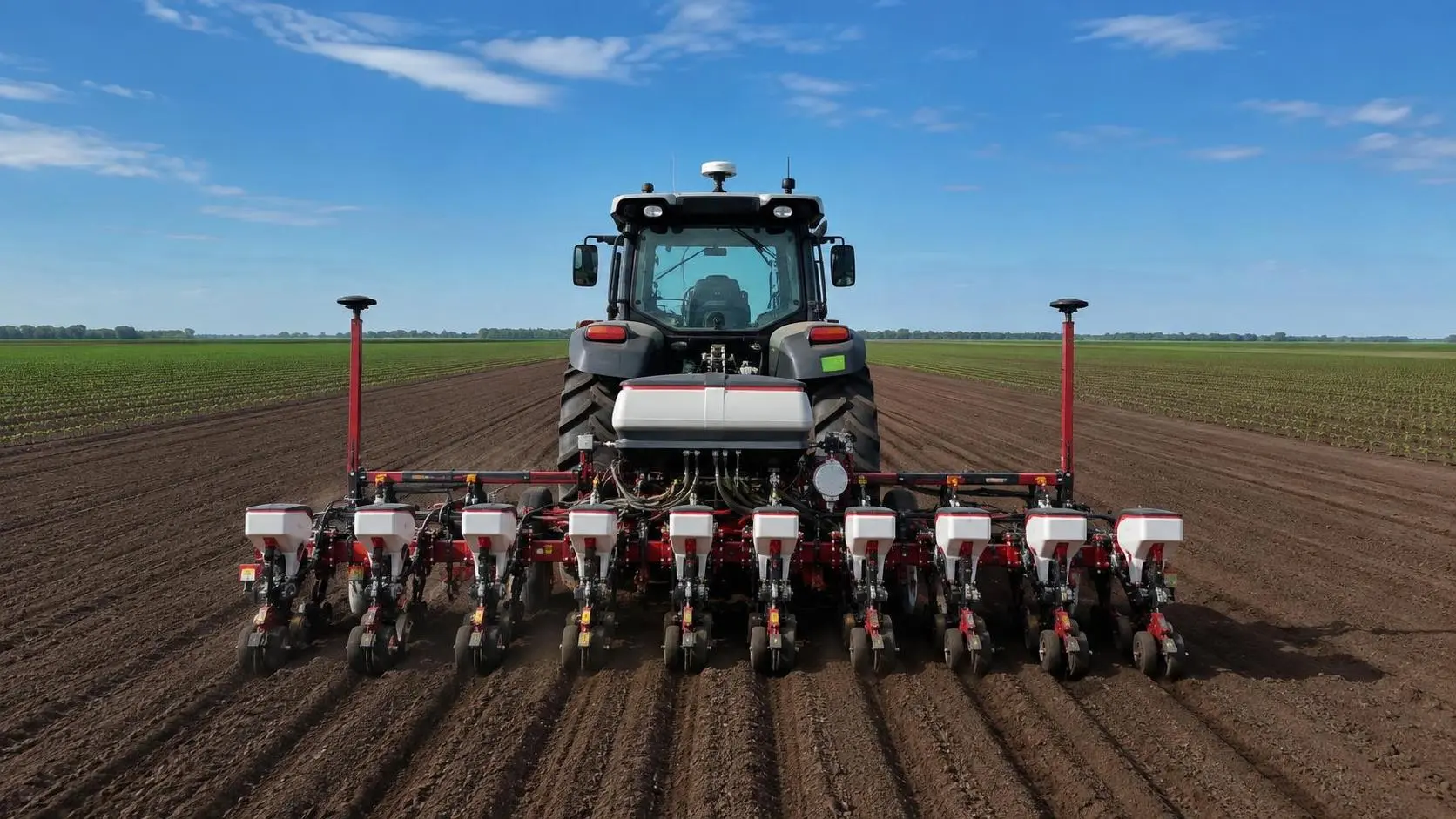
How Tractor Intelligence Systems Improve Field Efficiency and Input Accuracy
Agricultural machinery intelligence for tractors improves field efficiency, input accuracy, data traceability, and implement control. Explore smarter evaluation strategies.
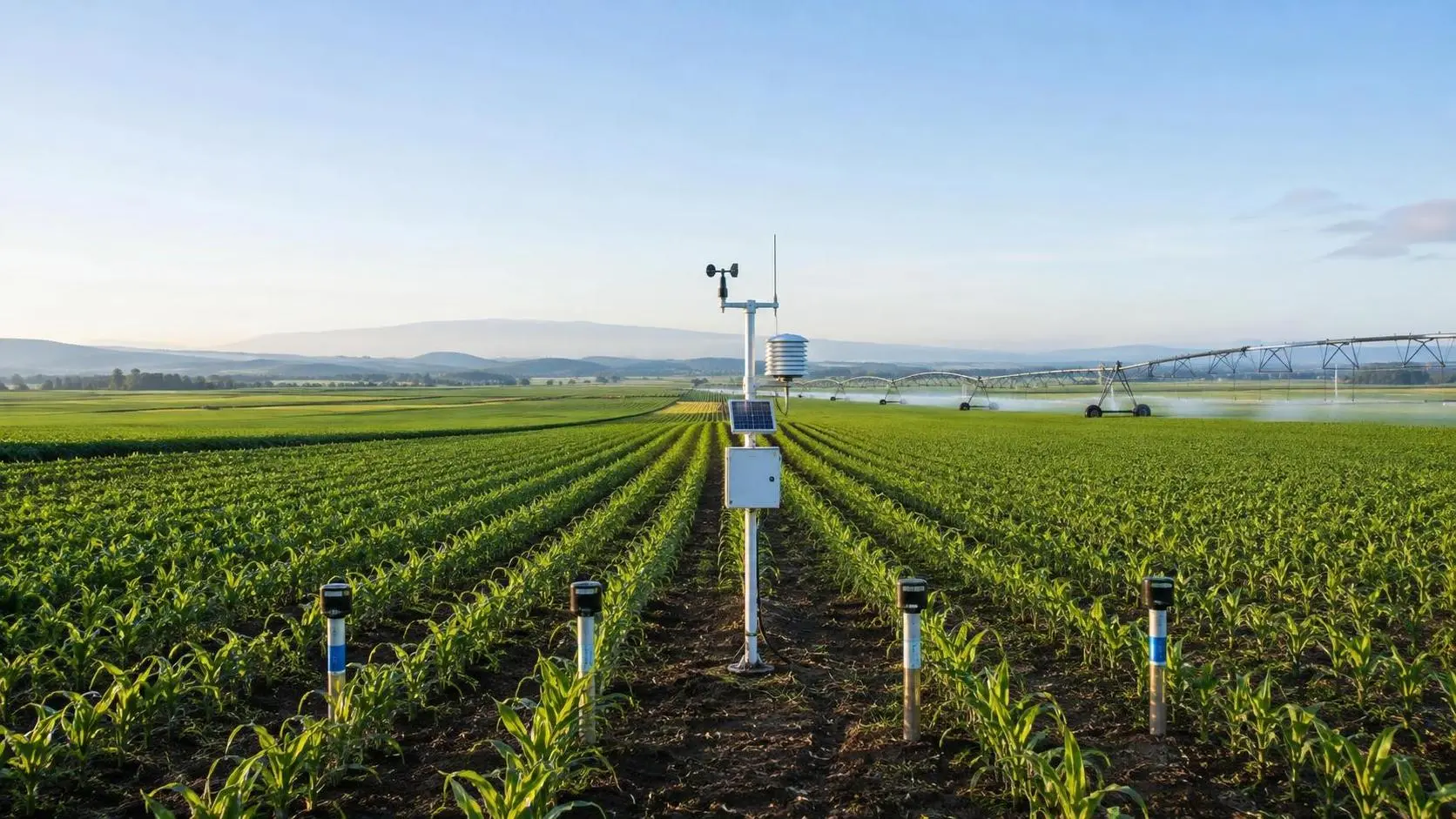
How to Evaluate Crop Monitoring System Manufacturers for Large-Scale Farms
Compare crop monitoring systems manufacturers for large-scale farms. Evaluate data quality, integration, durability, lifecycle costs, support, and pilots for smarter decisions.
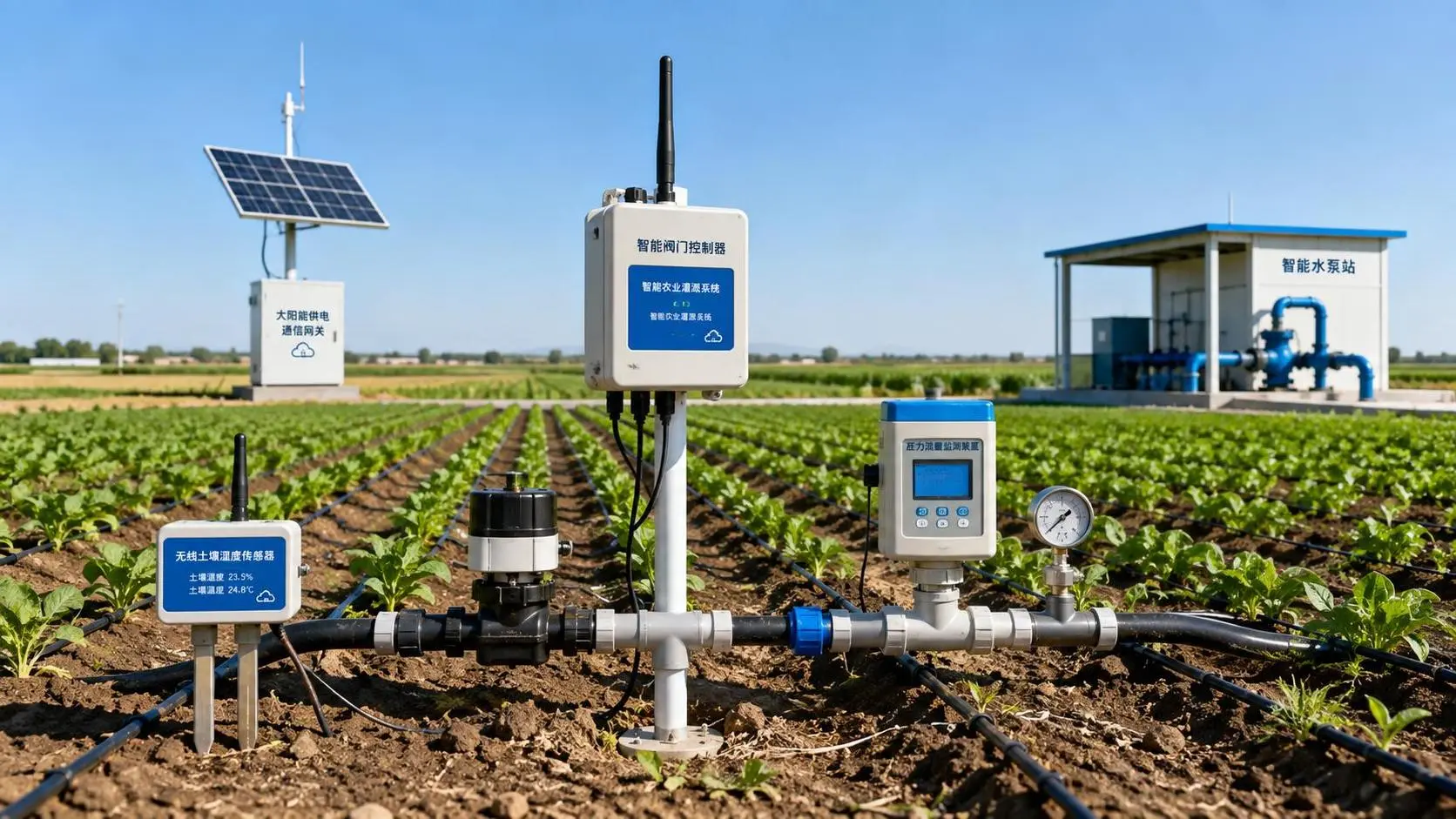
Wireless Agricultural Automation for Remote Irrigation and Field Monitoring
Agricultural automation wireless solutions improve remote irrigation with reliable field data, local control, flow verification, and smarter monitoring. Explore resilient deployment strategies.
Agricultural Product Information Market Guide: Key Data for Sourcing Decisions
Agricultural product information market guide for smarter sourcing—compare machinery, irrigation, precision tools, lifecycle costs, and supplier risk.
Large-Scale Farm Equipment Cost Comparison: Price, Fuel, and Lifecycle Value
Large-scale farm equipment cost comparison: evaluate price, fuel, maintenance, downtime, and lifecycle value to choose tractors, combines, irrigation, and smart tools with confidence.
A Procurement Specification Preparation Example for Buying Farm Equipment
Procurement specification preparation example for farm equipment: learn to define requirements, compare suppliers, control lifecycle costs, and buy with confidence.
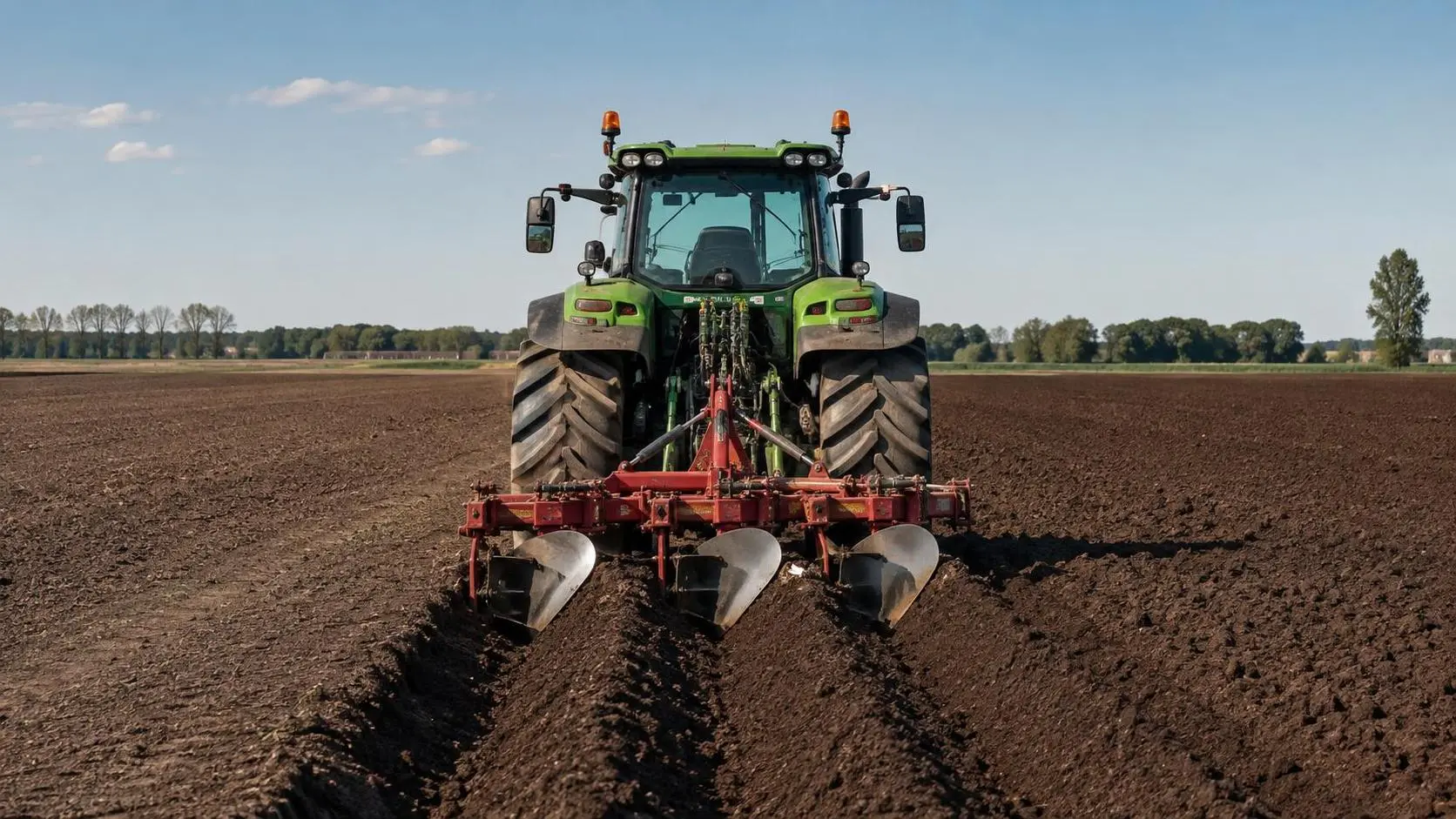
What Tractor Horsepower Is Needed for a Three-Bottom Moldboard Plow?
What tractor horsepower is needed for three-bottom moldboard plow? Compare 60–100 hp needs by soil, depth, traction, and plow width for a confident equipment match.
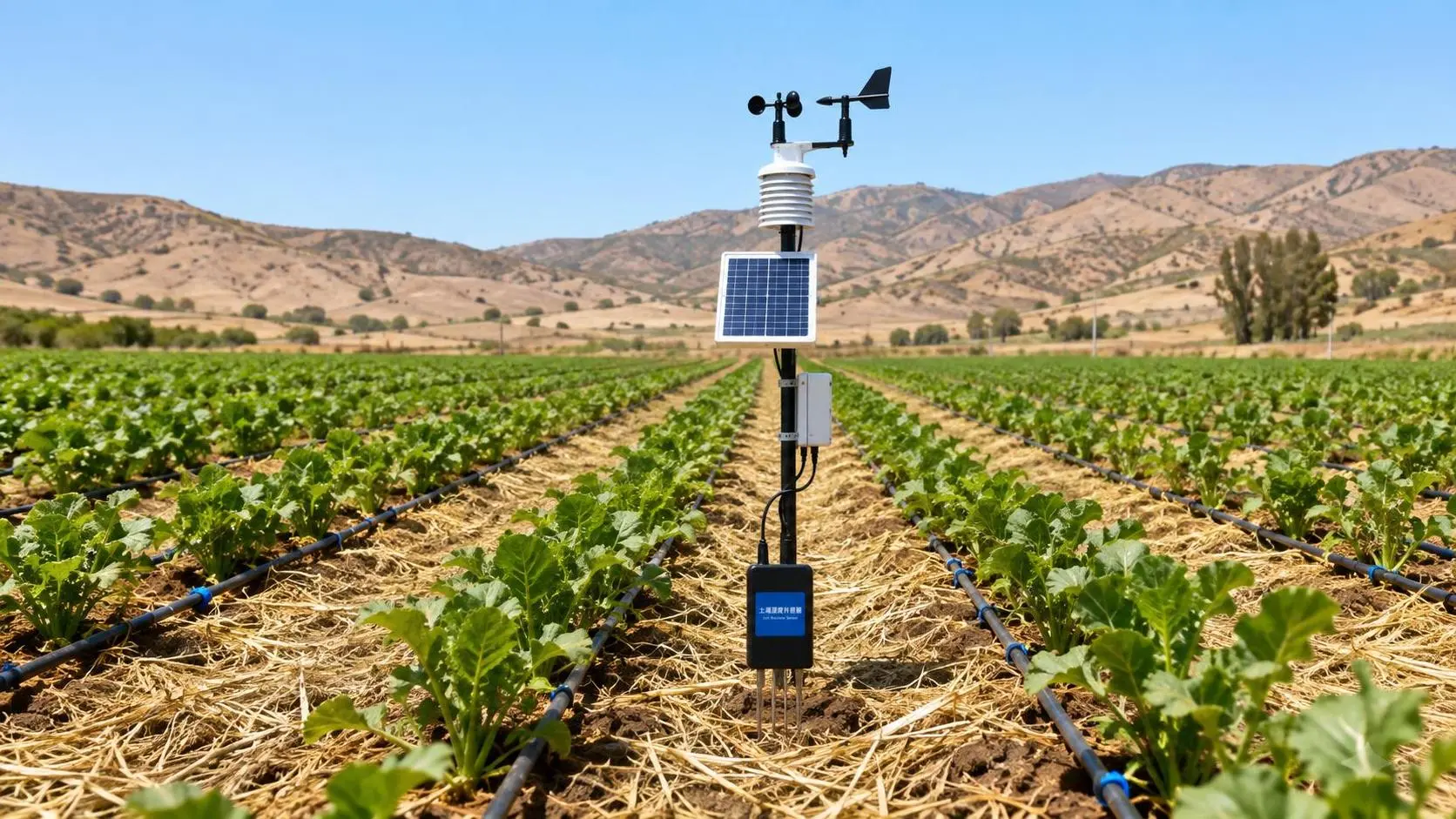
How Does Climate-Smart Farming Reduce Water Use in Semi-Arid Areas?
How does climate-smart farming reduce water use in semi-arid zones? Discover precision irrigation, soil monitoring, and smarter crop planning for resilient yields.
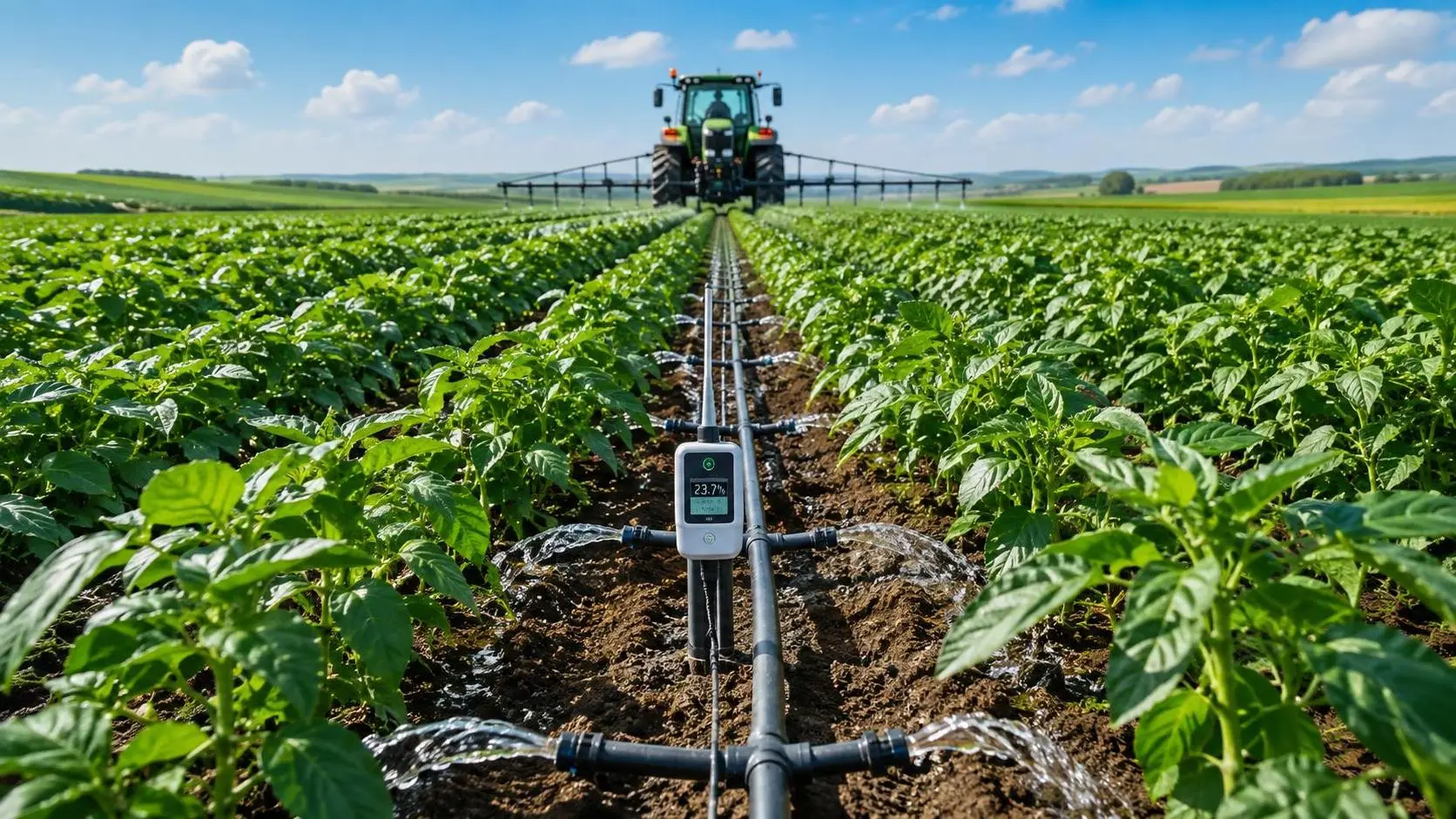
Can Sustainable Farming Be Profitable Without Reducing Yields?
Are sustainable farming practices profitable without yield loss? Discover precision strategies that cut waste, protect yields, and improve farm margins.
Related News
- 00
0000-00
How to Choose Plant Protection Equipment for Vineyard Pests - 00
0000-00
How to Read Agricultural Equipment Specifications for Sprayers Before You Compare Models - 00
0000-00
BIS Extends Fast-Track Approval for Self-Propelled Sprayers - 00
0000-00
Intelligent Sprayer Technology: Which Functions Matter Most for Field Efficiency? - 00
0000-00
How to Choose Plant Protection Equipment for Orchards by Tree Height, Row Spacing, and Spray Drift
Popular Tags
Agri-Mechanization Fellow
Weekly Insights
Stay ahead with our curated technology reports delivered every Monday.