
Plant Protection Solutions for Precision Agriculture: Which Systems Fit Row Crops, Orchards, and Vineyards?





Plant protection decisions have become far more strategic than choosing a sprayer and a chemical mix. In precision farming, crop architecture, canopy depth, field layout, and data connectivity all shape which platform can deliver reliable coverage with controlled drift and measurable input efficiency.
That is why plant protection solutions for precision agriculture now sit at the intersection of machinery engineering, agronomic accuracy, and sustainability targets. For row crops, orchards, and vineyards, the best system is rarely the most advanced on paper. It is the one that fits biological conditions, work rhythm, and operational data needs.
Within the Agriculture 4.0 landscape tracked by AP-Strategy, this topic matters because plant protection is no longer isolated from the rest of the machinery chain. It connects with tractor chassis performance, intelligent farm tools, water management logic, and the broader pressure to produce more with less loss, drift, and waste.
Why system fit matters more than equipment category
The phrase plant protection solutions for precision agriculture covers more than spraying hardware. It includes nozzle selection, airflow control, rate modulation, guidance systems, sensor feedback, digital mapping, and the operator’s ability to translate field variability into a practical application plan.
A mismatch usually appears in three ways. Coverage may be uneven, droplets may drift away from the target, or the machine may move too slowly for the operational window. In each case, the problem is not only agronomic. It is also economic and regulatory.
From an evaluation perspective, the central question is simple: how well does a system place the right volume, at the right droplet spectrum, into the right crop zone, under real field constraints?
The current industry focus behind precision plant protection
The market is moving beyond broad claims of smart spraying. Attention is shifting toward verified performance under different crop structures. Technical comparison now depends on target penetration, drift reduction, repeatability, digital integration, and serviceability over long work cycles.
This shift aligns with the intelligence-driven view promoted by AP-Strategy. Plant protection platforms are increasingly judged as parts of larger decision systems, not stand-alone machines. Data quality, prescription compatibility, and machine response matter almost as much as pump output and tank size.
Another important change is regulatory pressure. Buffer zones, residue expectations, and environmental compliance are tightening in many regions. As a result, plant protection solutions for precision agriculture are being selected for traceability and control, not only for hectares covered per hour.
Row crops: speed, boom stability, and variable-rate logic
Row crops usually favor high-capacity boom sprayers, self-propelled units, or tractor-mounted systems with strong guidance support. The operating environment is relatively open, but scale is large, and timing windows can be tight.
In this setting, the best plant protection solutions for precision agriculture are often those that maintain consistent boom height, minimize overlap, and support section or nozzle-level control. These functions matter because small application errors become expensive when multiplied across large acreage.
Sensor-assisted spot spraying can add value where weed pressure is patchy. However, it is most effective when field conditions, lighting, travel speed, and software calibration are stable enough to support reliable detection.
Key evaluation points in row crop operations
- Boom stability over uneven terrain and at transport speed.
- Section control accuracy at headlands and irregular field edges.
- Compatibility with prescription maps and GNSS guidance.
- Pump response when rate changes are frequent.
- Cleaning efficiency between products and crop phases.
Orchards: canopy penetration changes the equation
Orchards require a different logic. Trees create layered targets, dense foliage, and variable canopy heights. A system that performs well in broadacre fields may fail to deliver internal leaf coverage or may send excessive spray through the canopy.
For this reason, air-assisted sprayers remain central in many orchard systems. Their value lies in transporting droplets into dense structures, not just atomizing liquid. The quality of airflow direction, air volume matching, and side-to-side balance often determines the final result.
More advanced orchard platforms now include canopy sensing and automatic rate adjustment. These tools can reduce waste in blocks with uneven tree development. Still, the real benefit depends on sensor resolution, response speed, and how well the machine handles missing trees or gaps.
Where orchard systems should be judged carefully
Air velocity that is too weak can leave interior zones untreated. Air velocity that is too strong can increase drift or fruit damage. In practice, adjustable airflow is often more valuable than maximum airflow.
Tank capacity also needs realistic interpretation. Larger tanks reduce refill frequency, but tight orchard spacing, slope, and turning radius can make chassis balance and maneuverability more important than nominal volume.
Vineyards: narrow geometry, vertical targets, and drift sensitivity
Vineyards sit between open-field and orchard conditions, yet they bring unique constraints. Row spacing is tighter, target zones are vertical, and many vineyards operate near roads, water, or neighboring plots. That makes drift control especially important.
Plant protection solutions for precision agriculture in vineyards often prioritize compact dimensions, precise fan management, and targeted delivery to defined canopy walls. Recovery tunnel sprayers may also be relevant where input recovery and environmental compliance are strategic priorities.
A useful vineyard system should also adapt to seasonal canopy changes. Early-season growth, mid-season density, and late-season fruit exposure create different application needs. A fixed setup may be simple, but it rarely remains optimal throughout the season.
A practical comparison across the three crop systems
The following comparison helps frame what “fit” usually means in operational terms.
The digital layer that separates modern systems
Mechanical quality still matters, but the digital layer increasingly determines long-term value. Plant protection solutions for precision agriculture should be assessed for how they connect with farm management platforms, telemetry tools, and task documentation workflows.
Useful integration usually includes application logging, as-applied mapping, remote diagnostics, and prescription import. More advanced systems may link canopy sensing, weather data, and machine response into a single decision loop.
This is where AP-Strategy’s broader intelligence perspective becomes relevant. A plant protection platform should be read as part of a mechanized ecosystem that includes power units, control architecture, water-use strategy, and data governance across the farm.
How to judge value beyond purchase price
The cheapest option may carry the highest lifetime cost if it misses spray windows, wastes product, or creates compliance problems. A stronger evaluation model combines technical, operational, and information-related criteria.
- Measure field capacity against realistic refill, transport, and cleaning time.
- Compare drift control under local weather and landscape conditions.
- Check whether automation improves accuracy or only adds interface complexity.
- Review spare parts access, calibration support, and software update policy.
- Estimate value from saved input, not just machine utilization.
Usually, the strongest business case appears when a system reduces variability across seasons. Stable application quality creates more predictable crop protection outcomes and cleaner data for future decisions.
What to review before making the next comparison
A useful next step is to map crop structure, field geometry, and treatment frequency before comparing brands or machine categories. That avoids a common mistake: selecting technology by feature list instead of by operational fit.
It also helps to build a short scoring matrix around coverage quality, drift management, digital compatibility, service access, and adaptability across seasons. When these factors are reviewed together, plant protection solutions for precision agriculture become easier to compare on real performance, not marketing language.
For operations following the equipment and intelligence trends highlighted by AP-Strategy, the most resilient choice is usually the system that connects agronomic precision with reliable machinery behavior. That is the point where smarter field decisions start to translate into measurable operational advantage.
Related News
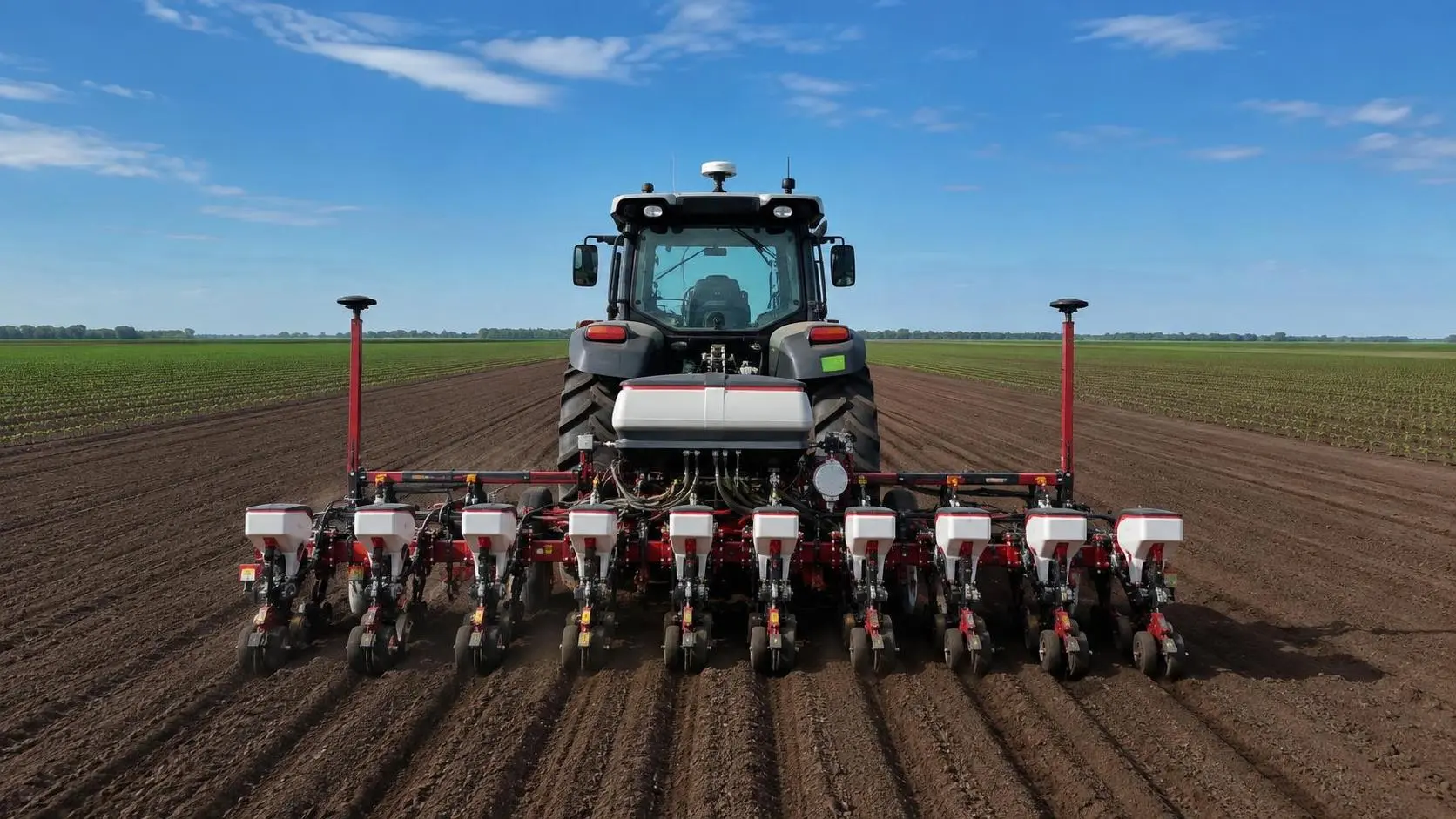
How Tractor Intelligence Systems Improve Field Efficiency and Input Accuracy
Agricultural machinery intelligence for tractors improves field efficiency, input accuracy, data traceability, and implement control. Explore smarter evaluation strategies.
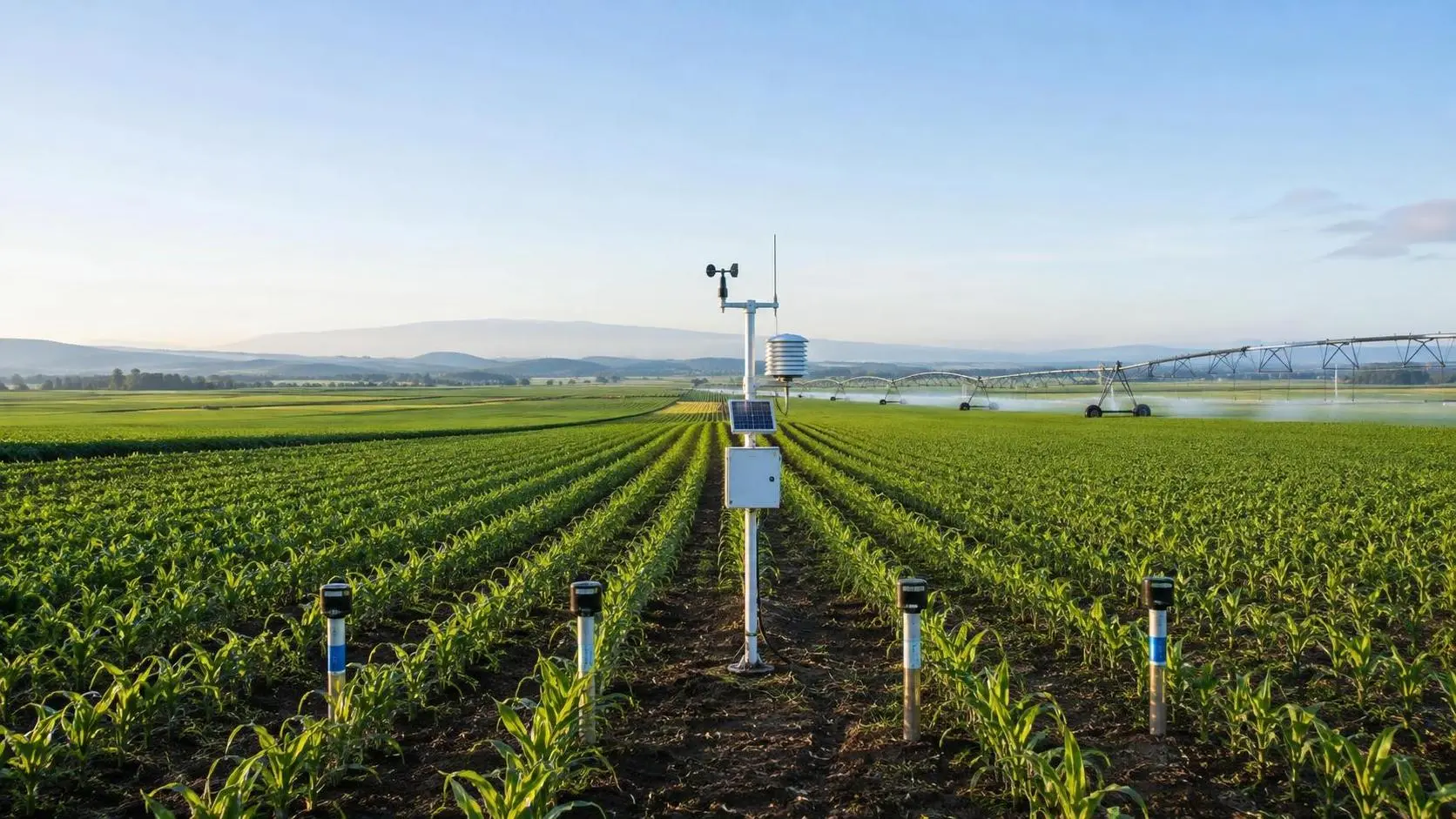
How to Evaluate Crop Monitoring System Manufacturers for Large-Scale Farms
Compare crop monitoring systems manufacturers for large-scale farms. Evaluate data quality, integration, durability, lifecycle costs, support, and pilots for smarter decisions.
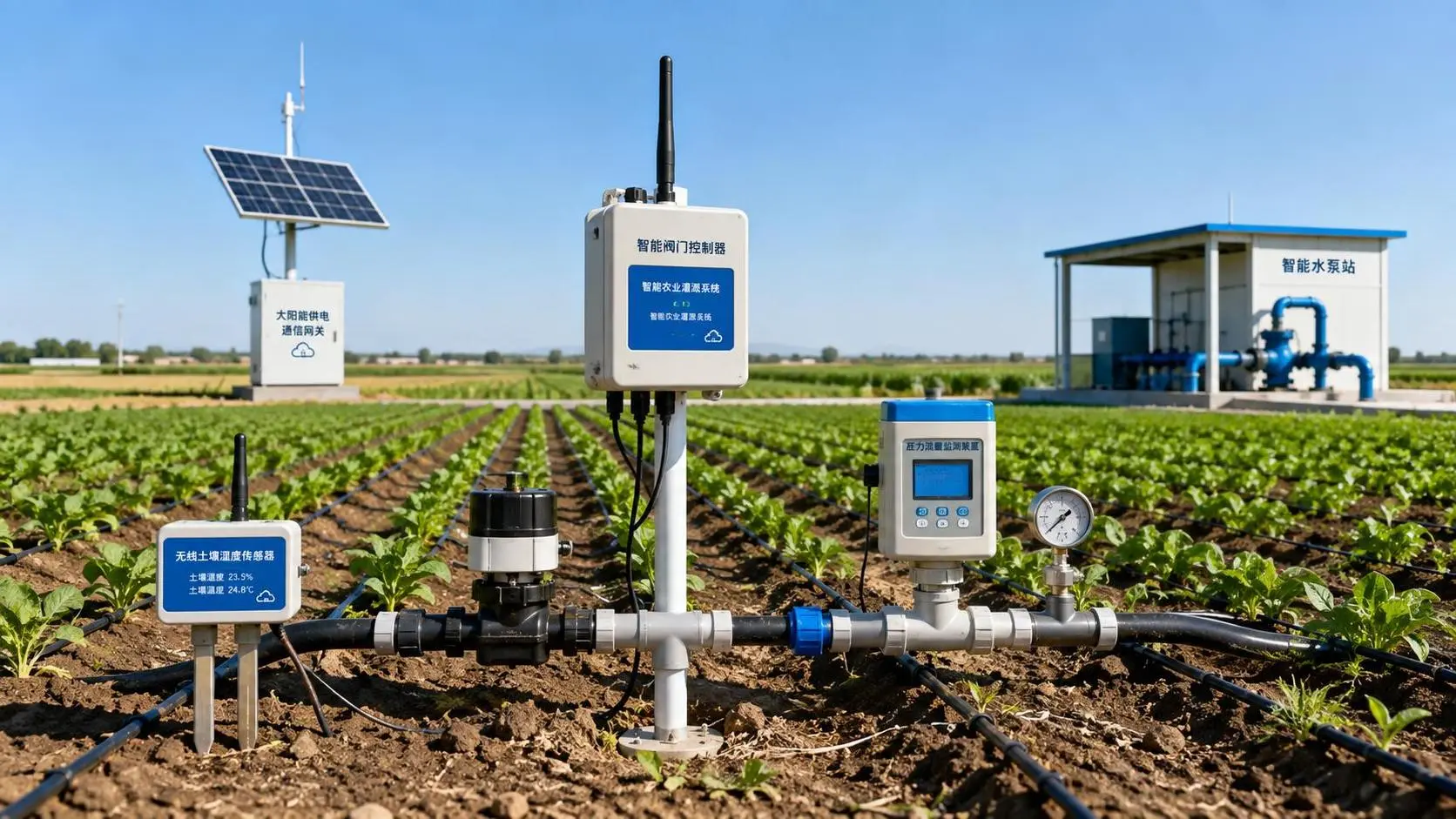
Wireless Agricultural Automation for Remote Irrigation and Field Monitoring
Agricultural automation wireless solutions improve remote irrigation with reliable field data, local control, flow verification, and smarter monitoring. Explore resilient deployment strategies.
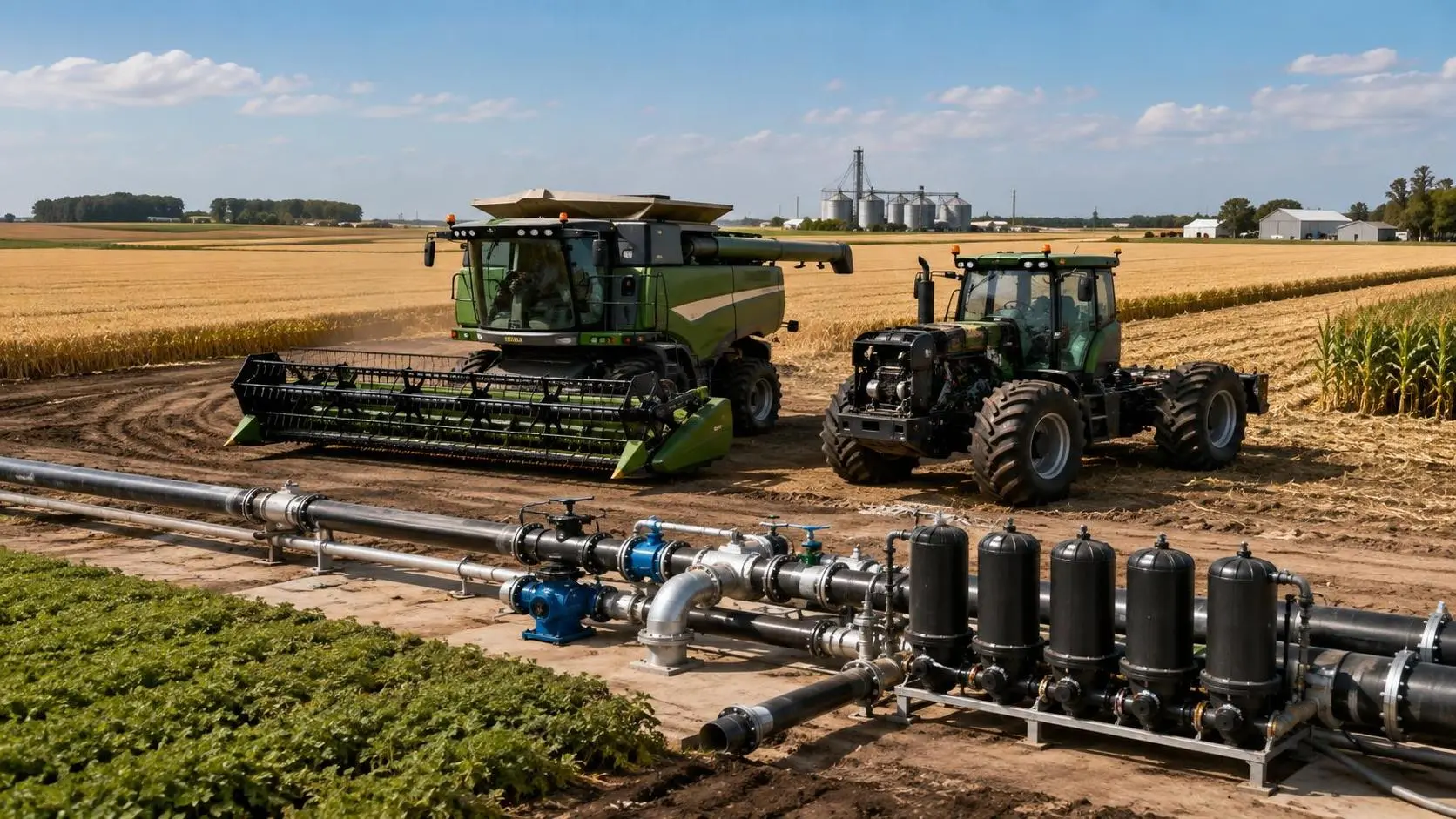
Agricultural Product Information Market Guide: Key Data for Sourcing Decisions
Agricultural product information market guide for smarter sourcing—compare machinery, irrigation, precision tools, lifecycle costs, and supplier risk.
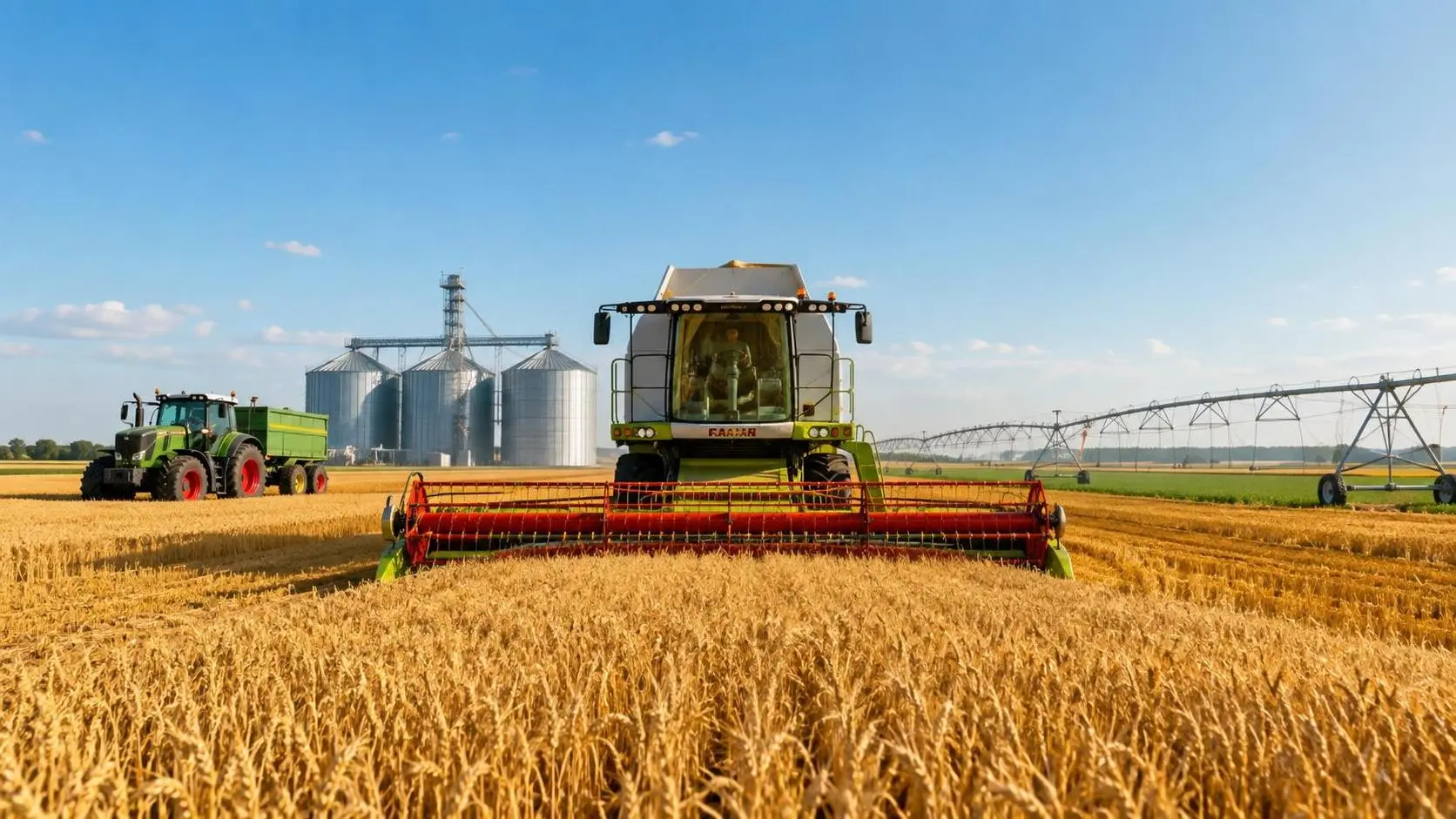
Large-Scale Farm Equipment Cost Comparison: Price, Fuel, and Lifecycle Value
Large-scale farm equipment cost comparison: evaluate price, fuel, maintenance, downtime, and lifecycle value to choose tractors, combines, irrigation, and smart tools with confidence.
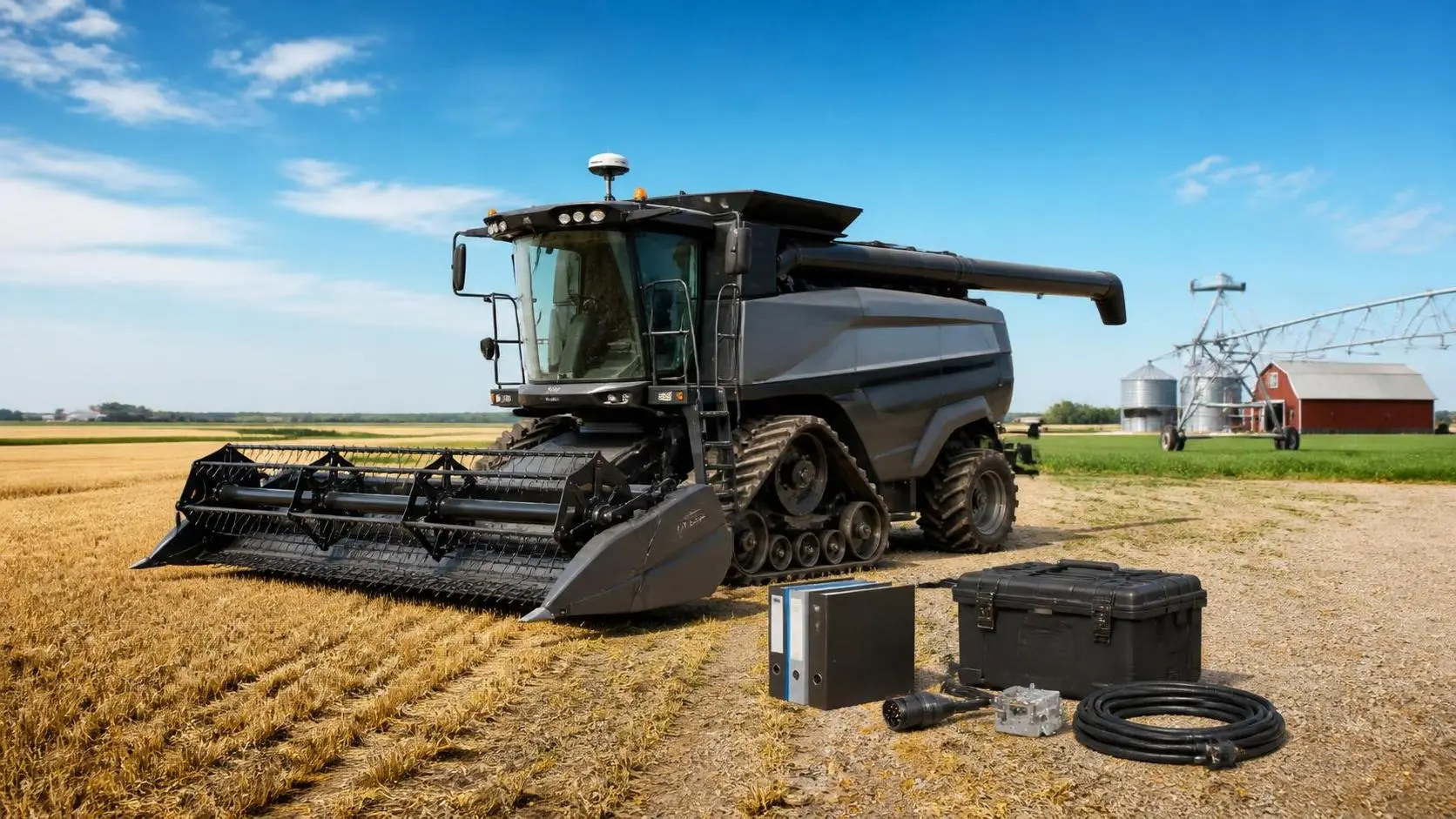
A Procurement Specification Preparation Example for Buying Farm Equipment
Procurement specification preparation example for farm equipment: learn to define requirements, compare suppliers, control lifecycle costs, and buy with confidence.
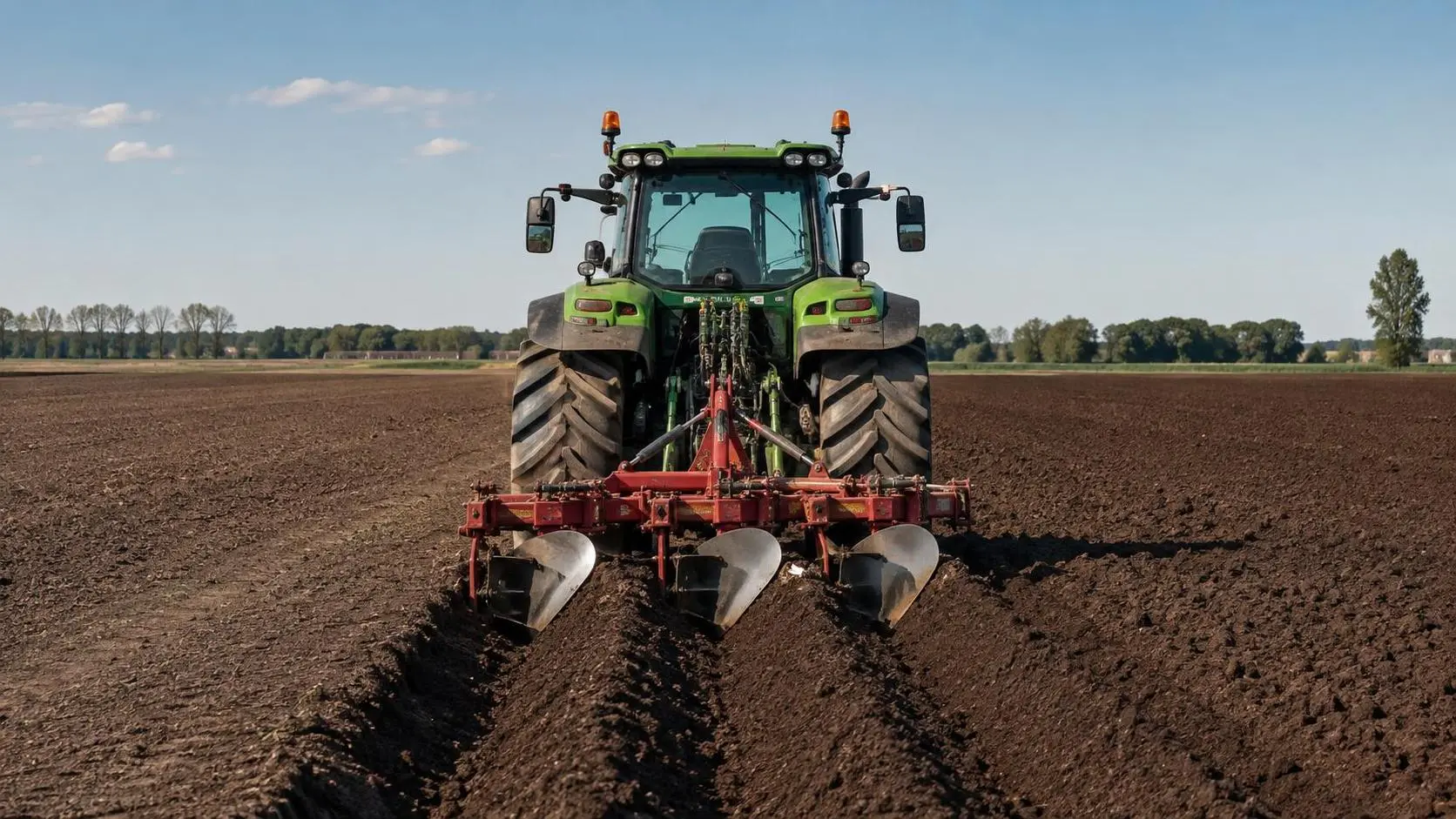
What Tractor Horsepower Is Needed for a Three-Bottom Moldboard Plow?
What tractor horsepower is needed for three-bottom moldboard plow? Compare 60–100 hp needs by soil, depth, traction, and plow width for a confident equipment match.
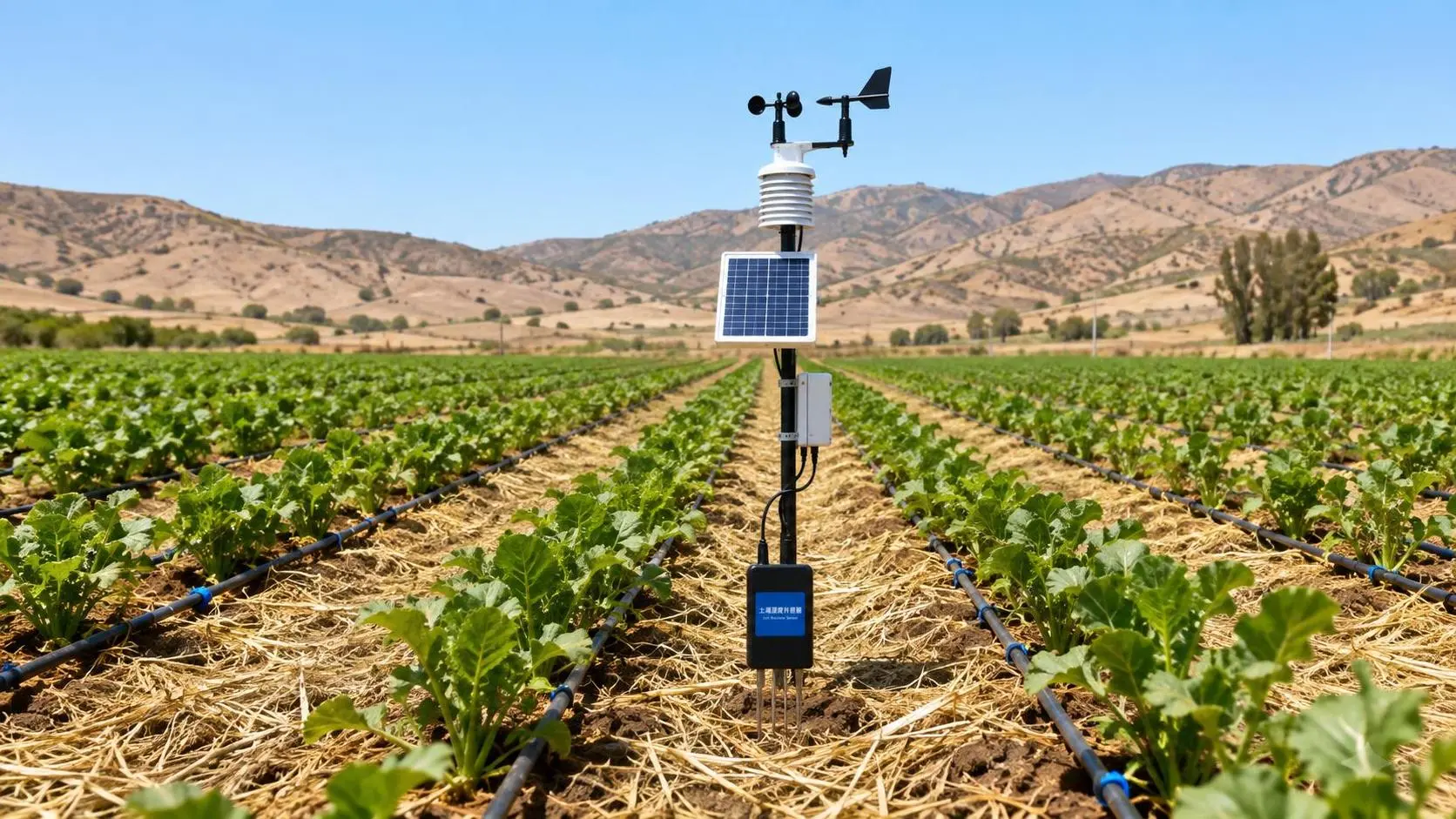
How Does Climate-Smart Farming Reduce Water Use in Semi-Arid Areas?
How does climate-smart farming reduce water use in semi-arid zones? Discover precision irrigation, soil monitoring, and smarter crop planning for resilient yields.
Can Sustainable Farming Be Profitable Without Reducing Yields?
Are sustainable farming practices profitable without yield loss? Discover precision strategies that cut waste, protect yields, and improve farm margins.
Related News
- 00
0000-00
How to Choose Plant Protection Equipment for Vineyard Pests - 00
0000-00
How to Read Agricultural Equipment Specifications for Sprayers Before You Compare Models - 00
0000-00
BIS Extends Fast-Track Approval for Self-Propelled Sprayers - 00
0000-00
Intelligent Sprayer Technology: Which Functions Matter Most for Field Efficiency? - 00
0000-00
How to Choose Plant Protection Equipment for Orchards by Tree Height, Row Spacing, and Spray Drift
Popular Tags
Agri-Mechanization Fellow
Weekly Insights
Stay ahead with our curated technology reports delivered every Monday.