
How Plant Protection Technology Supports Sustainable Agriculture in High-Risk Crop Conditions
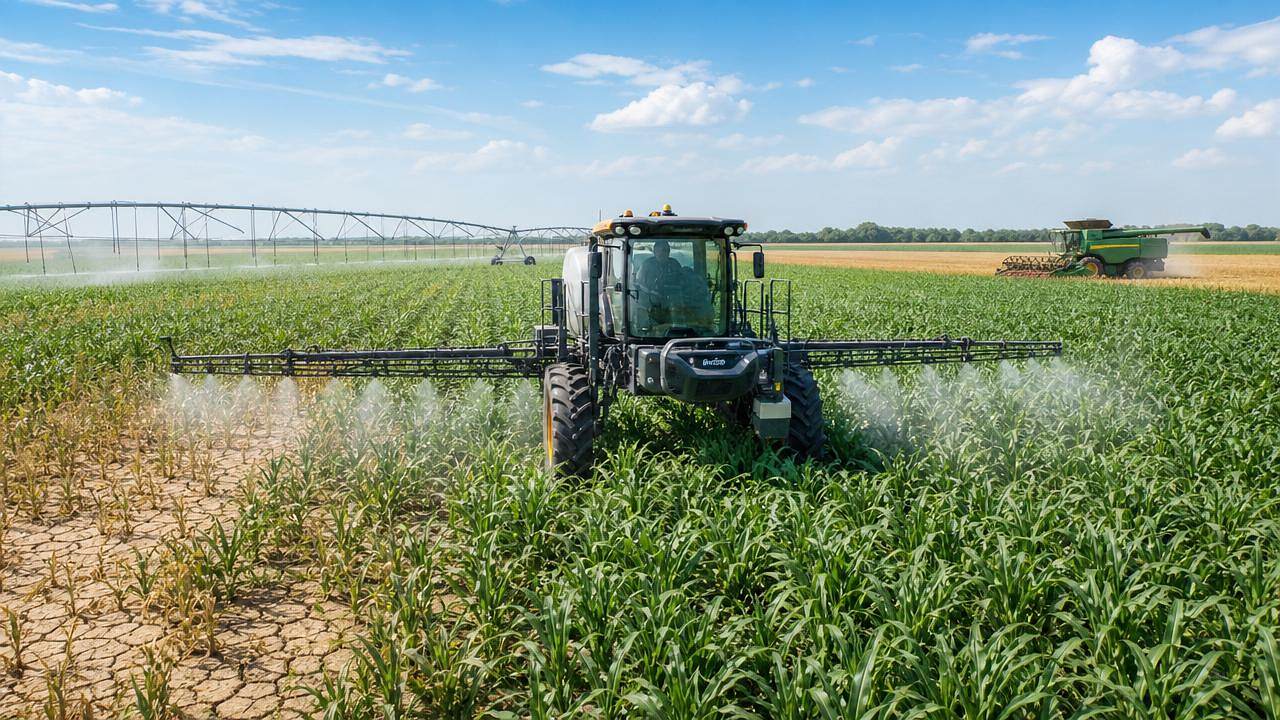




Why high-risk crop conditions change the value of plant protection technology
In difficult seasons, yield loss rarely comes from one factor alone.
Disease pressure, unstable moisture, spray timing, and machine access often interact across the same field.
That is why plant protection technology for sustainable agriculture matters most in high-risk crop conditions.
The goal is not simply to apply more chemistry or add more hardware.
The stronger approach is to align monitoring, machinery, and water management with actual field risk.
This is also where AP-Strategy’s Agriculture 4.0 perspective becomes relevant.
Large-scale agri-machinery, intelligent farm tools, combine harvesting intelligence, and water-saving irrigation are connected decisions.
In practice, plant protection technology for sustainable agriculture works best when these systems share data and operational timing.
Field risk is not uniform, so protection decisions cannot be uniform
A wet cereal block and a heat-stressed row crop can look equally risky, yet they demand different responses.
One may require early fungal detection and accurate canopy penetration.
The other may depend more on evapotranspiration tracking, drift control, and traffic management.
More common mistakes happen when similar-looking symptoms are treated as identical operational problems.
Plant protection technology for sustainable agriculture should therefore be judged by field condition, crop stage, equipment compatibility, and response window.
A smart sensor package is useful only when its alerts fit the operator’s spraying capacity and field access limits.
A practical way to compare high-risk conditions
When dense canopies raise disease pressure
High biomass crops often create the most deceptive protection environment.
The field may look vigorous, while lower canopy humidity is already supporting pathogen development.
Here, plant protection technology for sustainable agriculture should emphasize early detection and deposition accuracy.
Sensor-based scouting helps identify where disease risk clusters instead of assuming uniform infection pressure.
At the machinery level, boom stability, droplet size control, and travel speed matter more than headline tank capacity.
In actual operations, large-scale equipment can protect more hectares quickly, but only if spray quality remains stable over uneven terrain.
This is where intelligent farm tools and chassis performance become part of the same agronomic decision.
In drought and heat stress, the decision is rarely only about pests
Dry conditions often change pest behavior, crop recovery speed, and treatment tolerance at the same time.
A field under water stress may show pest injury earlier, yet broad intervention can waste input and deepen plant stress.
Plant protection technology for sustainable agriculture becomes more effective when linked with irrigation intelligence.
Transpiration models, soil moisture feedback, and prescription mapping help separate genuine infestation from stress-driven symptoms.
That distinction supports selective treatment zones rather than full-field repetition.
AP-Strategy’s focus on water-saving irrigation is important here because protection efficiency depends on crop physiological condition, not spray timing alone.
More resilient programs combine water scheduling, lower-drift application windows, and threshold-based pest intervention.
On large acreage, timing risk can be more serious than treatment choice
Many high-risk losses appear on farms where the right product is selected too late.
Wide operating areas, road movement, refill delays, and inconsistent field access can shrink the useful intervention window.
In these cases, plant protection technology for sustainable agriculture depends heavily on operational coordination.
Telemetry, route planning, section control, and fleet visibility reduce overlap and help prioritize blocks with the fastest risk escalation.
This is not just a machinery issue.
It affects chemical efficiency, labor exposure, fuel use, and eventual harvest quality.
A more useful judgment method is to compare hectares per safe spray window, not nominal daily coverage alone.
Where adaptation usually pays off first
- Match scouting frequency to disease or pest acceleration, not calendar habit.
- Check whether sprayer control systems integrate with field maps and weather inputs.
- Review chassis traction and compaction risk before wet-season entry decisions.
- Link treatment plans with combine harvest scheduling in vulnerable maturity stages.
- Track refill, cleaning, and maintenance downtime as part of protection performance.
Late-season protection needs to be aligned with harvest reality
As crops approach maturity, the margin for error narrows quickly.
Weather instability, lodging risk, grain moisture variation, and disease carryover all shape the final decision.
Plant protection technology for sustainable agriculture should not be isolated from combine harvesting strategy at this stage.
If a treatment preserves standability or reduces late infection, it may also improve harvester throughput and cut cleaning losses.
If application timing disrupts harvest readiness, the gain may disappear elsewhere.
This integrated view reflects the broader AP-Strategy logic of connecting protection, power systems, and harvesting efficiency.
Common misjudgments that weaken sustainable outcomes
One common mistake is choosing plant protection technology for sustainable agriculture by equipment specification alone.
Field slope, canopy depth, refill logistics, and operator workflow often decide real performance.
Another mistake is focusing only on purchase cost.
Calibration time, nozzle wear, software compatibility, and seasonal service response can reshape total operating cost.
It is also easy to overlook long-cycle change.
A setup that works in one average season may struggle under tighter environmental standards or more volatile weather.
Sustainable performance comes from repeatable adaptability, not single-season optimization.
How to evaluate fit before expanding investment
A better next step is to define the field situations that create the highest loss risk.
Then compare whether current monitoring, spraying, traction, and irrigation systems respond fast enough.
Plant protection technology for sustainable agriculture should be reviewed as an operational system, not a standalone purchase line.
Useful evaluation points include data compatibility, treatment precision, maintenance burden, seasonal uptime, and fit with harvest timing.
Where conditions are changing quickly, it helps to build simple adaptation standards for each risk pattern.
That means mapping trigger thresholds, machine limits, water constraints, and likely response costs before pressure peaks.
The most durable results come from decisions that connect agronomic signals with machinery capability and sustainability targets across the full field cycle.
Related News
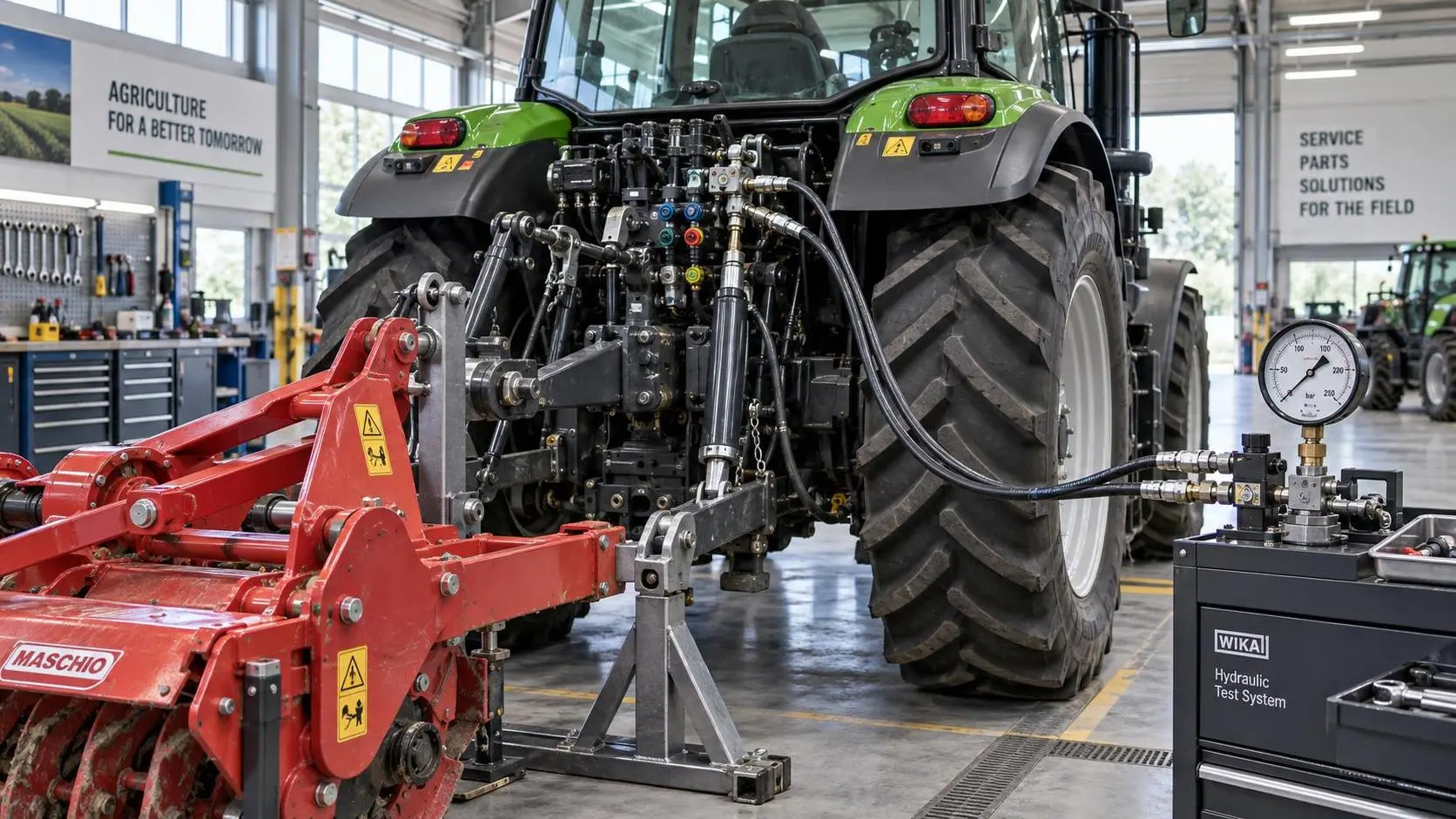
Tractor Hydraulic Systems Troubleshooting: Diagnosing Weak Lift and Slow Implements
Tractor hydraulic systems troubleshooting made practical: diagnose weak lifts and slow implements with proven pressure, flow, valve, and oil-supply checks.
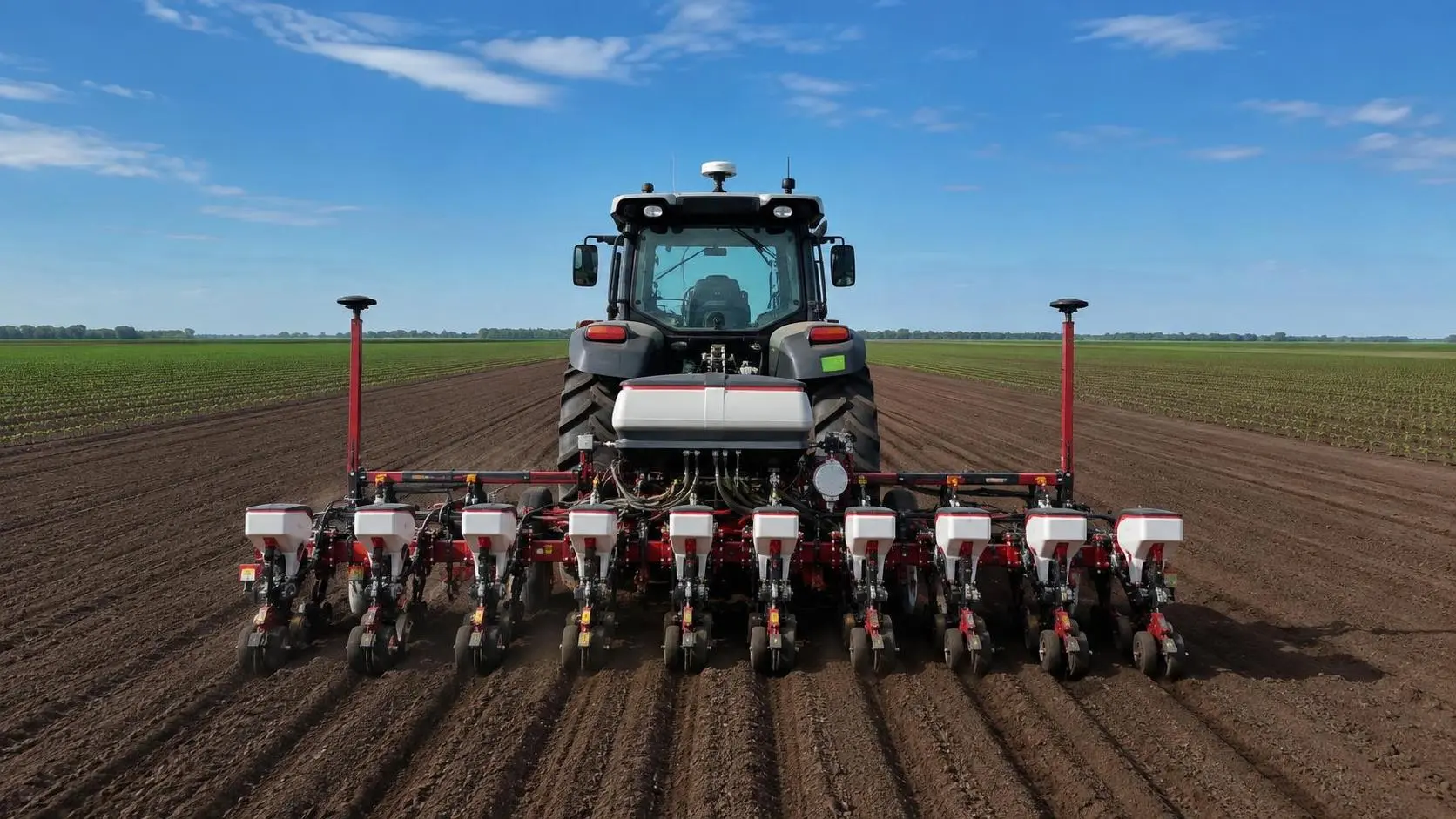
How Tractor Intelligence Systems Improve Field Efficiency and Input Accuracy
Agricultural machinery intelligence for tractors improves field efficiency, input accuracy, data traceability, and implement control. Explore smarter evaluation strategies.
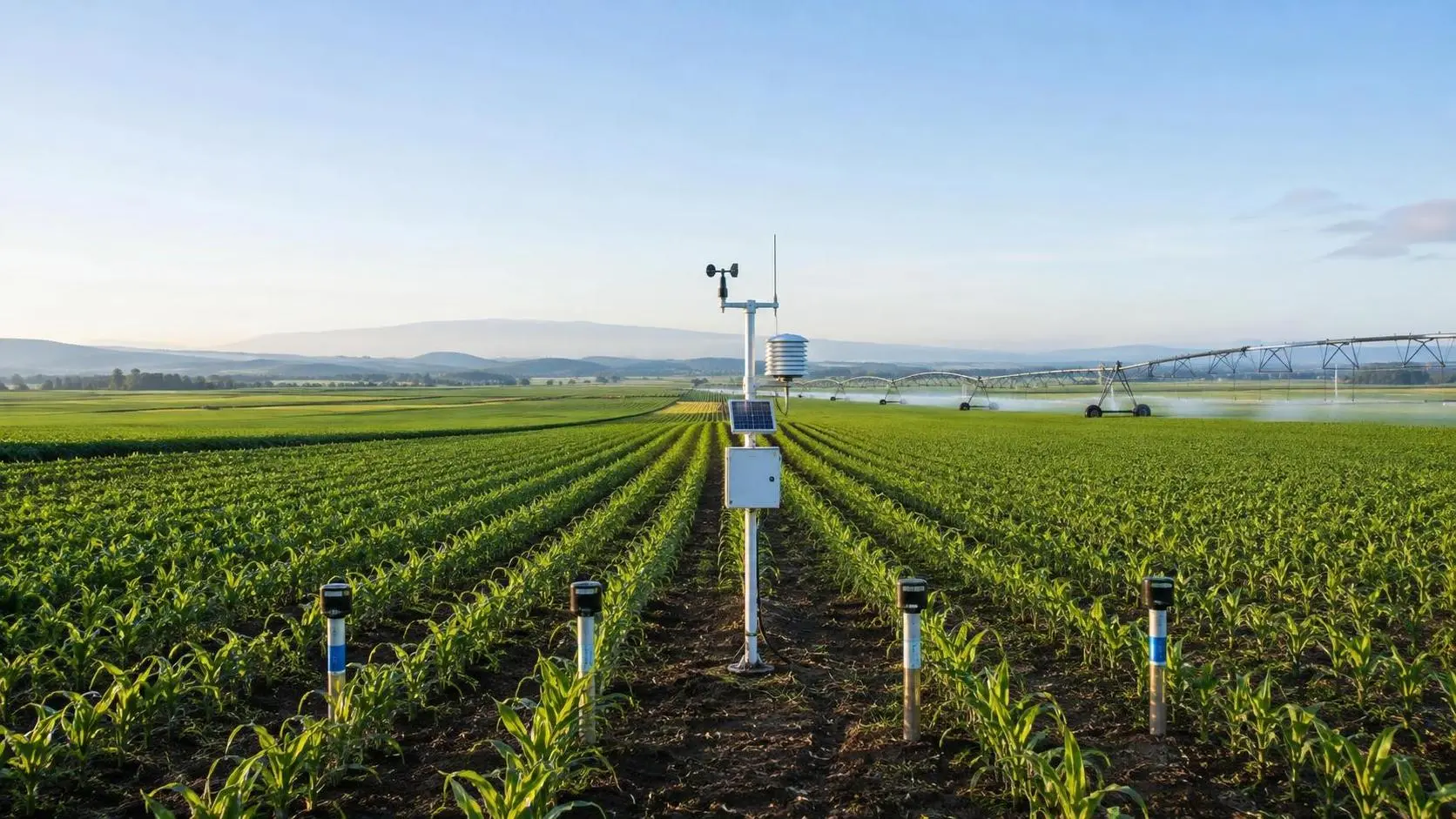
How to Evaluate Crop Monitoring System Manufacturers for Large-Scale Farms
Compare crop monitoring systems manufacturers for large-scale farms. Evaluate data quality, integration, durability, lifecycle costs, support, and pilots for smarter decisions.
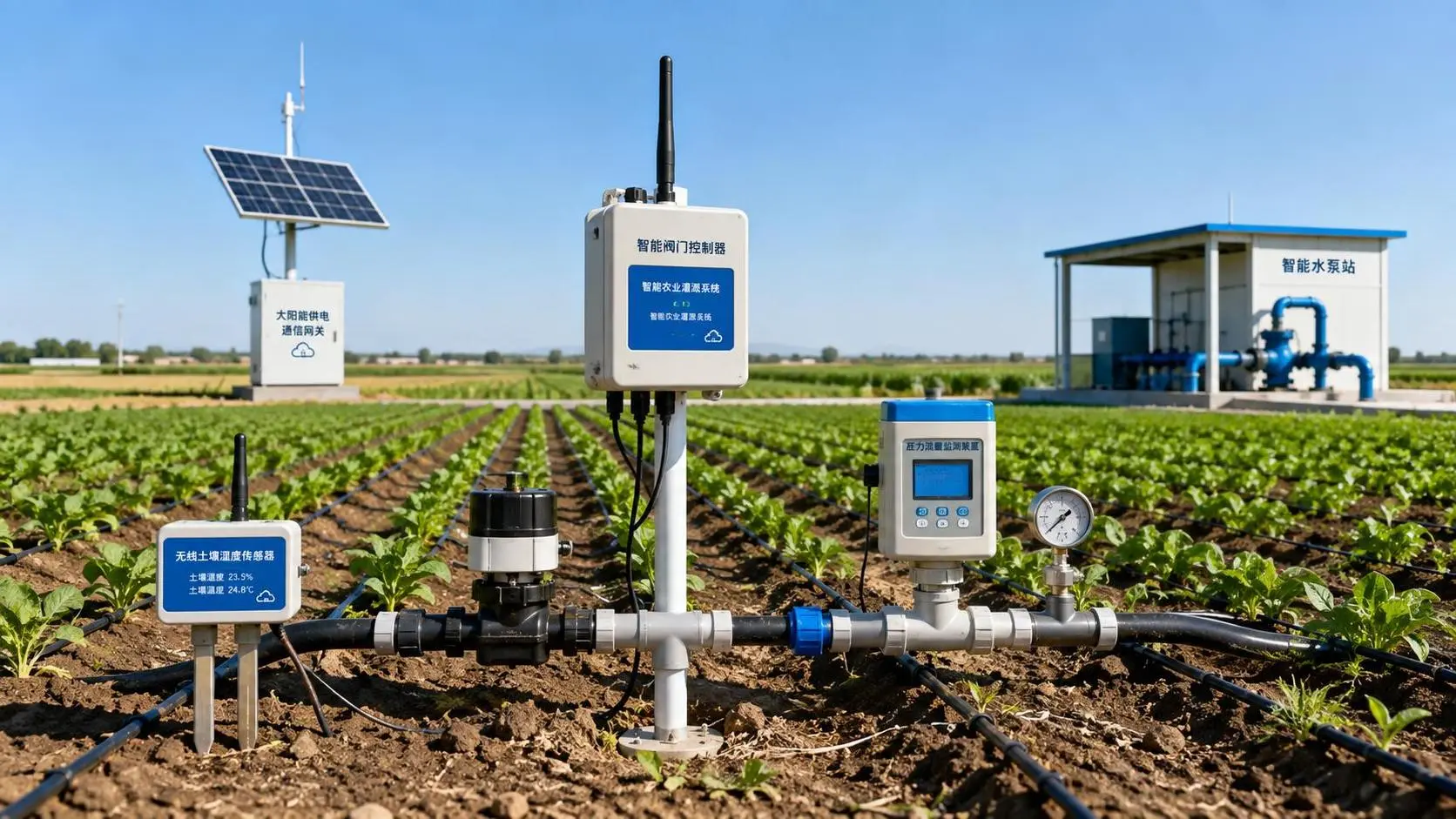
Wireless Agricultural Automation for Remote Irrigation and Field Monitoring
Agricultural automation wireless solutions improve remote irrigation with reliable field data, local control, flow verification, and smarter monitoring. Explore resilient deployment strategies.
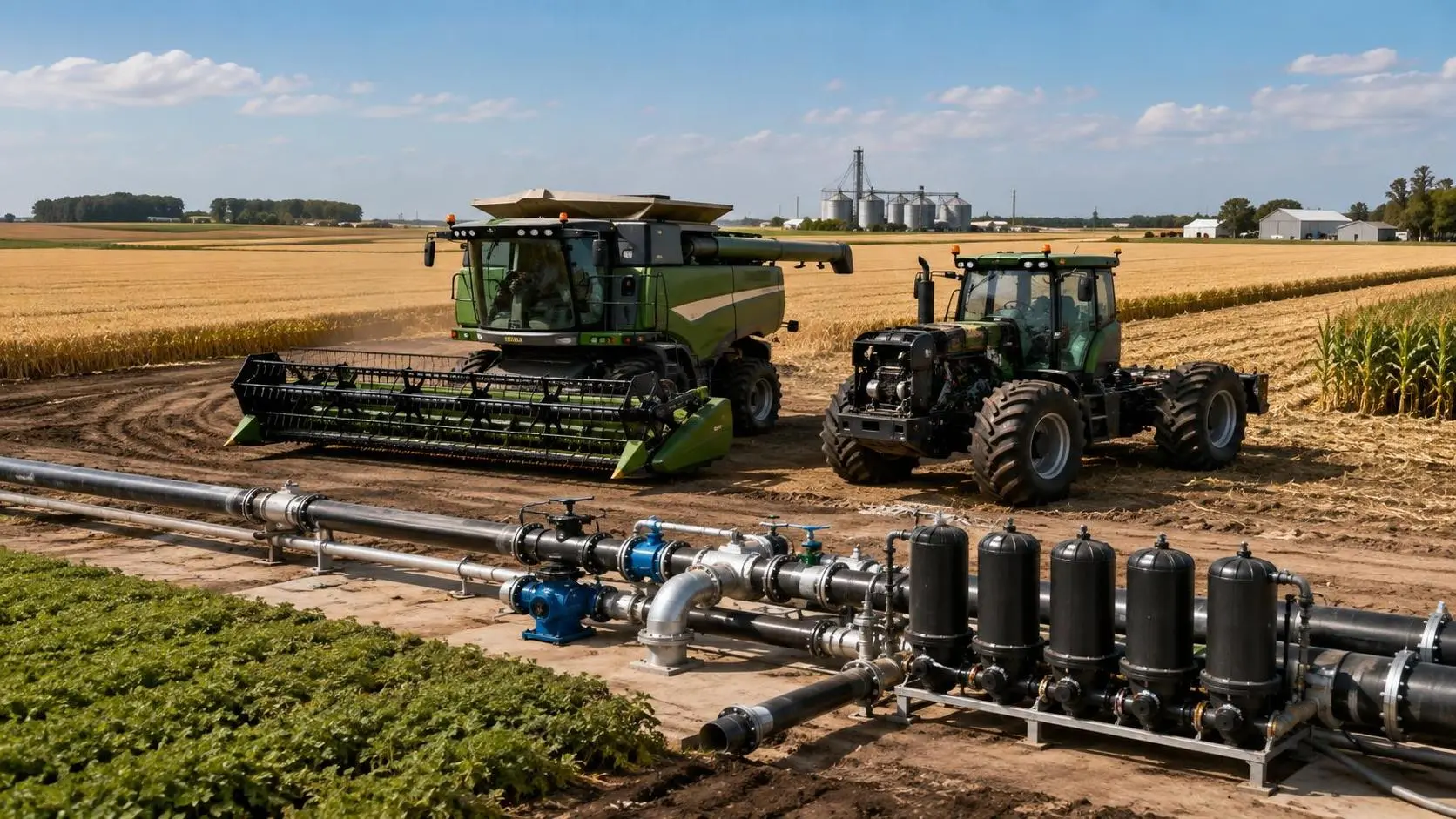
Agricultural Product Information Market Guide: Key Data for Sourcing Decisions
Agricultural product information market guide for smarter sourcing—compare machinery, irrigation, precision tools, lifecycle costs, and supplier risk.
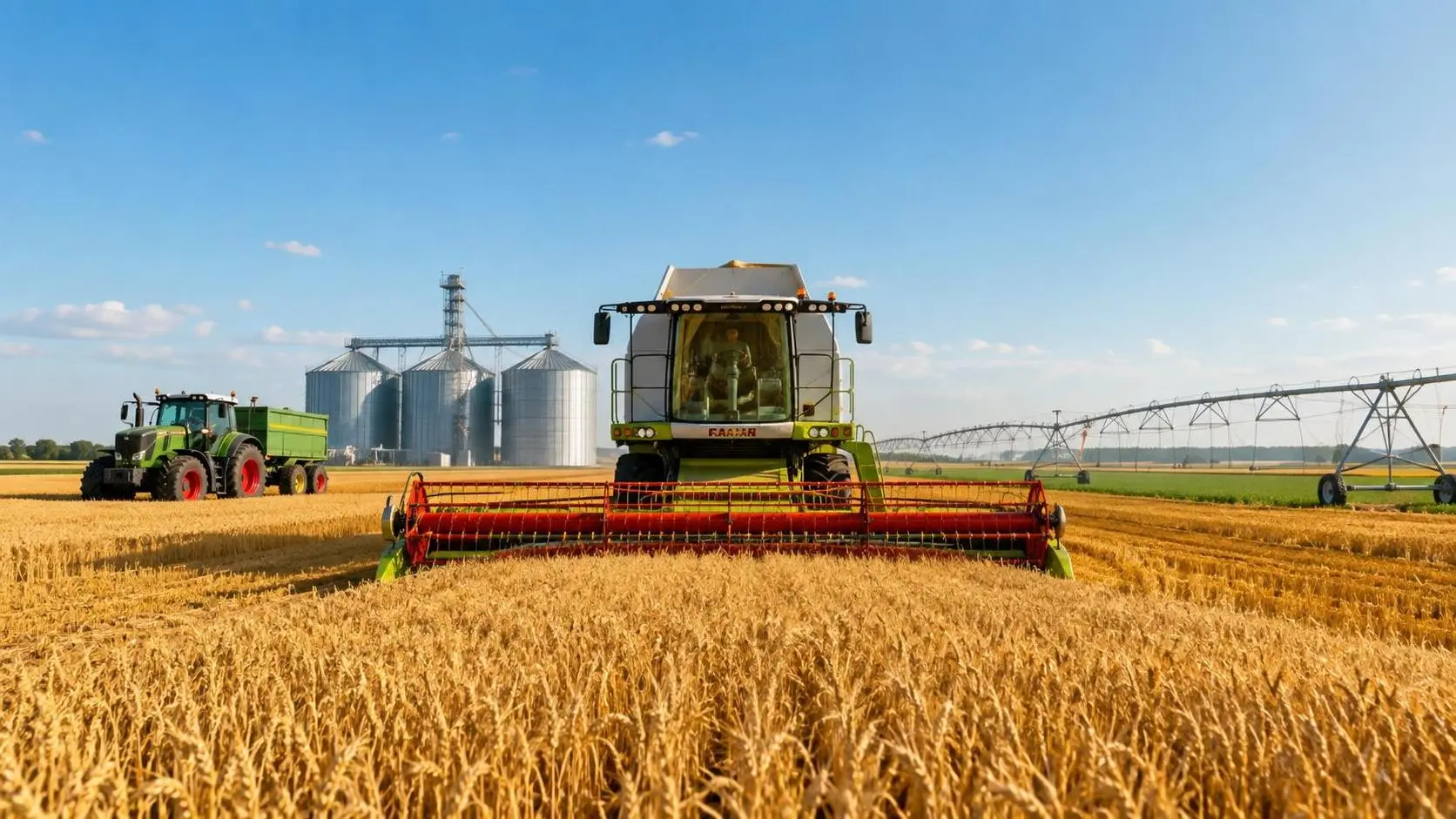
Large-Scale Farm Equipment Cost Comparison: Price, Fuel, and Lifecycle Value
Large-scale farm equipment cost comparison: evaluate price, fuel, maintenance, downtime, and lifecycle value to choose tractors, combines, irrigation, and smart tools with confidence.
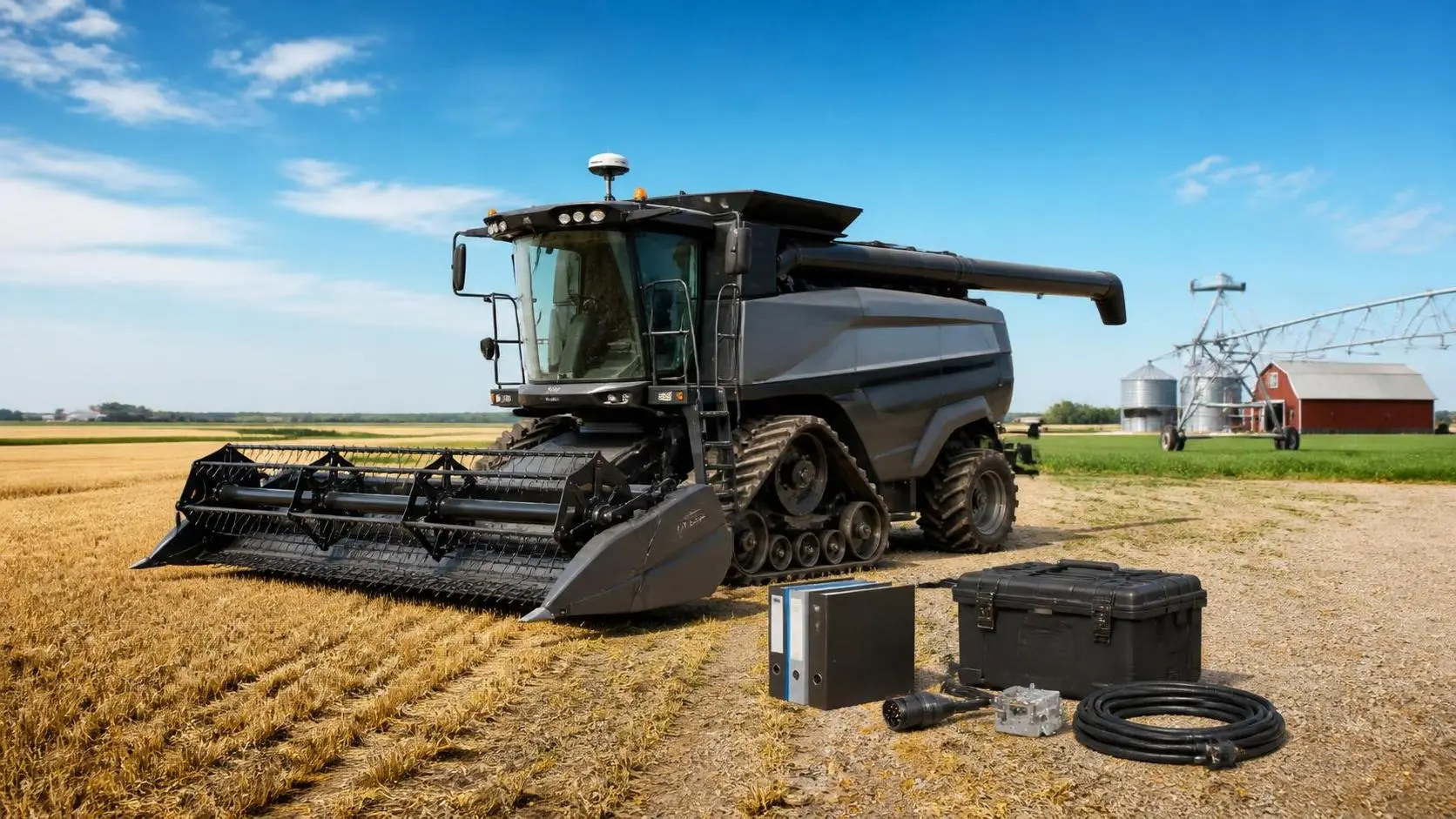
A Procurement Specification Preparation Example for Buying Farm Equipment
Procurement specification preparation example for farm equipment: learn to define requirements, compare suppliers, control lifecycle costs, and buy with confidence.
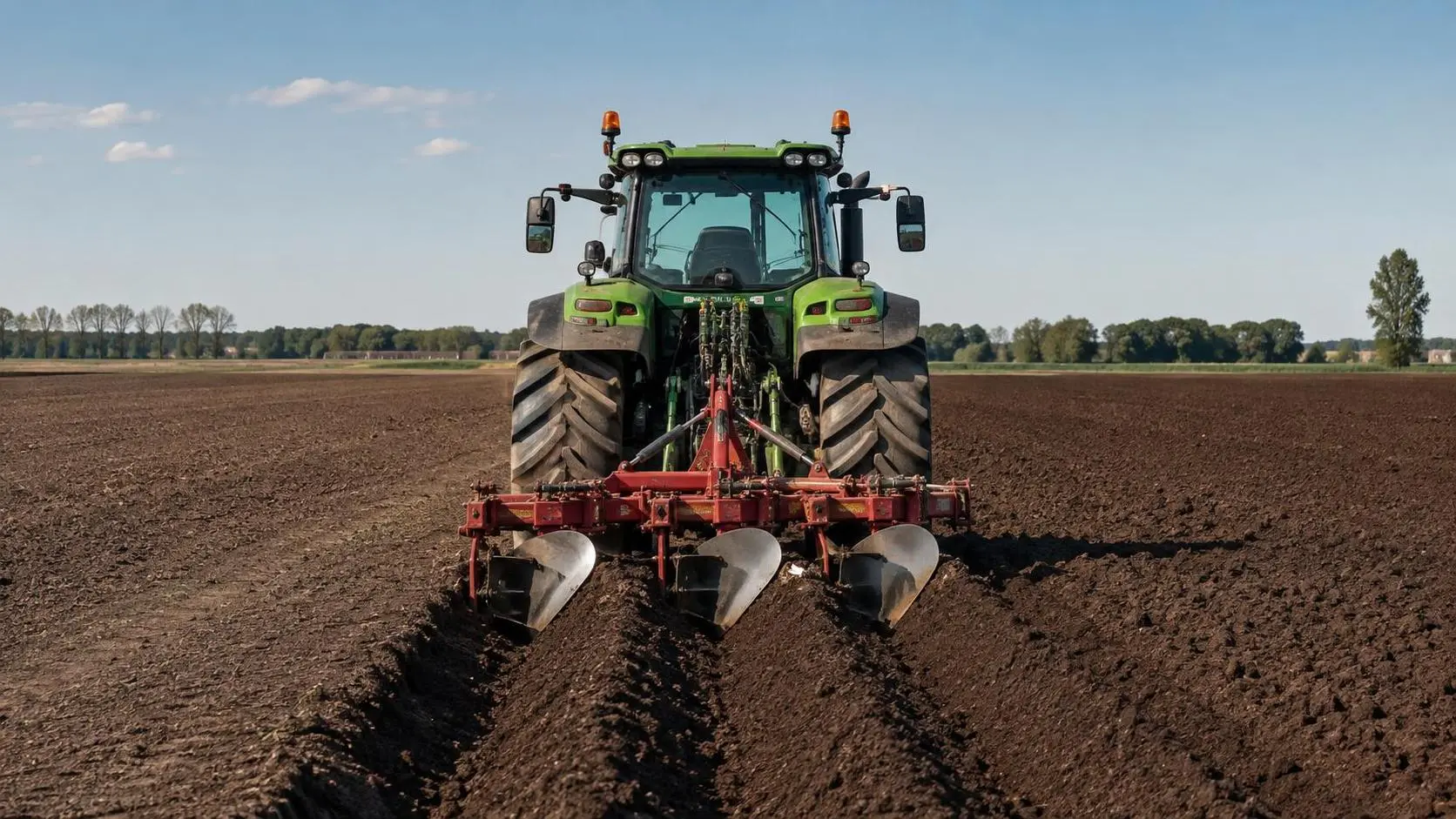
What Tractor Horsepower Is Needed for a Three-Bottom Moldboard Plow?
What tractor horsepower is needed for three-bottom moldboard plow? Compare 60–100 hp needs by soil, depth, traction, and plow width for a confident equipment match.
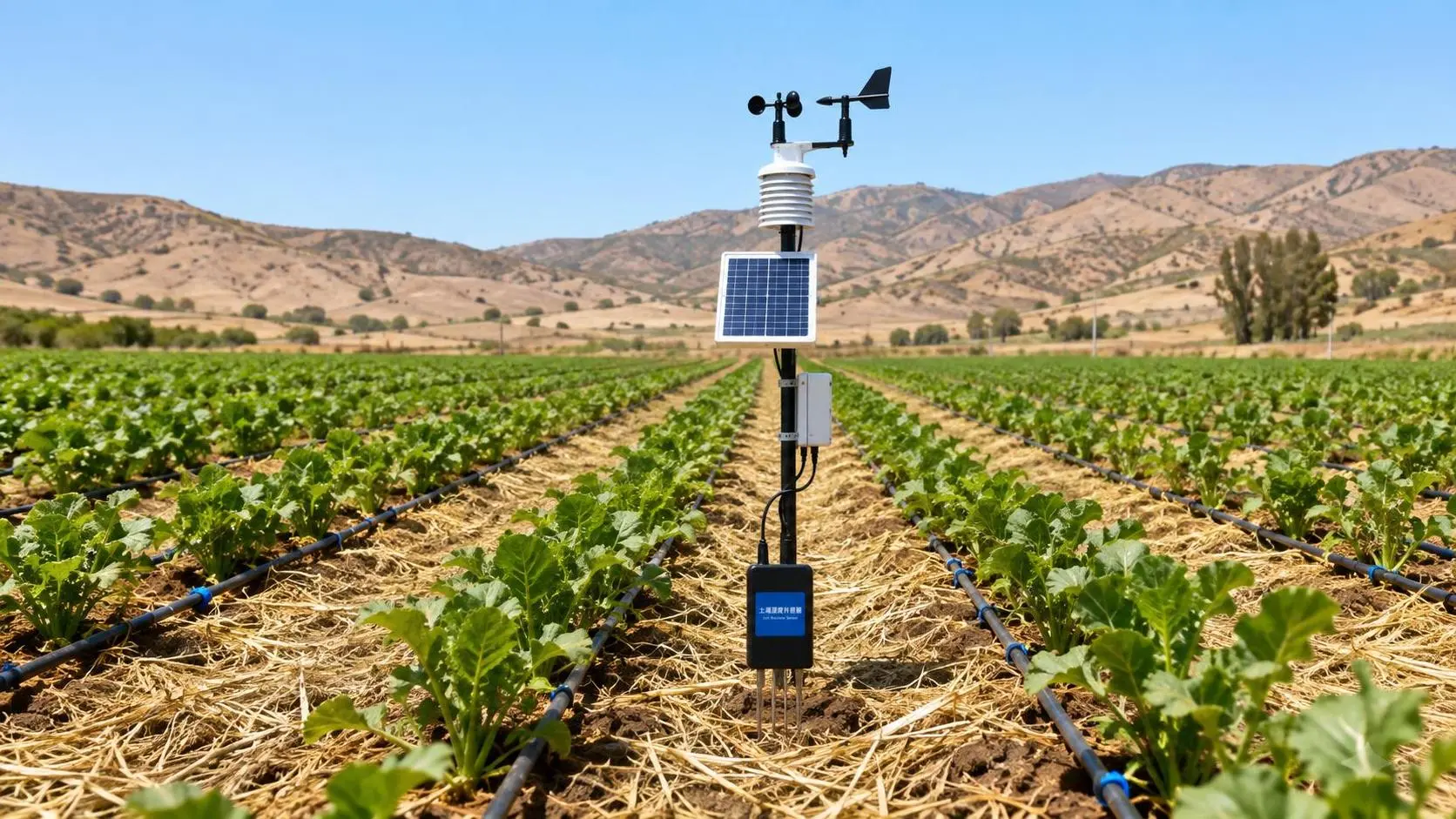
How Does Climate-Smart Farming Reduce Water Use in Semi-Arid Areas?
How does climate-smart farming reduce water use in semi-arid zones? Discover precision irrigation, soil monitoring, and smarter crop planning for resilient yields.
Related News
- 00
0000-00
How to Choose Plant Protection Equipment for Vineyard Pests - 00
0000-00
How to Read Agricultural Equipment Specifications for Sprayers Before You Compare Models - 00
0000-00
BIS Extends Fast-Track Approval for Self-Propelled Sprayers - 00
0000-00
Intelligent Sprayer Technology: Which Functions Matter Most for Field Efficiency? - 00
0000-00
How to Choose Plant Protection Equipment for Orchards by Tree Height, Row Spacing, and Spray Drift
Popular Tags
Agri-Mechanization Fellow
Weekly Insights
Stay ahead with our curated technology reports delivered every Monday.