
Plant Protection Solutions for Precision Agriculture: How to Cut Drift and Overapplication
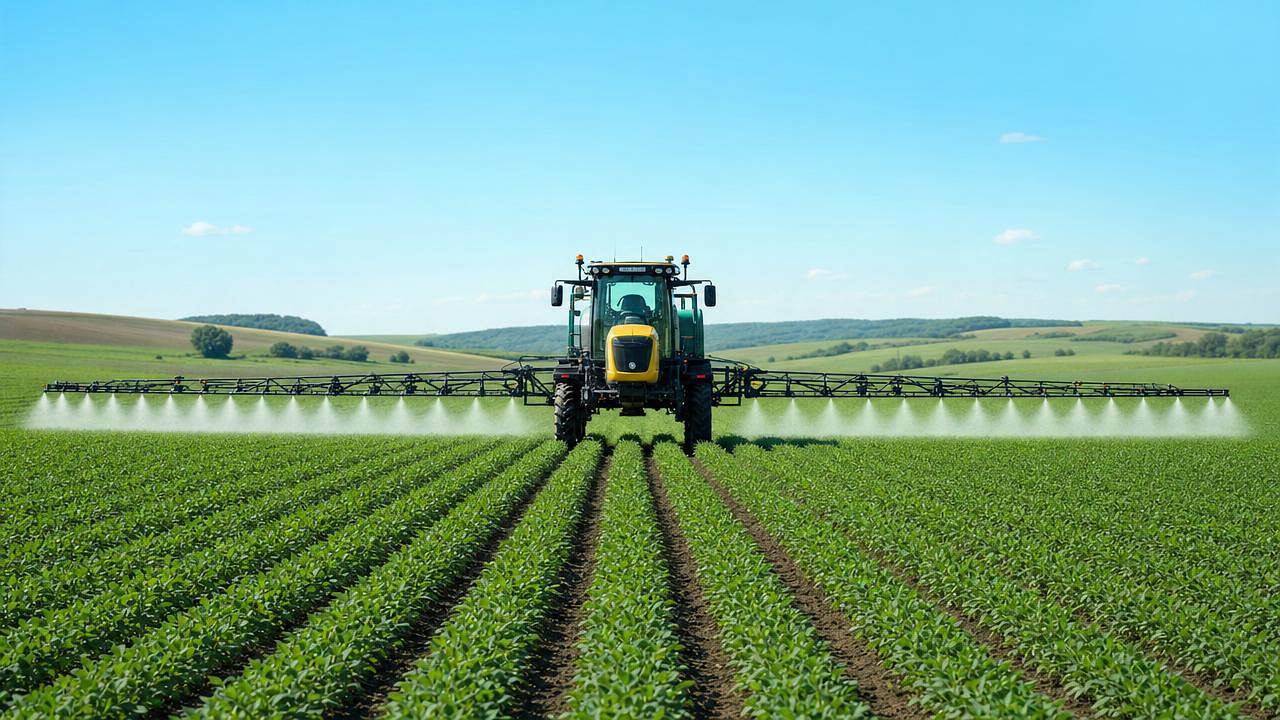




Plant Protection Solutions for Precision Agriculture: How to Cut Drift and Overapplication
For modern farm operations, crop protection is no longer just about coverage.
It is about applying the right dose, in the right place, at the right time.
That is why plant protection solutions for precision agriculture are moving from optional upgrades to core operating systems.
Drift, overlap, and overapplication all erode margins.
They also increase regulatory exposure, waste chemistry, and create avoidable environmental pressure.
In practical terms, the challenge is rarely caused by one weak component.
More often, it comes from poor coordination between machinery, weather data, spray settings, and operator decisions.
The best plant protection solutions for precision agriculture solve that coordination problem with connected, field-ready control.
Why Drift and Overapplication Still Happen
Many teams assume overapplication comes from aggressive chemical programs alone.
In reality, the causes are often operational.
A small nozzle mismatch can change droplet size enough to increase drift risk.
A pressure spike can push spray beyond the intended canopy zone.
An uncorrected boom height can create uneven distribution across the full working width.
Then there is overlap at headlands, odd-shaped boundaries, and variable terrain.
Without section control, operators can easily double-treat sections they already covered.
This is exactly where plant protection solutions for precision agriculture deliver measurable value.
The most common sources of waste include:
- Inconsistent boom height across rolling fields
- Wrong nozzle selection for wind or target crop stage
- Manual rate adjustments that lag field conditions
- Poor boundary mapping and missed shutoff timing
- Weak calibration routines before peak spray windows
- Limited visibility into weather shifts during operations
What Effective Plant Protection Solutions for Precision Agriculture Look Like
The most effective systems do not rely on a single hardware upgrade.
They combine application hardware, positioning accuracy, sensor inputs, and decision rules.
That combination is what turns a sprayer into a precision protection platform.
Strong plant protection solutions for precision agriculture usually include automated section control.
They also include rate control linked to speed, pressure, and prescription maps.
On advanced platforms, boom height adjusts dynamically using ultrasonic or optical sensing.
The result is better deposition, less drift, and fewer expensive passes.
A practical system should cover five control layers:
- Machine layer with stable hydraulics, nozzle quality, and boom control
- Guidance layer with GNSS positioning and clean field boundaries
- Application layer with section shutoff and variable rate capability
- Data layer with weather, canopy, and field history inputs
- Management layer with clear operating rules and traceable records
Why Integration Matters More Than Single Features
A farm can own premium nozzles and still overspray.
It can use guidance and still drift if weather thresholds are ignored.
This is why plant protection solutions for precision agriculture must work as a connected process.
When equipment logic, field data, and operator workflows align, protection becomes more predictable and scalable.
How to Reduce Drift in Daily Operations
Drift control starts before the tank is filled.
It begins with application planning, nozzle choice, and weather discipline.
In actual field work, small setup choices have outsized effects.
Plant protection solutions for precision agriculture reduce drift best when teams standardize those choices.
Focus on these daily controls:
- Match droplet spectrum to target biology and local drift limits
- Keep boom height as low as coverage requirements allow
- Avoid spraying during unstable wind direction or inversion risk
- Use buffer logic near waterways, roads, and sensitive boundaries
- Check wear on nozzles because wear changes output silently
- Review pressure behavior at typical operating speeds, not only static tests
From recent operating trends, weather-linked decision support is becoming a stronger signal.
That means drift reduction is shifting from operator intuition toward rule-based execution.
This shift makes plant protection solutions for precision agriculture more dependable across large fleets and multiple crews.
How to Prevent Overapplication Without Sacrificing Control
Cutting overapplication does not mean under-treating risk zones.
It means placing chemistry with higher precision and better timing.
The real goal is dose accuracy, not simple dose reduction.
Well-designed plant protection solutions for precision agriculture support that goal through map-based and sensor-driven control.
Operational Methods That Work
- Use section control to eliminate headland overlap
- Build prescription zones from yield, soil, and disease history
- Adjust rates by crop stage rather than fixed calendar intervals
- Link travel speed to application logic to preserve target volume
- Audit actual applied maps after each pass
A more obvious signal in large-scale operations is the cost of hidden overlap.
It often goes unnoticed because average field results still look acceptable.
But chemical use, crop stress, and compliance risk all increase underneath that average.
Plant protection solutions for precision agriculture expose that hidden loss and turn it into a controllable metric.
A Practical Implementation Framework
Implementation works best when approached in phases.
Trying to upgrade every function at once usually slows adoption.
A phased plan creates fast wins while keeping data quality and team discipline under control.
This approach is especially useful for operations managing multiple machines or contracted crews.
It turns plant protection solutions for precision agriculture into a repeatable operating model rather than a one-time equipment purchase.
How AP-Strategy Supports Better Protection Decisions
At AP-Strategy, the focus is not limited to product headlines or isolated machinery specs.
The deeper value comes from connecting machinery performance, precision farming logic, and field-level sustainability demands.
That matters directly for plant protection solutions for precision agriculture.
Large-scale sprayers depend on reliable tractor chassis response, accurate intelligent tools, and increasingly smart water-use strategies.
AP-Strategy tracks these links through its Strategic Intelligence Center.
That includes insights on mechanization trends, application technology shifts, and the commercial direction of precision input systems.
For operations evaluating upgrades, that intelligence helps separate flashy features from durable field value.
Key Decision Questions Before You Invest
Before scaling new systems, ask a few direct questions:
- Where do drift and overlap losses occur most often today
- Which fields need variable protection rather than uniform rates
- How accurate are current boundaries, guidance lines, and records
- Can operators follow a simple weather-based spray go or no-go rule
- Which upgrade delivers the fastest return per hectare treated
These questions keep investment tied to field outcomes.
They also help make plant protection solutions for precision agriculture easier to justify across finance, operations, and compliance teams.
Final Takeaway
The push to cut drift and overapplication is not just a technical adjustment.
It is a management upgrade across data, machinery, and field execution.
The strongest plant protection solutions for precision agriculture reduce waste while improving consistency, crop safety, and reporting confidence.
In real operations, that combination is what protects both productivity and long-term resilience.
Start with the main loss points.
Standardize the field rules that matter most.
Then scale plant protection solutions for precision agriculture with clear data, disciplined application, and informed equipment choices.
Related News
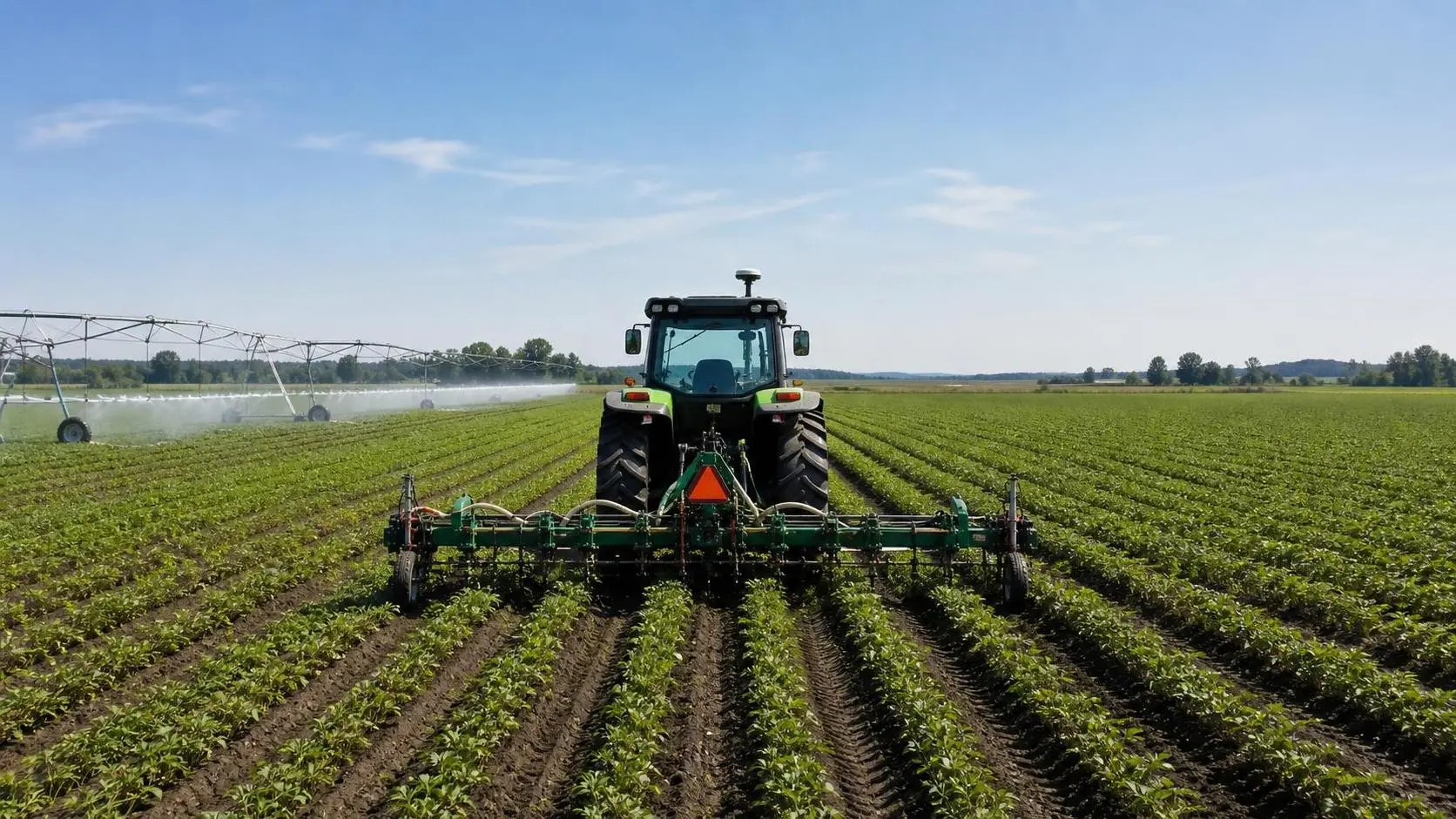
How RTK Satellite Positioning Improves Accuracy in Precision Farming Operations
RTK satellite positioning boosts precision farming with repeatable guidance, lower overlap, and better field data. Learn what to verify before choosing an RTK system.
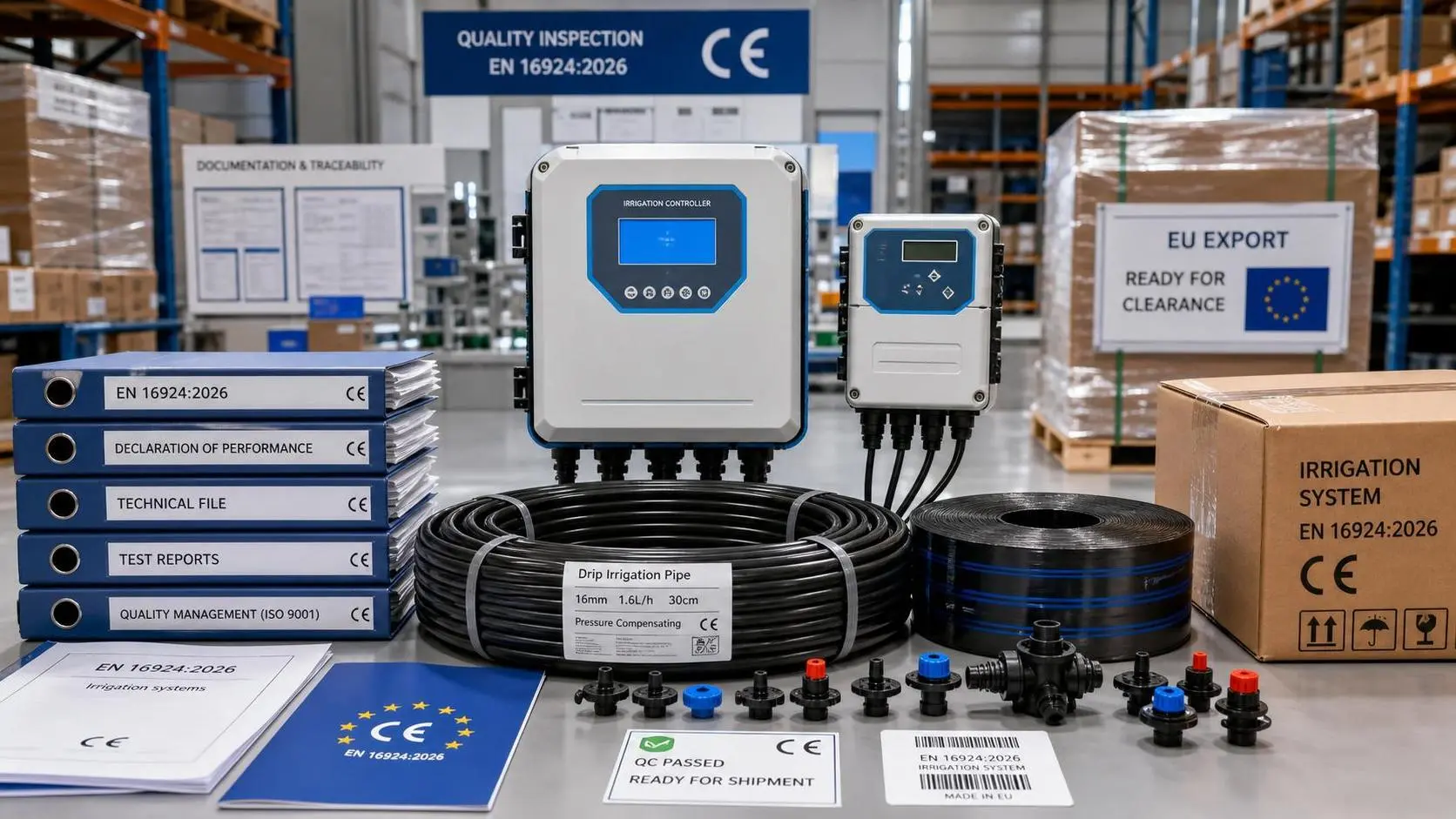
EU Rule Takes Effect: EN 16924:2026 for Drip Irrigation Logic
EN 16924:2026 now reshapes EU access for Drip Irrigation Logic products. Learn how certification, CE marking, customs, and warehouse risks impact exporters and buyers.
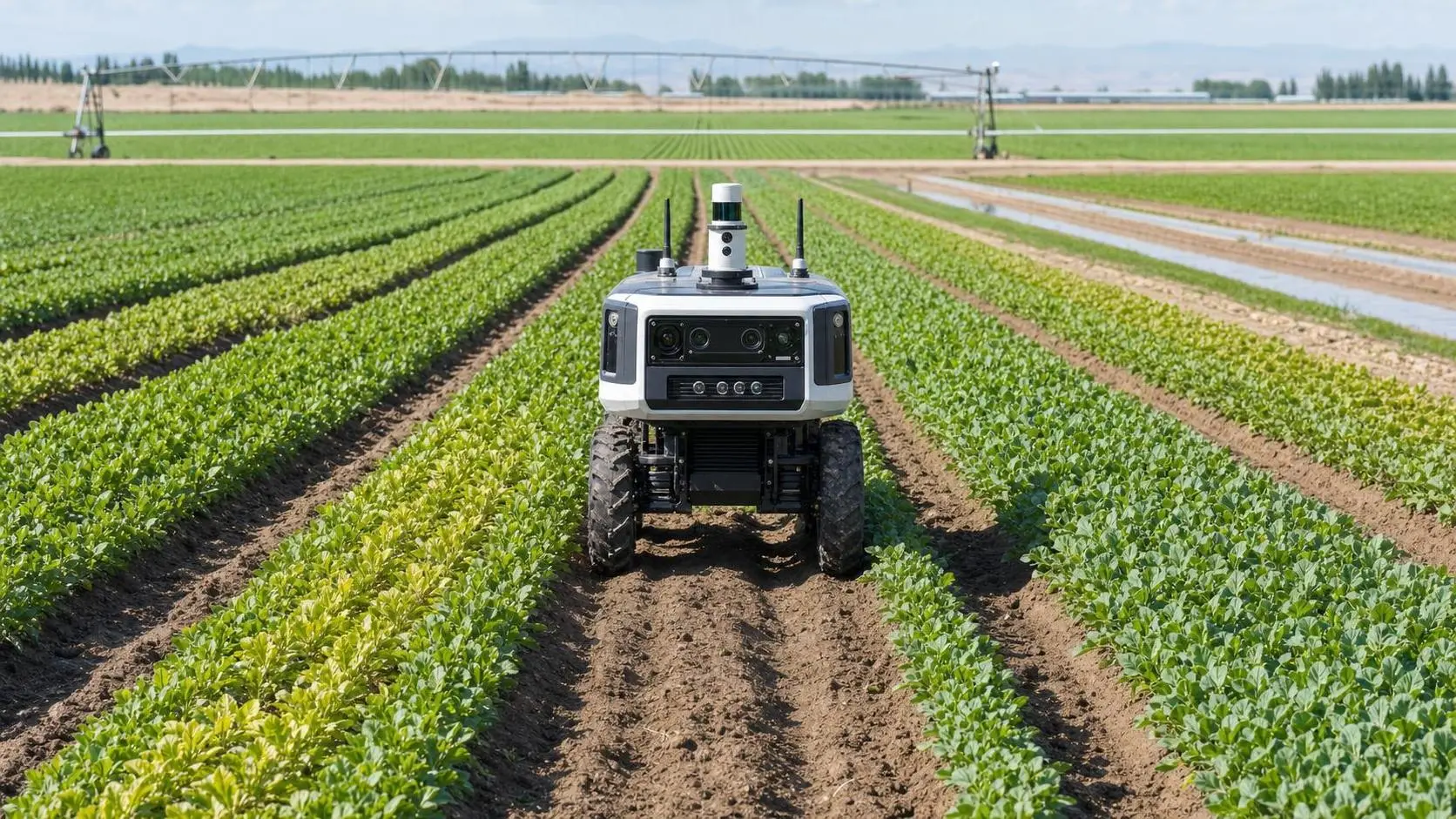
How Autonomous Machinery for Crop Scouting Helps Growers Detect Field Issues Earlier
Autonomous machinery for crop scouting helps growers spot irrigation gaps, pest pressure, and crop stress earlier, turning field data into faster decisions and smarter action.
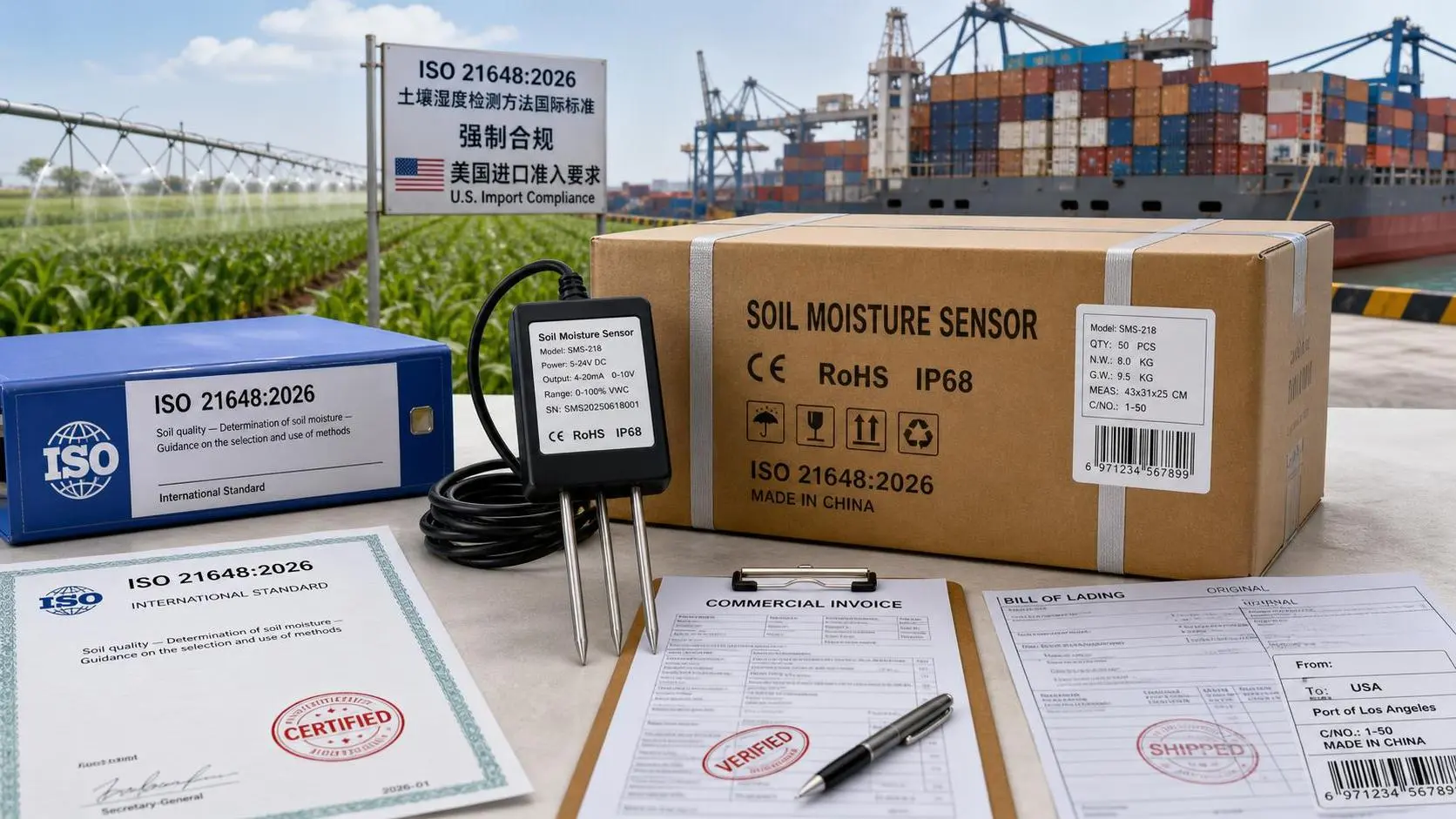
USDA Rule Makes ISO 21648:2026 Mandatory
USDA Rule Makes ISO 21648:2026 Mandatory for soil moisture sensors entering the U.S. Learn how the new USDA import compliance guide impacts certification, CBP entry, suppliers, and delivery plans.
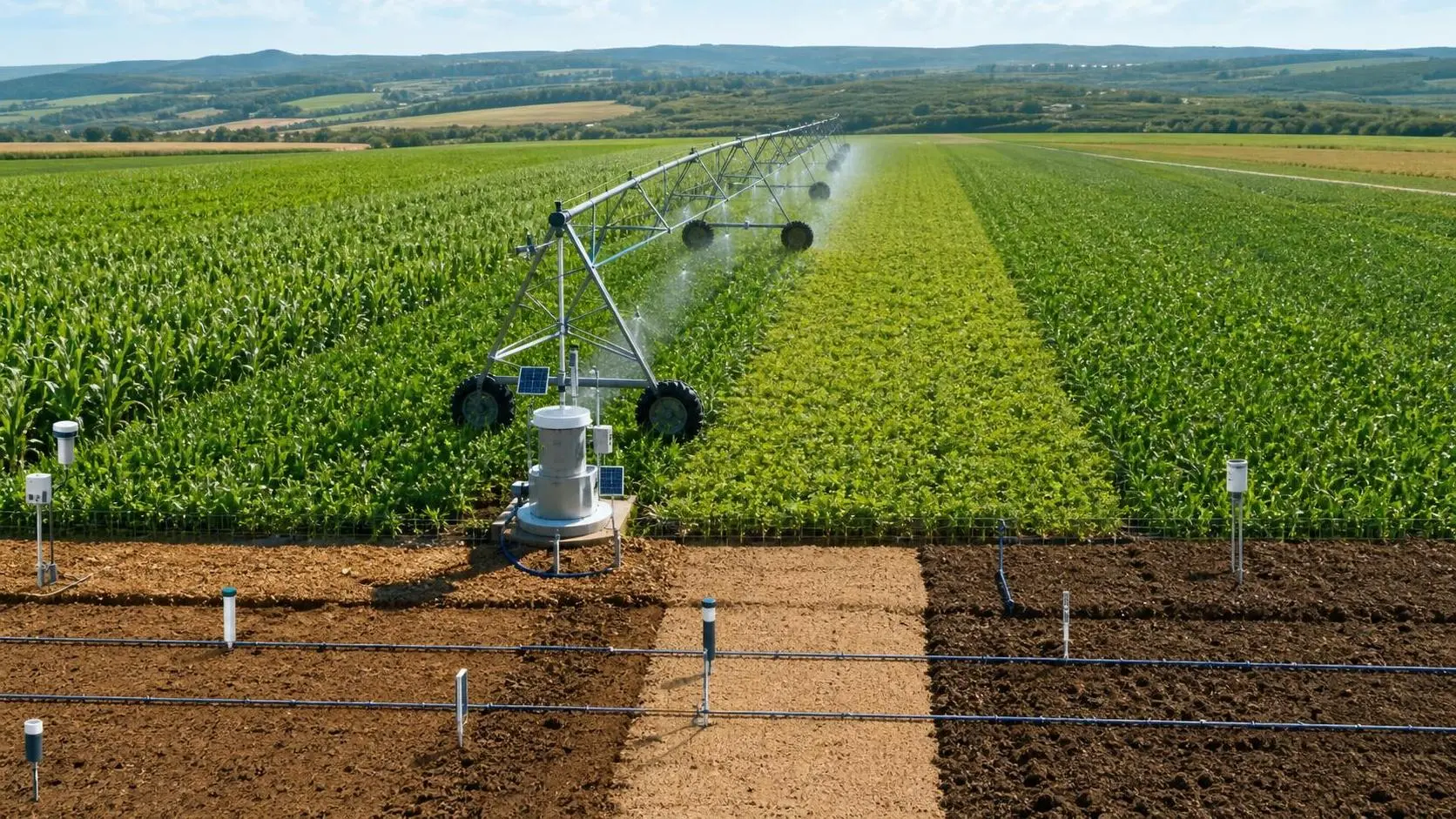
How Digital Farming Improves Irrigation Planning With Soil Data and GPS Mapping
Digital farming for irrigation planning turns soil data and GPS mapping into smarter watering decisions, helping farms reduce waste, improve field precision, and boost operational efficiency.
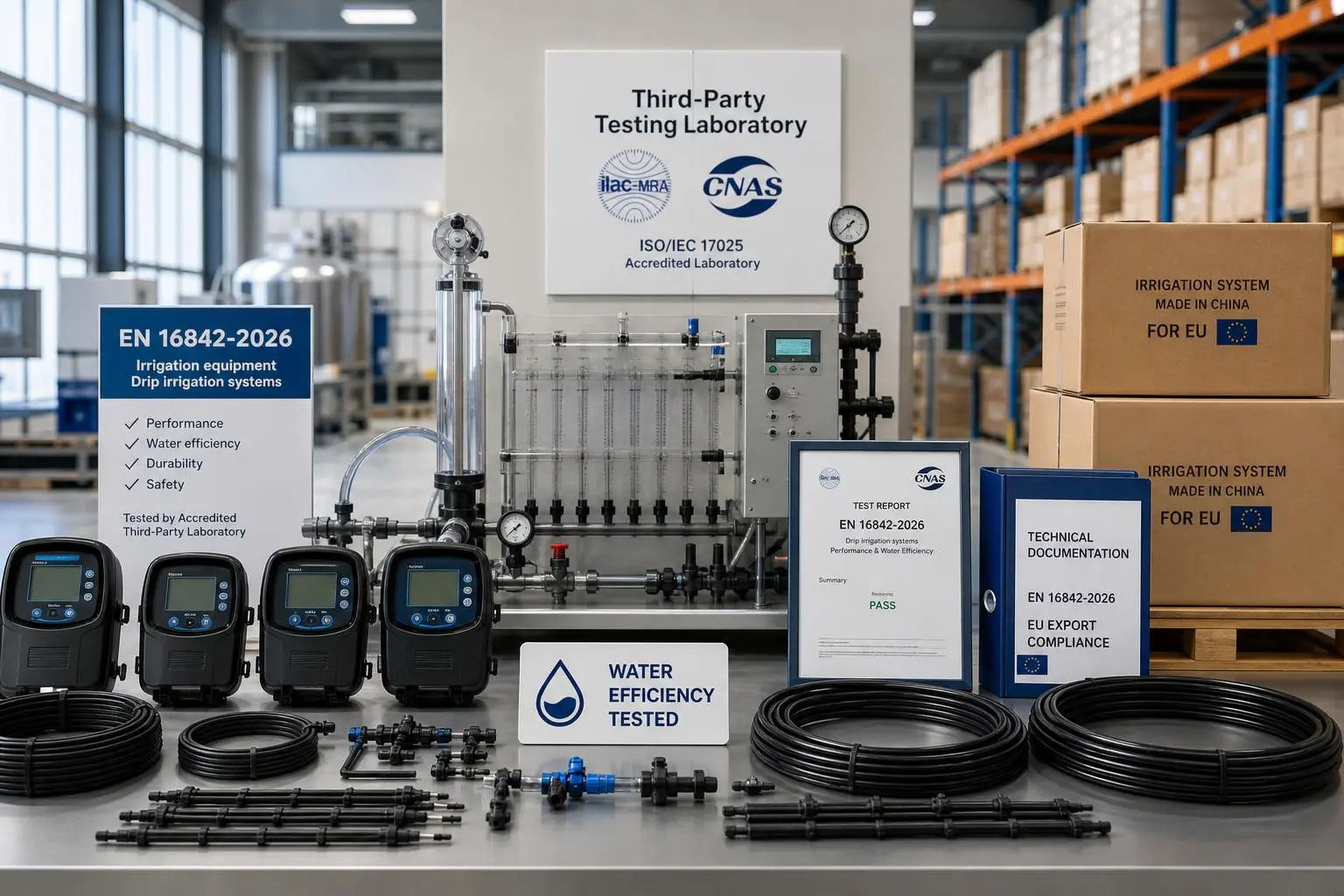
EU Rule Takes Effect: EN 16842-2026 Required for Drip Irrigation Logic Exports
EN 16842-2026 now makes third-party certification mandatory for Drip Irrigation Logic exports to the EU. Learn the compliance risks, customs impact, and supplier checks now.
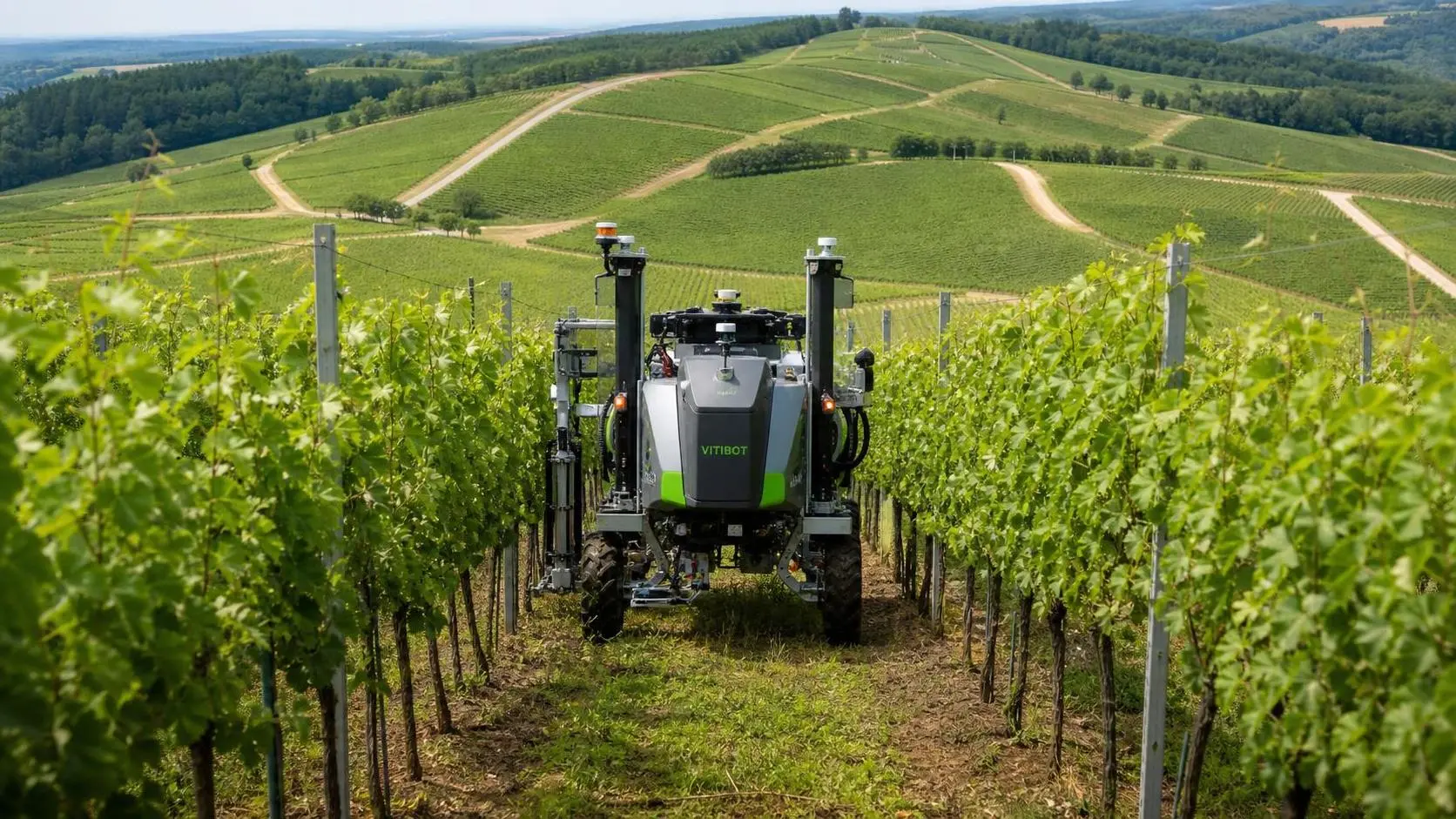
How to Evaluate Autonomous Machinery for Vineyards by Terrain, Tasks, and ROI
Autonomous machinery for vineyards: learn how to evaluate terrain fit, task suitability, safety, and ROI to choose the right solution and reduce procurement risk.
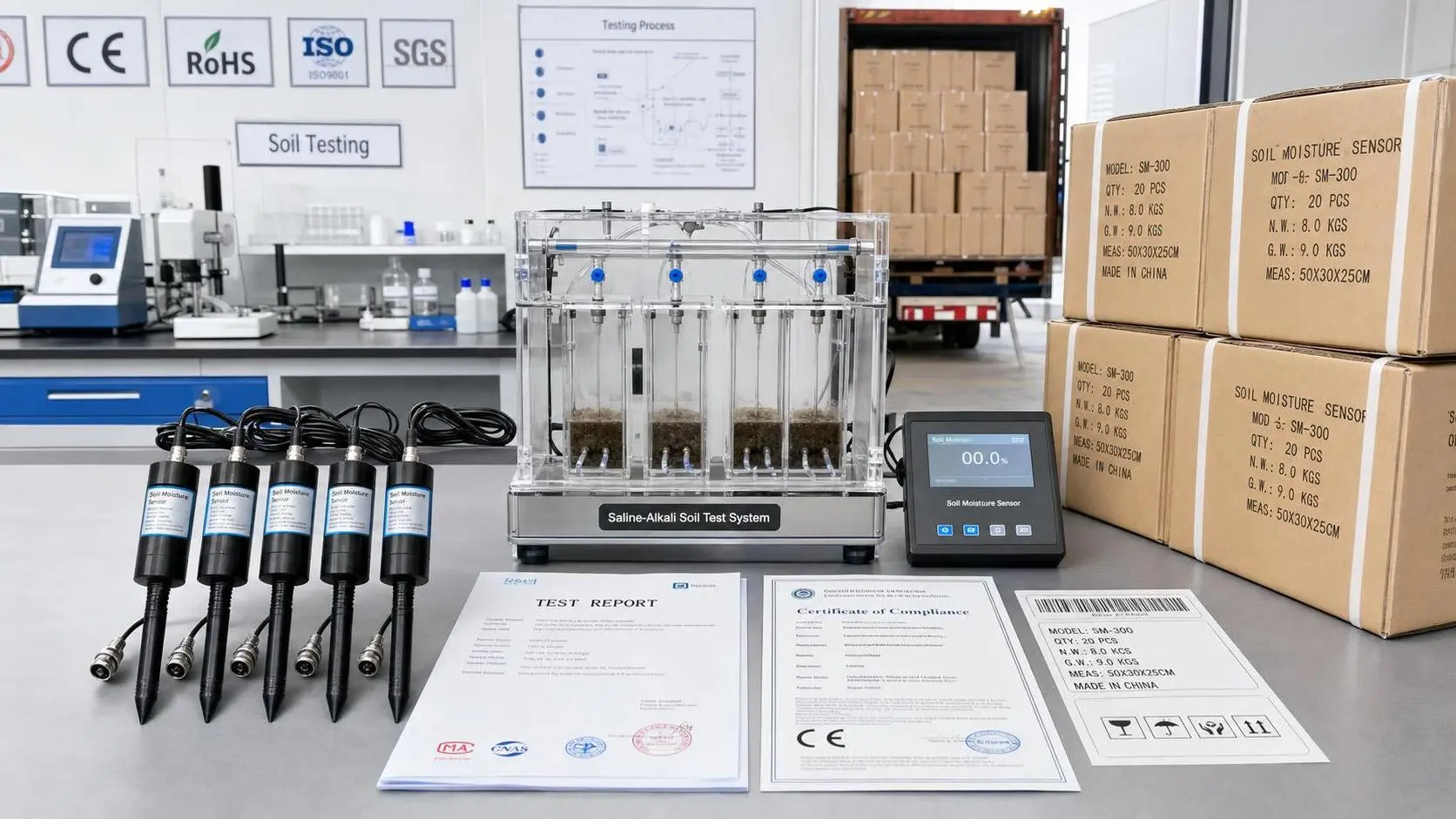
USDA Tightens Import Rules for Soil Moisture Sensors
Soil Moisture Sensors face new USDA import rules from Oct. 1, 2026. Learn how ISO 11274-3:2026 testing may impact customs clearance, lead times, and supplier planning.
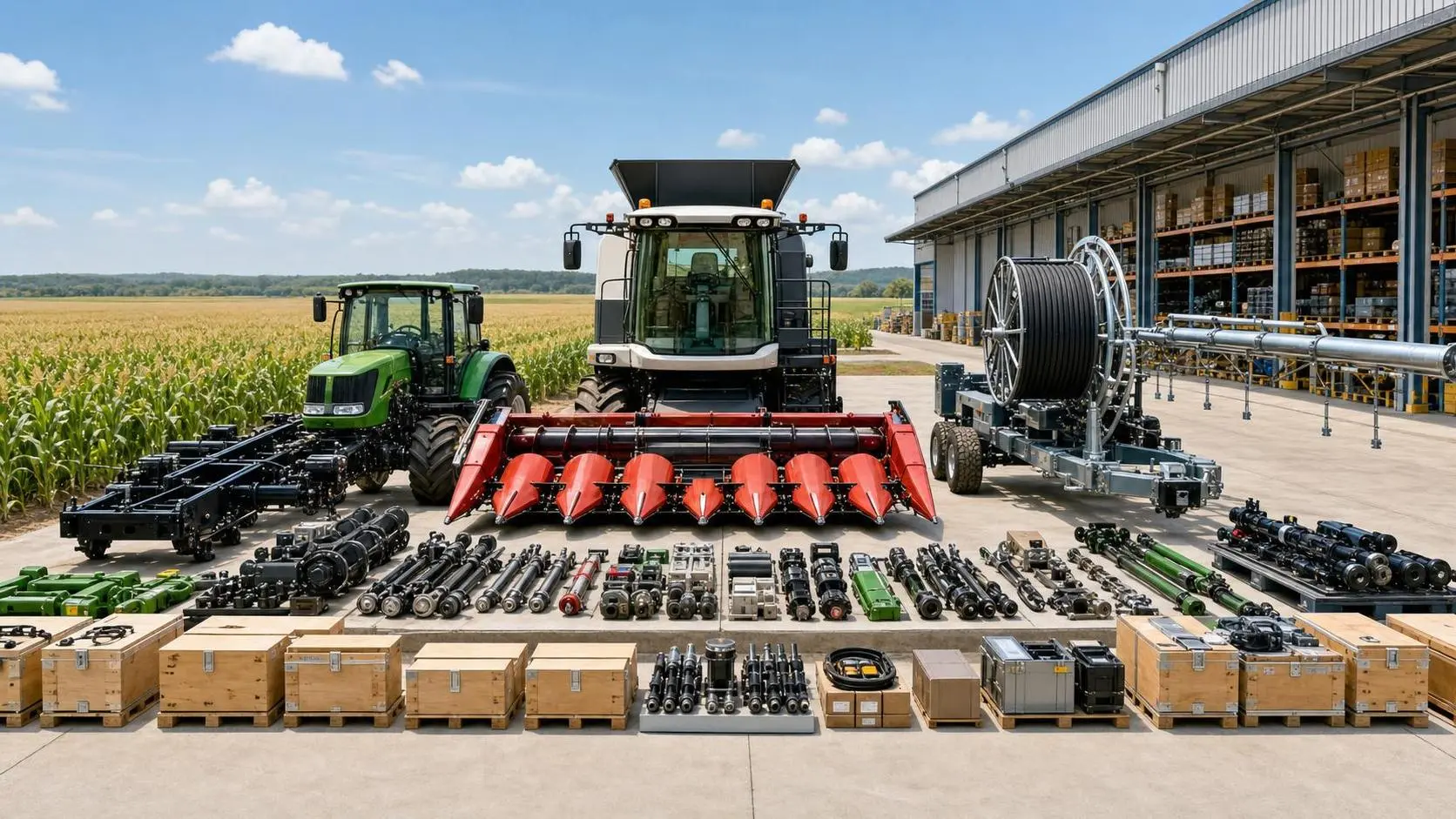
How to Use a Global Agricultural Equipment Directory to Compare Suppliers and Reduce Sourcing Risk
Agricultural equipment directory global sourcing starts with smarter supplier comparison. Learn how to assess fit, compliance, support, and market readiness to reduce sourcing risk.
Related News
- 00
0000-00
How to Read Agricultural Equipment Specifications for Sprayers Before You Compare Models - 00
0000-00
BIS Extends Fast-Track Approval for Self-Propelled Sprayers - 00
0000-00
Intelligent Sprayer Technology: Which Functions Matter Most for Field Efficiency? - 00
0000-00
How to Choose Plant Protection Equipment for Orchards by Tree Height, Row Spacing, and Spray Drift - 00
0000-00
Vietnam Cuts Tariffs on Self-Propelled Sprayers, Adds VRA Interface Rule
Popular Tags
Agri-Mechanization Fellow
Weekly Insights
Stay ahead with our curated technology reports delivered every Monday.