
How Plant Protection Technology Supports Sustainable Agriculture in High-Risk Crops
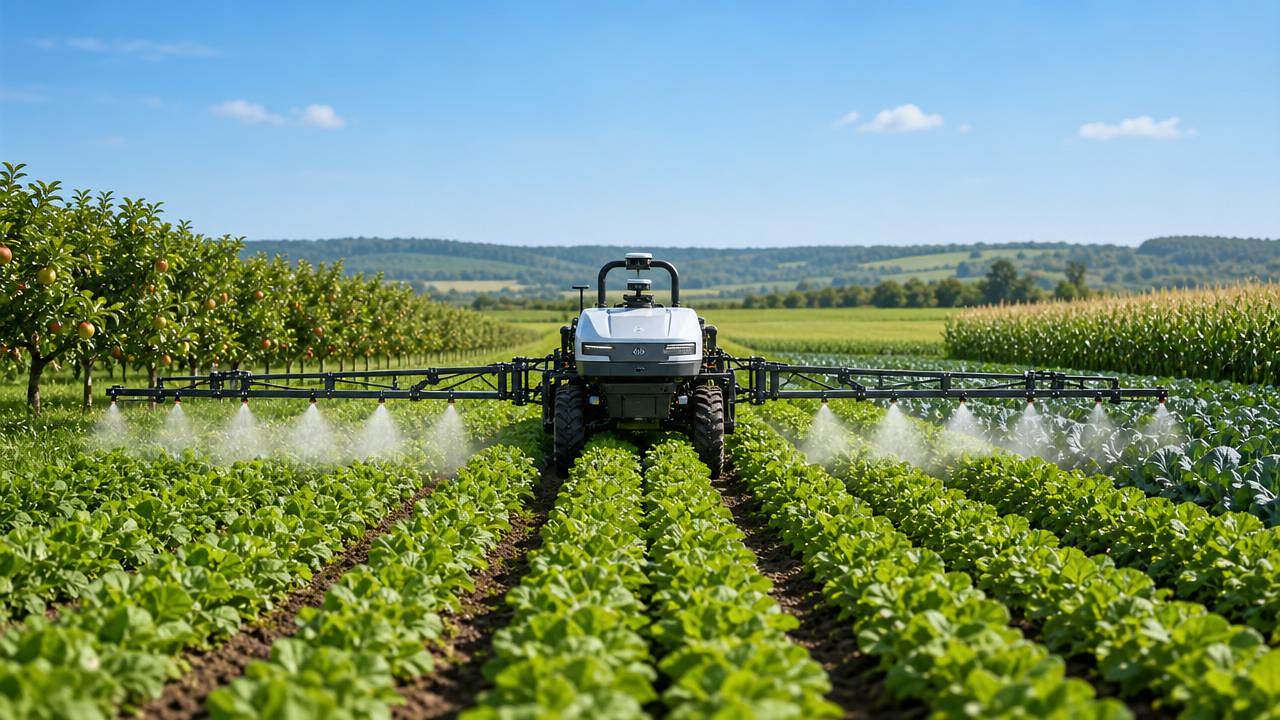




How plant protection decisions change in high-risk crop systems
Plant protection technology for sustainable agriculture now sits at the center of risk control in modern farming.
That is especially true where crop value is high, pest pressure shifts quickly, and compliance rules are tightening.
In these conditions, the question is not whether to apply protection technology.
The real question is which system fits the field, the crop canopy, the water profile, and the operational rhythm.
High-risk crops rarely behave like broad-acre commodities under stable pressure.
Disease windows can close within days, residue limits may differ by market, and spray timing often depends on machine availability.
That is why plant protection technology for sustainable agriculture must be judged as part of a larger field system.
AP-Strategy tracks this shift across Agriculture 4.0, where machinery performance, sensor feedback, and sustainability metrics increasingly move together.
Precision spraying, intelligent farm tools, and water-saving irrigation are no longer separate conversations.
In high-risk crops, they influence one another every season.
Actual field conditions create very different protection needs
A dense orchard, a humid vegetable block, and a large grain field may all require intervention.
Yet the judgment priorities are not the same.
In orchard systems, coverage depth and drift control often dominate decisions.
Canopy layers hide disease hotspots, and uneven airflow can leave untreated zones that later trigger expensive quality losses.
In open-field vegetables, timing and repeatability matter more.
Weather volatility, fast crop cycles, and strict residue targets push operators toward sensor-guided, dose-adjusted systems.
In broad-acre crops, scale changes the equation.
A slight application error across hundreds of hectares becomes a major cost issue or a major agronomic miss.
Here, plant protection technology for sustainable agriculture is often evaluated alongside tractor chassis stability, boom control accuracy, and refill logistics.
The more common mistake is assuming that similar pest names mean similar treatment conditions.
In practice, crop architecture, irrigation method, and machine pass frequency usually matter just as much.
A simple comparison helps clarify the differences
This kind of comparison matters because sustainable performance depends on fit, not on the highest headline specification.
When disease pressure rises, precision matters more than volume
Many high-risk crop systems still overvalue tank size or spraying speed.
Those factors matter, but they rarely solve the core challenge during unstable disease cycles.
What usually makes the difference is application quality under changing biological pressure.
Plant protection technology for sustainable agriculture performs better when sensors, weather data, and prescription logic are linked.
That allows response intensity to change by zone, canopy density, or infection likelihood.
In actual operations, this reduces unnecessary overlap and also avoids under-treatment in vulnerable pockets.
The operational value becomes clearer when farms already rely on intelligent irrigation.
Moisture conditions often shape pathogen pressure before symptoms are visible.
If irrigation and protection data remain disconnected, intervention comes late or becomes too broad.
AP-Strategy often frames this as an intelligence problem, not just a machine problem.
The system must convert field signals into practical decisions that fit the equipment already in use.
Useful checks before selecting a precision protection setup
- Confirm whether pest pressure is uniform or clustered by topography, irrigation zone, or canopy density.
- Check if current tractors, sprayers, and digital tools can exchange operational data without manual re-entry.
- Review drift restrictions, water-use rules, and export residue standards before setting application logic.
- Measure whether the field team can maintain sensors, nozzles, and calibration routines through the season.
Mechanization level changes what sustainable protection really means
Sustainability is often reduced to chemical reduction alone.
That view is too narrow for high-risk crop operations.
Plant protection technology for sustainable agriculture should also support machine efficiency, labor continuity, and lower re-entry disruption.
Large-scale farms usually need systems that hold calibration over long working windows.
Smaller but intensive production zones may benefit more from maneuverability and treatment flexibility.
This is where broader mechanization architecture matters.
A sprayer cannot deliver stable results if the tractor chassis creates irregular boom behavior over rough terrain.
Likewise, protection gains may be lost if harvesting schedules force applications into poor timing windows.
The AP-Strategy perspective is useful here because plant protection is treated as one pillar within a wider food security system.
That includes combine harvesting efficiency, power transmission reliability, and irrigation response.
In other words, sustainable protection is strongest when it fits the whole operating chain.
Where field teams often misjudge plant protection technology
Several mistakes appear repeatedly across high-risk crop environments.
One is treating all precision features as equally valuable.
Auto-steering, section control, canopy sensing, and drift monitoring solve different problems.
Their value changes sharply by crop type and field layout.
Another common error is buying for peak disease pressure only.
A system must also make economic sense during ordinary seasons, when labor, maintenance, and utilization rates decide long-term value.
There is also a tendency to compare only upfront equipment cost.
That misses software updates, sensor replacement cycles, calibration downtime, and training requirements.
In water-sensitive regions, another overlooked point is the relationship between irrigation scheduling and spray effectiveness.
Poor coordination can raise wash-off risk or create humidity conditions that cancel treatment gains.
Plant protection technology for sustainable agriculture should therefore be reviewed through lifecycle performance, not isolated features.
A practical adaptation path usually looks like this
- Map crop-specific risk windows rather than relying on generic pest calendars.
- Rank technology functions by field problem, not by catalog complexity.
- Test compatibility with tractors, irrigation data, and existing farm software.
- Build a maintenance routine for nozzles, sensors, and seasonal calibration.
- Measure success using coverage quality, chemical efficiency, compliance stability, and crop outcome together.
A stronger next step starts with scenario-based evaluation
The best decisions around plant protection technology for sustainable agriculture rarely begin with a product sheet.
They begin with a disciplined reading of field conditions, risk timing, machine capacity, and environmental limits.
High-risk crops demand that kind of judgment because small mismatches become expensive very quickly.
A more reliable approach is to compare scenarios side by side.
Look at canopy structure, irrigation interaction, treatment windows, terrain effects, and data integration needs before selecting a system.
That is also where an intelligence platform such as AP-Strategy becomes relevant.
Its value is not in pushing a single answer.
Its value is in connecting mechanization trends, field algorithms, and sustainability standards into clearer operational judgment.
For the next evaluation cycle, define the crop risk profile first.
Then compare application methods, implementation difficulty, maintenance demands, and compliance exposure under real farm conditions.
That process leads to more resilient choices than chasing isolated features ever will.
Related News

How North American Farms Can Select Crop Monitoring Systems by Acreage and Connectivity
Crop monitoring systems North America: learn how to match acreage, connectivity, sensors, and data workflows for reliable, actionable farm decisions.

Where to Find Reliable Product Information for Comparing Farm Equipment
Product information resources agriculture buyers can trust: compare farm equipment with technical specs, manuals, field data, dealer support, and lifecycle insights.
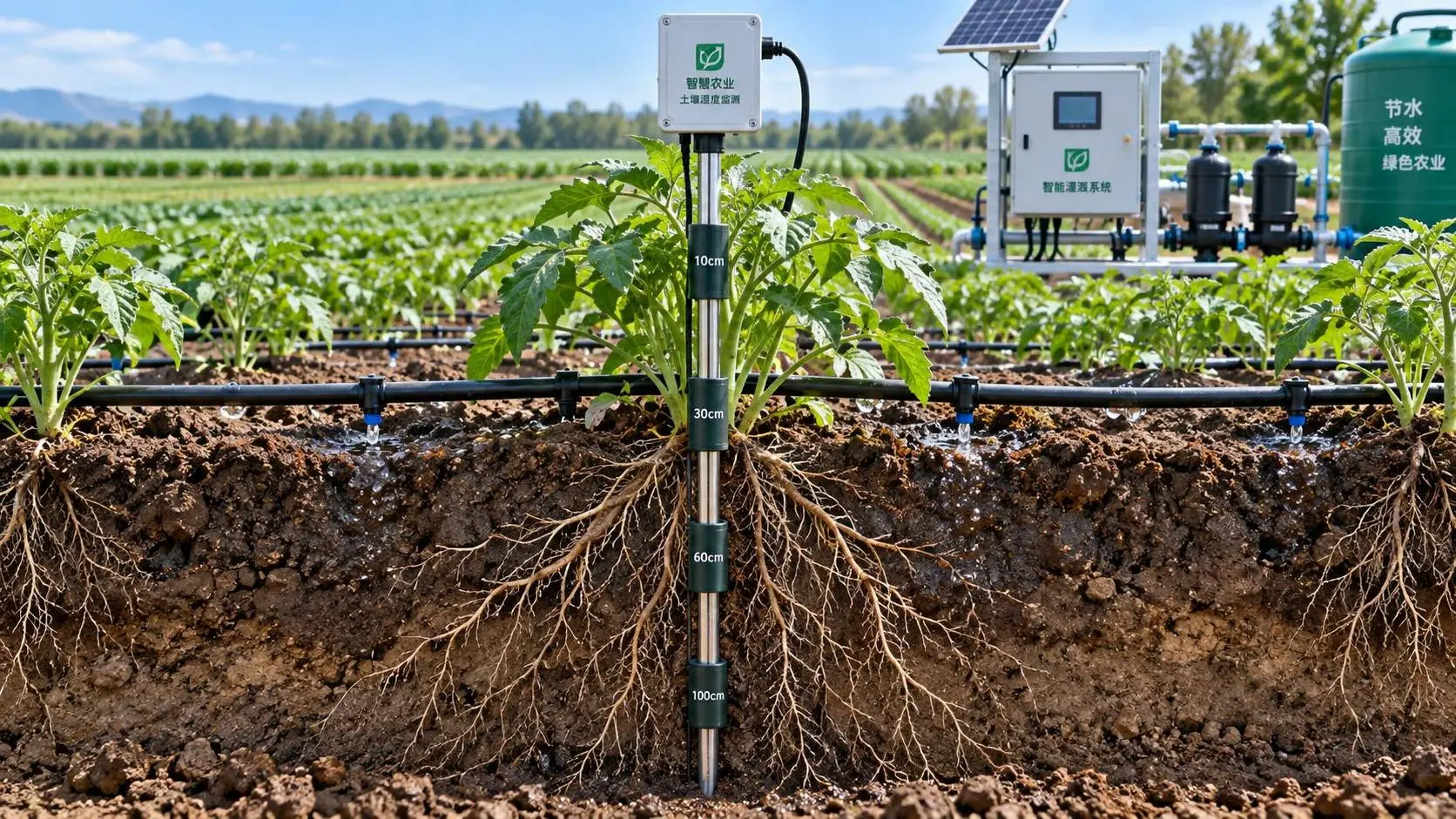
Selecting Real-Time Soil Moisture Sensors for Irrigation Zone Control
Soil moisture sensors real time: learn how to select reliable probes, optimize zone control, improve irrigation decisions, and scale precision water management.
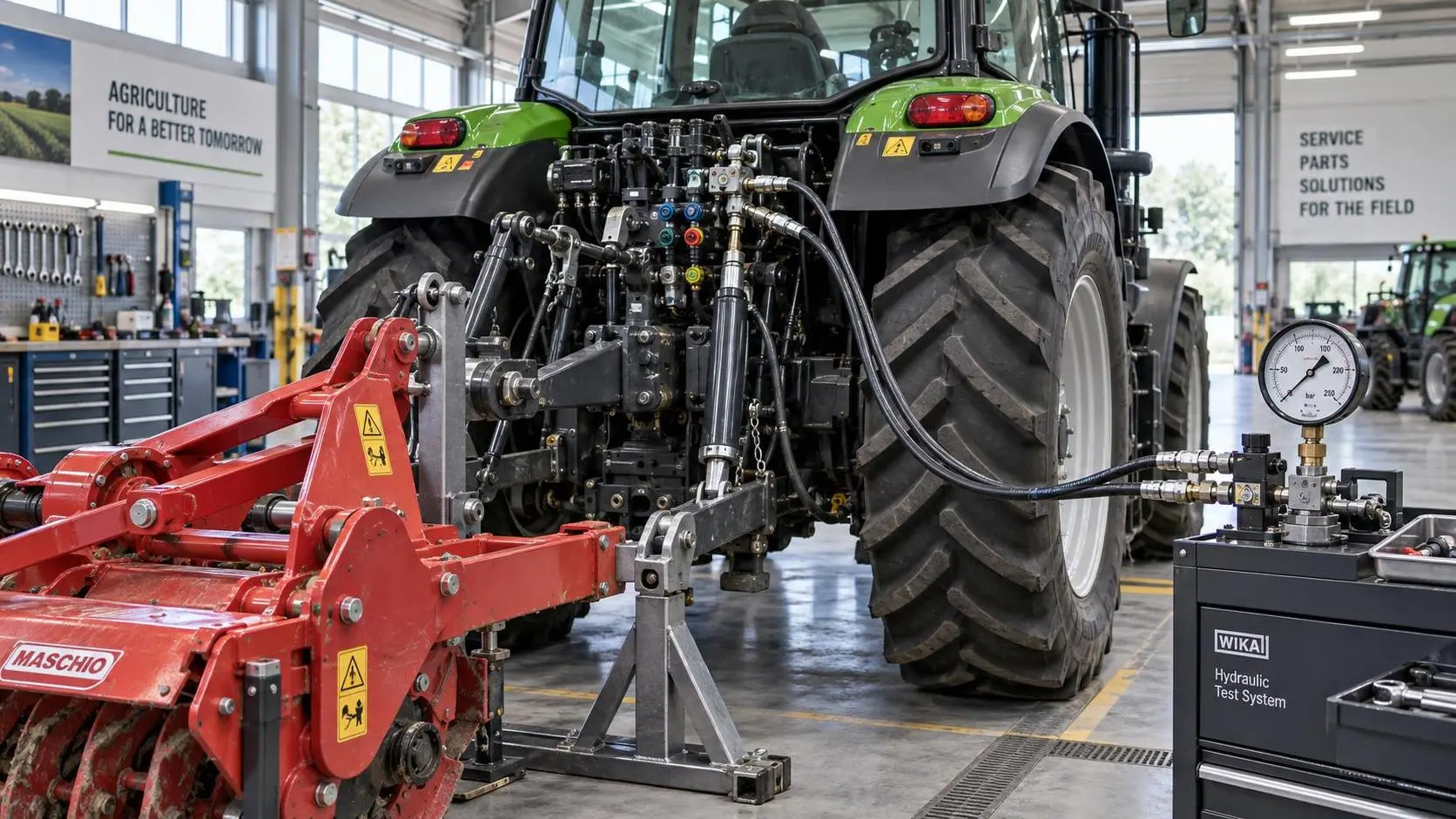
Tractor Hydraulic Systems Troubleshooting: Diagnosing Weak Lift and Slow Implements
Tractor hydraulic systems troubleshooting made practical: diagnose weak lifts and slow implements with proven pressure, flow, valve, and oil-supply checks.
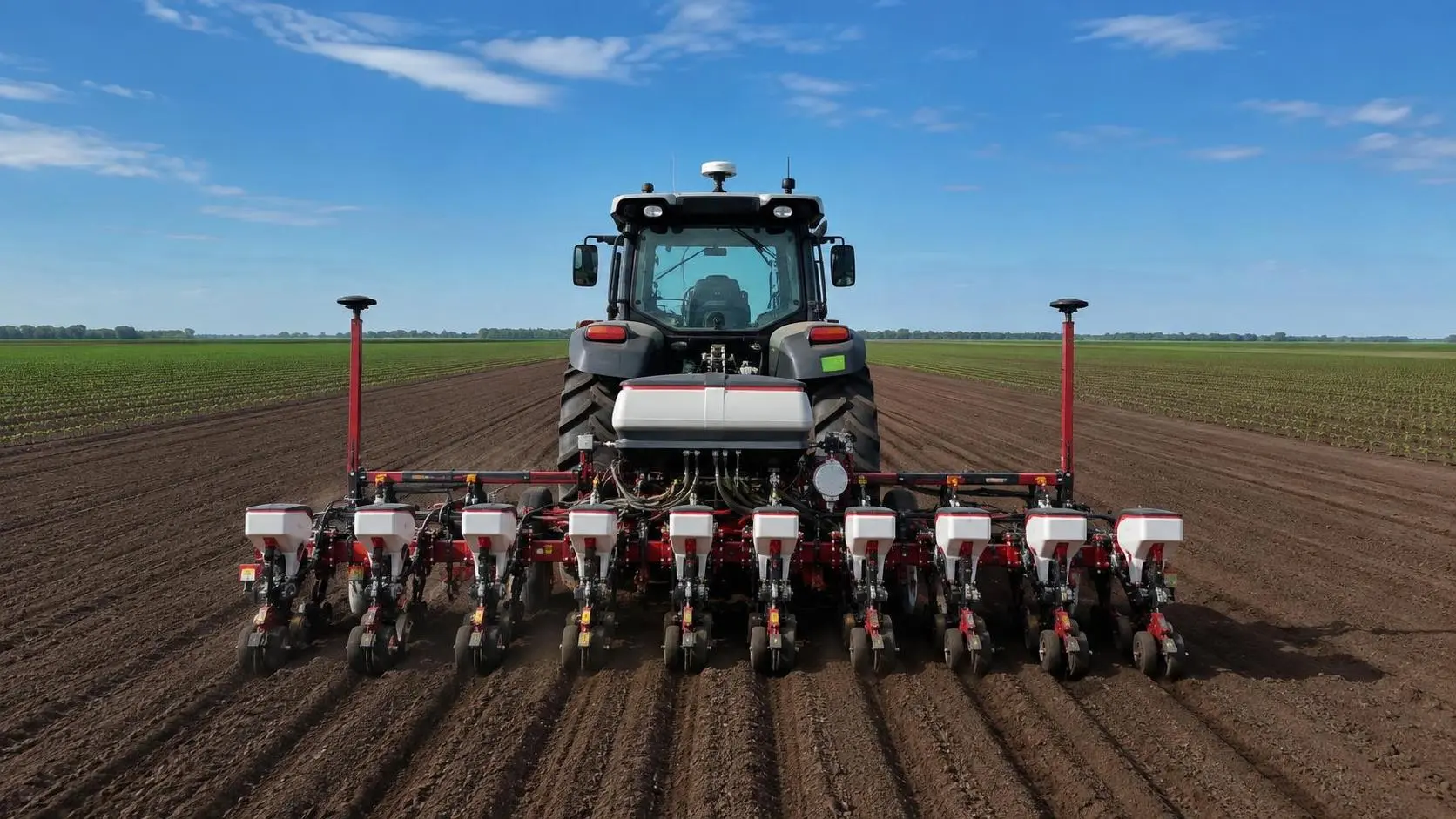
How Tractor Intelligence Systems Improve Field Efficiency and Input Accuracy
Agricultural machinery intelligence for tractors improves field efficiency, input accuracy, data traceability, and implement control. Explore smarter evaluation strategies.
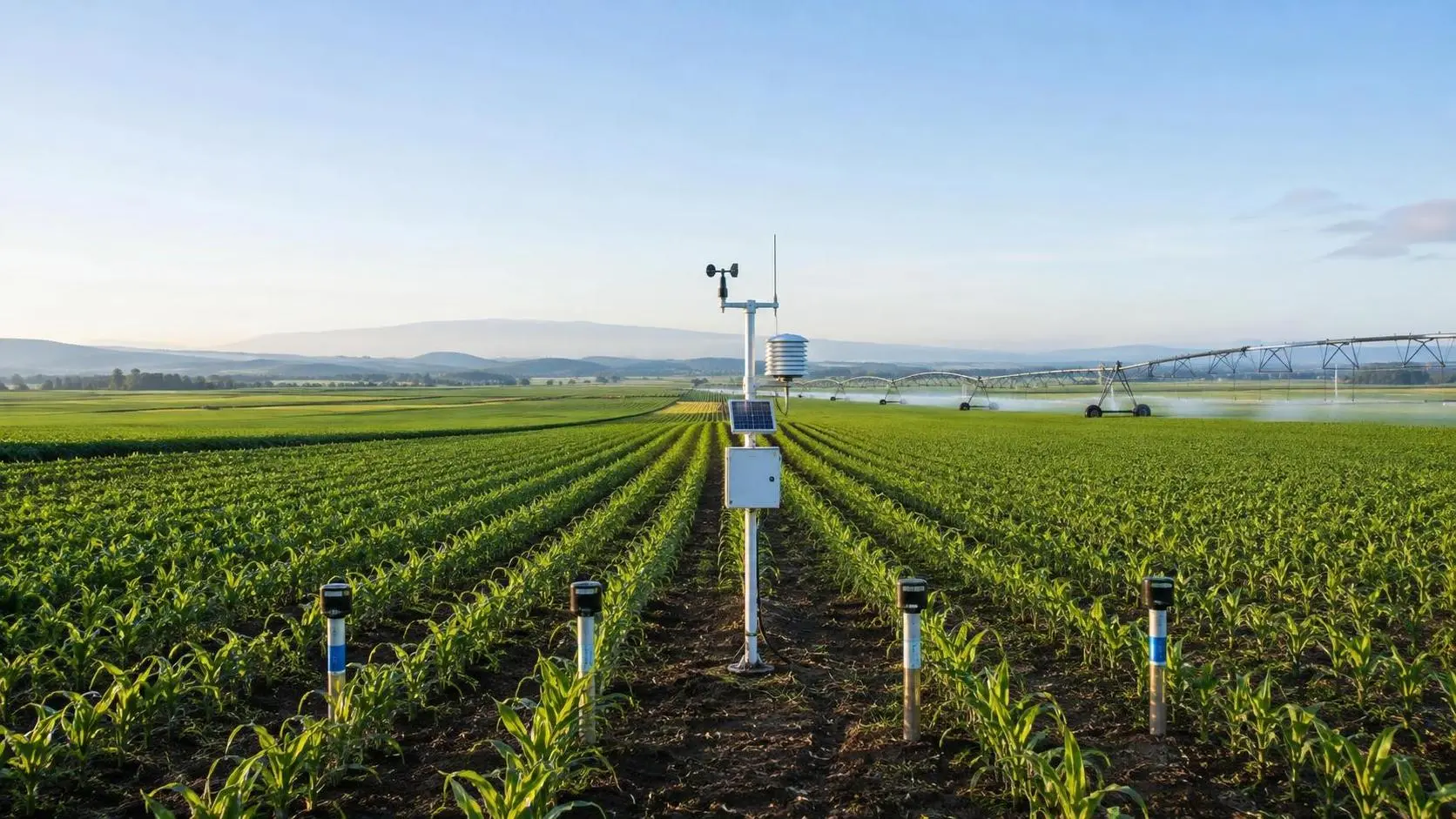
How to Evaluate Crop Monitoring System Manufacturers for Large-Scale Farms
Compare crop monitoring systems manufacturers for large-scale farms. Evaluate data quality, integration, durability, lifecycle costs, support, and pilots for smarter decisions.
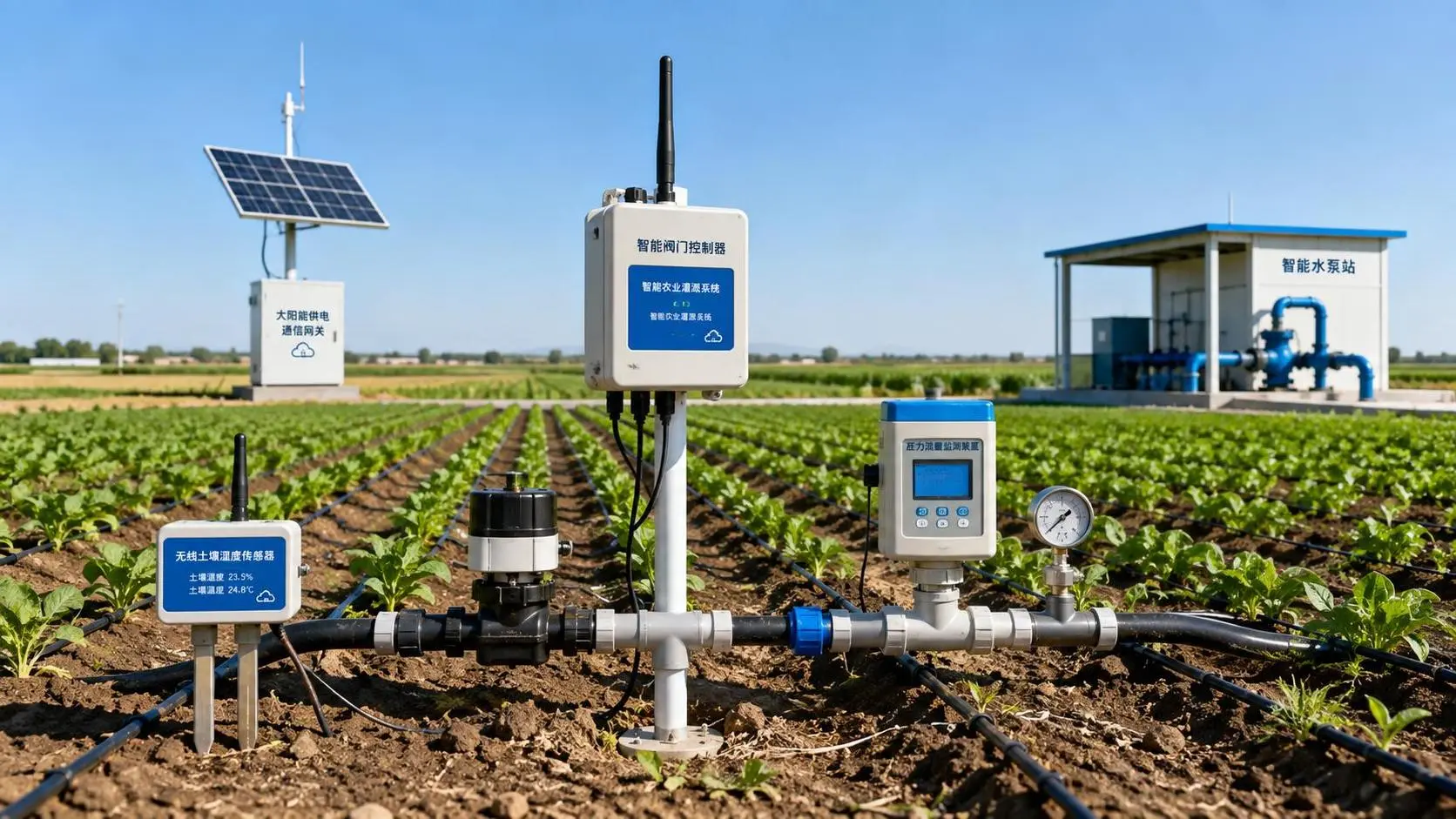
Wireless Agricultural Automation for Remote Irrigation and Field Monitoring
Agricultural automation wireless solutions improve remote irrigation with reliable field data, local control, flow verification, and smarter monitoring. Explore resilient deployment strategies.
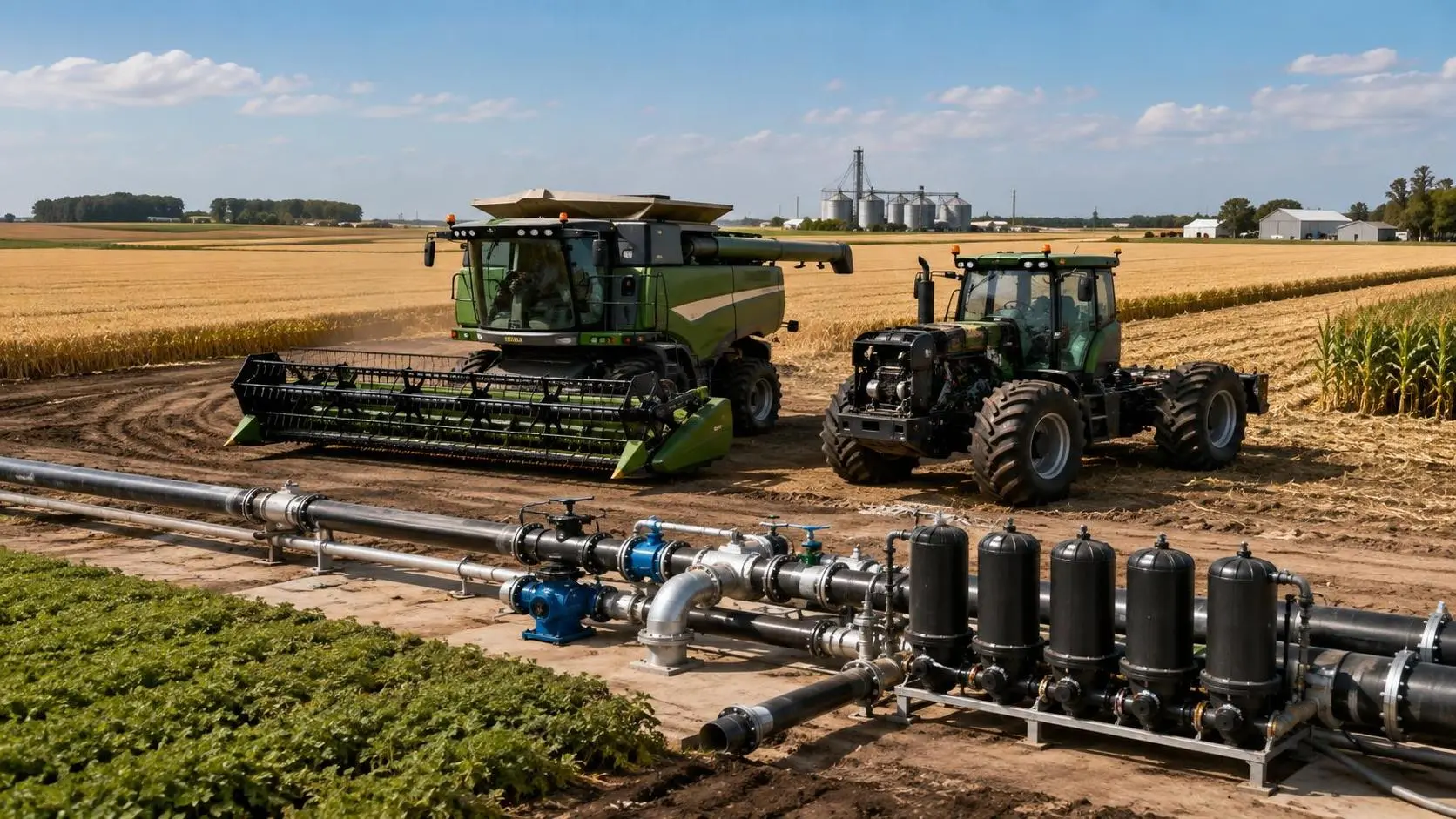
Agricultural Product Information Market Guide: Key Data for Sourcing Decisions
Agricultural product information market guide for smarter sourcing—compare machinery, irrigation, precision tools, lifecycle costs, and supplier risk.
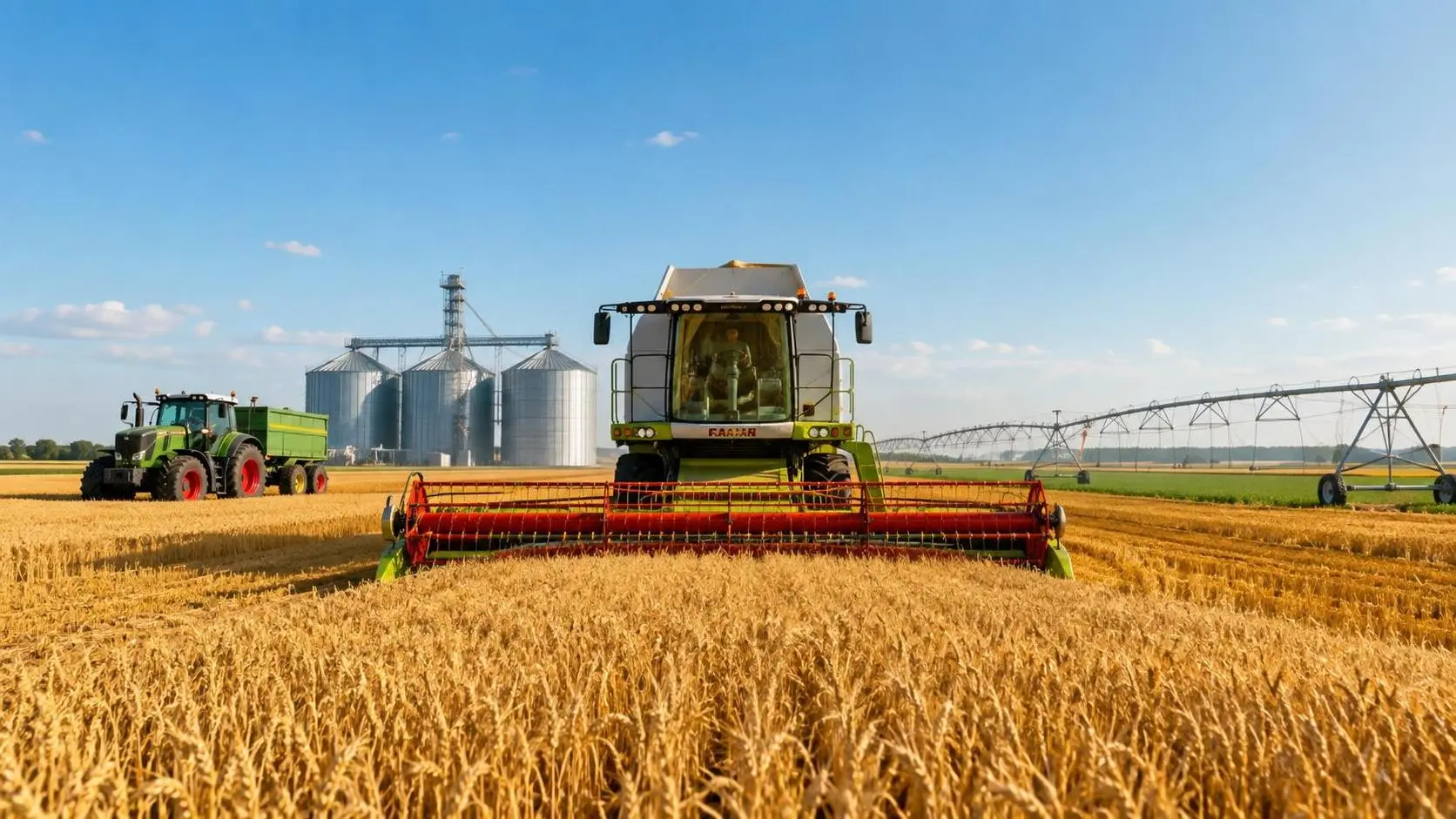
Large-Scale Farm Equipment Cost Comparison: Price, Fuel, and Lifecycle Value
Large-scale farm equipment cost comparison: evaluate price, fuel, maintenance, downtime, and lifecycle value to choose tractors, combines, irrigation, and smart tools with confidence.
Related News
- 00
0000-00
How to Choose Plant Protection Equipment for Vineyard Pests - 00
0000-00
How to Read Agricultural Equipment Specifications for Sprayers Before You Compare Models - 00
0000-00
BIS Extends Fast-Track Approval for Self-Propelled Sprayers - 00
0000-00
Intelligent Sprayer Technology: Which Functions Matter Most for Field Efficiency? - 00
0000-00
How to Choose Plant Protection Equipment for Orchards by Tree Height, Row Spacing, and Spray Drift
Popular Tags
Agri-Mechanization Fellow
Weekly Insights
Stay ahead with our curated technology reports delivered every Monday.