
EPA Rule Makes AI Closed-Loop Systems Mandatory for U.S. Sprayers
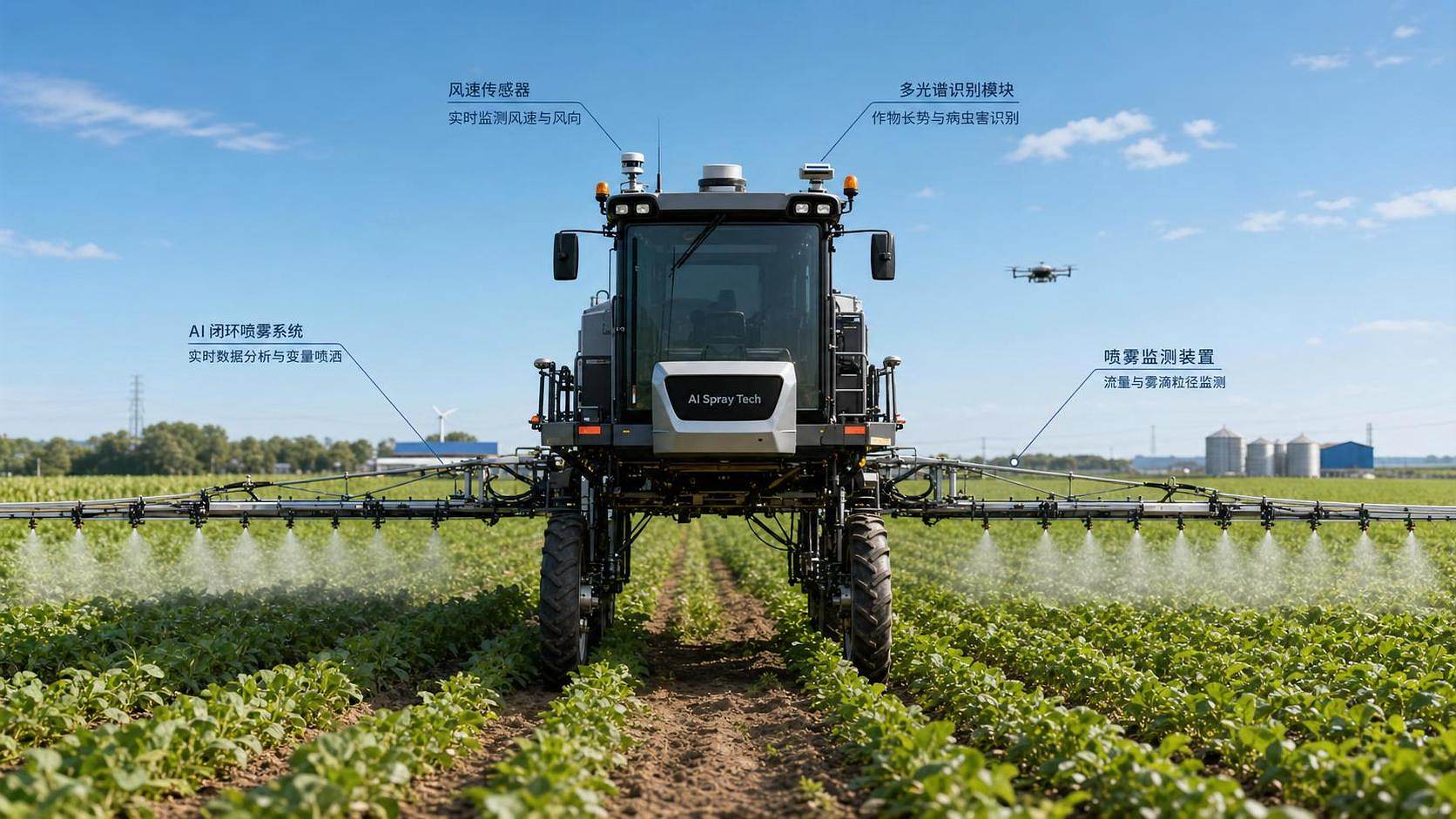




Effective January 1, 2027, a revised EPA rule changes the compliance baseline for self-propelled sprayers sold in the United States by making an EPA-approved AI closed-loop spray system a market-entry requirement rather than an optional feature. For equipment makers, exporters, certification participants, procurement teams, and after-sales operators, the issue is not only a product upgrade but also a shift in how sensor integration, compliance records, certification readiness, and delivery planning may need to be handled for the U.S. market.
What the rule change now requires
The U.S. Environmental Protection Agency (EPA) issued the Pesticide Application Equipment Rule, Final Rule FR-2026-1427, on June 14, 2026. Under that rule, from January 1, 2027, all self-propelled sprayers sold in the United States must be equipped with an EPA-approved AI spray closed-loop system.
According to the information provided, the required system must combine real-time data from wind speed sensors, multispectral crop coverage recognition, and online droplet size monitoring. It must also generate tamper-proof operating logs for regulatory spot checks.
The same input states that Chinese export models must pass certification through an EPA-designated laboratory, with UL Environment listed as an example.
Where the pressure is likely to appear first
For manufacturers targeting the U.S. market
Analysis shows that the main impact on equipment manufacturers is likely to fall on product specification alignment and compliance design. If a self-propelled sprayer is intended for sale in the United States, the AI closed-loop system becomes part of the compliance threshold. That means the technical configuration, sensor integration path, and operating log function may need to be treated as mandatory deliverables in product development, quotation, and shipment preparation.
For Chinese exporters and cross-border delivery teams
From an industry perspective, Chinese exporters are directly exposed because certification through an EPA-designated laboratory is identified as a requirement for export models. The practical effect may appear in export planning, document readiness, customer communication, and delivery scheduling. What deserves closer attention is whether product files, test materials, and certification arrangements are prepared early enough to avoid affecting orders tied to the 2027 effective date.
For buyers, distributors, and procurement functions
For buyers and channel participants, the rule change may alter procurement review standards. In practical terms, bids, purchase specifications, acceptance terms, and supplier qualification checks may increasingly focus on whether the machine includes an EPA-approved AI closed-loop system and whether the operating logs can support regulatory review. This is especially relevant where imported models are being compared with other equipment options for U.S. sale.
For testing, certification, and service support participants
Observably, the rule also increases the importance of testing and certification coordination as well as after-sales support. Because the required system includes real-time sensing and tamper-proof record generation, related service teams may need to pay closer attention to how compliance functions are maintained throughout delivery and operation. The available information does not define the full execution process, but the certification and traceability elements are already clear enough to affect how support obligations are discussed commercially.
What companies should monitor now
Certification readiness and document preparation
Analysis shows that companies selling into the United States should focus first on certification readiness, especially if the product is manufactured in China for export. Technical files, testing materials, product descriptions, and any records needed for review by an EPA-designated laboratory may become central to transaction timing. The input does not provide a full document list, so this should be treated as a compliance-monitoring priority rather than a settled checklist.
Specification changes in tenders and purchase orders
What deserves closer attention is whether customers, distributors, or project buyers begin rewriting tender documents and procurement terms around the new requirement. Even before all market practices become uniform, specification alignment may become a practical gate in order confirmation, supplier onboarding, and delivery acceptance for self-propelled sprayers intended for the U.S. market.
Supply chain timing around compliant configurations
From an industry perspective, companies may need to review how compliant configurations are scheduled in production and export planning. Because the rule links product saleability to system capability and certification status, sourcing, assembly coordination, and shipment timing may become more sensitive around the January 1, 2027 implementation date. The current information does not confirm specific market behavior, but the compliance link to delivery is already visible.
After-sales traceability and regulatory response
Observably, the requirement for tamper-proof operating logs means after-sales and compliance teams should pay attention to traceability expectations. If regulators conduct spot checks, the value of those logs will extend beyond product design into operational record management and response readiness. The input does not provide detailed enforcement procedures, so companies should continue tracking how this point is reflected in formal compliance communications and customer requirements.
Why this looks like an execution signal, not just a policy headline
Analysis shows that this development is more appropriately understood as a concrete execution signal because it sets a clear effective date and ties market access for self-propelled sprayers in the United States to a defined technical and certification requirement. At the same time, it should not yet be treated as a fully closed compliance picture, because the provided information does not include the complete certification workflow, detailed review criteria, or downstream procurement language that market participants may later adopt.
From an industry perspective, the most important takeaway is that this is no longer only a discussion about smarter spraying technology. In this case, AI integration, sensor fusion, operating log integrity, and designated-lab certification are presented as compliance elements connected to saleability and regulatory review.
How the market may best read this stage
At this stage, the rule is best understood as a confirmed regulatory change with immediate practical relevance for U.S.-bound self-propelled sprayers, especially for Chinese export models that must go through an EPA-designated laboratory. A cautious reading is still necessary: the core requirement is clear, but many execution details may continue to develop through certification practice, procurement language, and market feedback. For companies involved in manufacturing, exporting, buying, certifying, or servicing these machines, the sensible approach is to treat the rule as active compliance preparation territory rather than as a distant policy topic.
Basis of this article and what still needs verification
This article is generated from the user-provided news title, event date, and event summary. For events of this type, relevant source categories typically include official regulatory releases, notices from supervisory authorities, trade or customs information, industry association updates, standard-setting documents, certification body materials, and reporting by authoritative media.
No specific official source link was provided in the input, so the exact official publication path still requires further verification. Observably, the areas that still merit continued monitoring include detailed implementation language, certification interpretation by designated laboratories, changes in tender and procurement documents, industry feedback, and how companies execute compliance in practice after the January 1, 2027 effective date.
Related News
How to Evaluate Drip Irrigation System Manufacturers for Large Farm Projects
Drip irrigation systems manufacturer evaluation guide for large farms: compare hydraulic design, filtration, quality control, scalability, delivery, and support.
Specification Planning: A Practical Framework for Defining Equipment Requirements
Application guidance for specification planning: define measurable equipment requirements, prioritize performance, and avoid costly procurement mistakes.

How North American Farms Can Select Crop Monitoring Systems by Acreage and Connectivity
Crop monitoring systems North America: learn how to match acreage, connectivity, sensors, and data workflows for reliable, actionable farm decisions.

Where to Find Reliable Product Information for Comparing Farm Equipment
Product information resources agriculture buyers can trust: compare farm equipment with technical specs, manuals, field data, dealer support, and lifecycle insights.
Selecting Real-Time Soil Moisture Sensors for Irrigation Zone Control
Soil moisture sensors real time: learn how to select reliable probes, optimize zone control, improve irrigation decisions, and scale precision water management.
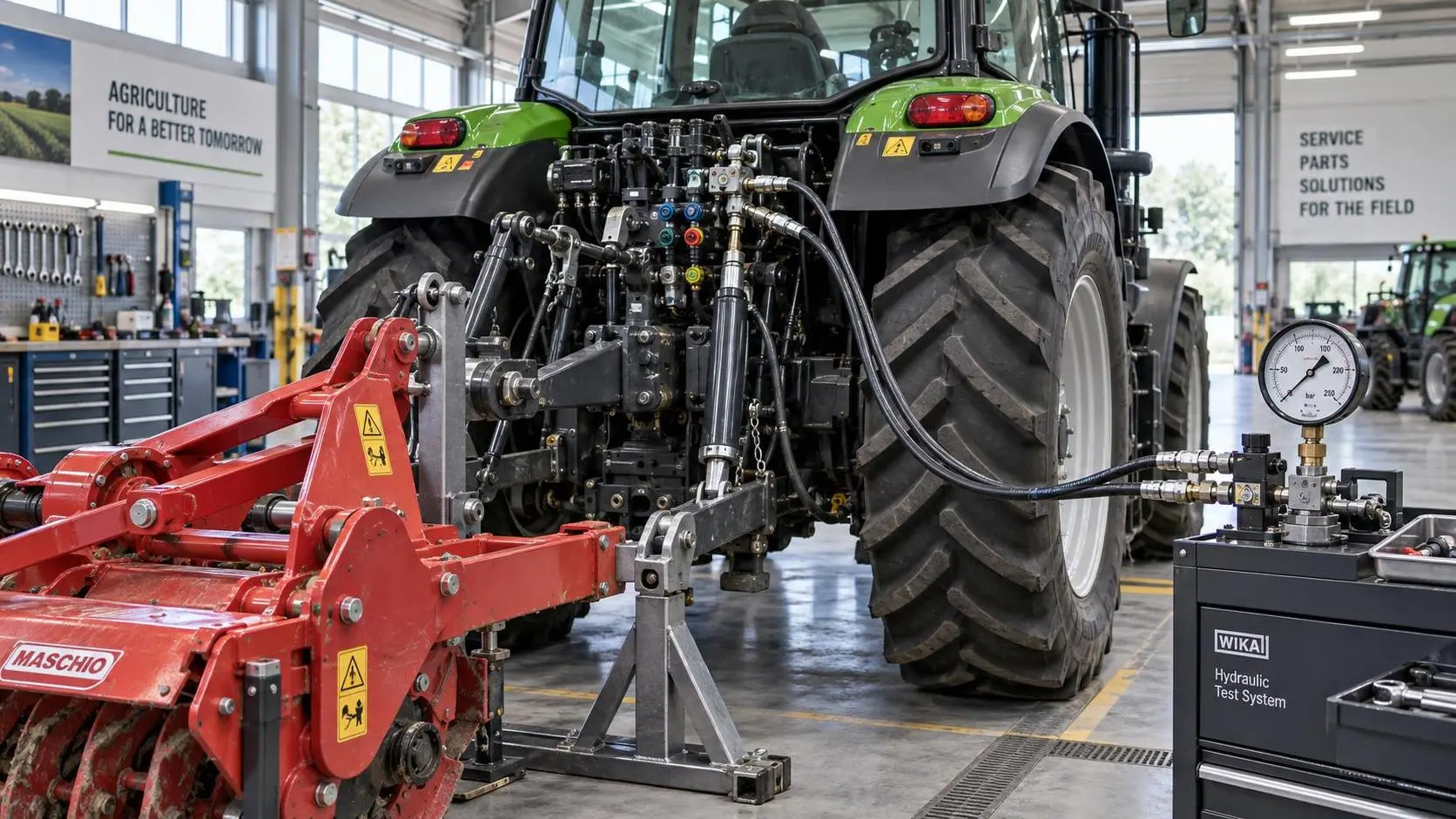
Tractor Hydraulic Systems Troubleshooting: Diagnosing Weak Lift and Slow Implements
Tractor hydraulic systems troubleshooting made practical: diagnose weak lifts and slow implements with proven pressure, flow, valve, and oil-supply checks.
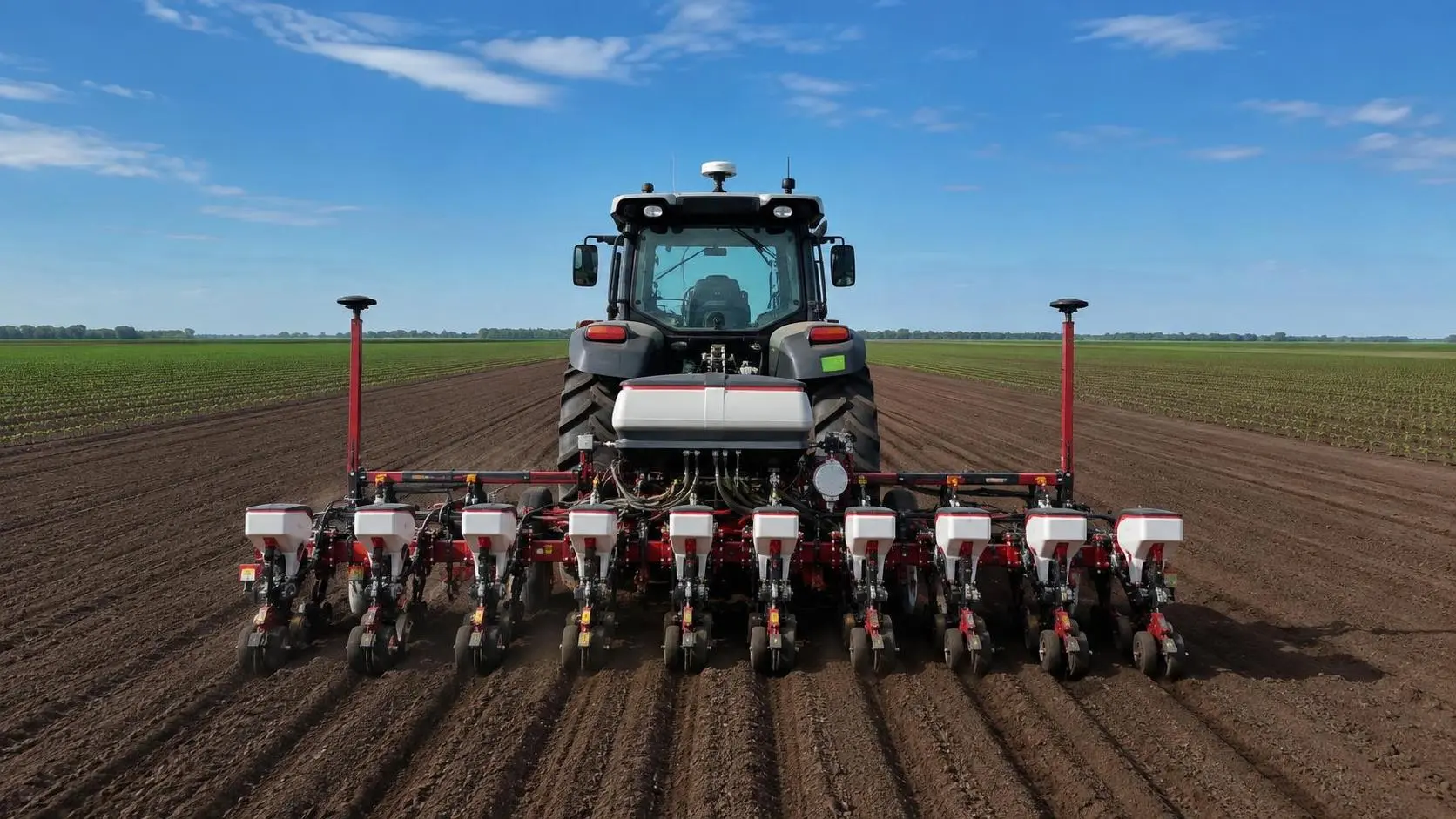
How Tractor Intelligence Systems Improve Field Efficiency and Input Accuracy
Agricultural machinery intelligence for tractors improves field efficiency, input accuracy, data traceability, and implement control. Explore smarter evaluation strategies.
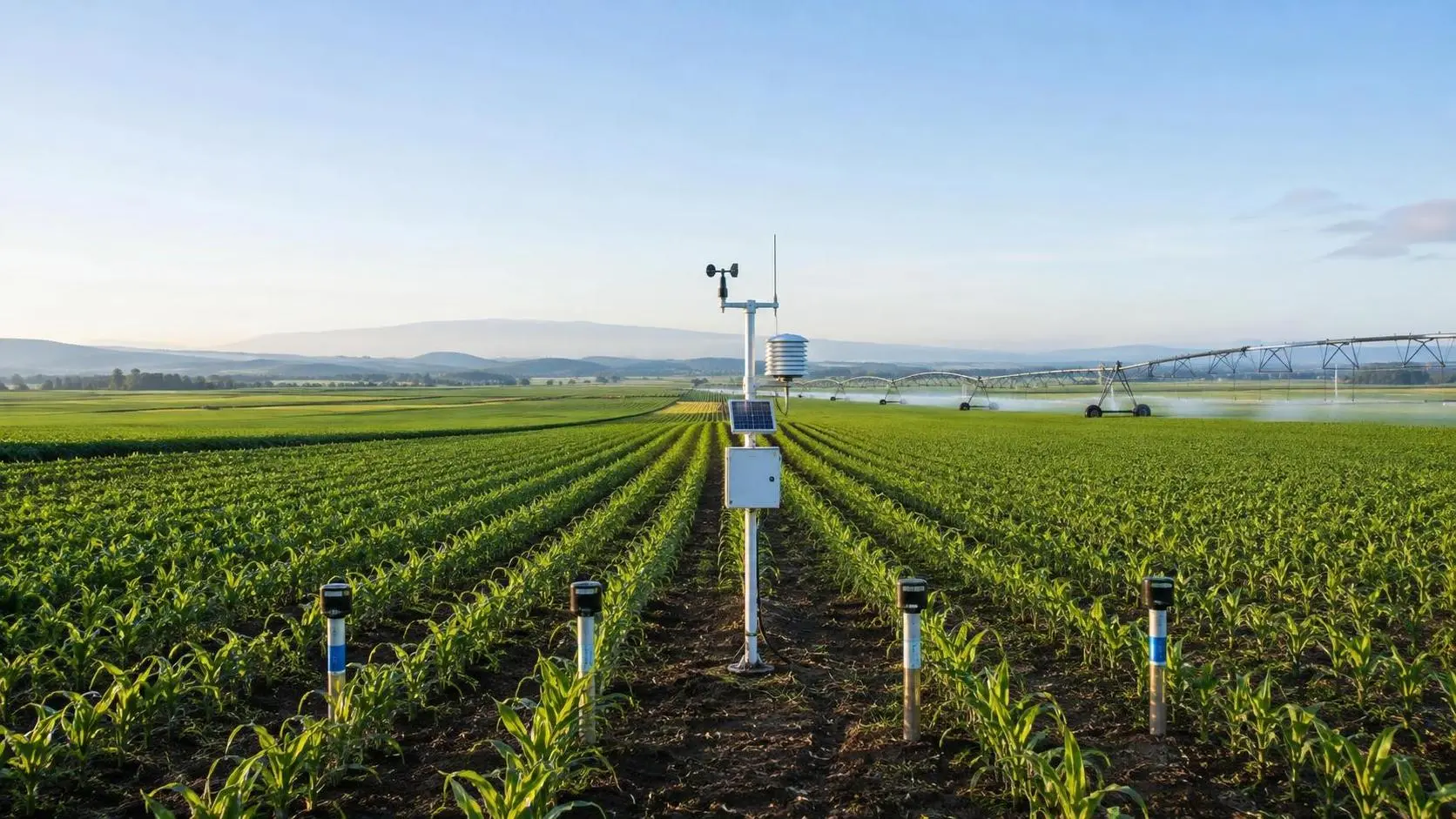
How to Evaluate Crop Monitoring System Manufacturers for Large-Scale Farms
Compare crop monitoring systems manufacturers for large-scale farms. Evaluate data quality, integration, durability, lifecycle costs, support, and pilots for smarter decisions.
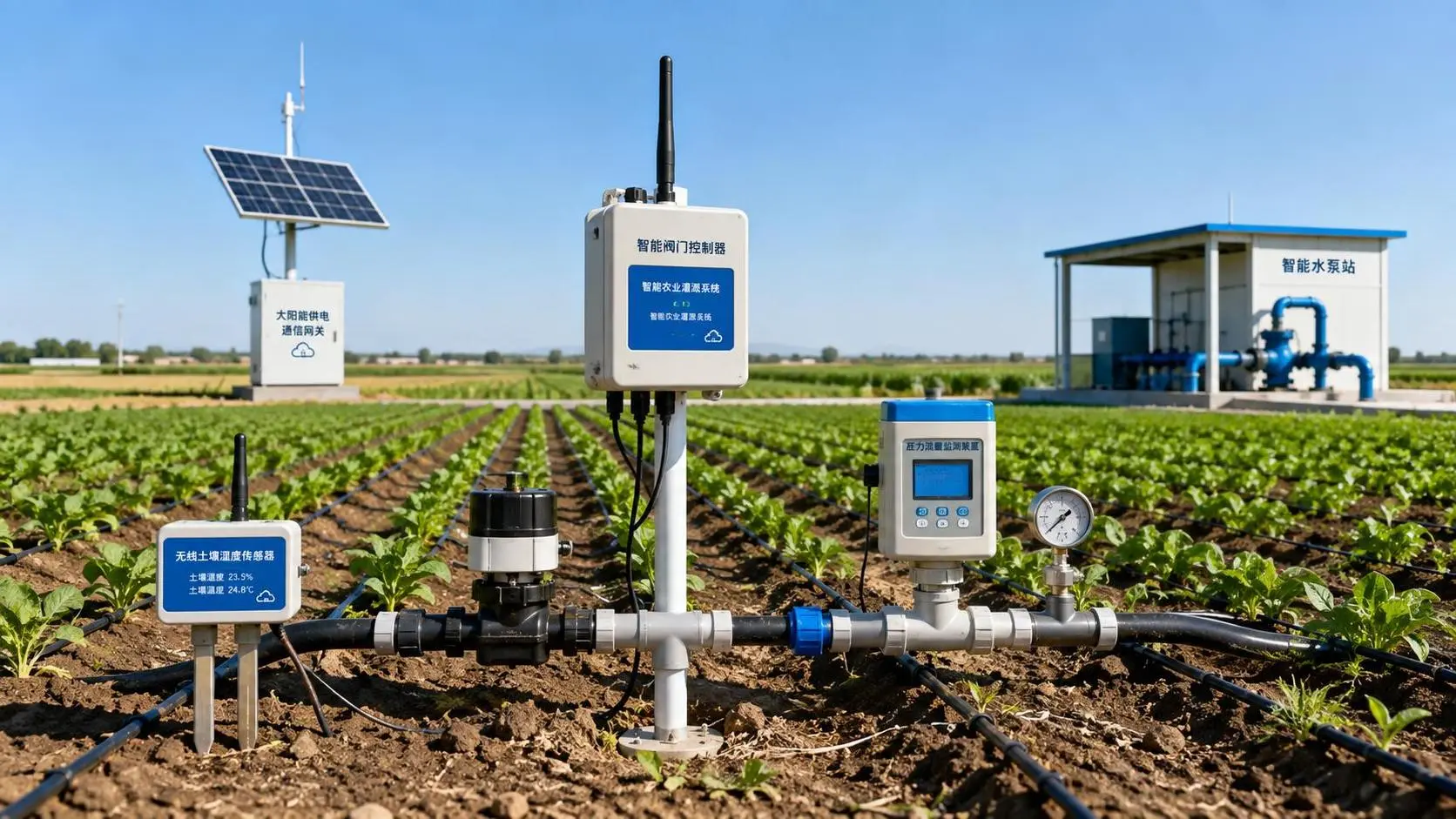
Wireless Agricultural Automation for Remote Irrigation and Field Monitoring
Agricultural automation wireless solutions improve remote irrigation with reliable field data, local control, flow verification, and smarter monitoring. Explore resilient deployment strategies.
Related News
- 00
0000-00
How to Choose Plant Protection Equipment for Vineyard Pests - 00
0000-00
How to Read Agricultural Equipment Specifications for Sprayers Before You Compare Models - 00
0000-00
BIS Extends Fast-Track Approval for Self-Propelled Sprayers - 00
0000-00
Intelligent Sprayer Technology: Which Functions Matter Most for Field Efficiency? - 00
0000-00
How to Choose Plant Protection Equipment for Orchards by Tree Height, Row Spacing, and Spray Drift
Popular Tags
Agri-Mechanization Fellow
Weekly Insights
Stay ahead with our curated technology reports delivered every Monday.