
Plant Protection Mistakes That Reduce Crop Yield and How to Prevent Them
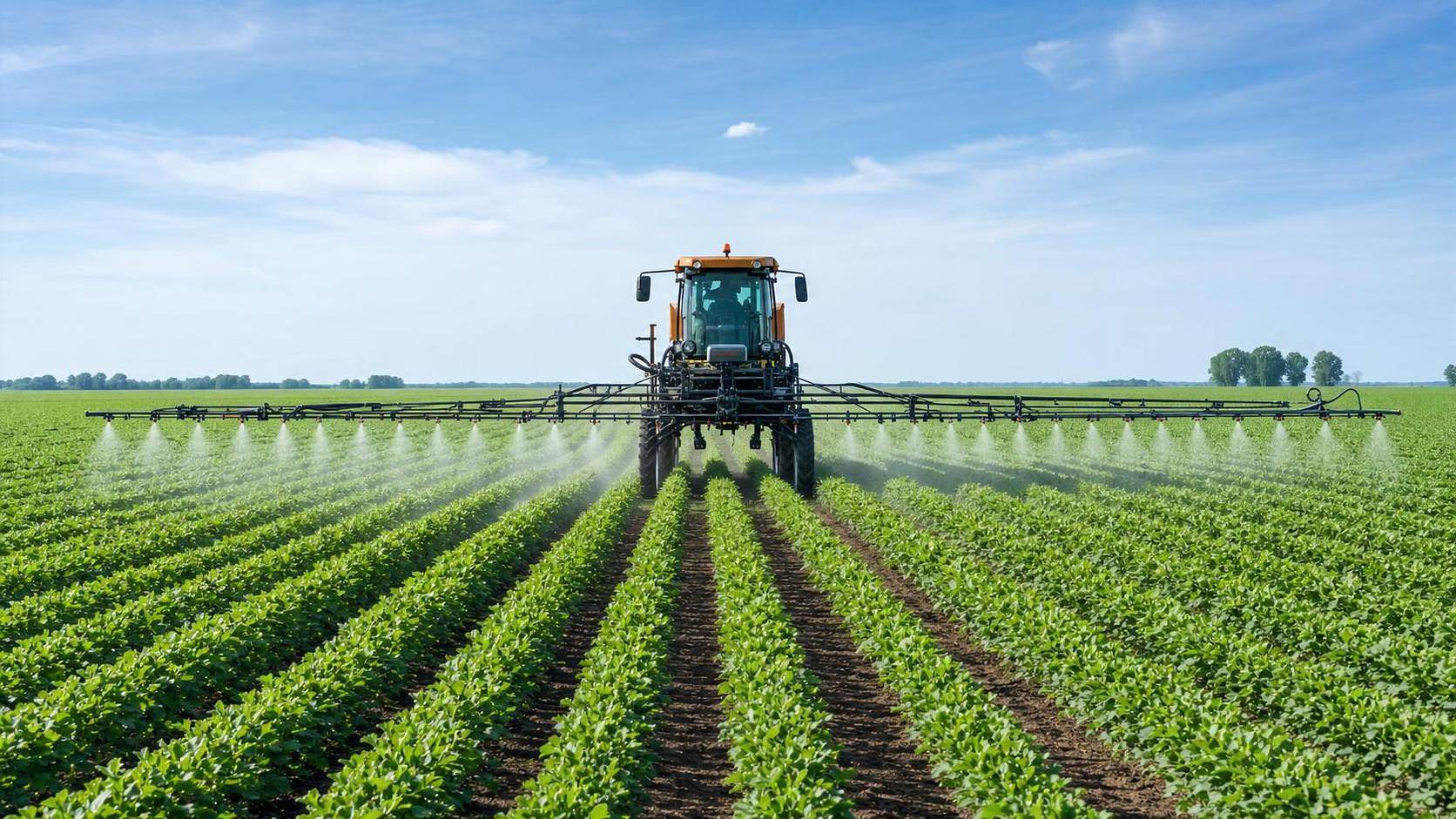




Why plant protection errors look small but cut yield fast
Plant protection rarely fails because of one dramatic mistake. In most fields, losses come from several small decisions that work against each other.
A spray applied six hours late, a nozzle chosen for the wrong canopy, or uneven water volume can all reduce control quality.
The result is familiar across cereals, oilseeds, vegetables, and row crops. Pressure remains in the field, while input cost has already been spent.
For a platform focused on Agriculture 4.0, plant protection is not only a chemistry issue. It is also a machinery, data, timing, and resource-efficiency issue.
That is why AP-Strategy often reads plant protection through a wider operational lens. Coverage quality, field traffic, irrigation timing, and crop-stage data all matter together.
In practice, different field situations create different risks. A dense wheat canopy does not behave like a young soybean stand, and neither should the application plan.
Actual field conditions change what good plant protection means
The biggest misunderstanding is treating plant protection as a fixed recipe. Operators often follow label basics but ignore the conditions shaping real deposition.
Wind profile, leaf angle, crop height, soil moisture, and machine speed all change how droplets behave after leaving the boom.
More importantly, field goals are different. Early-season weed suppression demands broad and even coverage, while late fungicide work often needs deeper canopy penetration.
Where irrigation is tightly managed, application timing may also need to align with transpiration patterns and expected wash-off risk.
This is where precision farming becomes useful instead of decorative. Sensor feedback and field mapping help decide whether the problem is biological pressure or application quality.
Different situations change the judgment priority
Timing mistakes often begin before pests are visible
One of the most expensive plant protection errors is waiting for strong visual symptoms before acting. By then, yield potential may already be affected.
This happens often in large acreage operations. Scouting cycles stretch longer, and application windows narrow when machinery is shared across blocks.
A better approach is to connect crop stage, weather forecast, and historical pressure. Timing should reflect likely risk, not only visible damage.
In disease-prone seasons, preventive or threshold-based action usually protects yield more reliably than reactive treatment.
There is also an opposite error. Some applications are too early, long before pressure justifies them, which weakens return and may complicate resistance management.
The practical question is not whether to spray early or late. It is whether the treatment matches crop stage, threat curve, and field access conditions.
Coverage problems become serious in uneven or fast-moving operations
Many plant protection programs look correct on paper but fail in deposition. Coverage declines when boom height, travel speed, and pressure drift away from target values.
In broad-acre work, the temptation is to push speed during short weather windows. That decision can increase bounce, overlap errors, and missed strips.
The issue becomes sharper on rolling ground or in fields with residue and wheel-track instability. Mechanical performance directly affects biological results.
This is why sprayer setup should be treated like a core yield input. Nozzle condition, section control accuracy, and chassis stability deserve routine verification.
What to check before blaming the chemistry
- Confirm boom height against nozzle pattern, not habit.
- Measure actual output from nozzles with visible wear.
- Review forward speed during the roughest field sections.
- Check whether water volume fits canopy density.
- Inspect overlap behavior where automatic section control engages late.
Dosage errors are not only about overuse or underuse
Dose mistakes are often described too simply. The real problem is mismatch between rate, carrier volume, target position, and crop environment.
A correct label rate may still underperform if dilution, droplet spectrum, and canopy access are poorly matched to the target.
In dense foliage, under-dosing combines with shallow coverage and leaves protected zones for disease or insects. The field then appears partly controlled, which delays correction.
Over-dosing creates different risks. Crop stress, residue concerns, and unnecessary cost can reduce overall system efficiency without improving plant protection.
This is where intelligent farm tools can help. Prescription logic and zone-based application are useful when pressure is uneven across large fields.
Irrigation and plant protection should not be planned separately
In water-managed systems, plant protection quality is closely linked to irrigation behavior. Yet these decisions are often handled on different schedules.
A fungicide applied before overhead irrigation may face wash-off. An insecticide applied during high humidity might improve retention, but disease risk can also shift.
For drip or precision irrigation zones, the key question is more subtle. Moisture differences across the field can change pest pressure and crop response timing.
That means plant protection should be aligned with water-saving strategies, not treated as an isolated spray event.
AP-Strategy’s broader view of smart irrigation is useful here. Transpiration prediction, field moisture patterns, and access windows support better timing decisions.
Where the mismatch usually appears
- Spraying too close to planned irrigation cycles.
- Ignoring moisture-driven pressure differences between zones.
- Using one plant protection schedule for fields with different water delivery systems.
Misreading similar fields leads to poor plant protection choices
Two fields may look similar from the road and still require different plant protection strategies. Soil type, airflow, residue level, and crop density can change performance sharply.
This is a common issue in scaled operations using the same machine settings across many blocks. Standardization saves time, but blind standardization creates hidden yield drag.
The better judgment is selective consistency. Keep a standard operating baseline, then adjust only the factors most sensitive to field variation.
Usually, those factors are application window, water volume, nozzle type, and travel speed. Everything does not need to change, but a few things often should.
A practical adaptation path before the next spray window
Improving plant protection does not always require new equipment. It often starts with a tighter link between field observation, machine setup, and timing discipline.
A useful next step is to review recent misses by category. Separate timing failures, coverage failures, and rate or water-management failures instead of treating them as one problem.
Then compare high-performing fields with weak ones. Look for differences in canopy stage, terrain stability, irrigation schedule, and application conditions.
If recurring errors appear, build a field-level checklist. Include crop stage trigger, weather threshold, nozzle setup, speed range, and irrigation coordination notes.
Plant protection works best when the decision standard is clear before pressure rises. That is how yield protection becomes more repeatable and less dependent on guesswork.
The most reliable path is simple to define, even if execution takes discipline: match the field situation first, calibrate the machinery second, and only then judge the chemistry.
Related News
How to Evaluate Agricultural Product Information Sources for Reliable Farm Decisions
Agricultural product information reference guide: evaluate reliable farm data, verify claims, and make smarter machinery, irrigation, and crop decisions.
Farm Machinery Guide: Matching Tractor Horsepower and Implements to Farm Size
Farm machinery guide for tractors: match horsepower, implement width, hydraulics, traction, and fleet capacity to farm size for lower costs and reliable field performance.
How to Evaluate Drip Irrigation System Manufacturers for Large Farm Projects
Drip irrigation systems manufacturer evaluation guide for large farms: compare hydraulic design, filtration, quality control, scalability, delivery, and support.
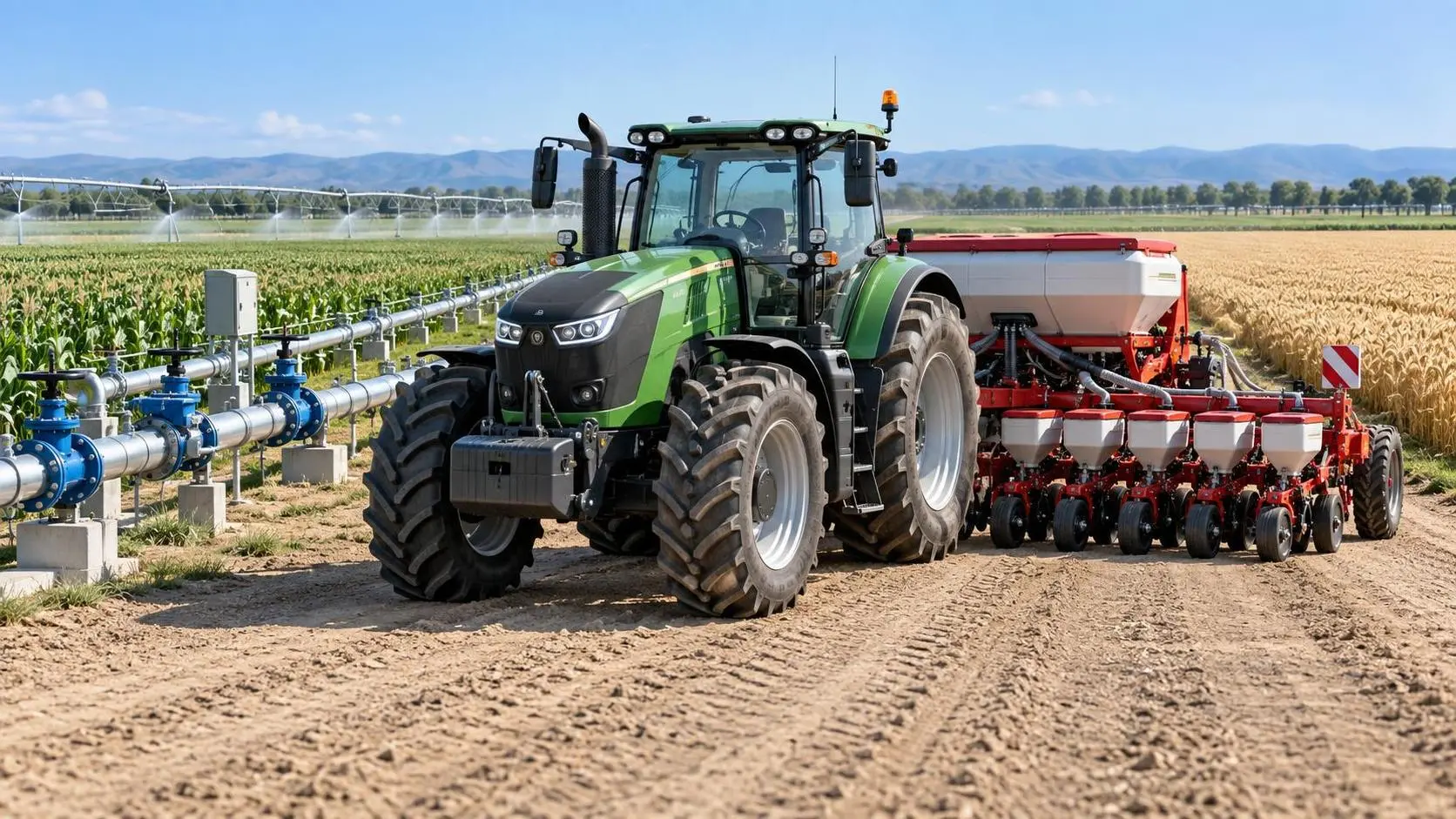
Specification Planning: A Practical Framework for Defining Equipment Requirements
Application guidance for specification planning: define measurable equipment requirements, prioritize performance, and avoid costly procurement mistakes.

How North American Farms Can Select Crop Monitoring Systems by Acreage and Connectivity
Crop monitoring systems North America: learn how to match acreage, connectivity, sensors, and data workflows for reliable, actionable farm decisions.

Where to Find Reliable Product Information for Comparing Farm Equipment
Product information resources agriculture buyers can trust: compare farm equipment with technical specs, manuals, field data, dealer support, and lifecycle insights.
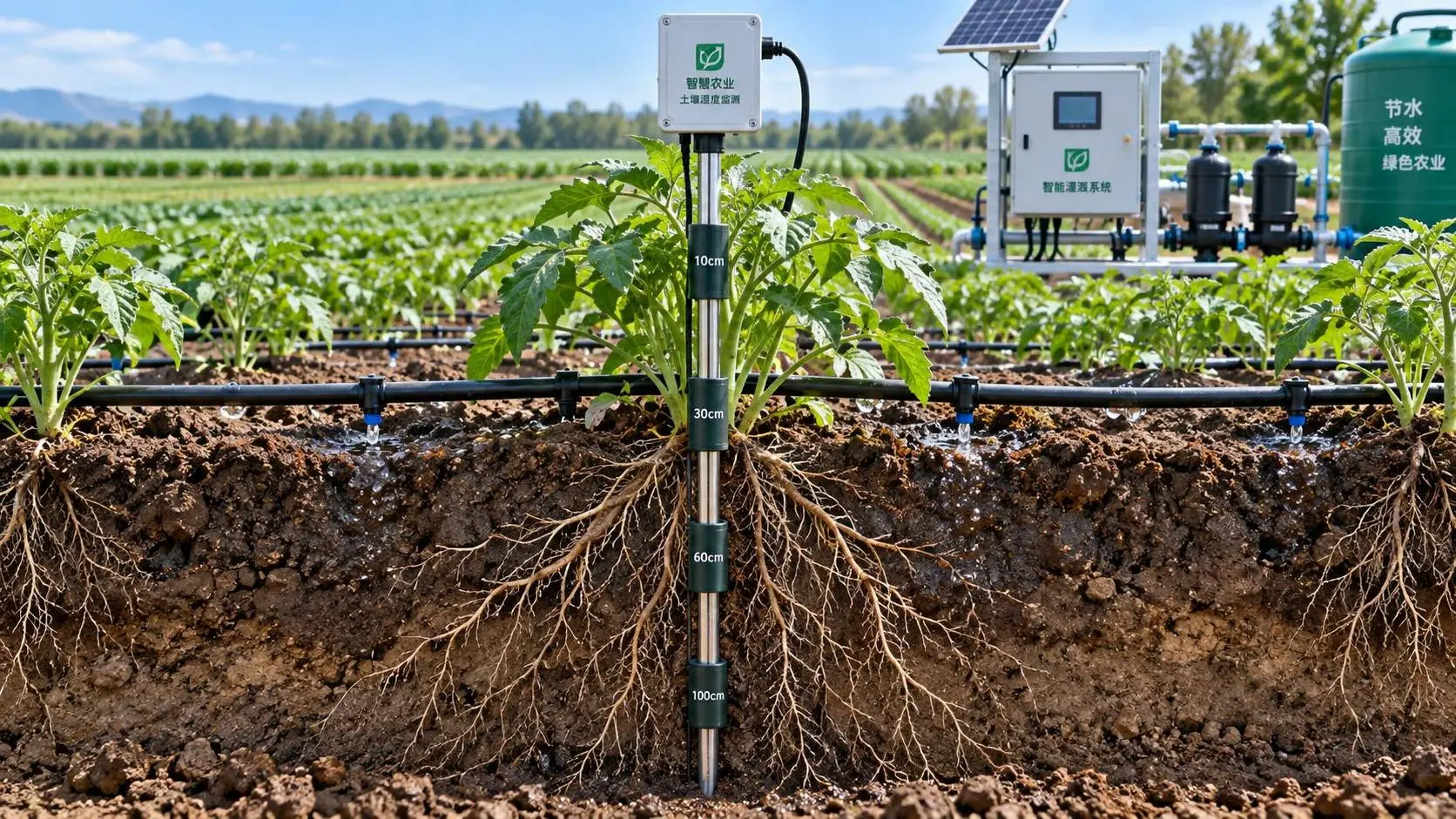
Selecting Real-Time Soil Moisture Sensors for Irrigation Zone Control
Soil moisture sensors real time: learn how to select reliable probes, optimize zone control, improve irrigation decisions, and scale precision water management.
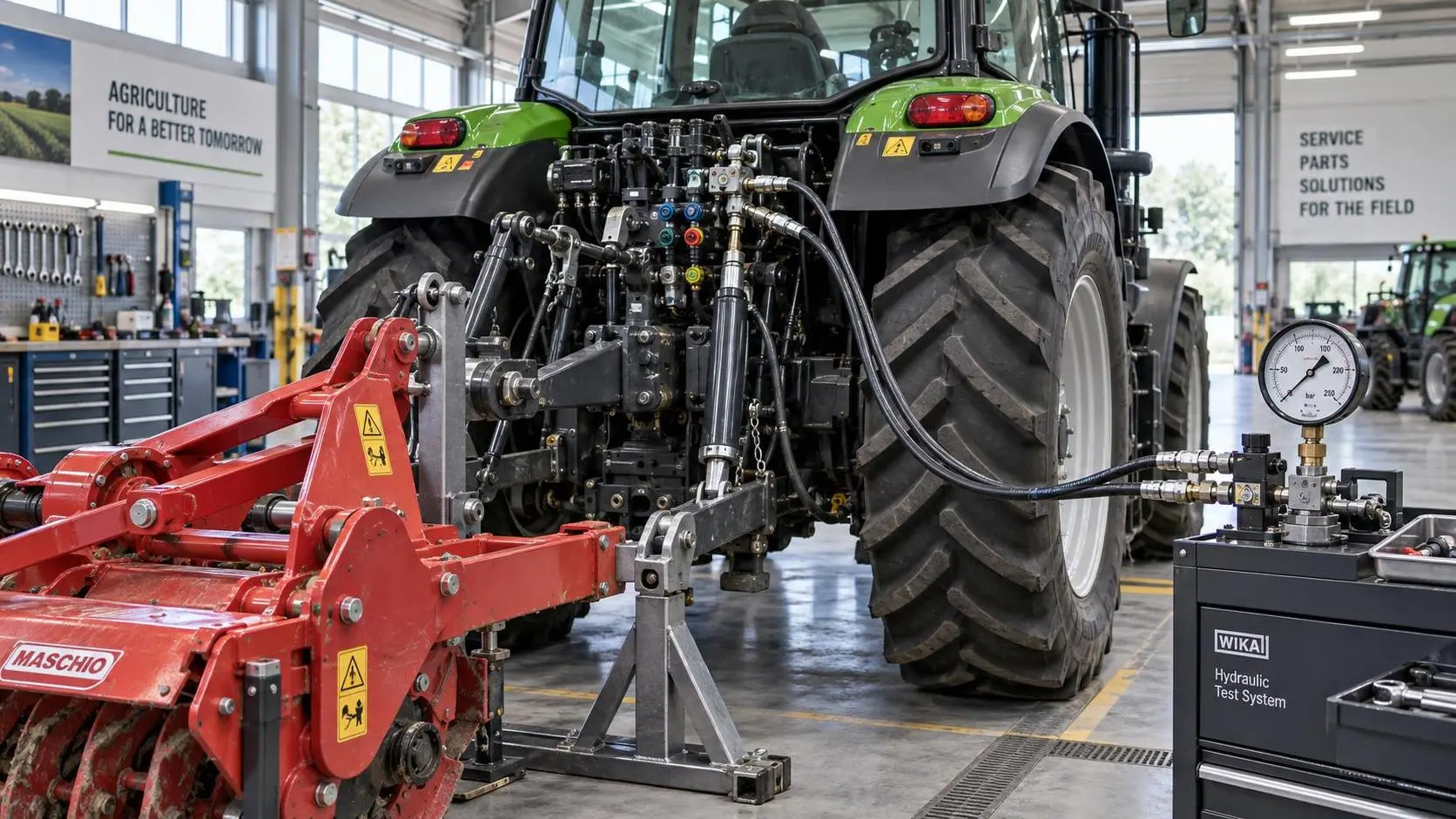
Tractor Hydraulic Systems Troubleshooting: Diagnosing Weak Lift and Slow Implements
Tractor hydraulic systems troubleshooting made practical: diagnose weak lifts and slow implements with proven pressure, flow, valve, and oil-supply checks.
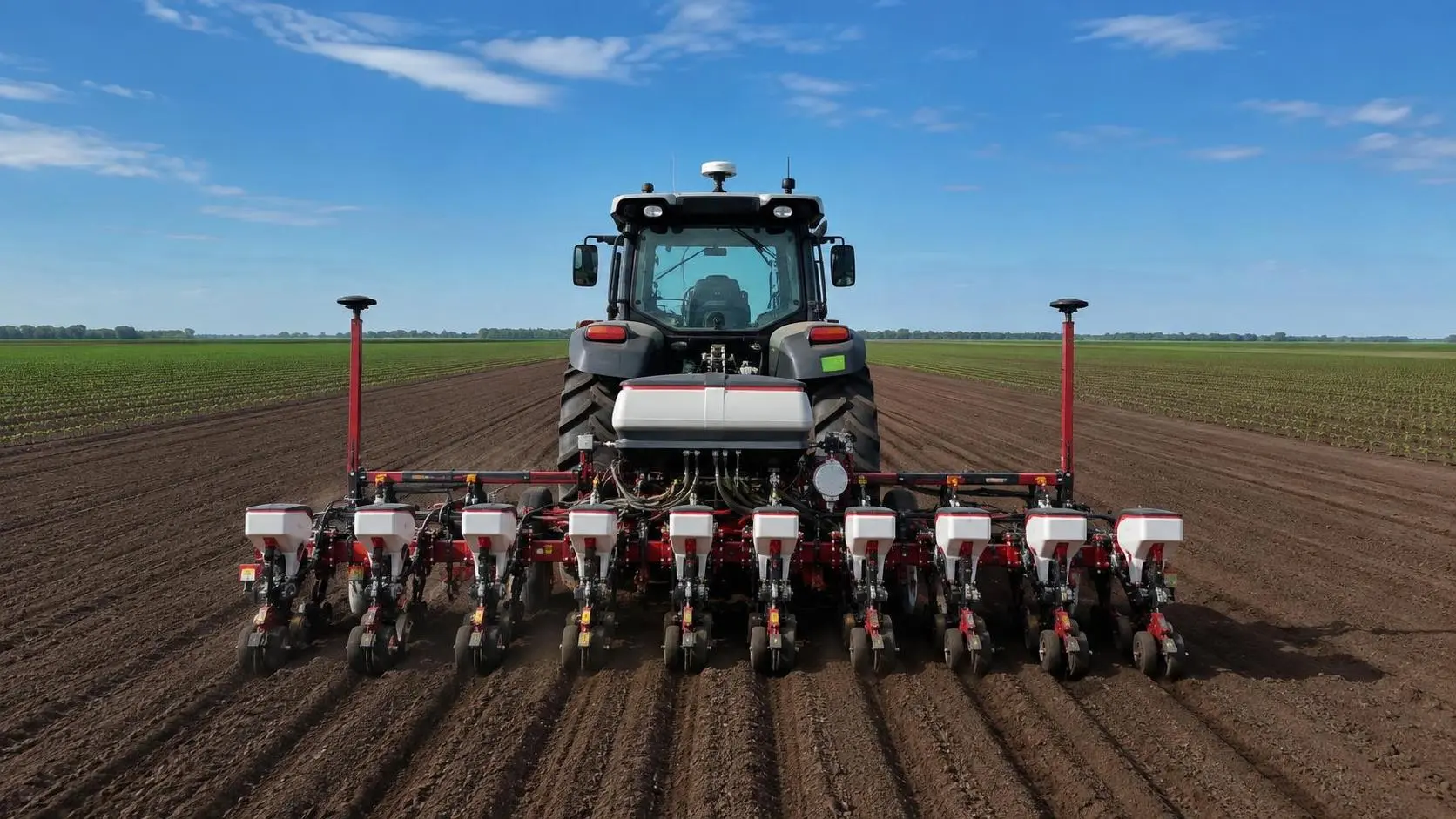
How Tractor Intelligence Systems Improve Field Efficiency and Input Accuracy
Agricultural machinery intelligence for tractors improves field efficiency, input accuracy, data traceability, and implement control. Explore smarter evaluation strategies.
Related News
- 00
0000-00
How to Choose Plant Protection Equipment for Vineyard Pests - 00
0000-00
How to Read Agricultural Equipment Specifications for Sprayers Before You Compare Models - 00
0000-00
BIS Extends Fast-Track Approval for Self-Propelled Sprayers - 00
0000-00
Intelligent Sprayer Technology: Which Functions Matter Most for Field Efficiency? - 00
0000-00
How to Choose Plant Protection Equipment for Orchards by Tree Height, Row Spacing, and Spray Drift
Popular Tags
Agri-Mechanization Fellow
Weekly Insights
Stay ahead with our curated technology reports delivered every Monday.