
China-Kenya Farm Machinery Transit Cut to 18 Days
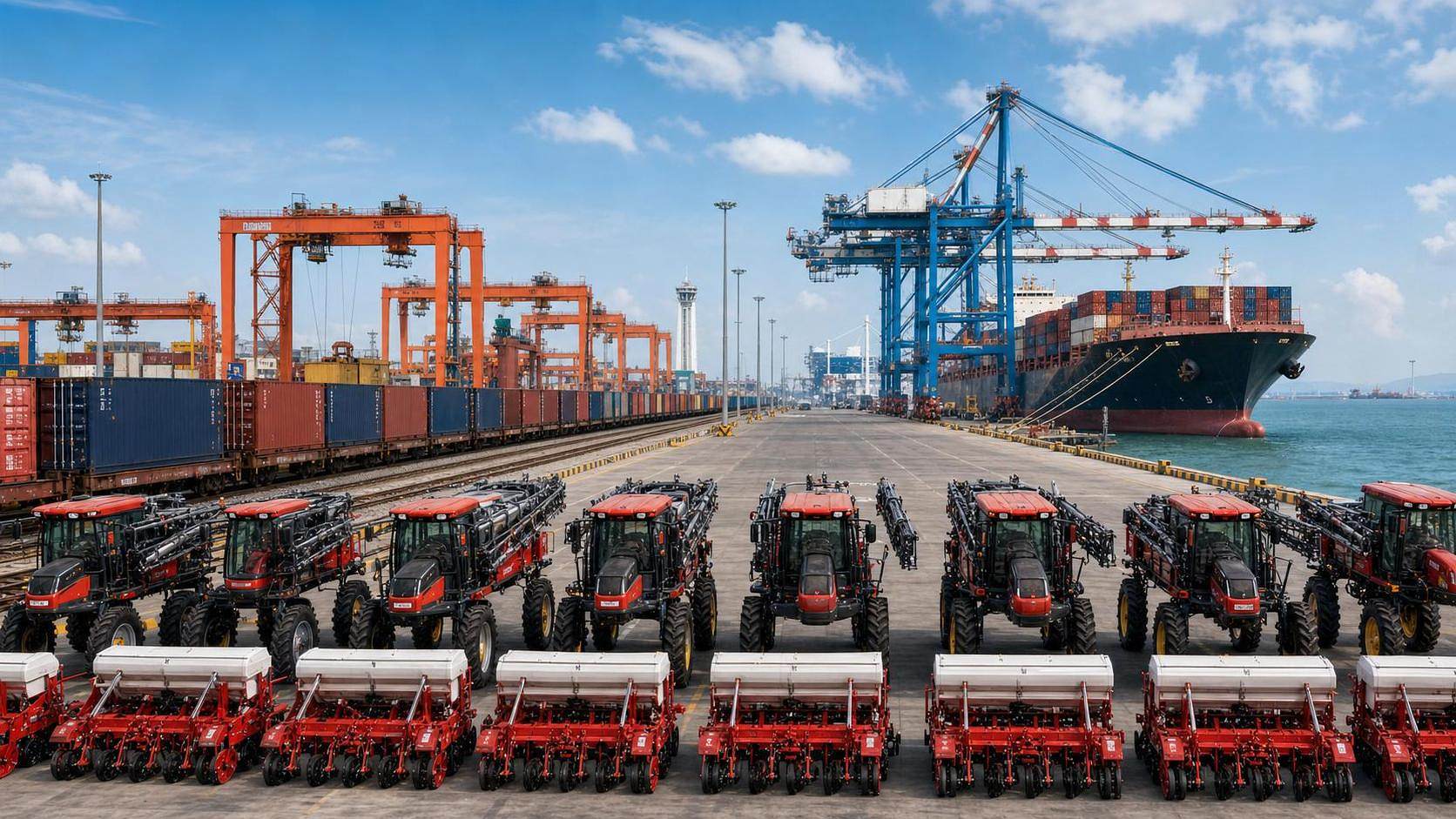




On June 17, 2026, the regularization of the Xiang-Guangdong-Africa rail-sea intermodal corridor signaled more than a logistics update: it marked an operational change in how agricultural machinery can move from inland China to Kenya under a stable weekly dispatch arrangement. For exporters, distributors, procurement teams, and supply chain service providers, the shorter end-to-end cycle from 32 days to 18 days deserves attention because it may reshape delivery planning, customs document timing, inventory allocation, and the execution rhythm for complete-machine exports such as Self-propelled Sprayers and Seeders & Planters.
A Shift from Occasional Routing to Regular Weekly Movement
According to the information provided, Guangzhou Port Group and Changsha Customs announced on June 17, 2026 that the Xiang-Guangdong-Africa rail-sea intermodal corridor had entered a stage of regularized operation. The route connects Changsha and Zhuzhou with Guangzhou Nansha Port and then onward to Mombasa or Nairobi through a rail-plus-sea combination. Weekly train services are reported to be operating on a stable basis.
The same information states that the full transport cycle, including customs clearance, transfer, and ocean shipping, has been reduced from 32 days to 18 days. The development is described as particularly relevant for exports of large complete agricultural machines, including Self-propelled Sprayers and Seeders & Planters, while also helping reduce inventory pressure and capital occupation for overseas distributors.
Where the Operational Impact May Be Felt First
Export shipment planning becomes more time-sensitive
From an industry perspective, exporters of complete agricultural machinery may be among the first to feel the practical effect of a regular weekly corridor. The reason is straightforward: once a route shifts from a less predictable arrangement to a regularized dispatch pattern, shipment scheduling, packing completion, customs filing readiness, and handover timing all become more closely linked to a fixed transport rhythm. What deserves closer attention is not only the faster transit time itself, but also whether export teams can align commercial documents, cargo readiness, and inland transfer arrangements with that cadence.
Distributors and channel partners may adjust stock decisions
Analysis shows that overseas distributors may view the shorter transport cycle as a factor in rethinking inventory buffers and replenishment timing. For machinery categories with large unit value and slower turnover, reduced transit days can affect how much stock must be held in advance. The business impact may therefore appear in ordering intervals, warehouse pressure, and capital use rather than in sales volume alone. At the same time, channel participants still need to watch whether local receipt, delivery coordination, and after-sales preparation can keep pace with the shorter inbound timeline.
Supply chain service providers face higher execution discipline
For freight coordinators, customs brokers, and related logistics service providers, a regularized corridor can raise the importance of document accuracy and transfer coordination. Observably, when total lead time is compressed, delays in declarations, cargo handoff, or intermediate transfer may carry more operational weight. The practical focus is therefore likely to shift toward whether shipping instructions, cargo descriptions, and handover documents are prepared in a way that supports the promised transport rhythm rather than disrupts it.
Procurement and manufacturing teams may need tighter delivery alignment
For manufacturers and procurement teams supporting export orders, the shorter corridor may influence production release timing and outbound staging for complete machines. This matters especially for large equipment, where factory completion, inspection records, packing preparation, and delivery booking often need close sequencing. It is more appropriate to understand this as a signal for tighter supply chain coordination, not as proof that every shipment will automatically realize the shortest cycle in practice.
What Companies Should Watch in Current Execution
Check whether compliance files are ready for a faster dispatch cycle
Analysis shows that companies using the corridor should review whether customs declarations, product descriptions, packing lists, and contract-related shipping files can be finalized earlier and with fewer corrections. Where complete agricultural machinery is involved, any mismatch between cargo status and shipping paperwork may erode the time advantage created by the corridor.
Monitor official wording and operational interpretation
Because the information provided confirms regularized operation and stable weekly dispatch, but does not provide detailed implementation rules, companies should continue tracking how the corridor is described in future official communications and operational notices. What deserves closer attention is whether there are changes in the practical interpretation of booking arrangements, cargo eligibility, transfer handling, or customs processing expectations.
Review delivery promises made to buyers and distributors
Exporters and channel partners may need to reassess the delivery windows they communicate to Kenyan buyers or local distributors. Observably, a shorter route can improve responsiveness, but commercial commitments should still account for documentation readiness, transfer execution, and destination-side coordination. Companies should avoid treating the new cycle as a guaranteed outcome in every transaction before their own execution processes are tested against the regular weekly schedule.
Keep traceability and after-sales readiness in step with faster arrival
For complete-machine exports, shorter transit can compress the time available for destination-side preparation. From an industry perspective, this makes it worth reviewing whether serial-number records, technical files, handover documentation, and after-sales support arrangements are organized to match faster cargo arrival. The current information does not specify new compliance requirements, but the execution burden may still increase where handover quality and post-delivery traceability are concerned.
Why This Looks More Like an Execution Signal Than a Policy Headline
Analysis shows that the most important meaning of this development is not a newly cited regulation number or a formal trade rule revision, but an execution-level signal tied to customs-linked corridor normalization and weekly dispatch stability. In practice, that can matter just as much as a written rule change because it affects how companies schedule exports, manage lead times, and negotiate stock expectations with overseas partners.
At the same time, it is more appropriate to understand this as a landed operational change with continuing points to observe, rather than as a fully settled framework with every implementation detail already clear. Industry participants still need to watch for market feedback, operational consistency, and any later clarification that could affect documents, handling practices, or delivery commitments.
How the Market May Best Read This Development Now
The regularization of this rail-sea corridor is best read as a concrete improvement in trade execution conditions for China-to-Kenya agricultural machinery shipments, especially for large complete units that are sensitive to lead time and inventory costs. Its importance lies in the fact that it may shorten the distance between production completion and overseas availability.
Even so, the prudent reading is not that the corridor alone changes every commercial outcome. A more balanced conclusion is that the announcement provides a meaningful operating signal for exporters, distributors, and logistics partners, while the full business effect will still depend on document discipline, coordination quality, and how consistently the weekly service performs in actual execution.
Basis of This Article and What Still Requires Verification
This article is generated from the user-provided news title, event date, and event summary. For developments of this kind, source categories usually relevant to verification may include official announcements, customs or trade authority releases, port operator statements, industry association information, standards-related documents where applicable, and reporting by authoritative media. No specific official source link was provided in the input, so the exact official link remains to be verified.
Further observation is still needed regarding later operational details, any refined official interpretation, documentation practices, buyer-side execution feedback, and how companies adapt procurement, delivery, and after-sales arrangements to the shorter transit cycle.
Related News

When Does Agricultural Machinery Leasing Cost Less Than Owning Equipment?
Agricultural machinery leasing can lower farm costs when use is seasonal or uncertain. Compare utilization, maintenance, cash flow, and risk to make a smarter equipment decision.

How to Evaluate Precision Fertilization System Suppliers for Farm-Scale Deployment
Precision fertilization systems suppliers: learn how to compare accuracy, integration, uptime, service, and total cost for confident farm-scale deployment.

ISOBUS for Smart Agriculture: How It Connects Tractors, Implements, and Farm Data
ISOBUS for smart agriculture connects tractors, implements, terminals, and farm data—helping growers improve precision, documentation, and smarter field decisions.

Automated Water-Saving Irrigation: How to Cut Water Use Without Reducing Crop Yields
Automated water-saving irrigation helps farms cut water use, protect crop yields, improve scheduling, and gain reliable control with sensors, flow monitoring, and smart zones.

Selecting Grain Farm Equipment by Acreage, Crop Mix, and Harvest Window
Agricultural equipment selection for grain farming: match machinery to acreage, crop mix, and harvest windows to improve uptime, efficiency, and returns.
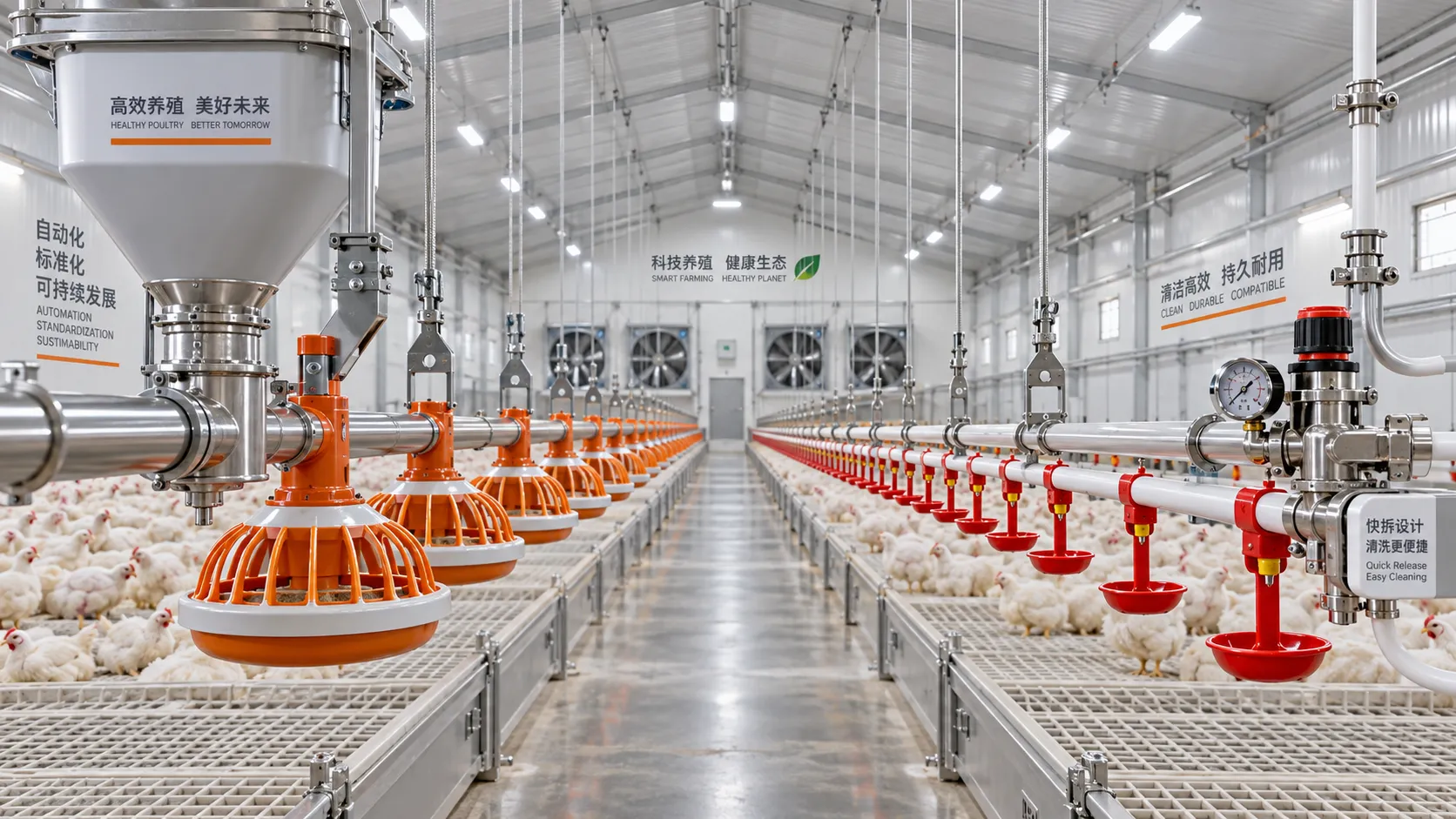
Poultry Equipment Selection: Evaluating Durability, Cleaning, and Compatibility
Poultry equipments selection guide: evaluate durability, cleaning access, and system compatibility to improve hygiene, reduce downtime, and support efficient flock management.
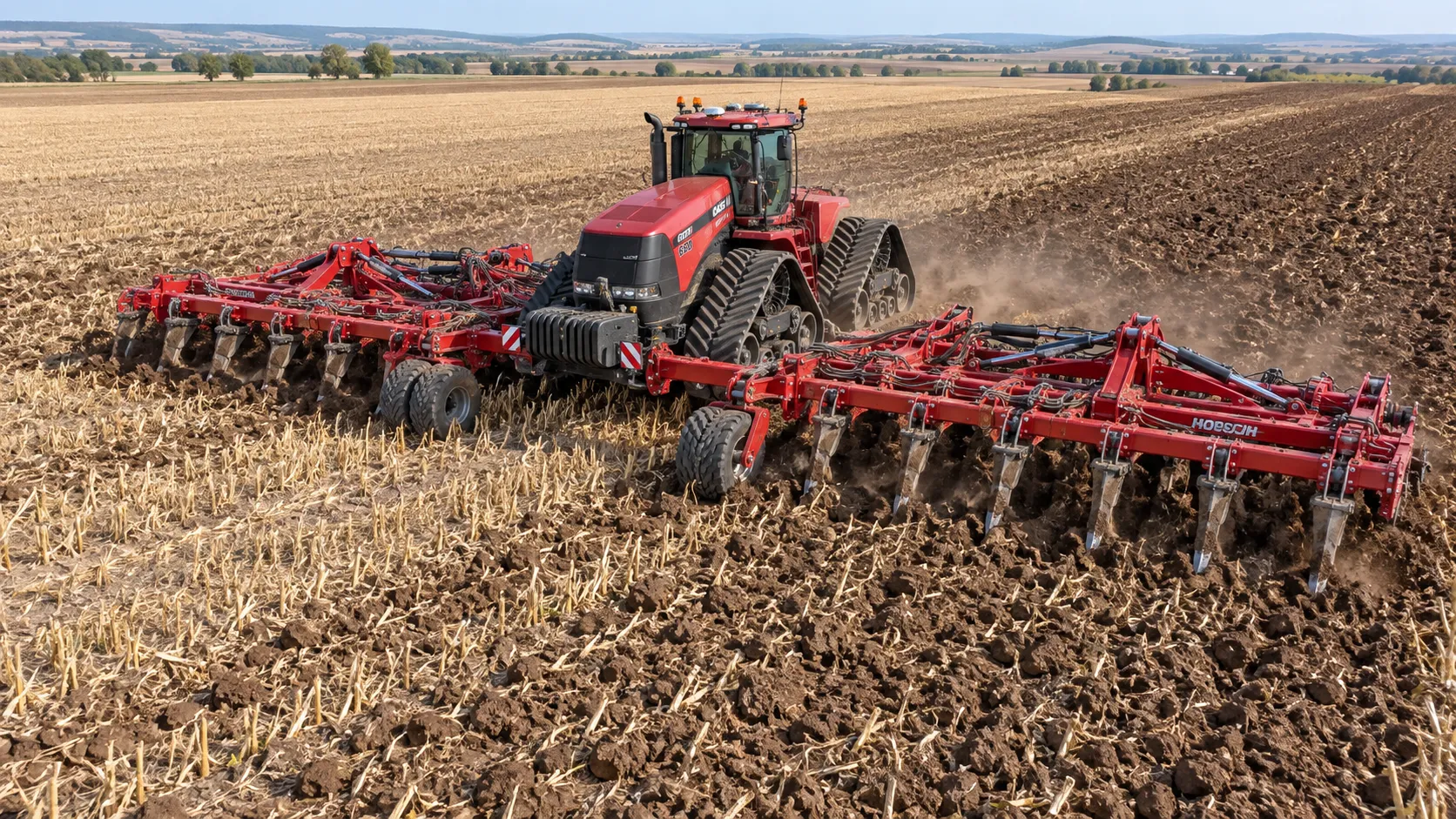
How to Select Heavy-Duty Farm Implements for High-Acreage, High-Horsepower Operations
Heavy duty farm implements: learn how to match draft, hydraulics, hitch capacity, frame strength, and field conditions for reliable high-acreage performance.

Smart Farming Technology for Dairy Farms: Where Automation Delivers Measurable ROI
Smart farming technology for dairy farms delivers measurable ROI through automation, precision feeding, health monitoring, and data-driven cost control.
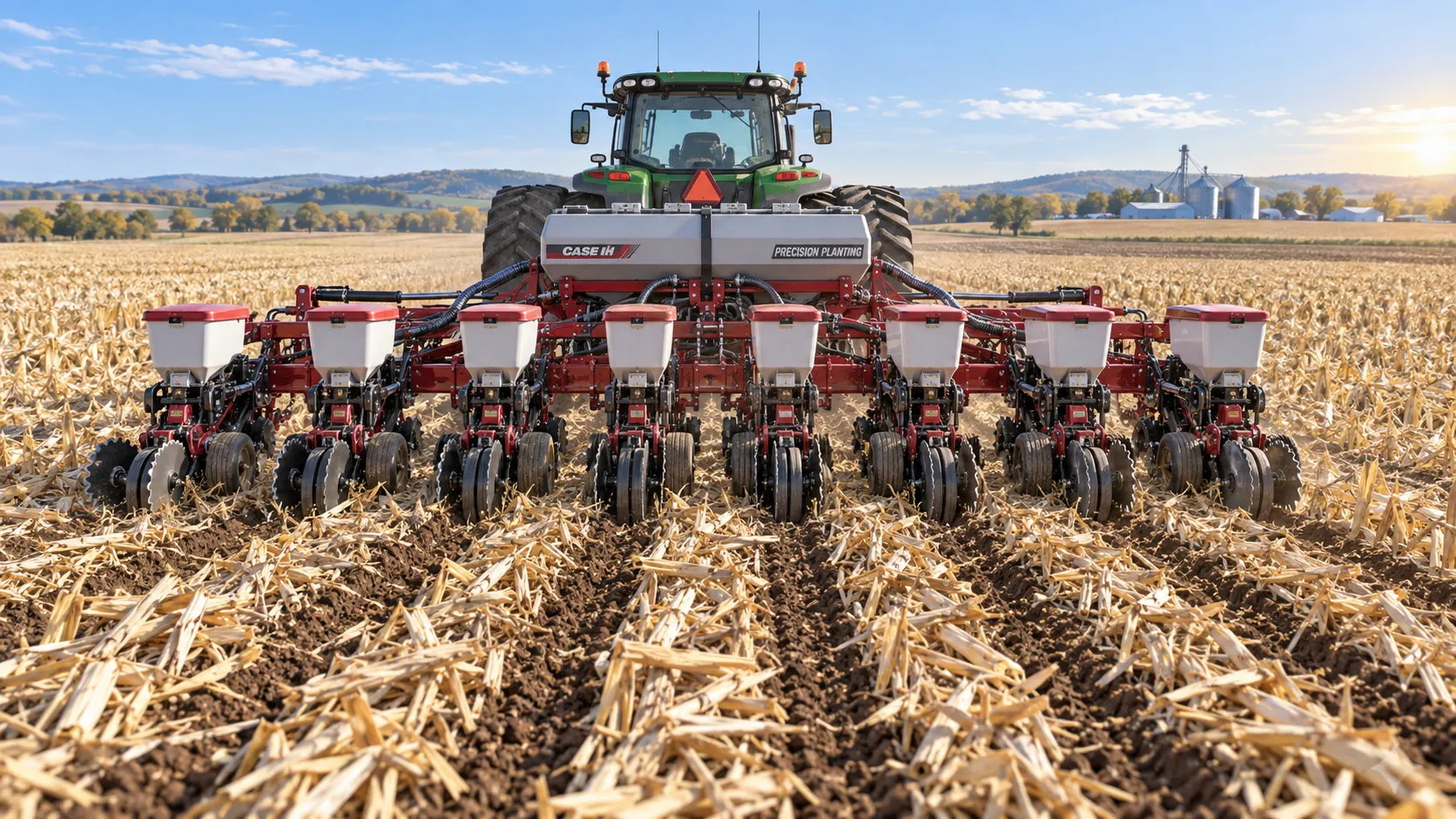
How to Select a Heavy-Duty Seeder for Large Acreage and High-Residue Fields
Heavy duty seeders for large acreage: compare residue handling, depth control, downforce, metering accuracy, and precision features to select the right model.
Related News
- 00
0000-00
How to Choose Plant Protection Equipment for Vineyard Pests - 00
0000-00
How to Read Agricultural Equipment Specifications for Sprayers Before You Compare Models - 00
0000-00
BIS Extends Fast-Track Approval for Self-Propelled Sprayers - 00
0000-00
Intelligent Sprayer Technology: Which Functions Matter Most for Field Efficiency? - 00
0000-00
How to Choose Plant Protection Equipment for Orchards by Tree Height, Row Spacing, and Spray Drift
Popular Tags
Agri-Mechanization Fellow
Weekly Insights
Stay ahead with our curated technology reports delivered every Monday.