
China-Kenya Weekly Route Cuts Farm Machinery Transit to 18 Days
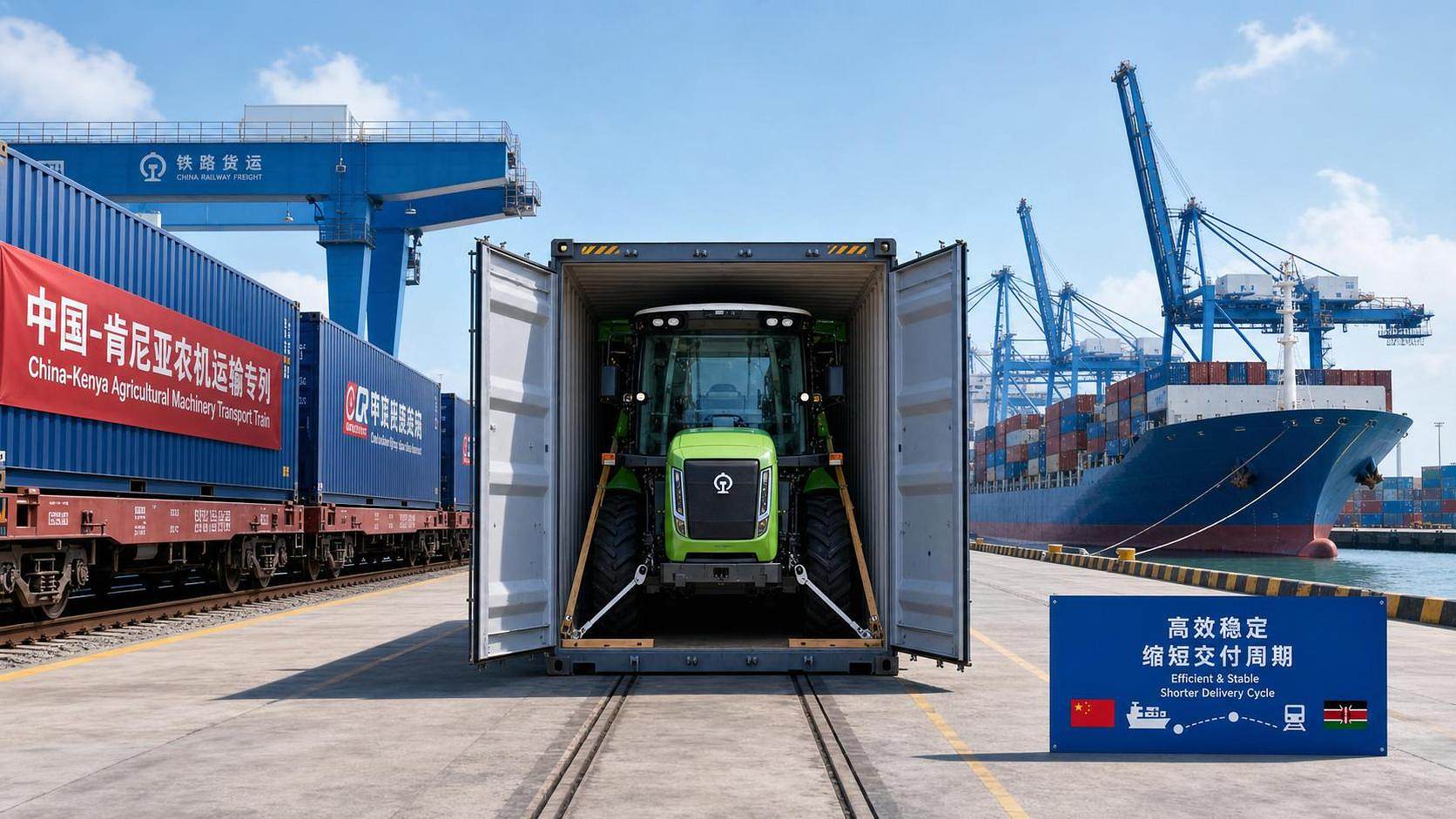




On June 20, 2026, Guangzhou Port Group and Kenya Railways announced that the China-Kenya rail-sea intermodal corridor had moved into regular weekly service. For agricultural equipment shipments originating in Changsha and Zhuzhou and loaded directly through Guangzhou Nansha Port, the route now reaches Mombasa in 12 days, with total delivery time held within 18 days after customs clearance and inland distribution. For machinery exporters, buyers, logistics providers, and after-sales planning teams, the development is worth watching because it points to a more predictable delivery window for complete-machine shipments on this corridor.
A weekly service with a defined delivery timeline
According to the provided information, the corridor entered normalized operation at one departure per week on June 20, 2026. Agricultural equipment block trains depart from Changsha and Zhuzhou, move through Guangzhou Nansha Port for direct loading, and reach Mombasa in 12 days. When customs clearance and inland delivery are included, the total delivery cycle is reported to remain within 18 days, which is 22 days shorter than traditional ocean shipping. The first group of compatible products already covers complete-machine container loading solutions for Self-propelled Sprayers, Seeders & Planters, and Soil Tillers.
Which parts of the chain may feel the impact first
Exporters of complete agricultural machinery
From an industry perspective, exporters may be among the first to adjust because the announced timeline directly affects shipment planning, customer quotation cycles, and order fulfillment expectations. The main impact is likely to appear in delivery scheduling, model selection for containerized export, and communication with overseas buyers on lead times.
Logistics and supply chain service providers
Analysis shows that freight organizers, port service providers, and intermodal operators may need to pay close attention to how weekly regularity translates into booking rhythm and execution discipline. The key issue is not only speed, but whether a stable weekly frequency can support repeatable planning for loading, customs handling, and inland handoff.
Overseas buyers and distribution partners
For buyers and channel-side partners, the shorter stated cycle may affect procurement timing, inventory preparation, and installation or deployment planning. What deserves closer attention is whether the corridor's current compatible product scope aligns with the machinery categories they intend to source, especially for complete-machine container movements.
What companies should monitor in practical terms
Product fit with the current loading scheme
Companies should first confirm whether the machinery they plan to ship falls within the already covered categories: Self-propelled Sprayers, Seeders & Planters, and Soil Tillers. In practice, the relevance of this route depends not just on destination timing, but on whether the product can match the existing complete-machine container loading arrangement.
Execution details behind the 18-day cycle
Observably, the announced timeline combines port transit, customs clearance, and inland distribution. That means exporters and buyers should pay attention to the full handover process rather than focusing only on the 12-day port-to-port segment. Documentation readiness, cargo handoff coordination, and delivery commitments should be aligned to the full 18-day framework.
The distinction between announced service frequency and business repeatability
It is more appropriate to distinguish between a weekly service announcement and long-term operational consistency. Companies evaluating this corridor for recurring business should continue tracking whether the weekly schedule remains steady in actual execution and whether the delivery cycle stays within the stated range across repeated shipments.
Customer communication and contract timing
For commercial teams, one immediate task is to update delivery discussions with customers based on the newly stated corridor timeline, while still leaving room for operational verification. This matters most in quotation validity, promised delivery windows, and coordination between shipment departure and inland receipt.
Why this looks like a supply chain signal rather than a final conclusion
Analysis shows that this development is meaningful because it combines two elements that the machinery trade watches closely: normalized weekly frequency and a materially shorter end-to-end delivery cycle. At the same time, it is more appropriate to understand this as a clear operational signal rather than a fully settled market outcome. The route has already defined its initial machinery coverage and its time advantage, but the broader industry will still need to observe how consistently those conditions hold in ongoing use.
How this update is best understood today
At this stage, the announcement points to a more structured logistics option for agricultural machinery moving from central China to Kenya through a rail-sea connection. The practical significance lies in better delivery predictability and a narrower shipment window for covered equipment categories. A neutral reading is that this is an important corridor development with immediate operational relevance, while its wider commercial effect still deserves continued observation.
Basis of this article and what still needs verification
This article is based on the user-provided news title, event date, and event summary. For this type of industry update, commonly relevant source categories may include official announcements, company statements, industry association releases, authoritative media reports, and standard-setting or transport-related documents. A specific official source link was not provided in the input, so further verification remains necessary. Follow-up attention should focus on whether later official disclosures add more detail on operating rules, shipment scope, and continued service performance.
Related News
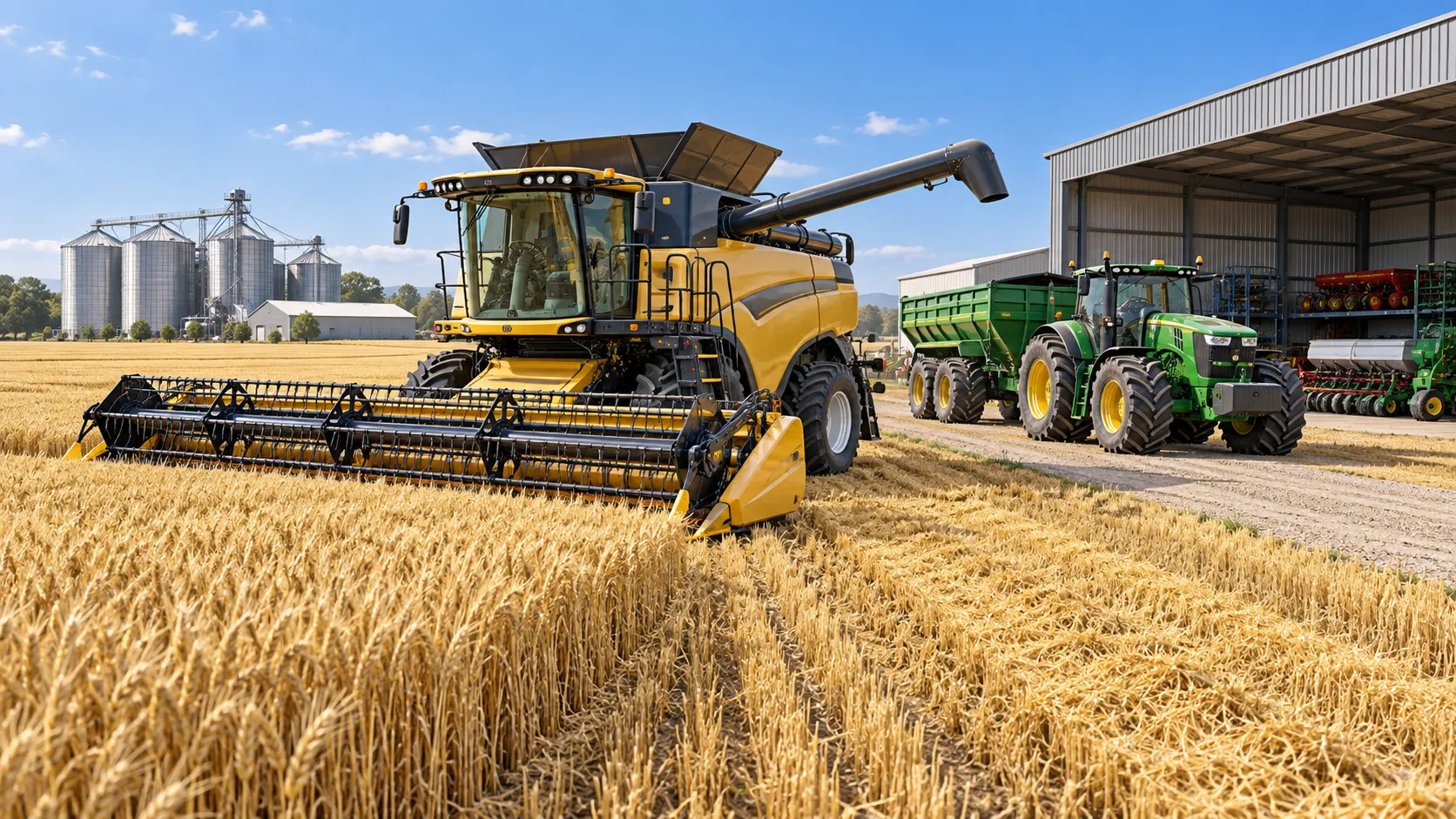
When Does Agricultural Machinery Leasing Cost Less Than Owning Equipment?
Agricultural machinery leasing can lower farm costs when use is seasonal or uncertain. Compare utilization, maintenance, cash flow, and risk to make a smarter equipment decision.
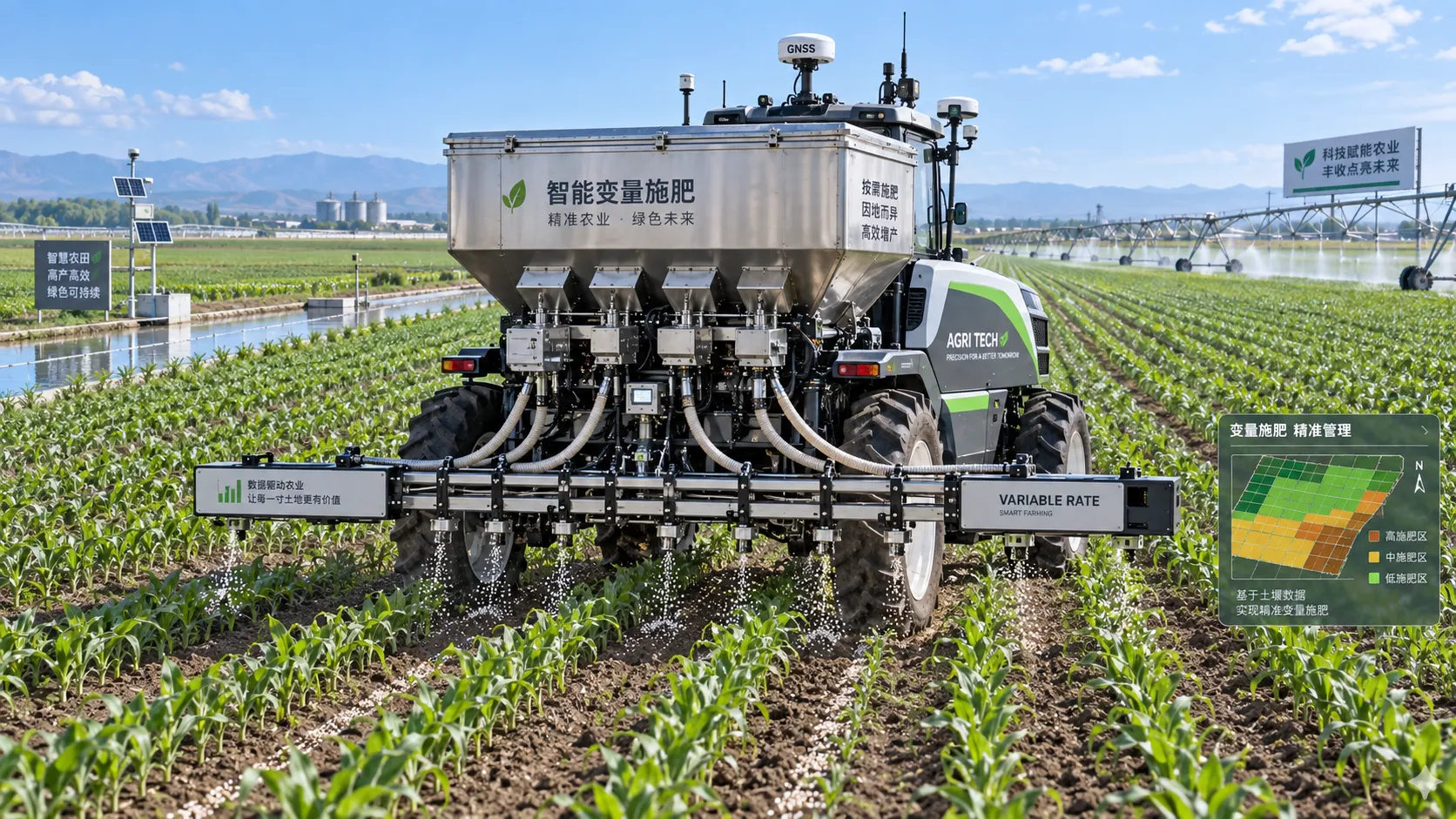
How to Evaluate Precision Fertilization System Suppliers for Farm-Scale Deployment
Precision fertilization systems suppliers: learn how to compare accuracy, integration, uptime, service, and total cost for confident farm-scale deployment.
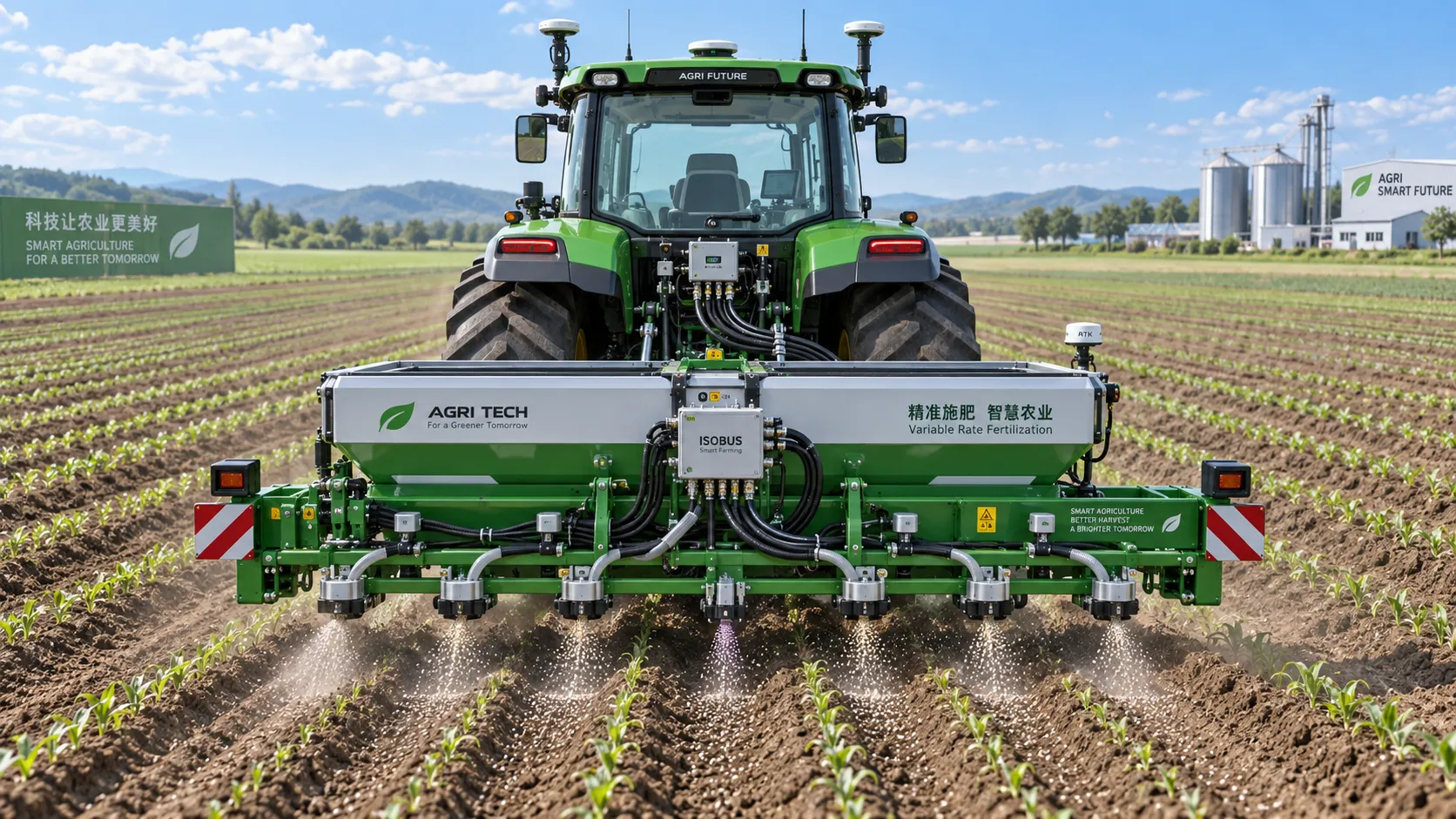
ISOBUS for Smart Agriculture: How It Connects Tractors, Implements, and Farm Data
ISOBUS for smart agriculture connects tractors, implements, terminals, and farm data—helping growers improve precision, documentation, and smarter field decisions.
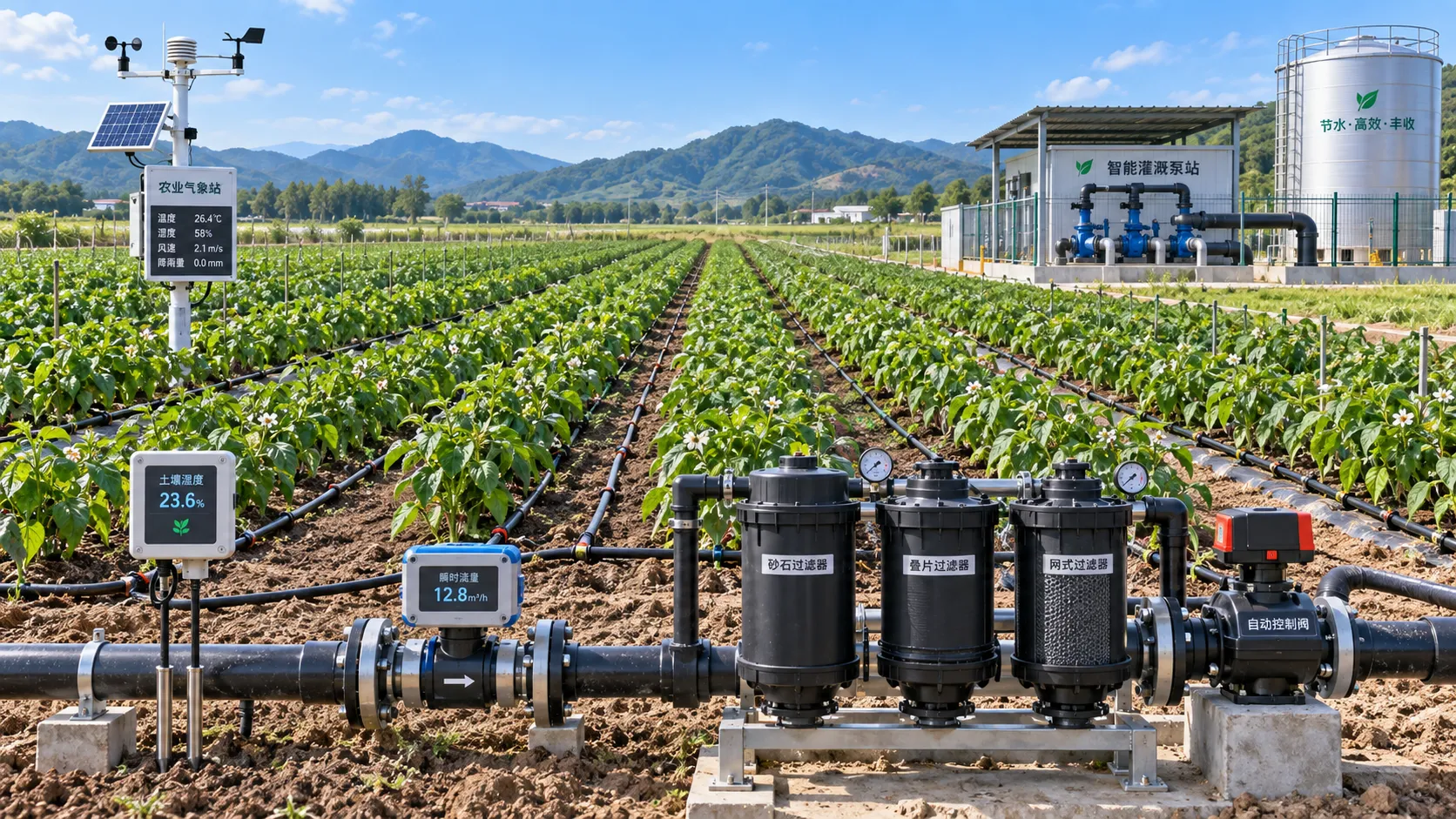
Automated Water-Saving Irrigation: How to Cut Water Use Without Reducing Crop Yields
Automated water-saving irrigation helps farms cut water use, protect crop yields, improve scheduling, and gain reliable control with sensors, flow monitoring, and smart zones.
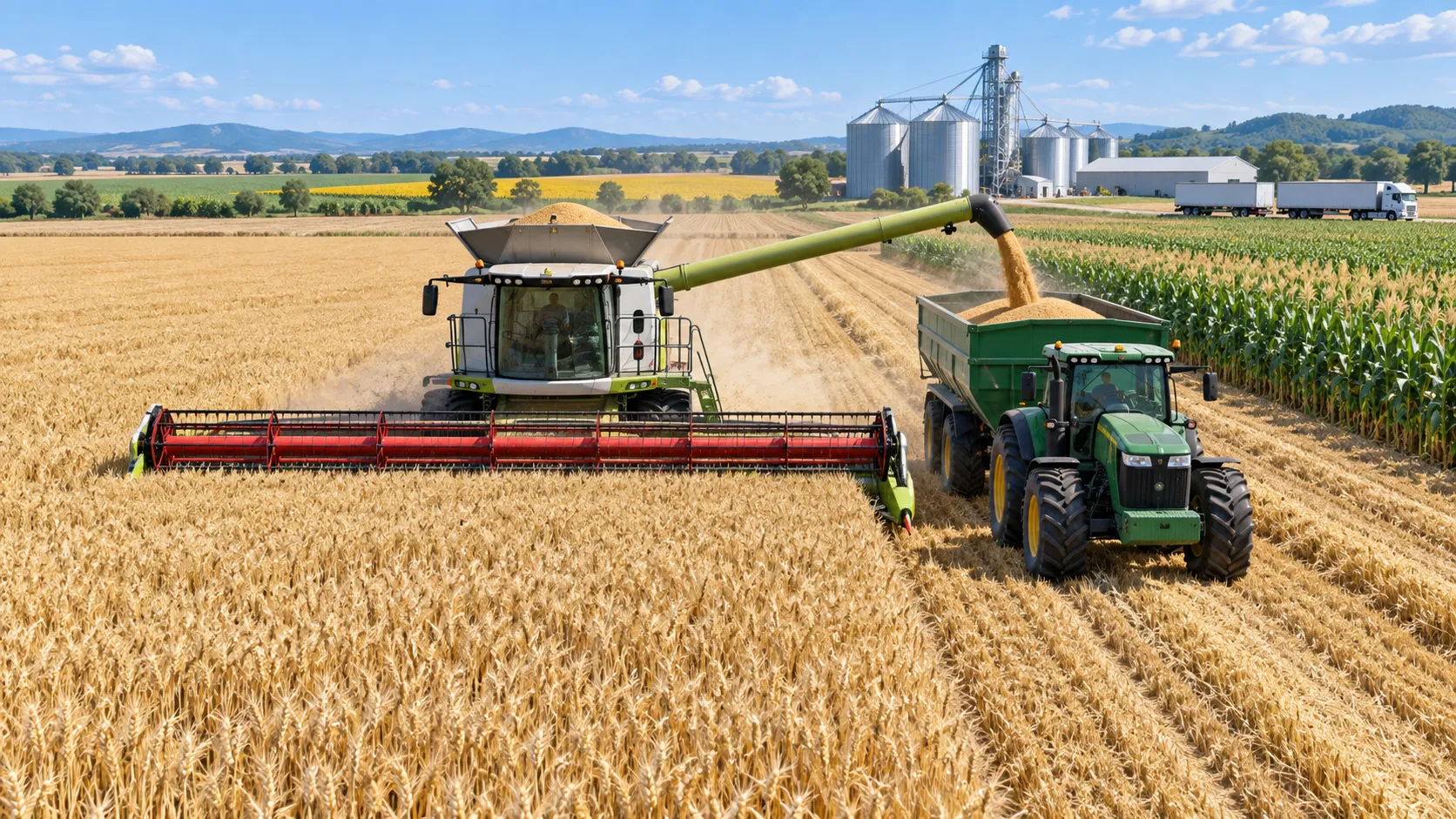
Selecting Grain Farm Equipment by Acreage, Crop Mix, and Harvest Window
Agricultural equipment selection for grain farming: match machinery to acreage, crop mix, and harvest windows to improve uptime, efficiency, and returns.
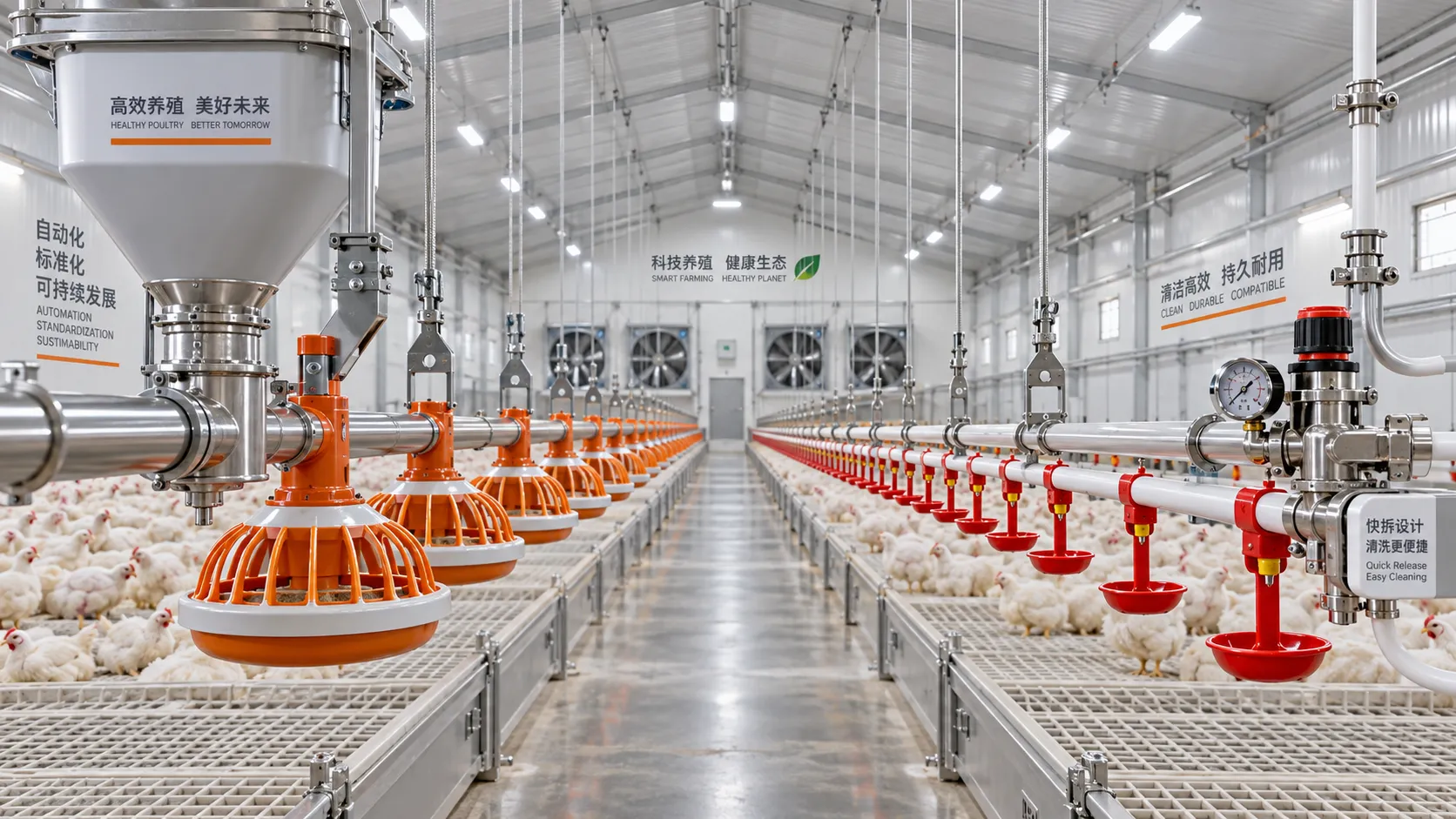
Poultry Equipment Selection: Evaluating Durability, Cleaning, and Compatibility
Poultry equipments selection guide: evaluate durability, cleaning access, and system compatibility to improve hygiene, reduce downtime, and support efficient flock management.
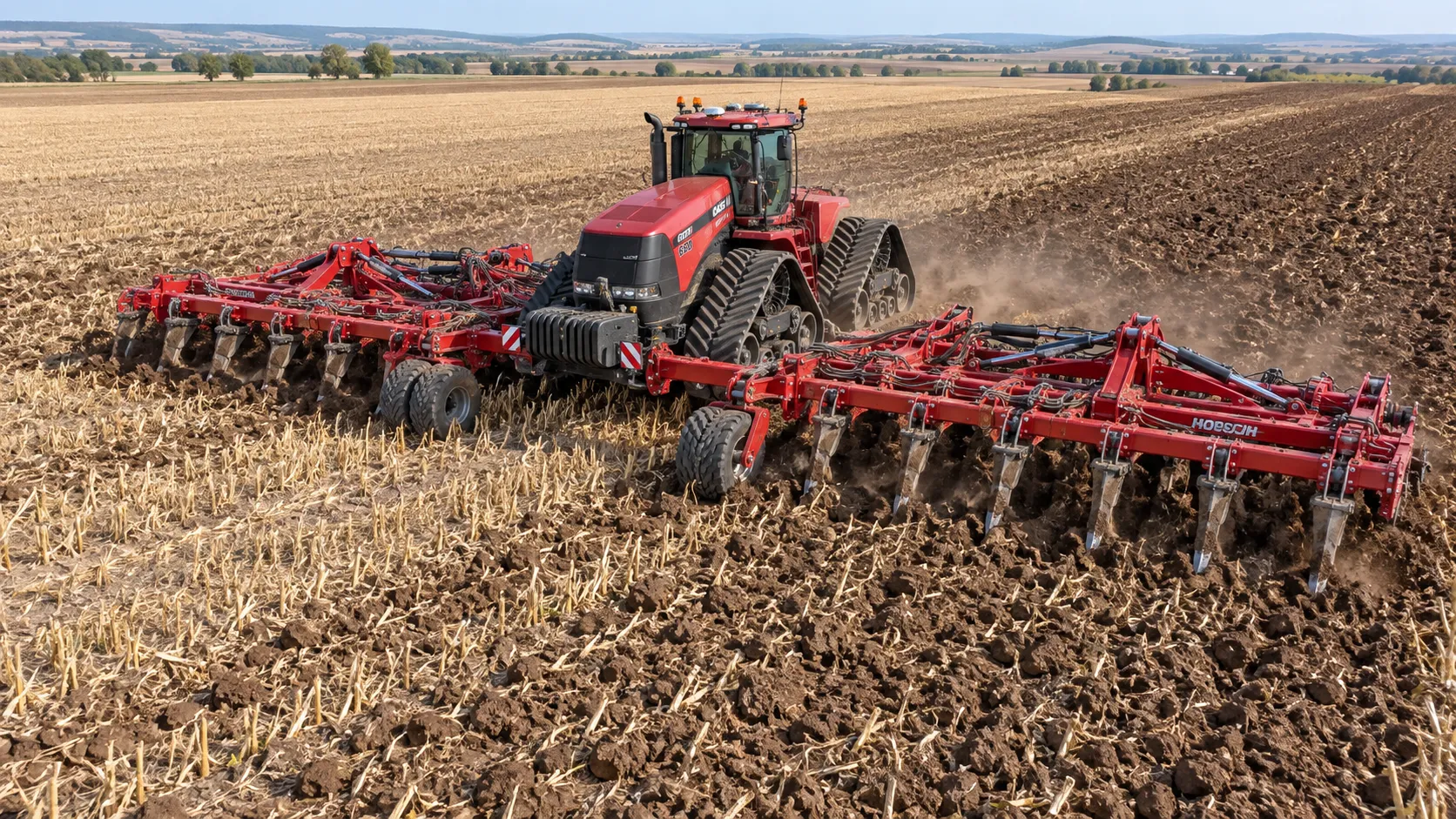
How to Select Heavy-Duty Farm Implements for High-Acreage, High-Horsepower Operations
Heavy duty farm implements: learn how to match draft, hydraulics, hitch capacity, frame strength, and field conditions for reliable high-acreage performance.
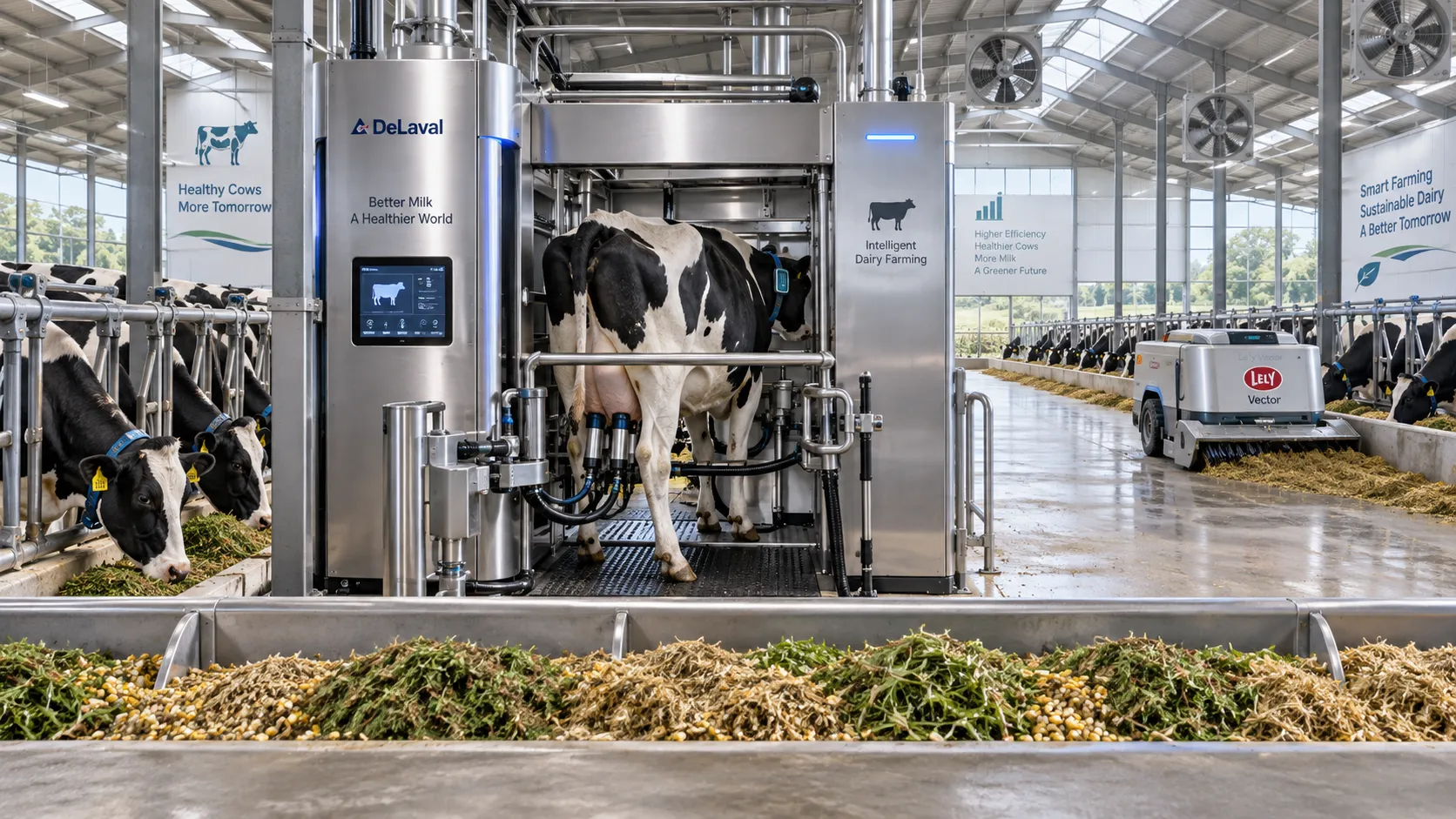
Smart Farming Technology for Dairy Farms: Where Automation Delivers Measurable ROI
Smart farming technology for dairy farms delivers measurable ROI through automation, precision feeding, health monitoring, and data-driven cost control.
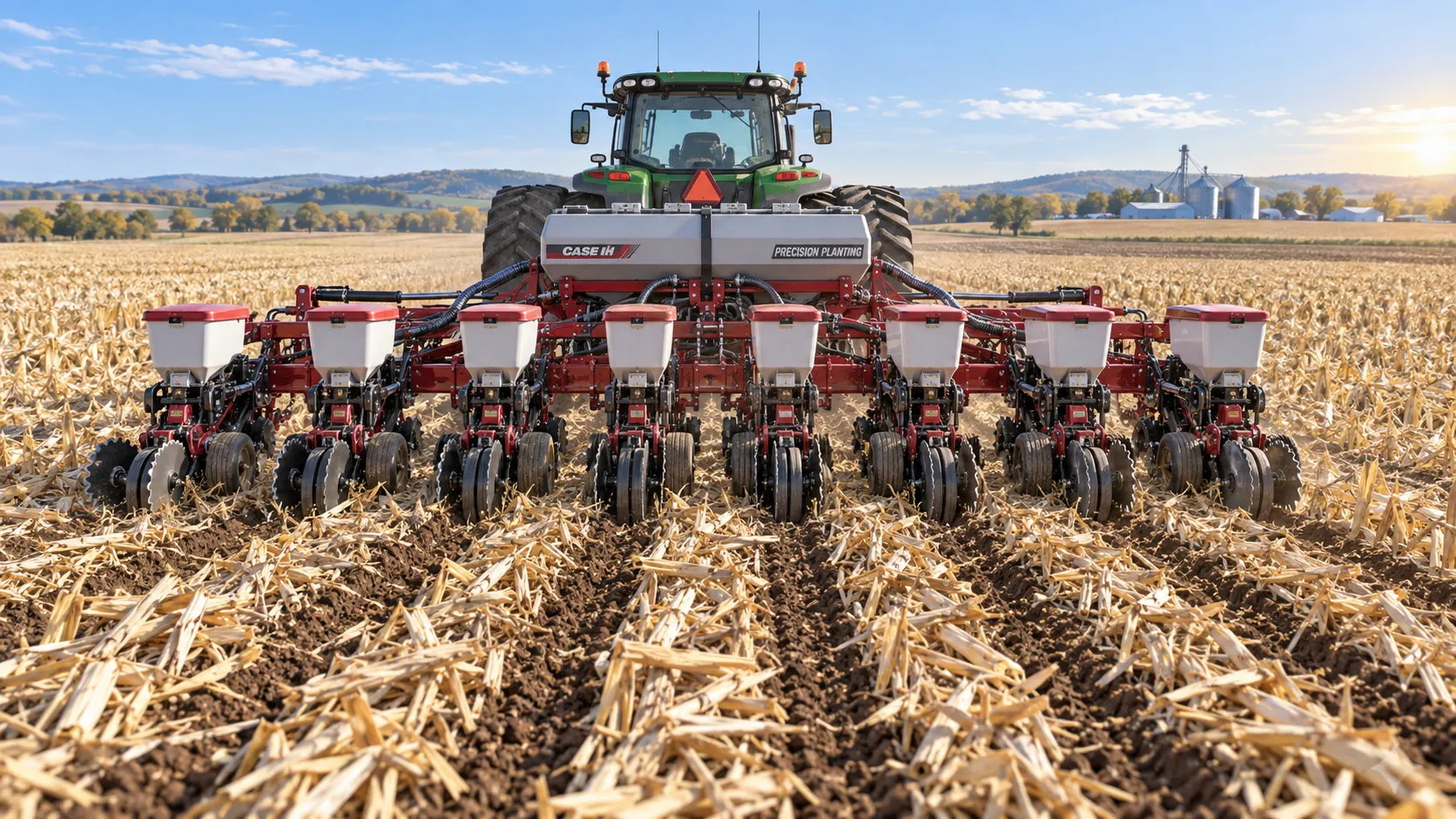
How to Select a Heavy-Duty Seeder for Large Acreage and High-Residue Fields
Heavy duty seeders for large acreage: compare residue handling, depth control, downforce, metering accuracy, and precision features to select the right model.
Related News
- 00
0000-00
How to Choose Plant Protection Equipment for Vineyard Pests - 00
0000-00
How to Read Agricultural Equipment Specifications for Sprayers Before You Compare Models - 00
0000-00
BIS Extends Fast-Track Approval for Self-Propelled Sprayers - 00
0000-00
Intelligent Sprayer Technology: Which Functions Matter Most for Field Efficiency? - 00
0000-00
How to Choose Plant Protection Equipment for Orchards by Tree Height, Row Spacing, and Spray Drift
Popular Tags
Agri-Mechanization Fellow
Weekly Insights
Stay ahead with our curated technology reports delivered every Monday.