
China-Kenya Weekly Link Cuts Farm Machinery Transit to 18 Days
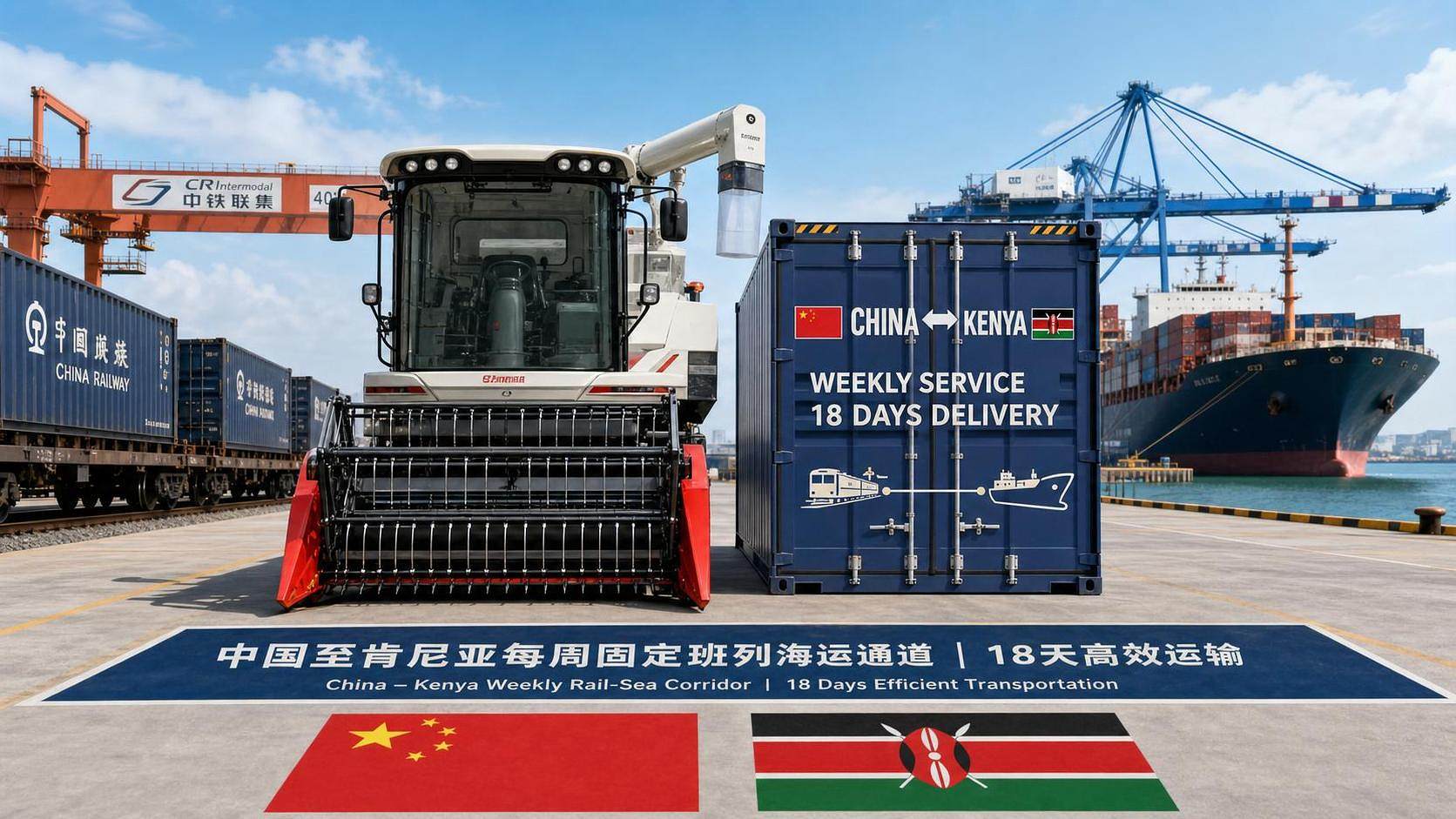




On June 21, 2026, the China-Kenya intermodal corridor known as the Xiang-Guangdong-Africa route was upgraded to a fixed weekly service, creating a more regular logistics arrangement for complete agricultural machinery exports. For exporters, buyers, logistics providers, and after-sales operators, the development is worth watching not simply as a transport update, but as an execution signal that delivery planning, shipment documentation, product readiness, and compliance coordination may need to align with a faster and more predictable route.
A scheduled corridor with a defined transit window
According to the information provided, Guangzhou Port Group and COSCO Shipping announced on June 21, 2026 that the Xiang-Guangdong-Africa rail-sea intermodal corridor had been formally upgraded to one fixed departure per week.
The route runs from Changsha or Hengyang to Guangzhou Nansha Port and then onward to the Nairobi rail hub. The full transit time was stated as 18 days, which is 9 days shorter than conventional sea freight.
The route was described as particularly suitable for complete-machine exports of large agricultural equipment such as Self-propelled Sprayers and Soil Tillers. The first departure carried 23 intelligent sprayers shipped by Weichai Lovol.
Where the practical impact may appear first
Export planning becomes more schedule-driven
From an industry perspective, exporters of complete agricultural machinery may be the first group affected because a weekly fixed service changes how shipment windows are organized. The practical impact is likely to fall on production release timing, packing completion, export documentation readiness, and coordination between inland dispatch and port loading. What deserves closer attention is whether internal export procedures, including technical documents and delivery files, can match a fixed weekly cadence rather than a more flexible conventional sea arrangement.
Procurement and delivery commitments may tighten
For overseas buyers and procurement teams, a stable 18-day transit window may influence how delivery dates are negotiated and how inventory arrivals are sequenced. Analysis shows that when transit becomes more predictable, procurement decisions may rely more heavily on confirmed shipment schedules, model configuration readiness, and document completeness. In that context, contract execution, shipping paperwork review, and acceptance preparation may become more time-sensitive business steps.
Supply chain service providers face stricter coordination demands
Logistics operators, freight coordinators, and related service providers may also see a change in responsibility. A weekly intermodal service can reduce uncertainty, but it also leaves less room for missing documents, loading delays, or mismatched cargo preparation. Observably, the key issue is not only speed; it is whether each handoff across inland transport, port operations, and onward rail movement can meet a fixed operating rhythm without disrupting delivery commitments.
After-sales and traceability may need earlier preparation
For machinery categories such as Self-propelled Sprayers and Soil Tillers, shorter delivery cycles may also shift expectations around installation support, spare parts readiness, and product traceability records. This should not be read as a confirmed rule change, but as a practical compliance and service consideration: once delivery timelines compress, post-shipment support processes may need to be prepared earlier in the export cycle.
What companies should watch in current execution
Check whether compliance files are ready for a faster dispatch cycle
Analysis shows that exporters using the corridor should review whether product files, shipment documents, technical materials, and any transaction-related compliance records can be assembled within a weekly dispatch rhythm. The current information does not provide detailed execution rules, so the immediate priority is preparedness rather than assuming a fully standardized downstream process.
Follow how the service is described in future commercial documents
What deserves closer attention is whether later quotations, tender materials, delivery clauses, or procurement schedules begin to reference the weekly service and the 18-day transit benchmark. If that language starts appearing more often, it may indicate that the route is moving from an operational announcement into a market-facing delivery standard for certain machinery exports.
Focus on complete-machine categories that match the route profile
The provided information specifically notes suitability for large complete-machine exports, including Self-propelled Sprayers and Soil Tillers. Companies handling these categories should therefore pay closer attention to how shipment planning, loading preparation, and handover timing are arranged. For other product categories, the practical fit of the route still requires case-by-case verification.
Keep trade risk and service obligations in view
Observably, a shorter transport cycle does not remove the need to control export risk. Companies should continue to watch document consistency, delivery responsibility allocation, and after-sales readiness. The available information does not confirm changes to certification rules or inspection procedures, so those points should be treated as ongoing compliance checkpoints rather than assumed simplifications.
Why this looks more like an execution signal than a standalone transport update
Analysis shows that the most meaningful part of this development is the shift from an occasional or less-defined corridor arrangement to a stated weekly service with a stable transit claim. That makes the news relevant to industry rules in a practical sense: it affects how market participants may set delivery expectations, organize export readiness, and evaluate route reliability for complete agricultural machinery.
It is more appropriate to understand this as a landed execution signal rather than a fully closed rule outcome. The service pattern has been announced and a first shipment has been completed, but the market still needs to observe how consistently the timetable, cargo suitability, and downstream business use are maintained in practice.
How the market should read the announcement now
At this stage, the announcement is best understood as a concrete logistics and trade-execution development with potential implications for delivery planning, export coordination, and procurement timing in agricultural machinery trade between China and Kenya. It does not by itself confirm broader regulatory changes, but it does provide a clear operational reference point that companies may start using in commercial planning.
A neutral reading is that the corridor has moved into a more regularized operating phase for the types of machinery identified in the announcement. Whether that develops into a widely adopted trade channel, a commonly referenced delivery benchmark, or a trigger for wider documentation and service adjustments still requires continued observation.
Basis of this article and what still needs verification
This article is generated from the user-provided news title, event date, and event summary. For developments of this kind, relevant source categories would typically include official company announcements, releases from regulatory or trade-related authorities, customs or trade administration information, industry association materials, standard-setting documents, and reporting by authoritative media.
No specific official source link was provided in the input, so the underlying announcement source and any later official clarifications still need to be verified on an ongoing basis. What should continue to be monitored includes later execution details, compliance interpretation, document requirements in actual transactions, procurement and tender wording, market feedback, and how companies implement the route in real export operations.
Related News

When Does Agricultural Machinery Leasing Cost Less Than Owning Equipment?
Agricultural machinery leasing can lower farm costs when use is seasonal or uncertain. Compare utilization, maintenance, cash flow, and risk to make a smarter equipment decision.
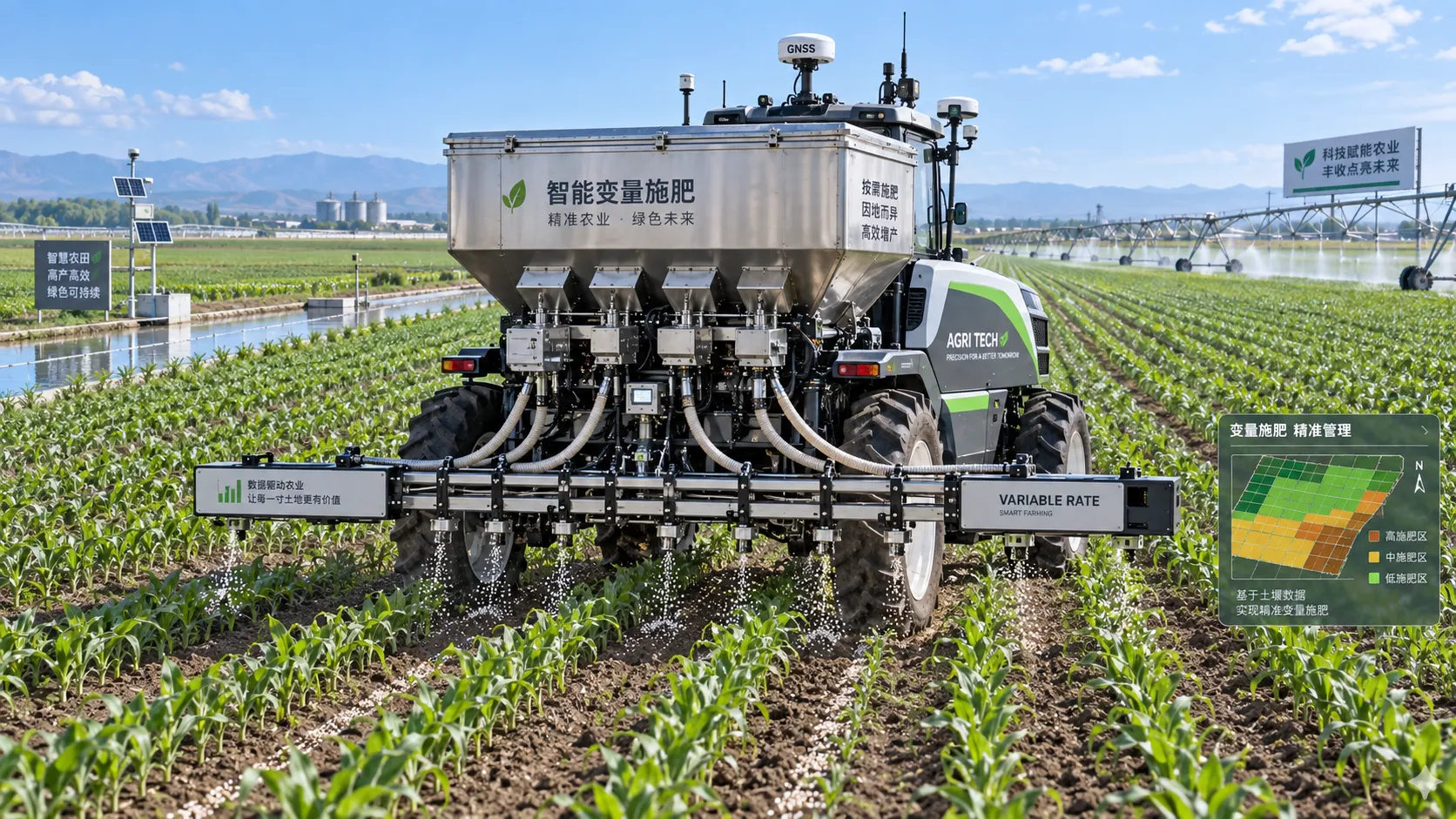
How to Evaluate Precision Fertilization System Suppliers for Farm-Scale Deployment
Precision fertilization systems suppliers: learn how to compare accuracy, integration, uptime, service, and total cost for confident farm-scale deployment.
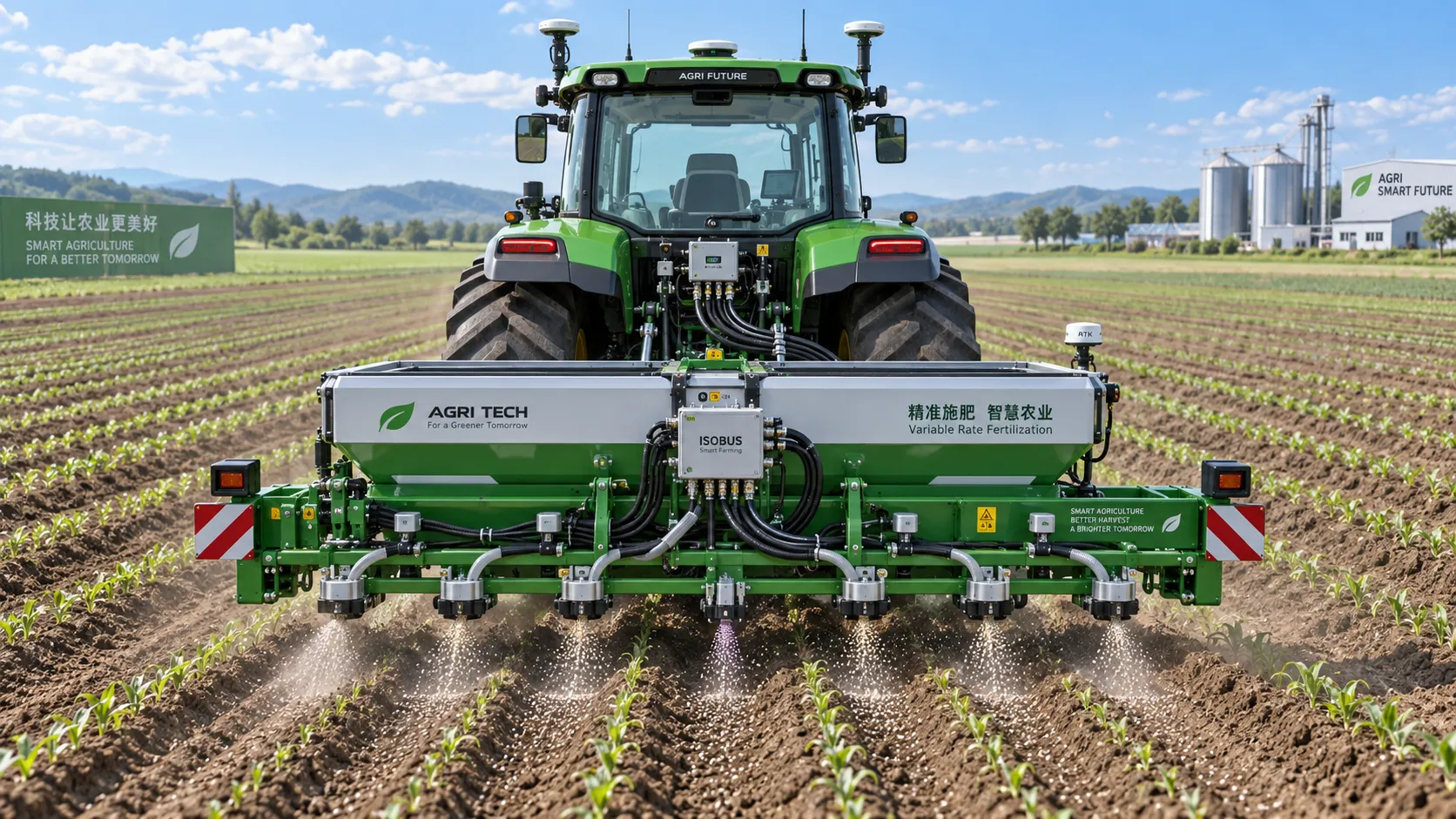
ISOBUS for Smart Agriculture: How It Connects Tractors, Implements, and Farm Data
ISOBUS for smart agriculture connects tractors, implements, terminals, and farm data—helping growers improve precision, documentation, and smarter field decisions.

Automated Water-Saving Irrigation: How to Cut Water Use Without Reducing Crop Yields
Automated water-saving irrigation helps farms cut water use, protect crop yields, improve scheduling, and gain reliable control with sensors, flow monitoring, and smart zones.

Selecting Grain Farm Equipment by Acreage, Crop Mix, and Harvest Window
Agricultural equipment selection for grain farming: match machinery to acreage, crop mix, and harvest windows to improve uptime, efficiency, and returns.
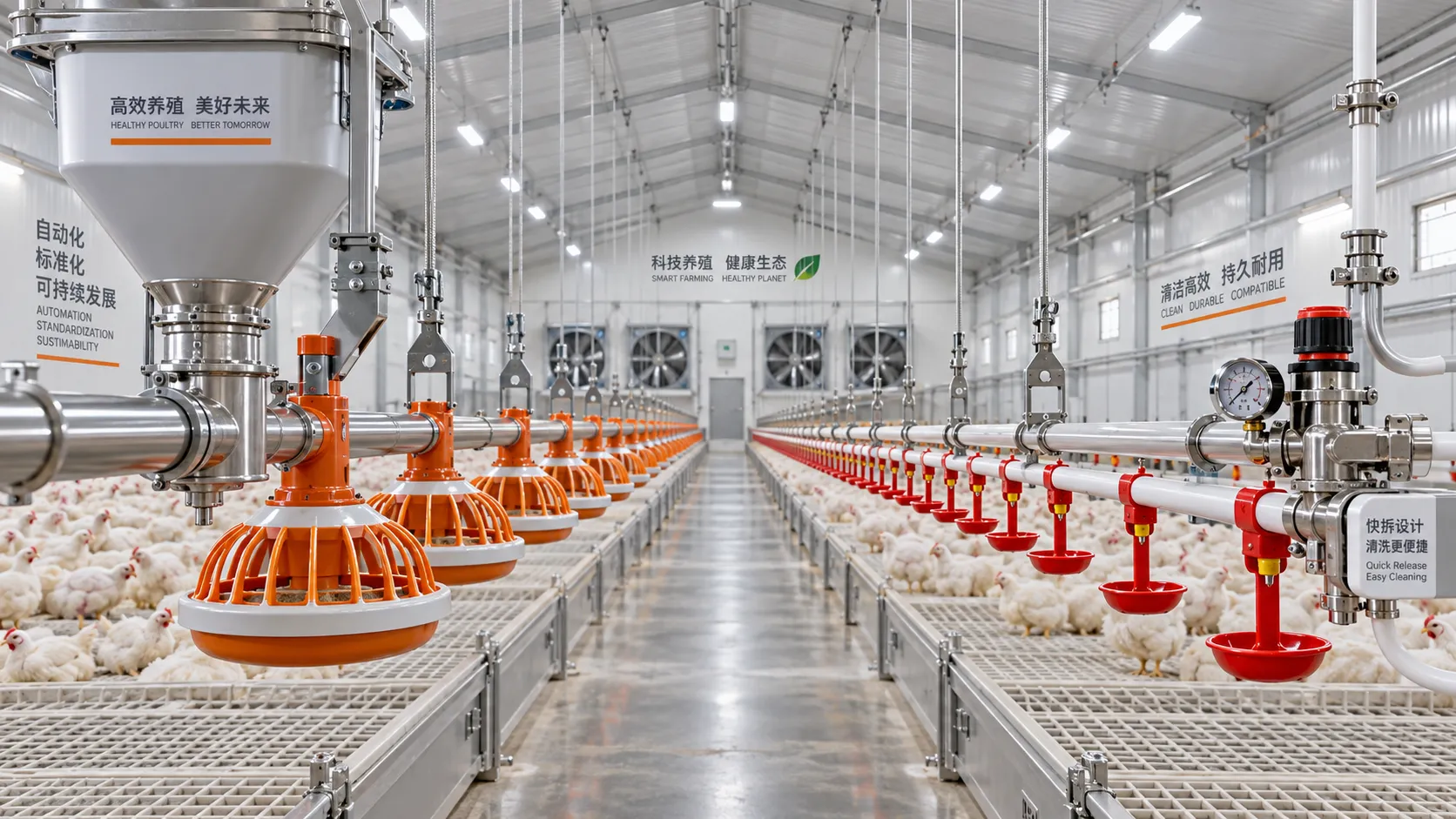
Poultry Equipment Selection: Evaluating Durability, Cleaning, and Compatibility
Poultry equipments selection guide: evaluate durability, cleaning access, and system compatibility to improve hygiene, reduce downtime, and support efficient flock management.
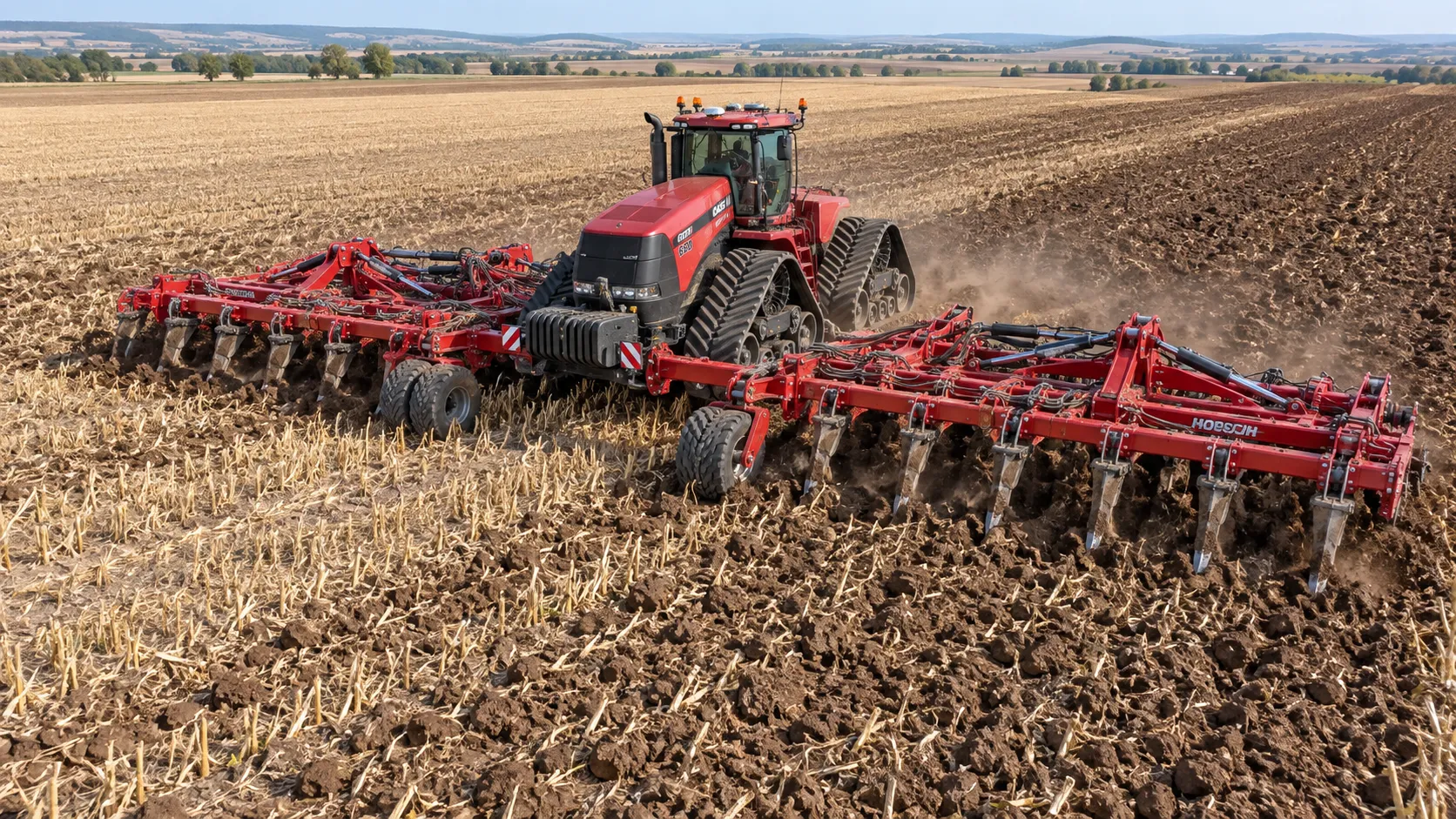
How to Select Heavy-Duty Farm Implements for High-Acreage, High-Horsepower Operations
Heavy duty farm implements: learn how to match draft, hydraulics, hitch capacity, frame strength, and field conditions for reliable high-acreage performance.
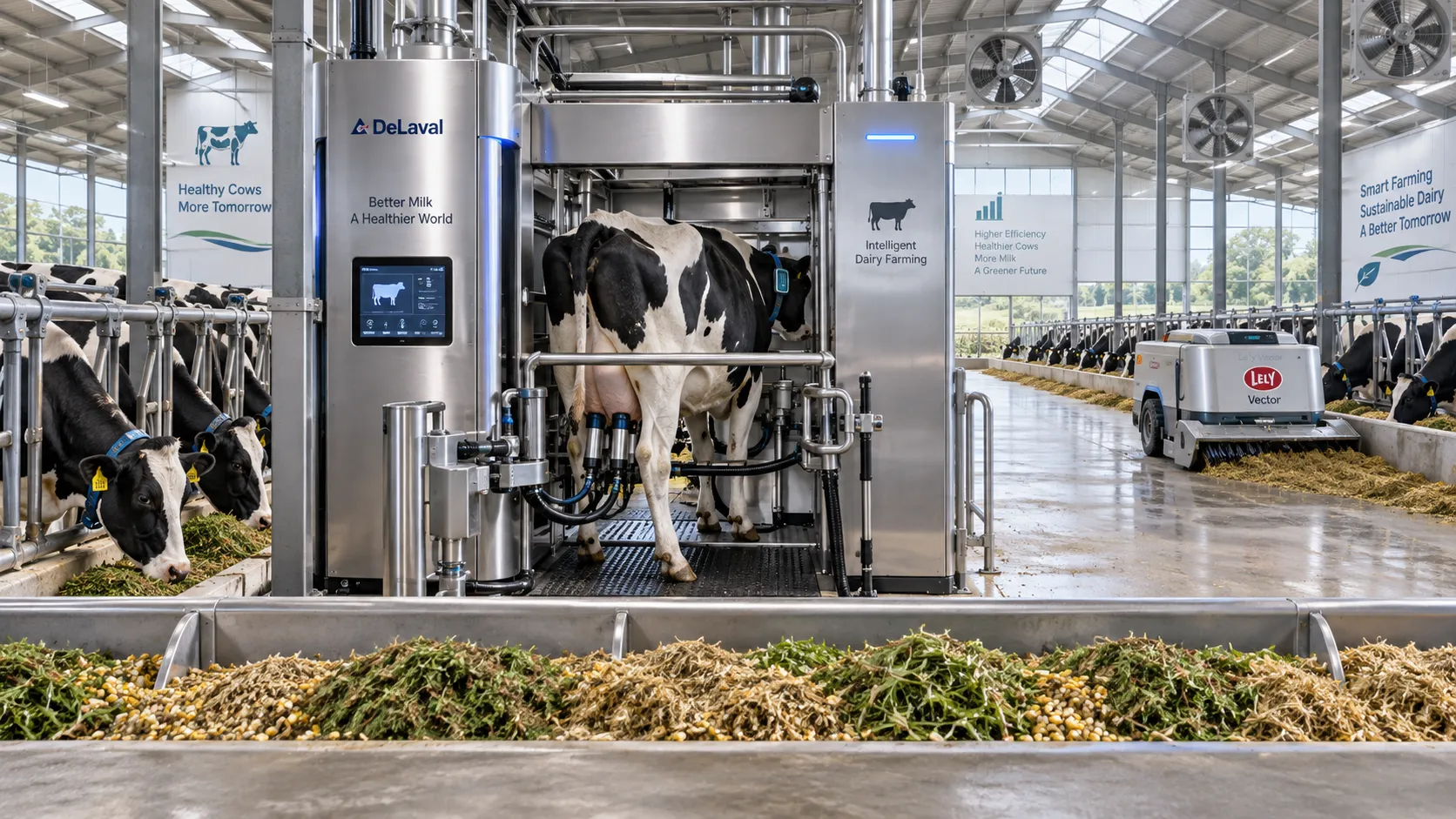
Smart Farming Technology for Dairy Farms: Where Automation Delivers Measurable ROI
Smart farming technology for dairy farms delivers measurable ROI through automation, precision feeding, health monitoring, and data-driven cost control.
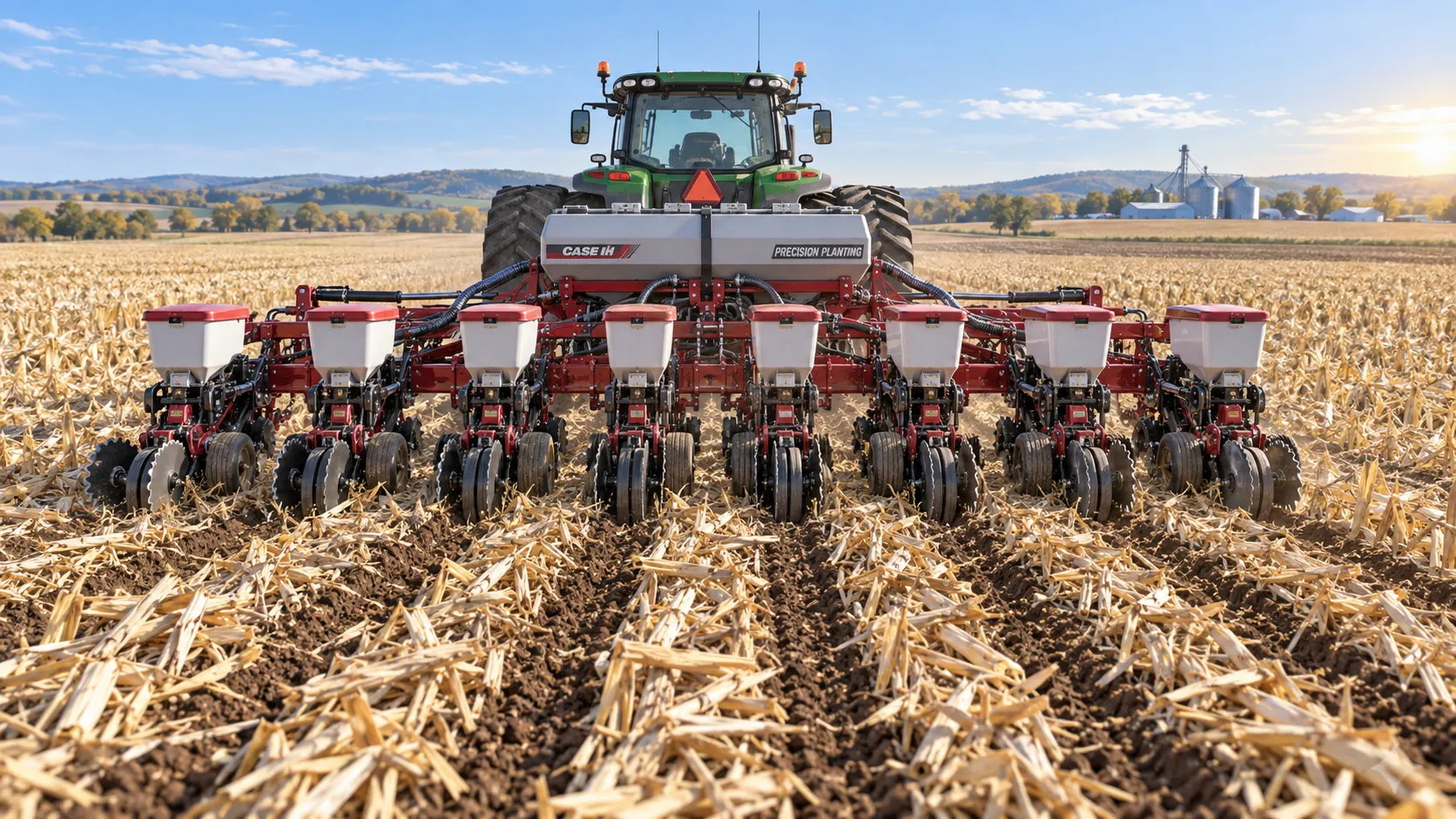
How to Select a Heavy-Duty Seeder for Large Acreage and High-Residue Fields
Heavy duty seeders for large acreage: compare residue handling, depth control, downforce, metering accuracy, and precision features to select the right model.
Related News
- 00
0000-00
How to Choose Plant Protection Equipment for Vineyard Pests - 00
0000-00
How to Read Agricultural Equipment Specifications for Sprayers Before You Compare Models - 00
0000-00
BIS Extends Fast-Track Approval for Self-Propelled Sprayers - 00
0000-00
Intelligent Sprayer Technology: Which Functions Matter Most for Field Efficiency? - 00
0000-00
How to Choose Plant Protection Equipment for Orchards by Tree Height, Row Spacing, and Spray Drift
Popular Tags
Agri-Mechanization Fellow
Weekly Insights
Stay ahead with our curated technology reports delivered every Monday.