
China-Kenya Link Goes Weekly, Cuts Farm Machinery Transit to 18 Days
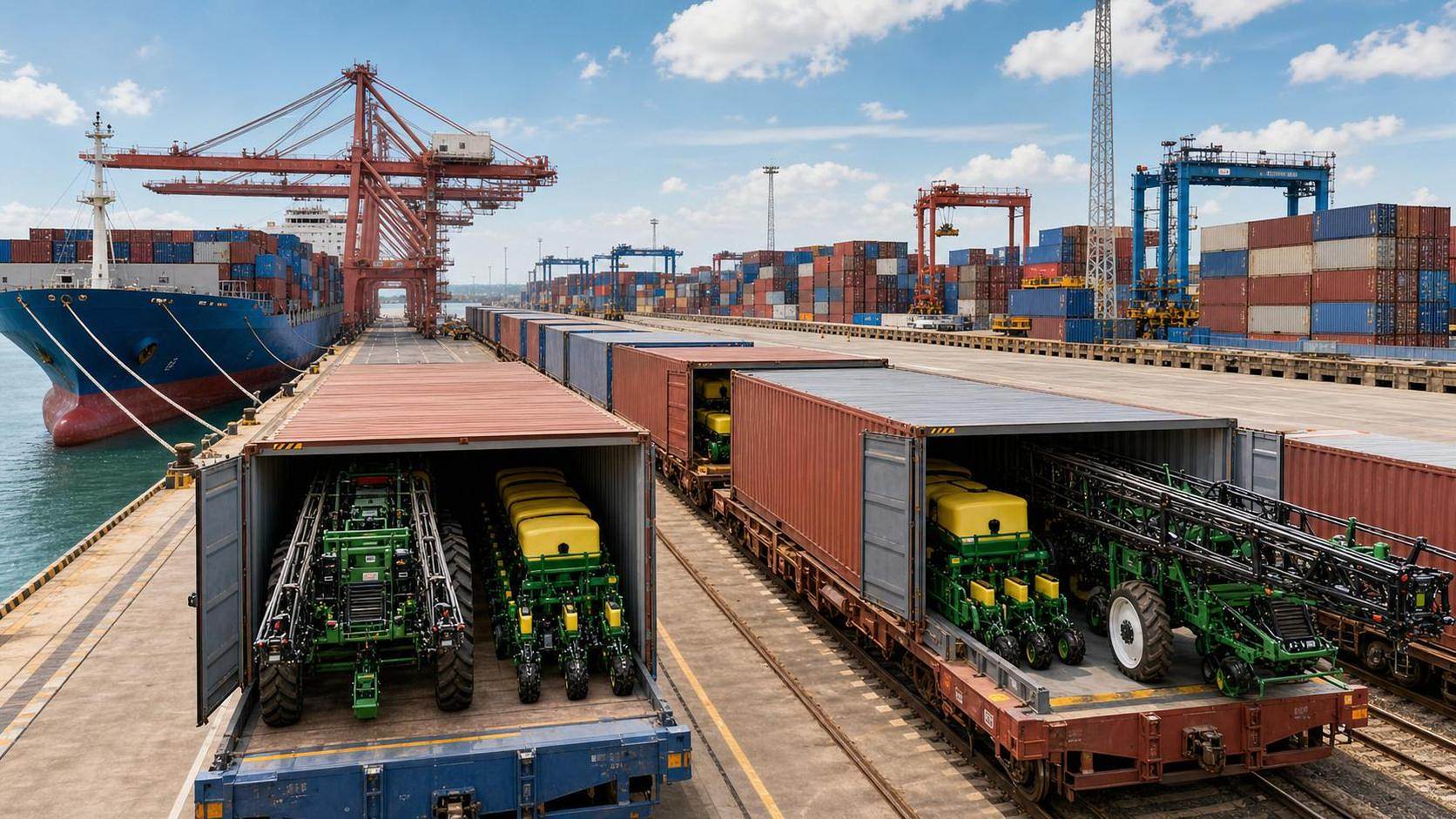




On June 19, 2026, Guangzhou Port and the Port of Mombasa announced that the China-Kenya "Xiang-Guangdong-Africa" rail-sea intermodal corridor had been upgraded to a fixed weekly service. For companies involved in agricultural machinery exports, distribution, and delivery planning in East Africa, the key point is not only the schedule itself, but also the compression of transit time from 32 days to 18 days for complete machines and oversized containers such as Self-propelled Sprayers and Seeders & Planters, alongside added cargo-protection measures that can affect inventory turnover and peak-season response.
What Has Been Confirmed in the Corridor Upgrade
According to the information provided, the announcement was made jointly by Guangzhou Port and the Port of Mombasa on June 19, 2026. The "Xiang-Guangdong-Africa" rail-sea intermodal route has formally shifted to a fixed weekly service pattern. The upgraded service covers complete agricultural machinery units and oversized containers, including categories such as Self-propelled Sprayers and Seeders & Planters.
The same information confirms that end-to-end transport time has been reduced from 32 days to 18 days. It also states that the corridor now offers full-process temperature and humidity monitoring, as well as specialized lashing solutions designed for agricultural machinery cargo. The stated operational result is improved inventory turnover efficiency and stronger peak-season response capacity for Chinese smart agricultural machinery entering the East African market.
Why Different Market Participants Are Likely to Watch This Closely
Exporters may reassess shipment rhythm and order timing
From an industry perspective, direct trading companies and machinery exporters are likely to feel the impact first because a weekly fixed service changes how they can plan dispatch windows. A shorter and more predictable transit cycle may affect order confirmation, shipment batching, and delivery commitments to East African customers. What deserves closer attention is whether sales planning, contract timing, and customer communication are adjusted to match the new cadence.
Manufacturers may see changes in finished-goods turnover
For processing and manufacturing businesses, the main relevance lies in outbound scheduling for complete machines and large-format cargo. Analysis shows that when a route offers both faster transit and dedicated lashing arrangements, manufacturers may be able to coordinate production release and export loading with less buffer time than before. The practical issue to monitor is how this affects finished-goods storage pressure and handover timing between factory and port.
Distributors and buyers in East Africa may focus on seasonal responsiveness
Channel operators, importers, and procurement-side participants in the East African market are likely to focus on availability during critical demand windows. Observably, the reduction from 32 days to 18 days matters because it can change replenishment speed for imported machinery, especially for complete equipment categories named in the announcement. The immediate point to watch is whether inventory decisions shift from larger advance stocking toward more frequent replenishment planning.
Supply chain service providers may face higher execution expectations
For logistics and related service providers, the significance is not limited to faster movement. The addition of full-process temperature and humidity monitoring and agricultural machinery-specific lashing indicates a stronger operational requirement around cargo condition and handling quality. What deserves closer attention is whether service execution, documentation, handoff coordination, and exception management can keep pace with a weekly schedule.
Operational Issues Companies Should Track Now
Whether the weekly schedule is matched by stable booking and execution
Companies should pay attention to how the fixed weekly model is described and implemented in subsequent operational notices. Analysis shows that an announced service upgrade and day-to-day execution are related but not identical issues. For exporters and buyers, the practical concern is whether booking arrangements, loading cut-off expectations, and route coordination remain consistent over time.
Which cargo categories benefit most in real business use
The confirmed coverage includes Self-propelled Sprayers, Seeders & Planters, complete machines, and oversized containers. Businesses handling these categories should review whether their current packaging, loading, and shipment organization align with the upgraded corridor conditions. What deserves closer attention is the fit between product form, transport requirements, and the corridor's specialized handling arrangements.
How delivery promises and customer communication should be updated
If companies have been quoting customers based on a 32-day transport expectation, this development may require a careful update to lead-time communication. Observably, a shorter cycle can improve responsiveness, but it also raises the importance of accurate coordination across booking, dispatch, and arrival expectations. The key task is to reflect the new route conditions in external communication without treating every shipment outcome as automatically guaranteed.
What documentation and handover preparation may need refinement
Because the corridor now highlights monitoring and specialized lashing for agricultural machinery, companies should review whether shipment files, cargo specifications, and handover instructions are sufficiently clear for execution. From an industry perspective, this is less about adding broad management measures and more about making sure cargo-related information supports smooth movement under a weekly service framework.
How This Development Is Best Read at This Stage
Analysis shows that this is more than a routine route update, because the combination of fixed weekly frequency, shorter transit time, and machinery-oriented cargo protection points to a more specialized export logistics arrangement for agricultural equipment moving into East Africa. At the same time, it is more appropriate to understand this as an operational signal with clear business relevance rather than as a final proof of broader market change.
Observably, the announcement matters most where timing, inventory turnover, and delivery coordination are already commercial pressure points. The industry still needs to watch how consistently the service performs in practice and how widely the upgraded corridor is adopted across actual machinery shipments. In that sense, the development looks like a meaningful near-term logistics improvement and a longer-term indicator worth continued observation.
What the Announcement Means in Practical Terms
For the agricultural machinery trade connected to East Africa, the core significance of this update lies in better shipment regularity and a materially shorter transport cycle for named equipment categories. That can influence how exporters, manufacturers, distributors, and supply chain partners organize inventory, delivery windows, and cargo handling.
A neutral reading is that the corridor upgrade has already established a confirmed operational change, but its full industry effect still depends on how market participants use it in procurement, delivery, and replenishment decisions. At present, it is more appropriate to understand this news as a concrete logistics improvement with immediate planning value and ongoing significance for follow-up observation.
Basis of This Article and Points for Ongoing Verification
This article is based on the user-provided news title, event date, and event summary. The analysis above relies only on the confirmed information provided: the June 19, 2026 announcement by Guangzhou Port and the Port of Mombasa, the move to a fixed weekly service, the covered machinery categories, the transit-time reduction from 32 days to 18 days, and the addition of temperature-humidity monitoring and specialized lashing.
For this type of industry update, source categories usually relevant for verification include official port announcements, company statements, industry association information, authoritative media coverage, and related transport service notices. A specific official source link was not provided in the input, so further verification remains necessary. Continued attention should be paid to any later official wording, operational notices, or execution updates related to the weekly service model and its application in actual agricultural machinery shipments.
Related News

When Does Agricultural Machinery Leasing Cost Less Than Owning Equipment?
Agricultural machinery leasing can lower farm costs when use is seasonal or uncertain. Compare utilization, maintenance, cash flow, and risk to make a smarter equipment decision.

How to Evaluate Precision Fertilization System Suppliers for Farm-Scale Deployment
Precision fertilization systems suppliers: learn how to compare accuracy, integration, uptime, service, and total cost for confident farm-scale deployment.

ISOBUS for Smart Agriculture: How It Connects Tractors, Implements, and Farm Data
ISOBUS for smart agriculture connects tractors, implements, terminals, and farm data—helping growers improve precision, documentation, and smarter field decisions.

Automated Water-Saving Irrigation: How to Cut Water Use Without Reducing Crop Yields
Automated water-saving irrigation helps farms cut water use, protect crop yields, improve scheduling, and gain reliable control with sensors, flow monitoring, and smart zones.

Selecting Grain Farm Equipment by Acreage, Crop Mix, and Harvest Window
Agricultural equipment selection for grain farming: match machinery to acreage, crop mix, and harvest windows to improve uptime, efficiency, and returns.
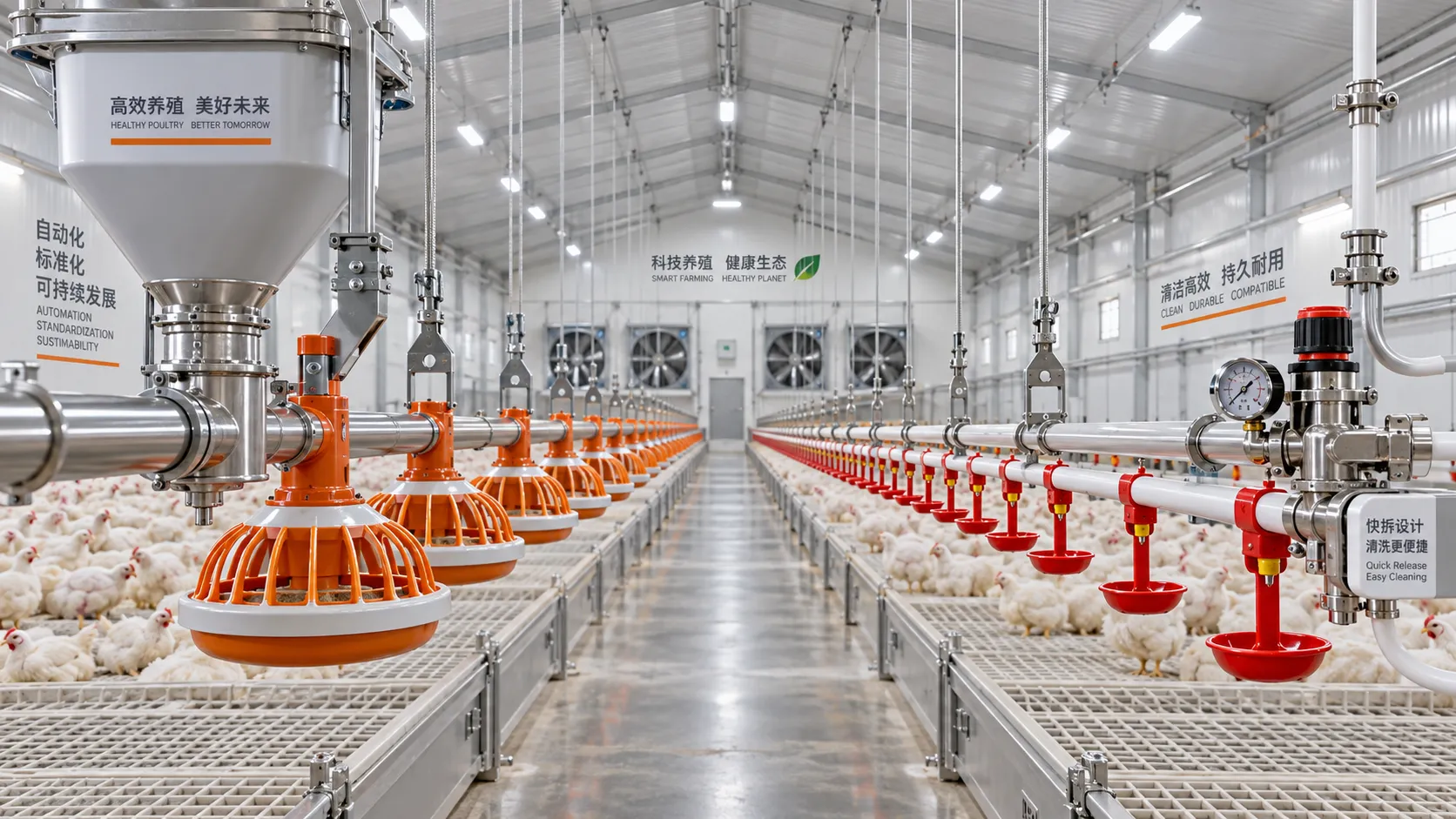
Poultry Equipment Selection: Evaluating Durability, Cleaning, and Compatibility
Poultry equipments selection guide: evaluate durability, cleaning access, and system compatibility to improve hygiene, reduce downtime, and support efficient flock management.

How to Select Heavy-Duty Farm Implements for High-Acreage, High-Horsepower Operations
Heavy duty farm implements: learn how to match draft, hydraulics, hitch capacity, frame strength, and field conditions for reliable high-acreage performance.
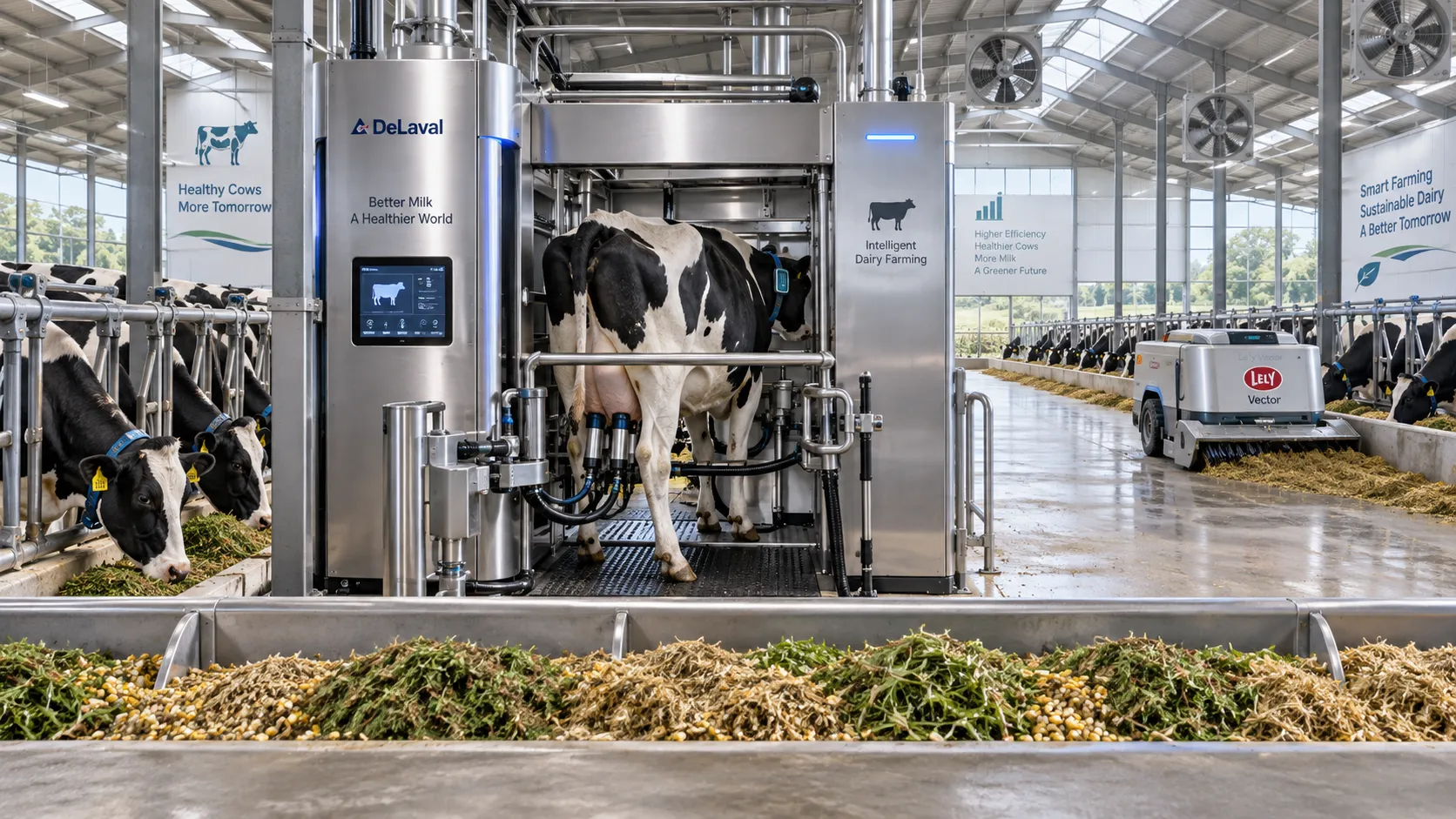
Smart Farming Technology for Dairy Farms: Where Automation Delivers Measurable ROI
Smart farming technology for dairy farms delivers measurable ROI through automation, precision feeding, health monitoring, and data-driven cost control.

How to Select a Heavy-Duty Seeder for Large Acreage and High-Residue Fields
Heavy duty seeders for large acreage: compare residue handling, depth control, downforce, metering accuracy, and precision features to select the right model.
Related News
- 00
0000-00
How to Choose Plant Protection Equipment for Vineyard Pests - 00
0000-00
How to Read Agricultural Equipment Specifications for Sprayers Before You Compare Models - 00
0000-00
BIS Extends Fast-Track Approval for Self-Propelled Sprayers - 00
0000-00
Intelligent Sprayer Technology: Which Functions Matter Most for Field Efficiency? - 00
0000-00
How to Choose Plant Protection Equipment for Orchards by Tree Height, Row Spacing, and Spray Drift
Popular Tags
Agri-Mechanization Fellow
Weekly Insights
Stay ahead with our curated technology reports delivered every Monday.