
Plant Protection Solutions for Precision Agriculture: Which System Fits Your Crop Plan?
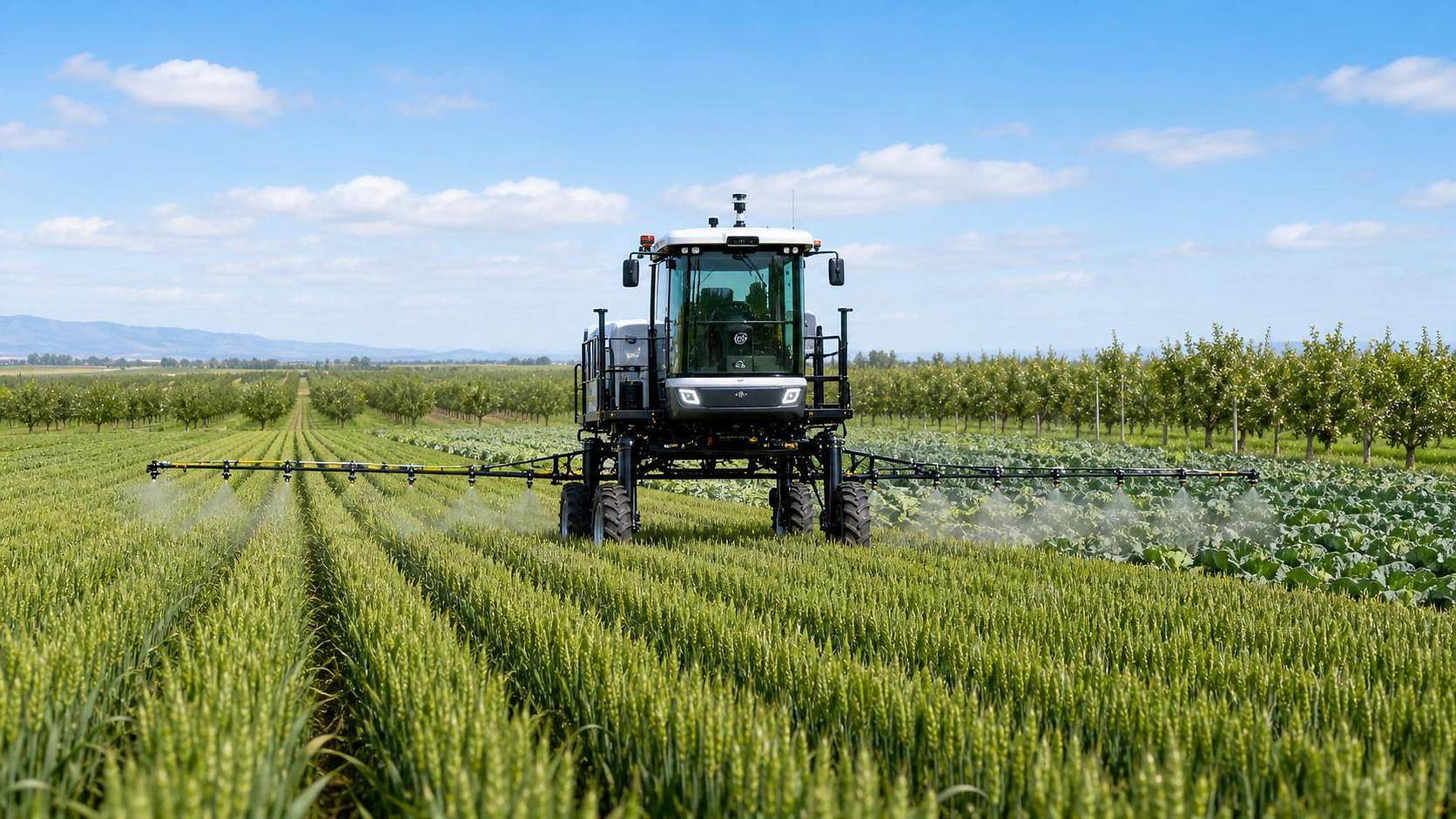




Why crop plans change the logic of plant protection decisions
Plant protection solutions for precision agriculture shape far more than spray timing. They influence yield stability, chemical efficiency, labor rhythm, and the financial resilience of a growing season.
The main difficulty is not choosing the most advanced system. It is choosing a system that matches crop architecture, field variability, machinery scale, and the way operations actually run.
A broad-acre wheat plan does not need the same application logic as vegetables under tight disease pressure. Orchards also behave differently, because canopy depth and drift control matter more than pure field speed.
That is why plant protection solutions for precision agriculture should be judged as part of a full operational chain. Application quality connects with tractor chassis performance, irrigation timing, field maps, and harvest expectations.
Within the Agriculture 4.0 landscape tracked by AP-Strategy, the most reliable decisions usually come from combining mechanical capability with sensor feedback, prescription logic, and long-cycle cost awareness.
In real operations, the field scenario comes first
Many teams begin with nozzle catalogs or tank capacity. In practice, the better starting point is field behavior: crop density, disease pattern, terrain, irrigation method, and treatment windows.
Plant protection solutions for precision agriculture perform differently when variability is high. A flat field with uniform emergence can tolerate a simpler setup than a fragmented block with mixed vigor zones.
Timing pressure changes the answer too. If the spray window is short because of humidity, wind, or labor limits, coverage consistency may be less important than work rate only on paper.
The more useful question is this: where does loss usually happen? In some farms, loss comes from overlap. In others, it comes from late entry, poor penetration, or weak calibration discipline.
What should be checked before comparing systems
- Field shape and pass efficiency, especially where irregular boundaries increase overlap risk.
- Crop canopy structure, because open cereal stands and dense horticultural rows need different droplet behavior.
- Water availability and irrigation rhythm, since tank refill logistics often affect daily output.
- Existing machinery compatibility, including guidance, ISOBUS, hydraulics, and sensor integration.
- Local climate volatility, especially wind exposure and sudden disease outbreaks after irrigation events.
Broad-acre grains need scale, but not at the expense of accuracy
For cereals, oilseeds, and other large-acreage crops, plant protection solutions for precision agriculture are often judged by hectares covered per hour. That matters, but it is only part of the fit.
In broad-acre programs, weed pressure is rarely uniform. Variable-rate spraying and section control become valuable when headlands, low areas, and compacted strips show different infestation levels.
This is also where guidance accuracy affects chemical use. A high-capacity boom without stable path control may deliver nominal productivity while quietly increasing overlap and missed strips.
Where combine harvest performance is closely monitored, it makes sense to align spraying data with harvest maps. That link often reveals whether poor crop protection came from biology, timing, or machine execution.
For this scenario, the best plant protection solutions for precision agriculture usually combine large work width, auto section control, and reliable prescription mapping rather than maximum tank size alone.
High-value crops shift the focus toward canopy penetration and response speed
Vegetables, seed crops, and intensive specialty fields create a different pressure. The cost of under-application can be higher, and the acceptable margin for disease spread is much smaller.
In these cases, plant protection solutions for precision agriculture must support fast diagnosis and fine application control. Sensor-driven treatment zones are useful, but only if scouting data is timely and clean.
Coverage quality matters more when leaf surfaces overlap or when pests hide within lower canopy layers. Droplet size, travel speed, pressure stability, and nozzle selection become operational decisions, not technical footnotes.
A common mistake is importing broad-acre logic into these fields. High speed looks efficient, yet recovery costs rise quickly if disease escapes detection for even a short interval.
Where orchards and vineyards usually differ
Tree and vine crops require a more three-dimensional view. Airflow management, canopy sensing, and drift reduction often matter more than raw hectare output.
Plant protection solutions for precision agriculture in orchards should be checked against row spacing, canopy depth, slope, and turning space. A system that performs well in open blocks may struggle in mature, uneven plantings.
If water-saving irrigation is already data-driven, linking disease forecasts with irrigation and humidity patterns can improve treatment timing. That creates stronger value than adding sensors that remain isolated from daily planning.
Different scenarios demand different decision priorities
The comparison below helps clarify why one plant protection setup may be efficient in one crop plan and weak in another.
Where plant protection projects are often misjudged
One frequent error is treating similar crops as identical spray environments. Two maize blocks can require different plant protection solutions for precision agriculture if terrain, emergence, and drainage differ.
Another misjudgment is focusing only on purchase price. Calibration time, software training, nozzle replacement, and telemetry reliability often shape real operating cost more than expected.
Some projects also underestimate chassis and hydraulic performance. If the carrier platform cannot hold speed or pressure stability in rough conditions, precision functions lose practical value.
A more subtle issue appears when data streams stay disconnected. Spray maps, irrigation signals, and harvest outcomes should inform each other. Otherwise, the system collects information without improving decisions.
How to match plant protection solutions for precision agriculture with long-term operations
A strong fit begins with a season map, not a product sheet. Define treatment windows, crop rotation shifts, disease hotspots, refill logistics, and expected expansion before comparing system specifications.
Then check whether the system supports practical integration. That includes GPS accuracy, sensor maintenance, compatibility with tractor and farm software, and the ease of turning field data into prescriptions.
In operations already investing in intelligent irrigation or automated field tools, plant protection solutions for precision agriculture should strengthen the same data architecture. Standalone tools often underperform over time.
- Match boom or air-assist design to crop geometry, not generic acreage targets.
- Validate sensor usefulness against scouting workflow and disease forecast quality.
- Review service intervals and spare-part access before peak treatment periods.
- Use pilot blocks to compare coverage, overlap, and response time under real field pressure.
- Connect treatment records with harvest and water data to improve next-season prescriptions.
A practical next step for better system fit
The right plant protection solutions for precision agriculture rarely win because they look advanced in isolation. They win because they fit the crop plan, the field rhythm, and the wider machinery ecosystem.
The most useful next step is to sort fields by treatment complexity, variability, and timing pressure. That quickly reveals where precision features create measurable value and where simpler systems remain sufficient.
From there, compare application quality, compatibility, maintenance burden, and data integration as one package. That approach reflects the AP-Strategy view that modern agri-equipment decisions should connect performance, intelligence, and sustainability in the same operational frame.
When those conditions are clear, system selection becomes less about chasing features and more about building a crop protection model that holds up across seasons, input volatility, and changing field demands.
Related News

When Does Agricultural Machinery Leasing Cost Less Than Owning Equipment?
Agricultural machinery leasing can lower farm costs when use is seasonal or uncertain. Compare utilization, maintenance, cash flow, and risk to make a smarter equipment decision.

How to Evaluate Precision Fertilization System Suppliers for Farm-Scale Deployment
Precision fertilization systems suppliers: learn how to compare accuracy, integration, uptime, service, and total cost for confident farm-scale deployment.
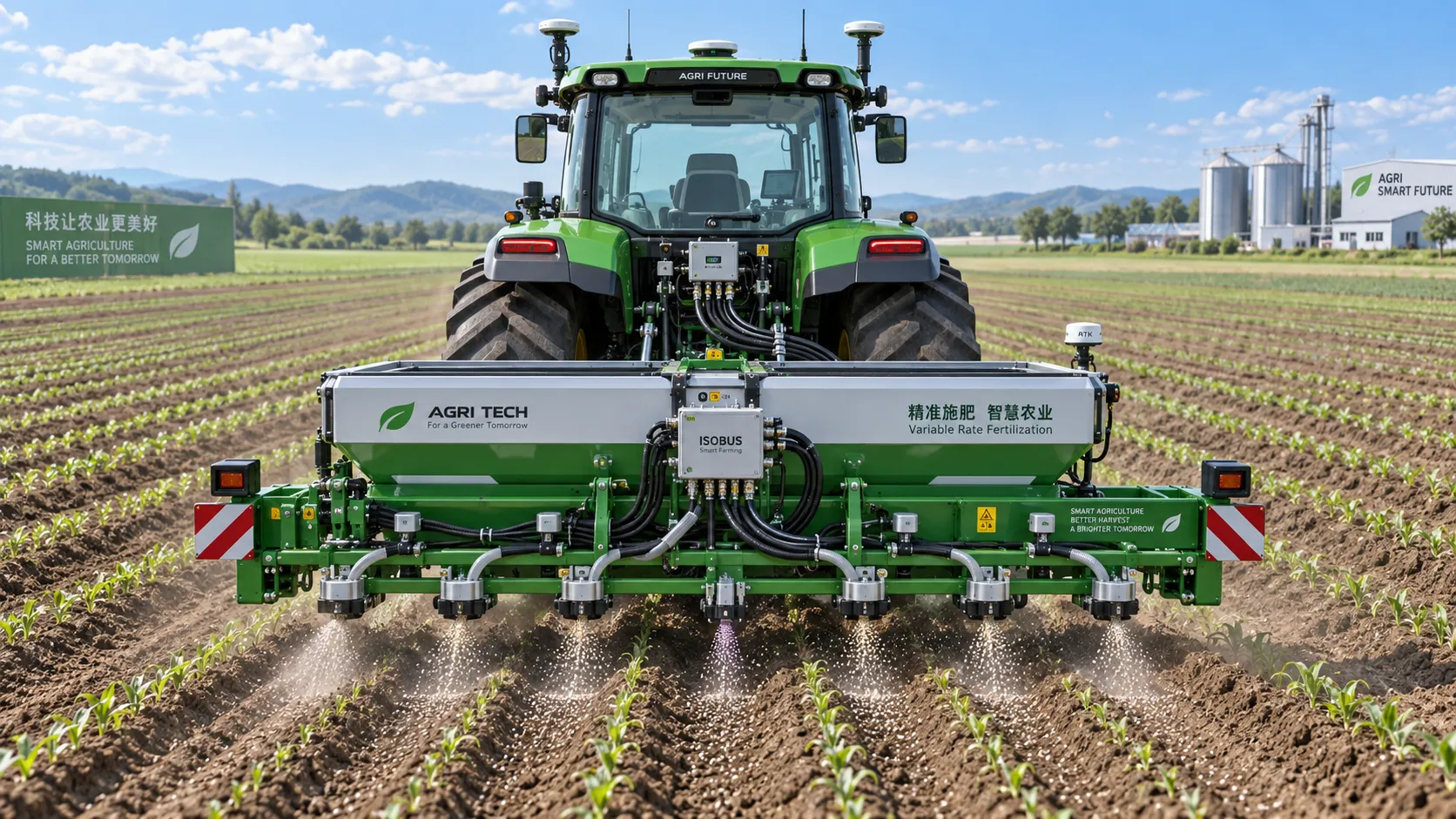
ISOBUS for Smart Agriculture: How It Connects Tractors, Implements, and Farm Data
ISOBUS for smart agriculture connects tractors, implements, terminals, and farm data—helping growers improve precision, documentation, and smarter field decisions.
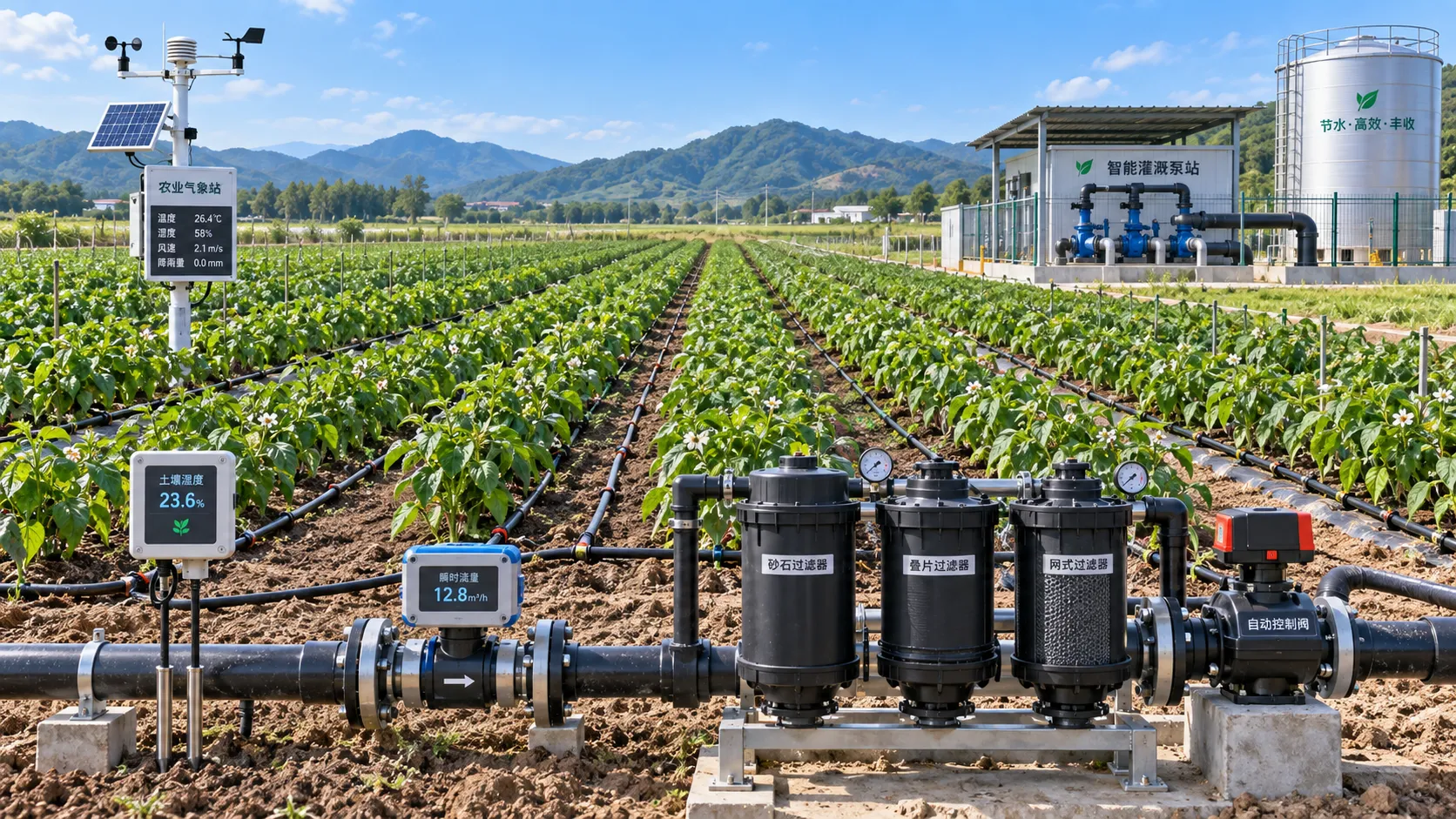
Automated Water-Saving Irrigation: How to Cut Water Use Without Reducing Crop Yields
Automated water-saving irrigation helps farms cut water use, protect crop yields, improve scheduling, and gain reliable control with sensors, flow monitoring, and smart zones.
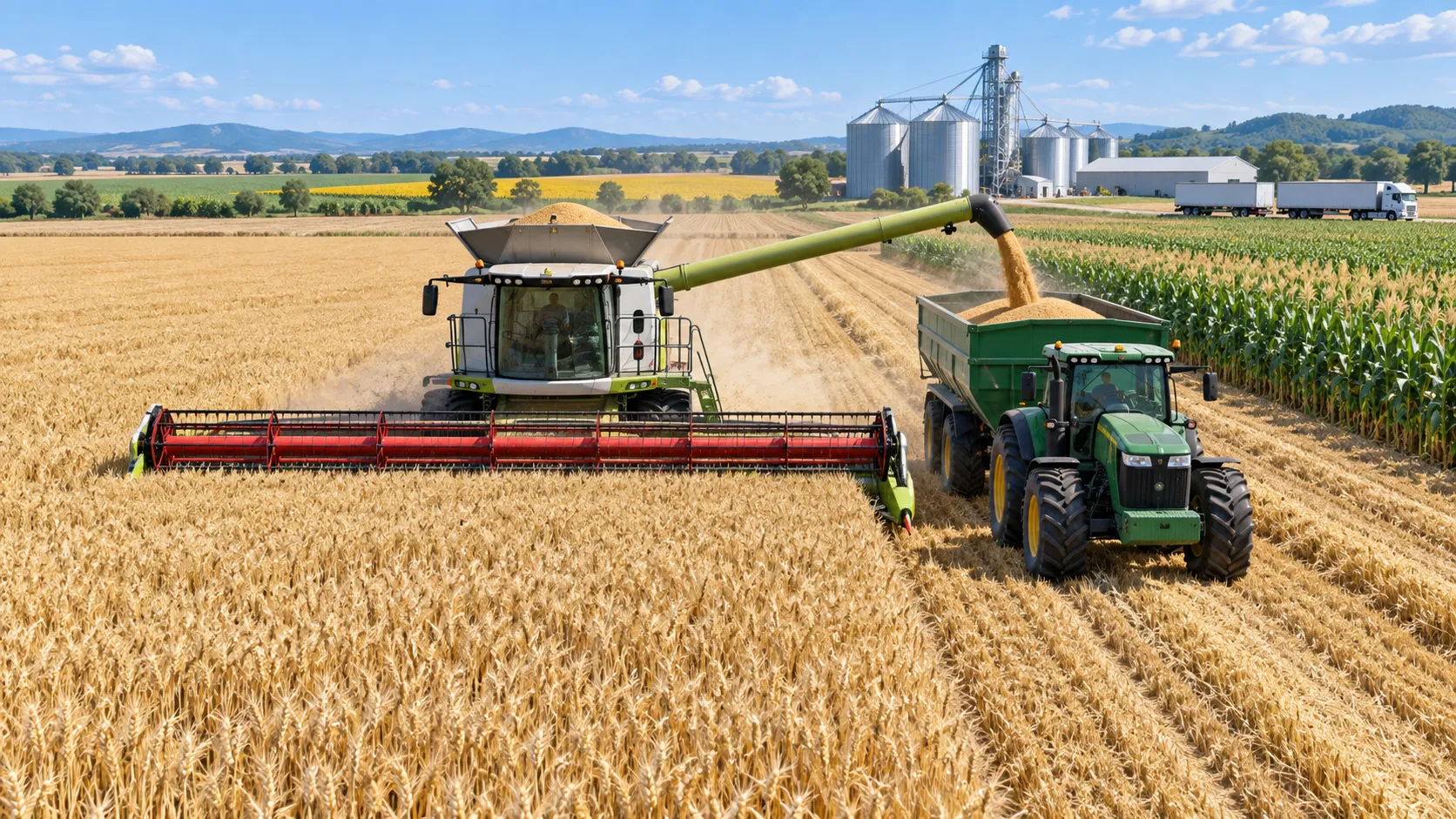
Selecting Grain Farm Equipment by Acreage, Crop Mix, and Harvest Window
Agricultural equipment selection for grain farming: match machinery to acreage, crop mix, and harvest windows to improve uptime, efficiency, and returns.
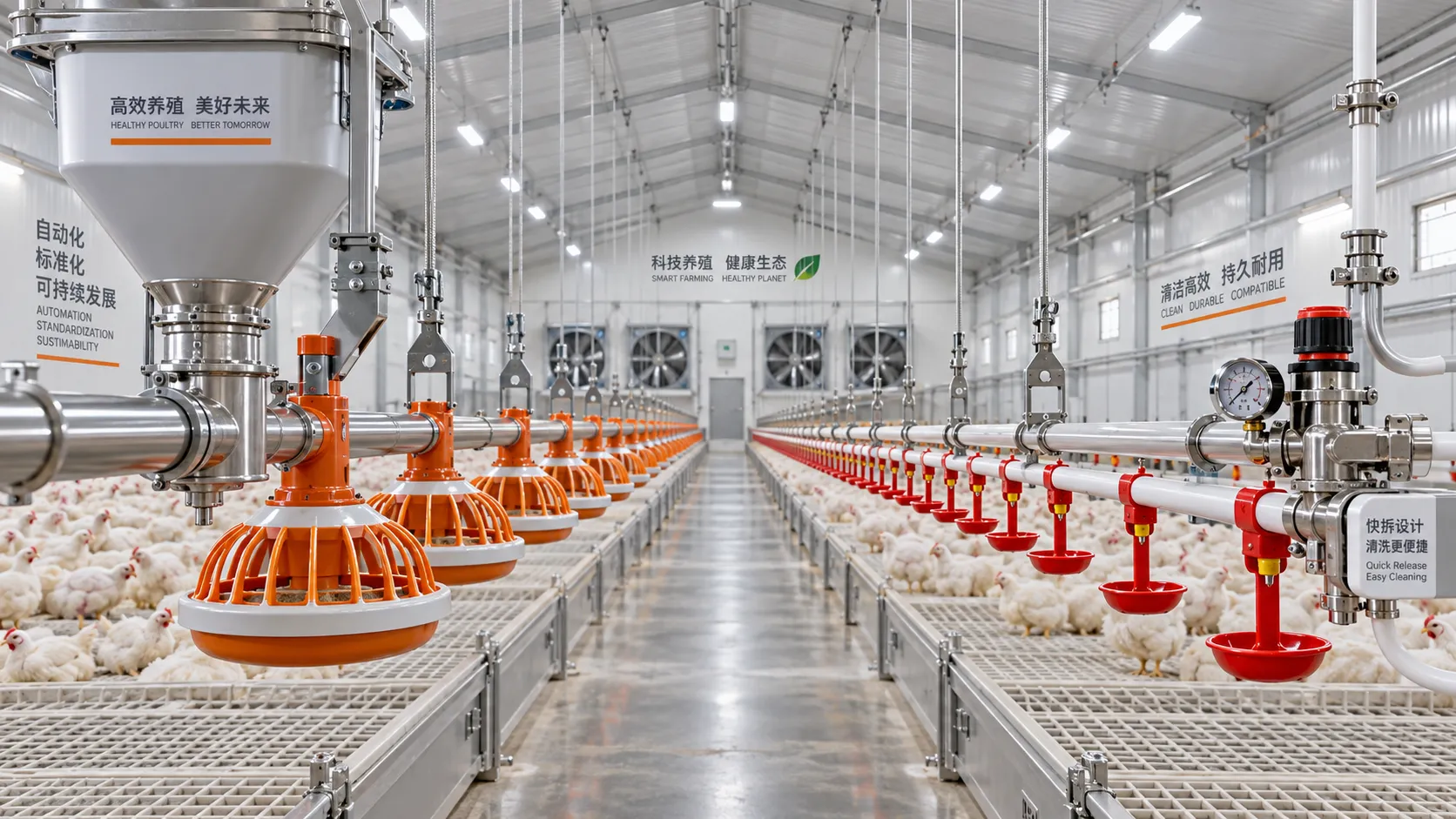
Poultry Equipment Selection: Evaluating Durability, Cleaning, and Compatibility
Poultry equipments selection guide: evaluate durability, cleaning access, and system compatibility to improve hygiene, reduce downtime, and support efficient flock management.
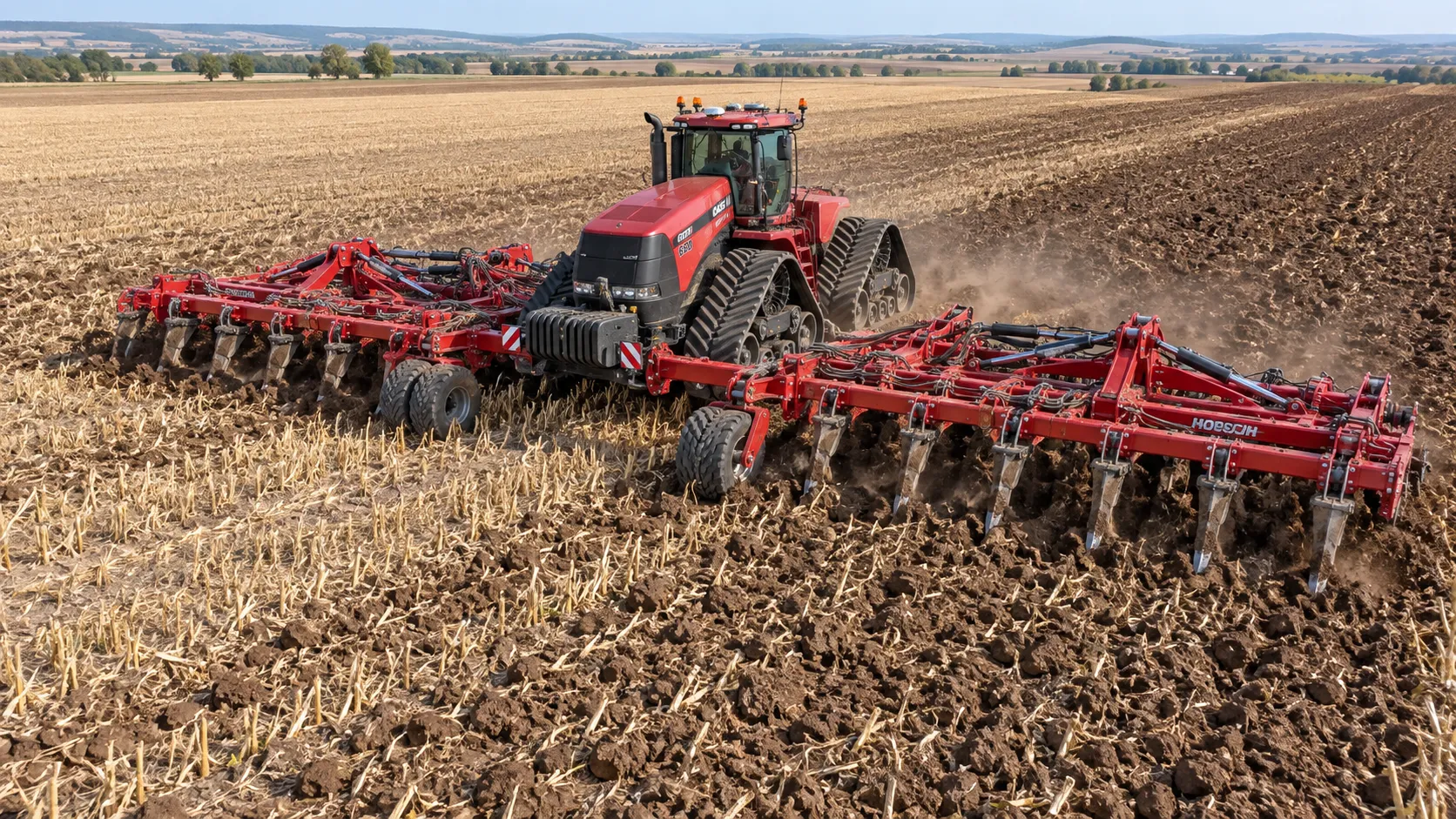
How to Select Heavy-Duty Farm Implements for High-Acreage, High-Horsepower Operations
Heavy duty farm implements: learn how to match draft, hydraulics, hitch capacity, frame strength, and field conditions for reliable high-acreage performance.
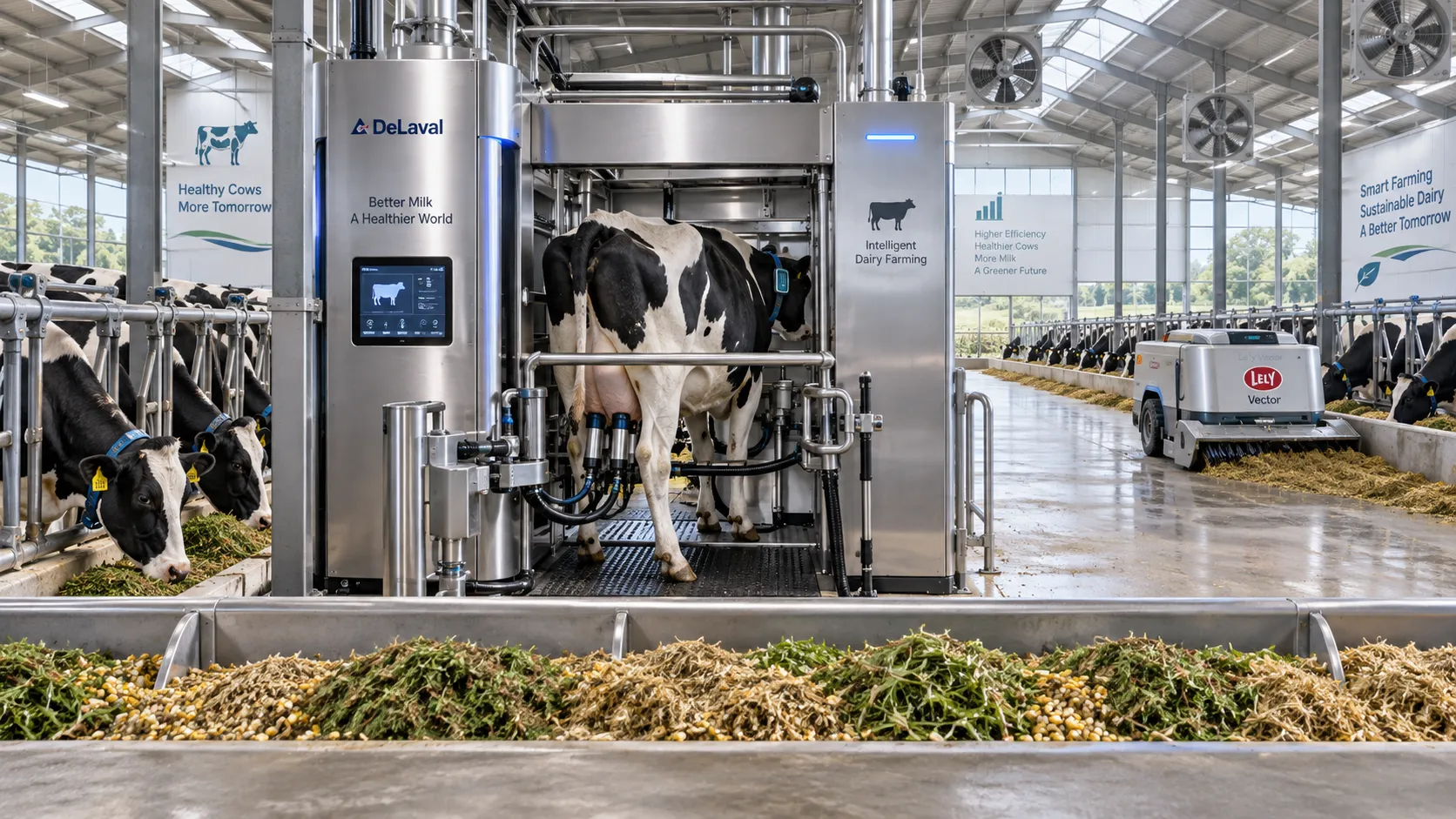
Smart Farming Technology for Dairy Farms: Where Automation Delivers Measurable ROI
Smart farming technology for dairy farms delivers measurable ROI through automation, precision feeding, health monitoring, and data-driven cost control.
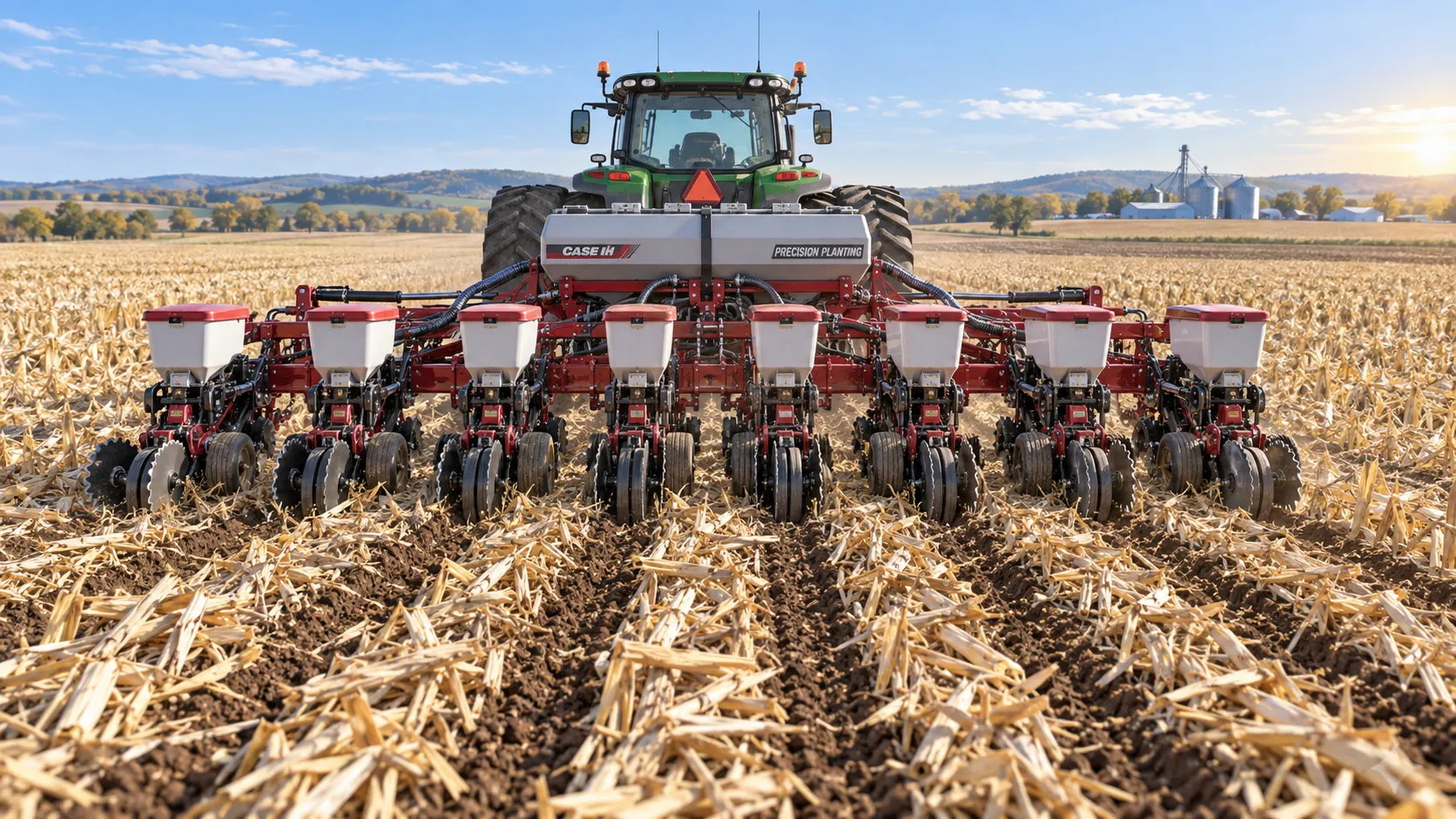
How to Select a Heavy-Duty Seeder for Large Acreage and High-Residue Fields
Heavy duty seeders for large acreage: compare residue handling, depth control, downforce, metering accuracy, and precision features to select the right model.
Related News
- 00
0000-00
How to Choose Plant Protection Equipment for Vineyard Pests - 00
0000-00
How to Read Agricultural Equipment Specifications for Sprayers Before You Compare Models - 00
0000-00
BIS Extends Fast-Track Approval for Self-Propelled Sprayers - 00
0000-00
Intelligent Sprayer Technology: Which Functions Matter Most for Field Efficiency? - 00
0000-00
How to Choose Plant Protection Equipment for Orchards by Tree Height, Row Spacing, and Spray Drift
Popular Tags
Agri-Mechanization Fellow
Weekly Insights
Stay ahead with our curated technology reports delivered every Monday.