
ONE Adds Le Havre Call to Asia-Europe FE1





Ocean Network Express (ONE) will implement an adjustment to the port rotation structure of its FE1 and FE3 Asia-Europe mainline services from June 5, 2026. The confirmed change includes adding a direct Le Havre call to the FE1 service and adjusting European-end port calls on FE3. The update is particularly relevant to Northwest European importers, agricultural machinery traders, equipment distributors, and logistics service providers because it may affect lead times, transshipment exposure, and schedule planning for large cargo such as self-propelled sprayers and grain combine harvesting systems.
Event Overview
According to the available information, ONE will formally optimize the port call structure of two Asia-Europe trunk routes, FE1 and FE3, from early June 2026, with the change taking effect from June 5, 2026.
The FE1 service will add the Port of Le Havre in France, strengthening direct shipping capability from Southeast Asia to France. At the same time, the FE3 service will adjust its European-end port calls. The public information currently confirms the route adjustment, the effective date, and the addition of Le Havre on FE1, but does not provide further operational details beyond these points.
The change is expected to improve transport time stability for large agricultural equipment shipments and reduce the risk of delays caused by transshipment. This is especially relevant for cargo that is sensitive to delivery windows, port handling arrangements, and downstream installation or distribution schedules.
Which Sub-Sectors May Be Affected
Importers Serving Northwest Europe
Importers in Northwest Europe may be directly affected because the addition of a Le Havre call gives cargo bound for France a clearer direct service option on FE1. For companies importing machinery, industrial equipment, or other large-volume goods from Southeast Asia, the main impact may be reflected in shorter receiving cycles and lower exposure to intermediate transfer delays.
Analysis shows that the key issue for importers is not only whether the sailing time changes, but whether the end-to-end receiving process becomes more predictable. For businesses that arrange customer delivery, customs preparation, inland transport, or seasonal inventory allocation, a more direct routing option can support more stable planning.
Agricultural Machinery Traders and Equipment Distributors
Traders and distributors handling large agricultural equipment, including self-propelled sprayers and grain combine harvesting systems, may be affected because these products often require coordinated shipping, port handling, and downstream delivery arrangements. A direct Le Havre call can reduce reliance on transshipment for France-bound cargo, which may help lower the risk of schedule disruption during ocean transport.
From an industry perspective, the adjustment matters because agricultural machinery shipments are often linked to seasonal demand and delivery commitments. Even when the change does not alter every operational step, reducing one transfer point can make shipment tracking, customer communication, and delivery scheduling more manageable.
Manufacturers Exporting from Southeast Asia to France
Manufacturers or assembly operations exporting from Southeast Asia to the French market may need to review whether FE1 becomes a more suitable service for selected cargo flows after the addition of Le Havre. The impact may appear in booking choices, shipment consolidation, and coordination with buyers or distribution partners in France.
Observably, the most relevant effect for exporters is the potential improvement in route simplicity. For oversized, high-value, or schedule-sensitive equipment, fewer routing layers can support clearer delivery commitments, although actual results will still depend on sailing schedules, available capacity, and operational execution.
Supply Chain and Freight Service Providers
Freight forwarders, shipping agents, and supply chain service providers may need to update route recommendations for customers using Asia-Europe services. The FE1 Le Havre addition may create a more direct planning option for cargo moving from Southeast Asia to France, while the FE3 European-end adjustment requires close attention to revised port coverage.
What deserves closer attention now is how service providers communicate these route changes to customers with existing shipment plans. Cargo already planned around previous port rotations may need schedule checks, while new bookings may require comparison between direct calls and previous routing patterns.
What Companies and Practitioners Should Watch and How to Respond
Track ONE’s Follow-Up Service Information
Companies should continue to monitor official updates from ONE regarding the FE1 and FE3 service adjustments. The currently confirmed information includes the effective timing, the FE1 Le Havre addition, and the FE3 European-end port adjustment. Further operational details, if released, should be checked before revising shipment plans.
For practical execution, logistics teams should verify booking windows, vessel schedules, and port call sequences through official or contracted channels rather than relying only on internal assumptions.
Review France-Bound and Northwest Europe Cargo Plans
Businesses shipping cargo to France or nearby Northwest European markets should identify shipments that may benefit from the FE1 Le Havre direct call. This is especially relevant for large agricultural machinery, equipment with fixed delivery schedules, and cargo where transshipment risk has previously affected reliability.
Analysis shows that companies should not treat the change as automatically beneficial for every shipment. Instead, they should compare the revised routing with existing delivery requirements, inland transport arrangements, and port handling needs.
Separate Route Signals from Operational Outcomes
It is more appropriate to understand this as a route structure signal rather than a guaranteed operational result for every shipment. The addition of Le Havre on FE1 may improve routing options, but actual performance will depend on schedule execution, cargo handling, and coordination across the shipping chain.
Importers and exporters should therefore avoid making broad commitments before confirming how the adjusted FE1 and FE3 services apply to their specific cargo, origin, destination, and delivery timeline.
Prepare Communication and Contingency Plans
Companies with active or upcoming Asia-Europe shipments should update internal logistics teams, freight partners, buyers, and distributors about the possible routing implications. For machinery cargo, it may also be necessary to align port arrival timing with inspection, inland transport, warehousing, and final delivery arrangements.
From an industry perspective, a practical response is to maintain alternative planning options while evaluating the new direct Le Havre call. This can help reduce uncertainty if the adjusted service structure affects current booking preferences or downstream delivery coordination.
Editor’s View / Industry Observation
Observably, this adjustment indicates that Asia-Europe service structures remain an important factor for companies managing long-distance equipment supply chains. The direct Le Havre call on FE1 is meaningful because it relates not only to ocean routing, but also to delivery predictability for France-bound cargo.
Analysis shows that the update is best viewed as a service network adjustment with potential supply chain implications, rather than as a completed improvement across all cargo flows. The confirmed change creates a more direct option for certain shipments, while the actual benefit will depend on how companies use the revised service and how the schedule performs after implementation.
What deserves closer attention now is whether importers, exporters, and logistics providers can translate the route adjustment into more stable operational planning. For sectors involving large agricultural equipment, even modest improvements in routing clarity may support better coordination across procurement, shipping, and final delivery.
Conclusion
ONE’s FE1 and FE3 Asia-Europe service adjustment, effective from June 5, 2026, is significant for companies connected to France-bound and Northwest Europe cargo flows. The addition of Le Havre on FE1 may reduce transshipment exposure for selected shipments and support more predictable delivery planning for large agricultural equipment and related industrial cargo.
It is more appropriate to understand this development as a route optimization signal that companies should actively evaluate, rather than as a universal solution to logistics uncertainty. Importers, exporters, distributors, and supply chain providers should review affected cargo lanes, confirm official service details, and prepare shipment plans based on verified operational information.
Information Source Statement
Main source: Ocean Network Express (ONE) service adjustment information regarding FE1 and FE3 Asia-Europe routes.
Items requiring continued observation: further official details on the revised FE1 and FE3 port rotations, schedule execution after the June 5, 2026 effective date, and the practical impact on France-bound and Northwest Europe cargo delivery timelines.
Related News
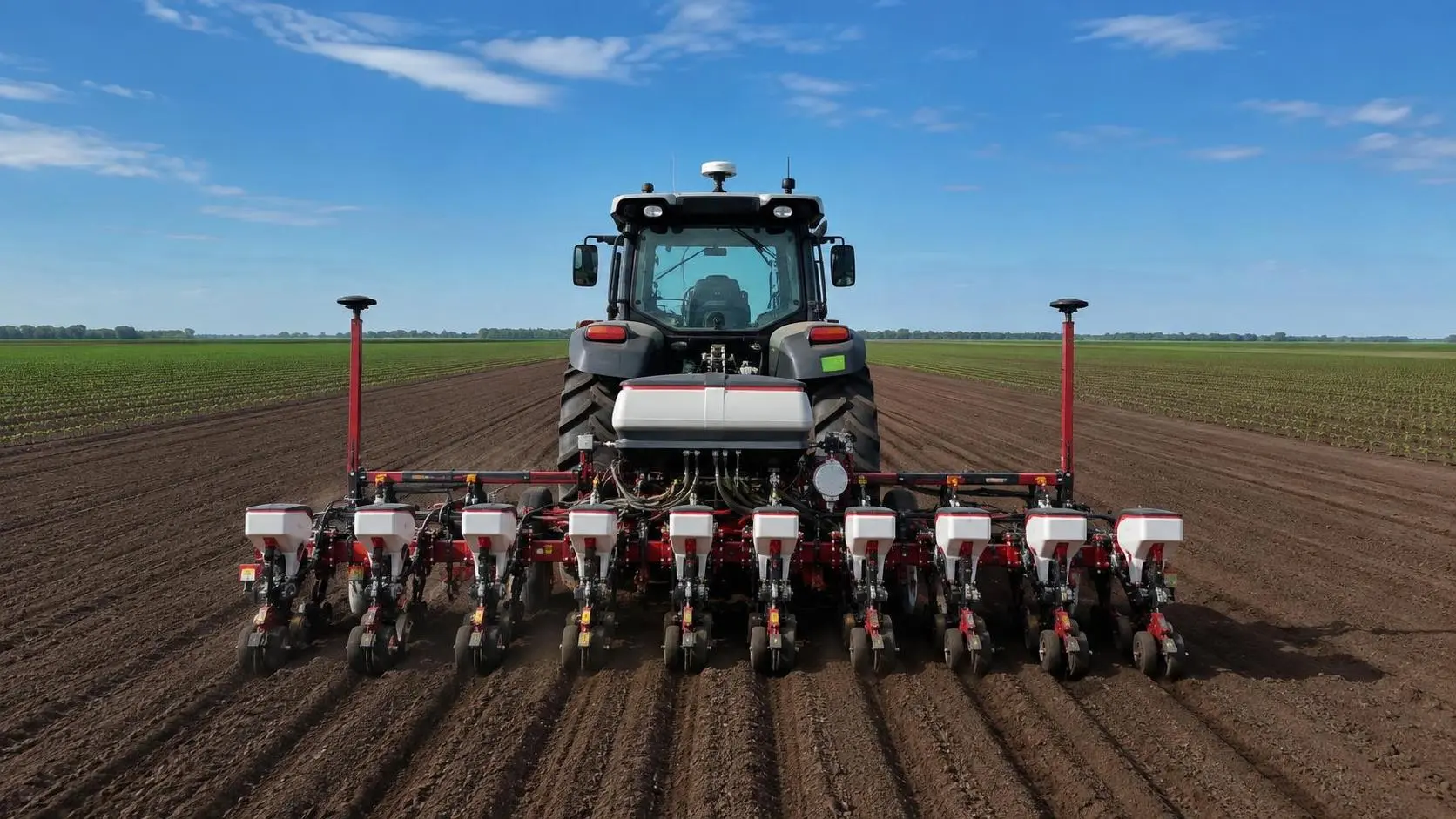
How Tractor Intelligence Systems Improve Field Efficiency and Input Accuracy
Agricultural machinery intelligence for tractors improves field efficiency, input accuracy, data traceability, and implement control. Explore smarter evaluation strategies.

How to Evaluate Crop Monitoring System Manufacturers for Large-Scale Farms
Compare crop monitoring systems manufacturers for large-scale farms. Evaluate data quality, integration, durability, lifecycle costs, support, and pilots for smarter decisions.

Wireless Agricultural Automation for Remote Irrigation and Field Monitoring
Agricultural automation wireless solutions improve remote irrigation with reliable field data, local control, flow verification, and smarter monitoring. Explore resilient deployment strategies.

Agricultural Product Information Market Guide: Key Data for Sourcing Decisions
Agricultural product information market guide for smarter sourcing—compare machinery, irrigation, precision tools, lifecycle costs, and supplier risk.
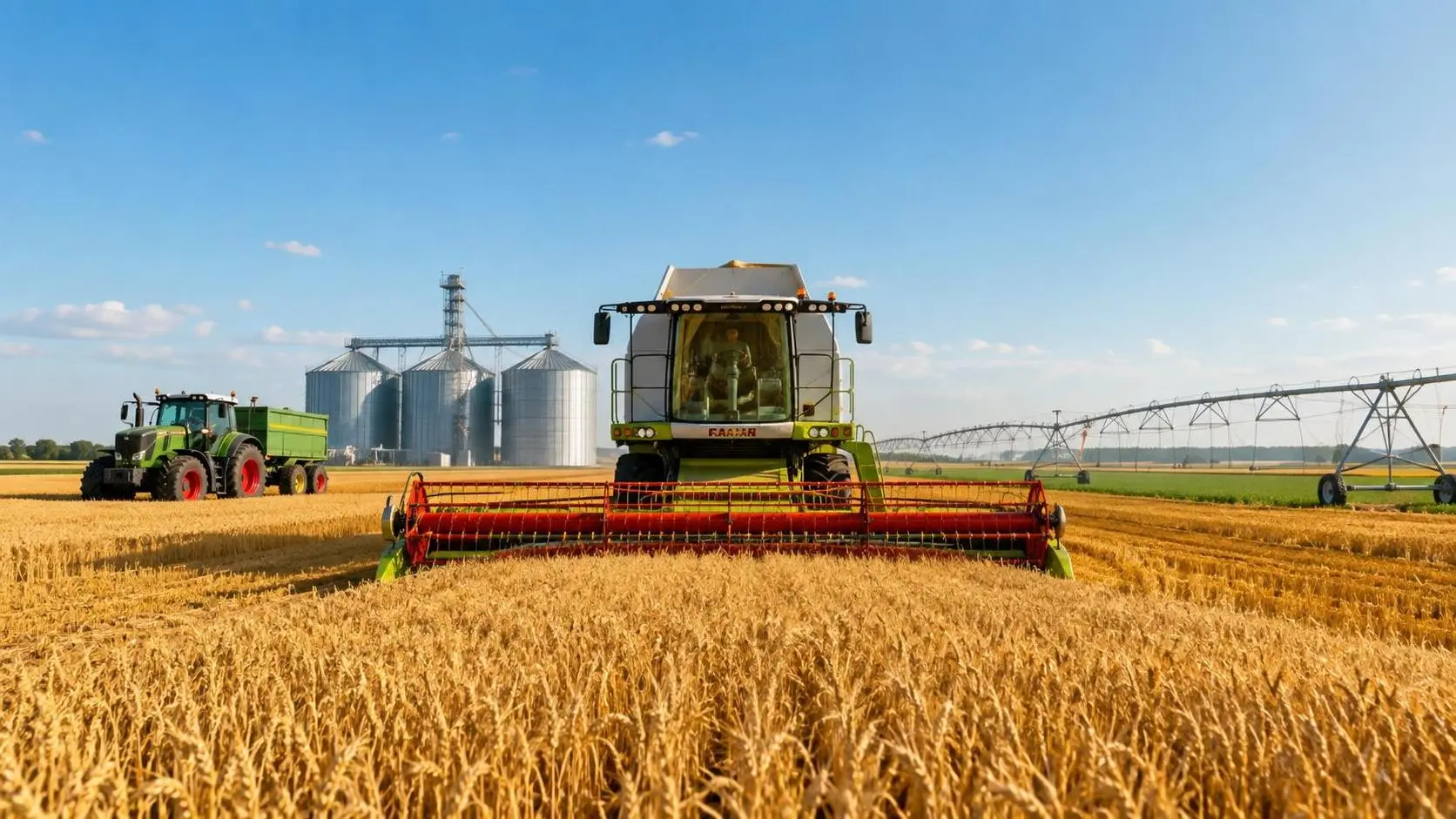
Large-Scale Farm Equipment Cost Comparison: Price, Fuel, and Lifecycle Value
Large-scale farm equipment cost comparison: evaluate price, fuel, maintenance, downtime, and lifecycle value to choose tractors, combines, irrigation, and smart tools with confidence.

A Procurement Specification Preparation Example for Buying Farm Equipment
Procurement specification preparation example for farm equipment: learn to define requirements, compare suppliers, control lifecycle costs, and buy with confidence.
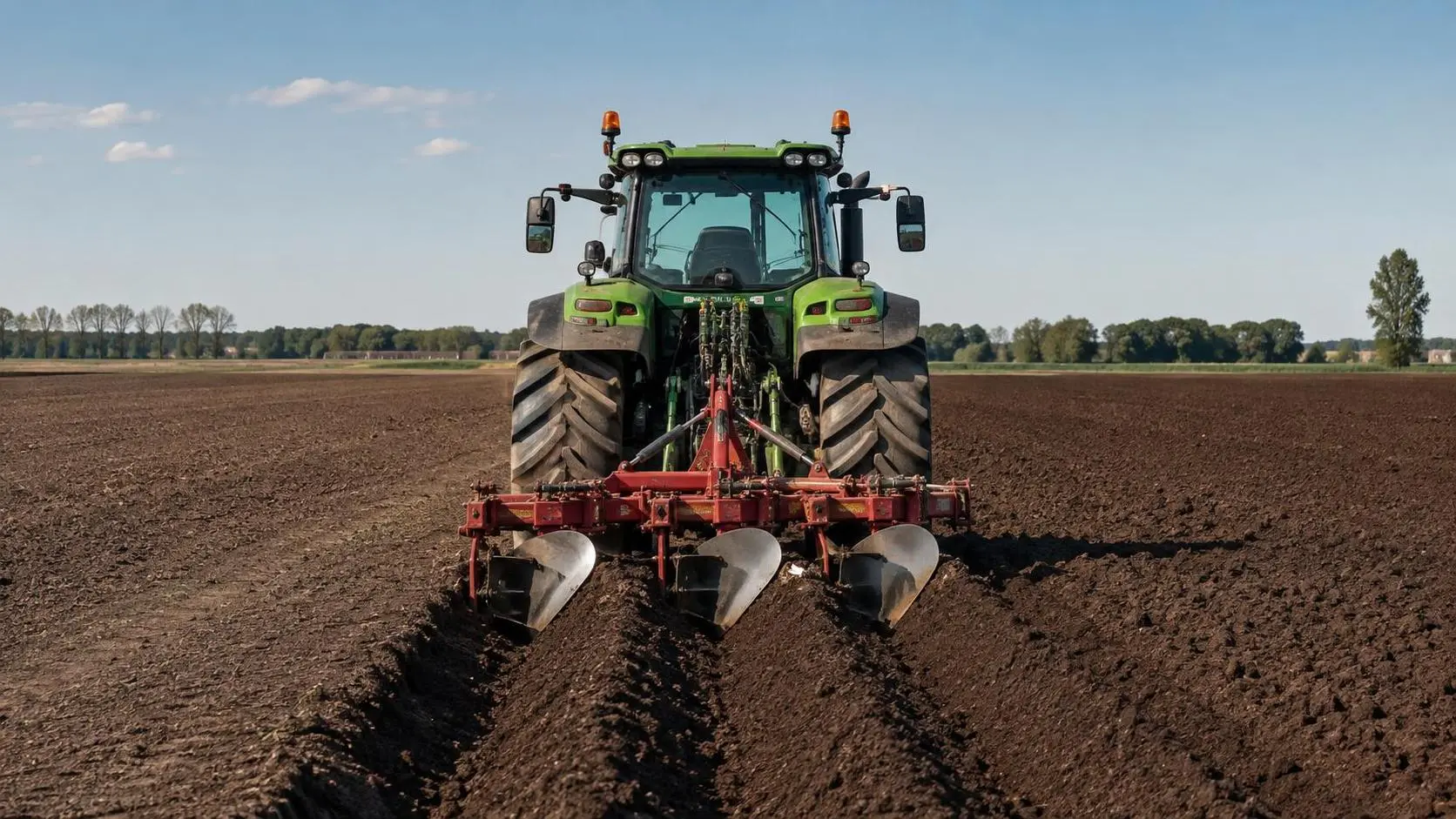
What Tractor Horsepower Is Needed for a Three-Bottom Moldboard Plow?
What tractor horsepower is needed for three-bottom moldboard plow? Compare 60–100 hp needs by soil, depth, traction, and plow width for a confident equipment match.

How Does Climate-Smart Farming Reduce Water Use in Semi-Arid Areas?
How does climate-smart farming reduce water use in semi-arid zones? Discover precision irrigation, soil monitoring, and smarter crop planning for resilient yields.

Can Sustainable Farming Be Profitable Without Reducing Yields?
Are sustainable farming practices profitable without yield loss? Discover precision strategies that cut waste, protect yields, and improve farm margins.
Related News
- 00
0000-00
How to Choose Plant Protection Equipment for Vineyard Pests - 00
0000-00
How to Read Agricultural Equipment Specifications for Sprayers Before You Compare Models - 00
0000-00
BIS Extends Fast-Track Approval for Self-Propelled Sprayers - 00
0000-00
Intelligent Sprayer Technology: Which Functions Matter Most for Field Efficiency? - 00
0000-00
How to Choose Plant Protection Equipment for Orchards by Tree Height, Row Spacing, and Spray Drift
Popular Tags
Agri-Mechanization Fellow
Weekly Insights
Stay ahead with our curated technology reports delivered every Monday.