
Fuel Price Cut Eases Farm Machinery Export Delivery Costs





On June 4, 2026, China announced a cut to retail refined oil price caps effective from 24:00 the same day, marking the second reduction of the year. While the adjustment is domestic in nature, it is relevant to the self-propelled agricultural machinery industry, logistics providers, and export supply chains because lower fuel-related transport costs can ease delivery pressure for outbound orders, especially for Southeast Asia and Central Asia shipments that rely on road-based consolidation.
Event Overview
According to the information currently disclosed, China’s retail refined oil price limits were lowered from 24:00 on June 4, 2026. The announced impact at the consumer level is that filling one full tank costs about 21 yuan less. The event itself concerns domestic fuel pricing, but the disclosed industry implication is that it may reduce logistics and transportation cost pressure for domestic agricultural machinery manufacturers and supporting service providers. It may also indirectly improve the stability and timeliness of export order fulfillment, particularly for orders to Southeast Asia and Central Asia that depend on truck transport and cargo consolidation.
Which Sub-Sectors Are Affected
Self-propelled agricultural machinery manufacturers
These companies are among the most directly concerned because domestic transport is part of export fulfillment even when the final destination is overseas. From an industry perspective, lower fuel prices can reduce the cost pressure tied to moving finished machinery from factories to consolidation points, warehouses, or ports. The effect is not necessarily a direct reduction in the selling price of exported equipment, but it may help manufacturers manage delivery schedules with greater consistency when road transport is a key link.
Export trading and order fulfillment companies
Trading companies and export coordinators are affected because they often sit between manufacturers, domestic logistics networks, and overseas buyers. Analysis shows that when inland transport costs ease, these companies may gain more room to stabilize shipment arrangements, especially for orders that require multi-point collection or combined loading. The main influence is operational rather than headline-grabbing: fewer transport cost fluctuations can support clearer delivery coordination and reduce pressure in shipment planning.
Supply chain and logistics service providers
Road transport, cargo consolidation, and related support services are directly exposed to fuel cost changes. Observably, this matters most in routes where self-propelled agricultural machinery or parts need to be assembled from different domestic locations before export. The impact is likely to appear in cost control, route coordination, and service responsiveness. For service providers, the adjustment may offer short-term relief on transport cost pressure, but it does not automatically mean a broad reset of all logistics pricing.
After-sales and supporting service companies
Supporting service providers linked to agricultural machinery exports may also feel the effect, because domestic transport is often involved in spare parts dispatch, pre-shipment preparation, and coordination work tied to overseas delivery. Current attention should focus on whether lower fuel-related logistics pressure helps improve handoff efficiency and delivery predictability for export-related service tasks.
What Companies and Practitioners Should Watch and How to Respond
Track follow-up official signals and actual transport execution
Companies should continue watching official pricing notices and any follow-up market responses tied to domestic transport execution. From an industry perspective, the key issue is not only that fuel prices have been lowered, but whether the reduction translates into measurable easing in actual trucking, consolidation, and dispatch arrangements linked to export orders.
Review orders that depend heavily on inland road consolidation
Current attention should focus on export orders to Southeast Asia and Central Asia that rely on domestic road transport before cross-border shipment. Companies should identify which orders are most exposed to inland transport costs and timing, then reassess dispatch sequencing, consolidation efficiency, and delivery commitments based on the updated cost environment.
Separate policy signal from immediate commercial impact
Analysis shows that a domestic refined oil price cut should not be treated as an automatic margin improvement across all export business. Enterprises should distinguish between a policy or pricing signal and actual business landing. The more practical approach is to verify whether logistics quotations, transport availability, and fulfillment timelines are improving in real operating conditions before revising budgets or customer commitments.
Prepare communication and scheduling adjustments in advance
For manufacturers, traders, and logistics coordinators, it is more appropriate to use this development as a basis for tighter operational coordination. This includes updating shipment schedules, reconfirming transport plans with logistics partners, and communicating realistic delivery expectations to overseas buyers. For orders with strict timelines, earlier internal coordination may be more valuable than assuming cost savings will immediately solve delivery bottlenecks.
Editorial View / Industry Observation
Observably, this refined oil price cut is more meaningful to the agricultural machinery export chain as an operational easing factor than as a standalone market-changing event. Analysis shows that its value lies in reducing some transport-side pressure inside China, which matters for self-propelled agricultural machinery exports because inland movement and cargo consolidation are often unavoidable steps before overseas delivery.
It is more appropriate to understand this development as a supportive signal rather than a fully realized industry outcome. The adjustment does not by itself guarantee lower end-to-end export costs or faster deliveries in every case. From an industry perspective, the real significance depends on whether manufacturers, logistics providers, and export operators can convert the lower domestic transport pressure into better delivery stability and timing.
Current attention should focus on execution: whether this domestic cost change improves actual shipment coordination for Southeast Asia and Central Asia orders. That is why the industry still needs continued observation rather than immediate over-interpretation.
In summary, the June 4 reduction in China’s refined oil retail price caps offers a marginal positive for self-propelled agricultural machinery export delivery costs, particularly where domestic road transport and cargo consolidation are central to shipment execution. A neutral reading is that the development improves conditions at the transport link, but it should not yet be treated as a definitive shift in export economics. It is more appropriate to understand this news as a practical support signal for delivery stability and fulfillment efficiency, with its full effect still requiring continued observation.
Source Notes
Main sources: the user-provided event title, event date, and event summary based on the June 4, 2026 adjustment to China’s retail refined oil price limits.
Items requiring continued observation: whether lower domestic fuel-related transport costs are passed through into actual logistics execution, and whether export delivery stability and timeliness for Southeast Asia and Central Asia orders improve in practice.
Related News
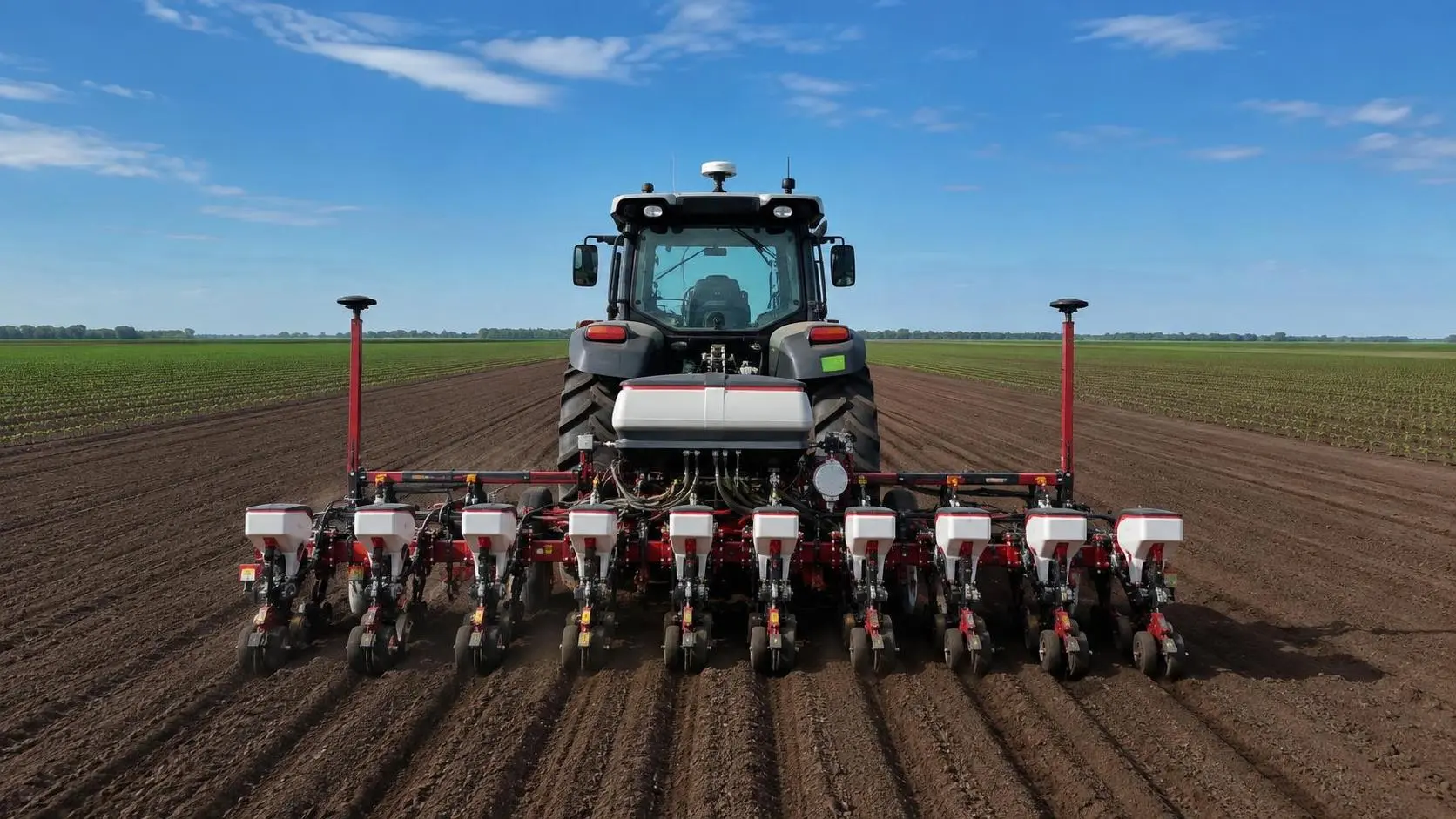
How Tractor Intelligence Systems Improve Field Efficiency and Input Accuracy
Agricultural machinery intelligence for tractors improves field efficiency, input accuracy, data traceability, and implement control. Explore smarter evaluation strategies.

How to Evaluate Crop Monitoring System Manufacturers for Large-Scale Farms
Compare crop monitoring systems manufacturers for large-scale farms. Evaluate data quality, integration, durability, lifecycle costs, support, and pilots for smarter decisions.
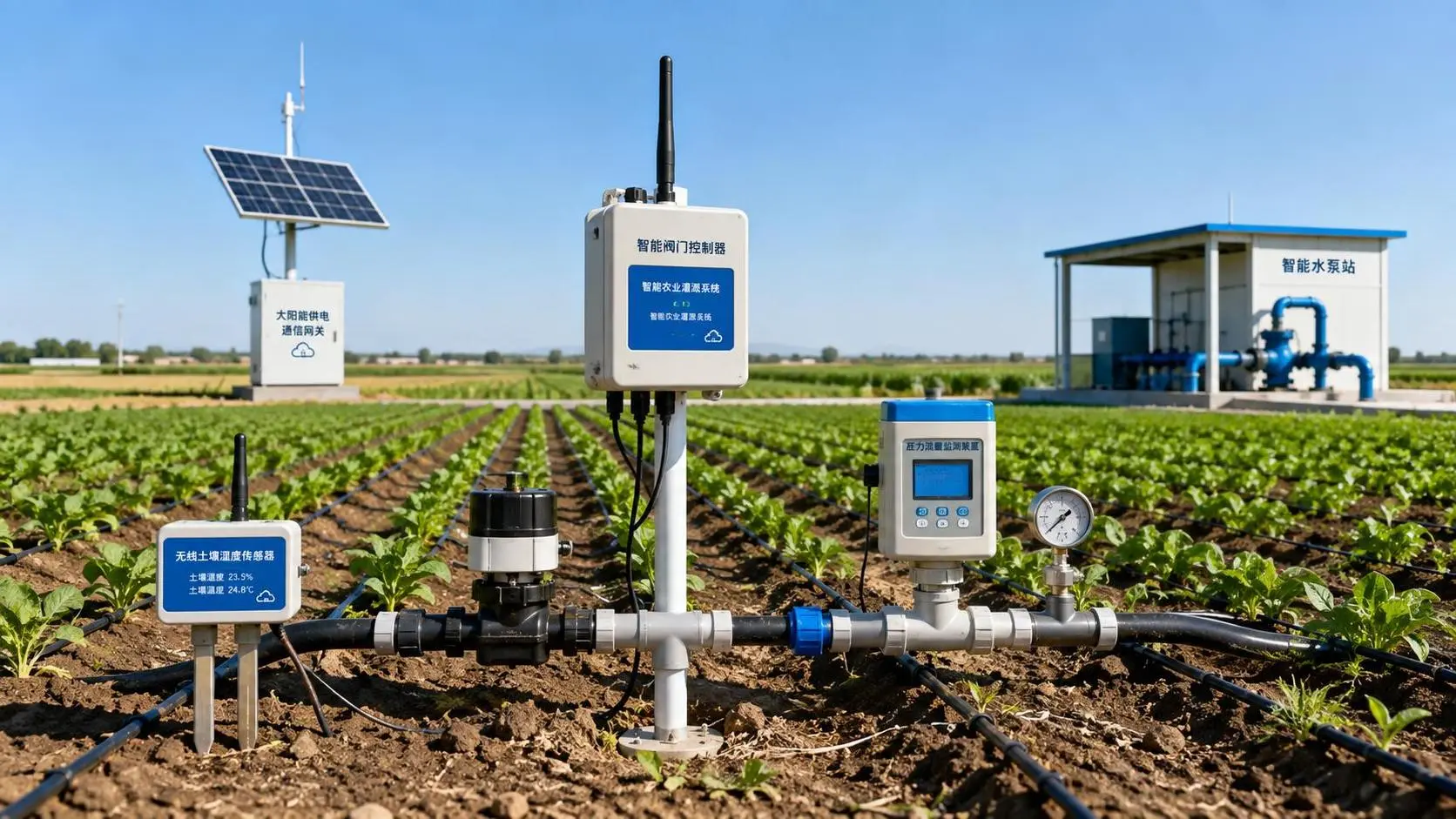
Wireless Agricultural Automation for Remote Irrigation and Field Monitoring
Agricultural automation wireless solutions improve remote irrigation with reliable field data, local control, flow verification, and smarter monitoring. Explore resilient deployment strategies.
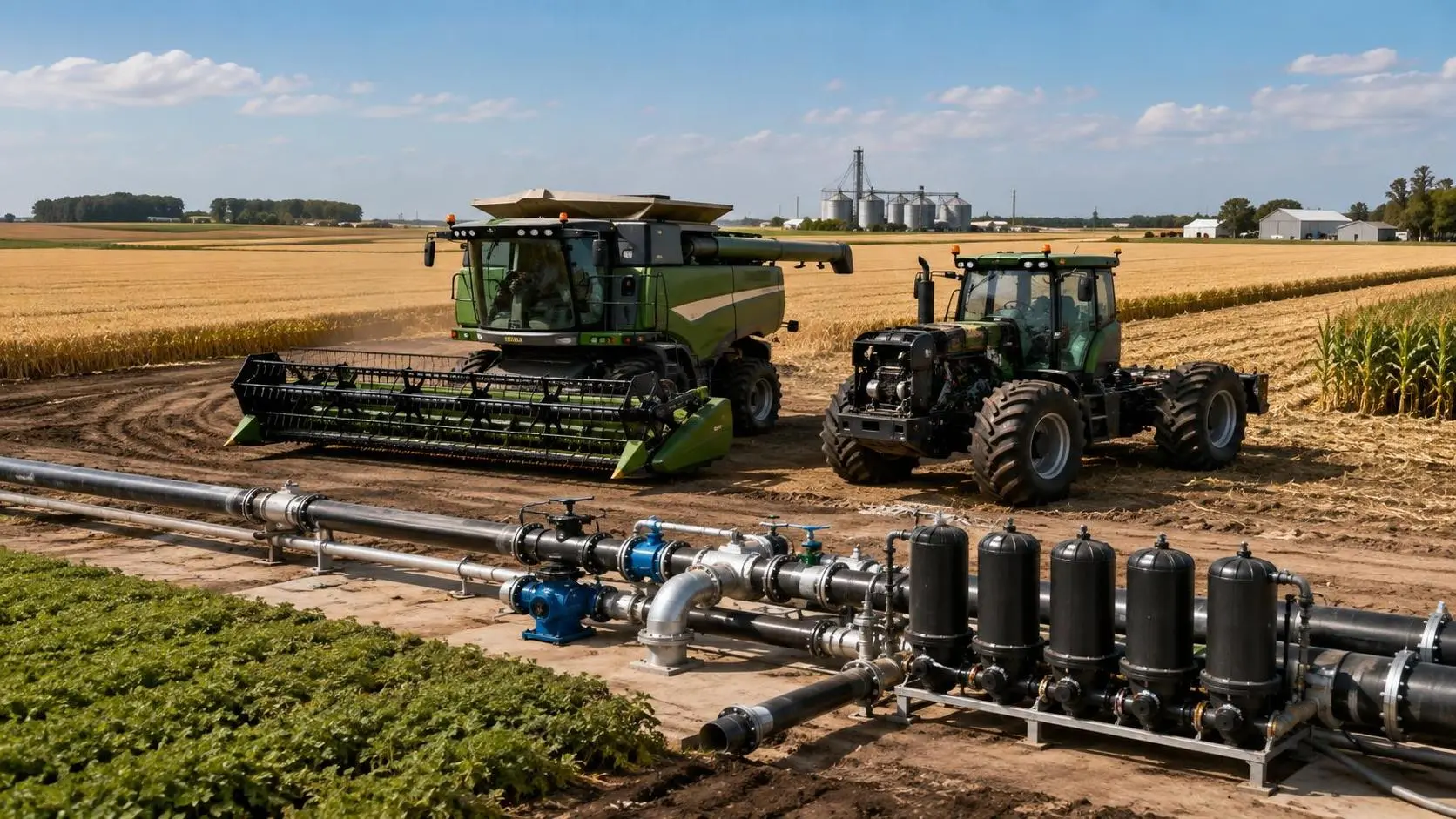
Agricultural Product Information Market Guide: Key Data for Sourcing Decisions
Agricultural product information market guide for smarter sourcing—compare machinery, irrigation, precision tools, lifecycle costs, and supplier risk.

Large-Scale Farm Equipment Cost Comparison: Price, Fuel, and Lifecycle Value
Large-scale farm equipment cost comparison: evaluate price, fuel, maintenance, downtime, and lifecycle value to choose tractors, combines, irrigation, and smart tools with confidence.

A Procurement Specification Preparation Example for Buying Farm Equipment
Procurement specification preparation example for farm equipment: learn to define requirements, compare suppliers, control lifecycle costs, and buy with confidence.

What Tractor Horsepower Is Needed for a Three-Bottom Moldboard Plow?
What tractor horsepower is needed for three-bottom moldboard plow? Compare 60–100 hp needs by soil, depth, traction, and plow width for a confident equipment match.
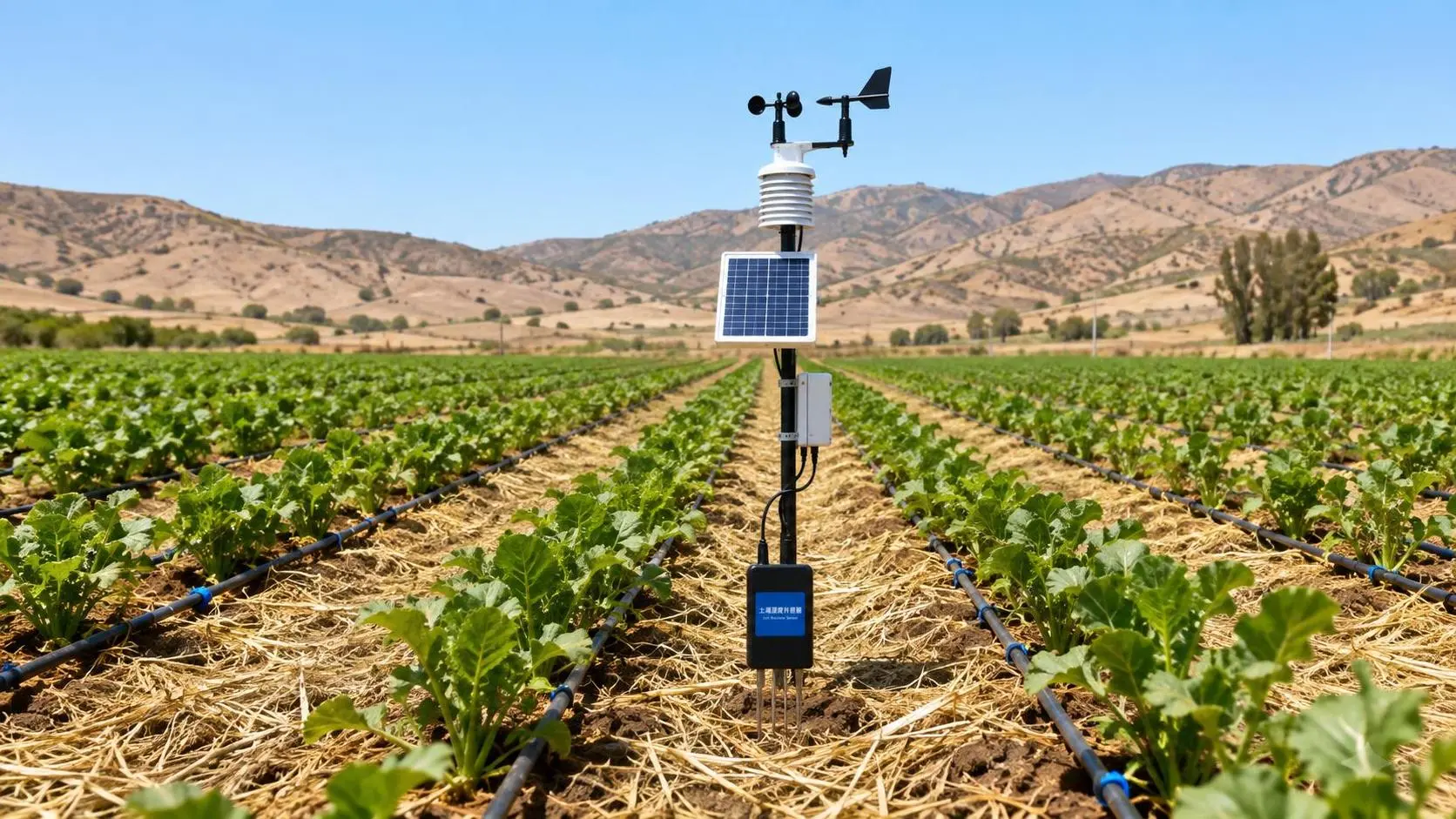
How Does Climate-Smart Farming Reduce Water Use in Semi-Arid Areas?
How does climate-smart farming reduce water use in semi-arid zones? Discover precision irrigation, soil monitoring, and smarter crop planning for resilient yields.
Can Sustainable Farming Be Profitable Without Reducing Yields?
Are sustainable farming practices profitable without yield loss? Discover precision strategies that cut waste, protect yields, and improve farm margins.
Related News
- 00
0000-00
How to Choose Plant Protection Equipment for Vineyard Pests - 00
0000-00
How to Read Agricultural Equipment Specifications for Sprayers Before You Compare Models - 00
0000-00
BIS Extends Fast-Track Approval for Self-Propelled Sprayers - 00
0000-00
Intelligent Sprayer Technology: Which Functions Matter Most for Field Efficiency? - 00
0000-00
How to Choose Plant Protection Equipment for Orchards by Tree Height, Row Spacing, and Spray Drift
Popular Tags
Agri-Mechanization Fellow
Weekly Insights
Stay ahead with our curated technology reports delivered every Monday.