
Plant Protection in Field Crops: When to Use Sprayers, IPM, or Sensors
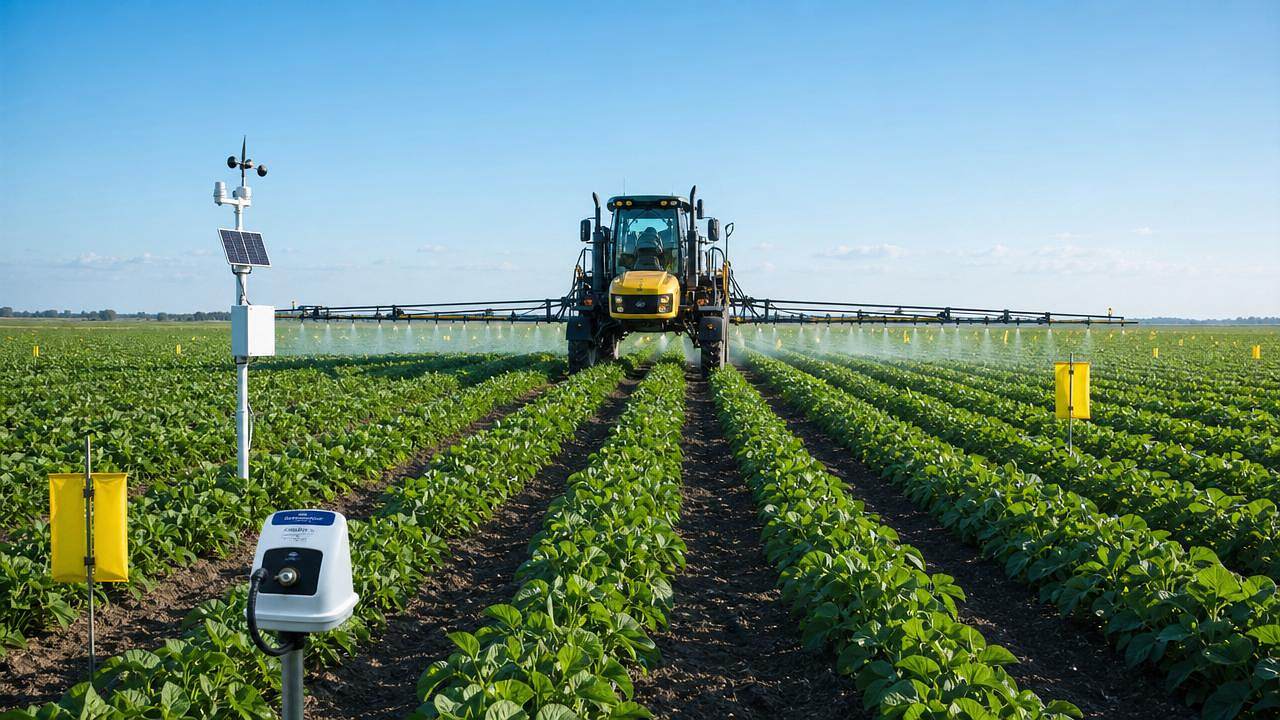




Effective plant protection in field crops is no longer just a question of spraying at the right time. For quality control and safety managers, the challenge is to balance pest suppression, residue limits, operator safety, environmental compliance, and yield stability. This article explains when conventional sprayers, integrated pest management (IPM), and sensor-based decision tools are most appropriate, helping teams choose practical strategies that reduce risk while supporting consistent crop performance.
Why Plant Protection Needs a Checklist-Based Decision Process
Field crop systems face insects, weeds, fungal disease, abiotic stress, and shifting weather patterns. Each pressure requires a different plant protection response.
A sprayer may solve an urgent outbreak. IPM may prevent resistance. Sensors may detect risk before visible crop damage appears.
Without a checklist, plant protection decisions can become reactive. That often increases chemical cost, residue risk, drift complaints, and treatment failures.
A structured checklist connects scouting, thresholds, machinery capability, weather windows, and compliance records into one practical operating sequence.
Core Plant Protection Checklist for Field Crops
Use this checklist before selecting sprayers, IPM tactics, or sensor-based decisions. It helps match plant protection tools to field conditions.
- Confirm the pest, weed, or disease species through field scouting, trap data, imagery, or laboratory diagnosis before committing any plant protection action.
- Compare population levels with economic thresholds, crop stage sensitivity, market standards, and expected yield loss under current weather conditions.
- Check label restrictions, pre-harvest intervals, residue limits, buffer zones, water protection rules, and worker re-entry requirements before spraying.
- Inspect sprayer nozzles, boom height, pressure, flow rate, filters, tank agitation, and calibration records before chemical plant protection work.
- Assess wind speed, temperature, humidity, inversion risk, rainfall forecast, and soil trafficability before entering the field with equipment.
- Select biological, cultural, mechanical, or chemical options based on pest pressure, resistance risk, cost, and crop development stage.
- Review previous applications, mode-of-action groups, resistance history, and untreated refuge areas before repeating any active ingredient.
- Use sensors, drones, satellite maps, or in-field monitoring when pest distribution is uneven or symptoms are difficult to see early.
- Record treatment timing, application rate, field boundary, weather data, operator notes, and follow-up scouting results for audit readiness.
- Evaluate control success within the recommended interval, then adjust the plant protection plan before the next pest cycle develops.
When to Use Sprayers for Plant Protection
Sprayers remain essential when pest pressure exceeds economic thresholds and immediate intervention is needed to protect yield or quality.
They are especially relevant for broadleaf weed escapes, foliar diseases, insect outbreaks, desiccation programs, and time-sensitive fungicide windows.
Use ground sprayers when accuracy, canopy penetration, and drift control are priorities. They support variable rates and targeted field passes.
Use aerial or drone spraying where fields are inaccessible, crop height prevents ground entry, or disease pressure is spreading quickly.
Sprayer Readiness Checklist
- Calibrate application volume against target canopy density, travel speed, nozzle output, and desired droplet spectrum before filling the tank.
- Choose drift-reducing nozzles for sensitive borders, but maintain coverage for contact products requiring uniform leaf deposition.
- Clean tanks, hoses, strainers, and booms thoroughly when switching herbicide groups or treating sensitive crop rotations.
- Match adjuvant selection to label guidance, water hardness, pH, crop safety, and target pest surface characteristics.
Sprayers should not be treated as stand-alone plant protection tools. Their effectiveness depends on diagnosis, timing, coverage, and follow-up assessment.
When IPM Is the Better Plant Protection Strategy
Integrated pest management works best when pest pressure is predictable, recurring, or manageable through prevention and threshold-based intervention.
IPM reduces dependence on repeated chemical treatments. It combines agronomy, biology, machinery timing, and monitoring into one plant protection system.
Crop rotation, resistant varieties, planting date adjustment, residue management, and beneficial insect conservation can suppress pressure before outbreaks.
IPM is especially valuable where resistance risk is high. Repeated use of the same active ingredient can quickly reduce field-level control.
IPM Execution Checklist
- Map field history, including crop sequence, pest outbreaks, herbicide escapes, disease hotspots, and prior plant protection treatments.
- Set scouting intervals based on crop stage, pest biology, rainfall pattern, degree-day models, and regional advisory alerts.
- Protect beneficial organisms by avoiding unnecessary broad-spectrum applications during flowering, natural enemy activity, or low pest density.
- Rotate mode-of-action groups and combine tactics to slow resistance development across weeds, insects, and fungal pathogens.
IPM does not mean avoiding chemicals. It means applying plant protection inputs only when evidence supports the intervention.
When Sensors Improve Plant Protection Decisions
Sensors are useful when risk is uneven, fast-moving, or difficult to observe through conventional scouting alone.
They help identify stressed zones, canopy changes, soil moisture shifts, disease risk, and weed patches before losses become obvious.
Satellite imagery can highlight broad trends. Drones provide higher-resolution views. In-field sensors deliver continuous microclimate or soil data.
Sensor-based plant protection is strongest when data feeds into clear actions, such as variable-rate spraying or targeted scouting routes.
Sensor Use Checklist
- Validate imagery or sensor alerts with field inspection before assigning chemical, biological, or mechanical plant protection treatments.
- Connect data layers with field boundaries, crop growth stage, equipment capability, and product label requirements.
- Use disease forecasting models when humidity, leaf wetness, temperature, and canopy closure increase infection risk.
- Export prescription maps only after checking GPS accuracy, application controller compatibility, and safe rate transition zones.
Sensors do not replace agronomic judgment. They sharpen plant protection timing and reduce blind spots across large fields.
Scenario Guide: Matching Tools to Field Conditions
Scenario 1: Rapid Insect Outbreak in Soybean or Cotton
When insect counts exceed thresholds and defoliation increases daily, sprayers are often the most practical plant protection response.
Use IPM records to choose active ingredients. Avoid disrupting beneficial insects if the pest population is already declining.
Scenario 2: Patchy Weed Escapes After Pre-Emergence Herbicide
Sensors and scouting should confirm weed species, density, and distribution. This prevents unnecessary whole-field spraying.
Targeted herbicide application, cultivation, or hand removal may deliver better plant protection than blanket treatment across low-pressure zones.
Scenario 3: Fungal Disease Risk After Rainfall
Disease models are valuable when rainfall, humidity, and canopy closure create infection conditions before symptoms appear.
Apply fungicides only when crop stage, disease history, and forecasted risk justify preventive plant protection investment.
Scenario 4: Residue-Sensitive Export Crop
IPM should lead the strategy when residue limits are strict. Chemical choices require careful pre-harvest interval planning.
Use records, sampling plans, and label verification to maintain plant protection effectiveness without creating market access risk.
Commonly Overlooked Plant Protection Risks
Drift risk is often underestimated. Wind, nozzle choice, boom height, and temperature inversions can move spray beyond the intended crop area.
Coverage failures reduce control. Dense canopies, poor pressure, worn nozzles, and fast travel speeds can leave untreated surfaces.
Resistance develops silently. Surviving weeds, insects, or pathogens may look like random misses before becoming field-wide plant protection failures.
Data can mislead decisions. NDVI changes may indicate moisture stress, nutrient deficiency, disease, or herbicide injury, not one single cause.
Records are operational safeguards. Missing application logs can create compliance problems, insurance disputes, and weak follow-up decisions.
Practical Execution Advice for Safer Crop Protection
Start each season with a plant protection calendar. Include expected pest windows, scouting dates, equipment checks, and decision thresholds.
Build a simple field risk score. Use crop history, susceptible varieties, irrigation pattern, residue cover, and previous pest records.
Assign scouting routes before symptoms spread. Prioritize field edges, low areas, previous hotspots, and dense canopy zones.
Keep sprayer maintenance aligned with planting and harvest schedules. Delayed calibration can narrow treatment windows during outbreaks.
Use sensors to focus attention, not to automate every decision. Confirm alerts with boots-on-ground inspection before treatment.
Review results after every application. A strong plant protection program improves through measured control, not assumptions.
Summary and Next Action Steps
Sprayers, IPM, and sensors are not competing choices. They are complementary tools within modern plant protection systems.
Use sprayers when rapid, threshold-based intervention is required. Use IPM to reduce risk, resistance, and unnecessary treatment frequency.
Use sensors when variability, early warning, or large-field visibility affects plant protection accuracy and timing.
The next step is practical. Create a field-by-field checklist covering diagnosis, thresholds, equipment readiness, weather limits, and records.
Then review that checklist after each crop cycle. Continuous improvement turns plant protection from emergency response into controlled field intelligence.
Related News
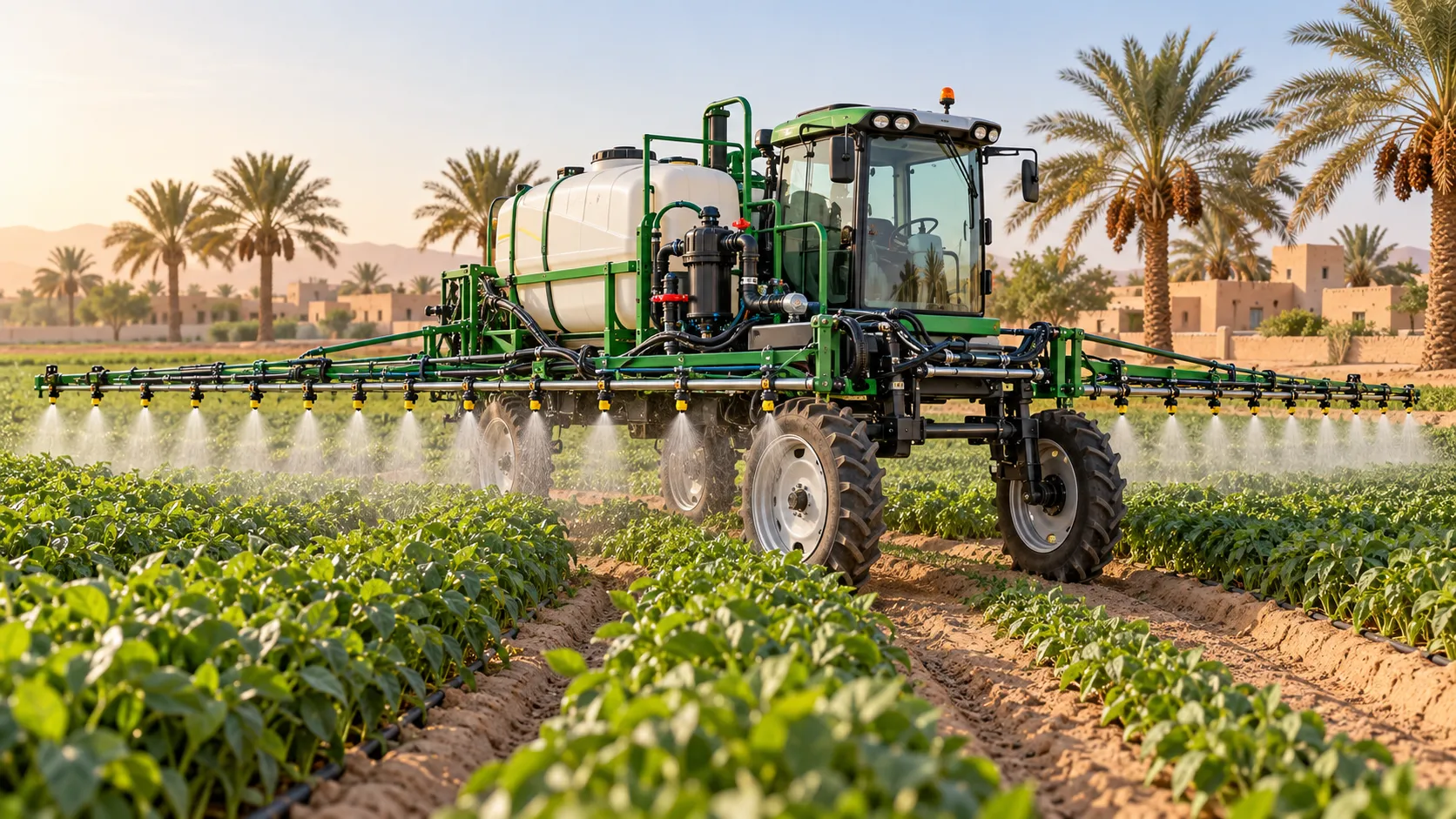
Choosing Crop Protection Equipment for Hot, Windy Middle Eastern Farms
Compare crop protection equipment Middle East farms need for hot, windy conditions. Discover key nozzle, drift-control, and durability checks to choose the right sprayer.
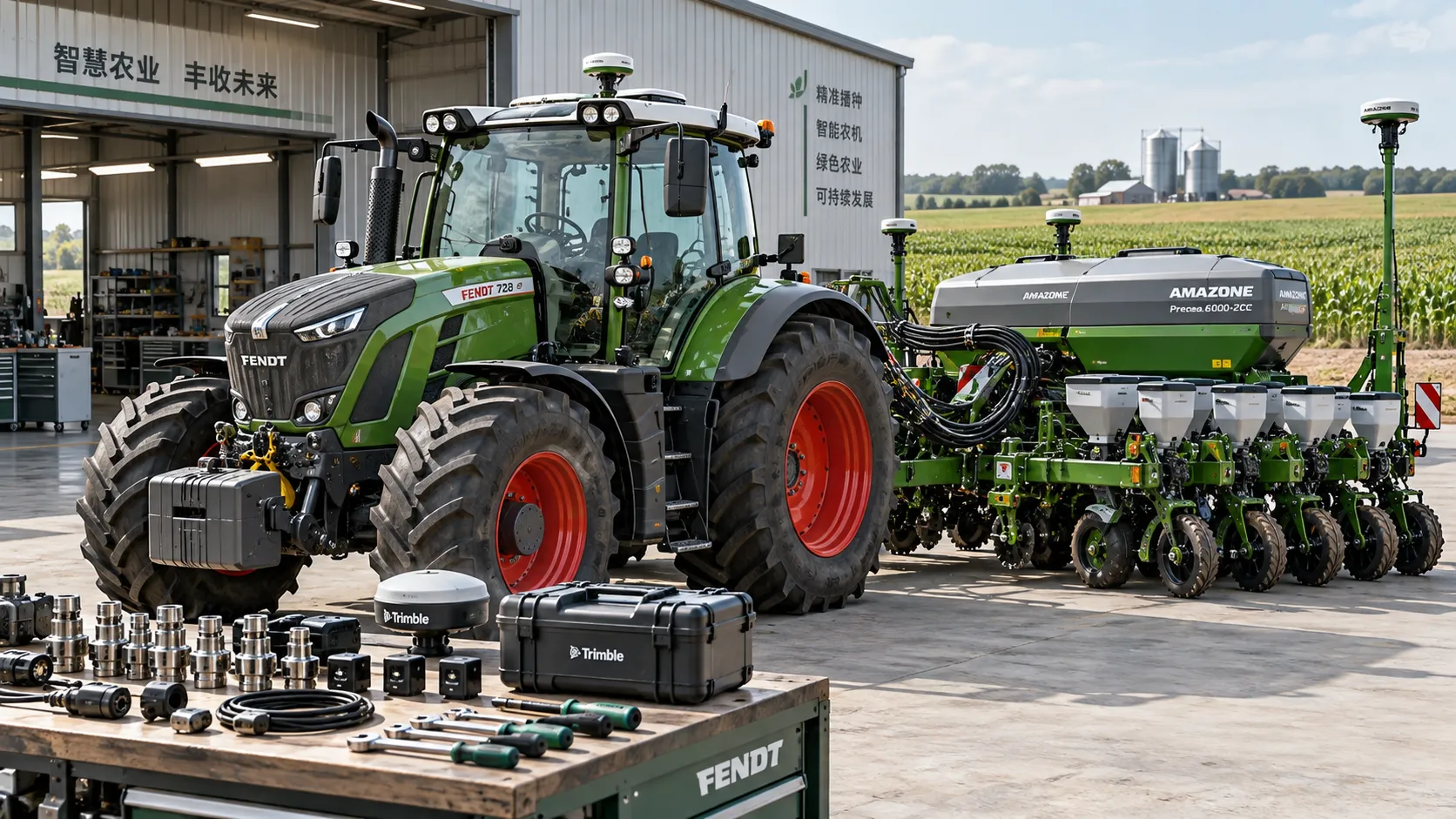
Choosing an Agriculture 4.0 Supplier: Compatibility, Support, and Total Cost
Choose an Agriculture 4.0 supplier with confidence. Learn how to verify compatibility, assess support, and compare total ownership costs to avoid hidden fees and costly downtime.
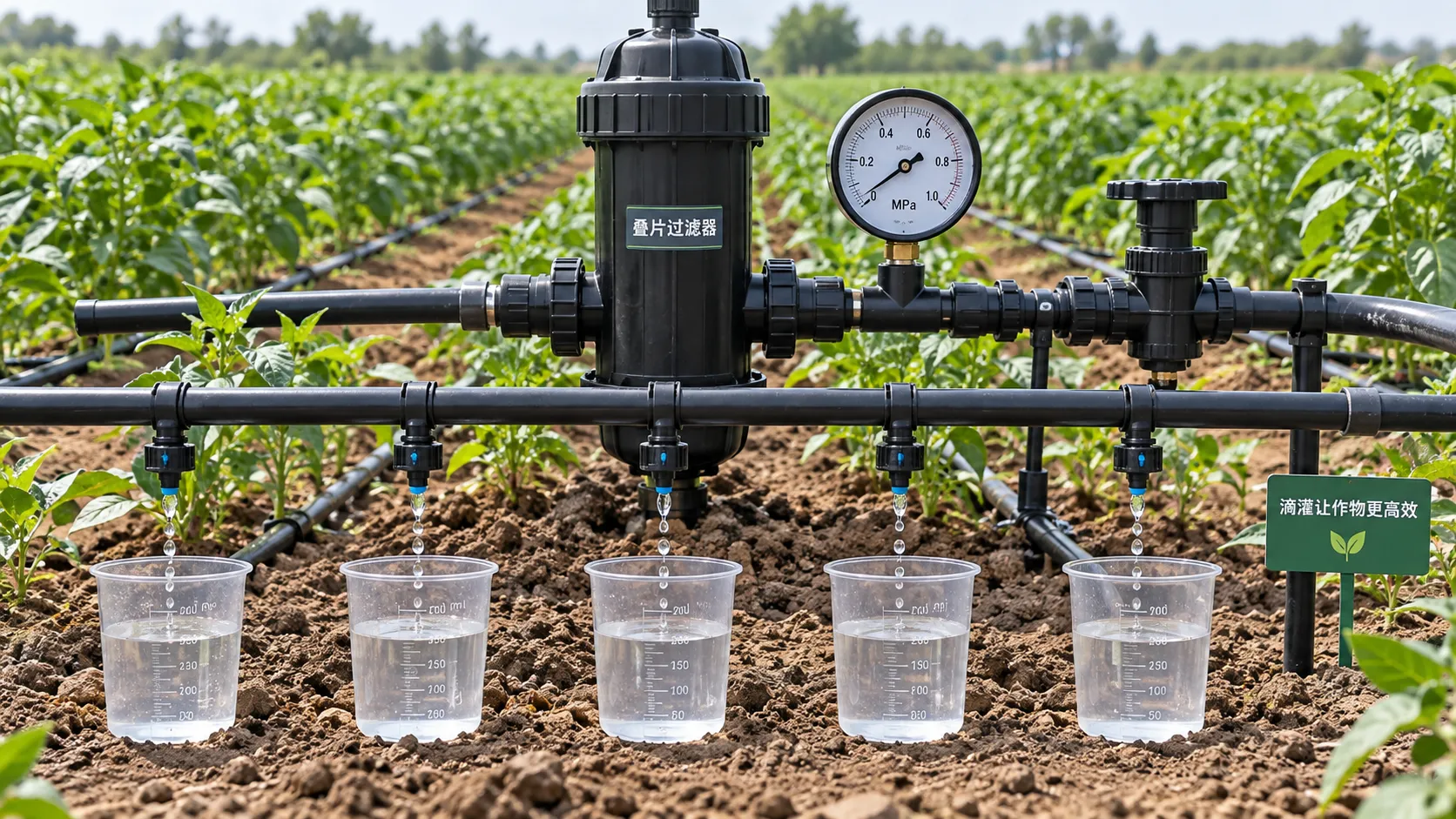
Low-Pressure Drip Irrigation: How to Fix Uneven Watering Without Raising Pressure
Optimize low pressure water-saving irrigation systems: discover how to fix uneven watering, clear blockages, and reduce hydraulic losses without raising supply pressure.
Comparing Farm Equipment Supplier Quotes: Price, Freight, and Warranty
Simplify supplier comparison for farm equipment price: assess freight, field-ready costs, and warranty coverage. Learn how to avoid hidden charges and choose a reliable supplier.
Choosing a Digital Farming Platform Provider: Compatibility and Data Ownership
Compare digital farming platforms providers on equipment compatibility, data ownership, and export rights. Discover practical checks to avoid lock-in and choose with confidence.
How Large-Scale Farm Telematics Cuts Downtime Across Mixed Fleets
Large-scale farm equipment telematics cuts mixed-fleet downtime with real-time alerts, smarter maintenance, and stronger operational control. Learn how to protect critical farm workflows.
How to Size Low-Pressure Water-Saving Irrigation Systems for Uneven Fields
Low pressure water-saving irrigation systems for uneven fields: learn zoning, pressure mapping, pipe sizing, and pump selection to improve uniformity and reduce water waste.
Farm Machinery Sourcing: How to Vet Suppliers, Specs, and Lifecycle Costs
Farm machinery information for sourcing: learn to vet suppliers, compare specifications, control lifecycle costs, and secure reliable uptime for smarter equipment purchases.
How telemetry for agriculture helps identify equipment downtime
Telemetry for agriculture helps detect early warning signs, prioritize maintenance, and reduce costly equipment downtime before field operations are disrupted.
Related News
- 00
0000-00
How to Choose Plant Protection Equipment for Vineyard Pests - 00
0000-00
How to Read Agricultural Equipment Specifications for Sprayers Before You Compare Models - 00
0000-00
BIS Extends Fast-Track Approval for Self-Propelled Sprayers - 00
0000-00
Intelligent Sprayer Technology: Which Functions Matter Most for Field Efficiency? - 00
0000-00
How to Choose Plant Protection Equipment for Orchards by Tree Height, Row Spacing, and Spray Drift
Popular Tags
Agri-Mechanization Fellow
Weekly Insights
Stay ahead with our curated technology reports delivered every Monday.